
How to Keep a Dog from Tracking Mud Inside Your Home
To stop your dog from tracking mud inside, the best approach combines managing their outdoor time, cleaning their paws immediately after walks, and creating a controlled entry area. This simple routine minimizes mess and protects your floors and carpets from constant mud stains.
Dogs naturally track mud when they’ve been outdoors on rainy days or in muddy yards, and it can quickly turn your home into a dirty mess. Mud not only soils floors but can also carry bacteria and allergens into your living space, making it uncomfortable and harder to keep clean.
This guide will explore practical strategies including paw cleaning techniques, setting up mud rooms or designated entry spaces, using protective gear, and training tips to reduce muddy paw tracking. You'll also learn about the best products and tools that help maintain indoor cleanliness.
Creating a Mud-Prevention Entry Zone
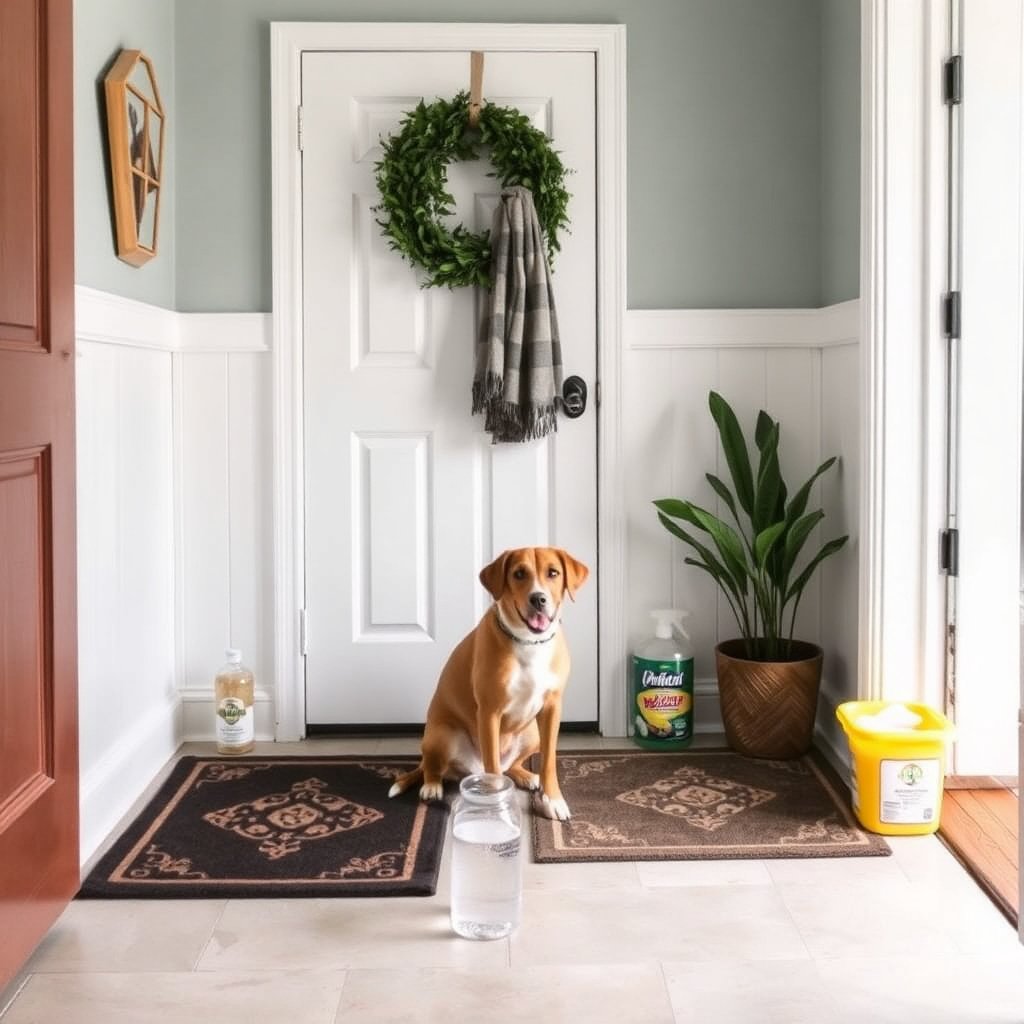
Setting Up a Mud Room or Entry Space
A mud room or a designated entry area helps localize dirt and mud before it spreads through the house. This space should be easy to clean, ideally with tiled or waterproof flooring, and contain mats, towels, and cleaning supplies within arm’s reach.
Organize this zone specifically for your dog, placing tools such as paw wipes, brushes, and a shallow basin or tub for rinsing muddy paws. This makes it convenient to clean your dog right when they come inside, reducing temptation to wander through other areas.
- Install durable rubber or textured floor mats
- Keep dog towels or microfiber cloths handy
- Use a storage bin or shelf for cleaning tools
Use of Mats and Barriers
High-quality absorbent mats trap mud and moisture from your dog’s paws effectively. Position outdoor and indoor mats correctly—an outdoor mat for initial paw contact and one inside as a second line of defense to capture lingering dirt.
Consider physical barriers like baby gates to restrict your dog’s movement until their paws are cleaned. This can be critical for preventing mud tracking in the initial moments after your dog enters.
- Choose mats with deep grooves or ridges
- Place mats strategically for maximum paw coverage
- Use gates or pet barriers near the door
Paw Cleaning Techniques to Prevent Mud Tracking
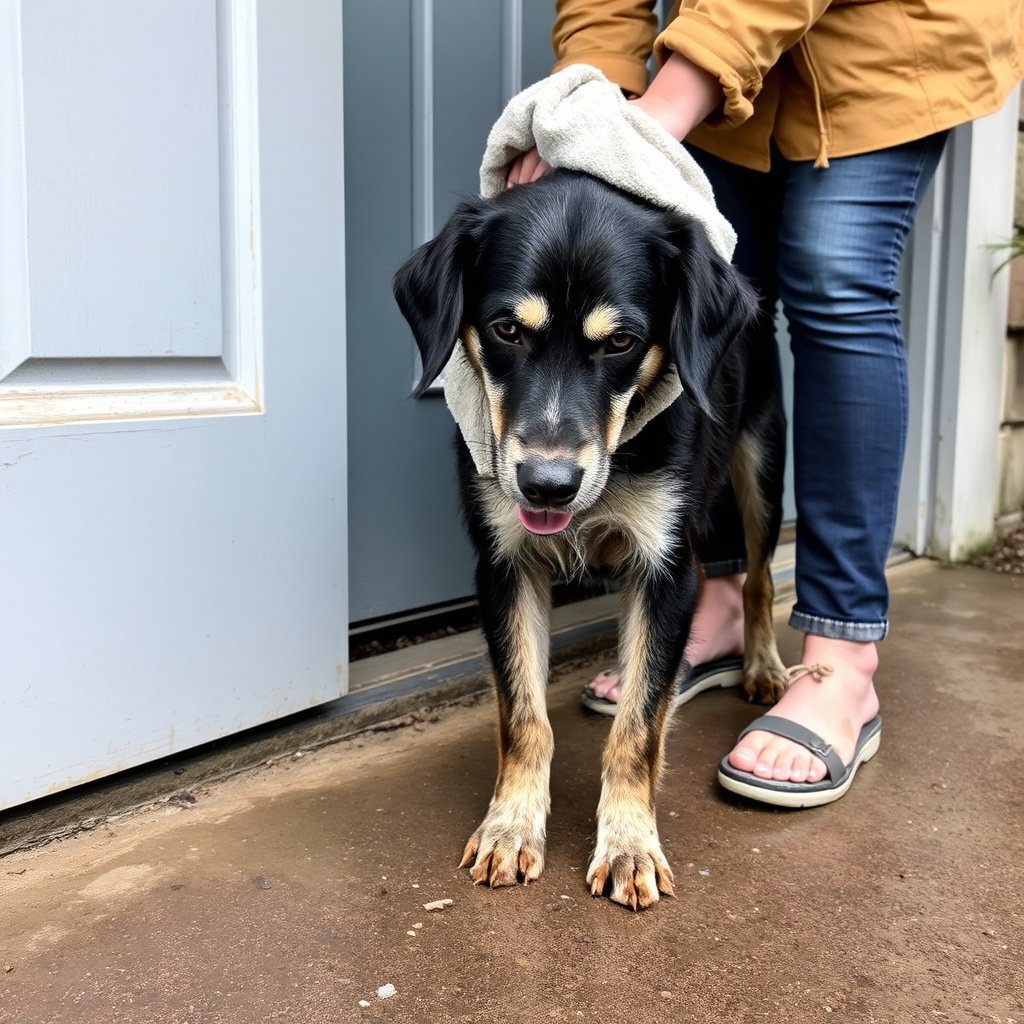
Wiping and Rinsing Paws Effectively
Immediately wiping your dog's paws after outdoor activity is the simplest way to remove mud before it gets tracked inside. Use a damp microfiber cloth or specialized paw wipes designed to lift off dirt and mud with minimal effort.
For heavier mud, rinsing paws with lukewarm water using a shallow basin or hose can be necessary. Dry them thoroughly afterward to avoid wet footprints and slippery floors indoors.
- Use hypoallergenic, pet-safe paw wipes
- Keep a basin or pet paw washer by the door
- Dry paws with a soft towel or microfiber cloth
Using Paw Brushes and Paw Washers
Paw brushes or washers provide more thorough cleaning than wipes alone, especially for dogs that spend a lot of time outdoors. These small devices often have soft bristles or water jets that clean between pads effectively.
Regular use keeps your dog's paws consistently free of mud, reducing the overall cleaning burden inside the home and helping your dog develop a routine around outdoor transitions.
- Choose brushes with soft, gentle bristles
- Ensure paw washers are easy to fill and clean
- Train your dog gently for paw washing acceptance
Training Your Dog to Reduce Mud Tracking
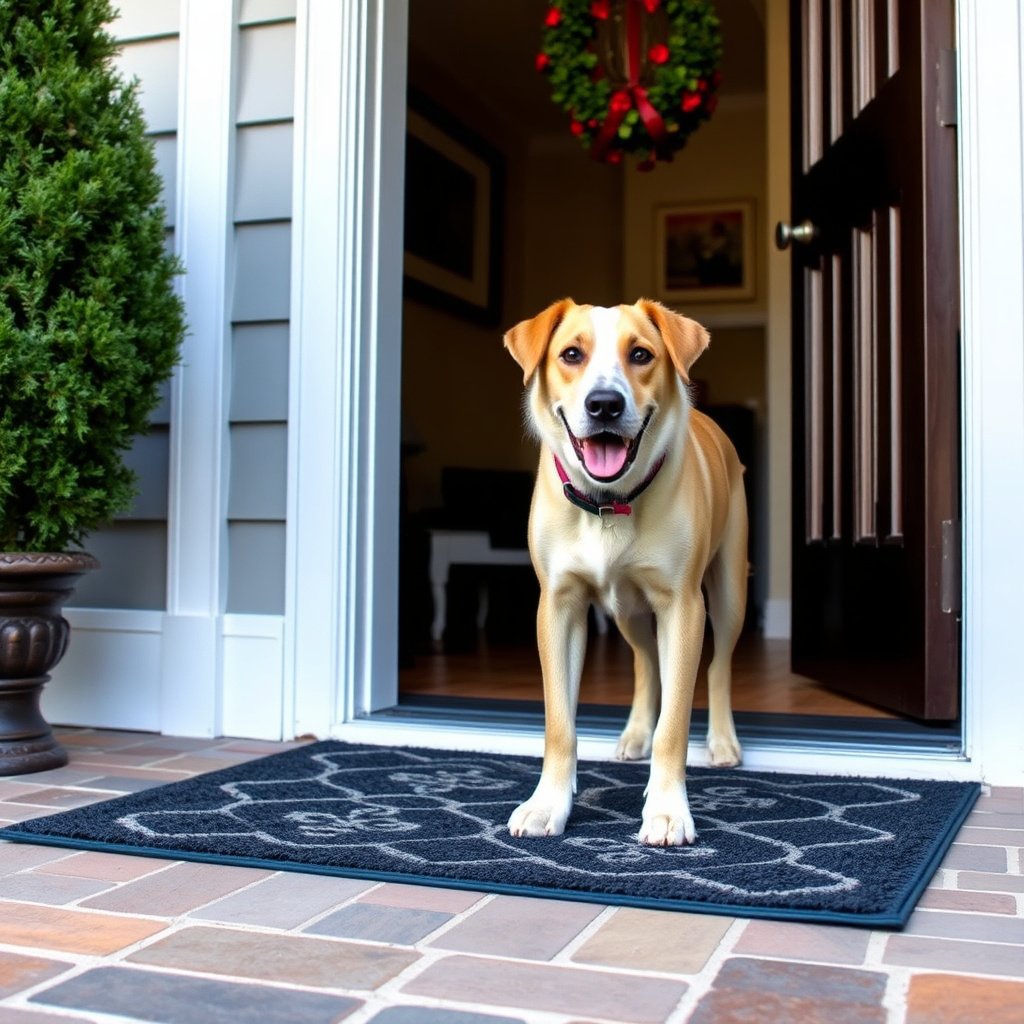
Teaching Paw Cleaning Commands
Training your dog to stay still while you clean their paws improves cooperation and reduces the likelihood of mud spread. Commands like “wait,” “stay,” or “paw clean” can become part of the routine with consistent positive reinforcement.
Start training indoors with dry paws before gradually introducing cleaning with wipes or rinsing. Reward your dog immediately after cleaning to build positive associations with the process.
- Use treats to motivate cooperation
- Practice commands regularly
- Be patient and consistent with training
For more on this, see our related guide: How to Groom a Dogs Paws: Simple Steps for Safe, Effective Care.
Encouraging Outdoor Avoidance of Muddy Areas
You can also train your dog to avoid particularly muddy spots during walks. Use leashes or gentle guidance to steer your dog toward drier paths, reducing mud accumulation on paws before they even enter your home.
Reward your dog for walking on clean surfaces and being attentive to your cues. Over time, this can reduce the need for intensive paw cleaning after time outdoors.
- Use leash training for controlled walks
- Guide your dog around puddles and mud patches
- Praise and reward avoidance behavior
Protective Gear to Minimize Mud Tracking
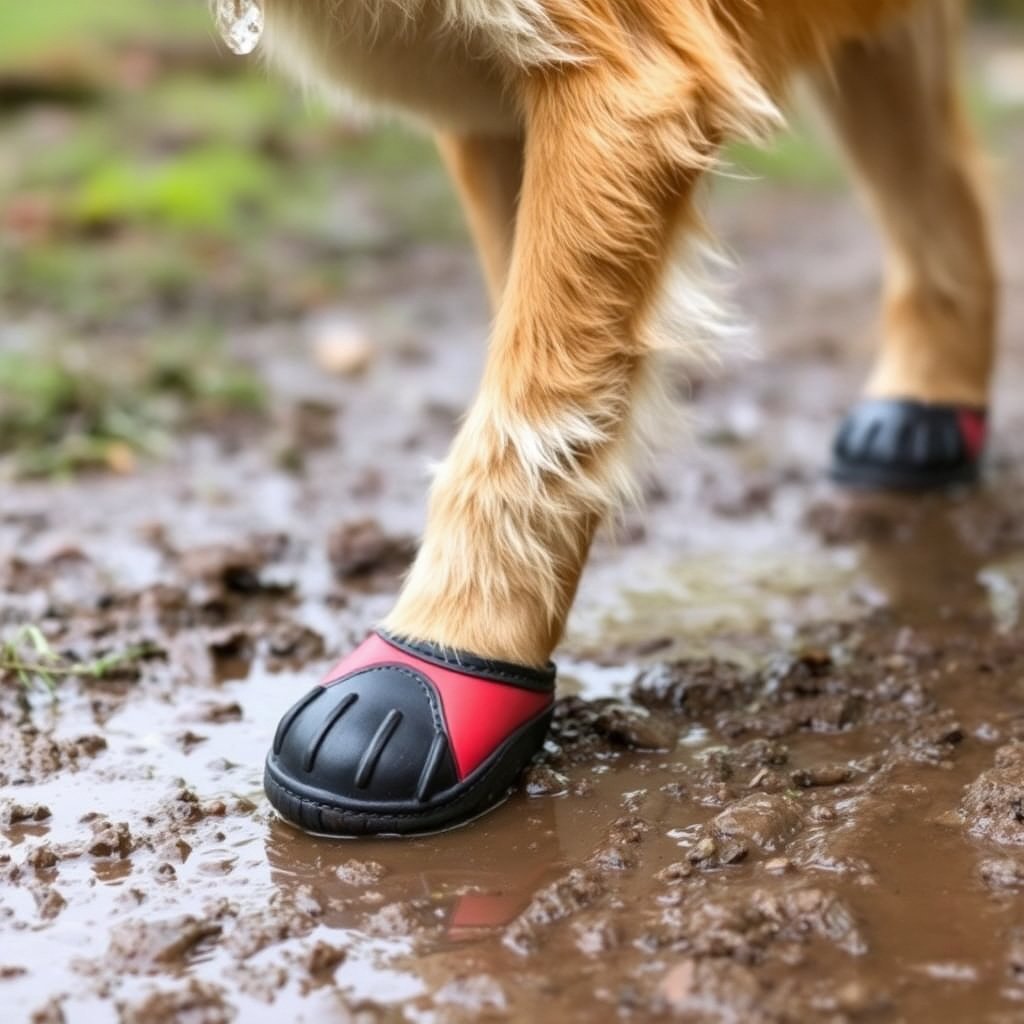
Using Dog Boots or Socks
Waterproof dog boots act as a physical barrier between muddy ground and your dog's paws, preventing mud from sticking to fur and skin. They are especially useful in wet or snowy seasons to keep paws clean and dry.
Choose boots that fit well without restricting movement. Many dogs need time to adjust to wearing footwear, so gradual introduction with positive reinforcement helps acceptance.
- Measure your dog's paws for proper fit
- Start with short periods of wearing boots
- Select boots made of breathable, waterproof materials
Applying Paw Wax or Protective Balms
Paw waxes create a protective coating that repels water and mud, making it easier to wipe paws clean. These balms also help protect paw pads from dryness and cracking in harsh weather.
Apply the wax before outdoor activities and reapply as needed. Ensure the product is pet-safe and avoid contact with the dog's nose or eyes.
- Select natural, non-toxic paw waxes
- Apply evenly across paw pads and between toes
- Reapply weekly for consistent protection
Home Cleaning Strategies for Mud Removal
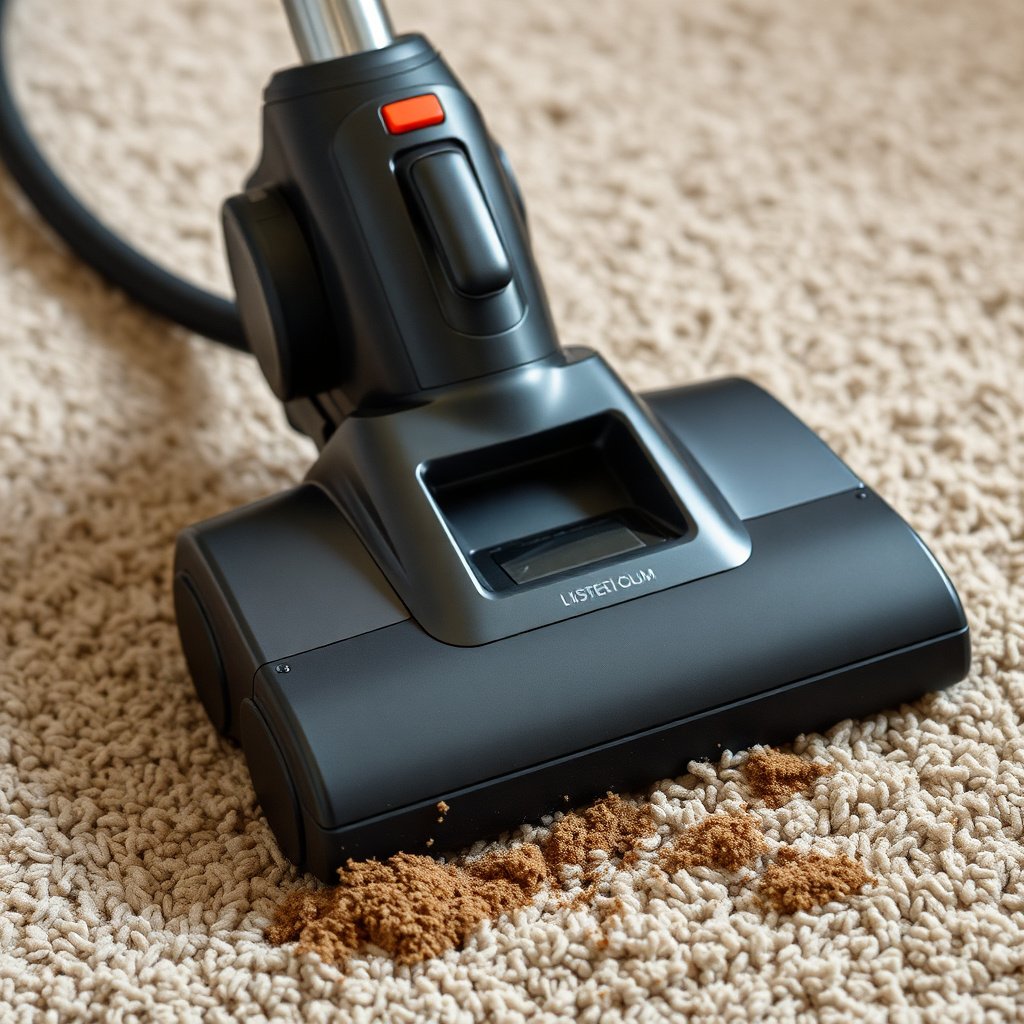
Choosing the Right Cleaning Products
Mud stains require effective cleaning products that break down dirt without harming your floors or upholstery. Look for pet-safe enzymatic cleaners that can handle organic stains and odors safely.
Avoid harsh chemicals that might irritate pets or damage surfaces. Use spot cleaners or multipurpose sprays designed for homes with pets to maintain hygiene and cleanliness.
- Opt for enzymatic or biodegradable cleaners
- Test new products on a small area first
- Select cleaners safe for carpets, wood, or tile
For more on this, see our related guide: What Is the Best Dog Wipes? Complete Guide to Safe, Effective Cleaning.
Cleaning Techniques for Different Surfaces
Hard floors benefit from mopping with warm water and gentle detergents to remove mud quickly. Carpets require immediate blotting followed by deeper cleaning with a pet-safe stain remover or a steam cleaner specialized for pet messes.
Furniture and upholstery need spot treatment with soft cloths to prevent dirt from settling deeply. Regular vacuuming and prompt post-mud cleaning keep your home fresh and clean.
- Blot carpets immediately to absorb moisture
- Use microfiber cloths for upholstery cleaning
- Vacuum frequently during wet seasons
Lifestyle Adjustments to Minimize Mud Tracking
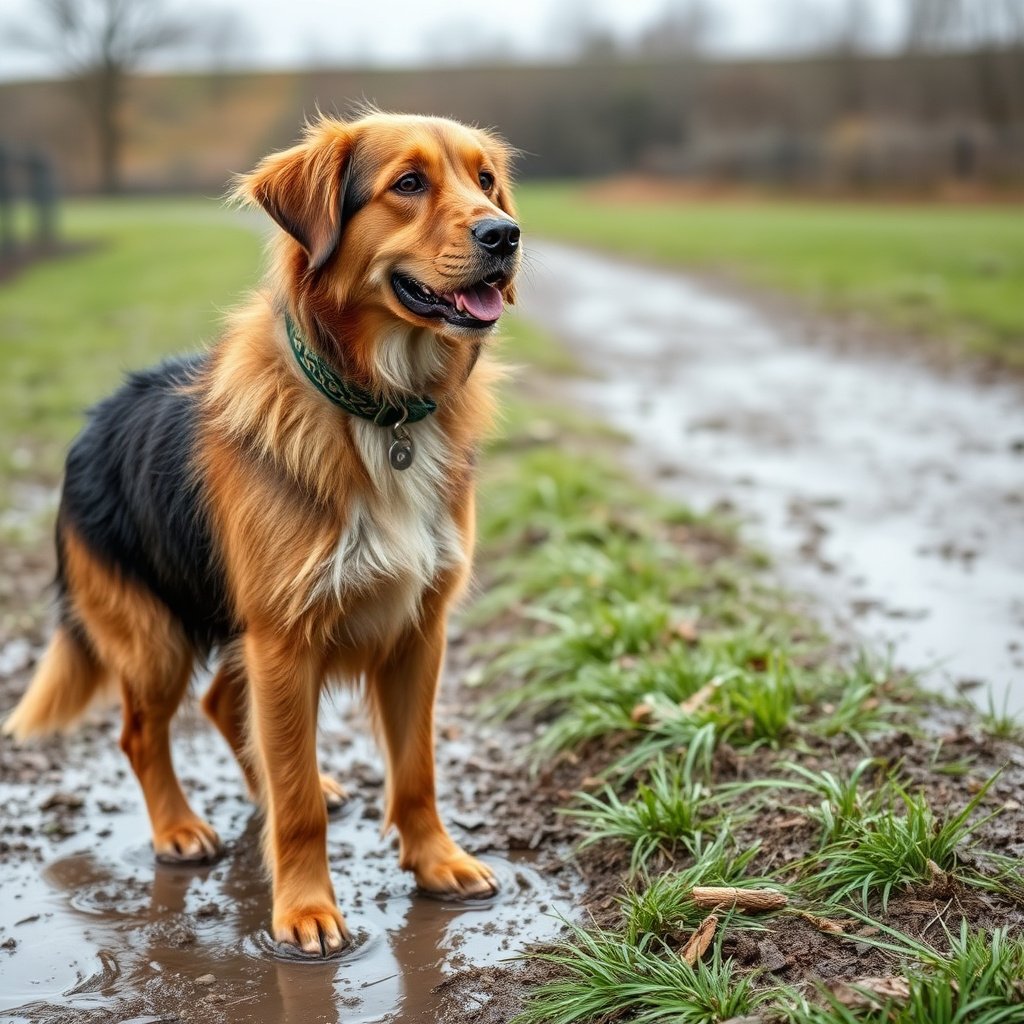
Adjusting Walk Times and Locations
Taking your dog for walks during drier parts of the day or choosing paved routes reduces exposure to mud. Avoiding heavily trafficked muddy trails or parks immediately after rain lowers the chance of dirt accumulation.
Plan walks after mornings when dew has dried or during midday when the sun has baked the ground. Altering your dog’s outdoor routine to less muddy conditions helps maintain cleaner paws naturally.
- Walk during mid-day or dry weather
- Choose grassy or paved paths over muddy trails
- Limit access to backyard areas prone to mud
For more detailed techniques and product recommendations, see the dog paw care advice from the American Kennel Club. dog paw care from the American Kennel Club.
Creating Outdoor Paw Cleaning Stations
Installing a dedicated outdoor washing station near the entrance allows you to clean paws before the dog steps inside. A simple setup with a hose, bucket, or specialized paw washer reduces mud transfer immediately.
This station encourages a consistent cleaning habit and minimizes indoor mess from the start. It’s especially helpful for homes without mud rooms or in rainy climates.
- Set up near the main entry door
- Include pet-friendly soap and rinse tools
- Use hose attachments for easy rinsing
Comparison of Mud Prevention Methods for Dogs
Here is a comparison of popular methods to stop dogs from tracking mud inside, highlighting convenience, effectiveness, and cost.
| Method | Effectiveness | Ease of Use | Cost |
|---|---|---|---|
| Paw Wipes | Moderate | High | Low |
| Paw Washers | High | Moderate | Medium |
| Dog Boots | Very High | Low to Moderate | High |
| Mud Room Setup | High | High | Medium to High |
| Training Commands | Moderate | Moderate | Low |
| Paw Wax | Moderate | High | Low to Medium |
Frequently Asked Questions
How often should I clean my dog's paws after outdoor walks?
You should clean your dog's paws immediately after every outdoor walk, especially in wet or muddy conditions, to prevent mud from being tracked indoors and to keep paws healthy.
Are dog boots comfortable for most dogs to wear regularly?
While many dogs can get used to boots with gradual training, some may find them uncomfortable initially. Start with short wearing sessions and use positive reinforcement to build acceptance.
Can paw wax actually prevent mud from sticking?
Yes, paw wax creates a protective barrier that repels water and dirt, making it easier to clean mud off paws, but it works best combined with regular cleaning routines.
Is it safe to use human cleaning wipes on my dog's paws?
No, human cleaning wipes often contain chemicals that can irritate a dog’s sensitive skin. Use pet-specific paw wipes that are designed to be gentle and safe.
What is the best flooring for a mud room to handle dirty paws?
Non-porous, waterproof flooring such as tile, vinyl, or sealed concrete works best in mud rooms since they are easy to clean and resistant to mud staining.
Key Takeaways
- Create a designated entry area with mats and cleaning supplies to contain mud.
- Clean your dog’s paws immediately after outdoor activity with wipes or rinses.
- Use training and protective gear like dog boots to reduce mud tracking.
- Adjust outdoor routines and install paw cleaning stations for ongoing maintenance.
Conclusion
Stopping your dog from tracking mud inside requires a combination of consistent routines, environmental adjustments, and often some training patience. An effective approach prioritizes cleaning your dog's paws immediately after outdoor activities and localizing mud to a designated area where it can be managed. Creating a mud room or entryway fitted with protective mats and cleaning tools helps maintain a tidy home environment while reducing daily cleaning challenges.
For dog owners dealing with frequent muddy conditions, the best solutions blend prevention and maintenance. Paw wipes and washers offer practical cleaning right at the door, while dog boots provide an excellent physical barrier against mud. Training your dog to wait for paw cleaning and avoiding muddy spots during walks further reduces indoor mess. Choosing a method depends on your dog’s temperament, your budget, and your home layout, but even simple measures can dramatically lower the amount of mud brought inside.
Begin by setting up a cleaning station near your primary entrance and establish a paw cleaning routine immediately after every outdoor walk. If mud is a frequent nuisance, consider adding a mud room area with absorbent mats and pet-safe cleaners to your home. With these proactive steps, you can reduce muddy paw tracking and enjoy a cleaner living space year-round.

