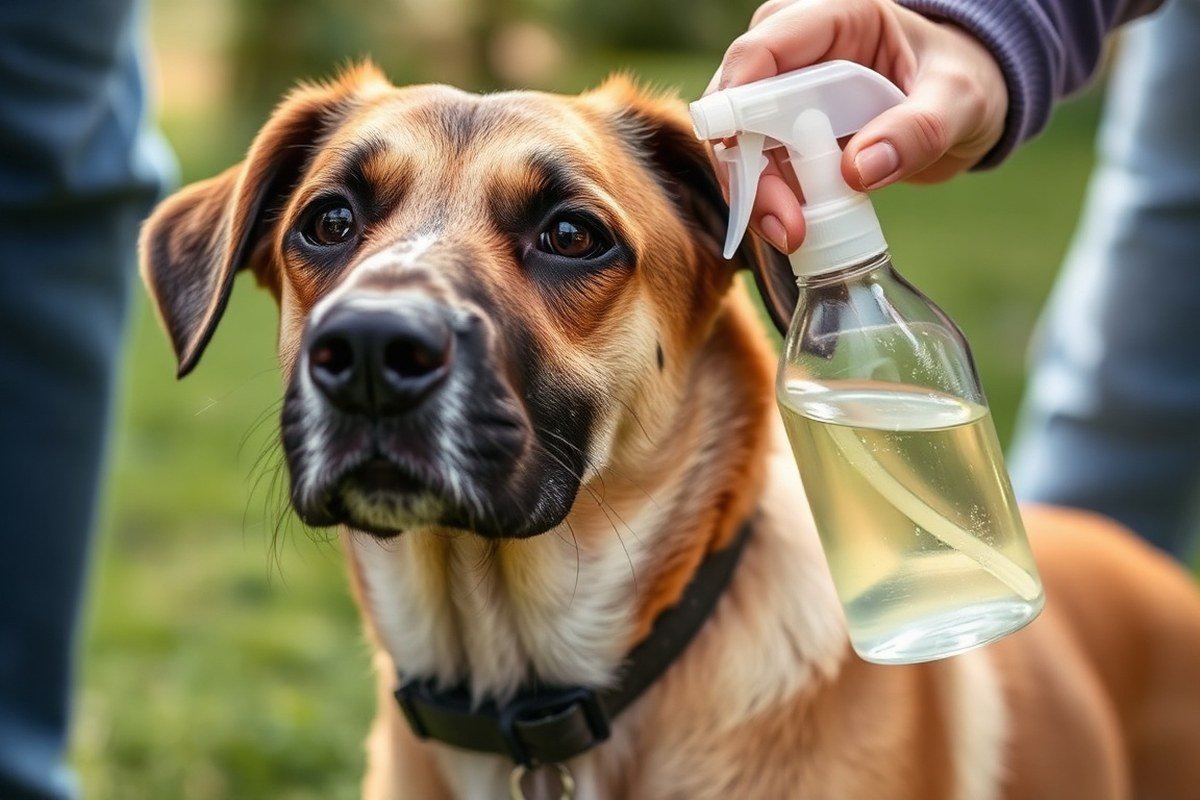
Can You Use Vinegar on a Dogs Skin? Safe Use and 8 Proven Tips
You can use vinegar on a dog’s skin, but only when properly diluted and applied with care. It’s generally safe for most dogs if you avoid open wounds and sensitive areas. This approach is best suited for dog owners who want a natural option for minor skin issues or to keep their dog’s coat clean.
This article explains which types of vinegar work best, how to prepare safe solutions, and specific skin conditions vinegar can help. It also covers important precautions to prevent irritation and maximize the benefits for your dog’s skin health.
Key Takeaways
- Mix apple cider vinegar and water in equal parts before using it on your dog’s unbroken skin to prevent irritation.
- Perform a patch test on a small skin area and wait 24 hours to check for adverse reactions.
- Avoid vinegar on open wounds or very sore, inflamed skin to prevent discomfort or harm.
- Use a spray bottle to target affected skin spots, minimizing vinegar contact with sensitive areas.
- White vinegar and apple cider vinegar differ in acidity and scent; choose based on your dog’s tolerance.
- Vinegar can help reduce bacteria and manage mild skin irritations but is not effective alone for serious dermatitis.
1. Is Vinegar Safe to Use on a Dog’s Skin?

Applying vinegar on a dog’s skin can be safe if done correctly and with proper precautions. Always dilute vinegar before use; a 50/50 mixture of apple cider vinegar (ACV) and water is commonly recommended to avoid irritation. Undiluted vinegar is highly acidic and can cause burning or discomfort, especially on sensitive or damaged skin. Dilution reduces acidity and helps maintain the skin’s natural pH balance, making it safer for most dogs.
Vinegar is generally safe for dogs with intact, unbroken skin. It offers mild antimicrobial and antifungal properties that might help in keeping the skin and coat clean. However, dogs with very sensitive skin, open wounds, raw spots, or active infections should never have vinegar applied, as its acidity can worsen irritation and cause pain. For example, if your dog has hot spots or severe allergies, avoid vinegar treatments entirely or consult your veterinarian first.
Before applying diluted vinegar broadly, test it on a small patch of your dog’s exposed skin. Wait about 24 hours and observe for any redness, itching, or discomfort. Avoid using vinegar to prevent further irritation when your dog reacts negatively. Although giving a teaspoon of diluted ACV in drinking water occasionally doesn’t usually cause side effects in healthy dogs, topical application requires more caution and attention to your dog’s skin condition.
Dogs prone to conditions like sarcoptic or demodectic mange have reportedly benefited from diluted apple cider vinegar applications, but these treatments should complement veterinary care rather than replace it. Avoid using vinegar near the ears since it can cause burning and worsen infections. For ear issues, safer and specifically designed products should be used instead.
The key decision rule is to apply vinegar only to clean, unbroken skin, always diluted to about half water, and monitor your dog’s response. Discontinue use immediately upon signs of irritation. Applying vinegar right before a bath and rinsing it off is a common practice to reduce dander and freshen the coat without prolonged skin exposure. Vinegar treatments won’t cost much, typically just a small bottle of ACV and some water, but keep the risk of skin discomfort in mind and always prioritize your dog’s comfort and safety.
2. Differences Between Apple Cider and White Vinegar for Dogs

Both apple cider vinegar (ACV) and white vinegar are used on dogs’ skin, but they differ in properties, benefits, and risks. Apple cider vinegar offers mild antibacterial and soothing effects ideal for occasional itchy or dry skin when diluted properly. White vinegar is stronger and less often recommended due to higher acidity, which can irritate sensitive dog skin. Choosing the right vinegar depends on the dog’s skin condition and sensitivity.
Apple Cider Vinegar Characteristics
Apple cider vinegar is made from fermented apple juice and contains acetic acid along with trace nutrients like vitamins and minerals. It is slightly less acidic than white vinegar and often diluted in a 1:3 ratio with water for topical use on dogs. ACV may help soothe dry, itchy skin and fend off mild infections, but it can cause irritation if applied to broken or very sensitive skin. Some dogs may develop allergic reactions, so a spot test 24 hours before full application is recommended.
Though some claim ACV improves skin barrier integrity, studies on children’s skin barrier found diluted apple cider vinegar soaks (0.5%) alone do not effectively improve this barrier. Despite limited research in dogs, ACV remains a popular natural option for managing dandruff, itchy paws, or light skin irritations in pets when used cautiously.
White Vinegar Characteristics
White vinegar is produced from distilled grain alcohol and contains a higher concentration of acetic acid, typically around 5-7%, making it more potent and acidic than apple cider vinegar. This increased acidity can effectively kill bacteria and clean surfaces but may cause burning or drying when applied to dog skin, especially if the skin has any wounds, cuts, or existing irritation.
Because of its harsh nature, white vinegar is generally not recommended for regular use on dogs’ skin. When used, it must be heavily diluted (1 part vinegar to 10 or more parts water) and applied very sparingly. Its primary use is more for cleaning dog bedding or as a deodorizer rather than direct skin treatment.
Choosing Between ACV and White Vinegar
Selecting the right vinegar depends on the dog’s skin condition and sensitivity. Apple cider vinegar is better for mild cases of itchy or dry skin, used diluted at one part ACV to three parts water. Avoid applying vinegar over open wounds or raw patches to prevent stinging and further irritation.
White vinegar’s strong acidity may be too harsh for topical skin use and is better reserved for external cleaning purposes. Dogs prone to sensitive skin or allergies should have ACV applied cautiously after a patch test, and white vinegar should be avoided if any skin sensitivity is noted. Below is a detailed comparison of apple cider vinegar and white vinegar with recommended dilutions, benefits, and risks for dog skin applications.
| Characteristic | Apple Cider Vinegar (ACV) | White Vinegar |
|---|---|---|
| Common Acidity | Approximately 5% acetic acid | Approximately 5-7% acetic acid |
| Typical Dilution for Dog Skin | 1 part ACV to 3 parts water (25% solution) | 1 part vinegar to 10+ parts water (10% or less solution) |
| Skin Benefits | Soothes dry, itchy skin; mild antibacterial; may reduce dandruff | Primarily antibacterial cleaning for surfaces; potential skin irritant |
| Risks | Can irritate raw or broken skin; potential allergic reactions | Can burn or dry skin; not advised on broken skin |
| Use Cases | Topical rinse for itching, minor irritation, and odor control | Cleaning dog bedding, deodorizing; limited skin application |
| Research Evidence | Limited; not effective alone for skin barrier repair | No specific research for dog skin use; harshness noted |
| Application Caution | Spot test recommended; avoid open wounds | Use very diluted; avoid skin application if possible |
Applying apple cider vinegar safely means using diluted solutions and patch testing before regular use. White vinegar should be handled with even greater caution, rarely applied to skin, and only for cleaning purposes when diluted heavily.
Never apply undiluted vinegar on your dog’s skin, especially not on open wounds, as it can cause burning and worsen the condition.
3. How to Prepare and Apply Vinegar Safely on Dogs
Before applying vinegar to your dog’s skin, mix it with water at a ratio of one part apple cider vinegar to three parts water, then test a small area for any reaction. Use the solution cautiously to prevent irritation or excessive use, and limit how often you apply it to keep your dog’s skin from becoming too dry.
Dilution Ratios for Vinegar Solutions
Proper dilution is key to avoiding irritation or burns on your dog’s skin. Apple cider vinegar or white vinegar should never be used full strength. A common and safe dilution ratio is one part vinegar to three parts water for topical sprays. For a bath soak, a 50/50 dilution works well but may be too strong for dogs with more sensitive skin. Adjust dilution depending on your dog’s skin sensitivity and the area of application.
Undiluted vinegar can cause redness or itching and should be avoided completely. Dogs with highly sensitive or broken skin require a gentler solution, such as one part vinegar to four or five parts water, or you should get advice from a vet before using vinegar.
Step-by-Step Vinegar Spray Preparation
Making a vinegar spray is simple and allows you to target specific areas without over-applying. Use clean, distilled water or filtered water to mix with the vinegar to avoid introducing contaminants. Use a clean spray bottle reserved for pet use only to prepare the solution.
- Measure one cup of water and pour it into the spray bottle.
- Add one-third cup (about 5 tablespoons) of apple cider vinegar to the bottle.
- Screw the spray top securely onto the bottle and shake well to mix the solution evenly.
- Label the bottle with the date and ingredients for safe storage.
- Keep the bottle at room temperature and away from direct sunlight.
This spray can be applied directly to clean, dry fur or skin areas as needed, avoiding eyes, nose, mouth, ear canals, and any broken skin.
Performing a Patch Test Safely
Patch testing helps identify allergic reactions or sensitivities before applying vinegar extensively. Use a small cotton ball or spray a small amount of your diluted vinegar solution on an inconspicuous area, such as the inside of a dog’s thigh or behind the ear. Watch the area closely for 24 hours.
Signs to look for include redness, swelling, increased scratching, or discomfort. Appearance of symptoms like redness or irritation means you should rinse the affected area with plain water and stop using vinegar immediately. Re-test or try a more diluted solution if necessary, or consult your vet.
Application Methods and Frequency Guidelines
Apply vinegar solutions either by spraying the diluted solution onto targeted skin areas or by using diluted vinegar baths. Avoid spraying directly near your dog’s eyes, nose, mouth, ears, and open wounds. Use a gentle touch when spraying or rinsing sensitive spots.
For spray application, aim for once daily or every other day, depending on your dog’s skin condition and response. Avoid overuse since vinegar can dry out skin. In baths, add about one part vinegar to one part water in the bathing tub and soak your dog for about 5 to 10 minutes before rinsing thoroughly with plain water.
Monitor the skin’s condition and adjust frequency as needed. Noticeable dryness, redness, or irritation calls for cutting back on vinegar use or stopping it altogether. Consistency for mild issues often leads to improvement within one to two weeks, but persistent or severe issues warrant veterinary evaluation.
4. What Skin Conditions Can Vinegar Help Treat?
Vinegar can provide some relief for certain dog skin conditions, mainly by soothing mild itchiness and helping balance surface bacteria. It may also deter fleas and ticks when used as a spray, but vinegar does not treat infections or serious conditions like yeast infections. Expect mild symptom relief rather than a cure when using vinegar, and always follow proper dilution and application methods to avoid irritation.
Relieving Mild Itchiness and Surface Irritation
Diluted vinegar, especially white vinegar, can help calm irritated, itchy skin in dogs caused by minor environmental factors or mild allergic reactions. The acidity of vinegar briefly changes the surface pH and may reduce bacteria on the skin’s surface, easing mild itching. To try this, mix one part vinegar with one part water and lightly rinse or spray the affected areas. Limit exposure to 10-15 minutes and avoid open wounds or raw skin, as vinegar can cause burning or worsen irritation.
Good results include less frequent scratching and calmer skin within a few treatments over several days. Should itching persist or worsen, discontinue the vinegar treatment and contact your veterinarian. Vinegar is not a substitute for veterinary care when inflammation or infection is present.
Using Vinegar to Help Keep Fleas and Ticks Away
Vinegar spray is commonly used by dog owners as a natural flea and tick deterrent. A 50/50 mixture of water and vinegar applied to the dog’s coat can produce a scent that some pests avoid. Spraying this solution before outdoor walks or during flea season may reduce pest attention but does not kill fleas or ticks.
Consistent use several times weekly is necessary to maintain any repellent effect. Keep in mind, no scientific evidence proves vinegar eliminates or treats flea and tick infestations. For serious infestations, licensed veterinary products remain the safest and most effective option. Using vinegar alone may only provide temporary relief from bites and itching but will not eradicate the pests.
Addressing Yeast and Bacterial Skin Conditions
Yeast infections, like those caused by Malassezia yeast, are a common cause of itchy, smelly skin in dogs and often require veterinary treatment. Vinegar’s acidic nature can inhibit surface bacteria, which might mildly help manage the environment where yeast thrives. A diluted vinegar rinse may reduce odors and temporarily soothe symptoms in skin folds or between toes where yeast collects.
For instance, soak the affected area in a mixture of one part vinegar to three parts water for 10 to 15 minutes to help calm irritation. However, vinegar alone is unlikely to control or eliminate a yeast infection. Noticing persistent redness, swelling, or a strong odor means you should seek professional diagnosis and antifungal medication to prevent worsening conditions.
Impact on the Skin Barrier Versus Symptom Relief
Vinegar does not restore the skin barrier itself, which includes the complex layers and oils protecting the dog’s skin. It mainly provides surface-level relief by temporarily adjusting skin pH and reducing some bacteria. It can mask odors and help with mild irritation but does not address underlying causes like hormonal issues, allergies, or chronic infections.
Improving the skin barrier requires complete measures such as balanced nutrition, omega-3 fatty acid supplements, and veterinary-approved treatments for allergies or infections. Use vinegar as a short-term aid to soothe symptoms rather than a replacement for targeted skin health management. Avoid repeated or undiluted applications to prevent drying and disruption of natural oils that keep the skin healthy.
5. When to Avoid Using Vinegar on Your Dog
Vinegar, particularly apple cider vinegar, should not be used on broken skin, hot spots, or open wounds on your dog. Its acidic nature causes a sharp sting that can increase pain and inflammation. Applying vinegar to irritated or raw skin may make your dog more uncomfortable and slow down the recovery process. Avoiding vinegar on these sensitive areas helps prevent further irritation and supports proper healing.
Your dog’s cuts, sores, or raw patches need time to heal completely before applying any vinegar treatment. Also, keep vinegar away from the eyes, ears, nose, and mucous membranes to prevent irritation. Dogs with severe allergies or skin conditions that cause constant scratching or broken skin should not have vinegar applied topically without veterinary advice.
In case of a negative reaction to vinegar, such as redness, swelling, excessive scratching, or obvious distress, immediately rinse the area with clean, lukewarm water. Avoid shampooing right after and contact your veterinarian for guidance, especially if the irritation worsens or doesn’t improve within a day.
- Do not apply vinegar directly to open wounds, cuts, or hot spots
- Dilute apple cider vinegar with an equal part of water before using it on your dog’s skin for any topical application.
- Avoid spraying or bathing near your dog’s eyes, nose, ears, and mouth
- Stop use immediately if your dog shows signs of pain or skin irritation
- Consult your vet for dogs with chronic allergies or severe skin issues
- Use vinegar only on intact, healthy skin to reduce risk of discomfort
Never put vinegar on broken or raw skin as the acidity will cause intense burning and may worsen your dog’s skin condition.
You should observe closely during and after any vinegar treatment to ensure your dog remains comfortable and healthy. Dogs with sensitive skin or certain medical conditions might never be suitable candidates for vinegar use. Asking your veterinarian before trying vinegar in cases of persistent or severe skin problems saves your dog unnecessary pain.
6. Common Mistakes and How to Fix Them When Using Vinegar
Using vinegar on your dog’s skin requires careful attention to avoid common mistakes that can cause irritation or worsen skin problems. One major error is applying undiluted vinegar directly to the skin. Vinegar’s acidity can be harsh, so always dilute apple cider vinegar at least 50/50 with clean water before use. This balance helps maintain a pH level less irritating to your dog’s skin while still providing antibacterial and antiparasitic benefits.
Always test a vinegar solution on a small patch of your dog’s skin before full use. Combine equal parts apple cider vinegar and water, then apply a little to a spot like the inside of the front leg or belly. Keep this area uncovered for 24 hours and watch for redness, swelling, itching, or discomfort. Proceed with the diluted mixture only if no negative reaction appears.
Overusing vinegar can also cause problems. Applying vinegar treatments too frequently or over large skin areas can disrupt your dog’s natural skin barrier, leading to dryness or irritation. Limit applications to once daily and focus on affected spots rather than the whole coat. Always rinse vinegar off with water after 5 to 10 minutes to reduce lingering acidity and smell, which helps prevent irritation.
- Never apply undiluted vinegar; mix 1 part vinegar with 1 part water.
- Conduct a 24-hour patch test on a small skin area before full use.
- Avoid applying vinegar on broken, inflamed, or infected skin.
- Limit use to once per day and rinse off after treatment.
- Stop using the solution right away when you notice skin redness or itching.
- Consult a veterinarian if irritation persists or worsens.
Rinse the irritated area gently with lukewarm water to wash off leftover vinegar. Avoid applying any more vinegar until your dog’s skin has fully healed. Using a mild, dog-specific shampoo designed for sensitive skin can help soothe irritation during recovery. Watch your dog closely for worsening symptoms like swelling, oozing, or increased scratching, which require prompt veterinary attention. Correcting these mistakes by following a dilution formula and patch testing helps you avoid unnecessary discomfort and protects your dog’s skin health effectively.
7. Combining Vinegar with Other Natural Remedies for Skin Health
Combining vinegar with other natural remedies can improve your dog’s skin health by addressing various causes of irritation while soothing and protecting the skin. For example, an oatmeal bath calms inflamed or itchy skin, making it an excellent complement to vinegar’s balancing effects. To prepare an oatmeal bath, grind plain, unflavored oatmeal into a fine powder and mix about 1 cup into warm bath water. Soak your dog for 10 to 15 minutes, gently rubbing the oatmeal throughout their coat, then rinse thoroughly with fresh water. This method helps remove allergens and moisturizes the skin, providing relief if your dog has sensitivities or dry patches.
Coconut oil is another natural option to use alongside vinegar treatments. It forms a protective barrier on the skin that locks in moisture and reduces irritation, which is helpful if your dog’s skin is prone to dryness or cracking. You can apply coconut oil topically by using 1 teaspoon to 1 tablespoon, depending on your dog’s size, warming it slightly until it’s liquid, then gently massaging it into their affected areas once or twice daily. Alternatively, adding a small amount, such as half a teaspoon per 10 pounds of body weight, to your dog’s diet may boost coat condition and skin hydration over time. Start with a smaller dose to monitor tolerance.
Omega-3 fatty acid supplements provide internal support that works in tandem with topical treatments like vinegar. Supplements rich in fish oil or salmon oil can strengthen the skin’s barrier and reduce underlying inflammation caused by allergies. You might find products like soft chews convenient, dosing according to your dog’s weight and the manufacturer’s instructions. Typically, it takes several weeks to months of consistent administration to see noticeable improvements, such as a softer coat, less shedding, and fewer flare-ups of redness or itching. Always select a high-quality omega-3 supplement and consult your veterinarian to determine the appropriate dose and ensure there are no interactions with other treatments.
If vinegar doesn’t provide enough relief or your dog’s skin reaction worsens, using these alternatives alone can be beneficial. Oatmeal baths and coconut oil offer gentle, natural care that can soothe irritated skin while supporting healing. Omega-3s, though slower acting, help maintain skin health from within, especially for dogs with chronic issues like allergies or dermatitis. Avoid combining multiple new treatments at once; introduce them gradually and watch for any signs of adverse effects such as increased redness or swelling.
For dogs with particularly sensitive skin or severe conditions, your veterinarian can advise if these natural remedies should be part of a larger treatment plan or adjusted based on your pet’s unique needs. Combining topical care with dietary supplements often leads to the best outcomes, helping your dog’s skin stay healthy and resilient over time without over-relying on prescription medications. This approach costs less than many pharmaceutical options, with oatmeal and coconut oil being generally affordable and readily available, while omega-3 supplements vary in price depending on quality and brand.
8. How Long Does It Take for Vinegar Treatments to Work on Dogs?
Vinegar treatments may show some relief in your dog’s skin odor or mild itching within a day or two, but clear results typically take about a week of consistent, gentle application. You might notice that the dog’s coat smells fresher or slightly less greasy after the first few rinses with diluted vinegar. However, vinegar is not a quick fix for underlying skin problems, and its effects on itching and inflammation are usually mild and temporary if any.
It is important to monitor your dog carefully during this time. When the itching or odor doesn’t get better after 5 to 7 days of regular vinegar treatments, or if your dog shows other symptoms like hair loss, redness, sores, or discharge, stop the home remedy and call your veterinarian. Persistent symptoms often indicate infections, allergies, or other skin conditions that require targeted medical treatment beyond simple vinegar rinses.
Vinegar can temporarily alter the skin’s pH and reduce surface bacteria or yeast, which might help with mild itchiness connected to yeast overgrowth or mild odors. You can apply a diluted vinegar rinse (such as 1 part vinegar to 3 or 4 parts water) once daily or every other day, letting it sit on the skin for a few minutes before rinsing off. Avoid leaving vinegar on the skin too long or using full-strength vinegar to prevent irritation. Consistent application over several days is necessary because vinegar’s effects are mild and short-lived.
Talk to your vet before using vinegar as part of home care if your dog is already under veterinary treatment. It might not be suitable alongside prescribed shampoos or medications. When symptoms worsen, including swelling, bleeding, foul-smelling discharge, or if your dog shows signs of pain or limping, seek veterinary help without delay. For persistent skin issues or if new symptoms develop during treatment, a dermatology consultation can help identify the cause and the best treatment options.
Stop home vinegar treatment and seek a vet if your dog’s scratching continues beyond a week or if new skin problems like sores or bad odor appear.
Step-by-Step Action Plan for Using Vinegar on Your Dog’s Skin
Follow these steps to safely try vinegar treatment on your dog’s skin while monitoring for improvements or issues.
- Before You Start: Check with your vet to ensure vinegar is appropriate for your dog’s specific skin condition.
- Day 1: Dilute apple cider or white vinegar with water (one part vinegar to three parts water) and test on a small patch of skin. Wait 24 hours to watch for irritation or redness.
- Day 2: If no reaction occurs, apply the diluted vinegar solution to the affected area using a soft cloth or spray bottle. Observe your dog’s behavior for signs of discomfort.
- Week 1: Repeat the application once daily, noting any reduction in itching or redness.
- After 2 Weeks: Assess skin condition improvement. If symptoms persist or worsen, stop use and consult your vet.
- Ongoing: Combine vinegar treatment carefully with other vet-approved natural remedies if needed, avoiding overlap that irritates the skin.
- Watch for Signs: Immediately discontinue use if your dog shows signs of pain, increased itching, or open sores.
Frequently Asked Questions
Can You Use Vinegar on a Dog’s Skin?
Yes, you can use diluted vinegar, especially apple cider vinegar, on a dog’s skin to help soothe irritation and itchiness. Always dilute it at least 50/50 with water to avoid burns or discomfort.
Will Vinegar Help Dogs with Itchy Skin?
Vinegar, especially apple cider vinegar, may help dogs with itchy skin by soothing irritation and balancing skin pH. However, results depend on the underlying cause of the itching.
Why Do Groomers Spray Dogs with Vinegar?
Groomers often use diluted vinegar sprays to help clean dogs’ coats and reduce odors due to its antimicrobial properties. It can also assist in smoothing the coat and reducing dandruff.
What Is the Best Home Remedy for a Dog with Itchy Skin?
A common home remedy is a diluted apple cider vinegar spray, which soothes itchy skin and helps with mild rashes or yeast infections. Test a small area first to avoid irritation.
What Can I Spray on My Dog to Make Her Stop Itching?
A 50/50 mix of apple cider vinegar and water sprayed lightly on your dog’s coat can help reduce itching, especially if caused by yeast or minor skin irritations. Avoid applying on open wounds.
Is Apple Cider Vinegar Good for Dogs?
Apple cider vinegar can be good for dogs’ skin and coat when used diluted. It may help with yeast infections and itchy paws but always test a small patch first to check for sensitivity.
Before You Go
Vinegar can be a useful home treatment for some dog skin issues when used correctly and cautiously. Start with a patch test and dilute the vinegar well to protect your dog’s sensitive skin. Keep close watch on their reaction during early uses, and consult your vet if you’re unsure or notice any problems. Taking these steps helps ensure your dog gets relief safely and comfortably.