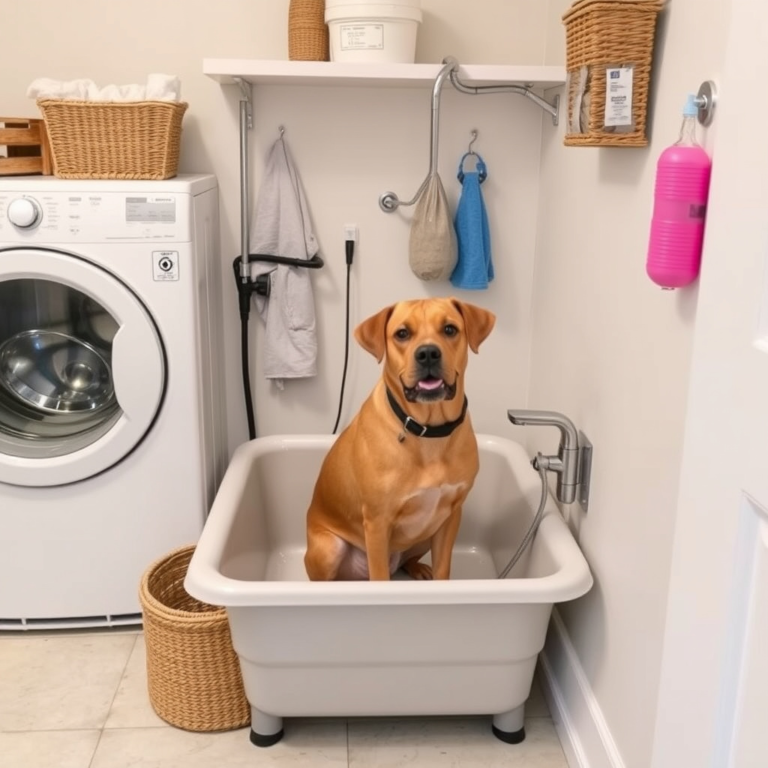
How to Apply Flea Treatment Safely and Effectively
Applying flea treatment properly is key to protecting your pet from irritating and harmful fleas. The process typically involves selecting the right product, preparing your pet and the environment, and carefully following the application instructions to ensure fleas are eliminated without causing harm to your pet.
Fleas can cause itching, allergic reactions, and transmit diseases. Treatments come in various forms such as topical spot-ons, oral medications, shampoos, and collars. Understanding their proper use improves effectiveness and helps prevent re-infestation, safeguarding your pet’s health and comfort.
This guide covers how to pick the right flea treatment, prepare your pet, step-by-step application methods for different product types, safety precautions during treatment, and tips for maintaining a flea-free home going forward.
Choosing the Right Flea Treatment for Your Pet
Types of Flea Treatments
Flea treatments vary widely, including topical spot-on solutions, oral medications, shampoos, and flea collars. Topical treatments are applied to the pet’s skin and offer fast-acting protection. Oral treatments require ingestion and kill fleas systemically. Shampoos provide immediate relief by washing off fleas, while collars release chemicals gradually to repel and kill fleas on contact.
Choosing the best flea treatment for dogs or cats depends on your pet’s age, weight, health status, and lifestyle risk factors such as outdoor exposure. Each treatment type offers different durations of protection and application requirements.
- Topical spot-on
- Oral tablets or chews
- Flea shampoos
- Flea collars
Selecting the Right Product for Your Pet
Not every flea treatment suits every pet. Puppies, kittens, pregnant, or nursing animals often need milder formulas. Veterinarians can recommend products according to your pet’s specific needs and any allergies or sensitivities.
It’s important to read labels carefully to avoid overdosing or using products meant for a different species, which could cause severe health issues.
Preparing Your Pet and Environment for Treatment
Grooming and Inspecting Your Pet
Before applying flea treatment, bathe your pet if the product instructions suggest it. A thorough wash and dry help remove flea dirt and loose fur, making treatment application and absorption more effective.
Using a flea comb after bathing can help locate active fleas or flea dirt, giving a better idea of infestation severity and directing where treatment should be focused.
- Bathe with mild pet shampoo
- Dry your pet thoroughly
- Comb to detect fleas
Cleaning the Pet’s Living Area
Fleas often hide in your home, so vacuum carpets, rugs, furniture, and pet bedding thoroughly before applying treatment. Washing bedding in hot water kills flea eggs and larvae.
Repeat cleaning regularly during the treatment period to reduce fleas in your environment and lower the risk of reinfestation.
- Vacuum carpets and furniture
- Wash pet bedding in hot water
- Dispose vacuum bag promptly
How to Apply Topical Flea Treatment
Step-by-Step Application Process
Part your pet’s fur between the shoulder blades or along the back as specified by the product. Apply the entire dose directly onto the skin, never on the fur. Avoid touching the application site afterward and make sure your pet cannot lick it.
Some treatments come in pipettes with applicators for precise placement. Always follow the product instructions concerning dosage based on pet weight and do not exceed recommended frequency.
- Part fur to expose skin
- Apply full dose on skin
- Prevent licking post-application
For more on this, see our related guide: How to Use Flea Shampoo Effectively for Your Pet’s Comfort.
Aftercare and Monitoring
Keep your pet dry for the recommended period after application as water can reduce effectiveness. Monitor the site for any irritation or adverse reactions like redness or itching.
If adverse signs appear, contact your veterinarian promptly and avoid reapplying treatment until cleared. Flea treatment effectiveness usually improves within 24-48 hours.
Applying Oral and Other Forms of Flea Treatment
Using Oral Medications Safely
Oral flea treatments come in flavored chewable tablets designed to kill fleas through your pet’s bloodstream after ingestion. Administer doses exactly as directed by your vet or the product label, usually monthly or every three months.
Some pets may be finicky eaters; hiding the medication in treats or food can help. Always watch for any vomiting or allergic reactions after administration.
- Follow dosing instructions exactly
- Use treats to ease administration
- Observe pet for side effects
Using Flea Shampoos and Collars
Flea shampoos help eliminate fleas on contact by immersing and washing your pet thoroughly. Use lukewarm water and shampoo per instructions, ensuring the product is suitable for your pet’s age and health status.
Flea collars slowly release insecticides over weeks. Place the collar snugly around your pet’s neck, ensuring it’s not too tight or loose. Replace collars as recommended to maintain effectiveness.
- Apply shampoo thoroughly and rinse well
- Place collar snugly below neck
- Replace collars according to brand guidelines
Safety Precautions When Applying Flea Treatment
Protecting Yourself and Your Pet
Always wear gloves when handling flea treatments to avoid skin irritation or accidental ingestion, especially with topical products containing insecticides. Wash your hands thoroughly afterward.
Do not use products formulated for other species, as some dog treatments can be toxic to cats. Check ingredients and warnings carefully.
- Wear gloves during application
- Wash hands after treatment
- Avoid cross-species treatments
For more on this, see our related guide: How to Give a Dog a Flea Bath: Step-by-Step Guide for Effective Flea Removal.
Recognizing and Responding to Adverse Reactions
Common signs of reactions include excessive scratching, redness, swelling, lethargy, vomiting, or difficulty breathing. If you notice any of these symptoms, contact your veterinarian immediately.
Keep the emergency number handy and have the product packaging available for reference if treatment complications arise.
- Watch for itching or swelling
- Contact vet for severe symptoms
- Have product info ready
Maintaining a Flea-Free Home After Treatment
Routine Cleaning and Monitoring
Regular vacuuming and washing your pet’s bedding are important ongoing steps to prevent fleas from returning. Flea eggs and larvae can survive in the environment, so persistent cleaning reduces infestation risk.
Use flea sprays or powders on carpets and furniture if recommended, but carefully follow safety instructions for your family and pets.
- Vacuum frequently
- Wash bedding weekly
- Consider environmental flea treatments
For detailed scientific insight into fleas and methods of control, visit the Centers for Disease Control and Prevention website. Flea lifecycle and control information.
Regular Flea Treatment Schedule
Adhering to a consistent flea treatment schedule, whether monthly oral tablets or spot-on applications, keeps fleas at bay year-round. Flea seasons can vary by region but maintaining ongoing protection avoids sudden outbreaks.
Consult your veterinarian to tailor the frequency and type of flea control best suited to your pet and household.
- Maintain monthly treatment
- Adjust based on local flea season
- Consult vet regularly
Flea Treatment Category Comparison
Here is a side-by-side comparison of popular flea treatment categories to help choose the best fit for your pet's needs.
| Category | Application Method | Duration of Protection | Ease of Use | Common Side Effects |
|---|---|---|---|---|
| Topical Spot-On | Apply to skin between shoulders | 1 month | Moderate | Skin irritation, temporary greasiness |
| Oral Medication | Administered by mouth | 1-3 months | Easy | Rare digestive issues, vomiting |
| Flea Shampoo | Bath application | Immediate but short | Moderate | Dry skin if overused |
| Flea Collar | Worn around neck | Up to 8 months | Easy | Neck irritation, odor |
| Flea Powder | Sprinkled on fur/environment | Varies | Moderate | Dust inhalation, skin irritation |
Frequently Asked Questions
Can I use flea treatment meant for dogs on my cat?
Using dog flea treatments on cats can be dangerous and potentially toxic. Always use flea products specifically formulated for cats to avoid serious health risks.
How often should I apply flea treatment to my pet?
Frequency depends on the product. Many spot-on treatments and oral medications are applied monthly, while collars can last longer. Follow manufacturer's instructions and vet advice.
Is it necessary to treat my home for fleas if I treat my pet?
Yes. Fleas can live in carpets, bedding, and furniture, so cleaning and environmental treatments help prevent reinfestation alongside pet treatment.
Are flea shampoos effective for long-term flea control?
Flea shampoos kill fleas on contact but do not provide lasting protection. They are best used with ongoing treatments like spot-ons or oral medications.
Can flea treatments cause side effects in pets?
Some pets may show side effects like skin irritation or digestive upset. Monitor your pet after application and consult a vet if symptoms appear.
Key Takeaways
- Correct application maximizes flea treatment effectiveness and safety.
- Choose products specifically suited to your pet’s species and health.
- Environmental cleaning complements pet treatment to prevent reinfestation.
- Monitor your pet for any adverse reactions during flea treatment.
Conclusion
Applying flea treatment requires careful attention to detail, starting with selecting the suitable product for your pet’s age, weight, and health. Proper application following product instructions ensures maximum effectiveness in killing and repelling fleas. Additionally, environmental measures like cleaning your home and washing pet bedding are crucial to stopping fleas at their source. Monitoring your pet during this process helps catch any adverse reactions early, allowing quick veterinary care if needed. This thorough approach offers the best chance to eliminate fleas safely.
For pets frequently outdoors or living in flea-prone regions, monthly topical spot-on treatments or oral medications offer consistent protection. Flea collars provide long-lasting insecticide release with minimal upkeep, ideal for pets with sensitive skin who avoid topical solutions. Flea shampoos serve well for instant relief during infestations but should be paired with extended treatments for sustained control. Selecting from these options depends on your pet’s tolerance and lifestyle, but combining them with home cleaning efforts improves outcomes significantly.
As your next step, evaluate your pet’s current flea situation and consult your veterinarian to identify which flea treatment fits best. Follow detailed application steps precisely and maintain environmental hygiene. With patience and persistence, you can keep your pets comfortable and flea-free year-round using safe, reliable flea treatments.