How to Keep House Clean with Dogs: Practical Tips for Pet Owners
Keeping a house clean with dogs requires consistent habits and the right tools to manage pet hair, dirt, and odors effectively. The key to maintaining a tidy home with canine companions involves regular grooming, strategic cleaning routines, and creating designated pet areas to contain messes.
Dogs naturally shed fur and track dirt indoors, which can quickly make a home feel cluttered and untidy. Without a plan to tackle these challenges, owners often feel overwhelmed by the extra cleaning demands. Addressing these issues not only improves cleanliness but also contributes to a healthier living space for both humans and pets.
This article will explore various methods for maintaining a clean house with dogs, including grooming tips, cleaning tools, managing pet odors, and organizing spaces to minimize mess. With practical guidance, you can enjoy the companionship of your pets without sacrificing a clean home environment.
Daily Grooming Practices to Minimize Mess
Regular Brushing to Control Shedding
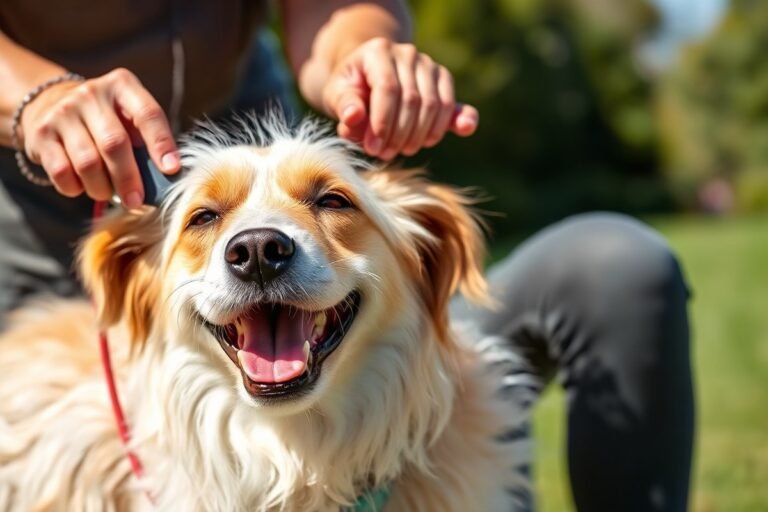
Brushing your dog daily or several times a week helps remove loose fur before it falls around the house. Depending on your dog’s breed and coat type, different brushes such as slicker brushes, deshedding tools, or grooming gloves work best to trap shedding hair effectively.
Consistent grooming not only reduces fur accumulation on furniture and floors but also promotes healthy skin and coat. Incorporating brushing into your dog’s routine can significantly cut down the frequency and intensity of indoor cleaning sessions.
- Choose a brush suited for your dog’s fur type
- Brush in the direction of hair growth
- Reward your dog to make grooming a positive experience
Bathing and Nail Care to Reduce Dirt and Damage
Regular baths help wash away dirt and dander that contribute to indoor grime and odors. The bathing frequency depends on your dog’s activity level and skin condition but is generally recommended every 4-6 weeks.
Trimming your dog’s nails prevents scratches on floors and furniture. Keeping nails short is easier with proper tools and acclimating your dog to the process gradually to avoid stress.
- Use dog-specific shampoos for skin sensitivity
- Dry thoroughly after baths to prevent moisture buildup indoors
- Use a nail grinder or clippers based on comfort
Effective Cleaning Tools and Techniques for Dog Hair
Using Vacuums and Brushes Designed for Pet Hair
Standard vacuums often struggle with embedded pet hair. Investing in a vacuum designed explicitly for pet hair, with strong suction and specialized brushes, enhances the removal of hair from carpets, upholstery, and hard floors.
Combine vacuuming with rubber brooms or pet hair rollers on fabric surfaces for areas that vacuums cannot always reach. Frequent cleaning prevents hair build-up that can trigger allergies and dirt accumulation.
- Empty vacuum bags or clean filters regularly
- Remove hair from vacuum brushes to maintain efficiency
For more on this, see our related guide: How to Clean Dog Vomit from Carpet Quickly and Effectively.
Mopping and Spot Cleaning for Dirt and Mud
After outdoor walks, dogs often bring in mud and dirt that can soil floors quickly. Using microfiber mops with pet-safe cleaning solutions removes grime effectively without harsh chemicals.
Spot cleaning with a cloth dampened with vinegar and water neutralizes odors and removes stains promptly. Having a cleaning kit near entry points helps address dirty paws immediately.
- Use easy-dry mops to avoid slippery floors
- Keep microfiber cloths handy for quick messes
Managing Odors in a Home with Dogs
Using Air Purifiers and Ventilation
Odors caused by dog dander and wet fur build up indoors but can be reduced with an effective air purifier. Models with HEPA filters capture airborne allergens and particles, helping maintain fresh air quality.
Ventilating rooms by opening windows daily supports odor control and lowers humidity. Circulating air prevents stagnant smells from settling into carpets and furniture.
- Select purifiers rated for your room size
- Run purifiers continuously or during peak odor times
Odor-Neutralizing Cleaners and Laundry Care
Using enzymatic cleaners designed to break down organic compounds in pet stains stops lingering odors from developing. These cleaners work on carpets, upholstery, and pet bedding.
Washing dog blankets, beds, and removable covers frequently with pet-friendly detergents keeps fabrics smelling fresh and reduces bacteria buildup.
- Avoid harsh chemicals that irritate pets
- Air dry items outside when possible to reduce musty smells
Designating Pet Areas to Contain Messes
Creating a Comfortable Pet Zone
Setting up a specific area for your dog with easy-to-clean flooring, beds, and toys helps concentrate shedding and dirt in one location. This strategy reduces dispersal across the entire home and simplifies cleaning.
Use washable mats or rugs that can handle wear and pet traffic. Rotate toys and clean bedding regularly to maintain hygiene and comfort.
- Choose a low-traffic area to minimize disruptions
- Provide water and accessible resting spots in the zone
For more on this, see our related guide: How to Clean a Dog Leash: Simple Steps for a Fresh, Durable Strap.
Managing Entryways and Muddy Paws
Installing door mats and paw-cleaning stations near entrances prevents dogs from tracking outside dirt indoors. Wiping paws with pet-safe wipes or towels immediately after walks reduces mess significantly.
Booties or protective paw wear during wet seasons further minimize mud transfer and protect floors.
- Keep cleaning supplies near doors
- Train dogs to wait for paw cleaning before entering
Routine Cleaning Schedule for a Dog-Friendly Home
Daily and Weekly Chores to Maintain Cleanliness
Implementing a cleaning schedule that includes daily vacuuming of pet areas, wiping surfaces, and quick litter box or waste cleanups prevents buildup. Weekly deep cleans covering upholstery and floors keep the home consistently tidy.
Consistency reduces workload over time by managing dirt and hair before they accumulate and become more challenging to remove.
- Daily: brush dog, clean paws, quick vacuum
- Weekly: mop floors, wash pet bedding, deep vacuum
For more detailed insights into canine grooming and health, refer to the ASPCA's dog grooming and care guidelines. dog grooming and care guidelines.
Monthly and Seasonal Maintenance Tasks
Scheduling monthly carpet cleanings and window washing refreshes your home environment and tackles odors embedded deep in fabrics. Seasonal tasks like checking for pest control and grooming ensure your dog stays healthy year-round.
A proactive approach keeps your home both clean and safe for your dog and household members.
- Professional carpet cleaning every 3-6 months
- Check and replace air purifier filters seasonally
Comparison of Cleaning Methods for Homes with Dogs
Here’s a breakdown of popular cleaning methods and tools to keep homes with dogs clean, detailing their effectiveness and maintenance.
| Method | Effectiveness for Hair Removal | Ease of Use | Cost | Best For |
|---|---|---|---|---|
| Vacuum Cleaner (Pet-Specific) | High | Moderate | High | Daily hair and dirt pickup |
| Rubber Broom | Medium | Easy | Low | Quick pickup on hard floors |
| Enzymatic Cleaner | N/A | Easy | Moderate | Pet stain and odor removal |
| Microfiber Mop | Low | Easy | Low | Dirt and mud on floors |
| Air Purifier with HEPA Filter | N/A | Easy | Moderate to High | Odor and dander control |
Frequently Asked Questions
How often should I groom my dog to reduce shedding inside the house?
Most dogs benefit from brushing at least 3-4 times weekly. Heavy shedders may require daily grooming to significantly cut down loose hair around the home.
What is the best way to clean dog urine stains and odors?
Using an enzymatic cleaner specifically designed for pet stains breaks down urine molecules to eliminate odors and prevent repeat marking, unlike regular household cleaners.
Can a regular vacuum effectively handle pet hair?
Standard vacuums often lack the suction power and brush design to remove embedded pet hair effectively. Pet-specific vacuums are recommended for better results.
How can I prevent muddy paw prints after walks?
Keep towels or pet wipes near the door and train your dog to pause for paw cleaning before entering. You can also use dog booties during wet weather.
Are air purifiers helpful for dog-related allergens and odors?
Yes, air purifiers with HEPA filters remove airborne allergens like dander and help reduce pet odors for fresher indoor air quality.
Key Takeaways
- Daily grooming significantly reduces shedding and indoor messes.
- Pet-specific cleaning tools improve hair and dirt removal efficiency.
- Creating designated pet zones helps contain dirt and hair.
- Regular cleaning schedules prevent buildup and maintain freshness.
Conclusion
Deciding how to keep house clean with dogs involves balancing your pet’s needs with practical cleaning strategies. Focusing on grooming, specialized cleaning tools, and designated pet spaces reduces excessive hair, dirt, and odors, ultimately saving time and effort. Consistency in routines is key to maintaining a sanitary and comfortable living environment for both pet and owner.
For those dealing with heavy shedders, daily brushing paired with pet-friendly vacuums is essential. Pet owners living in muddy climates should consider entryway setups with paw wipes and booties to minimize tracked-in dirt. Odor management through air purifiers and enzymatic cleaners further enhances home freshness. Tailoring these approaches to your lifestyle and dog’s behavior promotes a healthier atmosphere.
Start by establishing a manageable grooming and cleaning schedule, and invest in a few effective tools like a pet vacuum and enzymatic cleaner. This methodical approach will help you maintain a cleaner, happier home while fully enjoying the companionship of your dogs without the stress of constant messes.