How to Choose the Best Dog Teeth Cleaning Kit for Your Pet’s Oral Health
The best dog teeth cleaning kit combines ease of use, safety, and effective plaque removal to keep your pet’s mouth healthy and prevent dental diseases. It typically includes a dog-friendly toothpaste, a soft toothbrush or finger brush, and sometimes dental wipes or treats designed to reduce tartar buildup.
Maintaining your pet’s dental hygiene is vital because poor oral health can lead to pain, infection, and systemic health problems over time. Dogs are prone to plaque and tartar accumulation, which can affect their teeth and gums if not addressed regularly with the right products.
This article will explain the key features of top dog teeth cleaning kits, review important types of products included, and guide you through deciding which kit fits your dog's specific needs, breed, and behavior. It will also compare different categories of kits and answer common questions dog owners have about dental care.
Understanding Components of the Best Dog Teeth Cleaning Kit
Dog Toothpastes: Safe and Palatable Options
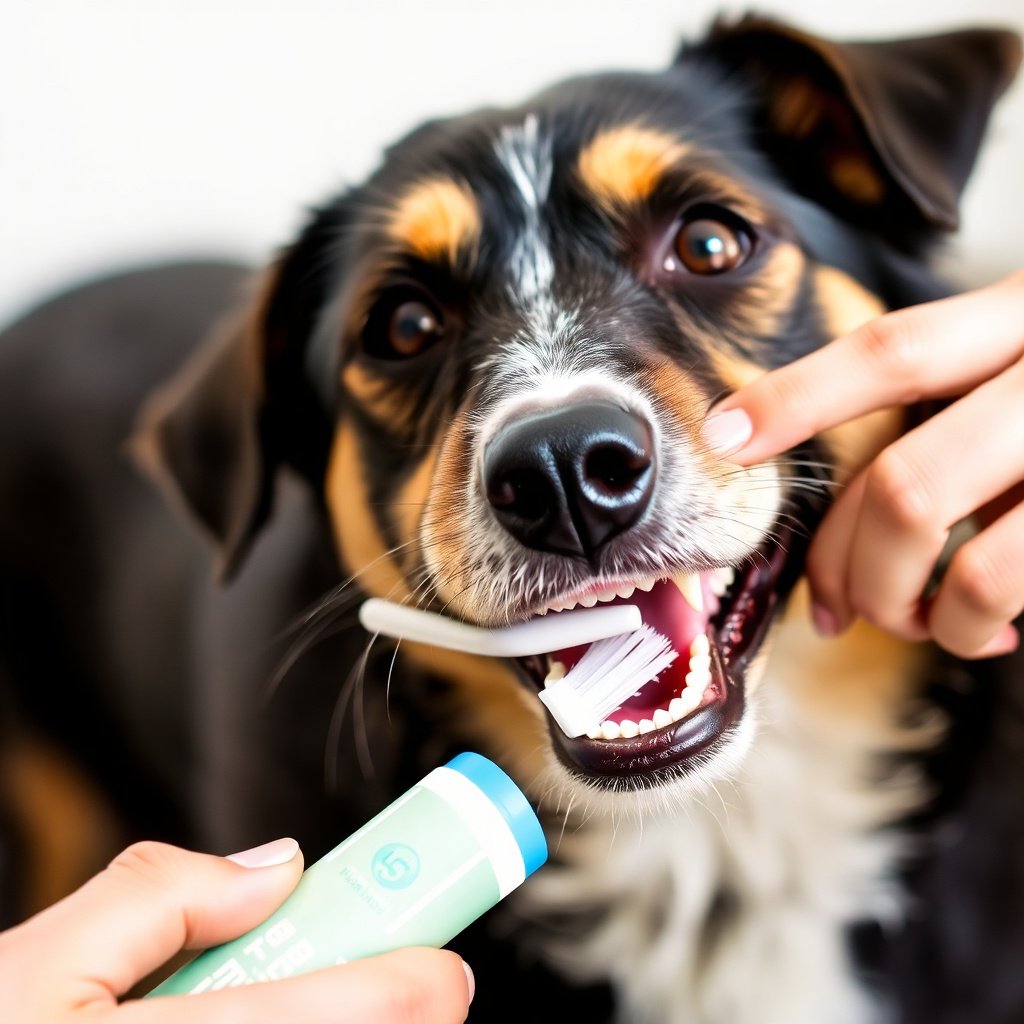
Dog toothpastes differ from human toothpaste in that they are non-toxic and formulated to be safe for dogs to swallow. Popular flavors include poultry, peanut butter, and vanilla, which make the brushing process easier for pets who dislike mint flavors.
Using enzymatic toothpastes helps break down plaque chemically, complementing the mechanical cleaning action of brushing. A quality toothpaste ensures not only cleanliness but also fresher breath and a reduction in harmful bacteria.
- Non-foaming formula safe if swallowed
- Enzymatic action to reduce plaque
- Appealing flavors to encourage use
Types of Brushes: Finding Comfort and Effectiveness
Toothbrushes designed for dogs come in several forms: traditional long-handle brushes, finger brushes, and dual-headed angled brushes. Each type provides different control and access to hard-to-reach areas depending on your dog’s size and temperament.
Finger brushes are usually gentler and easier for first-time users to handle, while angled brushes can reach deeper into the molars. Choosing a soft-bristled brush protects sensitive gums, making daily brushing tolerable for your pet.
- Soft bristles to avoid gum damage
- Finger brushes for gentle control
- Angled heads for thorough cleaning
Additional Tools for Complete Dog Dental Care
Dental Wipes and Their Role in Plaque Control
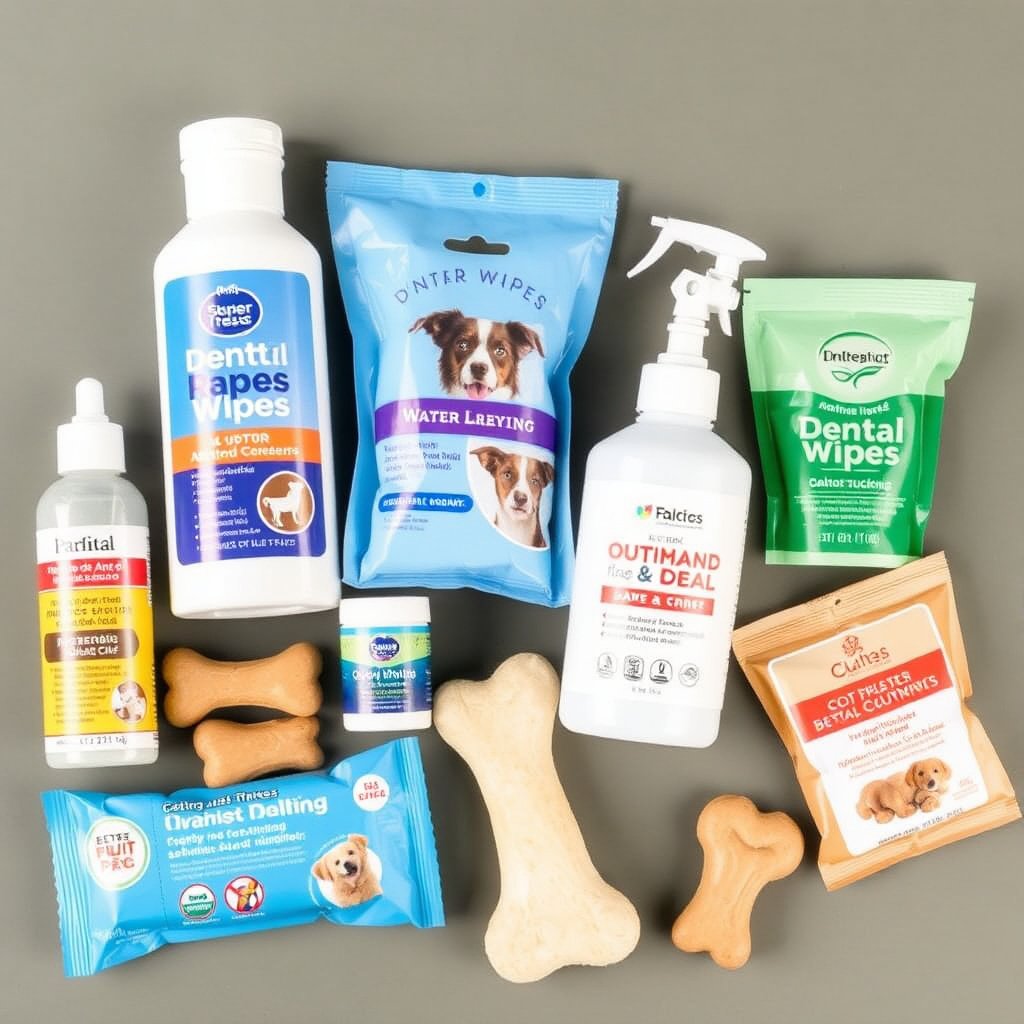
Dental wipes are convenient alternatives when brushing isn’t possible. These pre-moistened cloths can help remove surface plaque and reduce the bacterial load on the dog's teeth and gum line without the need for a toothbrush.
They work particularly well for older dogs or those with sensitive mouths and can be used daily. While they don’t replace brushing’s thoroughness, wipes are a useful supplementary product.
For more on this, see our related guide: How Often Should You Groom a Poodle? Complete Guide for Best Results.
Dental Treats and Water Additives as Preventive Measures
Dental chews provide mechanical abrasion through chewing, helping reduce tartar buildup. Some contain enzymes or additives that target bad breath and plaque formation. However, treats alone are not enough to replace daily brushing.
Water additives add enzymes or antibacterial ingredients directly to your dog’s water bowl, promoting oral health passively between brushings. These products need consistent use over time for effectiveness.
- Enzyme-rich chews for tartar control
- Water additives that reduce bacteria
- Not stand-alone solutions for dental hygiene
Choosing the Best Dog Teeth Cleaning Kit for Different Dog Sizes
Kits Designed for Small Dogs and Puppies
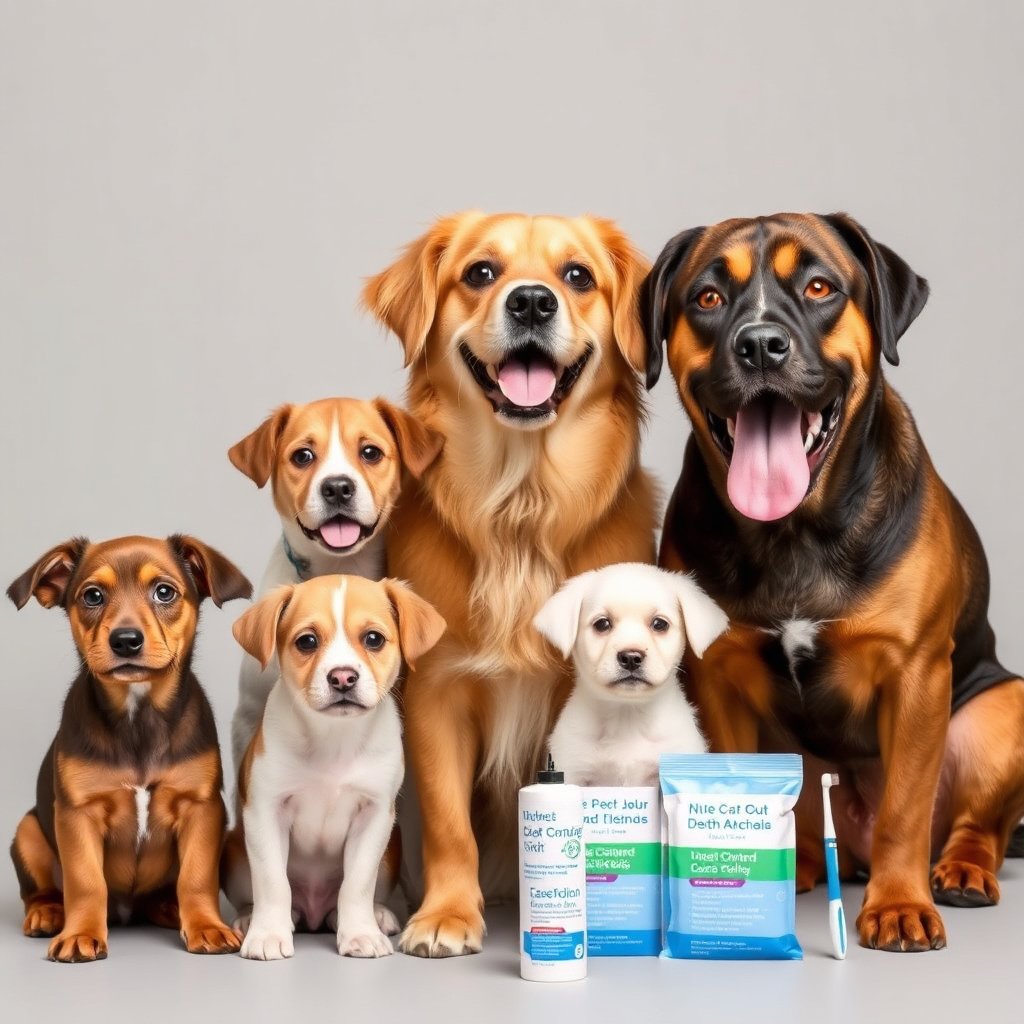
Small dogs and puppies require gentler flavors and smaller-sized brushes to fit comfortably into their mouths. Kits for these dogs often feature finger brushes with extra-soft bristles and mild, appealing toothpaste flavors.
These kits emphasize easy handling and reducing stress during brushing to establish a good dental routine early on.
- Finger brushes sized for small mouths
- Mild flavored toothpaste options
- Focus on comfort to ease puppy cooperation
Kits for Medium and Large Breeds
Medium and large dogs often need larger brushes with longer handles and firmer bristles to reach all teeth. Toothpastes can have stronger flavors to hold the dog's attention during brushing sessions.
Kits intended for bigger dogs sometimes include multiple brush sizes or dual-headed brushes to tackle hard-to-reach areas like molars, which are common sites for plaque buildup.
- Long-handled brushes for hard reach
- Stronger flavored toothpastes
- Brushes designed for thorough cleaning
How to Use a Dog Teeth Cleaning Kit Effectively
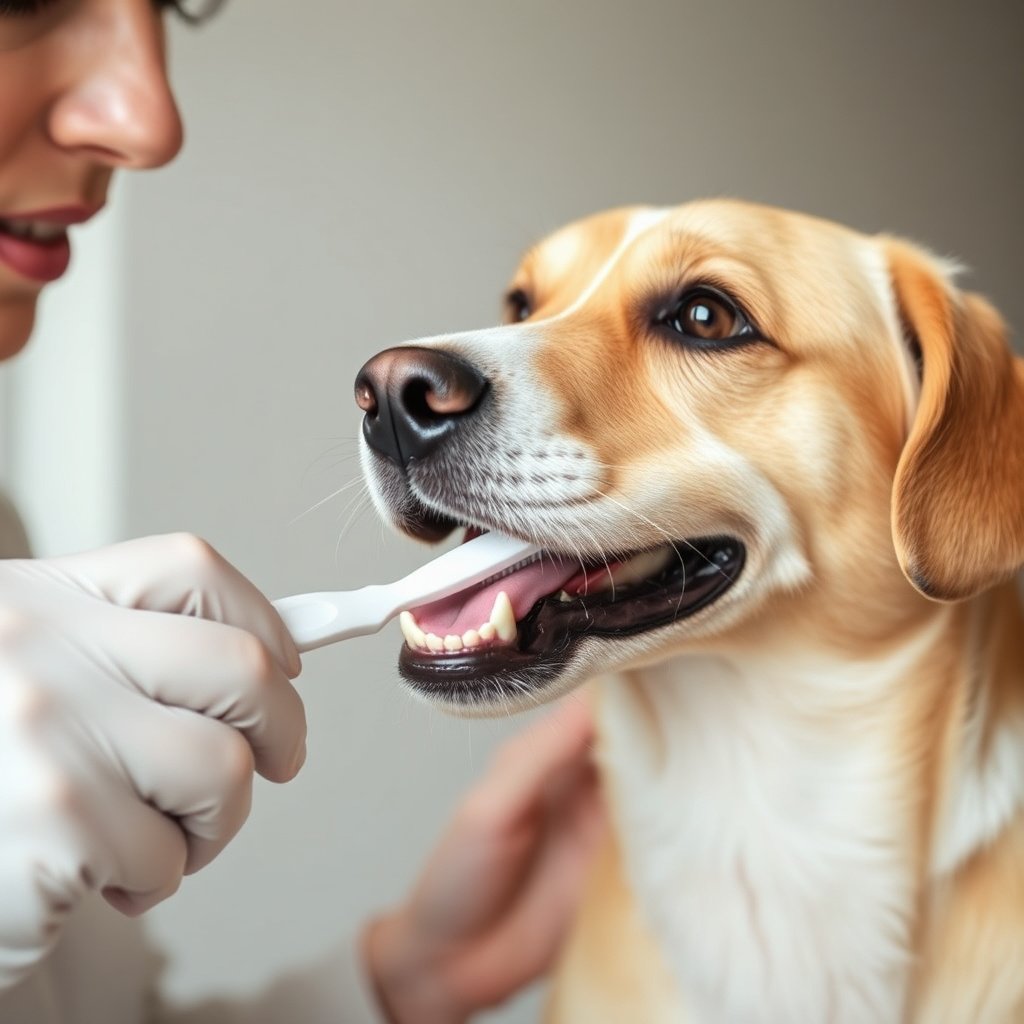
Establishing a Brushing Routine Your Dog Will Accept
Start slowly by letting your dog lick the toothpaste off your finger and gradually introduce the brush. Consistency is key; aim for daily brushings at a calm time of day to build positive habits.
Use gentle motions, focusing on the outer surfaces where tartar collects, paying extra attention to the gum line. Patience and praise reinforce cooperation.
- Begin with familiarizing toothpaste flavor
- Use positive reinforcement and calm tones
- Brush outer teeth and gum line carefully
For more on this, see our related guide: How to Bathe a Kitten Safely: Simple Steps and Must-Know Tips.
Common Mistakes to Avoid When Cleaning Your Dog’s Teeth
Avoid using human toothpaste which can upset your dog's stomach. Do not brush too aggressively, as this can hurt gums and cause negative associations.
Never skip regular check-ups with a vet for professional dental cleanings, as home care alone cannot replace them for advanced dental issues.
- Never use human toothpaste
- Don’t brush with harsh force
- Maintain vet dental check-ups
Benefits of the Best Dog Teeth Cleaning Kit

Preventing Dental Diseases and Bad Breath
Regular use of a dog teeth cleaning kit prevents plaque and tartar buildup that can cause gingivitis and periodontal disease, which are painful and common issues in dogs.
Maintaining oral hygiene also helps reduce bad breath, making interactions with your pet more pleasant.
- Reduces risk of periodontal disease
- Keeps breath fresher
- Improves overall well-being
For more detailed guidance on canine dental care practices, consult the American Veterinary Medical Association. canine dental care.
Supporting Overall Health Through Oral Care
Poor dental health in dogs has been linked to heart, liver, and kidney problems. Using a quality kit as part of a daily routine helps control oral bacteria that could enter the bloodstream and affect other organs.
Good dental care results in fewer vet visits and lowers the risk of painful extractions or infections.
- Lowers systemic infection risks
- Decreases vet dental treatment costs
- Supports longer, healthier life
Dog Teeth Cleaning Kit Category Comparison
Here’s a comparison of popular dog teeth cleaning kits by category, highlighting their features, ease of use, and suitability for different dog sizes.
| Category | Kit Components | Best For | Price Range |
|---|---|---|---|
| Basic Kit | Toothpaste, finger brush | Small dogs, beginners | $10 – $20 |
| Advanced Kit | Toothpaste, dual-headed brush, wipes | Medium to large dogs | $25 – $40 |
| All-in-One Kit | Toothpaste, brush, wipes, treats, water additive | Comprehensive care | $40 – $60 |
| Travel Kit | Toothpaste, compact finger brush, wipes | On-the-go maintenance | $15 – $25 |
| Puppy Starter Kit | Mild toothpaste, soft finger brush | Puppies & small dogs | $15 – $30 |
Frequently Asked Questions
Can I use human toothpaste for my dog?
No, human toothpaste contains fluoride and foaming agents that can be harmful if swallowed by dogs. Always use toothpaste specifically formulated for dogs.
How often should I brush my dog’s teeth?
Ideally, dogs should have their teeth brushed daily, but at minimum three times a week to maintain oral health and prevent plaque buildup.
Are dental sprays or water additives enough to clean my dog’s teeth?
These products can support oral hygiene but are not substitutes for mechanical brushing, which is key to removing plaque effectively.
What if my dog refuses to let me brush their teeth?
Start slowly by letting them taste the toothpaste and gradually introduce the brush. Use positive reinforcement, and be patient. Dental wipes can be an alternative to brushing.
How do I know if my dog has dental problems?
Signs include bad breath, yellow teeth, red or bleeding gums, difficulty eating, or pawing at the mouth. A vet should evaluate any concerns.
Key Takeaways
- The best dog teeth cleaning kit includes safe toothpaste and a suitable brush type.
- Regular brushing prevents dental diseases and freshens breath.
- Kits vary based on dog size and comfort preferences.
- Dental treats and water additives support but don’t replace brushing.
Conclusion
Choosing the best dog teeth cleaning kit depends on your pet’s size, temperament, and specific oral health needs. Focus on products that combine effective plaque removal with safety and ease of use. Establishing a daily brushing routine with a soft toothbrush and enzymatic toothpaste is the foundation for preventing most dental issues.
For small dogs or puppies, kits with mild-flavored toothpaste and finger brushes work best, helping them get comfortable with brushing early. Medium to large breeds benefit from larger brushes with angled heads and stronger flavored toothpaste for thorough cleaning. All-in-one kits that include wipes, dental treats, and water additives offer comprehensive care, especially for dogs that resist brushing.
Start by testing a few toothpaste flavors and brush styles to find what your dog accepts best. Make brushing a positive experience with gentle strokes and rewards. Complement brushing with dental chews and vet dental checkups for balanced oral health. The right kit combined with commitment significantly improves your dog’s quality of life and longevity.