How to Use Dog Cologne Safely and Effectively
Using dog cologne correctly means more than just spritzing a scent here and there. You should apply it sparingly and avoid directly spraying it on your dog's face or sensitive areas. This keeps your pet smelling pleasant without risking skin irritation or overwhelming their sensitive nose.
Dogs have a keen sense of smell, so what seems mild to humans might be intense or uncomfortable for them. Additionally, some ingredients in human fragrances can be harmful to pets, so a product specially made for dogs is essential. Proper use protects your dog's health while freshening their coat.
This article covers what dog cologne is, how to select the best options, where and how to apply it correctly, precautions to take, and tips on maintaining your dog's scent between uses. Following these guidelines helps you safely enhance your dog's natural aroma.
Understanding Dog Cologne and Its Purpose
What is Dog Cologne?
Dog cologne is a specially formulated grooming product designed to freshen a dog's coat without using harsh chemicals or alcohol found in human perfumes. Typically, these colognes contain gentle deodorizing agents and lightly scented natural ingredients tailored to a dog’s skin and sense of smell.
Unlike human fragrance, dog colognes prioritize safety and minimize irritation. They are meant to mask odors such as doggy scent or mild dirtiness between baths, not to overpower with strong perfumes.
Why Use Dog Cologne?
Using dog cologne can boost your pet’s hygiene and make social interactions more pleasant, especially if your dog spends time outdoors or in close quarters with people and other animals.
Dog cologne helps mask odors while avoiding frequent baths that can dry out your pet’s skin or strip natural oils. It also offers a way to keep your dog smelling fresh during travel or special events.
Choosing the Best Dog Cologne for Your Pet
Ingredients to Look For
Select dog colognes with natural, non-toxic ingredients such as aloe, chamomile, and oatmeal extract. Avoid colognes with alcohol, parabens, synthetic dyes, or strong chemicals that can irritate sensitive dog skin.
Products labeled hypoallergenic or made specifically for sensitive dogs work well for pets prone to allergies or dry skin, letting you avoid harmful reactions.
- Natural calming botanicals
- Alcohol-free formula
- Free of parabens and sulfates
- Hypoallergenic
Scent Selection and Sensitivity
Pick mild, subtle fragrances instead of overpowering floral or musk scents, as dogs have much stronger noses than humans. Citrus, lavender, or unscented options are generally better tolerated.
Testing a small patch first helps identify any allergic reaction. The best dog cologne for sensitive skin minimizes irritation while keeping your dog pleasantly fragrant.
Step-by-Step Guide to Using Dog Cologne
Preparation Before Application
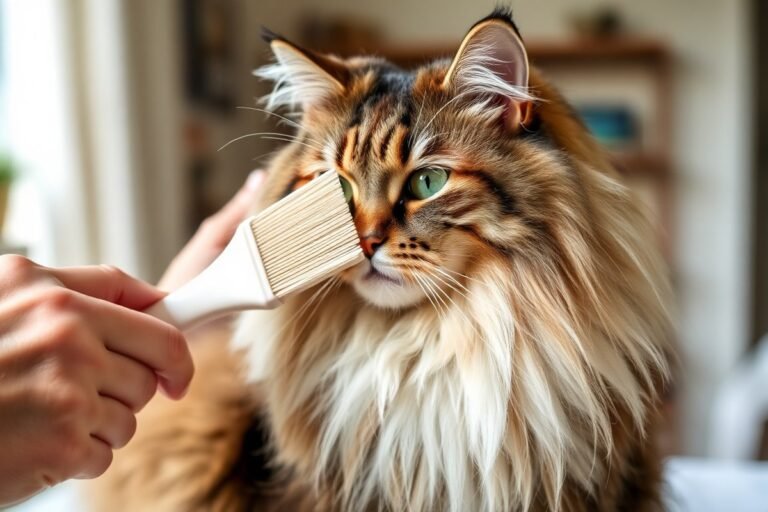
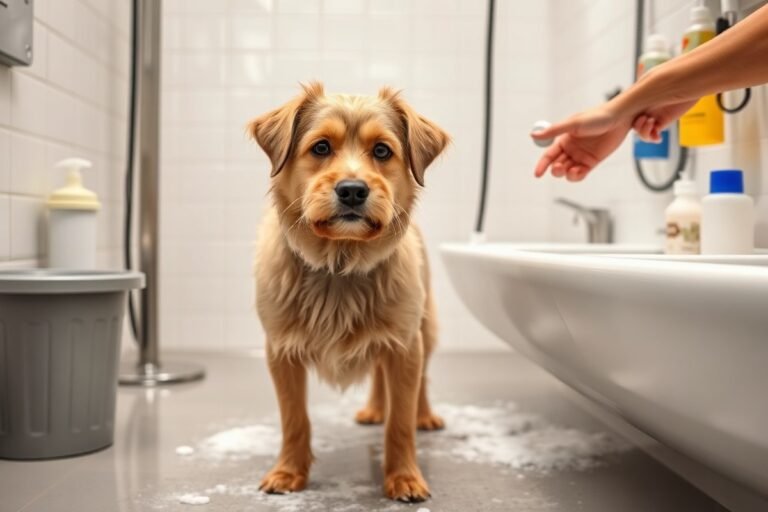
Ensure your dog’s coat is clean and dry. Applying cologne on a dirty or wet coat can trap odors or cause skin issues. Brush your dog’s fur to remove loose hair and dirt, making the scent last longer and distribute evenly.
Choose a calm moment when your dog is relaxed, so they don't resist or get stressed during application.
- Bathed and dried coat
- Brushed fur
- Calm environment
For more on this, see our related guide: How Much Does a Self Serve Dog Wash Cost a Complete Guide with Costs, Tips & Savings.
Correct Application Technique
Hold the cologne bottle about 8-12 inches from your dog's fur and spray lightly over the back, neck, and chest areas. Avoid spraying directly on the face, ears, eyes, nose, or genital areas to prevent irritation.
Use your hands to gently rub and spread the cologne evenly. Applying too much can overwhelm your dog or cause skin discomfort.
- Spray from a distance
- Avoid sensitive areas
- Evenly distribute with hands
Precautions When Using Dog Cologne
Allergy and Skin Irritation Risks
Even with gentle formulas, some dogs may be sensitive to ingredients in cologne. Watch for signs like itching, redness, or excessive licking after application, and stop use if reactions occur.
Always test a new product on a small patch of skin before full application and consult your vet if your dog has a history of skin problems.
- Test on small skin area first
- Observe for irritation
- Consult vet if unsure
Avoiding Overuse
Frequent or heavy application can disrupt your dog’s natural scent, stress their sense of smell, or cause buildup that blocks skin pores. Limit use to a couple of times per week or as needed between baths.
Remove excess cologne with a damp cloth if you notice your dog trying to scratch or rub the area.
- Limit frequency to 2-3 times weekly
- Wipe off excess if needed
- Monitor your dog's behavior
Additional Tips for Keeping Your Dog Smelling Fresh
Regular Grooming Practices
Bathing your dog with a gentle, pet-safe shampoo keeps odors at bay and prepares the coat for cologne application. Regular brushing removes dirt and loose fur, reducing the buildup of odors.
Don’t forget cleaning your dog’s ears and teeth regularly, as these areas also affect overall scent and health.
- Weekly brushing
- Bath every 3-4 weeks
- Ear and teeth cleaning
For more on this, see our related guide: What Is a Full Groom for a Dog | Complete Breakdown and Timing Guide.
Choosing the Right Accessories
Using clean collars or bandanas can help maintain a fresh scent without overloading your dog’s coat with cologne. Washable fabric accessories pick up less dirt and keep your pet smelling pleasant between groomings.
Consider collars coated in odor-neutralizing materials as an alternative or complement to cologne.
- Clean, washable collars
- Odor-neutralizing materials
- Lightly scented bandanas
Common Mistakes to Avoid When Using Dog Cologne
Using Human Perfumes on Dogs
Human perfumes often contain alcohol and harsh chemicals that can irritate dog skin and even cause toxicity if licked. Always select products formulated specifically for dogs as their skin pH and sensitivities differ from humans.
Some human scents may be overwhelming to dogs, stressing their sensitive noses and causing behavioral issues.
- Do not use human perfume
- Choose dog-specific colognes
- Check ingredient safety
For a detailed overview of dog grooming practices, including the safe use of cologne, visit this resource on dog grooming. dog cologne safety and usage.
Applying Too Much Cologne
Over-spraying can create an unpleasant strong odor and lead to skin irritation or allergenic reactions. A little goes a long way with dog colognes; always start with a small amount and increase only if needed.
Be mindful of how your dog reacts; if they seem restless or try to escape the scent, reduce the quantity or frequency used.
- Use sparingly
- Watch for discomfort
- Adjust amount as needed
Dog Cologne Types Compared
Here's a comparison of popular dog cologne types to help you decide which fits your dog's needs and lifestyle best.
| Type | Scent Strength | Skin Sensitivity | Duration | Best For |
|---|---|---|---|---|
| Spray Cologne | Mild to Medium | Generally safe | 2-4 days | Quick freshening after walks |
| Puppy Cologne (No Alcohol) | Very Mild | Highly sensitive skin | 1-2 days | Puppies and sensitive coats |
| Deodorizing Mist | Neutral or No Scent | Safe for all skin types | 1-3 days | Odor neutralizing without scent |
| Aromatherapy Cologne | Mild with calming scents | Sensitive to some botanicals | 2-3 days | Stress relief during travel |
Frequently Asked Questions
Can I use human perfume on my dog?
No, human perfumes often contain alcohol and chemicals that can harm your dog's skin and respiratory system. Always use colognes specially made for dogs.
How often should I apply dog cologne?
Limit application to 2-3 times a week to avoid skin irritation and overwhelming your dog's sense of smell.
What if my dog has sensitive skin?
Choose colognes labeled for sensitive skin or hypoallergenic options and test on a small patch before full use.
Can dog cologne replace baths?
Dog cologne is meant to freshen between baths, not replace regular grooming which keeps your dog clean and healthy overall.
Where should I apply dog cologne?
Apply lightly on the back, neck, and chest. Avoid spraying directly on face, eyes, ears, nose, or genitals.
Key Takeaways
- Use dog cologne sparingly on clean, dry fur to avoid irritation.
- Select products designed for dogs, especially if your pet has sensitive skin.
- Avoid spraying cologne on your dog’s face and sensitive areas.
- Combine cologne use with regular grooming for best results.
Conclusion
Choosing and applying dog cologne involves balancing your desire to keep your pet smelling fresh with the need to protect their sensitive skin and keen sense of smell. The main guiding principle is moderation combined with careful product selection. Always opt for formulations designed for dogs, with gentle, natural ingredients and mild scents. Proper preparation by grooming and gentle application techniques prevent common issues like irritation or overwhelming scents.
If your dog has sensitive skin, consider options labeled as hypoallergenic or specifically designed for sensitive coats, such as puppy colognes or no-alcohol deodorizing mists. For daily odor control after outdoor activities, a light spray cologne works well, while aromatherapy colognes can provide calming effects during stress periods like travel. Avoid human perfumes altogether, and limit cologne usage to a few times per week to preserve your dog’s natural oils and comfort.
To begin using dog cologne, pick a product suited to your dog’s skin and scent preferences, test it on a small skin patch, and apply lightly to clean fur away from sensitive areas. Pay attention to your dog's reactions and adjust usage as needed. This way, you maintain a fresher-smelling companion without compromising their health or wellbeing.