How to Groom a Long Haired Dog at Home: A Complete Guide for Beginners
To groom a long haired dog at home effectively, focus on regular brushing, careful bathing every 4 to 6 weeks, and routine trimming every 4 to 8 weeks. Use the right tools like blunted-edge shears and professional-grade clippers to avoid injury and maintain coat health. This process helps keep your dog’s coat clean, detangled, and comfortable.
This advice is perfect for dog owners new to grooming long-haired breeds who want to care for their pets themselves. You’ll learn clear steps and practical tips to manage shedding, tangles, and nail care safely without forcing expensive salon visits.
Key Takeaways
- Brush your dog’s coat daily to prevent mats and tangles from forming.
- Bathe your dog every 4 to 6 weeks depending on coat condition and activity level.
- Trim your dog’s hair every 4 to 8 weeks to maintain a healthy, manageable length.
- Use blunted-edge scissors for safer trimming, especially if you’re new to grooming.
- Towel dry your dog until about 90% dry, then allow air drying to protect the coat.
- Groom your dog when it is calm to reduce stress and improve safety.
How to Groom a Long-Haired Dog at Home Step by Step
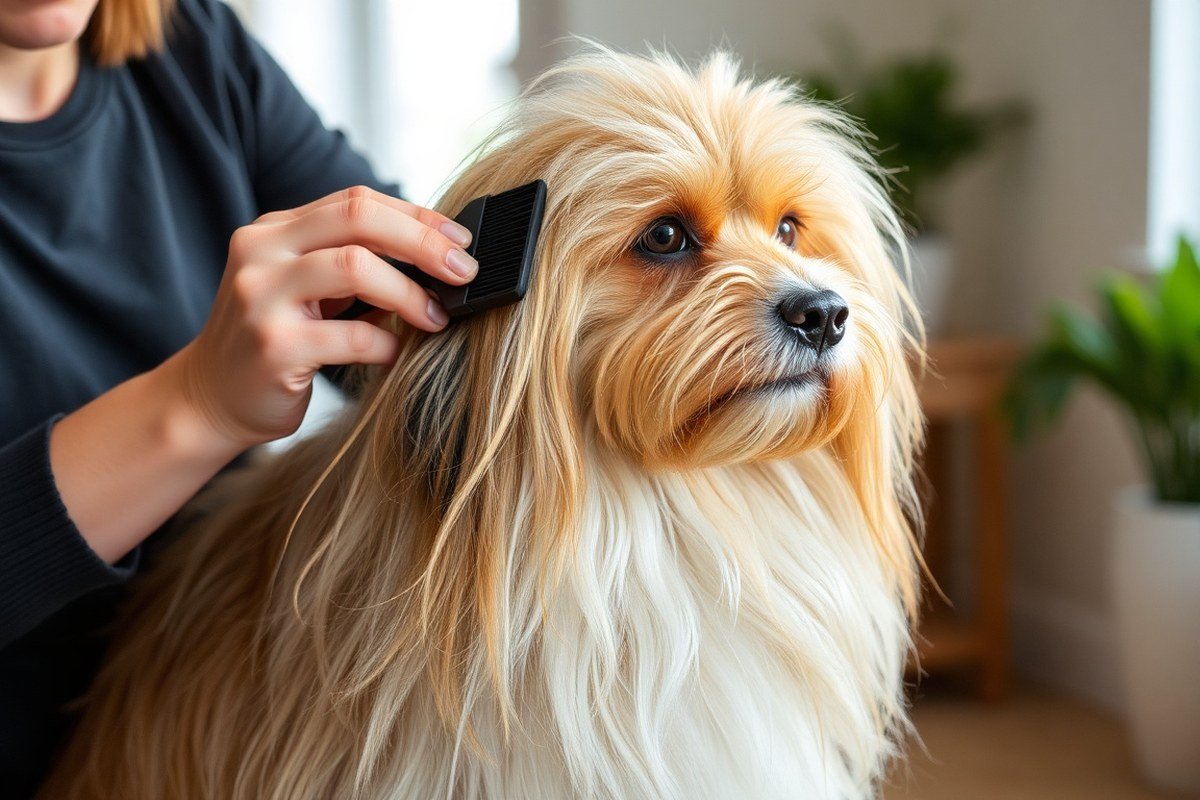
Starting your long-haired dog’s grooming session with patience and care makes the entire process safer and more comfortable for your dog. Create a calm environment free from distractions and use treats to reward good behavior. Making grooming a positive experience is especially important for dogs new to the routine or those sensitive to touch, such as older long-haired dachshunds. Groom slowly, breaking the process into manageable steps while checking for mats, skin issues, or irritation. Follow these key steps to groom your long-haired dog at home while keeping their coat healthy and their experience stress-free:
- Brush thoroughly: Start by gently brushing to remove loose hair and detangle mats. Use appropriate brushes like slicker or pin brushes, working in small sections. Regular brushing helps control shedding and prevents painful tangles. Pause to comfort your dog and offer treats as needed.
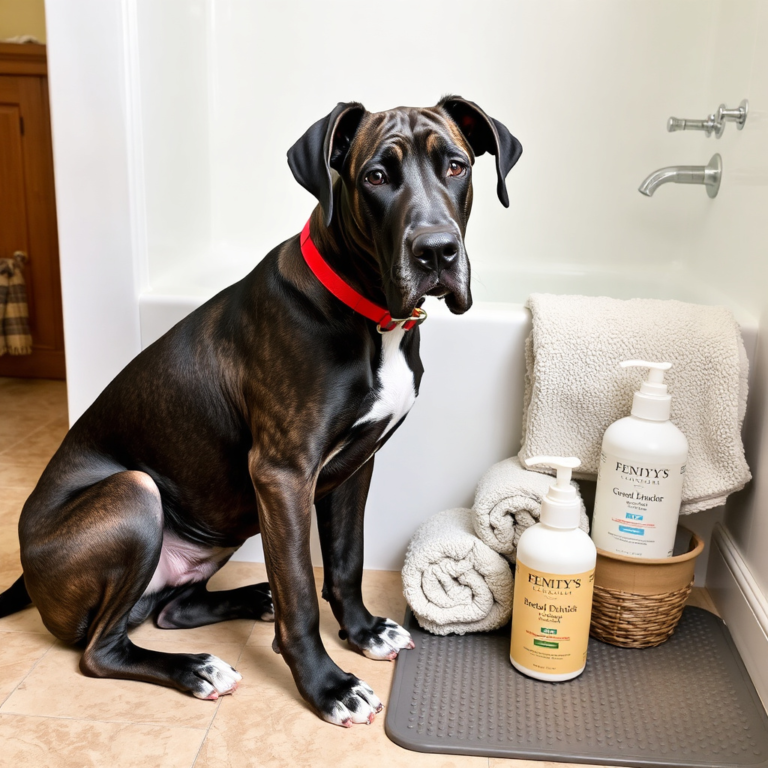
- Prepare for bathing: Check water temperature to be lukewarm (around 85°F to 90°F) and place a non-slip mat in the bath. Use dog-safe shampoo formulated for long coats to clean without drying skin. Thoroughly wet your dog’s coat, avoiding eyes and ears.
- Bathe your dog: Massage shampoo deeply into the coat and skin for several minutes, then rinse carefully. Excess shampoo can cause irritation, so ensure all suds are removed. If your dog resists, use calm tones and pause to keep stress minimal.
- Dry gently: Use a large towel to absorb most moisture, then opt for a pet dryer on a low heat setting or let air dry in a warm area. Avoid hot air or rough rubbing that can frizz or damage hair. Maintain gentle handling to avoid startling your dog.
- Trim as needed: Carefully trim hair around sensitive areas like paws, ears, and sanitary regions with appropriate grooming scissors or clippers. Regular trimming prevents mats and keeps your dog comfortable. Pause often to check your dog’s reaction.
- Check nails and ears: While your dog is calm, inspect nails and ears. Trim nails if they click on floors, using a proper pet nail trimmer. Clean ears with vet-approved solutions to prevent infections. Handling these parts regularly helps your dog get used to the routine.
- Reward and praise: After grooming, offer treats and affection to reinforce positive feelings. Consistent praise will help your dog associate grooming with good experiences and reduce stress next time.
This grooming order focuses on coat health and your dog’s comfort. Frequent brushing controls shedding and reduces the amount of dirt and debris during bathing. Gentle bathing twice every 4 to 6 weeks fits most long-haired dogs’ needs but adjust based on your dog’s activity and coat condition. Trimming frequency depends on coat growth; many owners trim every 6 to 8 weeks to avoid matting.
Costs typically involve an initial investment in grooming tools ($30 to $100) and products, but home grooming saves professional fees ranging from $40 to $90 per session. Taking your time during each step improves the experience and helps spot early health problems like skin infections or irritated areas.
Essential Tools for Grooming Long-Haired Dogs at Home
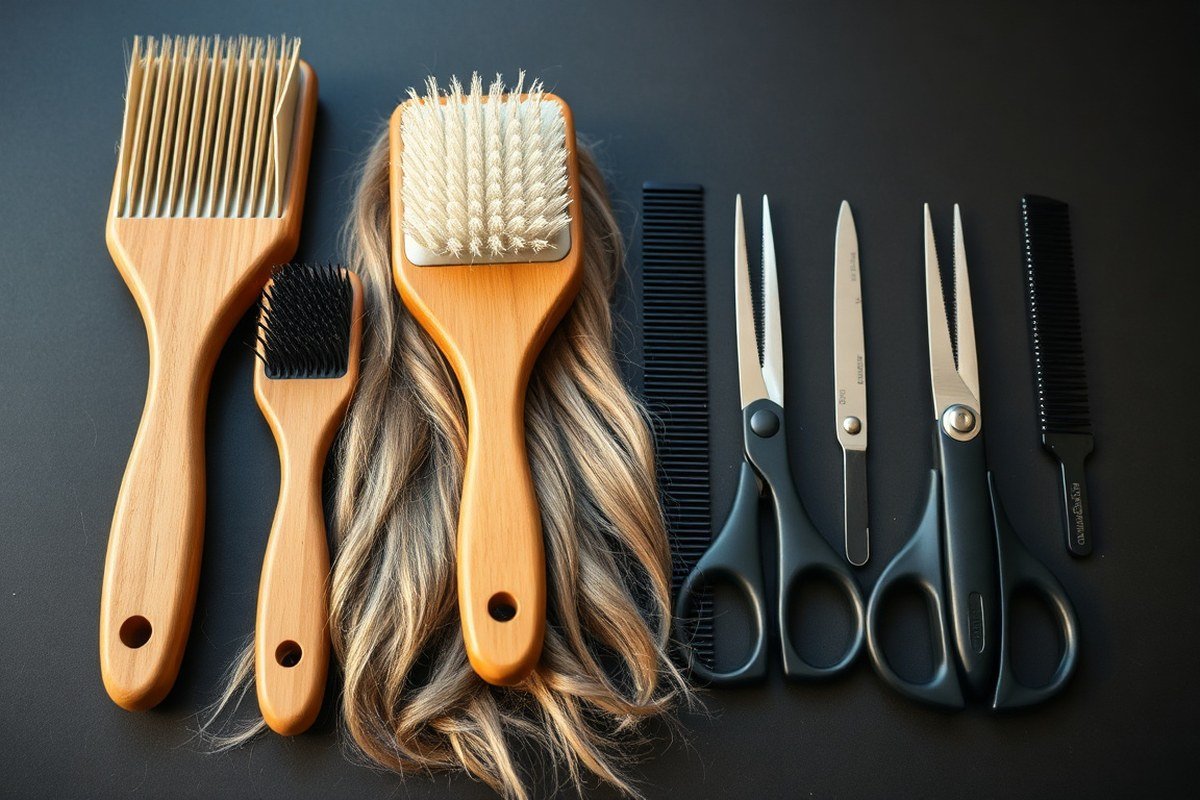
Start by gathering a set of essential grooming tools based on your dog’s coat type and grooming needs. For long-haired dogs, key tools include slicker brushes designed for dense fur and bristle brushes that work well on both long and thick coats. A metal comb helps with detangling and reaching the undercoat. Clippers should be powerful enough; heavy-duty models suit thick or double coats, unlike clippers made for short-haired breeds that may struggle.
Before you buy, consider your dog’s coat texture and growth rate. Dogs like Maltese or Shih Tzus with fine, silky hair benefit from daily brushing with soft bristle brushes to prevent mats. On the other hand, breeds with thick or double coats require firm slicker brushes and heavier clippers to manage grooming effectively. Regular grooming 3 to 4 times a week keeps the coat healthy and reduces tangling and shedding.
| Tool | Best For | Purpose | Notes |
|---|---|---|---|
| Slicker Brush | Dense or thick coats | Remove mats, undercoat grooming | Gentle strokes prevent skin irritation |
| Bristle Brush | Long and thick coats, fine coats | Smooth fur, remove loose hair | Use soft types for puppies or sensitive skin |
| Metal Comb | All coat types, especially fine or silkier hair | Detangle, check for mats and debris | Start at ends moving toward skin |
| Heavy-Duty Clippers | Thick, double coats | Trim and shape coat | Ensure clippers have adjustable blades |
| Shampoos & Conditioners | All long-haired dogs | Clean coat, maintain coat health | Choose formulas based on coat condition |
| Ear Cleaner | Dogs prone to ear infections | Prevent wax buildup and infections | Use vet-recommended products |
Regular maintenance of your grooming tools is important. After each use, clean brushes and combs by removing hair and washing with warm soapy water. Dry them completely to prevent rust or bacterial growth. Clippers require blade cleaning and oiling following manufacturer instructions to ensure smooth operation and to avoid pulling hairs or skin irritation. Replace blades or heads when they become dull or damaged.
Never rush grooming sessions; gentle, patient handling safeguards your dog’s comfort and coat health.
How Often Should You Groom and Bathe Your Long-Haired Dog?
Groom your long-haired dog by brushing daily to prevent mats and tangles, and bathe every 4 to 6 weeks depending on their activity and coat condition. Adjust your grooming frequency with seasonal coat changes and your dog’s breed to maintain a healthy, shiny coat without overdoing it.
Routine Brushing Frequency for Different Coat Types
Daily brushing is key for long-haired dogs, especially breeds like the long-haired dachshund, to avoid mats and tangles. Use a slicker brush for removing tangles and follow up with a bristle brush to smooth out the coat. Dogs with silky or curly coats also need daily attention, sometimes with additional use of a steel comb for stubborn tangles. Even if you brush daily, expect occasional mats that require gentle detangling.
The specific coat texture influences how often you’ll brush. Thicker or denser coats may require more frequent, longer sessions, while finer coats may be quicker to maintain. Start grooming your dog as soon as possible to make the routine easier and more comfortable for both of you.
Recommended Bathing Intervals and Shampoo Choices
Bathing your long-haired dog every 4 to 6 weeks generally keeps their coat clean without stripping natural oils. Dogs that spend more time outdoors, get dirty, or have oily coats might need more frequent baths, while mostly indoor dogs can go longer between washes. Choose gentle, dog-specific shampoos formulated for long hair to avoid dryness or irritation.
After bathing, brush your dog’s coat thoroughly within the first few days to prevent tangles from forming while the fur dries. Using a conditioner designed for long coats can help maintain softness and reduce static. Avoid over-bathing since it can lead to dry skin and a dull coat.
Adjusting Grooming for Seasonal Coat Changes
Seasonal shifts affect your dog’s coat thickness and shedding patterns, which calls for changes in your grooming schedule. During spring and fall shedding seasons, increase brushing to daily or twice daily to control loose hair and prevent mats. This helps your dog stay comfortable and reduces excess fur around the house.
In colder months, the coat may require less frequent bathing but possibly more brushing to remove dead hair and debris. Hotter seasons might need more frequent baths to remove dirt and oil buildup from increased outdoor activity. Always inspect your dog’s skin for signs of irritation that may need adjustments in grooming.
Signs It’s Time for a Grooming Session
Watch for visible mats, tangles, or areas where the fur feels thick or uneven when you run your hands through your dog’s coat. These are clear signals a grooming session is due. Increased shedding, a dull or greasy coat, or unpleasant odors also indicate it’s time to bathe and brush thoroughly.
Your dog may show discomfort or try to scratch or lick certain areas, signaling skin irritation or matting that needs attention. Scheduling grooming every 4 to 8 weeks, depending on your dog’s breed and lifestyle, helps avoid these issues. Multiple short sessions with breaks are better tolerated by your dog than one long, stressful appointment.
Techniques for Brushing and Detangling Long Dog Hair Safely
To brush and detangle a long-haired dog safely, use a gentle technique with the right tools and products. Brush in the direction the fur grows, work slowly through tangles without pulling, and use detangling sprays to ease combing. Avoid brushing wet hair and address mats carefully to keep your dog comfortable.
Choosing the Right Brush for Your Dog’s Coat
Select tools designed for long-haired dogs to avoid pulling and skin irritation. A slicker brush with fine wire bristles works best to reach through thick coats and remove loose hair, tangles, and debris without damaging the fur. A wide-tooth comb or a mat splitter can help with tougher knots. Avoid stiff or harsh bristles, which might hurt the dog’s skin.
Focus on getting brushes that fit your dog’s coat type and size. Long-haired breeds often benefit from having both a slicker brush and a comb to handle different grooming needs. Prices range from $10 to $30 per tool, depending on quality.
Step-by-Step Detangling Without Pulling
To remove tangles and mats safely, break down grooming into careful steps, avoiding any force that causes pain. Start by gently separating the hair around the tangle with your fingers before using tools. Here’s a simple routine to detangle your dog’s hair:
- Begin by calming your dog and finding a comfortable spot with good lighting.
- Check the coat for all mats and tangles, focusing on areas behind the ears, under the legs, and near the collar.
- Hold the base of the hair near the skin to reduce pulling pressure on the skin.
- Use your fingers to gently loosen the edges of the tangle or mat before using a comb or slicker brush.
- Start brushing with short, gentle strokes in the direction of hair growth to slowly work out knots.
- Apply a detangling spray (see next section) on tight mats to soften the hair.
- Use a mat splitter or wide-tooth comb for stubborn mats, cutting only if recommended by a professional groomer.
- Stop if your dog shows signs of pain. Take breaks or seek professional help for severe mats.
Using Detangling Sprays and Conditioners Properly
Detangling sprays add slip to the hair, reducing pulling and discomfort. Choose a product formulated for dogs, such as earthbath’s 3-in-1 Deodorizing Spray, which conditions, deodorizes, and detangles. Avoid human products that could irritate your dog’s skin.
Apply the spray lightly on dry hair, concentrating on tangled or mat-prone areas before brushing. Allow it to absorb for a couple of minutes to soften the fur. Use sprays sparingly; excessive product buildup can lead to greasy or sticky hair.
Regular Brushing Tips to Prevent Mats
Consistent brushing is the best way to avoid mats and tangles, which can cause discomfort and skin problems. Aim to brush daily or every other day depending on your dog’s hair growth and activity level. Pay attention to high-friction spots like behind the ears and under the legs.
Brushing removes dirt, dead hair, and skin cells, keeping the coat clean and shiny. Make it a positive experience by using treats and speaking softly during grooming. Don’t brush wet hair since it tends to tangle more; dry your dog completely after baths before brushing or trimming.
Safe Trimming and Haircut Tips for Long-Haired Dogs at Home
Trimming your long-haired dog’s coat at home requires careful attention to avoid injuries, especially in sensitive areas like the face, paws, and sanitary zones. Using the right tools and techniques helps keep your dog comfortable and looking tidy without risking cuts or irritation. Focus on gradual, gentle trimming with safe equipment and proper restraint to achieve the best results.
Tools and Blades for Different Areas
Choose grooming tools designed specifically for dogs to ensure both safety and effectiveness. Electric clippers with guide combs are valuable for trimming long hair on the body, while professional grooming shears with rounded tips work best around the face, paws, and delicate sanitary areas. Clippers fitted with a #10 blade are ideal for trimming sensitive zones before switching to longer blades for body fur.
Blunt-ended scissors reduce the risk of accidental cuts near your dog’s eyes and private parts. Avoid cutting hair too close to the skin, especially in sensitive spots. For tangled areas, a steel comb can gently detangle knots, especially around ears and paws, without pulling or hurting your dog.
Trimming Around the Face, Paws, and Sanitary Zones
Trimming these areas requires precision to prevent injury and keep your dog comfortable. The hair around the face should be trimmed carefully with rounded-tip shears to avoid poking the eyes or nose. Around the paws, trim the hair between paw pads and claws to improve traction and reduce matting, but only trim the hair sticking out above and below the feet.
Sanitary areas demand extra caution due to their sensitivity. Use small grooming shears or clippers with a short blade to trim hair that collects dirt and moisture. Keep your motions slow and reassure your dog throughout the process to minimize stress. Reward your dog after these trims to encourage cooperation in future grooming.
How to Hold and Restrain Your Dog Safely
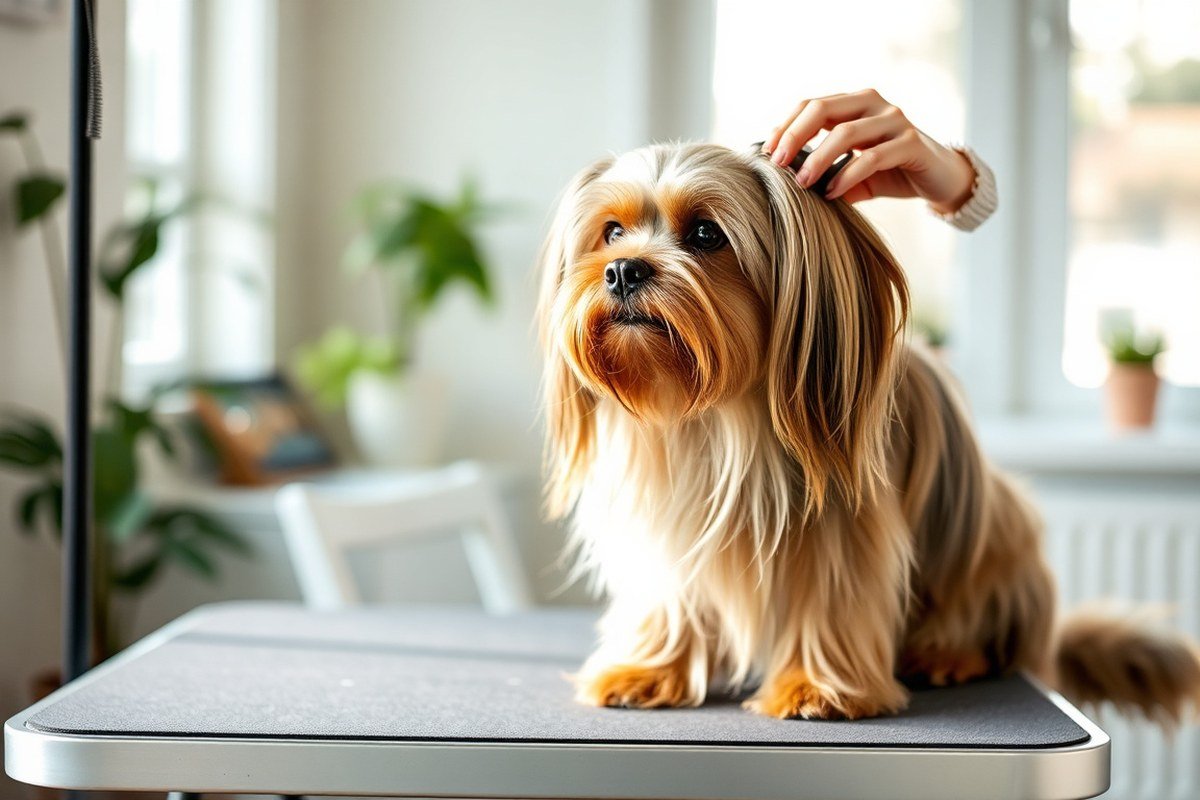
Keeping your dog calm and secure during trimming is important to prevent accidents. Use a non-slip surface where your dog stands or sits to provide stability. Gently hold the dog without tight restraint, allowing one hand to stabilize the trimming area while the other handles the scissors or clippers.
Have a helper hold your dog if it tends to squirm or get anxious. Make short, slow cuts and pause frequently to give your dog breaks. Treats and calm praise help maintain a relaxed atmosphere. Avoid trimming when your dog is agitated, as sudden movements increase the risk of cuts.
When to Stop and Seek Professional Help
Knowing your limits prevents injuries and stress. Stop trimming if your dog becomes uncooperative or stressed, or if you encounter severe mats that can’t be safely brushed out. Professional groomers have experience and tools for tackling difficult trims, especially around sensitive spots.
Consult a professional if your dog’s hair is tightly matted, or you feel unsure about trimming near the eyes, ears, or genitals. Regular visits to a groomer can complement your home care and keep your dog’s coat healthy without injury risk.
- Gather grooming tools including clippers with guide combs, rounded-tip shears, and a steel comb.
- Secure your dog on a stable, non-slip surface to prevent sudden slips or movements.
- Start trimming body hair with clippers on longer settings, switching to a #10 blade for sensitive zones.
- Use rounded-tip scissors to carefully trim hair around the face, between paw pads, and near sanitary areas.
- Work slowly and patiently, taking breaks to calm your dog and offer treats.
- Check for any missed tufts of hair or mats and trim these gently with scissors or a comb.
- Stop if your dog shows signs of distress or if you encounter difficult mats that may require professional grooming.
Warning: Avoid cutting hair too close to the skin in sensitive areas to prevent nicks or infections; use rounded-tip scissors and take breaks as needed.
Nail Care and Other Grooming Essentials Beyond Hair
Trimming your long-haired dog’s nails during grooming is essential to avoid discomfort and potential injury. The typical frequency is every 3 to 4 weeks, but this can vary depending on how much your dog walks on hard surfaces, which naturally file the nails down. Long nails can alter your dog’s gait and cause pain. Use a proper dog nail clipper and trim only the tip to avoid cutting the quick, the sensitive part with blood vessels. Spot a pink area? Stop immediately and avoid cutting more. Unsure? Trim just a little bit at once, not a big chunk.
Caring for your dog’s ears reduces the risk of infections and discomfort, especially in long-haired breeds prone to ear hair and moisture buildup. Cleaning every 2 to 4 weeks is common, but consult your vet for the best schedule based on your dog’s breed and ear health. Apply a vet-approved ear cleaning solution on a cotton ball, never use Q-Tips or insert anything deep. Gently wipe the visible parts of the ear canal and fold. Look out for redness, bad odor, or excessive wax, signs to discuss with your vet.
Teeth brushing helps prevent plaque buildup and dental disease, which can affect your dog’s overall health. Aim to brush your dog’s teeth at least 2 to 3 times a week with a dog-specific toothbrush and toothpaste. Human toothpaste is unsafe for pets. Use a small amount of paste and brush gently in circular motions, focusing on the gum line. Your dog resists? Begin by letting them taste toothpaste, then slowly add brushing. Regular dental chews can supplement tooth care but do not replace brushing.
- Use dog-specific grooming tools: nail clippers, ear cleaner, toothbrush, and toothpaste
- Trim nails carefully, watching for the quick and trimming a bit at a time
- Clean ears with veterinary-approved solution and cotton balls only
- Brush teeth multiple times a week with a dog toothbrush and toothpaste
- Reward your dog with a treat after each grooming step to encourage cooperation
- Check ears and feet regularly for signs of infection or irritation
- Consult your vet about specific needs for your dog’s breed and health
Successful nail care and grooming create a healthier, more comfortable dog and can prevent costly vet visits. Some dogs need slower, gentle sessions in small increments, especially if nervous or sensitive. Watch your dog’s reactions and take breaks if needed. Long-haired breeds often require more attention to ear and paw hygiene to avoid matting and infections. Keeping a calm, steady routine helps your dog learn to enjoy grooming time as a positive experience for both of you.
Common Grooming Mistakes and How to Fix Them
One common mistake when grooming long-haired dogs is rushing through the process. Long coats require patience, and hurrying can lead to missed tangles and uneven trimming. Start with short grooming sessions, about 10 to 15 minutes, and reward your dog with praise or treats to create a positive experience. This approach helps reduce resistance over time.
Many beginners struggle with a dog that resists grooming. To ease this, introduce tools gently and let the dog sniff them beforehand. Maintain a calm tone and use slow, gentle strokes during brushing and combing. If your dog becomes restless, pause and distract them with treats or a favorite toy before continuing. Avoid forcing your dog into a grooming session if it causes stress, as this can make future sessions harder.
You may wonder if trimming is better when the dog’s hair is wet or dry. Trimming long hair is generally safer and more accurate when the coat is dry since wet hair can cling together, making it hard to see the true length and risks cutting too short. However, if the coat is heavily matted, a warm bath before grooming can loosen tangles. Always make sure the dog is fully dry before trimming to avoid uneven cuts and skin irritation.
- Do not skip detangling before trimming; mats can cause painful pulling.
- Use appropriate tools for each step, slicker brushes for tangles, scissors or clippers for trimming.
- Trim in small sections to maintain control and evenness.
- Avoid grooming in very hot weather to prevent overheating.
- Never use human grooming products, as they may irritate your dog’s skin.
- Check for signs of skin irritation or infection during grooming sessions.
- Keep grooming sessions consistent but not too frequent to avoid skin dryness.
Addressing these common errors improves your dog’s comfort and safety during grooming. Taking your time, using the right tools, and maintaining a calm environment help you avoid injury and create a trustworthy grooming routine. Grooming is not just about looks; regular care prevents skin problems and discomfort caused by matted hair and overgrown nails.
When to Consult a Professional Groomer for Your Long-Haired Dog
You should consider professional grooming whenever your dog’s coat becomes too tangled or matted to manage safely at home. Severe matting restricts blood flow to the skin, causes discomfort, and can trap dirt and moisture, leading to infections. Attempting to cut out mats yourself risks accidentally injuring your dog’s skin, especially around sensitive areas like the ears, belly, and paws. A professional groomer has the right tools and expertise to remove mats carefully without causing harm.
Use this decision rule: if you can’t gently work a comb or brush through your dog’s coat without tugging or resistance, the matting is likely severe enough to need a groomer’s help. Signs of severe matting include tight clumps of hair that pull at the skin, difficulties moving the dog’s limbs freely, or a noticeable smell coming from the fur, which may indicate skin infections beneath the mats. Blotchy, inflamed, or scaly skin discovered during grooming also calls for professional evaluation.
A professional groomer not only handles tough matting but also inspects your dog’s skin closely for abnormalities like fleas, ticks, rashes, or wounds that you might miss. If the skin shows signs of irritation, redness, bumps, swelling, or open sores, stopping home grooming and visiting a vet or professional is essential to avoid worsening the condition. Grooming that causes your dog to yelp, flinch, or aggressively resist might indicate distress or pain, signaling an urgent need to pause and trust a specialist.
Regular grooming at home suits many dogs, but professional grooming every few months complements this routine and ensures your dog’s coat and skin stay healthy. Costs for professional grooming vary but typically range from $50 to $90 per session depending on your dog’s size and coat condition. Choosing a groomer experienced with your dog’s breed and coat type helps prevent mistakes. Particularly for long-haired dogs, those who are puppies, seniors, or have special health needs often benefit the most from pro care.
Older dogs may become less tolerant of grooming due to arthritis or sensory decline. Hiring a groomer familiar with handling senior dogs can reduce stress and make grooming safer. Also, if trimming or clipping is daunting, a groomer’s controlled environment and tools reduce the risk of injury. In such cases, professional grooming isn’t just convenient; it’s safer and better for your dog’s well-being.
Check your dog’s skin each time you groom; look for redness, sores, or discomfort that could mean it’s time for professional care.
Step-by-Step Action Plan for Grooming Your Long-Haired Dog at Home
Start your grooming routine on the right foot with these straightforward steps to keep your dog comfortable and looking great.
- Day 1: Gather all grooming tools such as slicker brush, wide-tooth comb, nail clippers, and dog shampoo. Having everything ready prevents interruptions and stress.
- Day 2: Begin with a gentle brushing session to remove loose hairs and detect any mats. Successful brushing means the coat feels smooth and you find no painful tangles.
- Day 3: Bathe your dog using a shampoo formulated for dogs, keeping water warm but not hot. A clean coat will look shiny and feel soft after drying thoroughly.
- Week 1: Carefully trim nails with proper clippers, avoiding the quick. Proper nail care ensures your dog walks without discomfort or clicking nails.
- Week 2: Focus on detangling any mats with a detangling spray and comb. The coat should be tangle-free and comfortable to the touch once done.
- Every 2-4 weeks: Repeat brushing and spot trims to maintain coat health and length. Your dog’s coat should stay clean with minimal matting.
- Monthly: Check ears and teeth for signs of infection or buildup, cleaning gently if necessary. Healthy ears and teeth contribute to overall wellness.
- As needed: Schedule a professional grooming session if you encounter persistent mats or skin issues. Recognition of when to seek help preserves your dog’s safety and comfort.
Frequently Asked Questions
How Do Groomers Deal with Matted Fur?
Groomers carefully use dematting tools and conditioners to loosen mats without hurting the dog. They work slowly, sometimes shaving very tight mats if brushing won’t help.
How Often Do Long-Haired Dogs Need to Be Groomed?
Long-haired dogs usually need grooming every 6 to 8 weeks professionally, with daily brushing at home to prevent tangles.
How Do You Shave a Severely Matted Dog?
Shaving a matted dog requires patience and a suitable clipper blade, often done in sections to avoid skin injury. Use caution and consider a professional for severe mats.
How to Cut Dog Hair at Home for Beginners?
Start by using blunt-tipped scissors and clipper guards, trimming small sections slowly to avoid mistakes. Always keep your dog calm and secure.
Can I Use Human Shampoo on My Long-Haired Dog?
It’s better to use dog-specific shampoo, as human shampoos can irritate your dog’s skin and disrupt their coat’s natural oils.
What Is the Best Brush for a Long-Haired Dog?
A slicker brush works well to remove tangles and loose hair, but soft bristle brushes help smooth the coat after detangling.
The Bottom Line
Regular grooming at home helps keep your long-haired dog healthy and comfortable while strengthening your bond. Start with simple brushing and bathing, then gradually add nail care and trimming as you gain confidence. Your next step is to set aside time this week for your first full grooming session, focusing on brushing and checking for tangles. This will build a positive routine that benefits both you and your dog.