How Long Does a Dog Bath Take? Complete Guide with Time Estimates & Tips
A typical dog bath usually takes between 15 and 30 minutes, depending on your dog’s size and coat type. Short-haired dogs often require about 15 to 20 minutes, while dogs with thick or long fur may need 30 to 60 minutes for a full wash and dry. Factors like coat condition and the use of medicated shampoos can extend the time needed. This information helps dog owners plan their grooming routine effectively.
This guide is for dog owners looking for clear time estimates and practical tips to bathe their dogs safely and efficiently. You’ll learn how different coat types affect bath duration, the best ways to prepare, and how to dry your dog properly after bathing.
Key Takeaways
- Short-coated dogs usually take 15 to 20 minutes for a complete bath and rinse.
- Baths for dogs with thick or long fur can extend up to 60 minutes due to drying time.
- Medicated shampoos often require a 10-15 minute soak before rinsing to be effective.
- Using a 9-foot hose helps wash hard-to-reach areas while your dog moves around.
- Removing sticky substances before bathing can prevent longer washing times later.
- Regular baths every 4 to 6 weeks suit most dogs but adjust based on coat and grooming needs.
How Long Does a Typical Dog Bath Take?

A typical dog bath usually lasts between 15 and 30 minutes when done at home, including washing and basic drying. Small dogs with short hair often require about 15 to 20 minutes, while medium-sized dogs with an everyday coat typically take around 20 to 30 minutes. For dogs with long or double coats, expect the process to extend to 30 to 60 minutes due to the need to manage dense fur and thorough drying.
The size of the dog influences the bath time to some extent, but the coat type plays a bigger role. Short-haired dogs have less fur to work through, so shampooing, rinsing, and drying are quicker. Long-haired or double-coated breeds require more care to avoid mats and ensure water is rinsed properly near the skin. This careful attention adds time to the bath and drying stages, especially if blow drying is used to prevent hot spots and tangles.
The bathing process begins with gathering supplies and brushing the coat, which can take an additional 5 to 10 minutes for longer coats. Washing usually lasts 10 to 15 minutes. During washing, you’ll shampoo and possibly condition the fur, working the product deeply for dogs with thicker coats. After washing, drying becomes the longest step, as towels are used to press out water from the coat carefully, rubbing can cause mats in long-haired dogs. Blow drying may take 10 to 20 minutes but helps achieve better results for dense or fluffy coats.
Simple or quick baths on dogs with short hair may require only 15 minutes, especially if the dog is calm and not very dirty. More thorough baths, involving brushing out mats before bathing or dealing with heavy dirt, can easily double that time. It’s also important to note that active outdoor dogs might need baths more often, but unless heavily soiled, spot cleaning can save time and reduce the frequency of full baths.
Good dog baths result in a clean, fresh-smelling coat without leftover shampoo or dampness that could irritate the skin. Rushing the drying phase, especially on thick coats, often causes damp spots underneath the fur, which can lead to odors or skin issues. Taking the full time ensures both clean and comfortable results for your dog.
What Factors Influence Dog Bath Duration?

Bath duration varies based on your dog’s size, coat type, temperament, and any extra grooming tasks like nail trimming. Larger dogs or those with thick, long, or double coats need more time to clean and rinse thoroughly. A dog’s behavior during the bath also affects how fast you can work, and adding nail clipping can extend grooming time by 10 to 20 minutes.
Size and Coat Characteristics
Small dogs generally take less time to bathe than medium or large breeds because there’s less surface area to clean. For instance, a Beagle or Pug with a short, smooth coat might only need around 1.5 to 2 hours for a full bath and brush session, including drying. In contrast, large dogs with thick double coats like Huskies may require 3 to 5 hours to complete the bath and drying process. Their dense fur traps more dirt and shampoo, so rinsing takes longer to avoid skin irritation.
Coat type also plays an important role. Dogs with curly or wire coats, such as Poodles or Bichons, usually demand thorough shampooing and careful combing to prevent mats, which increases bath time. Long-haired dogs require massaging shampoo in the direction of hair growth to clean effectively without tangling. Skipping this can lead to mats and uneven washing, which might cause discomfort later.
Dog Temperament and Movement
A calm dog that sits or stands still makes bathing quicker and easier. Some dogs enjoy water and cooperate, while others may resist, making the process longer and more stressful. An anxious or squirmy dog can stretch bath times as you pause to calm them or chase them around the tub or yard. Using a non-slip mat helps secure your dog and reduce their panic, speeding up the wash.
Starting bathing routines early in puppyhood can help dogs become accustomed to the process and stay calm. Patience and moving slowly allow your dog to relax and keeps the session shorter by avoiding repeated attempts to clean missed spots. Teaching your dog commands like “stay” or “sit” before the bath also makes the job smoother and faster.
Additional Grooming Tasks Like Nail Clipping
Bathing is often combined with other grooming tasks such as brushing or nail clipping, which can lengthen the total time spent. Nail trimming generally takes between 10 and 20 minutes, depending on the dog’s cooperation and nail condition. Including this in the bathing routine means you’ll need to allocate extra time so the session isn’t rushed, ensuring safety and comfort for your dog.
It’s best to clip nails before the bath to remove dirt buildup and avoid slipping during bathing. If your dog’s nails are long or thick, preparing for nail clipping ahead of time with the right clippers and a calm environment reduces stress and shortens the overall grooming session. Skipping these tasks may lead to uncomfortable or unfinished grooming results and require another appointment, costing more time in the long run.
Shampoo Type and Coat Preparation
Choosing the right shampoo influences bath length. A gentle, fragrance-free shampoo suited for your dog’s skin type cleans efficiently without over-scrubbing or causing irritation. Dogs with thick or double coats benefit from diluting shampoo with water in a small cup before application. This helps spread the shampoo evenly and speeds up rinsing.
Brushing your dog before the bath removes loose hair and mats, reducing the risk of tangling when wet. This can take several minutes but shortens the bath proper because shampoo and water penetrate better. Failing to prepare may result in matting and uneven shampoo absorption, which requires extra effort to fix during the bath.
Use a non-slip mat in the bathing area to keep your dog steady and reduce stress, cutting down the time spent chasing or calming a nervous pup.
Step-by-Step Dog Bath Process with Time Estimates
The full process of giving your dog a bath usually takes about 25 to 60 minutes, depending on your dog’s size, coat type, and whether you need to use medicated shampoo. Breaking the bath into three main phases, preparation, washing, and drying, helps you manage time without rushing and ensures your dog is clean and comfortable. Medicated shampoos typically require a 10 to 15 minute soak for best results, so planning your bath to include this waiting period is important.
Preparing Your Dog and Supplies (5-10 Minutes)
Prepare your dog and gather all needed supplies before starting to avoid interruptions during the bath. Brush your dog thoroughly to remove mats and loose hair. This step prevents tangling that can get worse once the coat is wet. Choose a dog-specific shampoo, a suitable towel, and if needed, a blow dryer designed for dogs. Lukewarm water should be ready to test before bathing.
Introducing water gradually can help nervous dogs stay calm. Starting by wetting the paws gives them time to get used to the sensation.
- Brush your dog’s coat thoroughly to remove mats and loose fur.
- Gather dog shampoo, towels, a brush, and a dog-safe blow dryer if needed.
- Fill the tub or bathing area with lukewarm water, testing temperature for comfort.
- Reward your dog with treats for calm behaviour during preparation.
- Wet one paw gently to introduce the water, then proceed to other paws.
Wetting, Shampooing, and Rinsing (10-20 Minutes)
Wetting your dog completely with lukewarm water takes a few minutes, followed by applying shampoo and working it gently into the coat using fingertips to avoid skin irritation. For medicated shampoo, apply it evenly and leave it on for the recommended 10 to 15 minutes to maximize effectiveness. Use this time to calm your dog. Afterwards, rinsing thoroughly is important to remove all residue, which prevents further skin issues.
Rushing rinsing is a common mistake and can lead to itching or irritation. Depending on your dog’s coat, rinsing needs extra care, especially for thick or double coats which trap shampoo more easily.
- Wet your dog’s entire coat evenly using lukewarm water, starting from the paws upwards.
- Apply dog shampoo, massaging it gently into the skin and coat with fingertips.
- If using medicated shampoo, allow it to soak on the coat for 10-15 minutes as directed by your veterinarian.
- Rinse completely, continuing until the water runs clear and the coat feels shampoo-free to the touch.
- Use a damp cloth to gently clean your dog’s face to avoid getting water in eyes or ears.
Drying and Post-Bath Brushing (10-30 Minutes)
Drying involves removing excess water with a towel initially, followed by either air drying or using a dog-safe blow dryer to reduce dampness. Towelling alone may take 5 to 10 minutes, while blow drying can take longer, especially for long or thick coats. During air drying, brushing every 10 to 15 minutes helps prevent mats from forming. Post-bath brushing helps fluff the coat and keeps it smooth.
Ensuring your dog is fully dry protects them from chills and skin problems. Focus on hidden spots like under the ears and belly where moisture tends to linger.
- Towel dry your dog by gently pressing to soak up water without rubbing harshly.
- Use a blow dryer on low heat to finish drying, keeping it moving to avoid skin burns.
- Brush the coat periodically during air drying or after blow drying to avoid mats.
- Clean and dry behind the ears, under the collar, and in the skin folds carefully.
- Reward your dog at the end for good behaviour throughout the bath.
How Dog Coat Type Changes Bath Time and Technique
Bathing time varies widely depending on the dog’s coat type, starting with how thick and long the fur is. Dogs with thick double coats, such as Golden Retrievers or Huskies, usually take 30 to 60 minutes to bathe because extra care is needed. You must thoroughly wet, shampoo, rinse, and dry to prevent skin issues and matting, spending extra attention detangling and drying undercoats. Skipping this careful process can lead to trapped moisture and discomfort for your dog.
Long-coated dogs, whether they have straight, wavy, or curly fur, also require brushing before and after the bath to avoid tangles. Using the right brush for the coat type improve your ability to remove loose fur and reduce matting. Long coats take more time to dry, so you might need an additional 15 to 20 minutes with a blow dryer on a low heat setting, carefully avoiding skin burns.
Short-coated dogs, such as Boxers or Beagles, are quicker to wash. Their bath often takes less than 15 minutes because they require less brushing and dry faster. Bathing short-coated dogs too often or using harsh shampoos might dry out their skin. Usually, bathing every three months keeps them clean and healthy without overdoing it.
| Coat Type | Bathing Time | Key Handling Points | Drying Time |
|---|---|---|---|
| Thick Double Coat | 30 to 60 minutes | Thorough wetting, shampoo, rinse; careful detangling to avoid mats | 20+ minutes with blow dryer; ensure thorough drying |
| Long Coat (Straight, Wavy, Curly) | 30 to 45 minutes | Brush before and after bath; gentle detangling | 15-20 minutes with low-heat dryer; possible extra brushing |
| Short Coat | Under 15 minutes | Minimal brushing; quick wash and rinse | 5-10 minutes; air drying usually sufficient |
Prioritizing the right approach based on coat type reduces the chance of common problems like matting or skin irritation. For thick and long coats, include consistent brushing routines to keep the coat manageable between baths. Use gentle, dog-specific shampoos and check water temperature to keep your pet comfortable. Short-coated dogs do best with occasional baths and less grooming time, but their coat benefits from regular wiping and brushing to control odor and shedding.
Tips to Prepare and Speed Up Your Dog Bath Safely
Preparing your dog and the bathing area ahead of time cuts down the total bath time without skipping essential cleaning steps. Setting up all supplies within reach, brushing your dog before the bath, and keeping a calm atmosphere with praise and treats help your dog cooperate and lessen stress. These tactics let you work efficiently while keeping the experience positive for your pet.
Gather Supplies Before Starting
Having everything ready before you begin avoids interruptions that lengthen bath time. Collect dog-safe shampoo, at least two towels, a brush, and a non-slip mat or surface for your dog to stand on. Using warm water around 90°F to 100°F makes the bath more comfortable and less stressful for your dog. Put treats close by for rewarding calm behavior throughout the process.
Keep a cup or small jug for pouring water if you don’t have a sprayer. Plan to blow-dry? Use a pet-friendly dryer and set it to a quiet mode. Setting up near a drain and on a surface your dog trusts can speed up the process since your dog will stay more relaxed and cooperative.
- Dog-safe shampoo and conditioner
- Two or more absorbent towels
- Brush or comb for pre-bath grooming
- Non-slip mat or secure bathing area surface
- Jug or sprayer for rinsing
- Treats and a small bowl
- Quiet, controlled environment
Checking that all supplies are within arm’s reach helps prevent pausing mid-bath. This steady pace stops your dog from getting restless or cold and saves you time.
Brushing and Detangling First
Brushing your dog before the bath clears loose fur, dirt, and tangles. This step prevents sore spots from mats rubbing during washing and drying, and reduces the chance you’ll have to interrupt the bath to remove knots. A well-brushed coat allows shampoo to spread evenly and rinses cleaner, shrinking the overall bath duration.
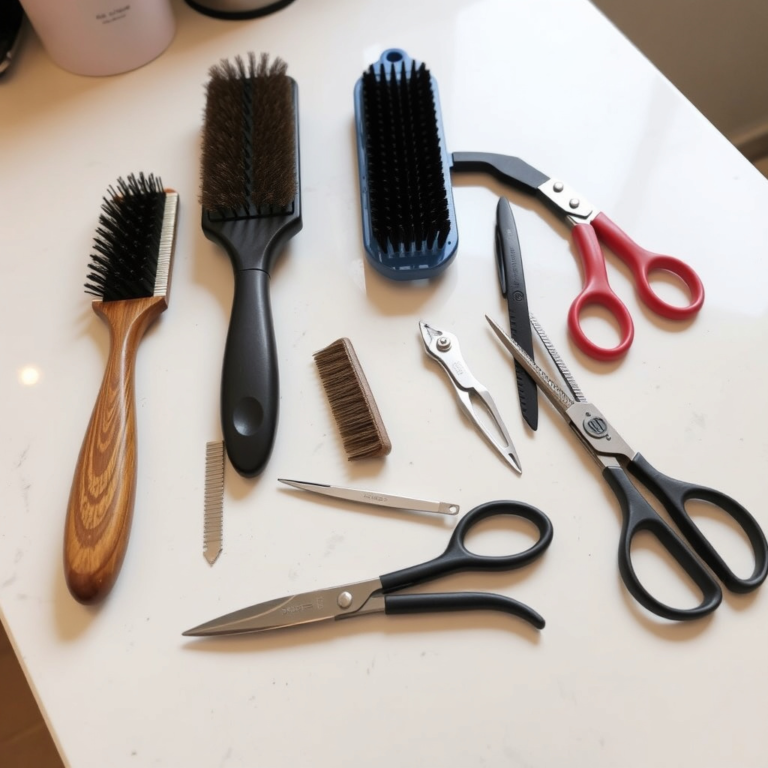
Use a brush suited to your dog’s coat type, slicker brushes for thick coats or soft bristle brushes for short hair. Spend 5 to 10 minutes gently brushing, focusing on problem areas like behind the ears and under the legs. Detangling before wetting your dog cuts down on shampooing and re-brushing time later.
A thorough pre-bath brush can save 10 to 15 minutes during the actual bath by preventing knots and unnecessary scrubbing.
Skipping this step can lead to a longer, more stressful bath and may require a second session to address missed mats or dried-in dirt.
Using Calming Praise and Treats
Calming your dog and turning bath time into a positive experience makes your dog more cooperative and reduces wiggle and escape attempts. Use a calm, soothing voice and offer praise every few minutes. Treats reinforce good behavior, especially if your dog is nervous or unfamiliar with baths.
Try this simple script to keep your dog calm: “Good job, buddy, nice and easy. Here comes the warm water, all gentle. Such a good dog!” Pair these words with gentle petting and timely treats to mark calm moments like standing still or letting you rinse without fuss.
Move slowly and avoid rushing. Rushing can make your dog anxious and harder to manage, which actually increases the time it takes. Small pauses to reward calmness keep your dog cooperative and shorten the overall bath session, even if it seems like you’re slowing down.
Best Practices for Drying Your Dog After the Bath
Drying your dog properly after a bath speeds up the process, keeps your pet comfortable, and prevents mats, especially in dogs with long or dense coats. Towel drying is the first step for all coat types. Use an absorbent towel to gently blot your dog’s fur, avoiding vigorous rubbing that can tangle hair. For short-coated dogs like French Bulldogs, 5 to 10 minutes of towel drying usually dries them enough to avoid heavy dampness. For longer or thicker coats, spend at least 10 to 15 minutes towel drying to remove excess water.
Blow drying speeds drying time but requires caution. Use a pet-specific dryer or a human hairdryer on the lowest heat and airflow setting to avoid burns or stress. Hold the dryer about 6 to 12 inches away from the fur, focusing on one section at a time while brushing the coat to prevent knots. Dogs with curly or double coats can take 20 minutes or more to dry fully this way. Avoid blow drying your dog’s face and head, as towel drying is safer and more calming for your pet.
Air drying can work for dogs with smooth or short coats but takes longer. After towel drying thoroughly, allow your dog to air dry in a warm, draft-free room. Brush the coat every 5 to 10 minutes to prevent mats and distribute oils evenly. Long-haired or thick-coated dogs risk serious matting without active drying and brushing, so air drying alone is not recommended for them.
Using a leave-in spray conditioner after the bath and during drying can help with brushing and reduce tangles in long or curly coats. Massage it in following the direction of hair growth for even coverage. Brushing multiple times a week, not just on bath day, also limits the chance of mats forming. For dogs with stubborn mats or very thick coats, a professional groomer can trim and style the fur safely to prevent knots and maintain coat health.
Common Bathing Mistakes That Waste Time and How to Fix Them
One common mistake that adds unnecessary time to your dog’s bath is bathing without brushing first. Matted fur traps water, which not only prolongs drying time but can also cause skin irritations. Brushing before the bath removes tangles and loose hair, making washing and rinsing more effective and faster. Another error is rinsing too slowly or unevenly. Slow rinsing leaves shampoo residue behind, leading to dry skin and itching. Rinse quickly but thoroughly with lukewarm water, around 90°F to 100°F, to protect your dog’s skin barrier and finish the bath sooner.
Distractions and resistance from your dog can greatly extend bath time. Dogs stressed by water, noise, or confinement often try to escape, making the process frustrating. Use a calm voice and gentle handling to comfort your dog. Limit bath distractions by closing doors, turning off loud appliances, and keeping treats handy for positive reinforcement. When your dog resists intensely, keep bathing sessions short or try a professional groomer who has tools and experience to reduce stress safely.
- Brush your dog’s coat thoroughly before bathing to prevent mats and speed up washing.
- Use lukewarm water between 90°F and 100°F to rinse efficiently without irritating skin.
- Rinse shampoo out quickly but completely to avoid residue causing itching or dryness.
- Remove distractions like noise and other pets to keep your dog calm and cooperative.
- Speak softly and offer treats during the bath to reduce anxiety and resistance.
- Stop and pause the bath if your dog shows signs of pain, severe stress, or skin irritation.
- Your dog showing too much fear calls for a groomer with professional calming techniques.
Bathing too frequently or right after applying topical treatments weakens their effectiveness and can irritate skin. Keep baths to once a month unless otherwise directed by a vet. Avoid harsh soaps or scrubbing because pet skin has a delicate protective barrier easily damaged by rough treatment. Stop the bath immediately if you notice sudden pain, inflamed or open skin, or signs of panic. Your goal is a clean coat, calm skin, and a relaxed dog. This approach saves time in the bath and prevents problems that can lead to longer, more difficult grooming sessions down the road.
When to Seek Professional Grooming for Longer or Difficult Baths
Some dogs benefit greatly from professional grooming when bathing at home becomes stressful, time-consuming, or unsafe. Dogs with thick, long, or matted coats may require the specialized tools and techniques that groomers provide to properly clean and detangle fur without causing pain or injury. Older dogs or those with health issues might be physically overtaxed by a home bath, making it safer to have trained groomers handle the process at a slower, more careful pace.
Professional grooming sessions usually last between 2 and 4 hours depending on the breed, coat condition, and services requested. This time includes bathing, drying, brushing, nail trimming, ear cleaning, and sometimes haircutting. Some breeds with dense or curly hair need more frequent or longer visits to maintain coat health and prevent issues. Regular brushing at home can reduce the grooming time and cost by minimizing tangles and mats before the appointment.
Complicated baths requiring expert care often involve dogs that are fearful or stressed by water and handling. Finding a groomer certified in positive reinforcement or Fear Free techniques can help your dog tolerate grooming, especially if they resist baths at home. Groomers can also deal with harmful mats, skin conditions, or stubborn dirt and odors better than typical home methods. When your dog shows signs of distress such as struggling excessively, vocalizing, or hiding during a home bath, seeking professional grooming can protect their well-being and reduce your stress.
Using professional grooming services saves you from investing in special equipment like grooming brushes attached to hoses or high-powered dryers. These tools improve efficiency and cleaning quality but can be costly and cumbersome. A good groomer adjusts water temperature, spray pressure, and drying speed to suit your dog’s coat and temperament, which matters for skin health and comfort. This expertise minimizes the risk of skin irritation or chilling that can occur with hurried or improper home baths.
Professional groomers tailor their approach to each dog’s needs, often using slower, gentler techniques that ensure safety and reduce anxiety during baths.
Deciding when to seek professional grooming depends on your dog’s coat type, behavior, and your available time and skill. For typical coats and calm dogs, home bathing can be efficient, but those with complex grooming needs, medical issues, or fearful behavior benefit from the groomer’s expertise. Spending a few hours at a grooming salon every 4 to 8 weeks prevents costly coat problems and keeps your dog comfortable, healthy, and clean without disrupting your schedule.
Step-by-Step Action Plan for a Smooth Dog Bath
Follow these steps to keep your dog’s bath time efficient and comfortable every session.
- Before you start: Gather all supplies like shampoo, towels, and brushes. If everything is ready, you’ll avoid interruptions that extend bath time.
- Pre-bath brush: Brush your dog’s coat thoroughly to remove knots and loose hair. When your dog’s coat feels smooth and knot-free, you’re ready to wash.
- Bath time: Wet your dog gently with lukewarm water, apply shampoo, and rinse well. Clean rinsing without slippery shampoo residue means you’ve finished this phase properly.
- Conditioning (optional): Apply conditioner on long or dry hair, then rinse fully. The coat should feel softer but not greasy when done.
- Drying: Use towels to remove excess water, then blow dry on a low, cool setting while brushing. Your dog should feel dry and warm enough within 15 to 30 minutes depending on coat type.
- Check for spots missed: Run your fingers over the coat to find damp areas or soap residue. Repeat drying or rinsing if necessary.
- Reward your dog: Give praise or treats to reinforce positive bathing behavior. A calm dog after the bath means better future baths.
Frequently Asked Questions
How Does Coat Thickness Affect the Total Bath Time for a Dog?
Thicker coats, especially double coats, need more time to rinse and dry, often doubling the bath length. This extra time prevents moisture trapping, which could lead to skin issues.
What’s the Average Time Needed for Bathing a Small Dog with a Short Coat?
Bathing a small, short-haired dog usually takes about 15 to 20 minutes. These dogs clean faster but can still need careful rinsing to avoid shampoo residue.
Does a Dog’s Behavior Impact How Long the Bath Takes?
Yes, nervous or squirmy dogs can extend bath time since you need to proceed slowly and gently to keep them calm and safe.
How Long Should You Spend Drying a Medium-Sized Dog After a Bath?
Drying a medium dog can take 3 to 4 minutes with towels, but long-haired breeds may require longer with blow dryers to avoid matting.
Is Brushing Part of the Bathing Time or Done Separately?
Brushing is often part of the bath process, especially for long or double coats, as it helps remove tangles and loose fur during rinsing.
Can You Shorten Bath Time by Prepping Your Dog Before the Bath?
Pre-bath brushing and setting up all supplies beforehand can cut bath time by 5 to 10 minutes and make the process easier.
Final Thoughts
Bathing your dog usually takes between 15 and 45 minutes, varying by coat type, size, and your dog’s behaviour. Preparing well and following an organized process lets you finish promptly without skipping quality care. Start by gathering your supplies and brushing your dog before the bath to save time and make the experience more pleasant for both of you.