Why Does My Dog Roll in Stuff After a Bath? 8 Science-Backed Reasons and Solutions
Your dog rolls in stuff after a bath because they are trying to dry off, remove the strong scents of shampoos, and restore their natural smell. Their highly sensitive nose finds artificial bath fragrances overwhelming, and rolling helps them feel more comfortable and less stressed. This behavior taps into instincts inherited from their wolf ancestors and serves physical and emotional needs.
This explanation fits new dog owners curious about post-bath habits and anyone wanting practical tips to reduce this behavior. The article shares science-backed reasons and clear solutions to help you understand and manage your dog’s rolling after a bath.
Key Takeaways
- Dogs roll after baths to dry off, as shaking removes only about 70% of trapped water.
- Strongly scented shampoos can stress dogs, prompting them to roll in dirt or grass to cover unnatural smells.
- Your dog’s 98% wolf genetics influence their instinct to mask scents by rolling in natural materials.
- Rolling helps dogs scratch physical itches caused by moisture or shampoo residue, especially around their ears.
- Distract your dog with treats or toys immediately after a bath to discourage rolling behaviors.
- Keep your dog indoors until completely dry to prevent it from rolling outside on dirt or grass.
Why Dogs Immediately Roll After a Bath
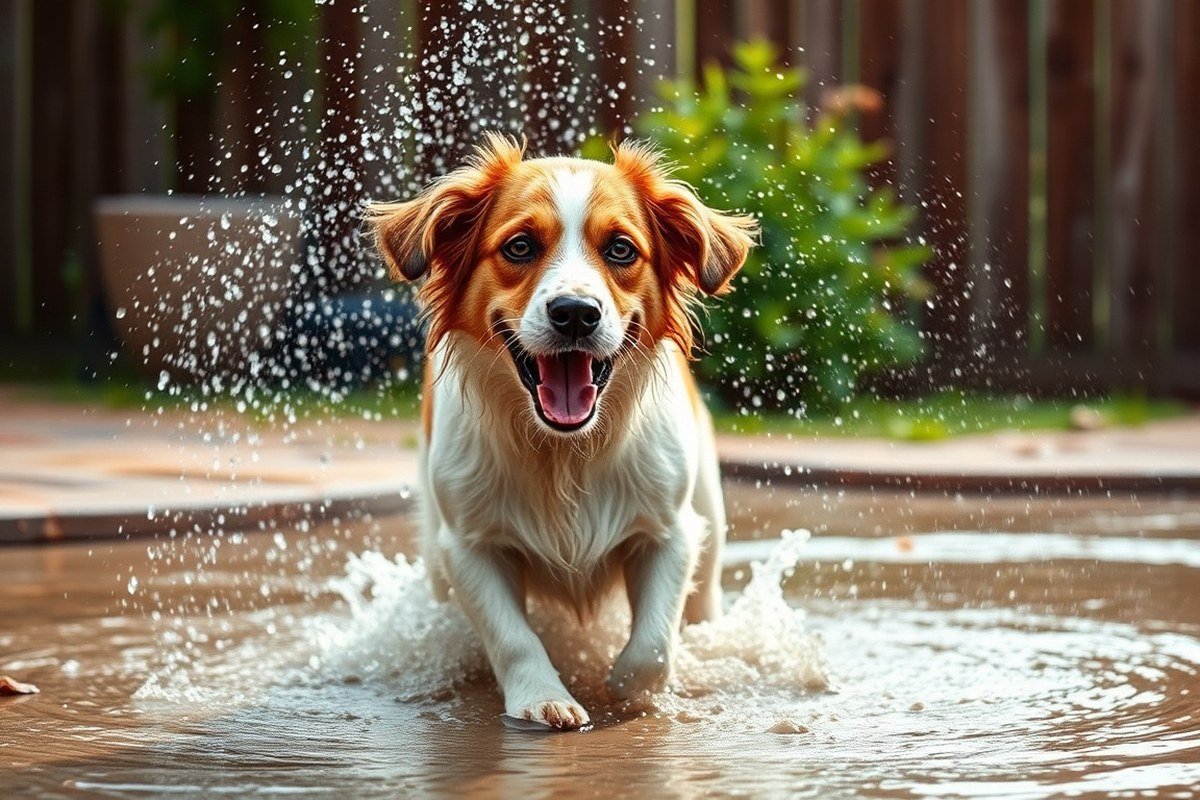
Dogs rolling immediately after a bath is common and normal. This behavior stems from deep instincts and sensory needs that have not disappeared despite domestication. One main reason your dog rolls in dirt or grass after a bath is to mask the unfamiliar smell of shampoo with a scent they recognize. Dogs rely heavily on their sense of smell to communicate and identify their environment. The clean, often perfumed smell of shampoo can feel strange or even stressful to them, so rolling helps them replace it with a more familiar outdoor scent.
Another factor is sensory discomfort. After a bath, your dog’s skin and fur might feel different or even slightly itchy due to shampoo residue or water temperature. Rolling provides physical relief by stimulating nerves in their skin, helping them feel more comfortable. This rubbing motion also aids in drying their coat faster by removing excess moisture, which dogs naturally prefer. The texture of dirt or grass can offer a satisfying scratch that helps alleviate any residual itchiness or tightness.
Instinct plays a strong role in this behavior. Wild ancestors of domestic dogs used rolling to collect scents from their surroundings. This helped them blend in or send signals to other animals. Though your dog is not hunting, the natural urge remains to cover themselves with outdoor smells after a bath erases their usual scent. At the same time, rolling can be a way to express excitement or release post-bath energy, sometimes called zoomies. This bursts of activity are normal and often lead directly into rolling on the nearest patch of dirt or grass.
Understanding the combination of scent replacement, sensory relief, and instinct helps explain why this post-bath rolling does not mean your dog is unhappy or causing trouble on purpose. To reduce this behavior, consider using mild, unscented shampoos that don’t feel overwhelming to your dog’s nose or skin. Toweling off and drying your dog thoroughly inside can also minimize their urge to find moisture and relief outdoors. Recognize that this rolling represents your dog’s natural way of adjusting to the bath experience.
How Scent Drives Your Dog’s Rolling Behavior

Dogs rely heavily on their sense of smell to identify themselves and communicate with other animals. When you bathe your dog, the shampoo strips away the natural oils and scents that make up their unique “Scent Signature.” This scent is important to your dog’s identity and social interactions. Because the shampoo scent often feels foreign or overpowering, especially floral or lavender varieties, your dog instinctively tries to restore or mask that altered scent.
Rolling in dirt or grass after a bath acts as a natural way to replace the lost scent with more familiar or neutral odors from the environment. By doing this, your dog is essentially covering up the shampoo smell with earthier scents, which feels more comfortable and authentic to them. This behavior stems from ancestral survival instincts, where masking their scent helped dogs avoid predators or remain undetected while hunting.
In practical terms, you can manage this scent-driven rolling behavior by using dog-specific conditioners or shampoos with subtle, natural scents that don’t overwhelm your dog’s natural oils. These products tend to gently maintain some of your dog’s original scent while cleaning them, reducing the urge to roll. It usually takes a few baths with these gentler formulas for your dog to adjust and show less rolling behavior.
Another helpful approach is to towel dry your dog thoroughly immediately after the bath to reduce excess moisture that improve the shampoo’s scent intensity. Once mostly dry, your dog may feel less need to roll off that unfamiliar smell. Also, short supervised outdoor breaks after bathing can prevent uncontrolled rolling and help you redirect this impulse with commands like “leave it.” Keep in mind that dogs raised around others who roll frequently tend to pick up the behavior, so social influences matter.
For dogs that still roll despite these efforts, allow brief, controlled rolling on clean grass or a safe patch of dirt to let them satisfy their instinct without ruining your home or yard. Over time, a combination of mild bath scents, effective drying, and command training reduces the frequency and intensity of this behavior.
Try using a mild, dog-friendly conditioner after shampooing to help retain your dog’s natural scent and reduce the urge to roll.
The Role of Physical Comfort and Itching After Bathing
Rolling after a bath often helps relieve physical discomfort like itching or trapped moisture on your dog’s skin. When you bathe your dog, even careful towel drying can leave a thin layer of dampness beneath the coat. This moisture can irritate the skin or create an itchy sensation. Rolling on grass, dirt, or carpet helps your dog dry out faster by allowing air to circulate through the fur. It also serves as a mechanical way to soothe any lingering itchiness caused by shampoo residue or soaps.
Bathing your dog too often can worsen skin irritation, even causing dry or flaky patches that increase discomfort. Experts recommend washing dogs no more than once a week to avoid stripping natural oils that protect the skin. Your dog scratching more after a bath or rolling persistently in unsafe spots, like chemically treated lawns or roadsides, could signal a problem. Excessive scratching, red skin patches, and hair loss alongside rolling call for a veterinary checkup. A vet can rule out allergies to dust, pollen, or food, as well as flea or mite infestations.
Choosing a gentle, hypoallergenic shampoo can reduce skin irritation and the urge to roll. Many dog owners find oatmeal shampoos effective at soothing dry or sensitive skin. Avoid conditioners or soaps that leave a heavy residue, since residue buildup can create itchiness that triggers rolling. After bathing, drying your dog thoroughly by towel is useful in minimizing trapped moisture. Catching your dog rolling right after a bath? Calmly guide them back for a rinse or quick rewash to remove irritants causing discomfort.
Rolling also serves as a natural itch reliever when moisture becomes trapped in sensitive areas like the ears. Dogs often rub or scratch their ears on furniture after baths due to heavy, cool water inside the ear canal. This kind of rubbing should be monitored for signs of redness, swelling, or persistent shaking, which may indicate infection or irritation requiring treatment.
Rolling while your dog appears relaxed and playful usually means the behavior is harmless and driven by a need for comfort and dryness. The sensation of itch relief combined with drying airflow supports your dog’s skin health post-bath. On the other hand, if the rolling is paired with constant itching or skin damage, address the underlying cause promptly with professional advice. Preventing excessive itching and moisture buildup through proper bathing routines and careful product choices helps keep your dog comfortable and less likely to roll in dirt or debris after cleaning.
How to Recognize When Rolling Is Healthy or a Concern
Recognizing whether your dog’s rolling after a bath is healthy or a sign of a problem is key to keeping your pet comfortable and safe. Normal rolling often shows playfulness and relief, but certain body language or skin changes can hint at irritation, pain, or anxiety. Monitoring how your dog behaves and inspecting their skin carefully helps you decide when rolling is just fun or when it needs vet attention.
Signs of Happy and Normal Rolling
When your dog rolls happily, their body language typically looks relaxed and playful. Tail wagging, a loose body, and a relaxed face with no signs of tension show they enjoy rolling. The movement is smooth and voluntary, often accompanied by happy noises like soft panting or gentle grunts. After a bath, dogs often roll on dirt or grass to soothe the skin and reapply their natural scent, which comforts them. Look for these signs that your dog is rolling in a healthy way:
- Loose, wagging tail and soft eyes
- Playful body posture without stiffness or trembling
- Rolling begins gently and stops quickly after satisfaction
- Soft panting or light vocalizing indicating contentment
- Your dog lands on different sides without hesitation
- After rolling, your dog resumes relaxed walking and normal behavior
This type of rolling usually lasts a few seconds to a couple of minutes and serves as natural skin relief or a way to feel secure through scent masking.
Indicators of Irritation or Medical Issues
Rolling can signal problems if your dog shows signs of discomfort or their skin looks abnormal. Watch closely for tense body posture, whining, or attempts to scratch sore spots before or after rolling. Rolling that appears frantic or repeated, combined with physical signs, suggests irritation or pain. This might indicate allergies, insect bites, parasite infestations, or a skin infection. Check your dog’s skin carefully using the following checklist to spot issues early:
- Redness or inflamed patches, especially beneath the fur
- Scabs, sores, or lesions that look wet or crusty
- Visible parasites like fleas or ticks
- Unusual hair loss or bald spots
- Excessive scratching, licking, or biting at the skin
- Foul smell coming from the coat or skin
- Swelling or raised bumps that were not there before
Any of these signs alongside rolling indicate your dog needs a closer look. Identifying skin problems early helps prevent worsening conditions and discomfort.
When to Contact a Veterinarian
Contact your veterinarian immediately if your dog’s rolling is combined with distress or physical symptoms that may indicate pain or a medical condition. Signs that need professional care include continuous frantic rolling that doesn’t stop, vocalizing in pain, limping, or obvious skin injuries. Your dog needs a vet visit for diagnosis and treatment when allergic reactions, visible parasites, or worsening wounds appear after rolling.
Always seek emergency help if your dog appears lethargic, is bleeding, has difficulty walking, or shows rapid breathing. Early veterinary assessment saves your dog from serious complications and improves recovery time. Monitoring your dog daily after a bath for changes in behavior and skin health costs nothing but a few minutes of your time. A vet visit usually costs between $50 and $150, depending on location and how serious the issue seems, whenever you spot anything unusual.
Effective Ways to Prevent Your Dog from Rolling After a Bath
Preventing your dog from rolling in dirt or grass after a bath involves drying them thoroughly, redirecting their focus, and managing their environment until they’re fully dry. Combining quick drying methods with engaging distractions and controlling where your dog spends time post-bath can limit the urge to roll, keeping your dog cleaner and safer.
Step 1: Quick Towel Dry to Reduce Wetness
Start drying your dog immediately with a highly absorbent towel designed for pets. This helps reduce the wetness that triggers rolling to dry off or regain familiar scents. A towel that absorbs more water speeds up drying and keeps your dog from rushing outside to roll in dirt or carpet. Follow these steps for effective towel drying:
- Choose a microfiber or chamois towel for better absorption, costing around $10 to $20.
- Pat your dog gently but firmly, avoiding rough rubbing to prevent tangling or skin irritation.
- Focus on drying areas where moisture tends to linger, like behind the ears, under the legs, and the belly.
- Use multiple towels if the first becomes too damp.
- If your dog tolerates it, a pet-safe blow dryer on the lowest, coolest setting can speed drying, but keep it moving to avoid heat spots.
Avoid letting your dog shake off inside immediately after towel drying to prevent water spraying all over your floors and furniture.
Step 2: Use Toys or Treats to Redirect Energy
Distracting your dog with toys or treats right after their bath can channel their excitement or discomfort into positive, supervised activity. This step substitutes rolling in the dirt with play or chewing, which helps prevent the sudden rush outdoors. Try these tips to redirect your dog’s post-bath energy:
- Prepare high-value treats such as small pieces of cooked chicken or commercial training treats.
- Offer a puzzle toy or a chew stuffed with peanut butter (make sure it does not contain xylitol) to keep your dog engaged.
- Initiate a calm indoor play session to burn off excess energy without giving your dog the chance to roll in dirt.
- Use a firm recall command to bring your dog’s attention back if they try to bolt outside immediately.
Do not neglect to supervise your dog closely during treat or toy distractions to prevent accidental swallowing or choking.
Step 3: Keep Your Dog Indoors Until Fully Dry
Limiting outdoor access right after a bath is one of the simplest and most reliable methods to prevent rolling. Keeping your dog indoors until their coat is completely dry removes the immediate temptation of grass, dirt, or other rolling spots. To ensure effective indoor confinement:
- Set up a comfortable spot with a soft blanket or bed in a warm room.
- Continue gentle petting or brushing to promote drying and calmness.
- Check your dog’s coat every 10 to 15 minutes until it feels dry to the touch, which can take 30 minutes or more depending on coat thickness.
- Remove access to areas such as mud-prone yards or dirt patches during this time.
Be cautious about letting your dog outside in treated lawns, as their chemicals may irritate wet skin and increase the risk of itching and rolling.
Step 4: Create a Clean, Comfortable Post-Bath Zone
Establishing a designated area for your dog to relax and dry off after a bath encourages calm behavior and reduces the urge to escape outside. This zone should be free from dirt, debris, and other rolling temptations. To set up an effective post-bath space:
- Choose an indoor space with easy-to-clean flooring like tile or linoleum.
- Place absorbent mats or towels to catch residual moisture from your dog’s coat.
- Ensure the temperature is comfortable; slightly warmer rooms (around 70-75°F) can help speed up drying.
- Keep water and a chew toy nearby to comfort and occupy your dog during drying time.
Changing your dog’s usual rolling spots, such as moving barriers or temporarily fencing off a muddy corner of the yard, can significantly reduce post-bath rolling outdoors.
Training Techniques to Control Rolling Behavior
Controlling your dog’s rolling behavior after a bath involves teaching clear commands like ‘leave it’ and a dependable recall to stop or interrupt the action. These commands help you redirect your dog before they find something to roll in, making outings less frustrating and more enjoyable.
Introducing the ‘Leave It’ Command
The ‘leave it’ command tells your dog to ignore or drop something undesirable, such as dirt or grass. Teaching it allows you to prevent rolling by interrupting the behavior early. The goal is to make your dog respond reliably even from a distance.
Start with a small, safe item your dog finds interesting, like a treat or toy. Hold it in your closed fist and say “leave it.” When your dog stops trying to get it and looks away, reward with a different treat immediately. Repeat this to create a clear association between the command and avoiding the item.
- Hold a treat in a closed fist and say “leave it.”
- Wait for your dog to stop trying to get the treat or look away.
- Reward with a different treat from your other hand immediately.
- Repeat until your dog leaves the item on the first command.
- Practice using “leave it” with items on the floor like leaves or sticks.
- Gradually increase distance and distractions.
- Use the command outdoors, especially in areas your dog likes to roll.
This training takes several short sessions of 5 to 10 minutes, a few times per day. Patience is key since it can take weeks for most dogs to respond reliably in distracting environments.
Building a Strong Recall Cue
A reliable recall command helps bring your dog back before they start rolling or if you miss the chance to say “leave it.” Choose a simple word like “come” or a unique whistle. Make sure your dog understands it means return to you immediately.
Train recall in a distraction-free area first. Use high-value treats your dog loves, like small pieces of cooked chicken or cheese. Say your chosen word cheerfully, show the treat, and reward your dog as soon as they come. Increase distance step by step.
To practice recall outdoors, attach a long leash (10 to 15 feet) and call your dog regularly. This helps your dog learn to come back even when tempted to roll. Reliable recall demands consistency and rewarding your dog every time they respond promptly.
Using Positive Reinforcement Post-Bath
Positive reinforcement strengthens good behavior after a bath, making your dog less likely to roll and more likely to respond to commands. Reward calmness, sitting, or coming back immediately after the bath with treats and praise.
Use treats immediately after drying your dog or when they stay on a leash without trying to roll. A short session of preferred play or petting also counts as reinforcement. Consistently rewarding refusal to roll creates a clear link between staying clean and positive outcomes.
- Finish the bath and dry your dog thoroughly.
- Give your recall command and reward your dog when they come to you.
- Give the “leave it” command if your dog moves toward rolling spots.
- Immediately reward calm, non-rolling behavior with treats or praise.
- Repeat positive reinforcement during outdoor walks following baths.
- Gradually increase the challenge by exposing your dog to tempting rolling spots.
Positive reinforcement costs little beyond treats and your time. Using it consistently improves your dog’s self-control and strengthens the commands that stop rolling before it starts.
Choosing the Right Shampoos and Bath Routines to Minimize Rolling
Choosing shampoos and bath routines that reduce your dog’s need to roll involves focusing on gentle products and proper bathing techniques. Avoid shampoos with strong floral, citrus, or heavy fragrances, as these scents can be overpowering to dogs and prompt them to roll in dirt to mask the smell. Instead, opt for mild, unscented, or oatmeal-based shampoos, which help keep your dog comfortable without harsh smells that disturb their natural scent.
Bathing frequency also affects rolling behavior. Bathing your dog every 4 to 6 weeks is usually enough for maintaining cleanliness without drying out their skin or stripping natural oils. Overbathing can cause irritation, sensory discomfort, and increase rolling as your dog tries to soothe itchy or tight skin.
Water temperature and bathing technique make a difference too. Use lukewarm water around 90°F (32°C) to avoid chilling or overheating your dog. Rinse thoroughly to remove shampoo residue that might irritate skin. Gently massage rather than scrub harshly to keep the bath pleasant and reduce discomfort.
| Bathing Factor | Details | Impact on Rolling |
|---|---|---|
| Shampoo Type | Mild, unscented, oatmeal-based shampoos | Minimizes harsh scents and skin irritation |
| Fragranced Shampoos | Floral, citrus, or heavily perfumed types | Often triggers rolling to regain natural scent |
| Bath Frequency | Every 4 to 6 weeks, or as needed after soiling | Prevents skin dryness and discomfort related to overbathing |
| Water Temperature | About 90°F (32°C), lukewarm | Maintains comfort and reduces stress |
| Bathing Technique | Gentle massaging and thorough rinsing | Reduces skin irritation and leftover residue |
To bathe your dog properly, start by brushing them to remove loose hair. Wet your dog gradually with lukewarm water, apply a small amount of mild shampoo, and massage lightly. Rinse fully to avoid residue that can cause itching. You can dry them with a towel or a low-heat blow dryer. Providing this comfortable experience helps lessen the post-bath urge to roll in dirt. Bath your dog promptly if they roll in feces or other unsanitary materials to maintain hygiene.
Using the right shampoo and the right bath routine takes the guesswork out of managing your dog’s behavior. Mild shampoos keep their coat clean without aggressive scent changes, and bathing at reasonable intervals supports healthy skin. Lukewarm water and gentle methods keep them comfortable, lowering the chance of rolling to escape discomfort.
Seasonal and Environmental Factors Affecting Post-Bath Rolling
Weather and outdoor terrain can make a big difference in how much your dog wants to roll after a bath. Warm, sunny days often encourage dogs to roll in dry grass, leaves, or dirt since these surfaces feel good on their skin, especially when drying off. Cooler weather might shift their preference to mud or damp earth, which can help them regulate body temperature after a bath. Rainy or wet conditions typically increase the chance your dog will find muddy patches or puddles irresistible places to roll. These environmental factors affect the likelihood of rolling because they change both the textures and smells available outside, factors your dog reacts strongly to.
Certain outdoor areas attract dogs more because of the scents they carry. Your dog rolling near bushes, trails, or rabbit paths suggests they are excited by strong natural smells. These scents offer a sensory experience that feels rewarding, especially right after a bath when your dog’s skin and coat are clean and less coated with outdoor smells. These areas might carry hidden animal scents that trigger instinctive rolling behavior. Avoiding these specific spots right after a bath can reduce rolling. For example, you can take a different path on your walk or keep your dog on a leash closer to you to make sure they don’t drift into tempting areas.
Managing rolling safely depends on the season and environment. During warmer months, try letting your dog dry indoors after a bath or towel-dry thoroughly before heading outside. This helps reduce the appeal of rolling on warm, dry grass or dirt. In colder weather, after a bath, use a dog-safe warming towel or a low-heat dryer to prevent your dog from wanting to roll for warmth in wet, chilly spots. For muddy conditions, keep your dog on a leash and steer clear of puddles, mud patches, or thick underbrush for the first hour after bathing, when their scent is clearest. Having a dedicated outdoor rinse area with a hose can help clean off any airborne or ground-based dirt quickly if they do roll. You should use a harness and watch your dog closely if they need outdoor time right after a bath to keep them from wandering into risky areas.
A practical way to limit post-bath rolling is to plan your dog’s walk on clean, grassy areas and keep a towel handy for quick drying if they do roll in dirt or plants.
Seasonal changes complicate rolling habits. Spring and fall bring more fallen leaves and plant debris, which carry strong, natural odors that excite dogs. These are peak times for rolling outdoors. Summer heat can increase the comfort of rolling on cool, damp earth, while winter may tempt dogs toward snow or wet ground. Tailoring your dog’s post-bath activities to the current season lowers the chance of them covering themselves in scents or dirt your bath just removed. Preventing contact with areas known for strong animal odors and rolling spots is your best defense. This management takes effort but helps keep your dog cleaner longer after baths and reduces risks associated with rolling, such as fleas, ticks, or skin irritation from contaminants.
Step-by-Step Action Plan to Reduce Post-Bath Rolling
Follow these steps to help manage your dog’s rolling behavior after a bath and keep them clean longer.
- Before the Bath: Brush your dog thoroughly to remove loose fur and debris. This reduces itching and discomfort that can trigger rolling.
- During the Bath: Use a gentle, scent-neutral shampoo designed for dogs. A less irritating shampoo lowers the chance your dog will try to mask their clean scent.
- Immediately After the Bath: Dry your dog well with a towel or pet dryer. A warm, comfortable coat reduces the urge to roll on the ground.
- Within the First 30 Minutes: Take your dog to a clean area inside your home or on a clean surface outside to prevent access to dirt or grass. Success means your dog stays clean and dry during this important period.
- After 1 Week: Observe if your dog’s rolling has decreased. If they continue rolling excessively, try rewarding calm behavior right after baths with treats and praise to reinforce not rolling.
- After 2 Weeks: Adjust your bathing routine if needed, experiment with different shampoos or drying methods based on your dog’s comfort and response.
- Ongoing: Pay attention to seasonal or environmental changes, such as mud or pollen levels, and limit outdoor time right after a bath accordingly.
Frequently Asked Questions
Why Does My Dog Prefer Rolling in Dirt Rather Than Grass After a Bath?
Dogs might choose dirt over grass because it feels cooler or has dust that helps neutralize shampoo scents, making them feel more comfortable after a bath. Dirt can also provide a different texture that some dogs find more satisfying to roll in.
Can Rolling After a Bath Indicate My Dog Has Skin Problems?
Rolling alone doesn’t necessarily indicate skin issues; watch for persistent itching or redness. If those signs appear, consult a vet to rule out allergies or infections that could cause discomfort.
Do All Dog Breeds Roll Equally After Baths?
No, breed and individual personality affect rolling behavior. Some breeds are more scent-sensitive or have thicker coats that make them want to dry off or mask shampoo smells by rolling more often than others.
Is It Bad for My Dog’s Skin to Roll Right After a Bath?
Generally, rolling isn’t harmful, but if your dog has sensitive skin, rolling in dirt or debris may cause irritation. Keeping your dog clean and using gentle shampoos helps minimize risks while allowing natural behavior.
Why Does My Dog Roll More When I Use Strongly Scented Shampoos?
Strong perfumes in shampoos can stress dogs and prompt them to roll to cover up the unfamiliar or intense smells. Using fragrance-free or mild shampoos can reduce this behavior after bathing.
Can Age or Health Conditions Affect How Often My Dog Rolls After a Bath?
Older dogs or those with joint pain might roll less because movement is uncomfortable. Health issues can change grooming behaviors, so discuss unusual changes with your vet.
Before You Go
Dogs roll after a bath mostly to restore their natural scent and relieve physical discomfort. You can manage this by making baths more comfortable and controlling their environment right afterward. Try changing your drying and bathing routine first, then keep an eye on how your dog reacts in the moments following the bath. That’s the best way to keep your dog happy and cleaner longer.