How to Choose the Best Dog Bath Brush for Your Pet’s Grooming Needs
The best dog bath brush is one that effectively removes dirt, loose fur, and helps distribute shampoo evenly while being gentle on your dog’s skin. A high-quality bath brush enhances your pet’s comfort during washing, prevents tangles, and speeds up the grooming process.
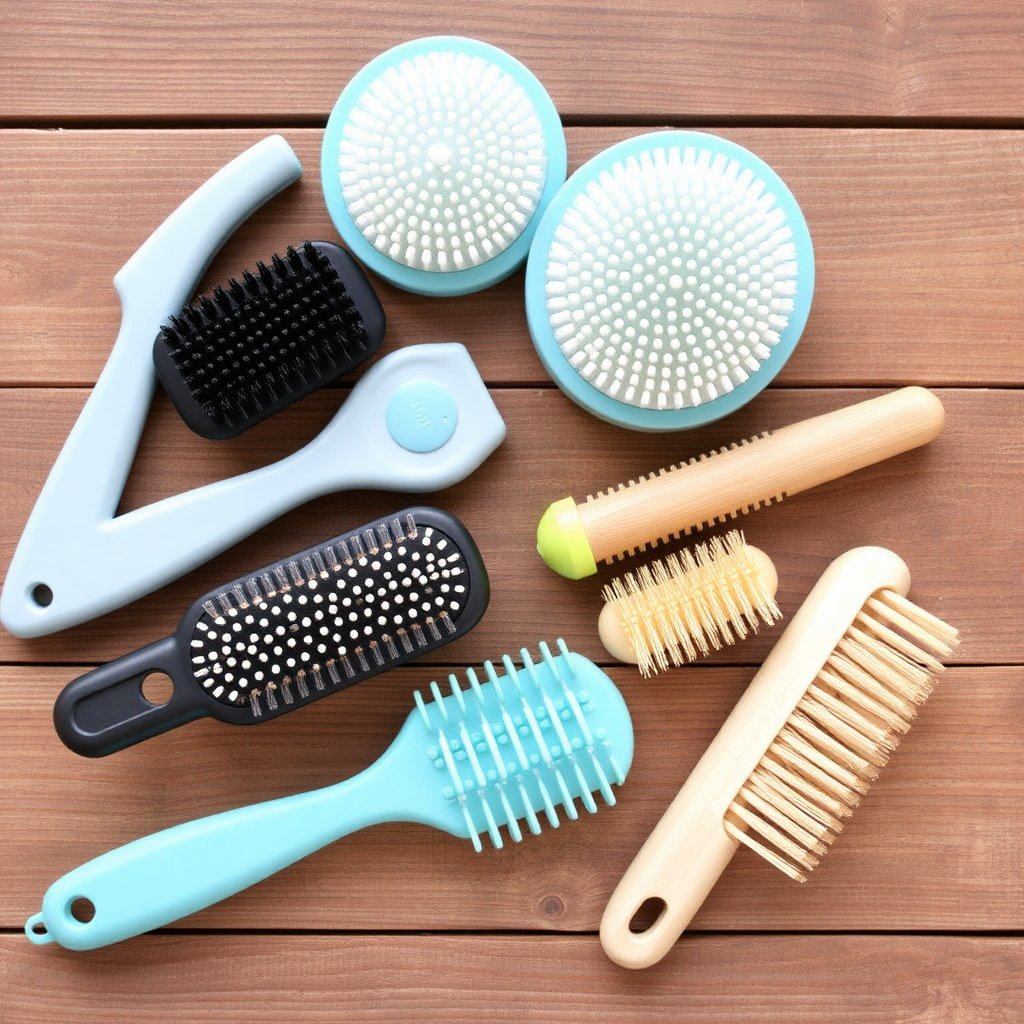
Many dog owners overlook the importance of picking the right bath brush, but the right tool can make a huge difference in both your dog’s cleanliness and their overall bathing experience. Bath brushes come in various types, including rubber, bristle, and silicone models, each with pros and cons depending on your dog’s fur type and skin sensitivity.
This article will guide you through the different kinds of dog bath brushes available, explain their features, and help you decide which one matches your dog's unique grooming requirements. We will also highlight important factors like size, material, and ease of cleaning to help you make an informed choice.
Types of Dog Bath Brushes and Their Benefits
Rubber Brushes for Gentle Cleaning
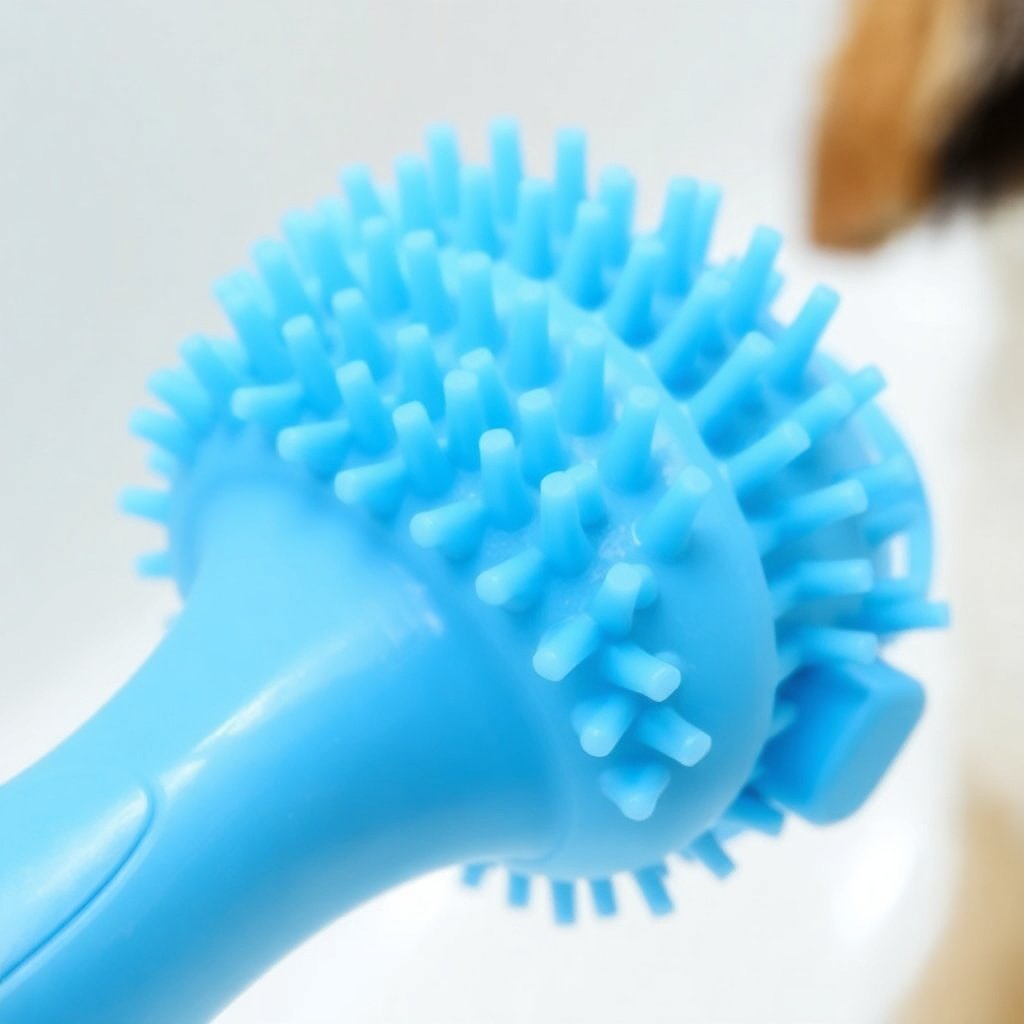
Rubber dog bath brushes are excellent for dogs with sensitive skin as their soft, flexible nubs massage the skin gently. They loosen dirt and shed hair without scratching or irritating the coat, making bath time more pleasant for anxious pets.
They are easy to hold and often have ergonomic handles, providing good control during washes. Rubber brushes are particularly effective at distributing shampoo evenly and stimulating blood circulation while bathing.
- Soft and flexible nubs
- Gentle skin massage
- Good for sensitive or short-haired dogs
- Easy to grip handles
Bristle Brushes for Deep Cleaning
Bristle dog bath brushes come in natural or synthetic bristles and are ideal for getting deep into thicker or longer fur. They help remove stubborn dirt, dead skin cells, and loose hair trapped in dense undercoats.
While bristle brushes can be harsher than rubber, many models are designed to be soft enough for bath use without causing discomfort. They also help spread shampoo thoroughly throughout the coat.
- Effective on thick or long fur
- Removes trapped dirt and loose hair
- Varieties with soft or firm bristles available
- Distributes shampoo well
Material and Design Considerations in Dog Bath Brushes
Ergonomics and Comfort for the User
When choosing a dog bath brush, the handle design is critical for comfortable use, especially if you're bathing a large or fidgety dog. Brushes with rubberized, non-slip handles prevent hand fatigue and keep the brush secure in wet conditions.
Some models have adjustable handles or wrist straps to enhance grip, which can reduce strain during longer grooming sessions.
- Non-slip grips
- Ergonomic handle shapes
- Wrist straps on some models
- Lightweight for ease of use
Durability and Cleaning Ease
Dog bath brushes should be durable to withstand frequent use and exposure to water and shampoo. High-quality rubber or silicone materials last longer without degrading or breaking down.
Additionally, a brush that is easy to clean prevents buildup of hair and residues. Simple designs with detachable heads or smooth surfaces help keep the brush sanitary between uses.
- Water-resistant materials
- Simple detachable parts
- Resistance to mold and mildew
- Smooth surfaces for easy rinsing
Matching the Dog Bath Brush to Your Dog’s Coat Type
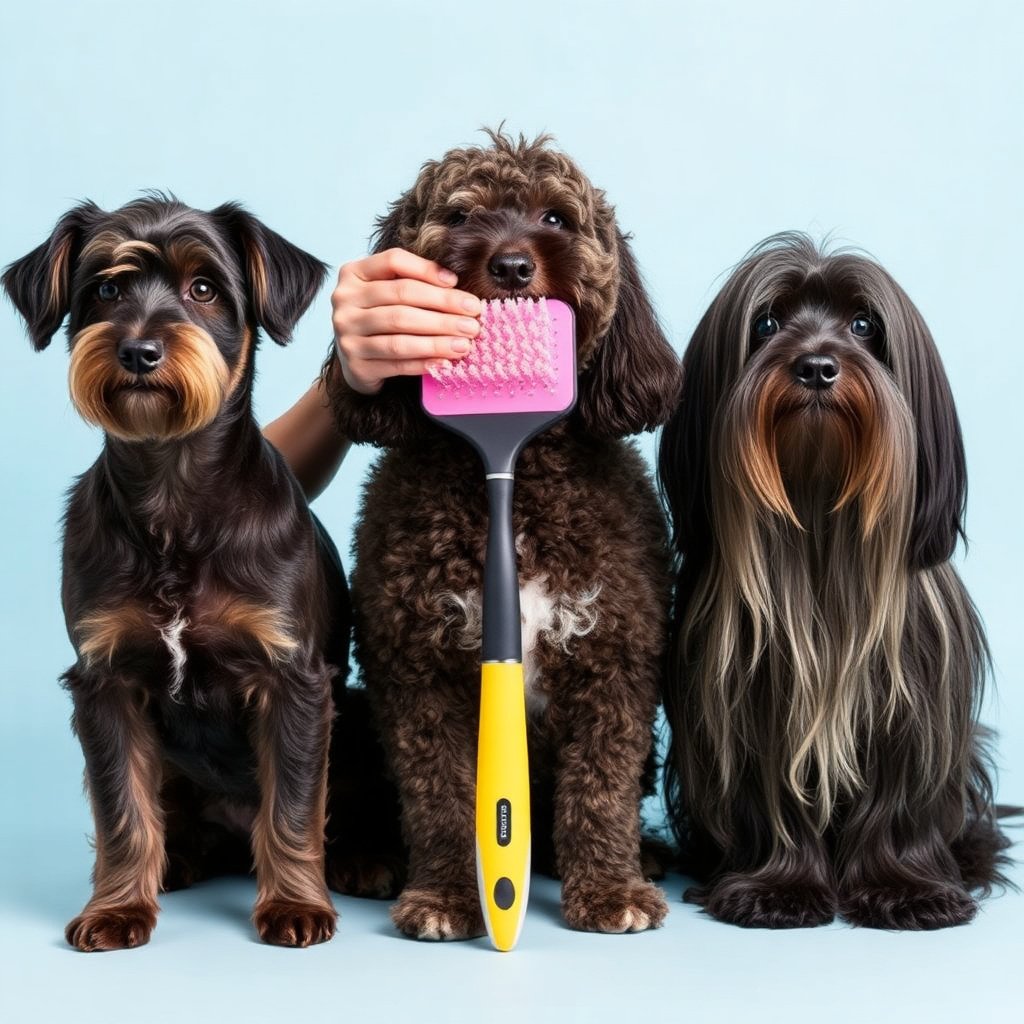
Short-Haired Dogs
Dogs with short coats benefit most from gentle rubber or silicone bath brushes. These tools help lift dirt and loose hair without damaging the thin fur or irritating the skin.
Because short fur traps less dirt, a softer brush is usually sufficient during baths. This also keeps your dog calm and prevents accidental scrapes.
For more on this, see our related guide: How to Clean a Dogs Wrinkles: A Complete Guide with Proven Steps.
Long-Haired and Double-Coated Dogs
Dogs with long or double coats require sturdier bristle brushes that reach through dense fur to cleanse the skin and prevent tangles while washing. Brushes with firmer bristles or rubber brushes with longer nubs excel here.
These brushes help detangle mats and remove dead undercoat fur, reducing shedding and keeping the coat healthier. Regular brushing during baths minimizes future grooming challenges.
Additional Features to Look for in Dog Bath Brushes
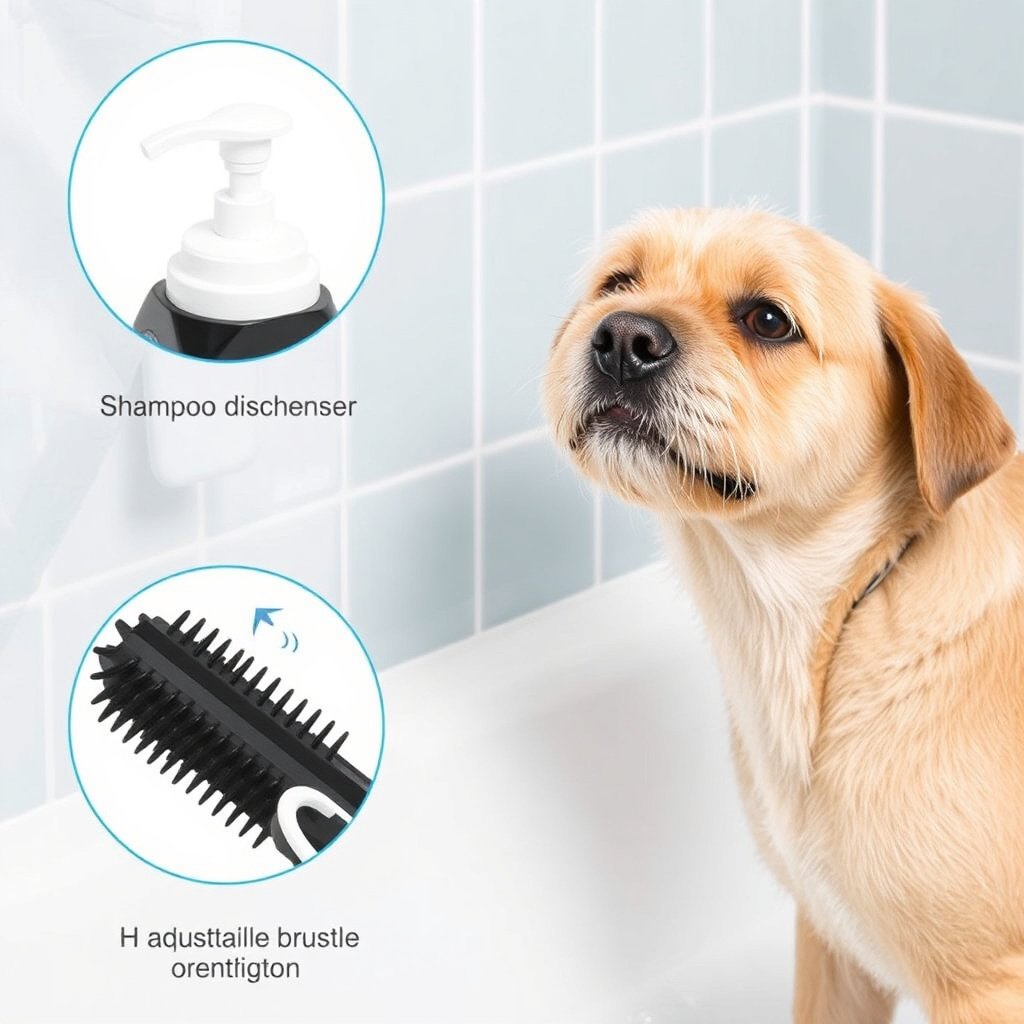
Shampoo Dispensing Brushes
Some dog bath brushes include built-in shampoo dispensers that release soap directly onto the fur during brushing. This design facilitates even shampoo application and saves time during bath sessions.
These brushes often feature refillable reservoirs and adjustable flow control, offering convenience and reducing waste. They work well for quick baths and encourage thorough cleaning.
- Integrated shampoo reservoir
- Easy refill mechanisms
- Adjustable shampoo flow
- Streamlines bathing process
Adjustable Bristle Settings
Certain dog bath brushes allow users to adjust the bristle firmness or length, which can accommodate different coat types and sensitivity levels within one tool.
This flexibility makes a brush versatile across multiple dogs or for changing grooming needs as your dog ages or its coat evolves seasonally.
- Switchable bristle stiffness
- Extendable or retractable bristles
- Customizable grooming experience
- Great for mixed breed households
Maintaining Your Dog Bath Brush for Long-Term Use
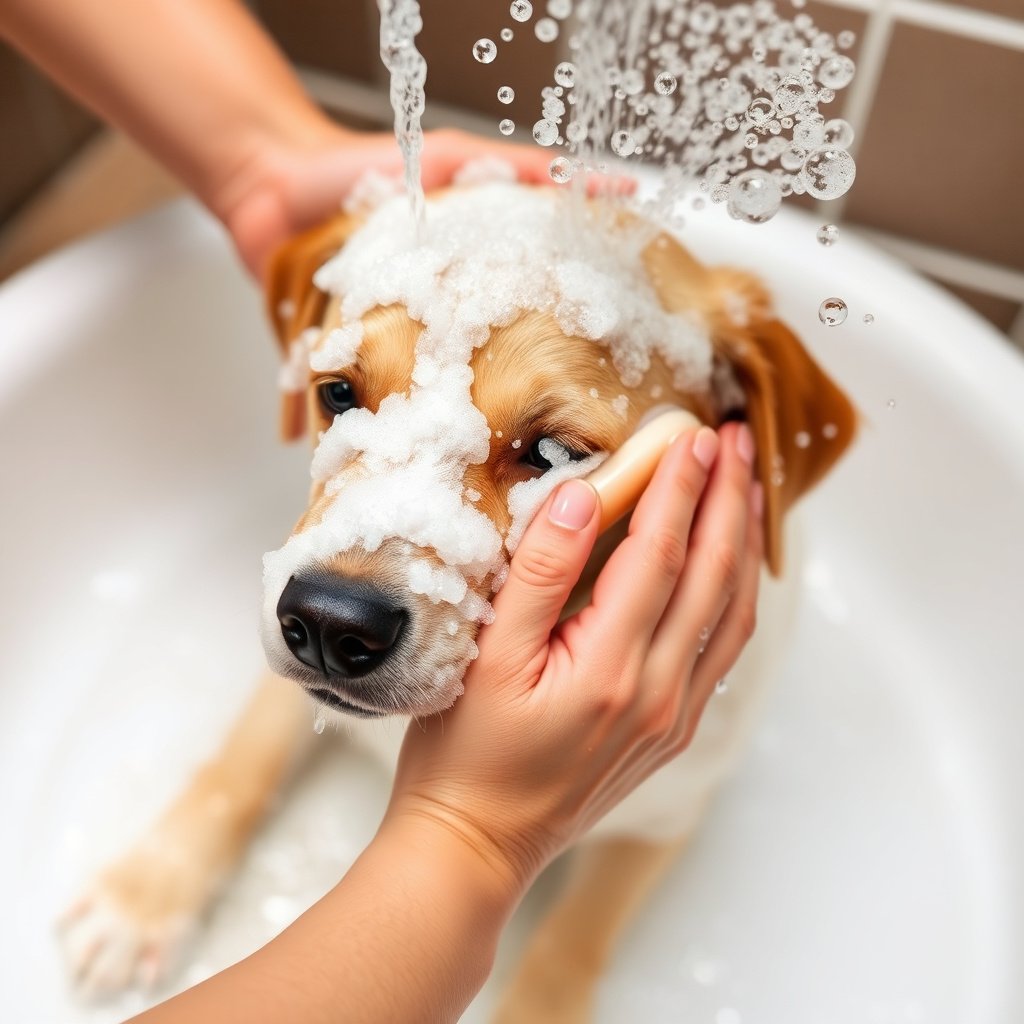
Cleaning and Sanitizing Your Bath Brush
Regular cleaning of your dog bath brush is essential to prevent bacterial buildup and odors. Most rubber or silicone brushes can be rinsed thoroughly with warm water and mild detergent after each use.
Occasionally, disinfectant sprays or vinegar solutions help sanitize brushes. Avoid harsh chemicals that could degrade brush materials or irritate your dog’s skin during grooming.
- Rinse after every bath
- Use mild soap or detergent
- Sanitize weekly with safe solutions
- Air dry completely before storage
For more on this, see our related guide: How Do You Know If a Dog Has Mites? Clear Signs and Treatment Tips.
Replacing Worn Out Brushes
Over time, bristles may become frayed or rubber nubs damaged, reducing effectiveness and possibly causing discomfort. Inspect your bath brush regularly for signs of wear and replace it when it no longer cleans efficiently.
Replacing a worn brush not only improves grooming quality but also prevents skin irritation from rough or broken edges on older brushes.
- Inspect for damage monthly
- Replace brushes every 6-12 months
- Select durable materials for longevity
- Choose replacement brushes compatible with your dog's coat
How to Properly Use a Dog Bath Brush
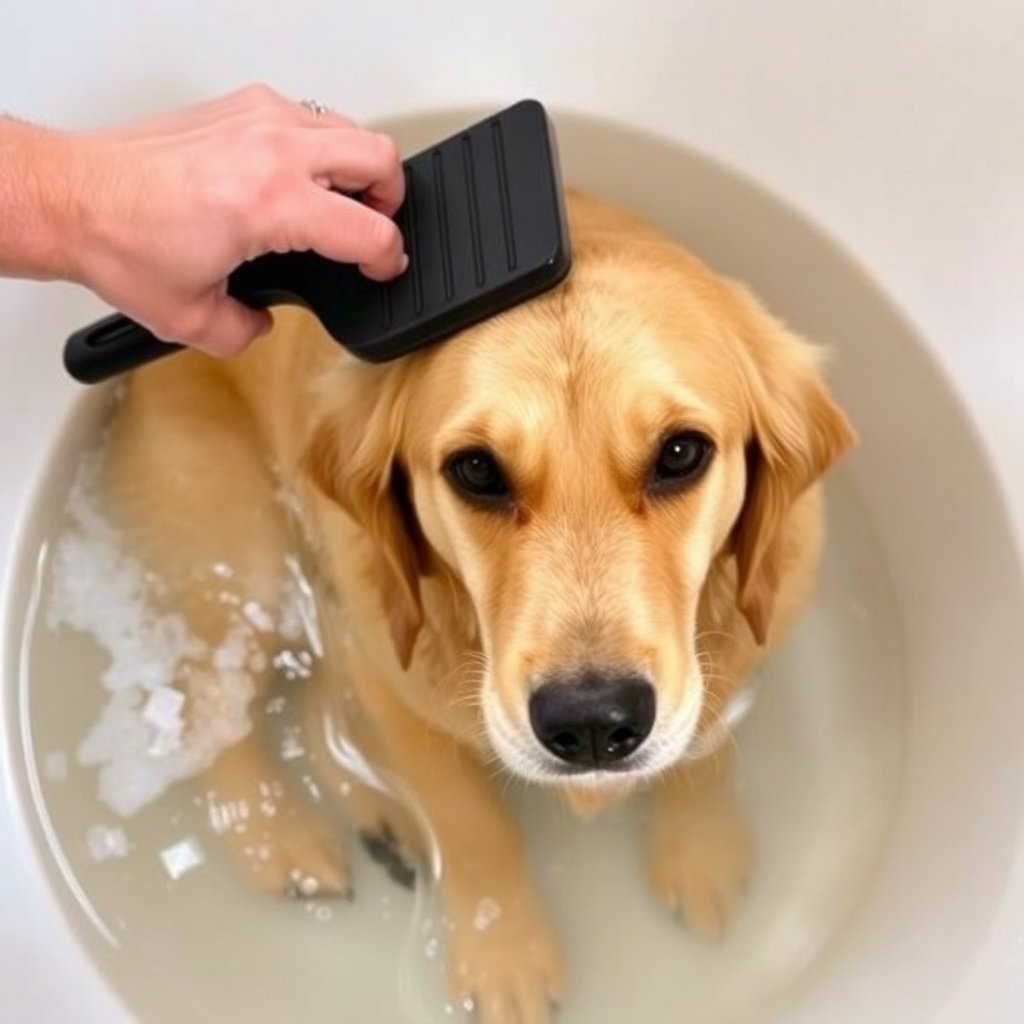
Preparing Your Dog for Bath Time
Before using a bath brush, thoroughly wet your dog’s coat and apply a pet-safe shampoo. Brush gently in the direction of hair growth to remove dirt and distribute the shampoo without causing tangles or irritation.
Take breaks if your dog gets anxious and reward calm behavior. Proper preparation makes the brushing process smoother and more effective.
- Wet coat thoroughly
- Apply shampoo evenly
- Use gentle strokes
- Be patient and calm
For a broader understanding of dog grooming practices, visit the Dog grooming information on Wikipedia. Dog grooming information on Wikipedia.
Post-Bath Brushing and Rinsing
After shampooing and rinsing, use the dog bath brush again to remove loose hair and residual dirt. This post-bath brushing helps reduce shedding and promotes a clean, shiny coat.
Ensure all shampoo is rinsed out well before finishing. Dry your dog properly with towels or a pet dryer to avoid skin irritations related to dampness.
- Brush to remove loose fur
- Rinse all shampoo thoroughly
- Dry dog completely
- Check for skin issues after bath
Dog Bath Brush Types Comparison
This table compares the main types of dog bath brushes highlighting their key features and suitable coat types.
| Brush Type | Best For | Material | Ease of Cleaning | Typical Price Range |
|---|---|---|---|---|
| Rubber Brush | Short-haired, sensitive skin | Soft rubber nubs | Very easy | $8 – $20 |
| Silicone Brush | All coat types, gentle massage | Flexible silicone | Easy | $10 – $25 |
| Bristle Brush | Long and thick coats | Natural or synthetic bristles | Moderate | $12 – $30 |
| Shampoo Dispensing Brush | Quick baths, all coats | Plastic with reservoir | Moderate | $15 – $35 |
| Adjustable Bristle Brush | Varied coat types | Plastic with adjustable bristles | Moderate | $18 – $40 |
Frequently Asked Questions
Can I use a human hairbrush for my dog's bath?
Human hairbrushes are not designed for animal fur and can cause discomfort or damage to your dog's coat. It's best to use a brush specifically made for dogs during baths to protect their skin and fur.
How often should I bathe and brush my dog?
Bathing frequency varies by breed, coat type, and activity, but typically once every 4-6 weeks works well. Brushing can be done during baths or regularly between them to manage shedding and maintain coat health.
Are silicone bath brushes better than rubber ones?
Silicone brushes tend to be flexible and durable, offering a gentle massage and easy cleaning. Rubber brushes offer similar benefits but may feel softer. The best choice depends on your dog’s skin sensitivity and coat type.
Can a bath brush help reduce shedding?
Yes, using a bath brush during and after shampooing helps remove loose hair and dead skin, reducing shedding around your home and improving coat condition.
Is it safe to use a shampoo dispensing brush for puppies?
Yes, as long as you use a gentle, puppy-formulated shampoo and a soft brush setting, shampoo dispensing brushes can make bath time easier and more efficient for puppies.
Key Takeaways
- Select a bath brush suited to your dog's coat and skin sensitivity.
- Rubber and silicone brushes are ideal for gentle cleaning and short coats.
- Bristle brushes work best for thick, long, or double-coated dogs.
- Look for ergonomic design and ease of cleaning for a better grooming experience.
Conclusion
Finding the best dog bath brush depends heavily on understanding your dog's individual coat type and skin needs. Brushes vary widely from soft rubber and silicone models that gently clean sensitive or short coats, to firmer bristle brushes that penetrate thick or long fur. The decision should balance effective cleaning, your dog's comfort, and practical considerations like ease of use and brush maintenance. Taking time to match these elements ensures bath time is less stressful and more beneficial for both you and your pet.
For dogs with short or sensitive coats, rubber brushes provide soothing skin massages while lifting dirt without irritation. Long-haired or double-coated breeds benefit more from bristle bath brushes that reach deep to detangle and remove undercoat debris effectively. Features such as ergonomic handles and even shampoo dispensing can enhance your grooming routine depending on your personal preferences and bathing frequency. Choosing thoughtful options tailored to your dog’s fur type helps maintain coat health and reduces post-bath grooming struggles.
As a practical next step, consider your dog's coat characteristics, then select a brush type accordingly—soft rubber for gentle care or bristle for deeper clean. Experiment with models offering features like adjustable bristles or shampoo dispensers for added convenience. Remember to regularly clean and replace your bath brush to keep it in top condition. Prioritizing these factors will transform bath time into a positive grooming ritual that promotes your pet's well-being and cleanliness.