How to Choose the Best Dog Nail Trimmer for Beginners
The best dog nail trimmer for beginners is one that combines safety, ease of handling, and effectiveness. Clippers equipped with a safety guard, comfortable grips, and a sharp blade make the trimming process less intimidating and reduce the risk of overcutting. For those new to nail trimming, a rotary grinder or a guillotine clipper with user-friendly features offers excellent control and precision.
Many pet owners avoid nail trimming because it can be stressful for both the dog and the owner. Choosing the right tool helps simplify this task, preventing accidental cuts that could hurt your pet and making the experience more pleasant. Learning to maintain your dog's nails properly aids in their comfort, health, and mobility.
This article explains different styles of dog nail trimmers and how their features impact ease of use. We'll assess clipper design, blade types, and safety mechanisms suited for beginners. Additionally, we break down key considerations such as size, noise, and maintenance, finally providing comparisons and recommendations for various budgets and preferences.
Types of Dog Nail Trimmers Suitable for Beginners
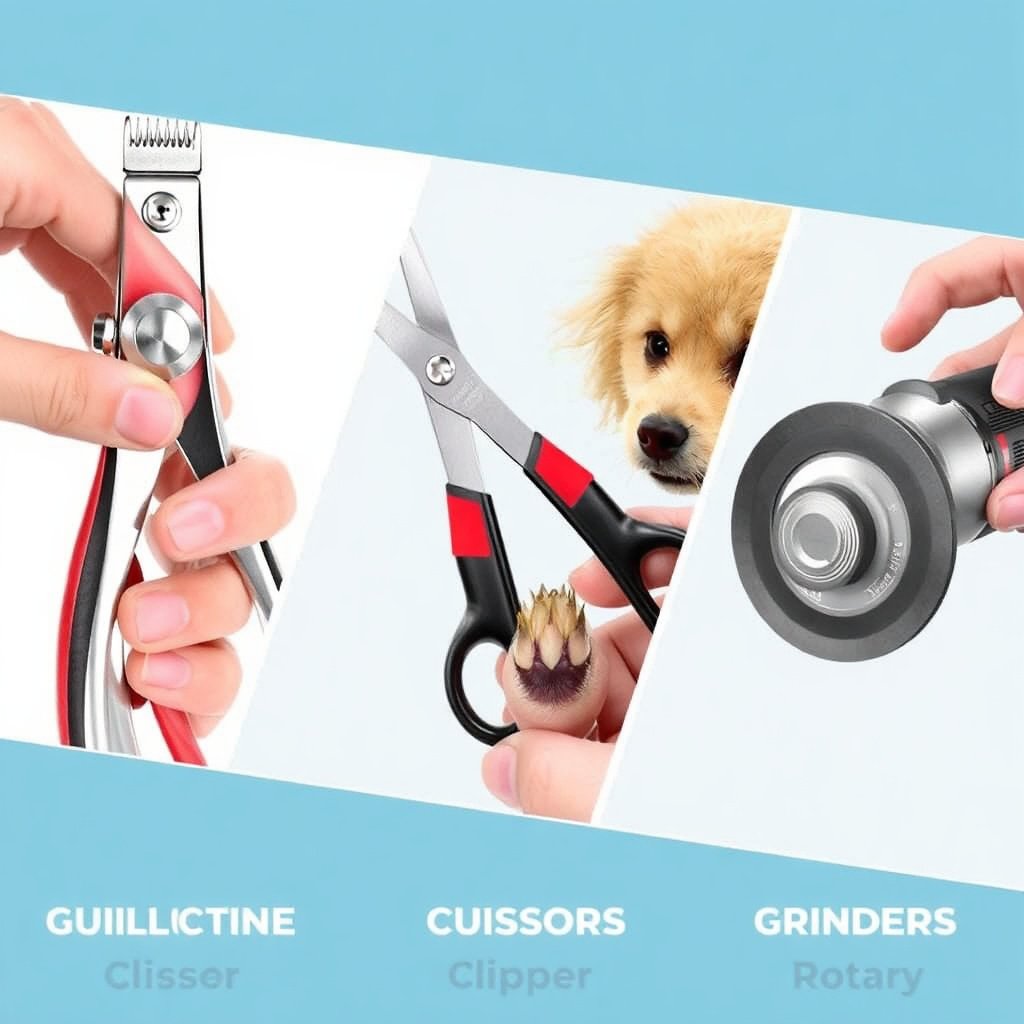
Guillotine and Scissor-style Clippers
Guillotine and scissor-style clippers are popular choices for beginners because they mimic household scissors, making them intuitive to handle. Guillotine clippers have a hole where the dog’s nail fits and a blade that tightens to cut, whereas scissors-style open and close like normal scissors. Both offer quick cuts if used properly but require steady hands to avoid pressing too hard.
Beginners benefit from models with ergonomic grips and safety guards, which limit how much of the nail is trimmed, minimizing mistakes. These clippers are lightweight and generally quieter, which can comfort anxious dogs during grooming sessions.
- Familiar, scissors-like handling
- Safety guard limits nail cutting length
- Lightweight and quiet operation
Rotary Nail Grinders
Rotary nail grinders use a spinning abrasive surface to file down the nails gradually rather than slicing them off. This slower process offers more control, helping beginners avoid cutting the quick and reducing bleeding risks. Many dogs tolerate the gentle noise better than the snapping sound of clippers once accustomed.
While these devices take longer per nail, they also smooth sharp edges and prevent cracks or splits. Look for models with adjustable speeds and comfortable grips to fit various hand sizes and avoid hand fatigue. Battery-operated options provide portability, though corded versions may offer consistent power.
- Slow and controlled nail filing
- Reduces risk of cutting the quick
- Smooths edges to prevent cracks
Safety Features to Look for in Beginner Dog Nail Trimmers
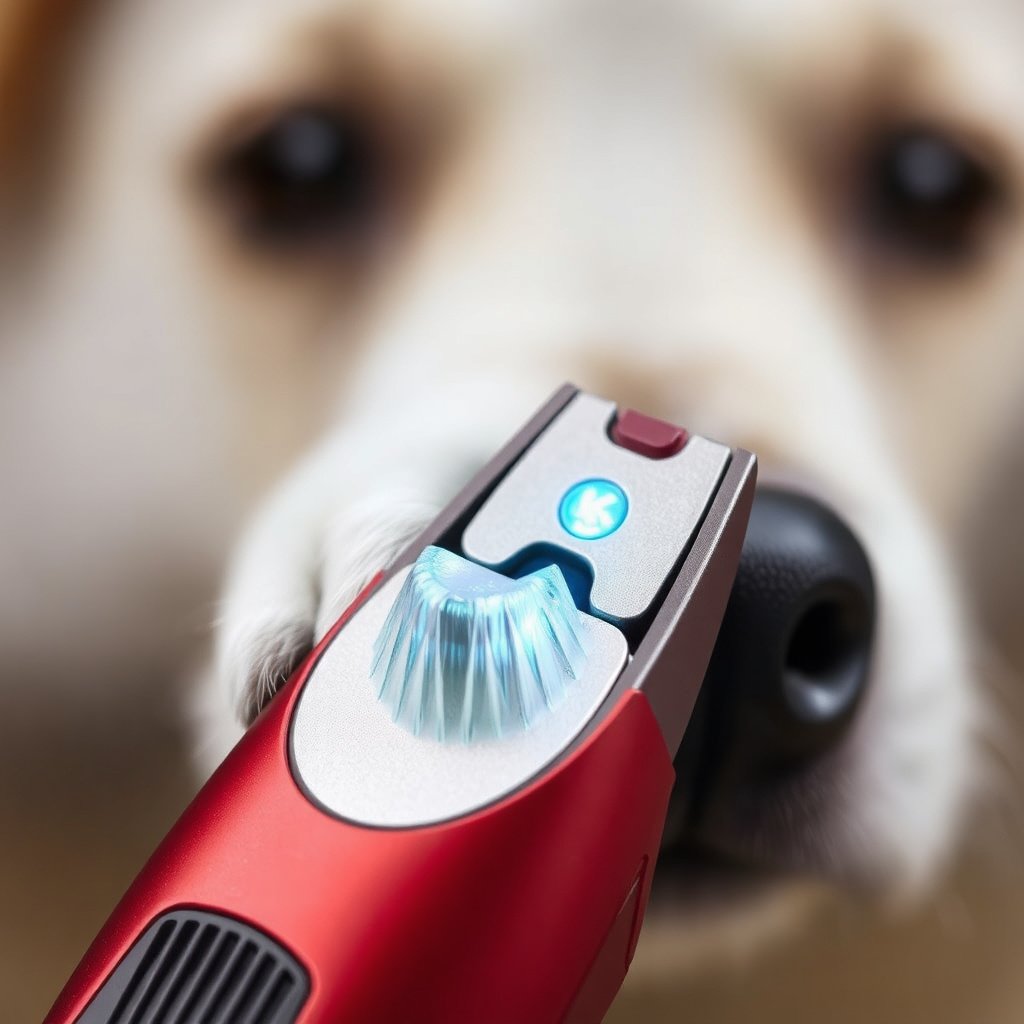
Built-in Safety Guards and Stops
Safety guards are essential for beginners as they physically block over-cutting beyond a set point. This feature helps prevent cutting into the quick, the sensitive area of the nail that contains blood vessels and nerves, which can cause pain and bleeding. Various brands offer adjustable guards to customize trimming depth based on your dog’s nail thickness.
Some trimmers include sensor lights that illuminate the nail tip and quick, assisting in better visual accuracy, especially useful with dark-colored nails. Using tools with these safety mechanisms boosts confidence and reduces the chance of injury during grooming.
- Prevents over-cutting
- Adjustable for different nail sizes
- Sensor lights improve visibility
Ergonomic Design and Grip Comfort
Holding the trimmer securely without slipping is vital for control and safety. Trimmers designed with non-slip rubberized handles and contoured grips ease the strain on your fingers and wrist. Ergonomic shapes improve precision, especially when dealing with wiggly pets who might make trimming challenging.
Beginners often find heavier trimmers tiring to manage, so a lightweight tool that balances well in the hand helps maintain steady pressure without fatigue. Test grips at a store or read reviews to judge comfort before purchasing.
- Non-slip rubber grips
- Ergonomic shape prevents hand fatigue
- Lightweight for steady handling
Blade Quality and Maintenance for Beginner Trimmers
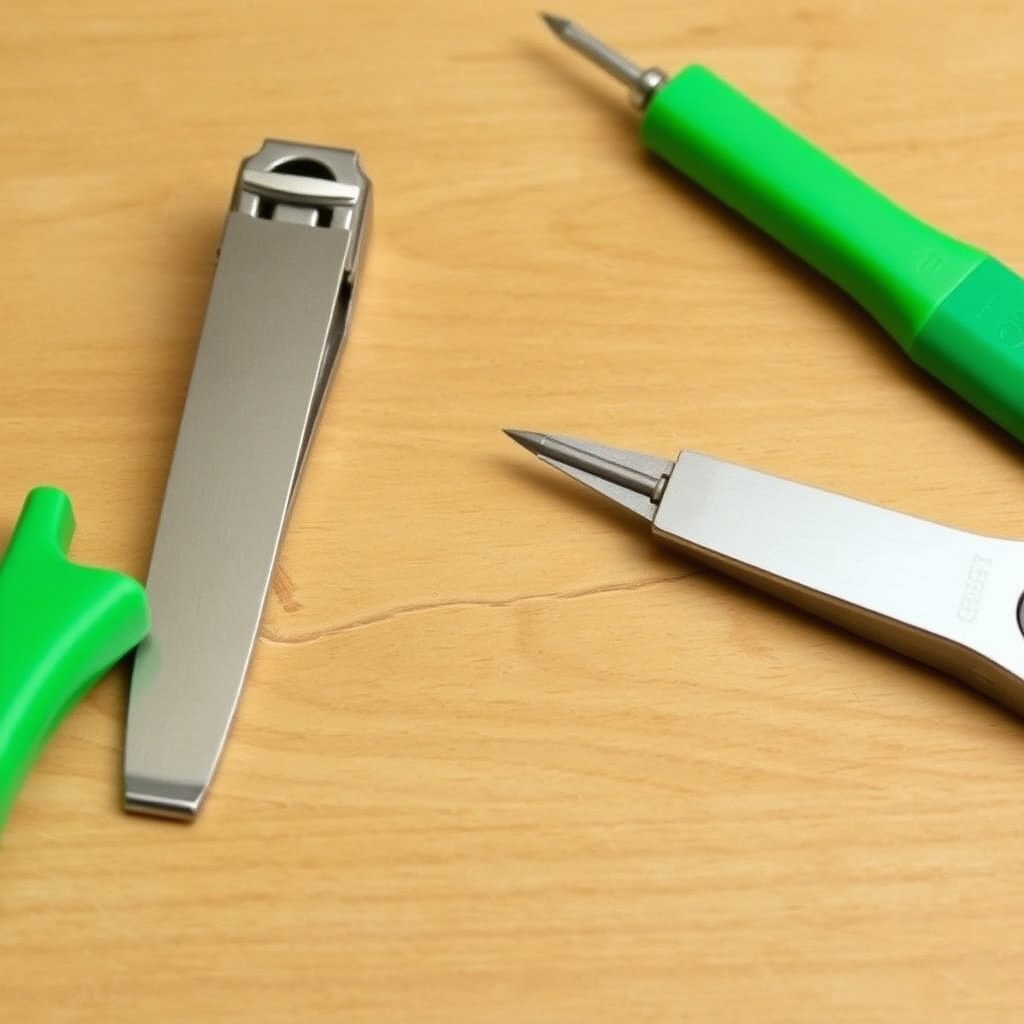
Material Types and Sharpness
Blade quality impacts how cleanly and easily nails are cut. Stainless steel blades are the most common, offering corrosion resistance and a sharp, long-lasting edge. High-quality steel blades reduce the need for repeated cuts, making sessions quicker and less stressful for the dog and owner.
Some premium trimmers feature replaceable blades or self-sharpening mechanisms, which maintain sharpness over time without extra effort. Dull blades cause nail splits or crushes, which can hurt your dog and make beginners hesitant during grooming.
- Stainless steel for durability
- Sharp blades cut cleanly
- Replaceable or self-sharpening options
For more on this, see our related guide: Can You Cut a Dogs Nails Too Short? Complete Guide with Fast Fixes.
Cleaning and Maintenance Tips
Regular cleaning extends your trimmer’s lifespan. After each use, wipe blades with a damp cloth and dry immediately to prevent rust. Some clippers can be disassembled for deep cleaning. Lubricating moving parts occasionally helps maintain smooth action.
For rotary grinders, cleaning sanding drums or replacing them when worn ensures consistent performance. Proper storage in a dry place keeps the tool ready and safe for next use.
- Wipe blades dry after use
- Disassemble for thorough cleaning
- Lubricate moving parts as needed
- Replace sanding drums for grinders
Choosing the Right Size and Style for Your Dog
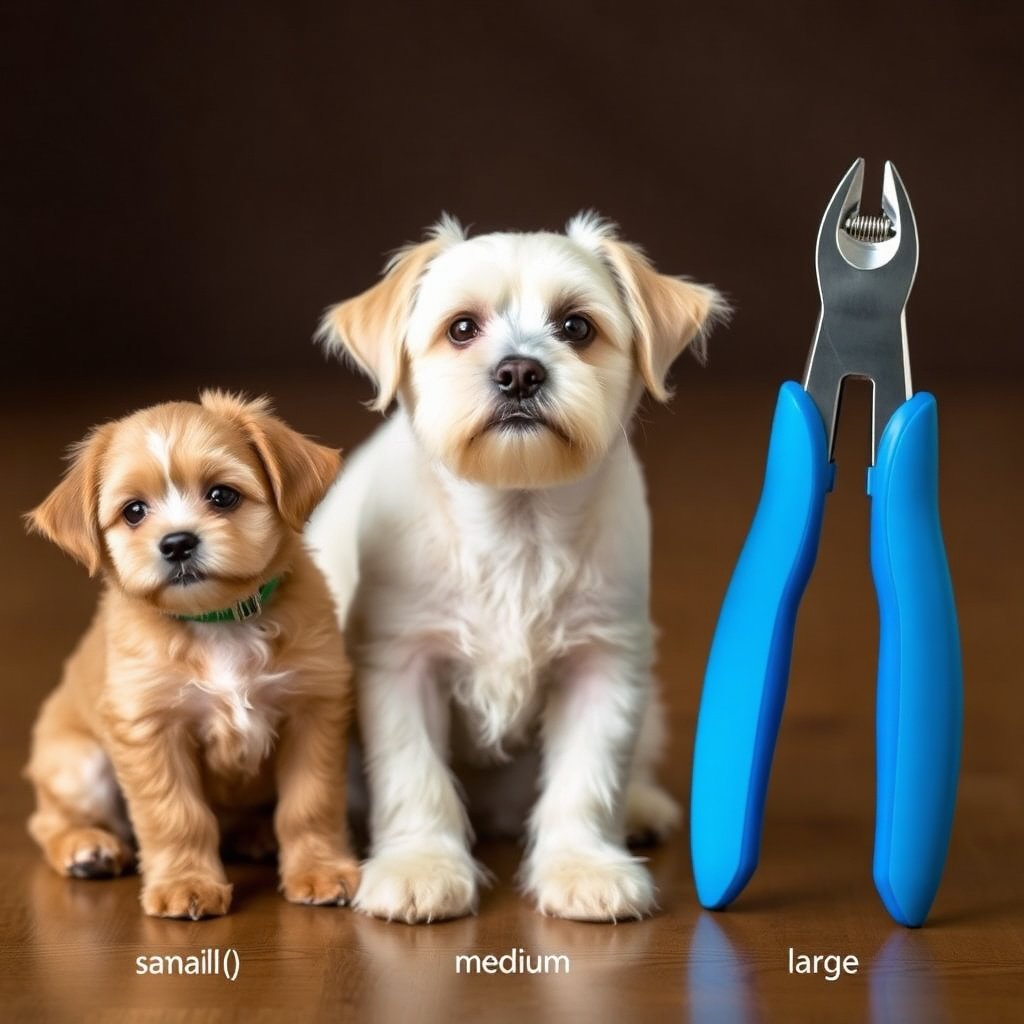
Matching Trimmer Size to Your Dog’s Nail Thickness
Dogs vary widely in nail thickness and size, so selecting a trimmer sized accordingly improves ease of use. Small dog breeds with thin nails generally do well with compact, lightweight clippers or grinders designed for delicate trimming. Larger breeds need sturdy devices with strong blades and bigger grips to handle thicker nails safely.
Using a trimmer too big or too small for your dog leads to awkward handling or inefficient cutting, which can frustrate beginners and stress pets. Measure or examine your dog’s nails before buying to find the best fit.
Considering Your Dog’s Temperament and Grooming Needs
Some dogs tolerate clipping well, while others are reactive or anxious, requiring quieter, less intimidating tools. Rotary grinders might work better for sensitive dogs due to their gradual filing and less sudden noise, while calm dogs might accept quick clipper trims.
Regular maintenance frequency also affects choice—if nails grow fast, faster cutting clippers save time, but grinders help smooth nail edges after clipping. Selecting a style matching your dog’s personality can reduce stress and ensure a smoother grooming routine.
Quiet Operation and Minimizing Pet Stress

Why Noise Levels Matter in Nail Trimmers
Dogs, especially beginners to nail care, often react negatively to loud clipping sounds. Higher-pitched snaps can trigger anxiety, making them fidget or resist nail trimming. Quiet trimmers reduce startling noises and create a calmer environment for grooming sessions.
Many rotary grinders produce a gentle buzz instead of snaps, which some dogs tolerate better. When selecting your first nail trimmer, reviews and product specs about noise output help identify quieter options designed to ease pet anxiety.
For more on this, see our related guide: How to Groom a Dogs Paws: Simple Steps for Safe, Effective Care.
Techniques for Reducing Your Dog’s Stress
Regardless of the tool, acclimating your dog to nail trimming gradually is key. Start by touching paws without trimming, reward calm behavior, and introduce the trimmer’s sound at low volume or during relaxed times. Using trimmers with cushioned grip handles helps steady your hand, reducing accidental slips that can increase stress.
Pausing sessions frequently and offering treats or praise can turn trimming into a positive routine. Quiet, smooth operating trimmers support this approach and help build trust with your pet over time.
Budget Considerations and Value for Beginners
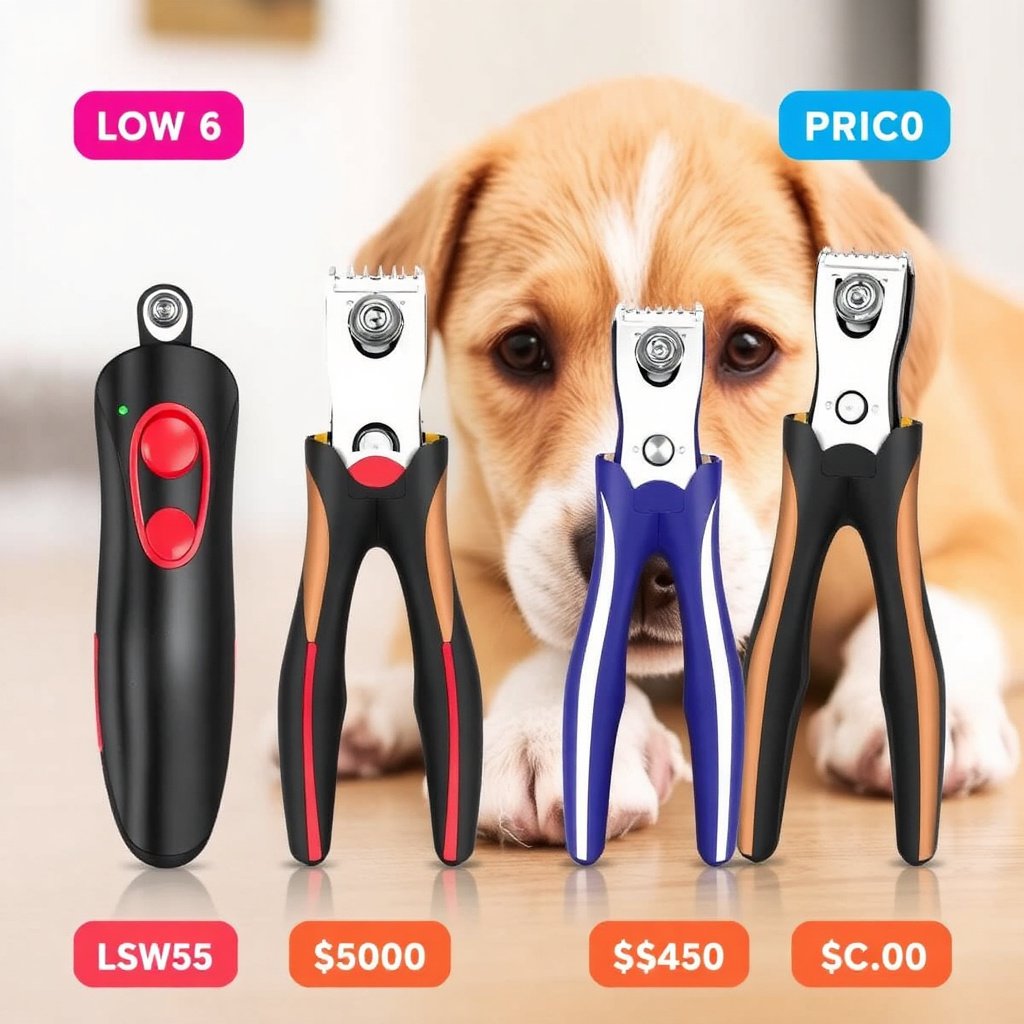
Affordable Options That Don’t Compromise Safety
Entry-level dog nail trimmers are available at various price points, and some budget-friendly models still offer safety guards and ergonomic grips. While cheaper clippers may use lower-grade metal and have a shorter lifespan, many perform adequately for occasional home use, especially for small breeds.
If you’re just starting, choosing a reliable, inexpensive clipper with basic safety features allows practice without heavy investment. Look for brands with positive beginner reviews to avoid repeated purchases due to tool failure.
- Safety guard included
- Comfortable grip design
- Widely available and replaceable
The American Veterinary Medical Association provides comprehensive dog nail care information that can support beginners learning proper trimming techniques. Dog nail care information.
Investing in Higher-End Tools for Ease and Longevity
Premium dog nail trimmers often include stainless steel blades, self-sharpening features, and more durable construction. Rotary grinders with multiple speed settings fall into this category, providing controlled filing for sensitive or reactive dogs. These tools usually come with warranty and replacement parts, adding long-term value.
If grooming your dog regularly or managing large breeds with thick nails, higher-priced trimmers improve efficiency and user confidence. The investment pays off through better performance and more pleasant sessions for both you and your pet.
- Long-lasting blade sharpness
- Multiple speed options (grinders)
- Better ergonomics and warranties
Dog Nail Trimmer Types Comparison for Beginners
Here's an overview comparing key beginner-friendly dog nail trimmer types by features, ease of use, and typical pet suitability.
| Type | Safety Features | Ease of Use | Noise Level | Best For | Average Price |
|---|---|---|---|---|---|
| Guillotine Clippers | Safety guard, adjustable stop | Moderate – requires steady grip | Low | Small to medium dogs | $10 – $25 |
| Scissor Clippers | Safety guard available | Easy – familiar scissor motion | Low | Small dogs or puppies | $8 – $20 |
| Rotary Grinders | No cutting quick risk, variable speed | Beginner-friendly with practice | Moderate (buzzing) | Anxious or larger dogs | $20 – $50 |
| Electric Nail Files | Protective grinding heads | Moderate – noisy but gentle filing | Moderate to higher | Dogs sensitive to clipping noise | $30 – $60 |
Frequently Asked Questions
How often should beginners trim their dog's nails?
Beginner dog owners should trim nails every 3 to 4 weeks. Regular trimming prevents nails from getting too long, reducing discomfort and making each session easier for both owner and pet.
Can I use human nail clippers on my dog?
Human nail clippers are not recommended because they are not designed for the thickness and shape of dog nails, and they lack safety features, increasing the risk of injury.
What if my dog is scared of nail trimmers?
Start by gently introducing the trimmer without clipping, reward calm behavior, and use quiet, gentle tools like rotary grinders. Patience and positive reinforcement help reduce anxiety over time.
Is it better to clip or grind a dog's nails?
Both methods have pros and cons. Clippers offer quick cuts but risk cutting the quick, while grinders file gradually and smooth edges. For beginners, grinders can be easier and safer if time permits.
How do I know if I’m cutting the quick?
The quick is visible as a pinkish area inside light-colored nails. Avoid cutting into it by trimming small amounts gradually. For dark nails, use tools with safety guards and clip cautiously.
Key Takeaways
- Choose trimmers with safety guards to prevent over-cutting.
- Rotary grinders offer control and reduce quick injury risk.
- Ergonomic, lightweight designs improve beginner handling.
- Match trimmer type and size to your dog’s nail thickness and temperament.
Conclusion
Deciding on the best dog nail trimmer for beginners involves balancing safety, ease of use, and your dog’s personality. Starting with tools that feature safety guards and ergonomic grips reduces fear and injury risk, making the grooming process less stressful. Both traditional clipper styles and rotary grinders offer beginner-friendly qualities, but knowing your own comfort and your dog’s temperament directs the best choice.
For small dogs or those new to nail care, scissor or guillotine clippers with safety stops are straightforward and quiet, helping beginners gain confidence quickly. For dogs prone to anxiety or brittle nails, investing in a rotary grinder helps file gradually and smooth edges, which can prevent pain and nail splits. Budget-conscious buyers can find effective options that do not skimp on fundamental safety and user-friendly features, while those seeking longevity and versatility benefit from higher-end models.
Once you select a tool, spend a few sessions helping your dog get used to the device without pressure. Practice trimming small amounts and use positive reinforcement. Keeping the right trimmer on hand and maintaining it carefully ensures a safer, more confident experience each time. Start simple, go slow, and you’ll both be comfortable with home nail grooming before long.