How to Groom a Pomeranian: A Complete Step-by-Step Guide
Grooming a Pomeranian properly involves regular brushing, bathing, trimming, and nail care to maintain their distinctive fluffy coat and overall health. Groom your Pomeranian weekly to prevent mats and tangles; this regular care also helps spot skin issues early.
Pomeranians have a thick double coat that sheds seasonally, so they need more frequent grooming than many other small breeds. Regular grooming boosts their comfort and appearance, avoiding painful mats and skin irritations. It also strengthens the bond between you and your dog.
This article covers detailed grooming techniques, including brushing, bathing, trimming, nail maintenance, and ear cleaning, plus selecting ideal grooming tools. You’ll also find tips on managing shedding and maintaining your Pomeranian’s coat year-round.
Understanding Your Pomeranian's Coat
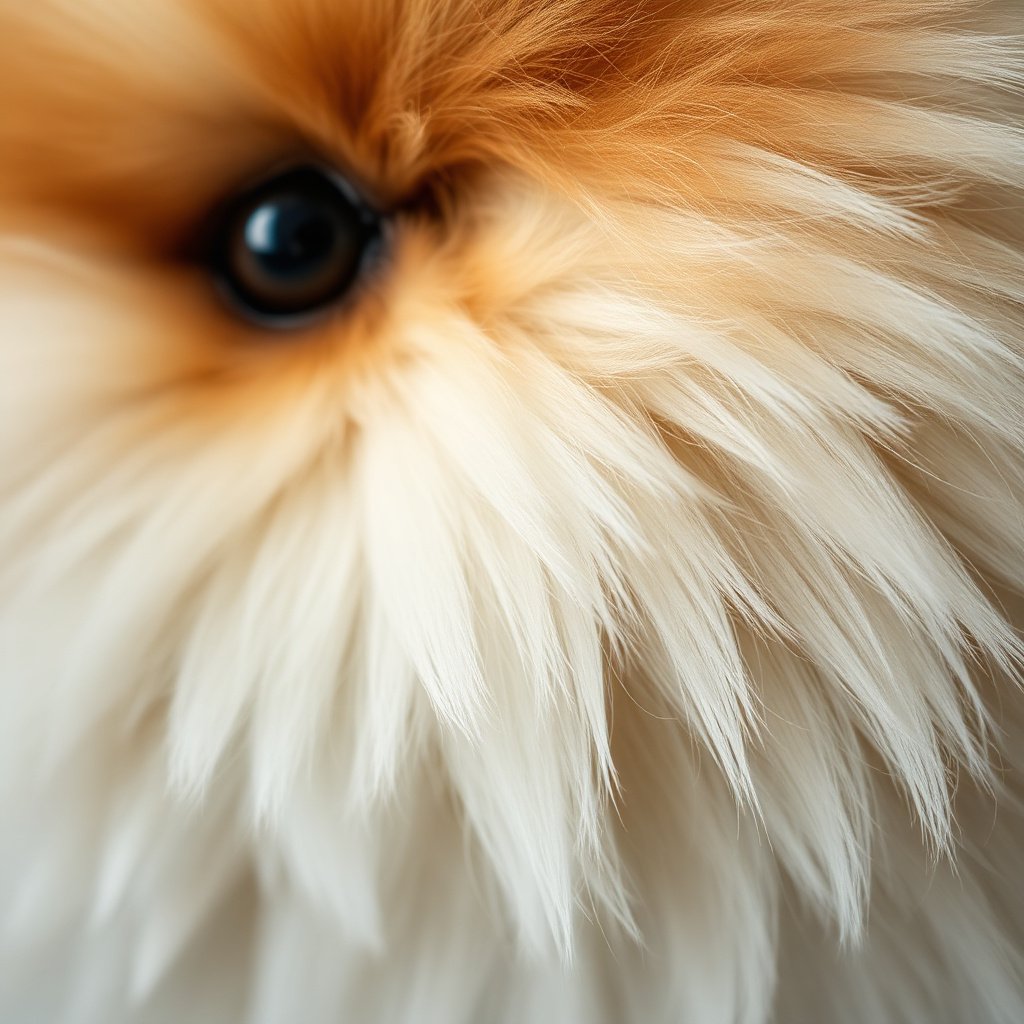
The Double Coat Structure
Pomeranians possess a thick double coat consisting of a dense undercoat beneath a longer, harsh outer coat. This combination provides insulation but also traps debris, making regular grooming essential to avoid matting.
The undercoat sheds heavily in spring and fall, requiring more frequent brushing sessions during these periods. Understanding this coat structure helps tailor your grooming routine to meet your dog's changing needs.
Seasonal Shedding and Coat Maintenance
During shedding seasons, your Pomeranian’s coat can lose massive amounts of undercoat fur, increasing the risk of tangles and mats. To manage this, increase brushing frequency and use de-shedding tools designed for double coats.
Maintaining a consistent grooming routine throughout the year reduces shedding impact and keeps your dog more comfortable, while also preventing hair buildup around your home.
Brushing Techniques for a Pomeranian

Choosing the Right Brush
Selecting the best grooming tools for Pomeranians greatly influences brushing efficiency. A slicker brush is ideal for detangling and removing loose hairs, while a metal comb helps finish off by catching small knots and checking for mats.
Some owners add a de-shedding tool during heavy shedding seasons to reach the undercoat more effectively, making brushing quicker and more thorough.
- Slicker brush for general brushing
- Wide-toothed metal comb for detail work
- De-shedding tool for seasonal shedding
How to Brush Properly
Start brushing at the head and work towards the tail, gently separating the fur to reach the undercoat without pulling. Focus on areas prone to mats such as behind ears, under the legs, and around the collar.
Regular weekly brushing sessions reduce mats and tangles, while longer hairstyles may require more frequent attention. Brushing while your Pomeranian is calm encourages positive associations.
Bathing Your Pomeranian Safely

Selecting Appropriate Shampoo and Conditioner
Choose shampoos formulated for small or long-haired breeds, ideally hypoallergenic and moisturizing to protect your Pomeranian’s skin and coat. Conditioners can help smooth the outer coat and reduce static between baths.
Avoid harsh detergents or heavy fragrances that may irritate delicate skin. Testing on a small patch first helps ensure your dog won’t develop allergies or dryness.
- Use gentle, dog-specific shampoo
- Include conditioner for a silky finish
- Avoid human shampoos or strong scents
For more on this, see our related guide: What Is the Difference Between a Puppy Cut and a Teddy Bear Cut? A Complete Grooming Guide.
Bathing Frequency and Method
Bathing your Pomeranian every 3-4 weeks is usually sufficient unless they get especially dirty. Over-bathing can strip natural oils, causing dryness. Use lukewarm water and lather shampoo thoroughly before rinsing well to prevent residue buildup.
After the bath, towel dry and then use a low-heat blow dryer held at a safe distance to prevent overheating while thoroughly drying the thick coat, which helps avoid skin infections.
Trimming and Styling the Pomeranian Coat
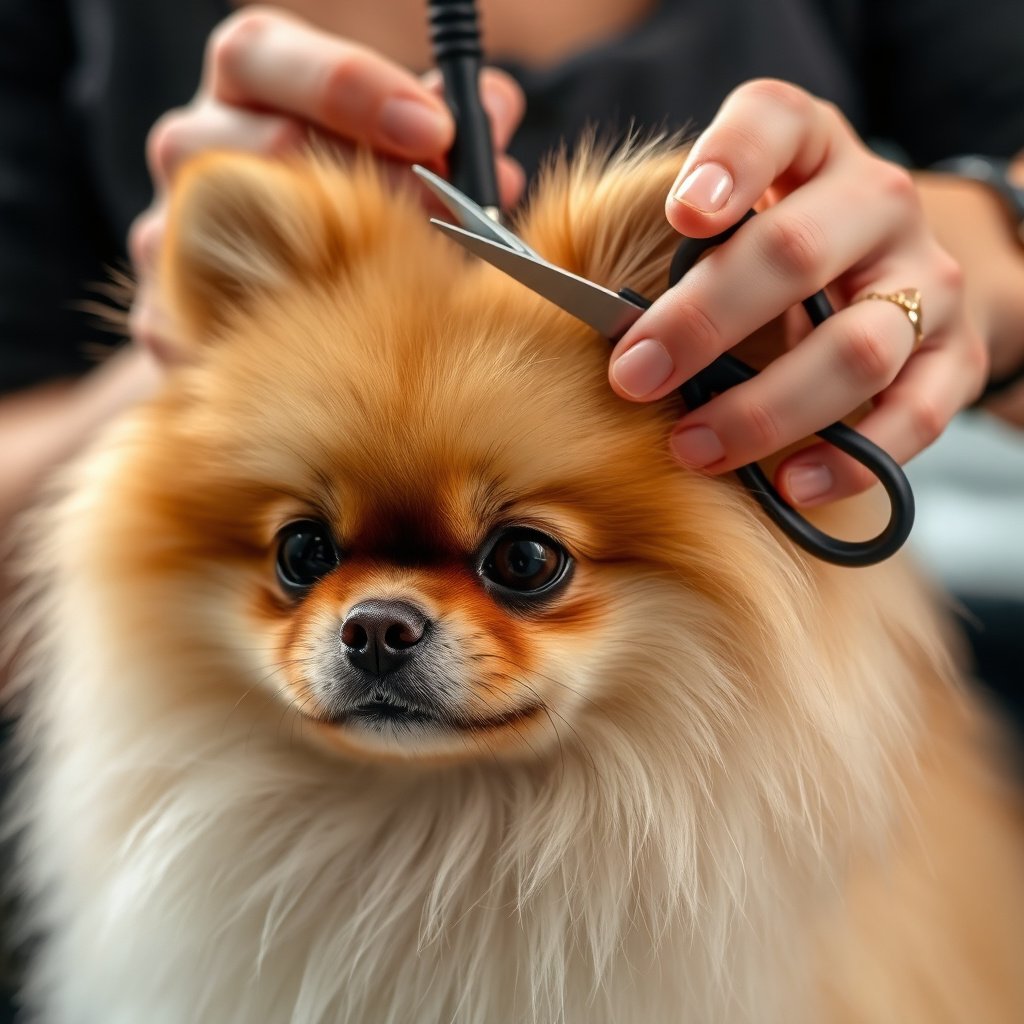
Basic Clipping and Scissoring Tips
Pomeranians benefit from careful trimming around the paws, sanitary areas, and to neaten feathering on the legs. Use rounded-tip scissors for safety or visit a professional groomer for full trims.
Avoid clipping the main body coat too short as this coat protects the dog from temperature changes and natural elements.
- Trim paw fur for cleanliness
- Neaten feathers on legs and tail
- Avoid shaving main body coat
Popular Pomeranian Styles
The 'teddy bear cut' is popular for reducing volume and matting while keeping a fluffy appearance. Some owners prefer the full-show cut, maintaining the natural crisp outline that highlights the double coat’s beauty.
Styling choices depend on lifestyle needs and personal preferences, but regular trimming prevents overgrowth and helps preserve your dog’s comfort.
Nail, Teeth, and Ear Care for Pomeranians
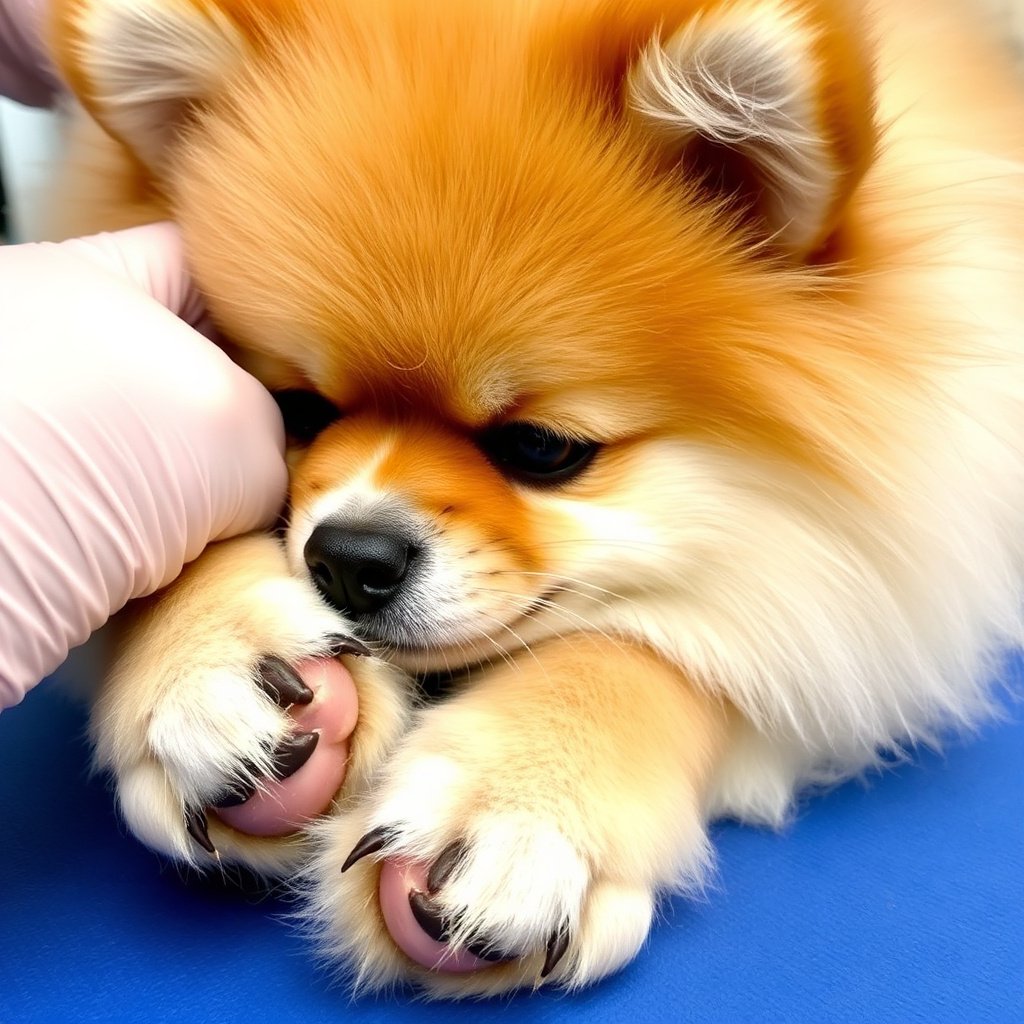
Maintaining Healthy Nails
Regular nail trimming every 3-4 weeks prevents discomfort and gait problems. Use a guillotine trimmer or grinding tool made for small dogs, trimming carefully to avoid the quick which can cause bleeding.
Check nails frequently if your dog is mostly indoors, as they wear down slower than active outdoor dogs.
For more on this, see our related guide: How to Groom a Matted Dog: Safe Methods and Expert Tips That Work.
Cleaning Ears and Teeth
Pomeranian ears require weekly inspection and cleaning with vet-approved solutions to prevent wax buildup and infection. Use a soft cloth or cotton ball gently inside the ear canal without inserting deeply.
Dental care with daily brushing or dental chews reduces plaque and bad breath common in small breeds. Regular vet checks should include dental health assessment.
Managing Common Grooming Challenges
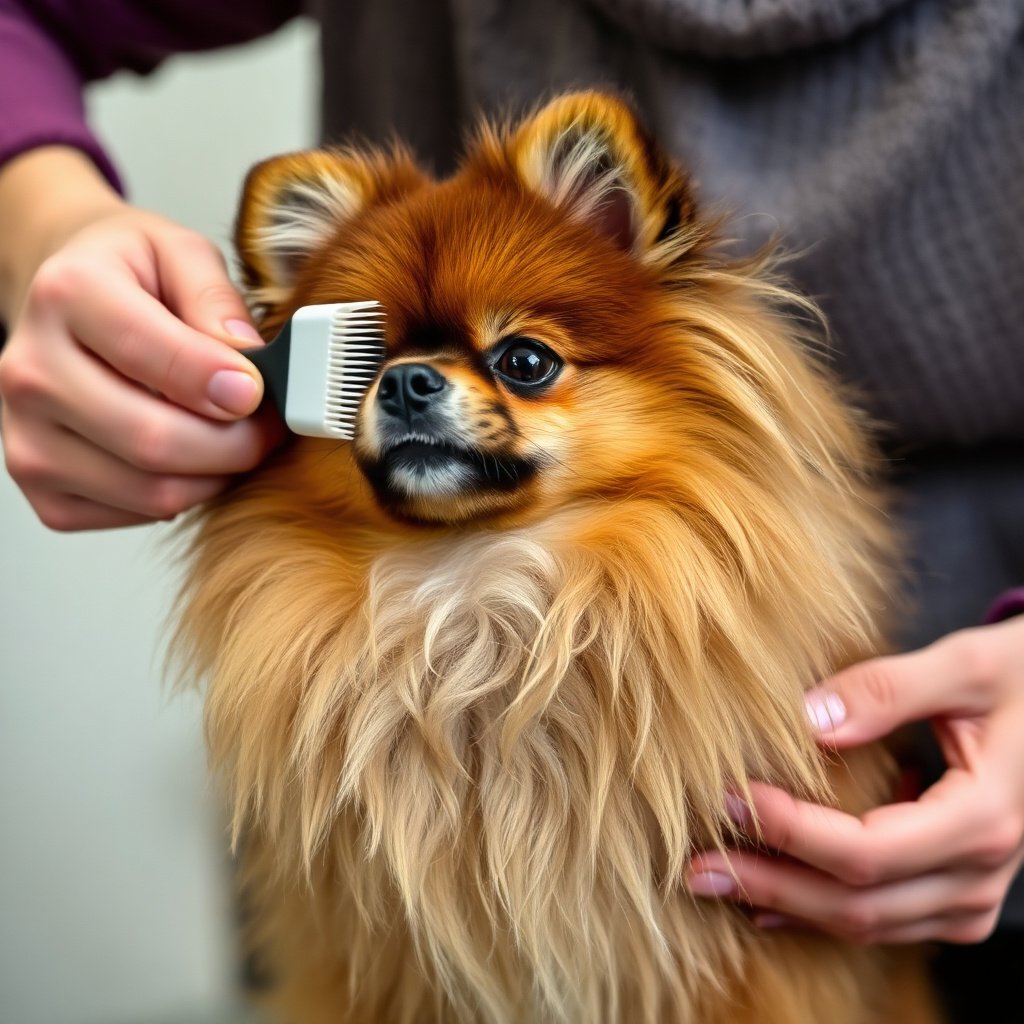
Dealing with Mats and Tangles
Mats form when fur becomes tightly knotted, often near the collar, behind ears, or under legs. Use a detangling spray and gentle combing to break mats apart gradually, avoiding painful pulling.
In severe cases, trimming the mats may be necessary. Regular grooming prevents mat build-up entirely.
For a detailed overview of the Pomeranian breed, including coat characteristics, you can visit this authoritative page on Wikipedia. Pomeranian dog breed information.
Handling Sensitive or Anxious Dogs
Many Pomeranians dislike grooming due to sensitivity or fear. Introduce tools gradually, reward calm behavior, and keep sessions short. For anxious dogs, working with a professional groomer experienced with small breeds can make grooming less stressful.
Creating a calm environment with soft voices and treats helps build positive experiences over time.
Types of Grooming Tools for Pomeranians Compared
Here’s a comparison of popular grooming tools tailored for Pomeranians, highlighting their features and best uses.
| Tool Type | Purpose | Pros | Cons |
|---|---|---|---|
| Slicker Brush | Removing tangles and loose hair | Effective on thick coat; gentle if used properly | Can cause discomfort if used aggressively |
| Metal Comb | Detail combing and mat prevention | Reaches close to skin; removes small mats | Less efficient on dense tangles |
| De-shedding Tool | Reducing heavy shedding | Targets undercoat effectively; reduces shedding significantly | May be harsh if overused |
| Nail Clippers | Trimming nails | Quick and safe for small paws | Risk of cutting quick if inexperienced |
| Ear Cleaning Solution | Cleaning ear wax and debris | Prevents infections; gentle | Needs careful application to avoid irritation |
Frequently Asked Questions
How often should I groom my Pomeranian?
Brushing should happen at least once a week, but daily during heavy shedding seasons. Baths are recommended every 3-4 weeks, with trims and nail care scheduled monthly.
Can I use human shampoo to bathe my Pomeranian?
No, human shampoos can irritate a Pomeranian’s sensitive skin and disrupt the coat’s natural oils. Always use dog-specific shampoos designed for sensitive or long-haired breeds.
What is the best way to prevent mats in my Pomeranian’s coat?
Regular brushing is key along with detangling sprays for stubborn areas. Pay special attention to behind ears and under legs where mats develop quickly.
Is professional grooming necessary for a Pomeranian?
While many owners can manage basic grooming at home, professional grooming helps maintain a neat appearance, especially for trims and handling difficult mats.
How do I make grooming less stressful for my Pomeranian?
Start grooming routines early and keep sessions short and positive with treats and calm reassurance. Gradual exposure to tools reduces anxiety over time.
Key Takeaways
- Pomeranians need weekly brushing to maintain their thick double coat.
- Use the best grooming tools for Pomeranians like slicker brushes and metal combs.
- Regular bathing every 3-4 weeks helps keep the coat clean without drying skin.
- Nail, ear, and dental care are essential parts of comprehensive grooming.
Conclusion
Grooming a Pomeranian demands a thoughtful approach centered around their unique double coat, which requires careful brushing, timely bathing, and proper trimming. Understanding their coat structure and behavior ensures your grooming sessions support comfort and health, not stress or damage, promoting a bright, fluffy, and well-kept dog.
Depending on your lifestyle, choosing between regular home grooming using the best grooming tools for Pomeranians and occasional professional grooming is key. Seasonal shedding times may require more frequent brushing and de-shedding to prevent mats, while in calmer periods a weekly maintenance routine suffices. Nail and ear care should never be overlooked, contributing to the dog’s overall wellbeing.
Begin your grooming routine by assembling quality brushes and gentle shampoos, establishing calm and positive sessions, and adjusting as your Pomeranian grows or its coat changes. Frequent attention protects your dog’s beautiful fur and builds trust, ensuring grooming remains a pleasant part of your shared life.