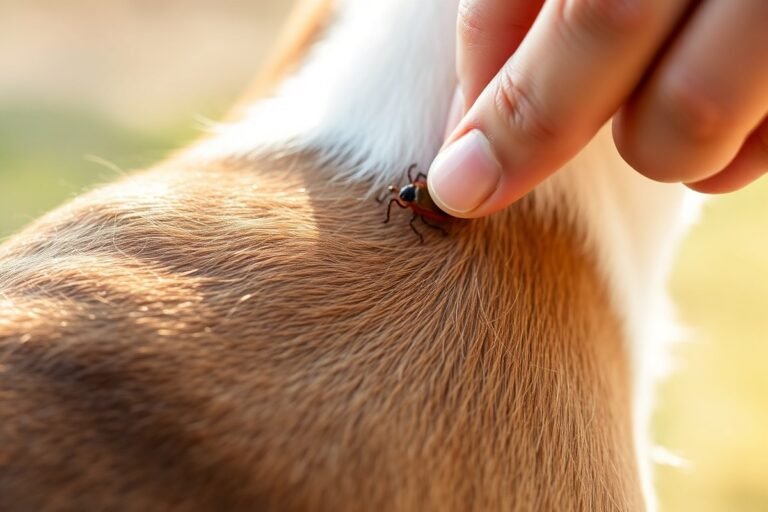
How to Treat Hot Spots on a Dog: Effective Care Tips and Remedies
Hot spots on dogs are localized skin infections that cause redness, itching, and discomfort. To treat hot spots effectively, start by gently cleaning the affected area with a mild antiseptic, trimming hair around the lesion to allow air circulation, and applying appropriate medicated creams or sprays to reduce inflammation and prevent infection. In some cases, your vet may prescribe antibiotics or corticosteroids if the hot spot is severe.
These skin infections develop quickly, often due to allergies, insect bites, or excessive licking and scratching. Prompt treatment matters because hot spots can worsen rapidly, leading to increased pain, spreading infection, and behavioral distress in your dog. Understanding what causes hot spots helps prevent future outbreaks and supports quicker recovery when they occur.
This article covers the causes, symptoms, and step-by-step treatments for hot spots on dogs, including home remedies and when to seek veterinary care. We’ll also compare common treatment options and answer frequently asked questions to help you provide the best care and comfort for your pet.
Understanding Hot Spots and Causes
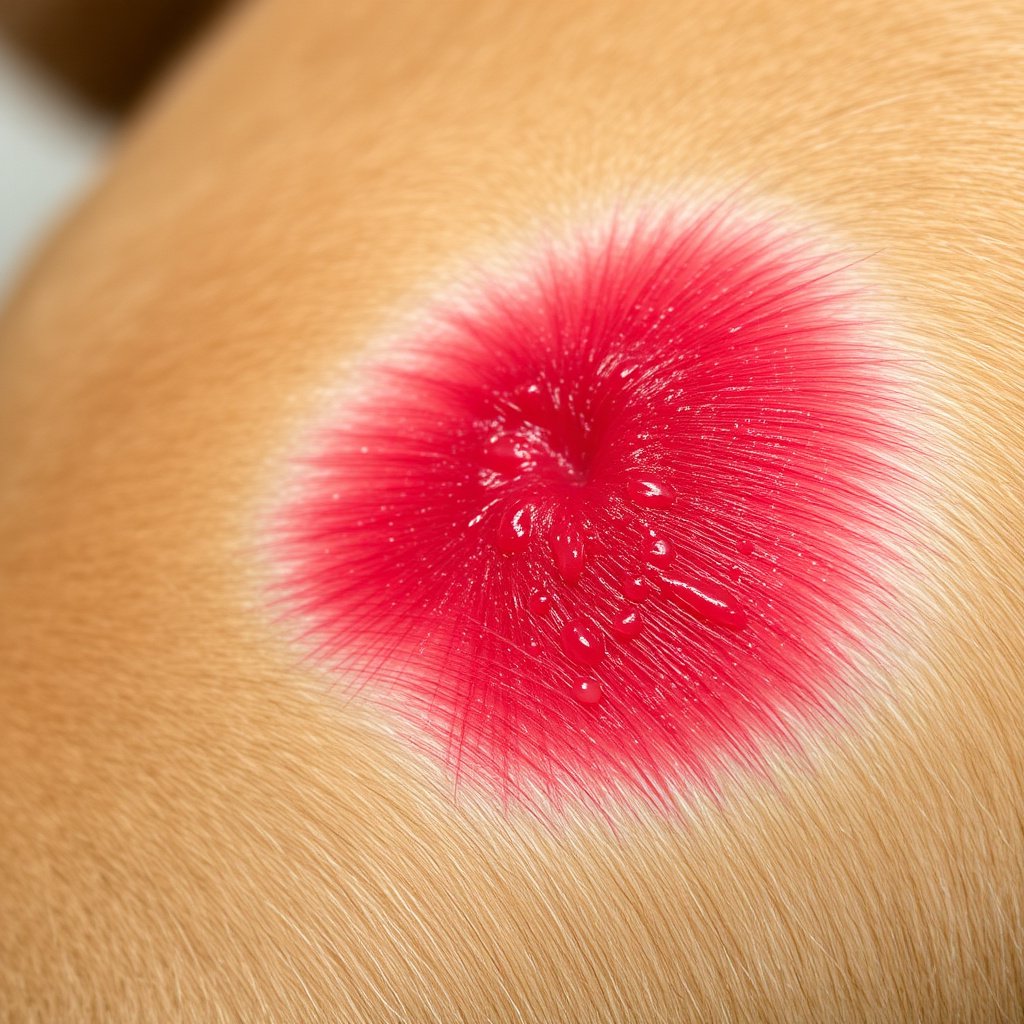
What Are Hot Spots?
Hot spots, medically known as acute moist dermatitis, are rapidly developing areas of inflamed, infected skin. These lesions are typically moist, painful, and covered in hair loss and scabs. They often appear suddenly and grow quickly due to the dog’s itching and licking, worsening the inflammation.
The nature of hot spots means they can cause significant discomfort and lead to larger skin problems if not treated early. Recognizing the signs early helps contain the infection before it spreads.
Common Triggers for Hot Spots
Various factors can initiate hot spots, including flea infestations, allergies to food or environmental factors, insect bites, and underlying skin infections. Dogs that chew or scratch persistently due to irritation are at higher risk.
Moist environments or wounds that fail to heal can also contribute by creating an ideal breeding ground for bacteria. Identifying and managing these triggers is key to reducing recurrence.
- Fleas and ticks
- Food allergies
- Environmental allergens like pollen
- Poor grooming or moisture retention
- Skin injuries or wounds
Diagnosing Hot Spots on Your Dog
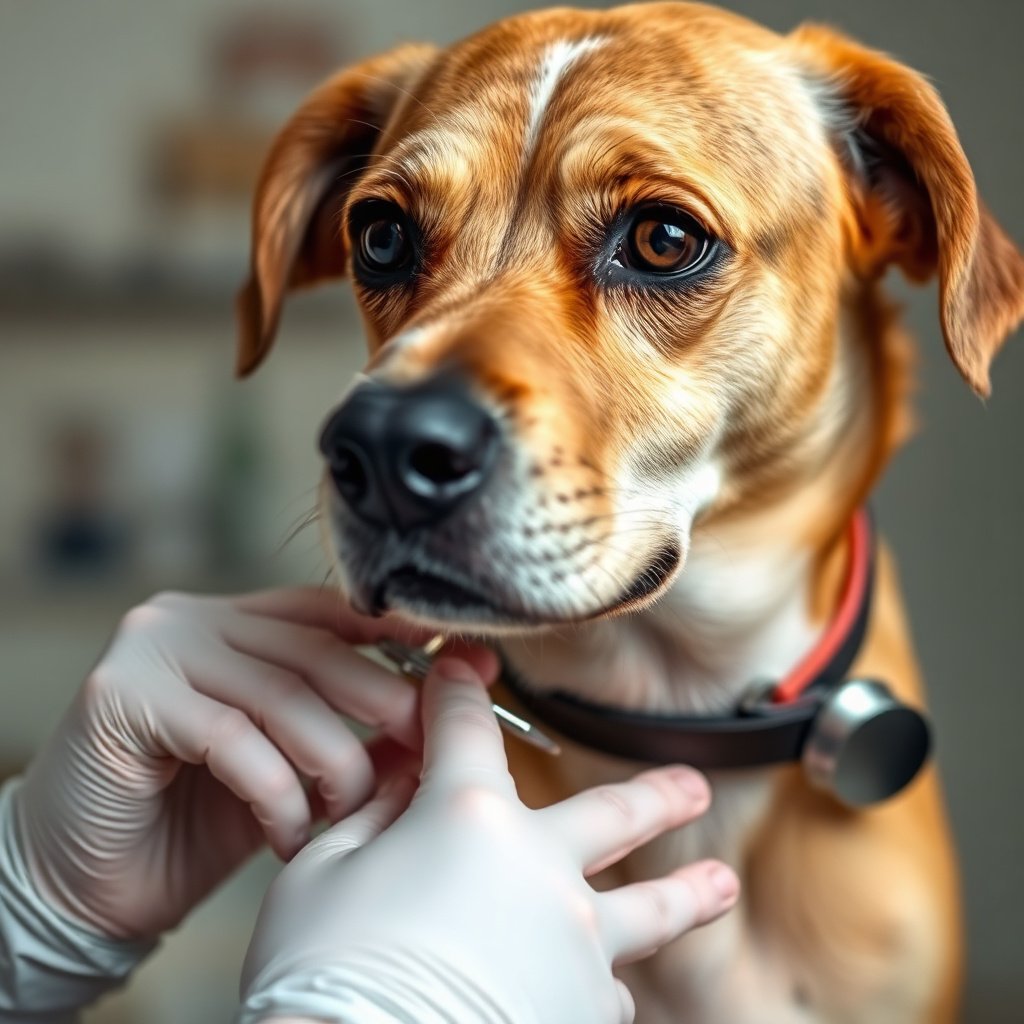
At-Home Identification
You can recognize hot spots by observing sudden red, wet, and inflamed patches on your dog’s skin, often accompanied by hair loss around the area. Dogs usually show signs of scratching, licking, and discomfort.
Checking for other causes such as fleas or wounds helps determine if treatment requires more than just topical creams. Keep your dog from licking the spot to avoid worsening.
Veterinary Diagnosis and Tests
A veterinarian will examine the lesion, possibly perform skin scrapings or bacterial cultures to rule out other infections or parasites. They may also investigate allergies or systemic causes if hot spots are recurrent.
Accurate diagnosis ensures targeted treatment, such as antibiotics or allergy control medications, preventing prolonged discomfort and infection.
Effective Home Treatments for Hot Spots on Dogs
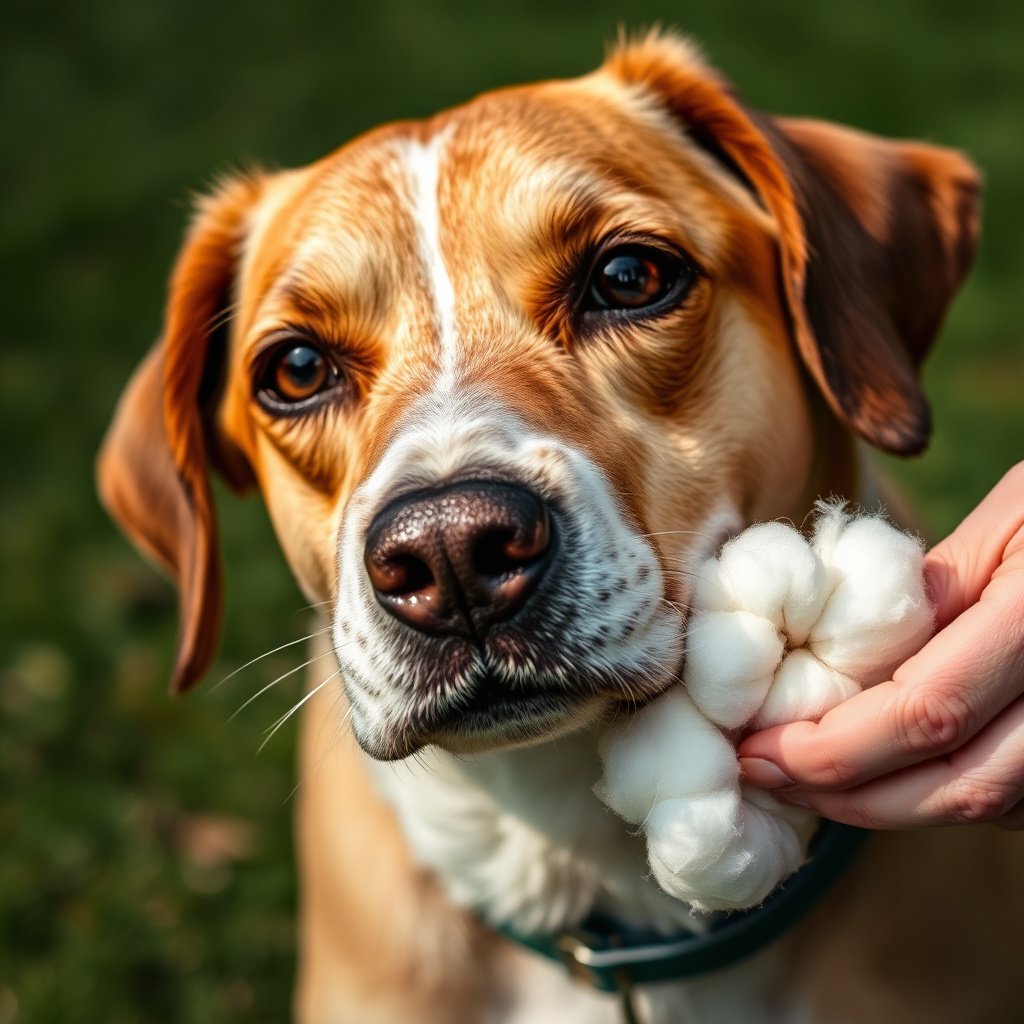
Cleaning and Hair Trimming
Begin treatment by carefully trimming hair around the hot spot to expose the skin and improve airflow. This step allows topical treatments to reach the infected site and prevents further moisture buildup.
Use a mild antiseptic solution like diluted chlorhexidine or saline to gently clean the affected area twice daily. Avoid harsh chemicals that can irritate the skin further.
- Trim surrounding fur carefully
- Clean with mild antiseptic
- Keep area dry and aired
For more on this, see our related guide: Why Does My Dog Shake After a Bath? 8 Key Reasons and Solutions.
Applying Topical Medications
Medicated creams or sprays containing antibiotics, corticosteroids, or soothing agents can reduce inflammation and fight infection. Apply these following manufacturer instructions or veterinary advice.
Over-the-counter options like hydrocortisone sprays provide relief, but don’t use them extensively without vet guidance, especially on deep wounds.
- Antibiotic ointments
- Anti-inflammatory creams
- Soothing aloe vera gels
When to Seek Veterinary Care
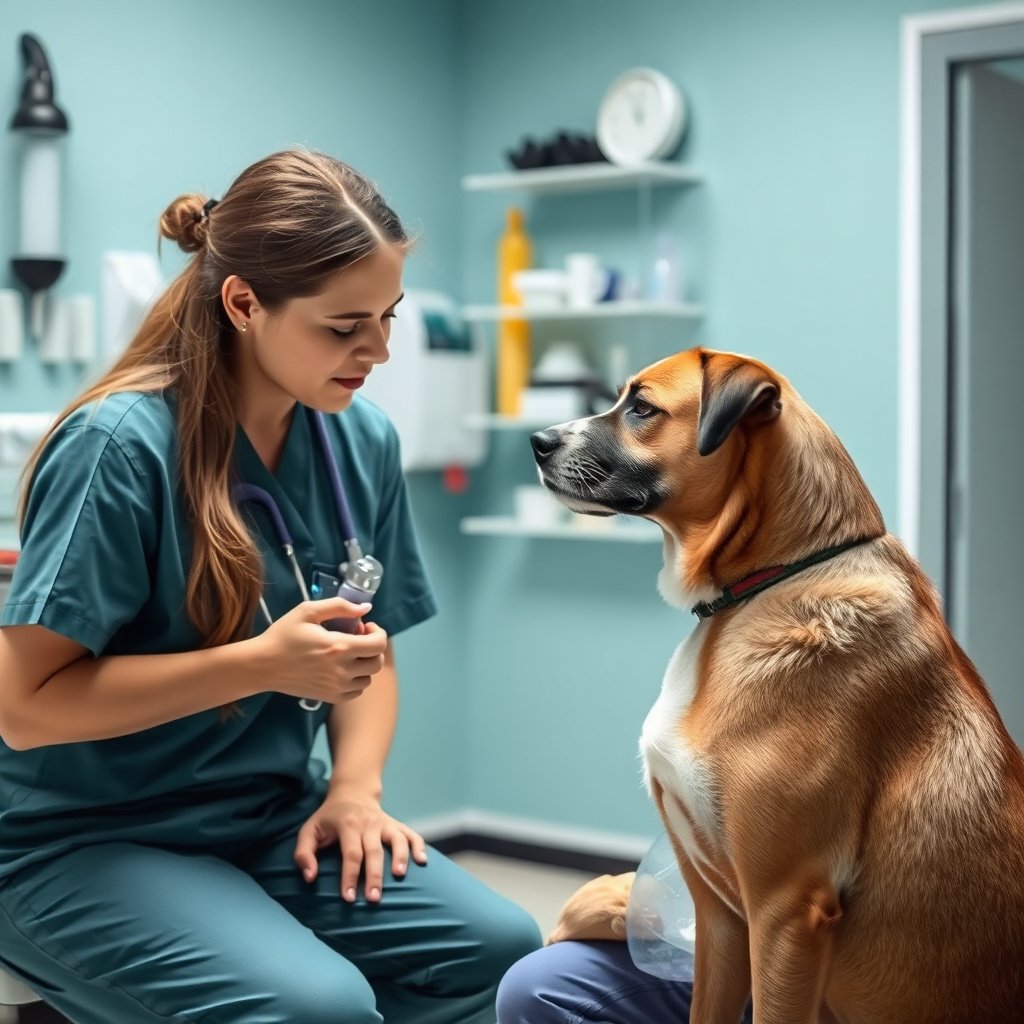
Signs Hot Spots Require Professional Help
If hot spots rapidly enlarge, produce pus, or your dog becomes lethargic, veterinary attention is necessary. These symptoms suggest severe infection needing antibiotics or systemic treatment.
Persistent or recurrent hot spots also require professional diagnosis to uncover underlying conditions such as allergies or parasites.
Veterinary Treatments and Medications
Vets may prescribe oral antibiotics or corticosteroids to reduce severe inflammation and infection. They might also recommend medicated shampoos or allergy treatments to manage triggers.
Some dogs benefit from Elizabethan collars to prevent licking and promote healing during treatment.
- Oral antibiotics
- Anti-inflammatory drugs
- Medicated baths and shampoos
- Protective collars
Preventing Hot Spots and Maintaining Skin Health

Regular Grooming and Flea Control
Routine brushing removes dirt and mats that trap moisture and irritants. Consistent use of flea preventatives reduces insect bites that trigger hot spots.
Bathing with gentle, skin-friendly shampoos helps maintain coat health without stripping natural oils.
- Brush coat regularly
- Use flea and tick preventatives
- Choose mild shampoos
For more on this, see our related guide: How Do You Know If a Dog Has Mites? Clear Signs and Treatment Tips.
Managing Allergies and Environmental Factors
If allergies cause hot spots, work with your vet to identify allergens and adjust diet or environment accordingly. Avoid exposure to known irritants to reduce skin flare-ups.
Providing a clean, dry sleeping area and avoiding excessive humidity also supports skin health and reduces infection risk.
Natural and Alternative Remedies for Hot Spots
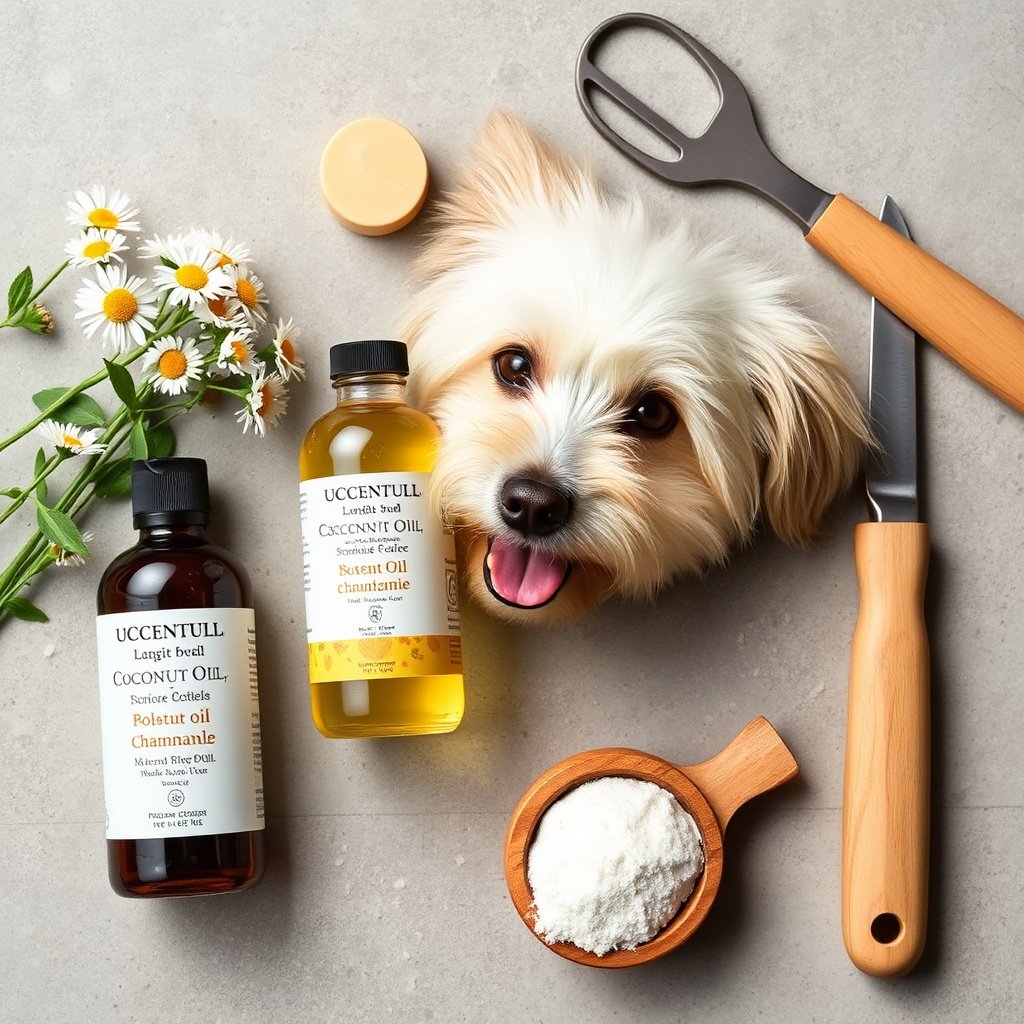
Using Natural Soothing Agents
Some owners use natural remedies such as coconut oil, calendula, or aloe vera to soothe hot spots. These substances have mild antiseptic and anti-inflammatory properties and can complement standard treatments.
Care is needed to ensure the area stays clean, and natural products shouldn’t replace vet-prescribed medications if infection is significant.
- Virgin coconut oil application
- Aloe vera gels
- Chamomile compresses
For a detailed scientific overview of hot spots, you can explore the acute moist dermatitis article on Wikipedia. acute moist dermatitis on Wikipedia.
Risks and Considerations with Home Remedies
Not all natural products are safe for dogs; some may cause allergic reactions. Avoid substances toxic to pets, like tea tree oil unless specifically formulated for veterinary use.
Always consult your vet before applying alternative treatments, especially if the hot spot worsens or doesn’t improve quickly.
Hot Spot Treatment Approaches for Dogs: Comparison
Below is a comparison of common treatment methods for hot spots on dogs, highlighting application ease, effectiveness, and when they're best used.
| Treatment Type | Application Method | Effectiveness | Best Use Case |
|---|---|---|---|
| Topical Antibiotics | Apply ointment or spray | High for mild to moderate infections | Early-stage hot spots with localized infection |
| Oral Antibiotics | Oral pills or liquid | Very high for severe infections | Large, spreading hot spots or systemic infection |
| Corticosteroids | Topical or oral | High for inflammation control | Severe itching and swelling |
| Natural Remedies | Topical application | Moderate, supportive care | Mild irritation or as adjunct therapy |
| Elizabethan Collar | Wearable device | Prevents self-trauma | During healing phase to prevent licking |
| Medicated Shampoos | Bathing | Helpful as supportive treatment | Preventive care or ongoing skin conditions |
Frequently Asked Questions
Can hot spots go away on their own without treatment?
Hot spots rarely resolve without treatment because they worsen as dogs scratch and lick. Without care, they can become severely infected and painful, so prompt cleaning and treatment are important.
Is it safe to use human antibiotic creams on dog hot spots?
Human antibiotic creams might not be suitable or safe for dogs and can cause adverse reactions. Always check with your vet before using any human medications on pets.
How long does it take for a hot spot to heal in dogs?
With proper treatment, most hot spots heal within 1 to 2 weeks. Healing speed depends on severity and avoiding further irritation.
Are hot spots contagious to other pets or humans?
Hot spots themselves are not contagious, but underlying causes like fleas can spread. Good hygiene and flea control protect other animals and people.
Can diet affect the development of hot spots in dogs?
Yes, food allergies or sensitivities can trigger skin reactions leading to hot spots. Identifying and managing dietary causes can reduce recurrence.
Key Takeaways
- Hot spots are painful, moist skin infections needing prompt attention.
- Cleaning, hair trimming, and topical treatments are first steps.
- Severe or spreading hot spots require veterinary care and medications.
- Preventive grooming and allergy management help reduce future outbreaks.
Conclusion
Effectively treating hot spots on a dog involves quick, attentive care to stop progression and soothe discomfort. Start with careful cleaning and trimming to expose the lesion, then apply appropriate medications. Understanding the triggers and symptoms allows owners to intervene before hot spots worsen and spread. Regular monitoring during treatment ensures the issue resolves promptly, minimizing pain and preventing secondary infections.
When selecting treatment, mild cases respond well to topical antibiotics and anti-inflammatory creams at home, especially if caught early. More severe hot spots, especially those that rapidly enlarge or produce discharge, require veterinarian-prescribed oral antibiotics or steroids. Utilizing protective collars during healing reduces damage from licking. For dogs with recurring hot spots, allergy testing and flea control form part of a long-term management plan to minimize risks.
The best next step is to observe your dog closely if you find any suspicious lesions and start gentle cleaning immediately. If you suspect an infection is worsening or you notice behavioral changes, schedule a vet visit for assessment. By combining home care with professional guidance when needed, you provide your dog relief from hot spots and support lasting skin health.