How to Bathe a Dog with Anxiety: Gentle Techniques for a Calm Experience
Bathing a dog with anxiety requires a gentle approach tailored to the pet’s comfort and stress levels. To accomplish this, use calm, steady movements, a quiet environment, and supplies that won’t startle your dog. Preparing your dog beforehand with soothing touch and treats can make the process smoother, minimizing fear and agitation during the bath itself.
Many dogs experience anxiety around baths because of unfamiliar sensations, sounds, and restraint. This can escalate to shaking, trying to escape, or even aggression. Understanding that your dog’s emotional response is real helps you focus on techniques that build trust and reduce fear rather than forcing the dog into the bath quickly.
This article explores step-by-step guidance on how to bathe a dog with anxiety, including how to prepare the environment, product recommendations, and calming strategies. You will also find advice on timing, positive reinforcement, and managing common challenges throughout the bathing process.
Creating a Calm Environment for Bathing
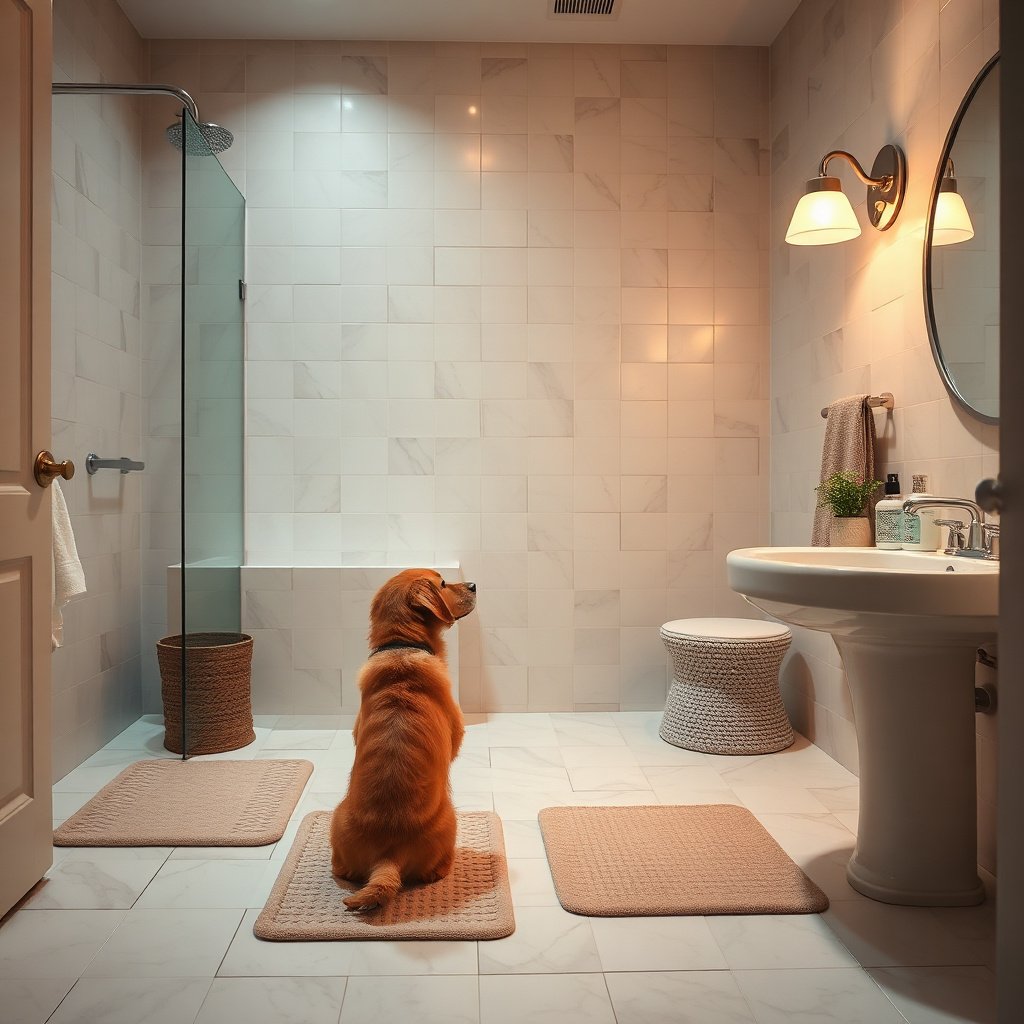
Setting the Scene to Ease Anxiety
Before starting the bath, remove distractions and loud noises that could trigger your dog's anxiety. Use a warm room with soft lighting and place a non-slip mat in the bathing area to help your dog feel secure and stable.
Keep all your supplies, such as shampoo, towels, and brushes, within reach to minimize interruptions during the process, which can unsettle an anxious dog.
- Soft lighting
- Warm room temperature
- Non-slip surfaces
- Quiet environment
Preparing Your Dog Mentally and Physically
Introduce your dog to the bathing space gradually, spending time there without bathing. Offer treats and gentle petting to associate the space with positive experiences. This mental preparation lowers resistance and anxiety during the actual bath.
Groom your dog with slow, soothing strokes before the bath to relax muscles and calm the nervous system. This physical prep can reduce tension and ease your dog's transition into bath time.
- Treat rewards
- Gentle petting
- Slow grooming strokes
- Positive association
Choosing the Right Products and Tools
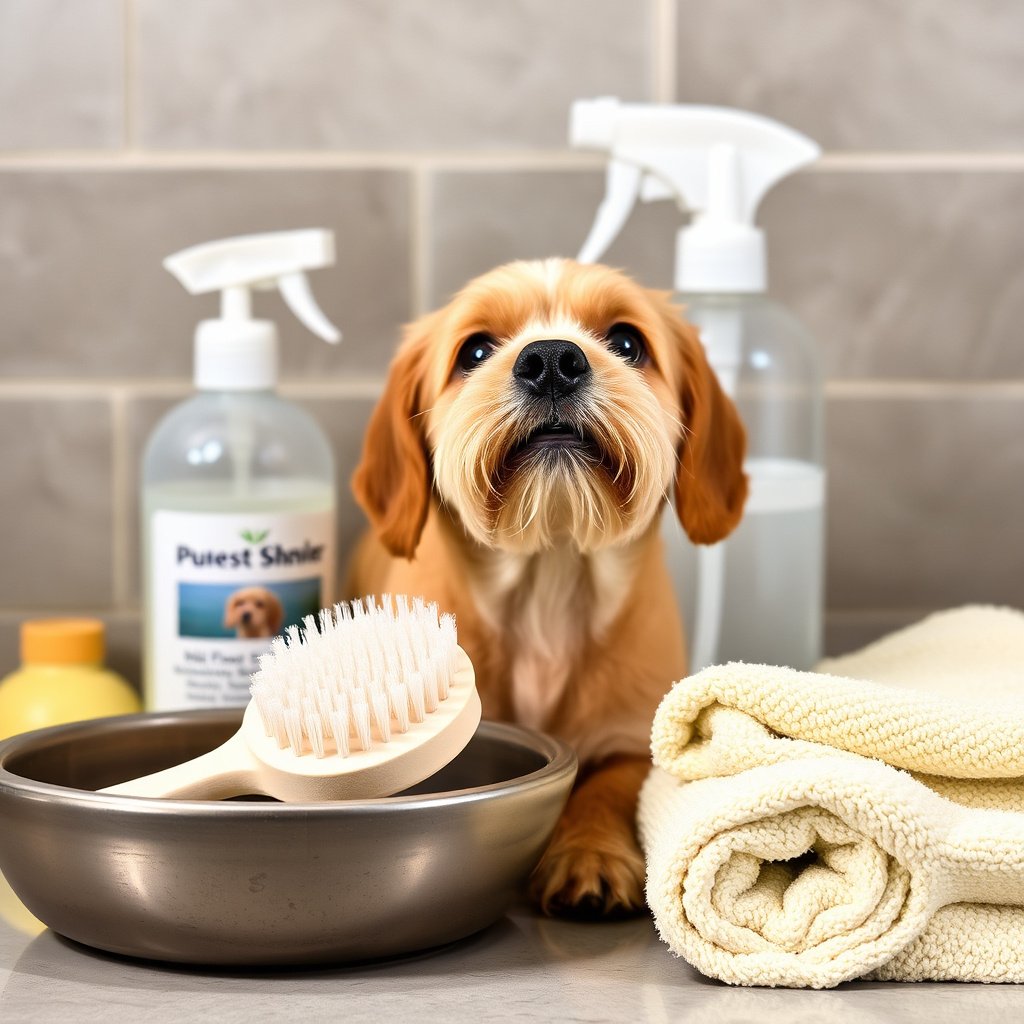
Selecting Gentle Shampoos Suitable for Anxious Dogs
Opt for hypoallergenic and fragrance-free shampoos to avoid irritating your dog’s skin or overwhelming their senses during the bath. Some calming shampoos contain natural ingredients like chamomile or oatmeal to soothe the skin and nerves.
Avoid shampoos with strong scents or harsh chemicals which might spike your dog's stress or cause allergic reactions.
- Hypoallergenic formulas
- Oatmeal or chamomile ingredients
- Fragrance-free
- No harsh chemicals
Using Tools That Enhance Comfort
Use a gentle handheld sprayer or a cup to pour water slowly, avoiding sudden splashes that may frighten your dog. Soft brushes and sponges work well for lathering shampoo without pressure, making the interaction feel less invasive.
Have towels ready for immediate drying to avoid prolonged chilling, which could increase your dog's stress after the bath.
- Handheld sprayer
- Soft brushes or sponges
- Absorbent towels
- Slow water application
Techniques to Reduce Stress During the Bath
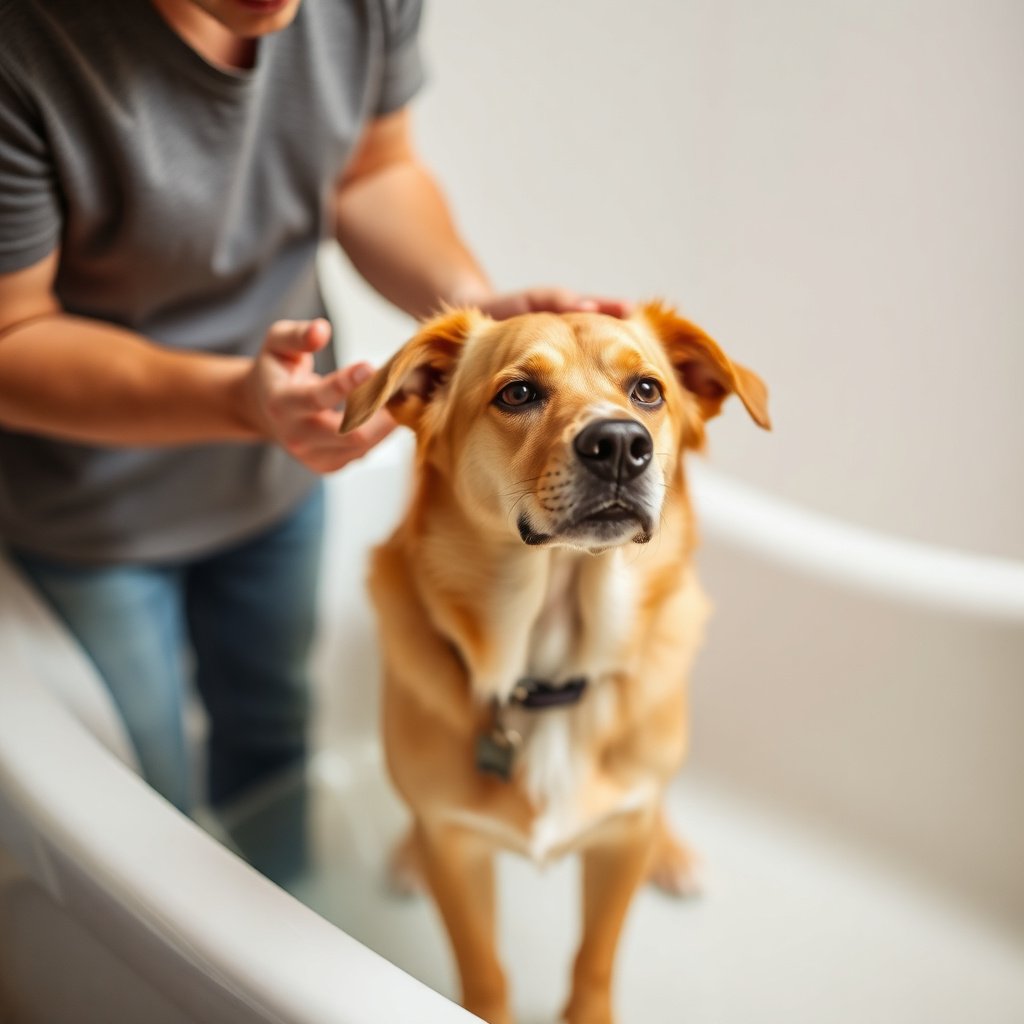
Gradual Introduction to Water
Start by wetting your dog's paws and slowly moving up the legs, allowing them time to adjust to the sensation of water. Avoid rushing, letting your dog take the experience at their own pace to reduce panic or sudden resistance.
Using lukewarm water temperature is important since too cold or hot water can add discomfort and heighten anxiety.
- Begin with paws
- Progressively wet body
- Use lukewarm water
- Be patient
For more on this, see our related guide: Why Does My Dog Shake After a Bath? 8 Key Reasons and Solutions.
Using Calm Behavior and Positive Reinforcement
Talking in a soothing voice and offering gentle touch can reassure your dog throughout the bath. Rewarding calm behavior with treats or praise motivates them to stay relaxed and understand bath time isn’t threatening.
If your dog shows signs of high stress, pausing and giving breaks helps avoid overwhelming them.
- Soothing voice
- Gentle petting
- Treat rewards
- Short breaks if needed
After the Bath: Drying and Comfort
Effective and Gentle Drying Methods
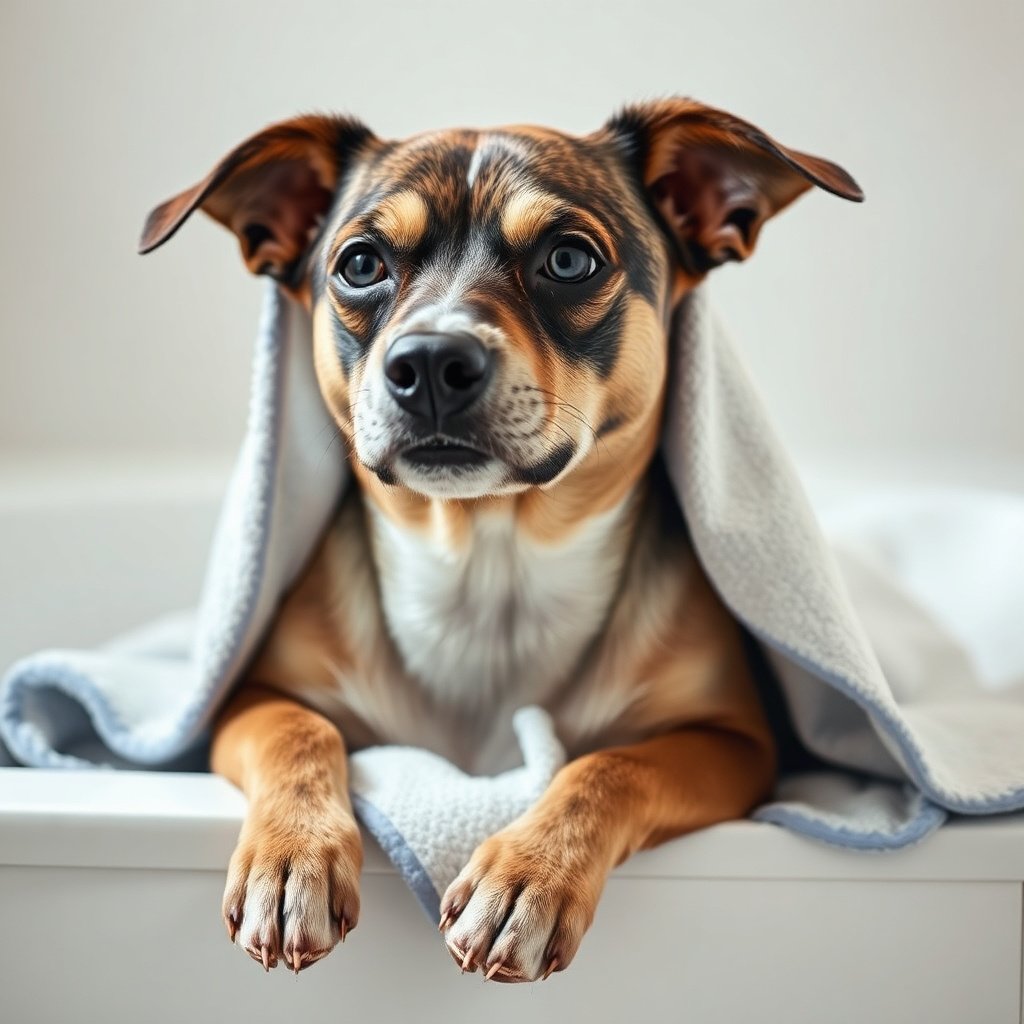
Use absorbent towels to pat your dog dry, rather than vigorous rubbing which can irritate sensitive skin or increase anxiety. If your dog tolerates it, a low-heat setting on a quiet blow dryer can help dry fur faster without stress.
Avoid loud or hot dryers and monitor your dog’s reactions closely to prevent discomfort.
- Pat dry with towels
- Use quiet, low-heat blow dryer
- Avoid harsh rubbing
- Monitor dog's reaction
Post-Bath Comfort and Reassurance
Place your dog in a warm, comfortable spot after the bath, giving them favorite toys or blankets to encourage relaxation. Continue offering treats and gentle petting to reinforce the positive experience.
If your dog prefers, a brief playtime or light exercise can help release tension and restore calmness.
- Warm resting area
- Favorite toys or blankets
- Continued treats and petting
- Light exercise if appropriate
Managing Common Challenges with Anxious Dogs
Handling Resistance and Escape Attempts
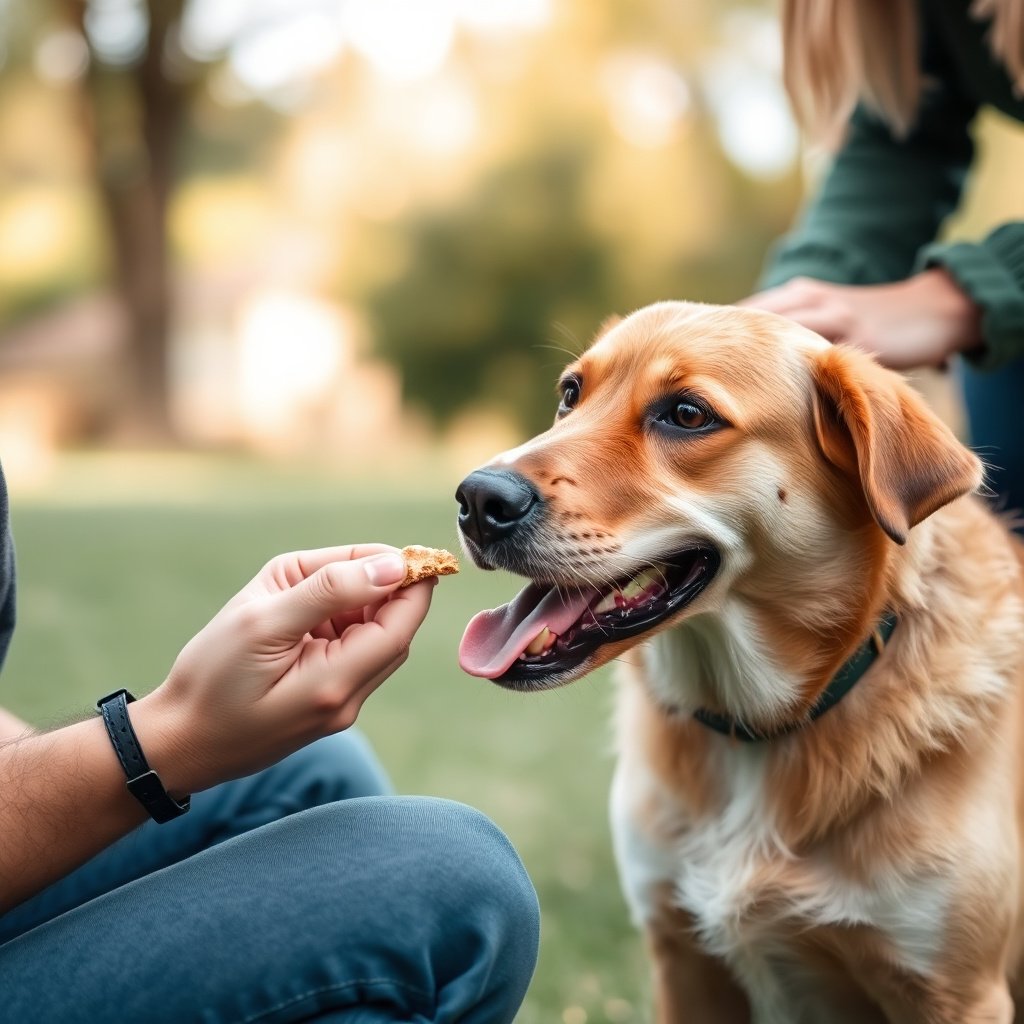
If your dog tries to escape or struggles during bathing, it’s key to remain calm and avoid force. Use gentle restraint with a non-slip mat and reward incremental cooperation with treats to gradually improve tolerance.
Consider shorter bath sessions and multiple breaks to reduce overwhelm, increasing bath duration as your dog adjusts.
- Avoid force
- Gentle restraint tools
- Treat rewards for cooperation
- Shorter, gradual sessions
For more on this, see our related guide: How Many Baths Does a Dog Need? A Complete Guide to Bathing Frequency.
When to Seek Professional Help
Persistent extreme anxiety or aggressive behavior during baths may require consultation with a professional groomer or a veterinary behaviorist. They can offer specialized techniques or medications to ease your dog’s fear effectively.
Professional trainers may also teach desensitization and counter-conditioning exercises to build long-term comfort with bathing.
- Consult professionals
- Consider grooming specialists
- Behavior modification training
- Possible medication assistance
Using Calming Aids and Supplements
Natural Calming Products for Bath Time
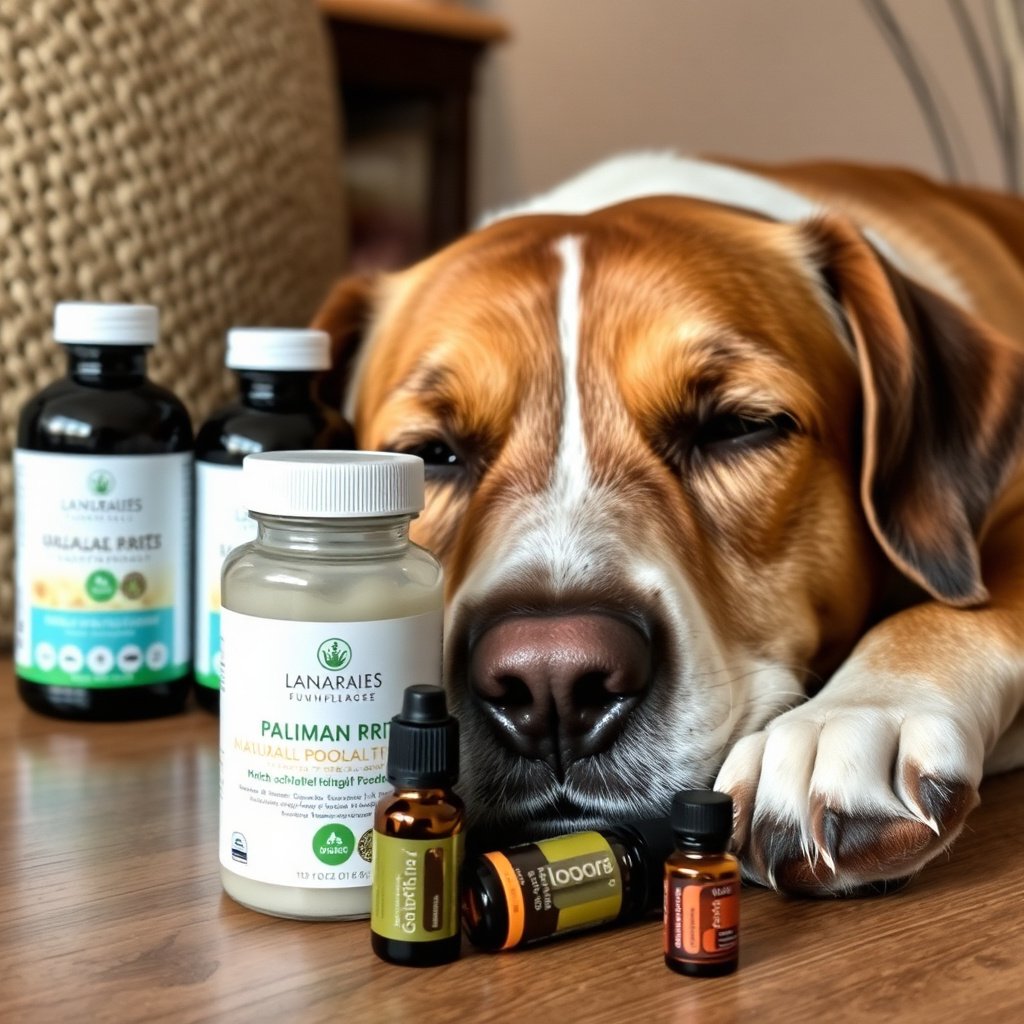
Certain essential oils like lavender or chamomile, used sparingly and safely, can create a soothing atmosphere in the bathing area. Calming sprays or collars infused with pheromones help reduce anxiety cues during the process.
Avoid direct application of oils on the dog and research products thoroughly to ensure safety.
- Lavender and chamomile scent diffusers
- Pheromone sprays and collars
- Avoid direct skin application
- Select vet-approved products
For a broader understanding of best practices in dog grooming, including bathing, see Canine Bathing Guidelines on Wikipedia. Canine Bathing Guidelines.
Dietary Supplements to Reduce Anxiety
Supplements containing L-theanine, CBD oil, or calming herbs may alleviate general anxiety and help your dog remain calmer during baths. Consult your veterinarian before beginning any supplement regimen.
Consistency is key as these aids often take several days to show noticeable effects before bath time.
- L-theanine supplements
- CBD oil under vet guidance
- Herbal calming products
- Consult veterinarian first
Types of Dog Baths Compared for Anxious Pets
This table compares common bath options and their suitability for dogs with anxiety, focusing on comfort and ease.
| Bath Type | Stress Level for Dog | Preparation Needed | Duration | Ease of Cleaning Up |
|---|---|---|---|---|
| Traditional Tub Bath | Moderate to High | High (setup and drying) | 20-30 minutes | Medium |
| Handheld Sprayer Bath | Low to Moderate | Medium (calming prep needed) | 15-20 minutes | Medium |
| Dry Shampoo/Waterless Bath | Low | Low (minimal prep) | 5-10 minutes | Low |
| Professional Groomer Bath | Variable | Minimal (bring dog ready) | 30-45 minutes | High |
| Outdoor Hose Bath (Warm Weather) | Moderate | Medium (weather dependent) | 15-25 minutes | High |
Frequently Asked Questions
How often should I bathe a dog with anxiety?
Bathing frequency depends on your dog's coat type and activity, but limiting baths to once every 4-6 weeks helps reduce anxiety without compromising hygiene.
Can I use calming music during my dog's bath?
Yes, soft calming music can help lower your dog's stress levels, making the bath environment more peaceful and relaxing.
What if my dog panics during bathing despite calming efforts?
Stop the bath and give your dog space to calm down. Trying again later in shorter sessions often helps build tolerance gradually.
Are there specific shampoos designed for anxious dogs?
Yes, shampoos with soothing ingredients like chamomile or oatmeal are designed to calm skin and nerves during baths.
Can I bathe an anxious dog outdoors to reduce stress?
Bathing outdoors can be calming for some dogs but is weather-dependent and requires a safe, warm environment to avoid chill and discomfort.
Key Takeaways
- Use a calm environment and gradual introduction to water for anxious dogs
- Select gentle, fragrance-free shampoos designed to soothe sensitive skin
- Incorporate calming aids and frequent positive reinforcement throughout bathing
- Consider professional help if your dog’s anxiety is severe or persistent
Conclusion
Knowing how to bathe a dog with anxiety involves recognizing your pet’s unique stress triggers and adapting routines to promote comfort and trust. Success hinges on patience, preparation, and using gentle techniques that respect your dog’s feelings. By creating a positive bathing experience, you help your dog associate baths with safety and calm, rather than fear.
For dogs with mild to moderate anxiety, gradual introduction techniques paired with calming dog bath tips like soothing shampoos and quiet environments can greatly improve cooperation. Dogs showing escape behaviors or severe stress may benefit from professional groomers skilled in handling anxious pets or consulting a veterinary behaviorist for targeted support.
Start by setting up a quiet, inviting bathing space and practicing repeated short sessions at home that use lots of positive rewards. With time, you can build your dog’s confidence around baths, turning what was once a stressful ordeal into a manageable, even pleasant, routine.