How to Treat Yeast Infection in Dogs Ears: A Practical Guide
Treating a yeast infection in your dog's ears requires cleaning the ears properly and applying antifungal medication designed to eliminate the yeast overgrowth. Using the right approach quickly relieves itching, odor, and inflammation while preventing the infection from worsening or spreading.
Yeast infections in dogs’ ears commonly result from moisture buildup, allergies, or immune system issues, creating a favorable environment for yeast to thrive. Proper treatment can restore ear health, improve your dog’s comfort, and reduce the chance of recurring infections.
This article explains the causes of yeast infections in dogs’ ears, how to identify symptoms, step-by-step treatment methods, and tips for prevention. It also compares popular treatments and answers common questions from pet owners.
Understanding Yeast Infections in Dogs' Ears
What Causes Yeast Infections in Dogs?
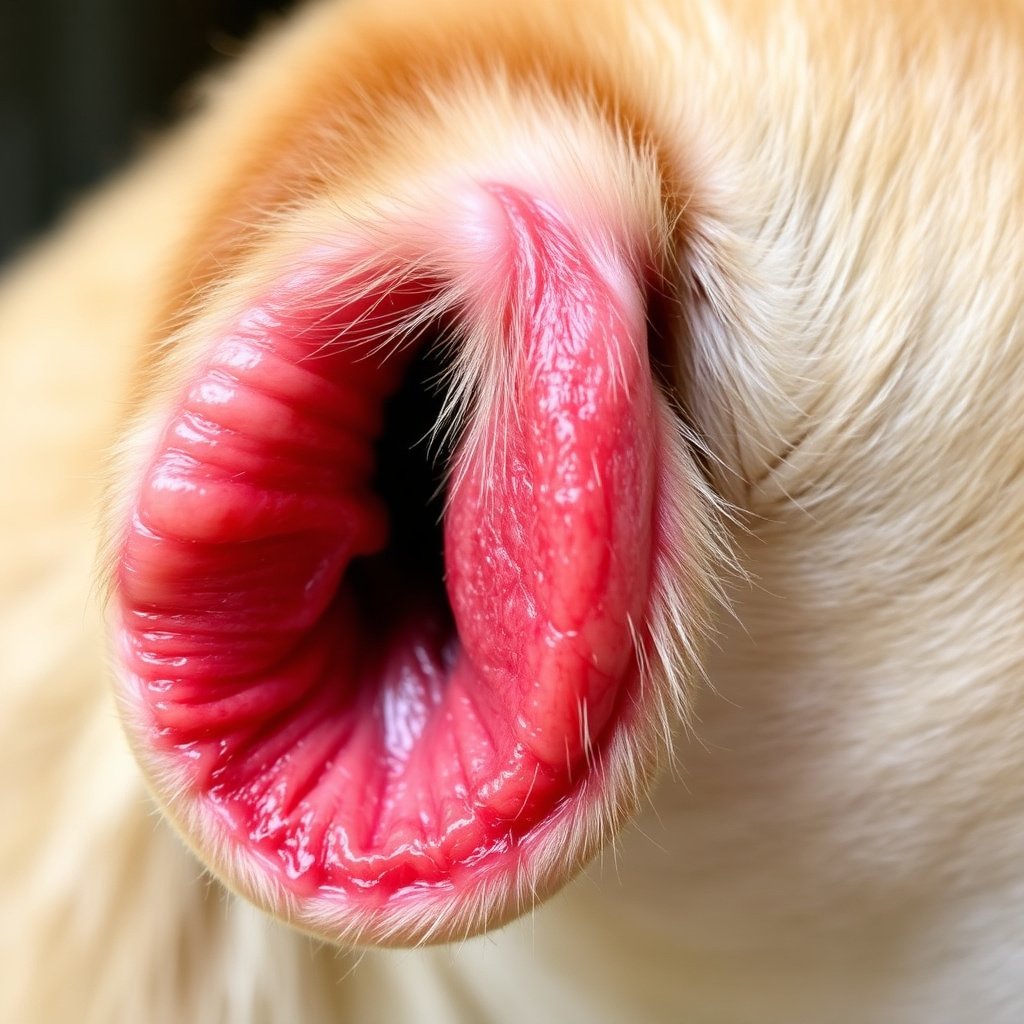
Yeast infections usually develop when the natural balance of microorganisms in a dog's ear is disrupted, often due to moisture accumulation from swimming or bathing, allergies that cause inflammation, or an underlying health condition like hypothyroidism. The overgrowth of Malassezia yeast leads to irritation and characteristic symptoms.
Factors like breed (floppy ears trap moisture), poor ear hygiene, and excessive ear wax can also contribute. Identifying the cause helps tailor the dog ear infection treatment to prevent recurrences.
Recognizing Symptoms of Yeast Ear Infection
Common signs include dark brown discharge, foul odor, intense scratching or head shaking, redness, swelling, and thickened skin inside the ear canal. Your dog may also tilt its head or show signs of pain when the ear is touched.
Early detection is key for effective dog ear infection treatment, so regular ear checks especially after swimming or bathing are advisable.
Initial Steps to Treat Yeast Infection in Dogs Ears
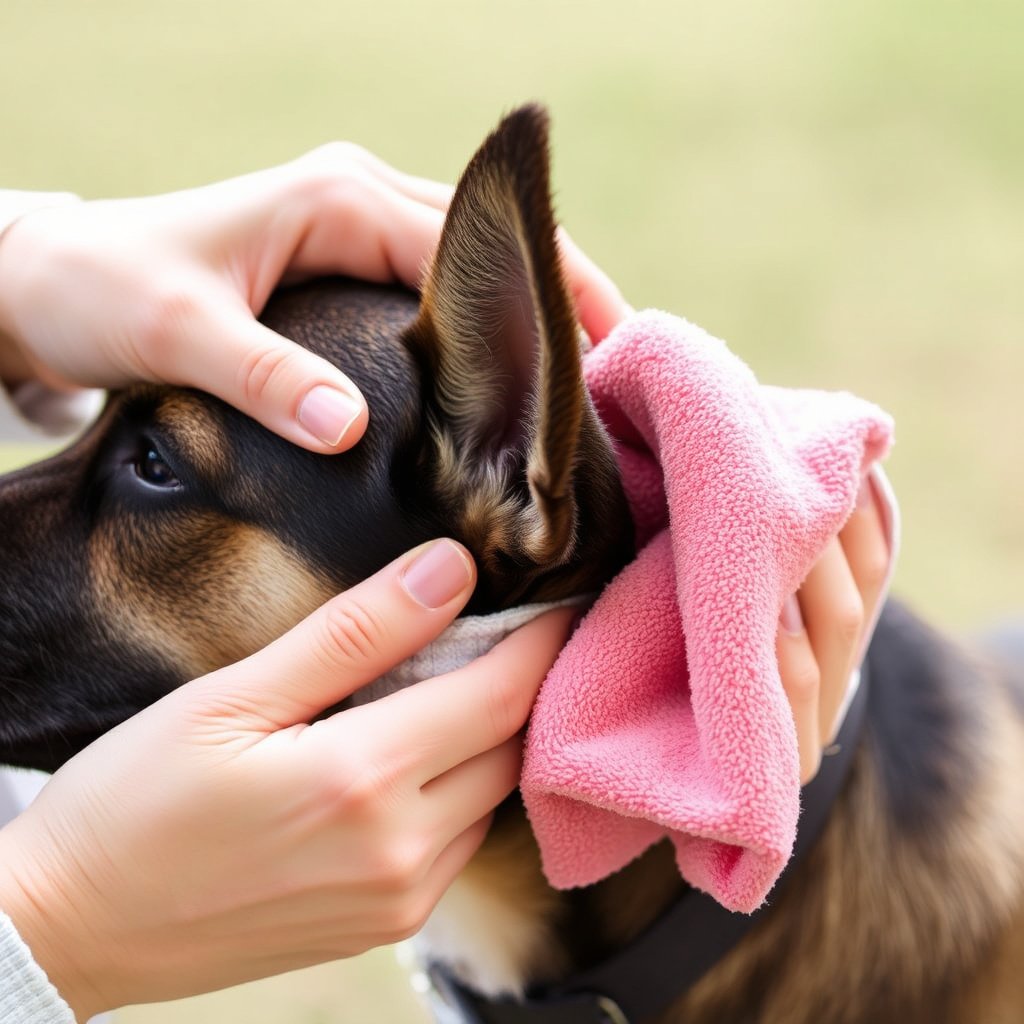
Cleaning the Ear Safely Before Treatment
Begin treatment by thoroughly cleaning the ear to remove debris and discharge. Use a vet-approved ear cleaner that gently dissolves wax and dries the ear canal without irritating it further.
Avoid using cotton swabs deep in the ear; instead, apply the cleaner on a cotton ball or soft cloth to wipe the visible ear canal. Cleaning reduces yeast buildup and prepares the ear for medication.
- Use lukewarm cleaner recommended by your vet
- Avoid water or hydrogen peroxide
- Never insert objects deep in the ear canal
For more on this, see our related guide: Why Does My Dog Scratch Its Ears? Causes, Care & When to Act.
When to See a Veterinarian
If symptoms persist beyond a few days or worsen, consult your veterinarian. They may perform an ear swab cytology to confirm yeast presence and check for bacterial co-infection.
Severe infections require prescription antifungal and sometimes antibiotic medications for effective dog ear infection treatment.
Medications for Treating Yeast Ear Infections
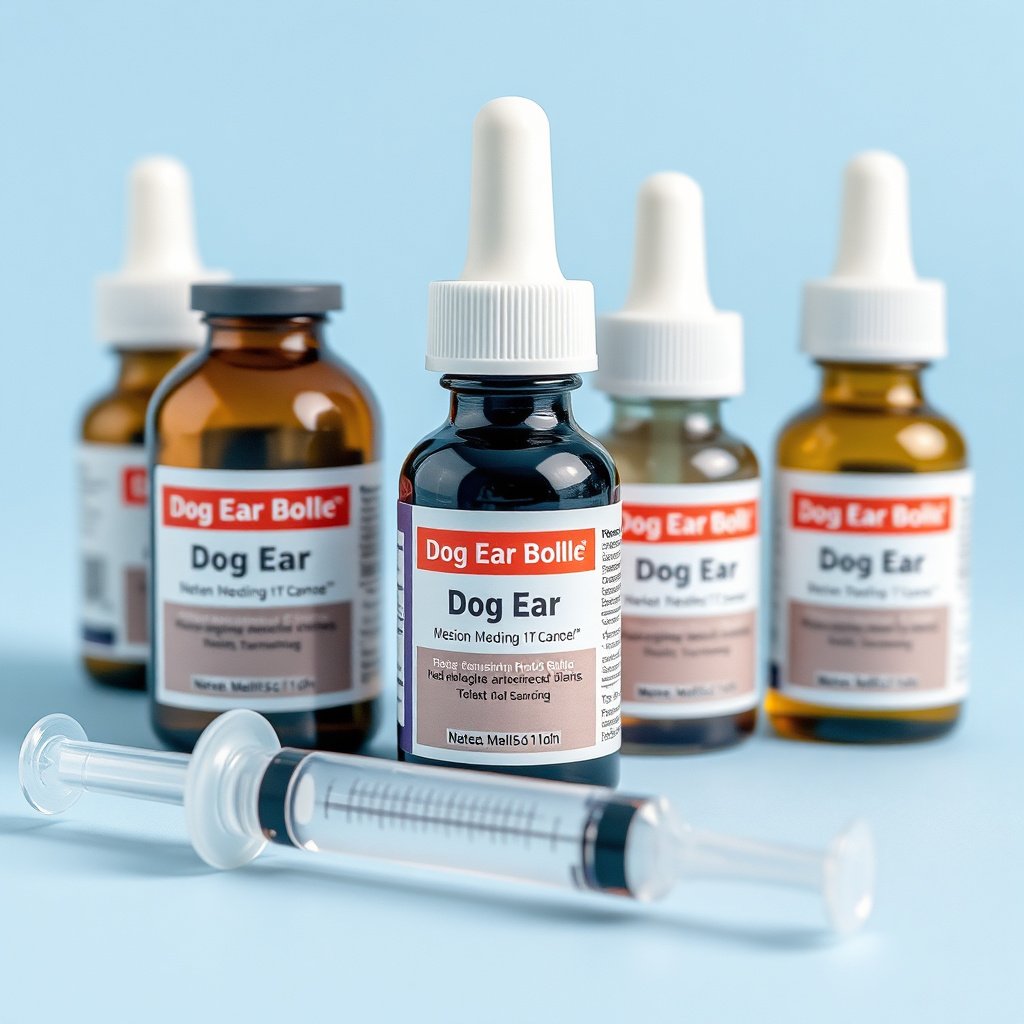
Topical Antifungal Treatments
Antifungal ear drops or ointments contain ingredients like miconazole, clotrimazole, or ketoconazole which target yeast directly. These medications are applied daily for one to two weeks or as prescribed by the vet.
Consistency in application is critical for successful treatment. Some options also contain corticosteroids to reduce swelling and itching while combating the infection.
- Apply medication after cleaning the ear
- Follow dosage and duration instructions strictly
- Prevent your dog from scratching the ear
Oral Medications and Supplements
In chronic or severe cases, vets may prescribe oral antifungal drugs such as fluconazole to target systemic yeast overgrowth. These are generally paired with topical treatments for comprehensive results.
Supplements like fatty acids and probiotics can support ear health and immune response, assisting in reducing the frequency of infections.
Preventing Yeast Infections in Dogs' Ears
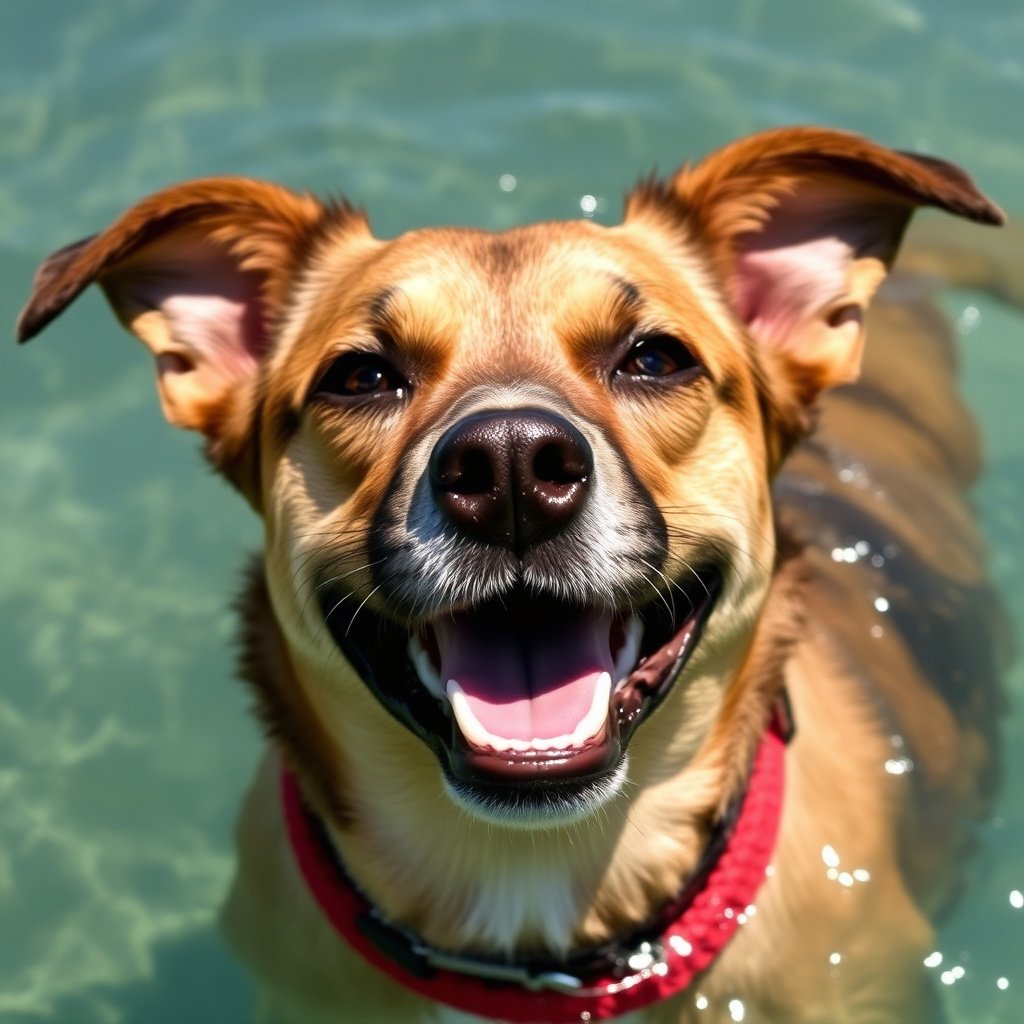
Maintaining Ear Hygiene and Dryness
Regularly inspect and clean your dog’s ears especially after water exposure, focusing on drying the ear canal to eliminate yeast-friendly moisture. Use dog-specific ear wipes or a clean towel to gently dry ears.
Avoid over-cleaning which disrupts natural oils and can encourage infections.
- Clean ears weekly or as needed
- Thoroughly dry ears after swims or baths
- Trim excess hair around ears if recommended
For more on this, see our related guide: Why Does My Dog Have Smelly Ears? 8 Causes and Simple Treatments.
Managing Allergies and Underlying Health Issues
Since allergies and systemic health problems often trigger yeast infections, addressing these conditions reduces infection risks. Discuss allergy testing or diet adjustments with your vet to minimize ear inflammation.
Regular vet check-ups help catch and control underlying issues preventing recurrent dog ear infection treatment.
Comparing Popular Dog Ear Infection Treatments
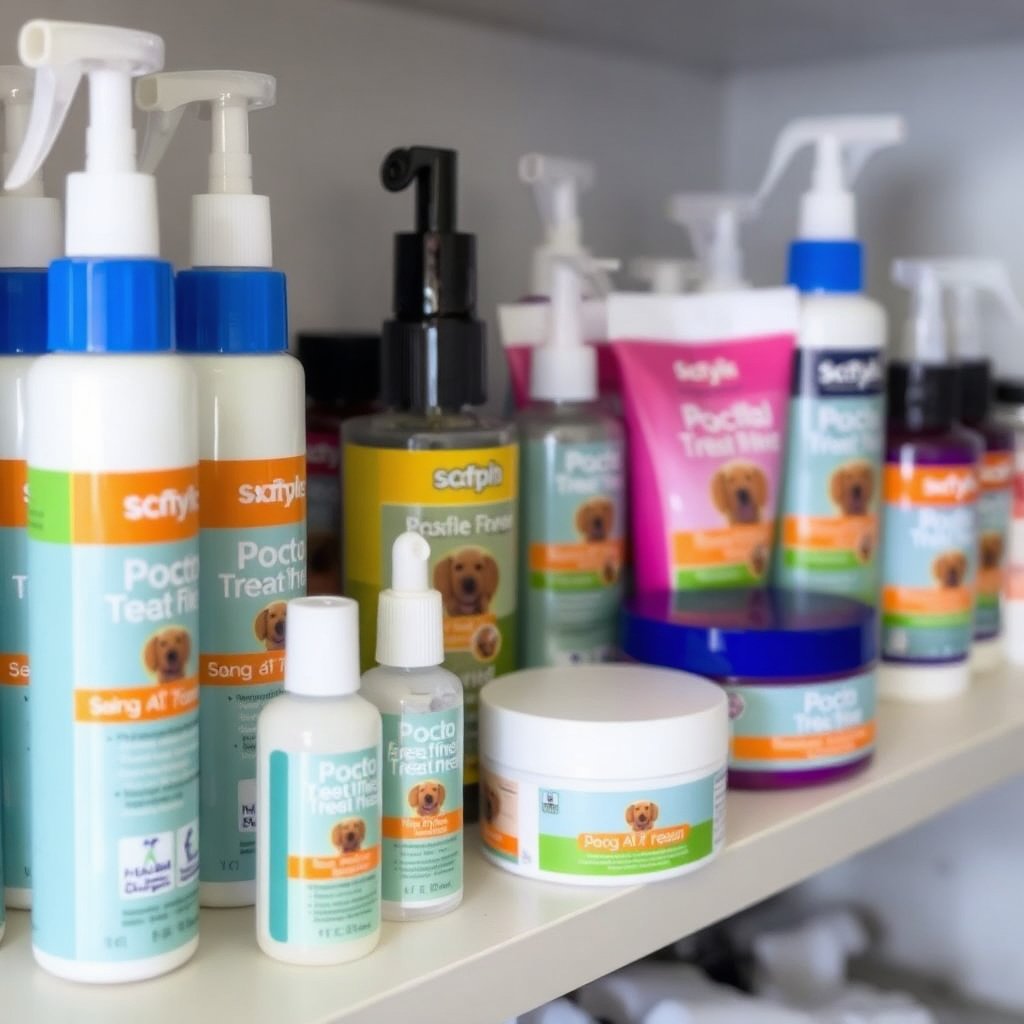
Over-the-Counter vs Prescription Options
OTC cleaners and antifungal sprays provide mild relief for early or mild yeast infections but may lack the potency needed for moderate or severe infections. Prescription meds offer targeted, stronger antifungal action.
Vet-prescribed medications ensure accurate diagnosis and reduce risks of complications from improper treatment.
For detailed veterinary guidance on ear infections in dogs, including causes and treatments, visit this authoritative source. Yeast infection in dogs ears information.
Natural Remedies: Pros and Cons
Some pet owners opt for natural treatments like apple cider vinegar rinses or coconut oil applications. While these may soothe symptoms or limit yeast growth for mild cases, they lack scientific backing and could irritate sensitive ears.
Use natural remedies cautiously and always consult your veterinarian before relying on them solely.
- Apple cider vinegar must be diluted
- Avoid if ears are raw or severely inflamed
Dog Ear Infection Treatment Category Comparison
This table compares common treatment categories by effectiveness, cost, and treatment duration to help decide the best approach for your dog's yeast ear infection.
| Treatment Category | Effectiveness | Typical Cost | Treatment Duration | Ease of Use |
|---|---|---|---|---|
| Over-the-Counter Antifungal | Moderate for mild cases | $10-$25 | 7-14 days | Simple application |
| Prescription Ear Drops | High for most infections | $30-$60 | 7-21 days | Requires vet oversight |
| Oral Antifungal Medications | Very high for severe cases | $40-$100 | 10-30 days | Requires vet prescription |
| Natural Remedies | Low to moderate | Low | Varies | Requires caution |
| Regular Ear Cleaning | Preventative | $5-$20 | Ongoing | Easy, routine |
Frequently Asked Questions
How long does it take to treat a yeast infection in a dog's ear?
Treatment typically lasts one to three weeks depending on severity and consistency in applying medication. Mild infections may clear in about a week, while severe cases need longer care with veterinary supervision.
Can I use human antifungal creams on my dog’s ears?
Human antifungal creams are not recommended as dogs have different skin sensitivities and formulations not intended for pets. Always use products specifically approved for dogs or prescribed by a vet.
Are yeast infections in dogs contagious to humans or other pets?
Yeast infections caused by Malassezia are typically not contagious to humans or other pets; they mainly result from an imbalance in the infected dog's ear environment.
What are signs of a severe yeast infection in my dog’s ears?
Signs include intense redness, swelling, pain, a persistent foul odor, and discharge that worsens despite cleaning. In such cases, veterinary intervention is necessary to prevent complications.
Can diet affect my dog’s likelihood of getting yeast infections?
Yes, diets high in sugars or allergens can promote yeast overgrowth. A balanced diet and identifying food allergens can reduce susceptibility to infections.
Key Takeaways
- Proper ear cleaning is essential before applying antifungal treatments
- Use vet-recommended medications for safe, effective yeast infection treatment
- Prevent recurrences by managing allergies and keeping ears dry
- Avoid human products and unproven natural remedies without vet advice
Conclusion
When addressing how to treat yeast infection in dogs ears, the best approach combines thorough cleaning, accurate diagnosis, and consistent use of vet-approved antifungal treatments. Recognizing symptoms early and understanding underlying causes help manage and prevent recurrent infections. Each dog is different, so treatments should be tailored to their specific health needs and ear condition.
For mild cases, over-the-counter ear cleaners paired with regular drying might suffice, but persistent or severe infections usually require prescription antifungal drops or oral medications. Managing contributing factors like allergies or moisture buildup significantly improves outcomes. Using natural remedies without supervision carries risks and rarely replaces professional treatment.
The first practical step is a careful ear examination and gentle cleaning, followed by a consultation with your veterinarian to confirm diagnosis and select appropriate medication. Consistency in administering treatments and monitoring progress ensures your dog's ears heal quickly and remain healthy long-term.