How to Trim a Cat’s Nails Alone: A Step-by-Step Guide
Trimming a cat's nails alone is entirely possible with the right approach and tools. The key is to keep your cat calm and use proper techniques to avoid injury. You’ll need suitable cat nail clippers, a quiet space, and some patience.
Cats often resist nail trimming because it’s an unfamiliar and sometimes uncomfortable experience. However, regular trimming helps prevent painful scratches, broken nails, and damage to furniture. Taking the time to do this yourself helps build trust with your pet and keeps their nails healthy.
This guide covers preparing your cat for nail trimming, selecting the best tools, step-by-step trimming techniques, and ways to comfort your cat throughout the process. You'll also learn how to prevent common mistakes and handle nails safely by yourself.
Preparing Your Cat for Nail Trimming

Creating a Calm Environment
Choosing a quiet, comfortable spot with good lighting helps reduce your cat’s stress during nail trimming. Avoid loud noises and distractions, which can make your cat anxious or restless. Including familiar blankets or toys can also soothe your cat.
Consistency matters; try trimming nails in the same place at similar times. Before starting, let your cat explore the space to feel secure. Slow, gentle petting before and during the process helps build relaxation.
- Quiet, well-lit room
- Comfortable surface like a lap or table
- Familiar blankets or toys
Getting Your Cat Comfortable with Handling
Before trimming, spend several sessions gently handling your cat’s paws daily. Touch and massage the paws lightly to familiarize your cat with this sensation, rewarding them with treats during and afterwards.
This preparation decreases resistance during nail trimming and reduces the chances of injury. Patience is key; some cats take several days or weeks before tolerating paw handling.
- Daily gentle paw handling
- Use treats for positive association
- Be patient and gradual
Choosing the Right Tools for Nail Trimming
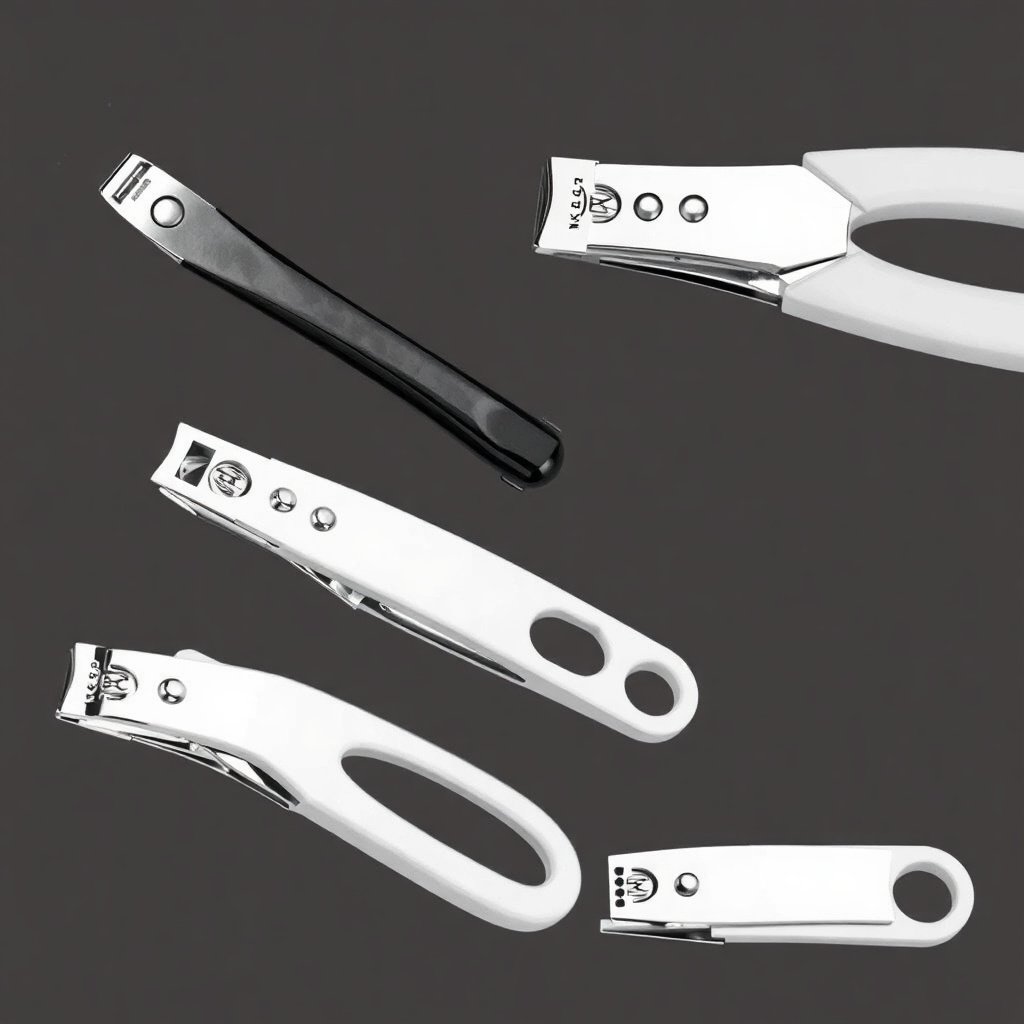
Types of Cat Nail Clippers
There are three main types of cat nail clippers: scissor-style, guillotine-style, and rotary trimmers. Scissor-style clippers resemble small scissors, offering control and ease for beginners. Guillotine-style clippers work by pushing the nail through a hole where a blade slices it cleanly.
Rotary trimmers are electric and file down the nails rather than cutting, suitable for cats sensitive to clipping noises or pressure. Choosing the right tool depends on your comfort, budget, and your cat’s temperament.
- Scissor-style: precise, beginner-friendly
- Guillotine-style: clean cuts
- Rotary trimmers: gentle filing
For more on this, see our related guide: How Much Does a Cat Groom Cost? Detailed Prices and Tips.
Additional Supplies to Have on Hand
Apart from clippers, keep a few other essentials ready: styptic powder or pencil to stop bleeding if you accidentally cut the quick, pet-safe wipes to clean paws, and treats for motivation. Keep nail files handy for smoothing rough edges after trimming.
Having everything within reach before starting helps keep the session efficient and less stressful for both you and your cat.
- Styptic powder/pencil
- Pet-safe wipes
- Treats
- Nail file
Step-by-Step Process of Trimming a Cat's Nails Alone
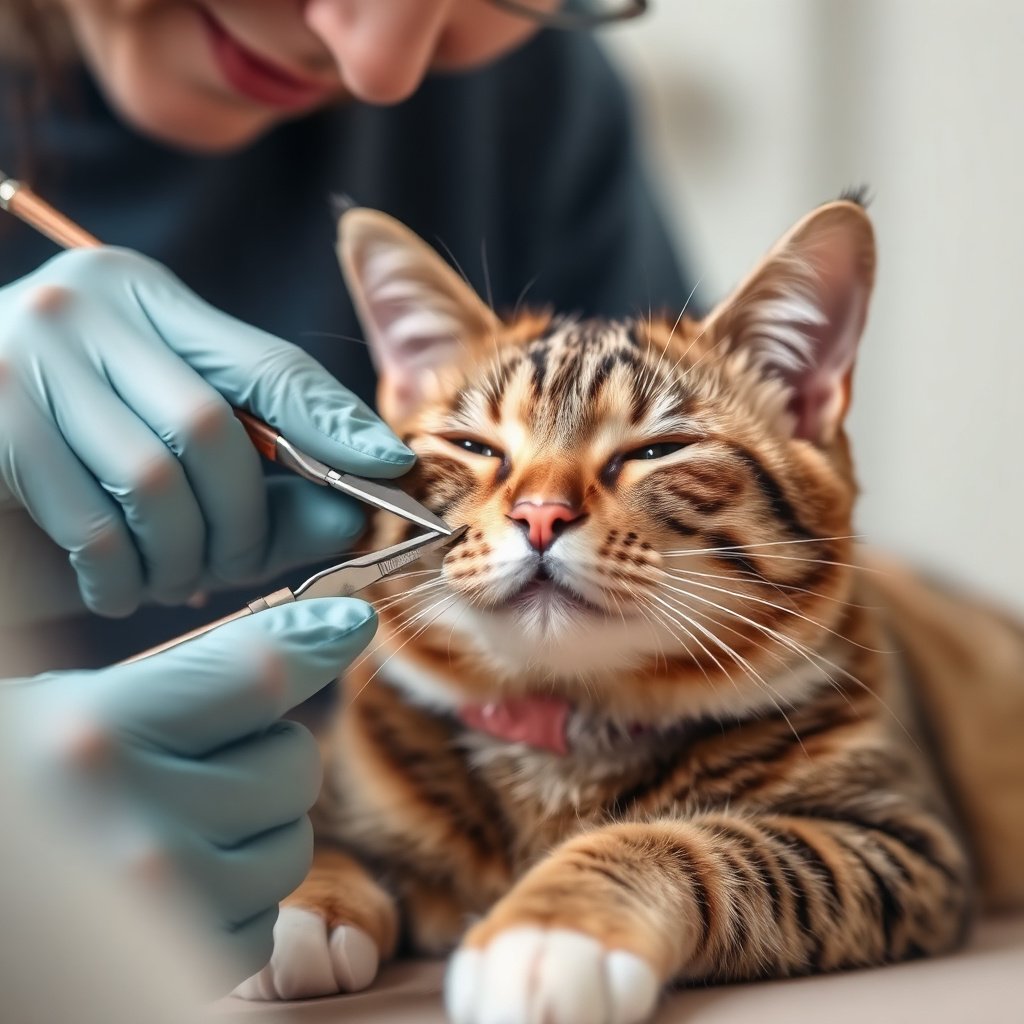
Proper Handling and Positioning
Sit in a comfortable position with your cat either on your lap or a stable surface. Gently hold one paw, pressing the pad to extend the nails. Keep your grip firm but gentle to avoid causing discomfort or panic.
If your cat is particularly fidgety, wrapping them loosely in a towel can help restrain movement while leaving one paw exposed at a time.
- Firm but gentle grip
- Extend nails by pressing pads
- Towel wrap for fidgety cats
How to Safely Trim the Nails
Trim only the sharp, translucent tip of the nail, avoiding the pink quick which contains nerves and blood vessels. Cutting into the quick causes pain and bleeding. Make small, quick cuts rather than one large snip.
Pause if your cat shows signs of stress. Praise and offer treats between trimming each nail to keep the experience positive.
- Trim just the translucent tip
- Avoid cutting the quick
- Use small, quick cuts
- Offer praise and treats
Dealing with Common Challenges and Cat Behavior
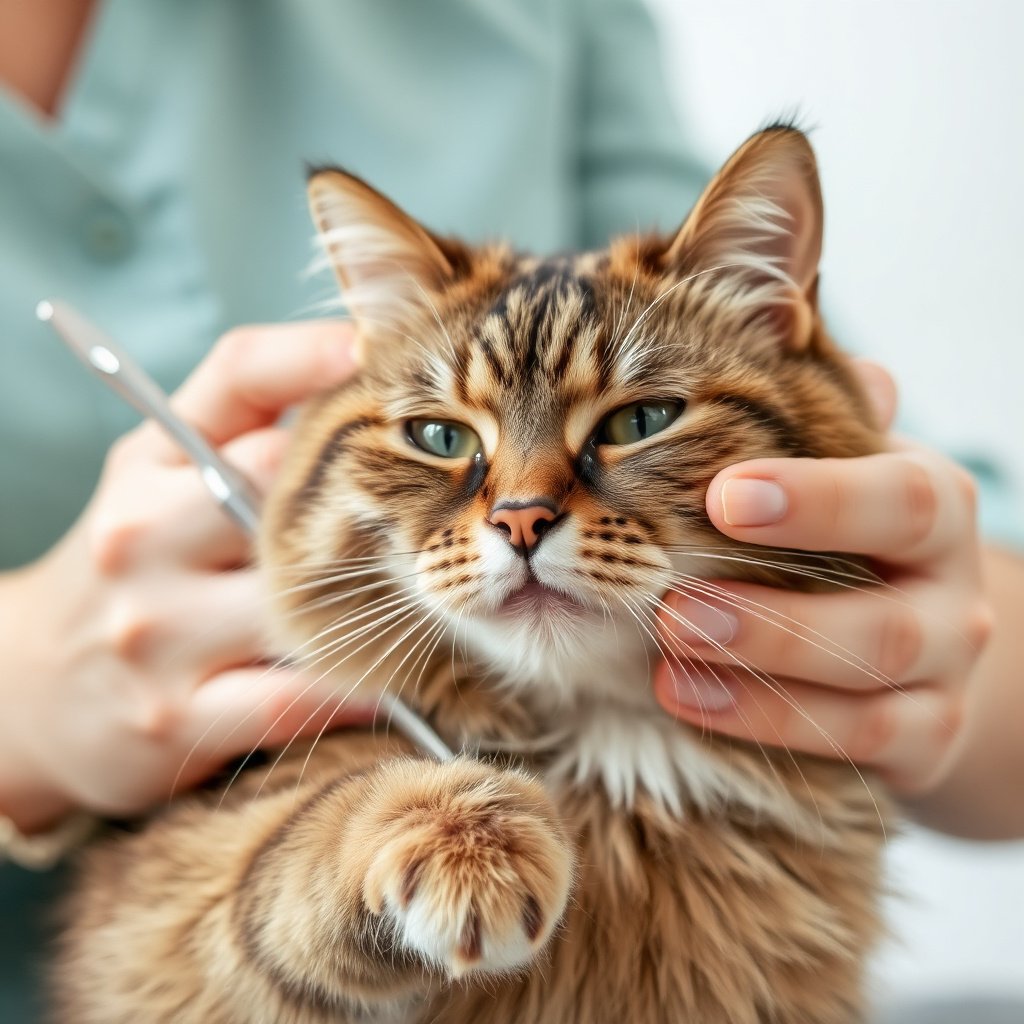
Managing a Resistant or Nervous Cat
If your cat resists aggressively, stop and allow a break. Trying again later or on another day prevents negative associations. Gradual acclimation to the process through short grooming sessions builds tolerance.
Using pheromone sprays or diffusers designed to calm cats may also help reduce anxiety during nail care.
- Take breaks as needed
- Short, frequent sessions
- Consider calming pheromones
For more on this, see our related guide: How to Bathe a Cat That Hates Water: Simple Steps and Proven Tips.
What to Do in Case of Accidental Cuts
If you accidentally cut the quick and your cat bleeds, remain calm and quickly apply styptic powder or pencil to stop bleeding. Apply gentle pressure for a minute if necessary. Avoid panicking, as cats sense your stress, which can increase their anxiety.
Keep supplies ready to handle such situations, and consult a veterinarian if bleeding persists or appears severe.
- Apply styptic powder/pencil
- Gentle pressure to stop bleeding
- Stay calm
- Consult vet if needed
Aftercare and Maintaining Regular Nail Trimming

Post-Trimming Care
After trimming, inspect each nail for smoothness and signs of discomfort. Use a nail file to smooth any sharp edges or rough spots to prevent scratching yourself or your cat.
Reward your cat with treats and affection to reinforce positive behavior and make future sessions easier.
- Check for smooth edges
- Use nail file as needed
- Offer treats and affection
For more detailed insights on cat grooming, including nail care, you can visit this reliable resource on cat nail care information. cat nail care information.
Establishing a Nail Trimming Schedule
Most cats benefit from having their nails trimmed every 2-4 weeks depending on their activity level and whether they go outdoors. Establish a routine to keep nails in good condition and prevent overgrowth.
Consistent trimming not only protects your cat but also helps you become more skilled and confident in the process.
- Trim every 2-4 weeks
- Monitor nail length regularly
- Stick to a routine
Comparison of Cat Nail Clipper Types
Below is a comparison of common cat nail clipper types to help you choose the best option for trimming your cat's nails alone.
| Clipper Type | Ease of Use | Suitability for Cats | Price Range | Special Features |
|---|---|---|---|---|
| Scissor-style | High | Works well for calm cats | $5-$15 | Good control, simple design |
| Guillotine-style | Medium | Effective but needs skill | $7-$20 | Clean cuts, requires practice |
| Rotary trimmers | Easy | Best for noise-sensitive cats | $20-$50 | Electric filing, quieter |
| Human nail clippers | Low | Not recommended | $2-$5 | May crush nails, less precise |
Frequently Asked Questions
How often should I trim my cat's nails?
Trimming every 2 to 4 weeks is usually sufficient. Monitor nail length and behavior to adjust the frequency as needed.
What if my cat doesn’t stay still during trimming?
Try wrapping your cat in a towel for better control and take breaks if your cat becomes stressed. Short, regular sessions help build tolerance.
Can I use human nail clippers for my cat?
It's not recommended because human clippers can crush a cat’s nails and cause splitting. Use clippers specifically designed for cats.
What should I do if I cut the quick and it bleeds?
Apply styptic powder or pencil immediately to stop bleeding, and keep calm to avoid distressing your cat further.
Are electric rotary nail trimmers better than clippers?
Rotary trimmers can be gentler and quieter, making them ideal for sensitive cats, but they require more time to use.
Key Takeaways
- Prepare your cat with gentle paw handling before trimming
- Use proper cat nail clippers like scissor or guillotine styles
- Trim only the nail tip, avoiding the quick to prevent pain
- Keep sessions calm, offer treats, and maintain a regular schedule
Conclusion
Trimming a cat's nails alone is manageable with patience, appropriate tools, and a calm approach. Recognizing your cat’s personality and responding to its comfort level is essential to minimize stress. Focusing on creating a consistent and positive experience helps build trust and makes future nail care easier.
The choice of nail clipping tools depends on individual needs. Scissor-style clippers offer control for most cats, while rotary trimmers suit noise-sensitive felines. Regular trimming every few weeks keeps nails short and prevents common issues like snagging or scratching. Dealing with resistance by pacing sessions smoothly and using treats encourages acceptance.
Begin slowly by handling your cat’s paws daily and select a quiet space for grooming. Assemble all necessary supplies beforehand. Over time, you’ll grow more confident, and your cat will become accustomed to nail care, keeping it safe and comfortable without needing help.