How to Get a Dog Used to the Hair Dryer Safely and Comfortably
The best way to get a dog used to the hair dryer is to introduce the behavior gradually, starting with low noise and airflow settings while offering positive reinforcement. Begin by letting your dog see and sniff the dryer when it is off, then slowly build up exposure as they grow more comfortable.
Many dogs find the noise and sensation of a hair dryer unsettling, which can make grooming sessions stressful. Getting your dog comfortable with this tool helps speed up drying time while keeping your pet calm and cooperative.
This article will explain step-by-step techniques for acclimating your dog to the hair dryer, including preparatory tips, gradual desensitization, safety considerations, and alternatives if your dog remains fearful.
Understanding Your Dog's Reaction to the Hair Dryer
Common Canine Sensitivities to Noise and Heat
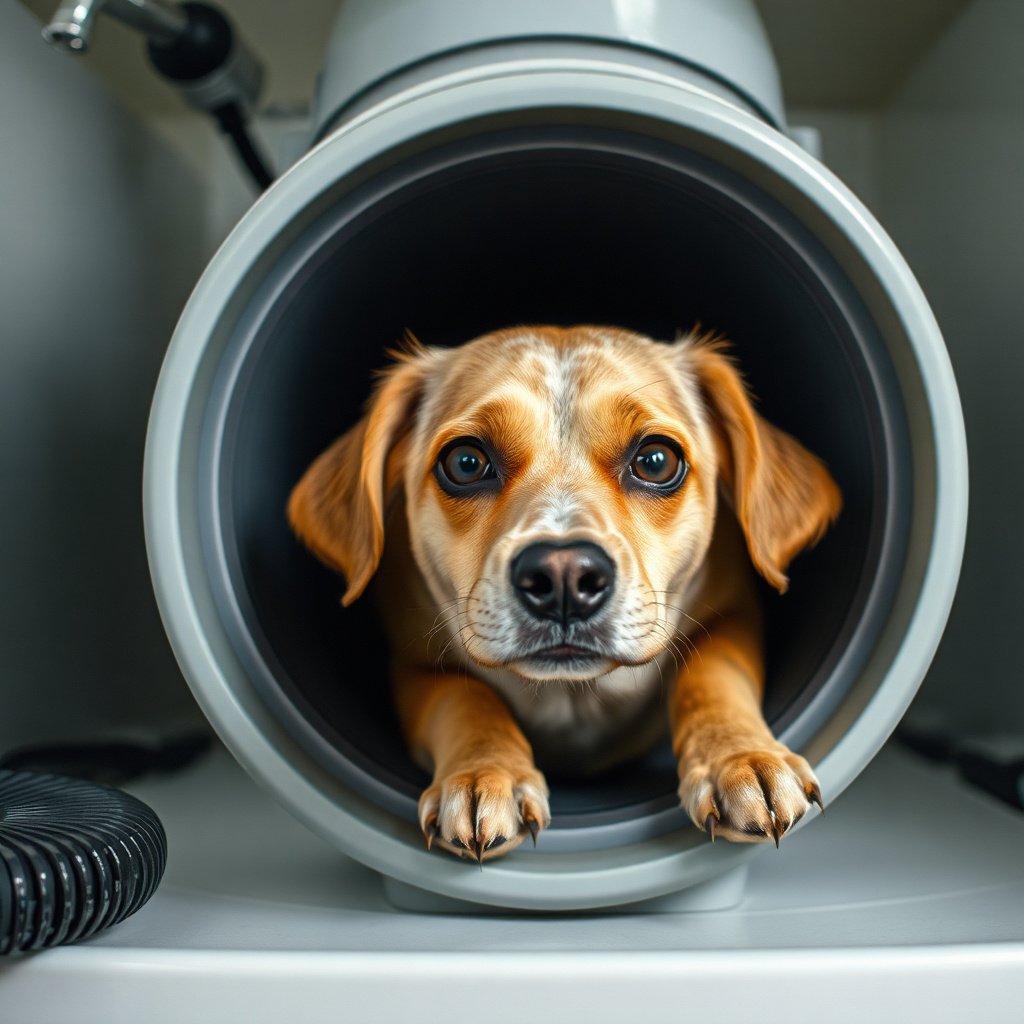
Dogs have more sensitive hearing than humans, making the sound of a hair dryer potentially frightening. The varying volume and high-pitched whine can be interpreted as threatening, causing anxiety.
Additionally, the warm air blowing close to their skin can trigger discomfort or surprise, especially if introduced suddenly without warning. Recognizing these sensitivities helps tailor a gentle approach.
Signs Your Dog is Stressed by the Hair Dryer
Watch for behaviors like backing away, trembling, panting, licking lips, yawning, or trying to hide when the dryer comes out. These signals indicate your dog feels uneasy and may need more time to adjust.
Understanding your pet's body language during grooming allows you to proceed at a pace that encourages positive associations rather than fear.
Preparing the Environment for Hair Dryer Introduction
Choosing the Right Hair Dryer and Settings
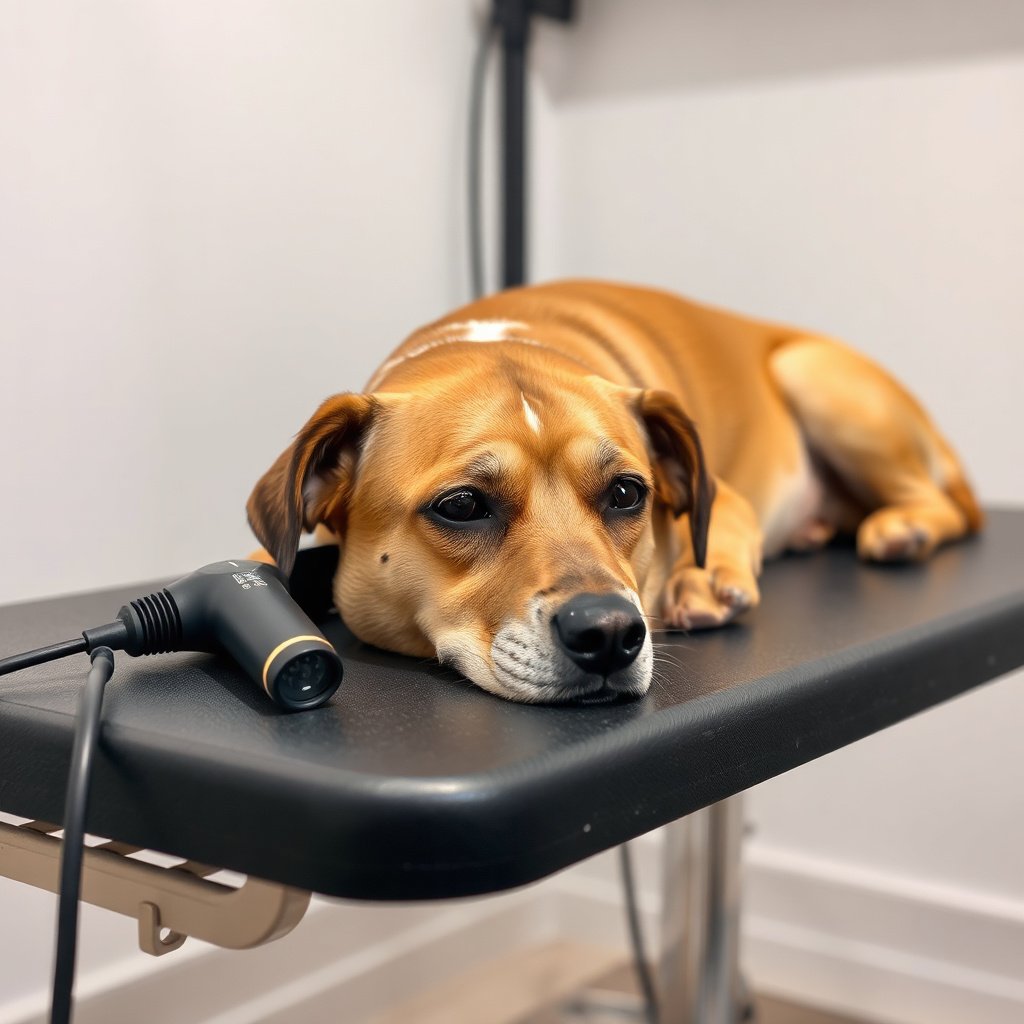
Select a quiet hair dryer designed for pets or one with adjustable speeds and temperature controls. Starting with the lowest airflow and warmest, not hot, temperature helps reduce sensory overload.
Using a diffuser attachment can soften airflow and prevent hot spots from accumulating on the dog's skin.
- Quiet motor
- Variable heat settings
- Diffuser attachment
Creating a Comfortable Grooming Space
Set up the grooming area in a familiar, low-traffic spot free from distractions. Place your dog on a stable surface with their favorite blanket or mat to promote relaxation.
Have treats and toys on hand to reward calm behavior and build a positive relationship with the drying process.
Step-by-Step Training to Get a Dog Used to the Hair Dryer
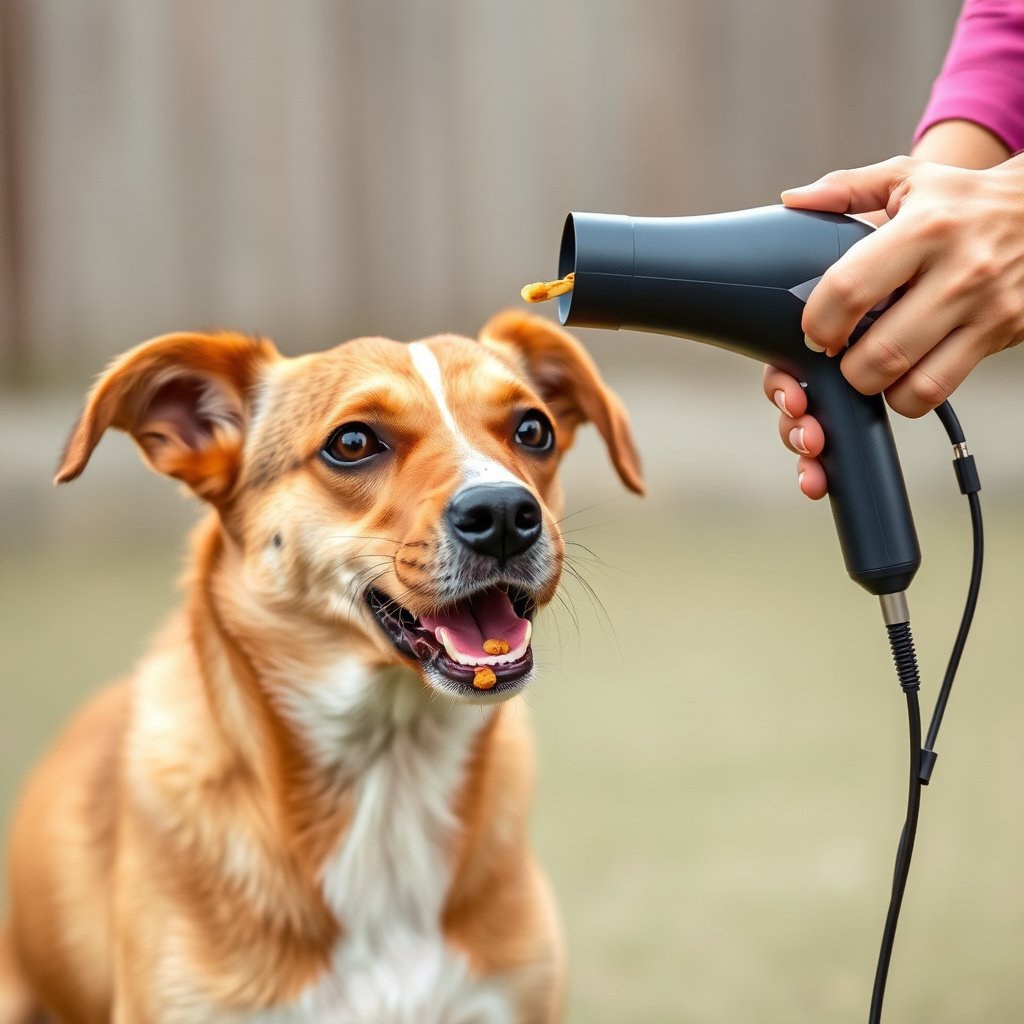
Introducing the Dryer Without Noise
Begin by simply placing the hair dryer near your dog without turning it on. Allow sniffing and interaction while offering treats and gentle praise. Repeat until your dog seems relaxed around the dryer at rest.
This step ensures your dog does not associate the device purely with loud or scary experiences.
- Let dog explore dryer
- Offer treats regularly
- Use calm voice
For more on this, see our related guide: Why Does My Dog Shake After a Bath? 8 Key Reasons and Solutions.
Turning the Dryer On at a Distance
After comfort with the off dryer, turn it on at the lowest setting, holding it several feet away. Observe your dog's reaction and reward calmness immediately.
Gradually reduce distance in short increments during multiple sessions, never forcing proximity if the dog shows signs of stress.
- Start at 4-5 feet
- Short exposure intervals
- Praise and treats for calm
Advanced Desensitization and Positive Reinforcement Techniques
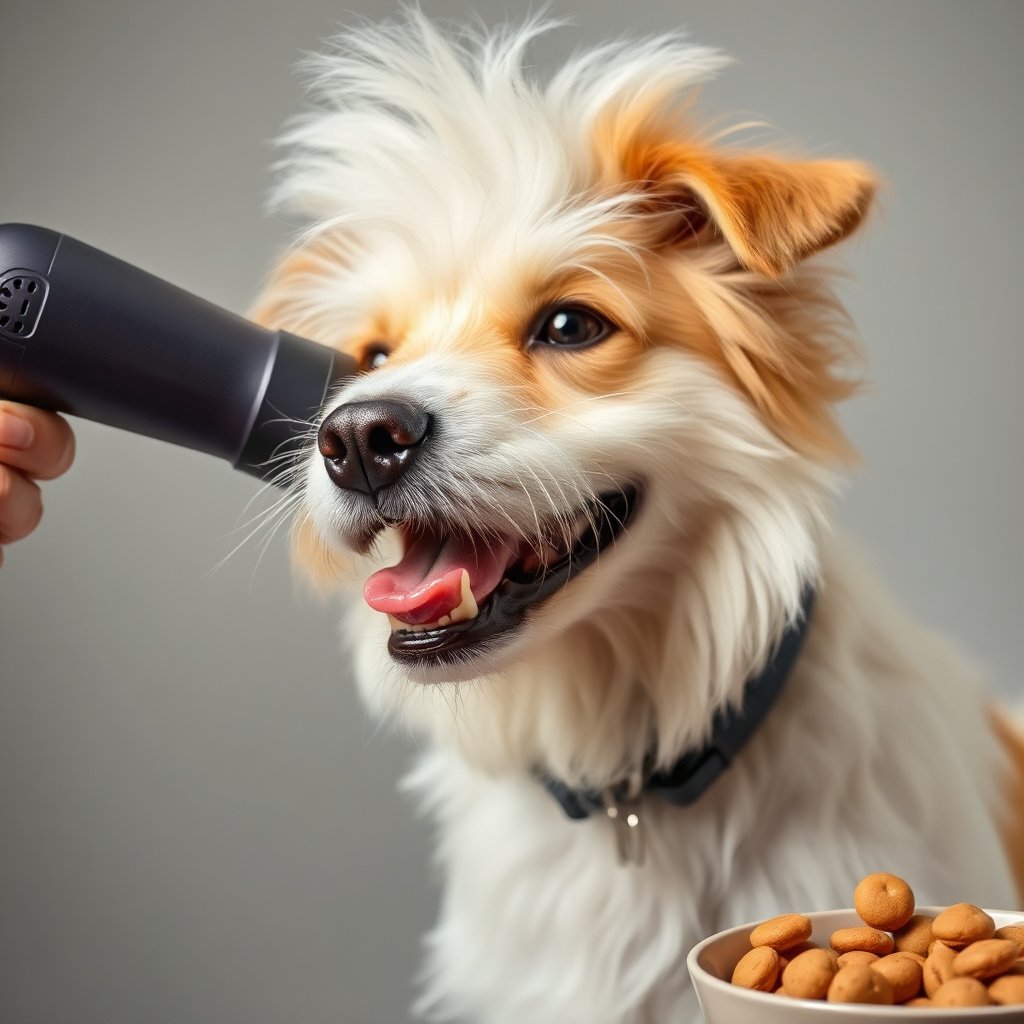
Practicing Gentle Drying Sessions
Once your dog is comfortable near a running dryer, begin short bursts of blowing air directed at less sensitive areas like the back or sides. Keep sessions brief and paired with food rewards.
Slowly increase duration over several days to build tolerance, always prioritizing your dog's comfort and stopping if anxiety returns.
Using Clicker Training to Reinforce Positive Associations
Clicker training can mark desirable behaviors, such as staying calm near the dryer. Clicking and rewarding small steps toward tolerance helps speed the learning process.
This method strengthens your dog's confidence by clearly linking calmness and cooperation with positive outcomes.
Alternatives if Your Dog Remains Fearful of the Hair Dryer
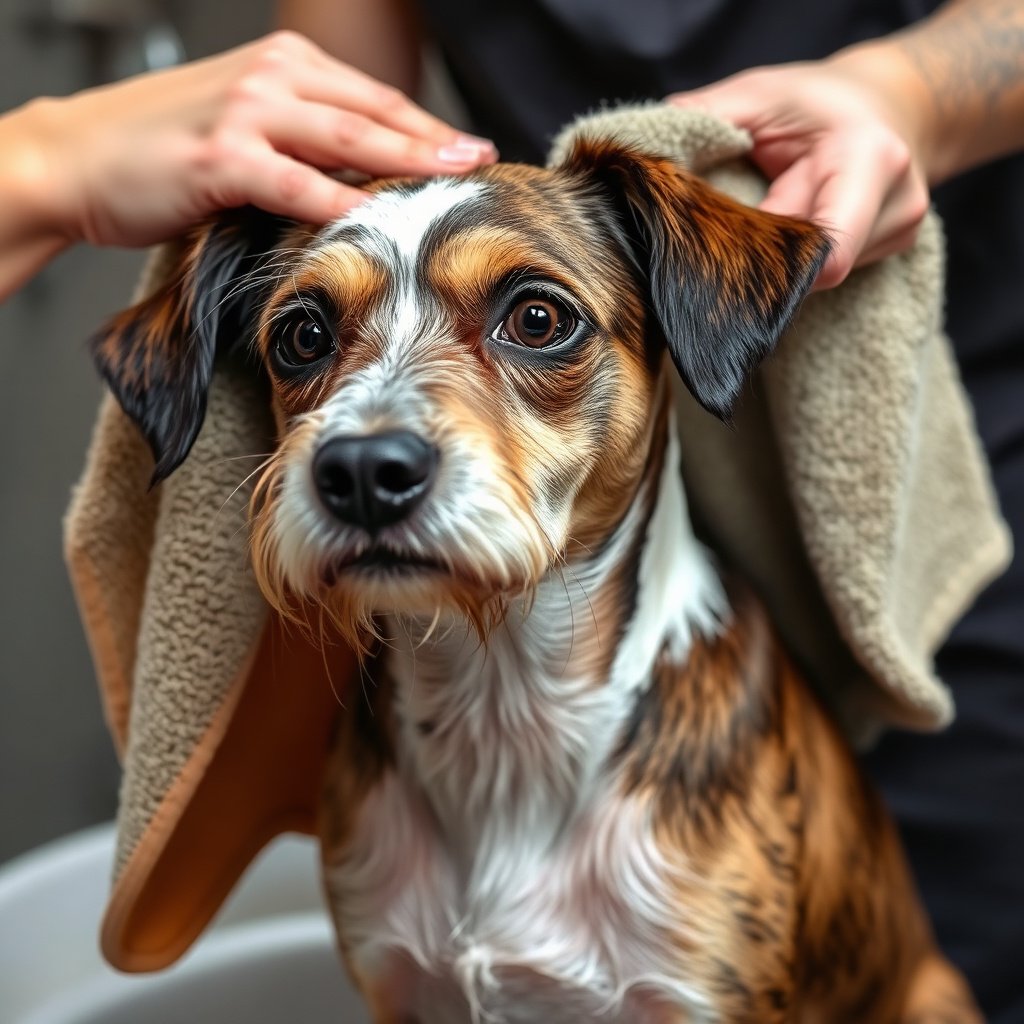
Using Towels and Air Drying
For dogs who never acclimate to the hair dryer, thorough towel drying and allowing them to air dry in a warm room can be less stressful. This method takes longer but avoids noise anxiety.
Regular brushing during drying improves comfort and speeds evaporation.
- Choose highly absorbent towels
- Brush hair gently throughout
For more on this, see our related guide: How Many Baths Does a Dog Need? A Complete Guide to Bathing Frequency.
Professional Groomers with Pet-Friendly Equipment
Some grooming salons use specialized quiet dryers or drying kennels designed for sensitive dogs. A professional environment with experienced handlers can reduce stress.
Consult your groomer about options if your dog struggles with standard drying methods.
Safety Considerations When Using a Hair Dryer on Dogs
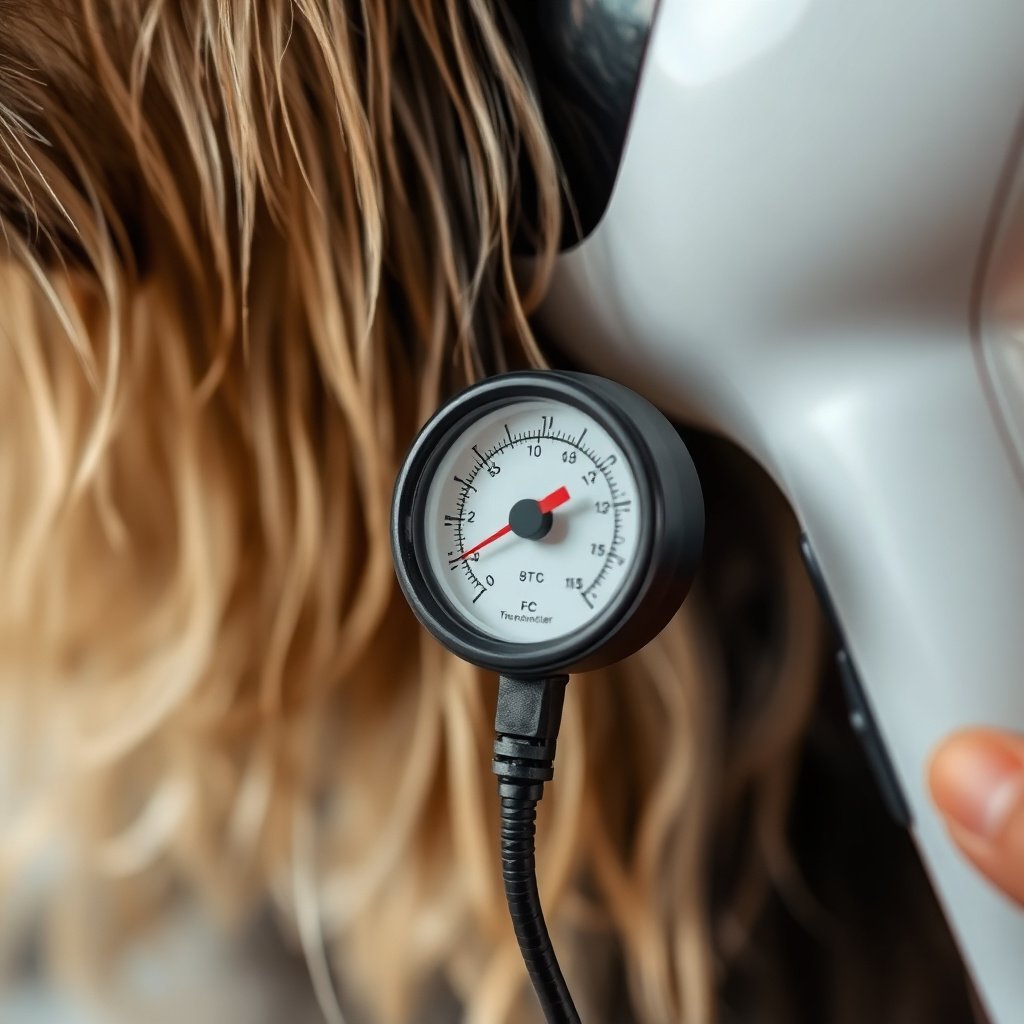
Avoiding Burns and Overheating
Always keep the dryer moving and maintain a safe distance from your dog's skin to prevent hot spots or burns. Use the coolest heat setting that effectively dries your dog's coat.
Monitor the dog's response regularly and stop immediately if they seem uncomfortable.
- Keep dryer 6-8 inches away
- Continuous motion to avoid heat buildup
- Check skin temperature frequently
For a broader understanding of grooming practices, including drying techniques, you can explore dog grooming on Wikipedia. dog grooming on Wikipedia.
Preventing Ear and Eye Damage
Avoid directing airflow into the dog's ears or eyes, as the air pressure or heat could cause irritation or injury. Use attachments or hold the dryer at an angle to keep air away from sensitive areas.
If needed, use cotton balls in ears or eye protection designed for dogs.
- Angle dryer away from head
- Use ear protection if needed
Dog Hair Dryers Category Comparison
Here’s a comparison of common types of hair dryers used for dogs, highlighting noise levels, heat control, and suitability for sensitive pets.
| Type | Noise Level (dB) | Heat Settings | Recommended Use |
|---|---|---|---|
| Pet-specific Quiet Dryer | 50-60 | Multiple, low to moderate | Sensitive dogs, professional grooming |
| Standard Home Dryer | 70-85 | High heat with limited adjustment | Occasional home grooming, less sensitive dogs |
| Cage Drying System | 55-65 | Warm air circulation | Multiple dogs, professional salons |
| Air-Only Blower | 45-55 | No heat, only airflow | Hot weather drying or heat-sensitive dogs |
Frequently Asked Questions
How often should I use a hair dryer on my dog?
Use a hair dryer only when necessary, such as after baths. Over-drying can irritate the skin, so limit use to drying damp fur and avoid daily sessions.
Can I use a human hair dryer on my dog?
While possible, human dryers often have higher noise and heat levels, which may stress pets. Using a pet-specific or quiet model is safer and more comfortable.
What if my dog is scared of the dryer despite training?
If training doesn’t help, opt for towel drying or air drying. Consult a professional groomer who offers quieter drying options to reduce stress.
Is it safe to dry my dog's ears with a hair dryer?
Direct heat and airflow into the ears should be avoided as it may cause irritation. Use low heat at a distance and consider protecting the ears with cotton balls if recommended by your vet.
Key Takeaways
- Introduce the hair dryer gradually with the device off first
- Use quiet, adjustable dryers for a gentler experience
- Pair drying with treats and calm praise to build positive associations
- Alternatives like towel drying can reduce stress if fear persists
Conclusion
Introducing a dog to the hair dryer requires patience and an understanding of canine sensitivities to sound and heat. The best way to get a dog used to the hair dryer involves slow desensitization paired with positive reinforcement, allowing your pet to become comfortable on their own timeline. By observing your dog's reactions and adjusting your approach accordingly, you facilitate a stress-free grooming experience that benefits both pet and owner.
For dogs that tolerate it well, quiet, pet-specific hair dryers provide control over airflow and temperature, making drying safer and more pleasant. Those with persistent anxiety may benefit from alternative methods like thorough towel drying combined with air drying. Professional groomers often have specialized equipment for sensitive dogs, offering effective options if home methods fall short. Consider these varied approaches to match your dog's unique needs and temperament.
The practical next step is to start small: allow your dog to explore the hair dryer switched off in a comfortable space and reward calm behavior. Gradually introduce sound and airflow according to your dog's cues. If challenges arise, seek advice from grooming professionals or veterinarians who can provide tailored strategies. This gradual, kind method ensures your dog adapts to grooming routines with less distress, making care easier over the long term.