Why Does My Dog Get Matted So Fast? Understanding and Preventing Dog Matting
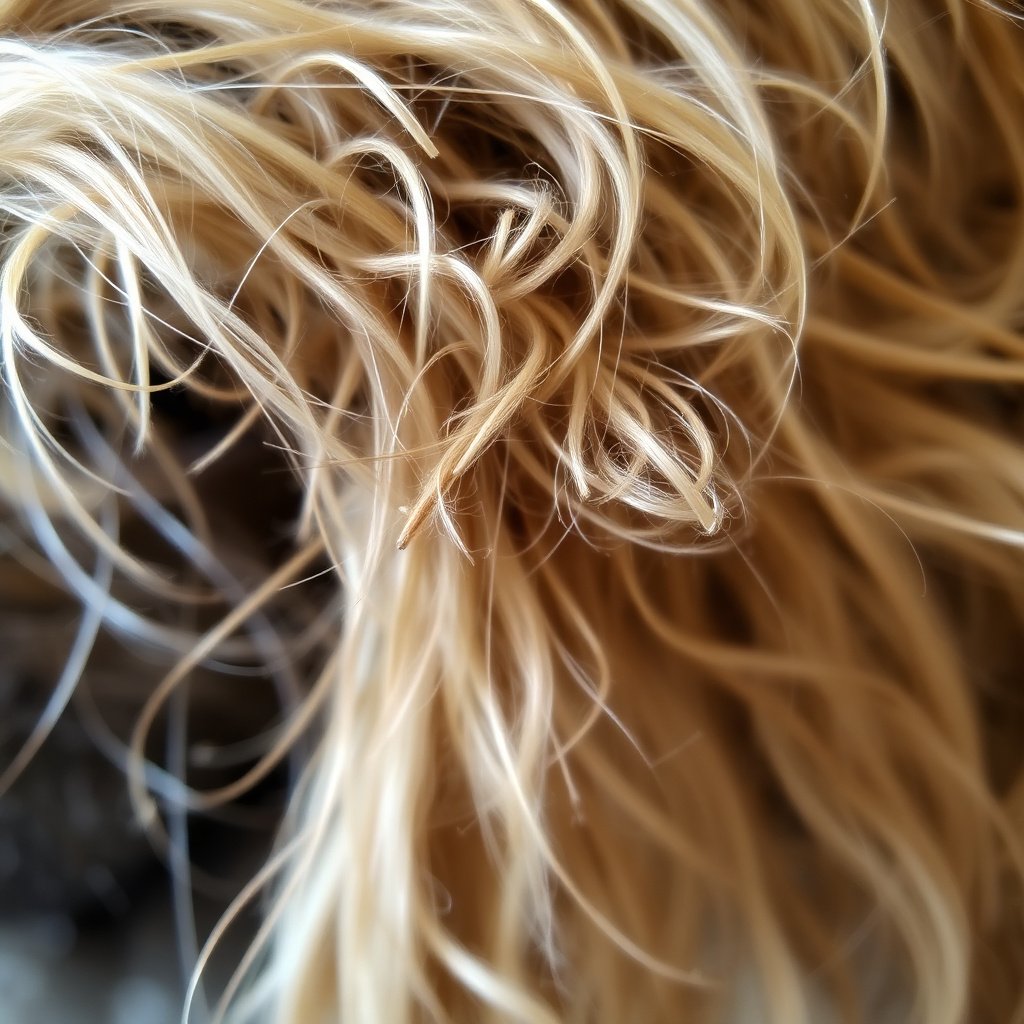
Your dog getting matted quickly primarily happens because of their coat type, lifestyle, and grooming routine. Certain breeds with long, dense, or curly fur are more prone to matting. When hair tangles and forms tight clumps, it leads to mats that can form surprisingly fast without proper brushing or care.
Matted fur is more than just a cosmetic issue; it can cause discomfort, skin irritation, and even infections if left untreated. Understanding why your dog’s fur tangles so quickly helps you address the problem before it worsens, keeping your pet more comfortable and healthy.
This article explores the main reasons behind fast matting in dogs, including coat types and grooming habits. It also offers practical advice on how to prevent matting through regular grooming, proper bathing, and helpful tools. By the end, you’ll have actionable dog grooming tips to maintain a tangle-free coat.
Common Causes of Rapid Matting in Dogs
Coat Types Prone to Matting
Dogs with long, curly, or dense double coats tend to get matted more easily. Breeds like Poodles, Cocker Spaniels, and Shih Tzus have fur that can tangle tightly when not maintained. This fur texture naturally traps dirt and debris, which encourages mats to form.
Additionally, coats that aren't regularly brushed allow natural oils to build up, causing hair strands to clump together. If the coat is left wet or exposed to friction, like rubbing against furniture or collars, matting accelerates.
- Long and curly fur breeds are most at risk
- Double coats with soft underfur tangles easily
- Coats exposed to friction mat faster
Lifestyle Factors That Speed Up Matting
Active dogs that spend lots of time outdoors or in dirt and wet conditions often develop matting faster due to debris getting caught in their fur. Rolling in grass, mud, or leaves all contribute to tangling.
Neglecting regular grooming sessions or skipping baths also leads to mats forming. Moisture can cause hair to stick together, especially if a dog isn't dried thoroughly. Wearing tight collars or harnesses can create pressure points where mats form rapidly.
- Dogs exposed to dirt and moisture mat quicker
- Infrequent grooming encourages tangles
- Tight collars contribute to localized matting
Grooming Techniques to Prevent Fast Matting
Effective Brushing Methods
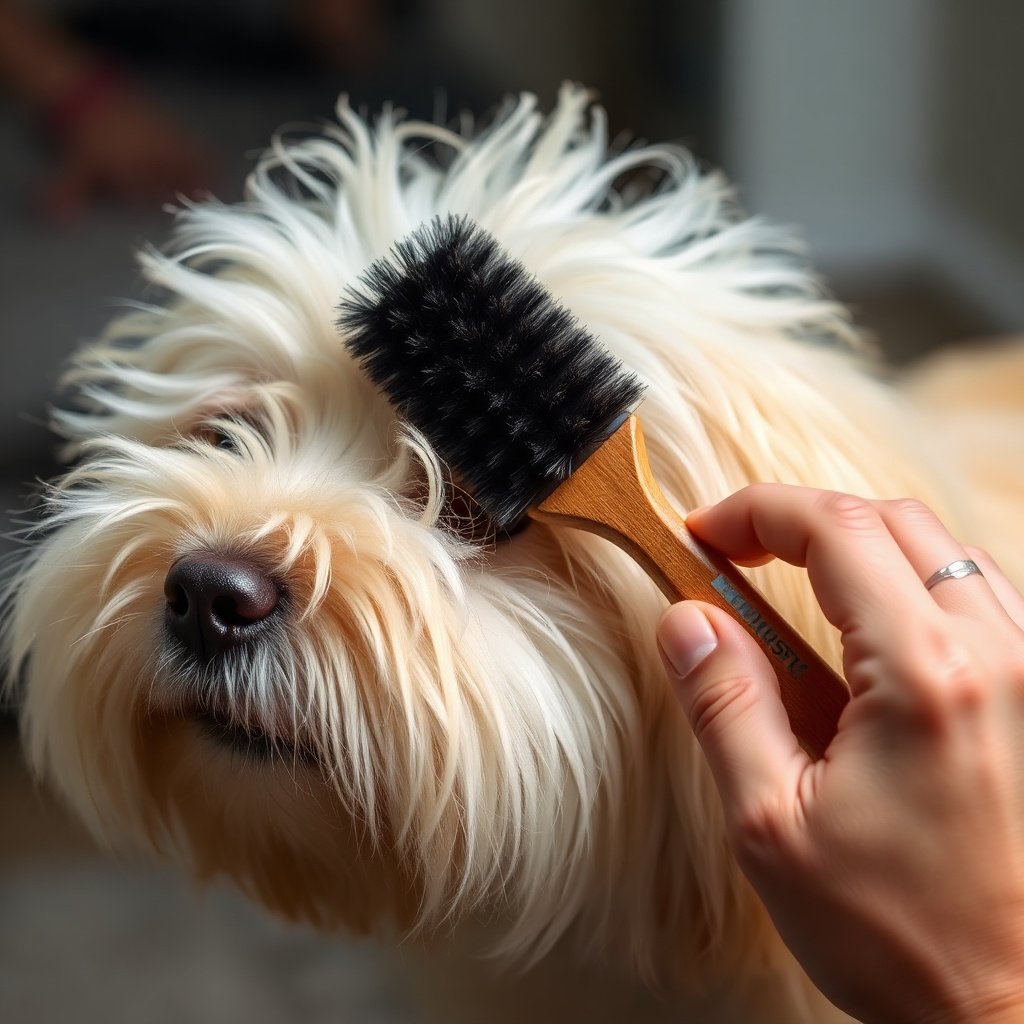
Daily brushing is key for breeds prone to quick matting. Use brushes suited for your dog’s coat type, such as slicker brushes for curly coats or pin brushes for long straight hair. Begin from the skin, brushing gently to detangle without pulling.
Regular brushing removes loose hair and prevents mats from tightening. Focus on common trouble spots like behind ears, under legs, and around the collar area. Consistency in brushing frequency maintains a smooth, healthy coat.
- Use breed-appropriate brushes
- Brush daily to prevent tangles
- Target common matting areas
For more on this, see our related guide: How Many Baths Does a Dog Need? A Complete Guide to Bathing Frequency.
Bathing and Drying Best Practices
Frequent baths help keep your dog's fur clean, preventing dirt buildup that encourages matting. Use a gentle dog shampoo suited for their skin sensitivity, and rinse thoroughly to avoid residues.
Dry your dog completely after bathing with towels and low-heat blow dryers to remove moisture. Wet fur mats easily, so speed and care during drying reduce the risk of tangling.
- Use mild shampoos for sensitive skin
- Rinse thoroughly to avoid residue
- Dry coat fully to prevent matting
Tools and Products to Manage and Prevent Dog Matting
Essential Grooming Tools
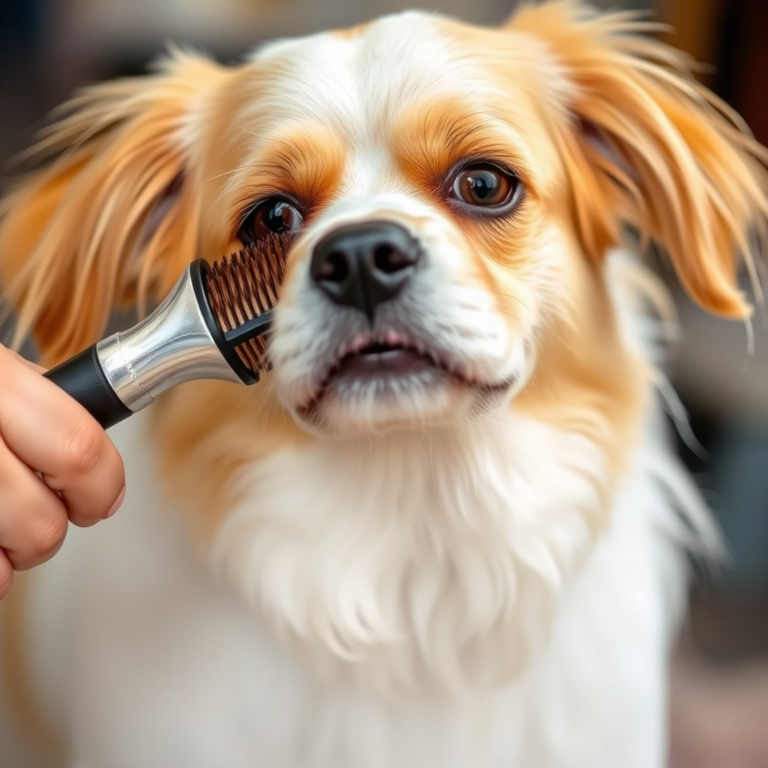
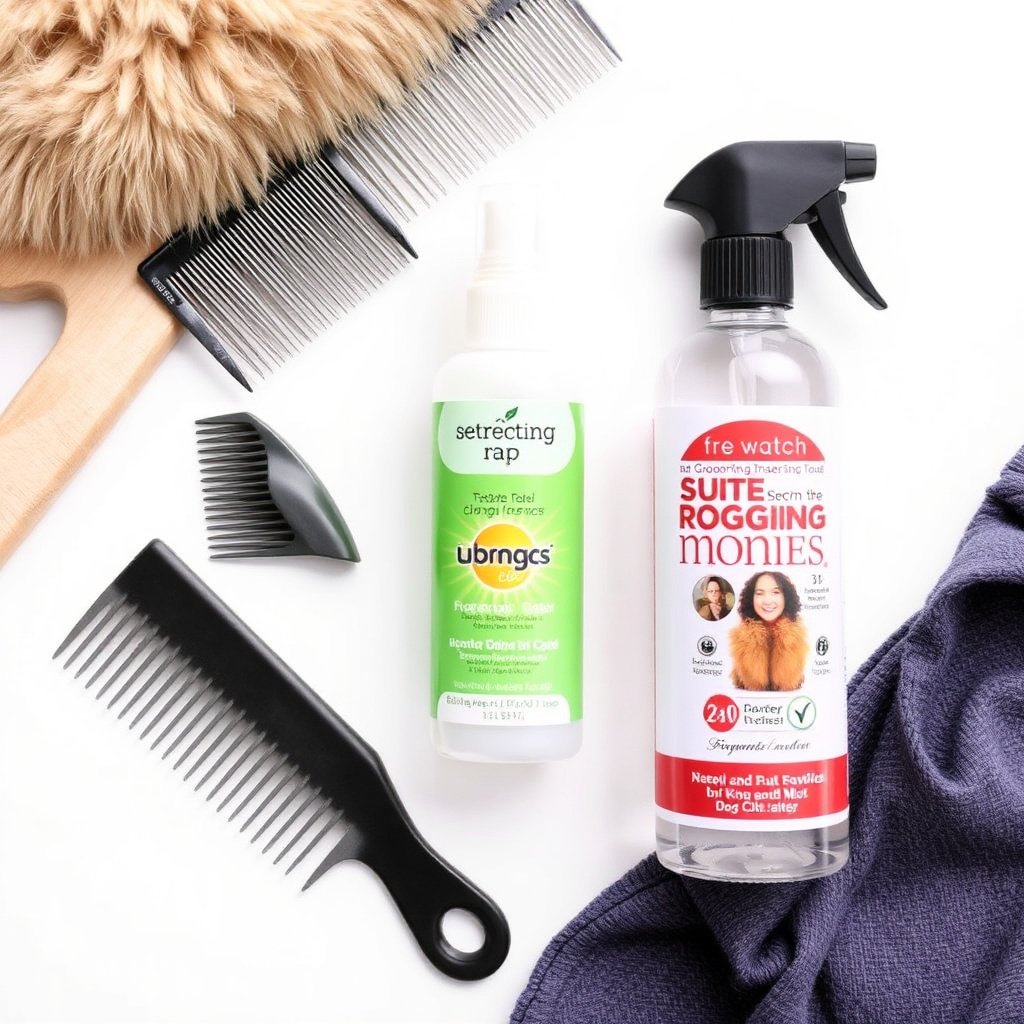
Certain tools specialize in preventing and breaking down mats. A dematting rake or comb can gently cut through tougher clumps without hurting the dog. Slicker brushes remove loose hairs that contribute to tangling.
Regular use of these tools adapts to your dog's coat changes throughout seasons, especially when shedding. Investing in quality grooming tools enhances your dog grooming routine effectively.
- Dematting rake for tough knots
- Slicker brush for loose undercoat
- Pin comb for sensitive areas
Detangling Sprays and Conditioners
Detangling sprays help loosen knots by lubricating the hair strands, making brushing less painful and more efficient. These sprays often contain moisturizing ingredients that improve fur softness and manageability.
Conditioners also maintain coat health and reduce friction that causes mats. Using these products regularly supports daily dog grooming tips by minimizing new mat formation.
- Use spritz before brushing to ease tangles
- Conditioners promote healthier, softer coat
- Choose products safe for dogs
When Professional Grooming is Necessary
Signs You Need a Groomer
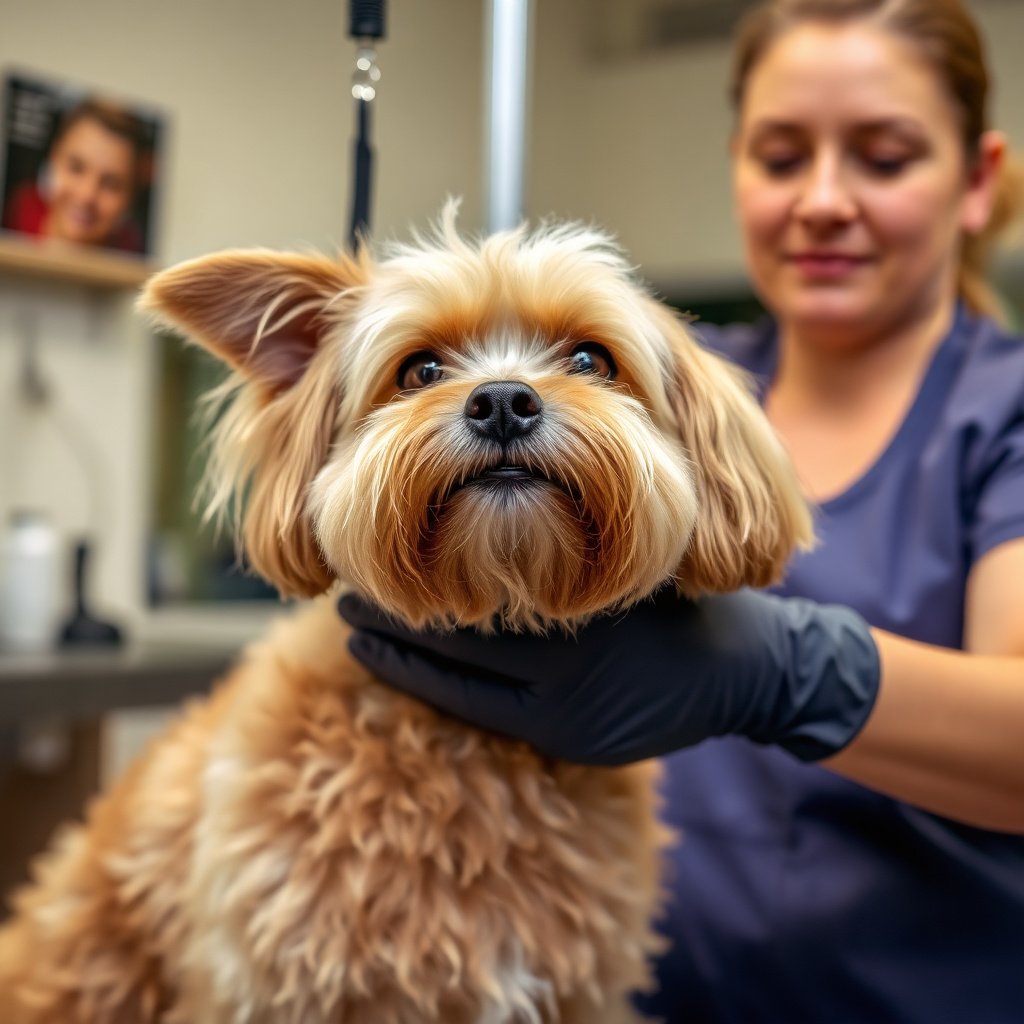
If mats become severe or cover large areas, professional grooming is essential. Tight mats can trap moisture against skin causing infections, so removal must be careful and sometimes requires trimming.
Professional groomers have specialized equipment and experience to safely detangle without harming your dog. They can also advise on a suitable maintenance routine tailored to your dog’s coat.
- Large or painful mats present
- Skin irritation or sores under mats
- Difficulty detangling at home
For more on this, see our related guide: Should You Brush a Dog Before a Bath? Proven Benefits and How-To Guide.
Choosing the Right Groomer
Select groomers familiar with your dog’s breed and coat type to ensure proper care. Checking reviews or asking for recommendations offers insight into grooming quality.
Good groomers communicate clearly about preventive care and post-grooming maintenance. Regular appointments combined with home grooming reduce rapid matting over time.
- Look for breed-specific grooming experience
- Verify reviews or seek recommendations
- Ensure clear communication about care
Diet and Health’s Effect on Fur Condition

Impact of Nutrition on Coat Health
A balanced diet rich in omega fatty acids, vitamins, and minerals is key for a healthy, resilient coat. Poor nutrition can make fur brittle, dry, and more prone to matting since weak hair tangles more easily.
Supplements like fish oil can support skin hydration and fur strength. Always consult your vet before adding supplements to ensure suitability for your dog’s needs.
- Include omega-3 and omega-6 fatty acids
- Vitamins A and E improve fur condition
- Vet consultation before supplements
For more detailed information about different dog coat types and grooming methods, see this resource on dog coat types and grooming. dog coat types and grooming.
Health Issues Contributing to Fur Problems
Underlying health issues such as allergies, parasites, or skin infections can cause excessive scratching or hair loss, resulting in uneven mats or fur clumping. Veterinary diagnosis and treatment are required in these cases.
Regular vet check-ups help catch problems early, avoiding long-term skin damage that promotes matting. Healthy skin leads to a smooth, mat-resistant coat.
- Allergies cause irritation and hair loss
- Parasites like fleas increase scratching
- Routine vet check-ups prevent issues
Types of Dog Coats and Their Matting Tendencies
This table compares common dog coat categories with how quickly they mat and recommended grooming frequency to manage matting.
| Coat Type | Matting Speed | Recommended Grooming Frequency | Typical Tools Used |
|---|---|---|---|
| Long and Curly | Fast | Daily brushing | Slicker brush, dematting rake |
| Short and Smooth | Slow | Weekly brushing | Bristle brush, rubber mitt |
| Double Coat (Dense Undercoat) | Moderate | 3-4 times per week | Undercoat rake, pin brush |
| Wirehaired | Moderate | Weekly brushing + hand stripping | Slicker brush, stripping knives |
| Silky and Fine | Fast | Daily brushing | Pin brush, detangling spray |
Frequently Asked Questions
How often should I brush my dog to prevent matting?
Brushing frequency depends on your dog's coat type. Long or curly coats need daily brushing, while short coats require brushing once a week or as needed to prevent tangles.
Can mats be removed at home without hurting my dog?
Small mats can be safely detangled at home with patience, proper tools, and detangling spray. However, tight or extensive mats are best handled by a professional groomer to avoid injury.
Does bathing help with matting issues?
Bathing keeps the coat clean and can loosen tangles, but wet fur mats more easily if not dried properly. Always dry your dog thoroughly after bathing and brush immediately to prevent mats.
Are certain dog breeds more prone to matting?
Yes, breeds like Poodles, Bichon Frises, and Shih Tzus have coat types that tend to mat faster due to their curly or dense fur requiring regular grooming.
What health problems might cause rapid matting?
Skin issues like allergies, parasites, or infections can increase scratching and disrupt normal hair growth, leading to matting. A vet visit helps diagnose and treat underlying problems.
Key Takeaways
- Certain coat types naturally mat faster and need more frequent care
- Regular brushing and drying are essential to keep fur tangle-free
- Using the right grooming tools and products reduces mat formation
- Health and diet significantly affect fur quality and matting
Conclusion
Understanding why your dog gets matted so fast involves evaluating their coat type, lifestyle, and grooming habits. By identifying these factors, you can implement an effective care routine that minimizes matting and enhances your pet’s comfort. Consistent maintenance is the key to preventing painful mats and preserving healthy fur.
If you have a breed with long, curly, or dense coats, daily brushing combined with the use of dematting tools and detangling sprays will be beneficial. For dogs with double coats, grooming 3-4 times a week and seasonal shedding care are advisable. Regular professional grooming should supplement home care when mats become difficult to manage.
Start by adopting daily grooming habits such as appropriate brushing and bathing, using recommended dog grooming tips tailored to your dog's coat. If matting persists or worsens, consult a professional groomer or your vet to address potential underlying health issues. Taking these steps will help ensure your dog's coat stays healthy and mat-free.