Why Does My Dog Have a Limp After Grooming? Causes and Solutions
If your dog starts limping right after a grooming session, it’s likely due to a few possible causes like injury, stress, or irritation related to the grooming process. Limping after grooming can happen if your dog got a small cut, a nail was clipped too short, or the handling during grooming strained a muscle or joint.
This kind of limp matters because it may indicate pain or discomfort that requires attention to prevent worsening conditions. Grooming is supposed to improve your dog’s comfort and hygiene, so when a limp appears afterward, it signals something went wrong either physically or behaviorally during the grooming.
In this article, we will explore common reasons why dogs limp after grooming, how to identify the underlying cause quickly, what you can do at home to provide relief, and when to seek veterinary advice to protect your dog’s health.
Common Physical Causes of Limping After Grooming
Nail Injuries and Trimming Mistakes
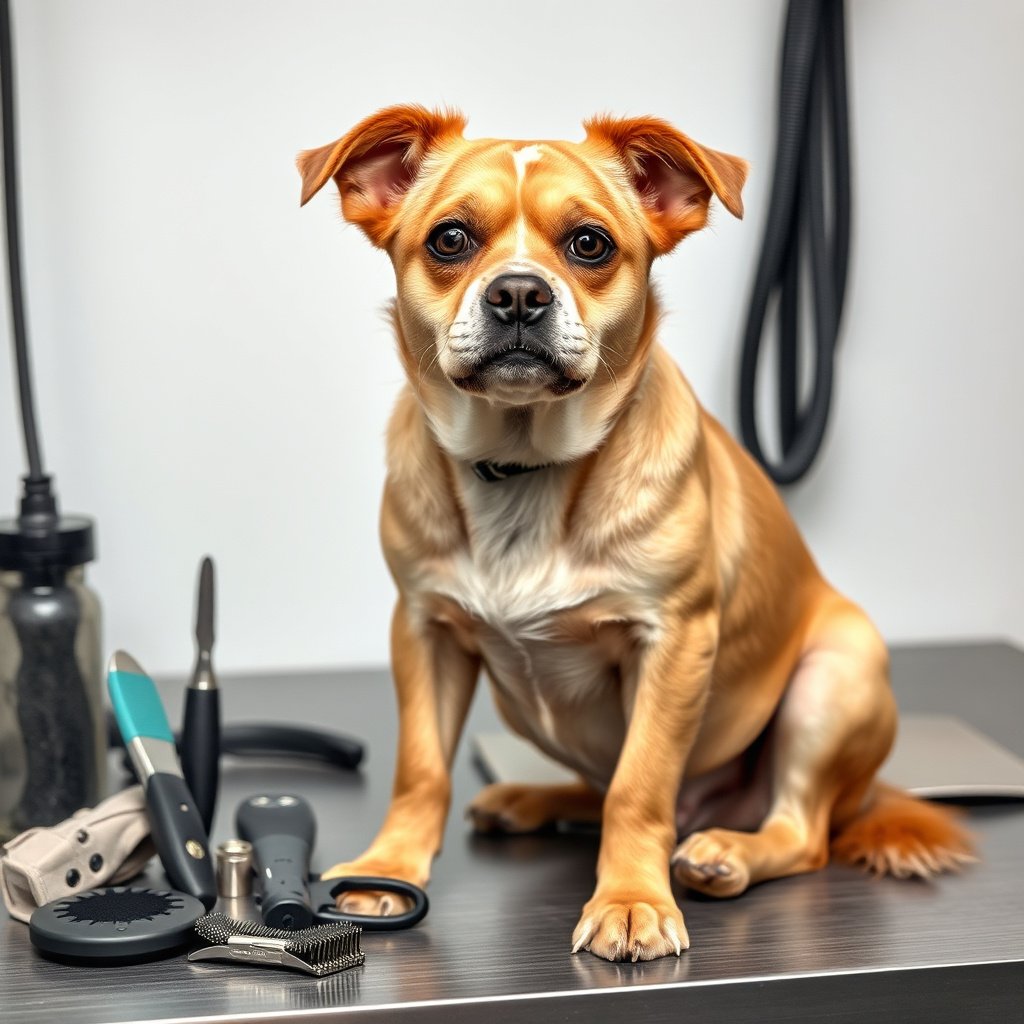
One of the most frequent reasons dogs limp after grooming is nail-related injuries. Clippers can cut nails too short, causing bleeding, pain, and sensitivity while walking. Even minor cuts to the quick, the area within the nail containing blood vessels, can lead to limping during weight-bearing.
Additionally, grooming can involve walking or standing on slippery surfaces, which might strain toes or claws, especially if nails are jagged or improperly trimmed, causing discomfort that translates to a limp.
- Accidentally cutting into the quick
- Jagged or broken nails after trimming
- Strains from standing on slippery grooming tables
Muscle or Joint Strain from Grooming Movements
During grooming, dogs are often handled in ways they aren’t used to—being lifted, stretched, or held still can cause strain on muscles, joints, or ligaments, especially in older dogs or those with pre-existing arthritis.
Sudden movements or awkward positioning on grooming tables can also cause pinches or sprains that show up as limping soon after the session ends, particularly if grooming took longer than usual.
- Excessive stretching or lifting
- Holding the dog in uncomfortable postures
- Underlying arthritis aggravated by grooming
Skin and Paw Pad Irritation That Leads to Limping
Allergic Reactions to Grooming Products
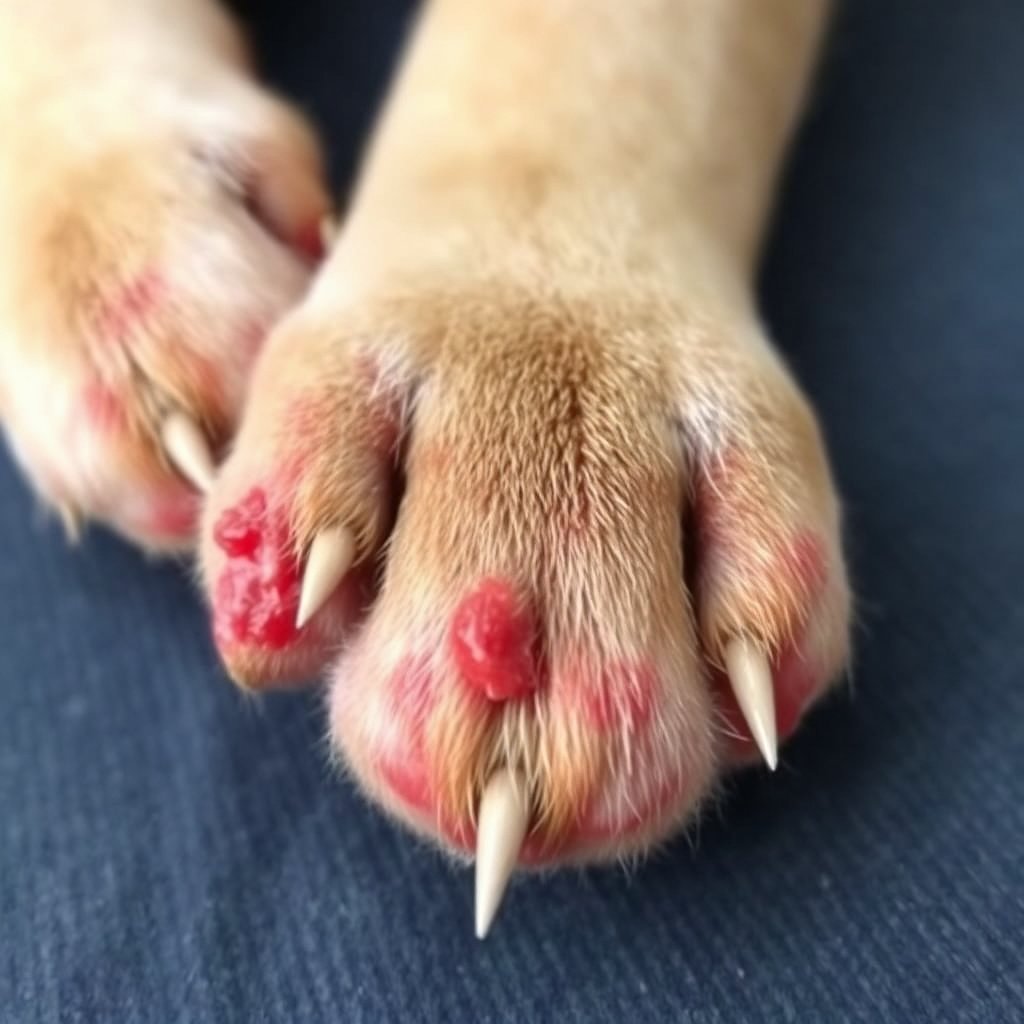
Some grooming shampoos or conditioners contain chemicals or fragrances that can trigger allergic reactions on your dog’s skin or paws. This irritation can make paw pads tender or inflamed, causing your dog to hesitate to put weight on a limb, leading to limping.
Symptoms may include redness, swelling, or itching, usually visible shortly after the grooming session. Identifying this cause requires observing your dog’s behavior and examining the skin closely.
- Redness or swelling on paw pads
- Itching or licking at paws
- Sensitivity to certain grooming shampoos
For more on this, see our related guide: Why Does My Dog Shake After a Bath? 8 Key Reasons and Solutions.
Cuts, Abrasions, or Irritation from Grooming Equipment
Poorly maintained grooming tools like dull clippers or rough brushes can cause small cuts or abrasions. These minor wounds may become painful when your dog walks, creating a limp as a response to the discomfort.
Irritation from harsh brushing or tugging can also affect sensitive areas such as between toes, leading to limping post grooming that may not be immediately obvious visually.
- Small nicks or cuts from clippers
- Abrasion from brushes or combs
- Irritation between toes or paw pads
Behavioral and Stress Factors Related to Grooming
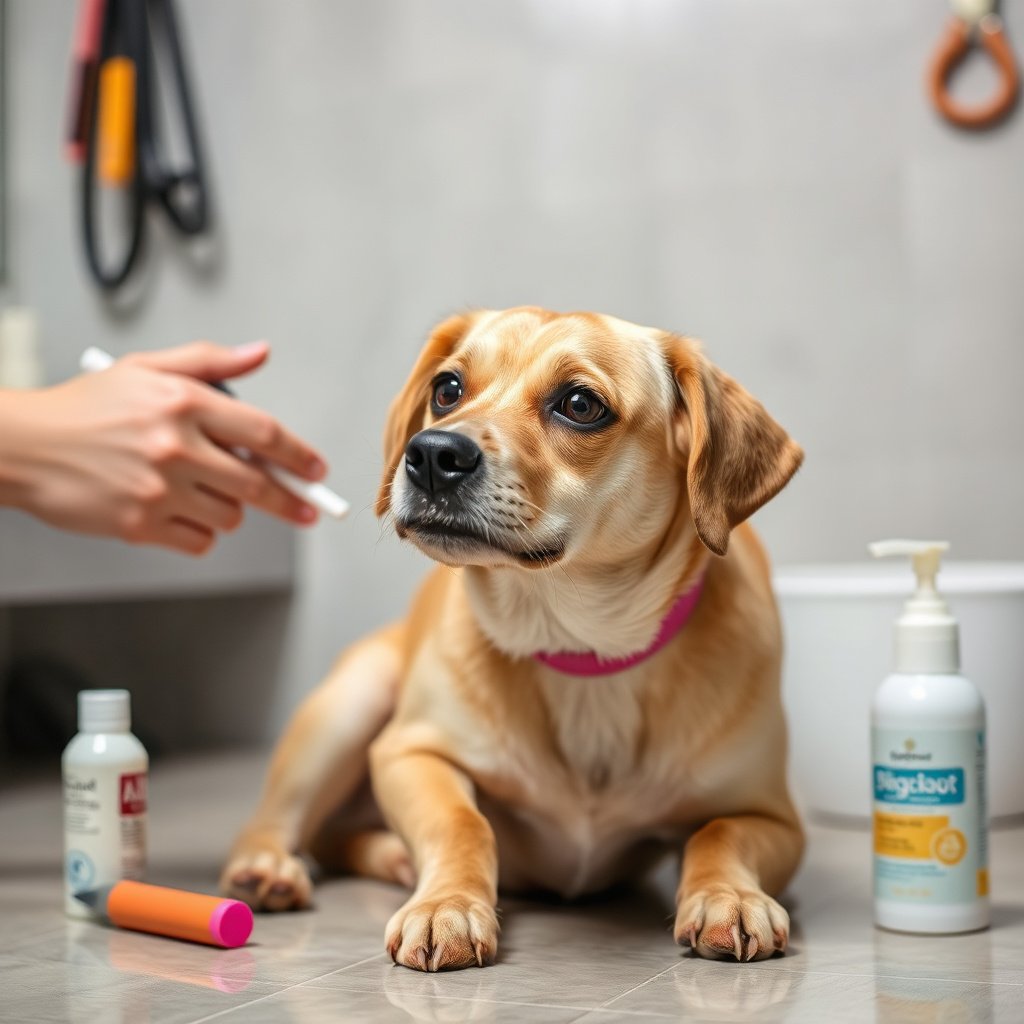
Stress-Induced Limping or Guarding
Some dogs respond to stress by limping or favoring a leg as a self-protective behavior, even when there’s no clear physical injury. Anxiety during grooming, especially unfamiliar or rough handling, can cause this.
Watching your dog’s behavior for signs of stress like trembling, panting, or trying to hide can help determine if the limp is psychological rather than physical.
- Limping without visible injury
- Signs of nervousness or fear during grooming
- Temporary favoring of a limb
Pain Memory from Previous Grooming Experiences
If a dog had painful grooming in the past, they might develop a conditioned response of limping or guarding certain limbs to avoid perceived pain. This can persist even if the current grooming was gentle, reflecting trauma or fear.
Addressing this requires gentle handling and possibly behavior support or training to reduce fear-related limping and stress in future grooming sessions.
- Avoidance of pressure on specific limbs
- Tensing or pulling away during touch
- Need for gentle desensitization
When to Contact Your Veterinarian About a Limp Post-Grooming
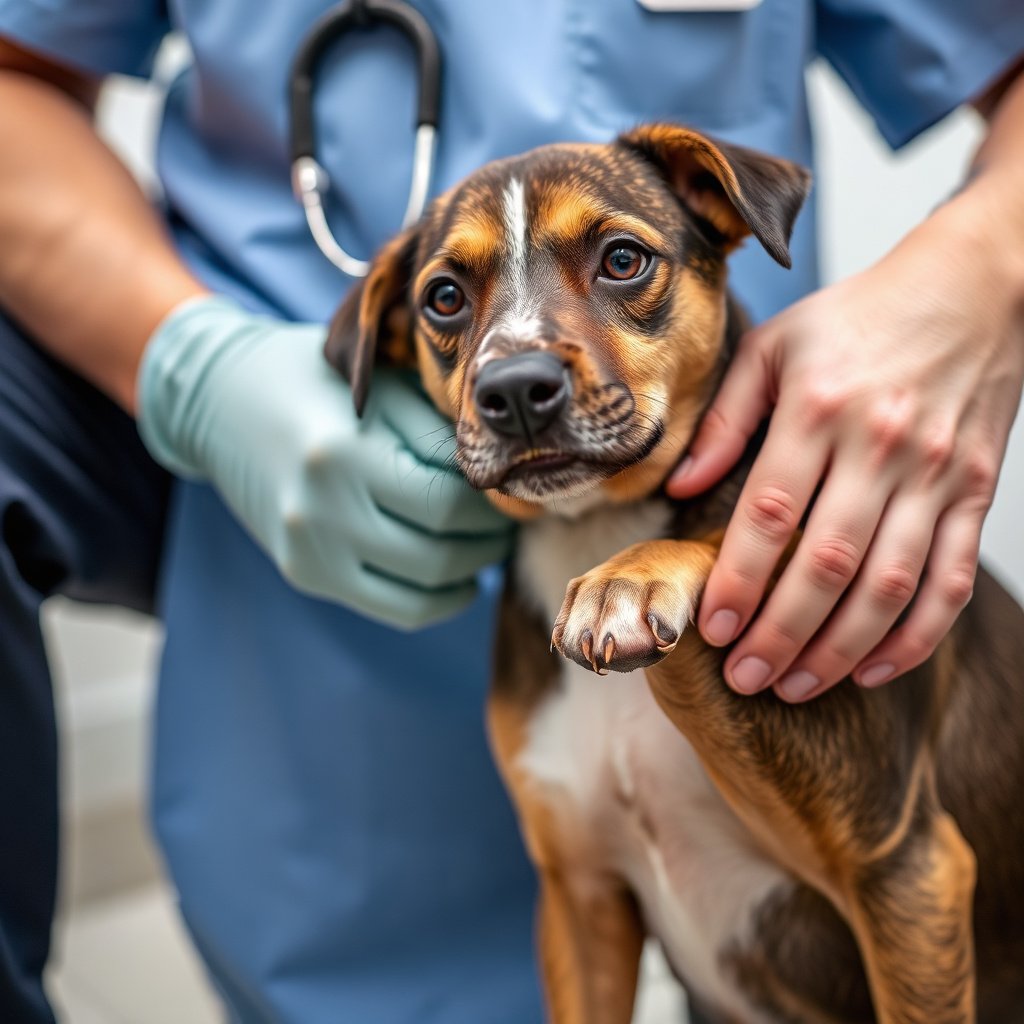
Warning Signs That Warrant Professional Assessment
If the limp persists for more than 24-48 hours, the dog shows swelling, excessive pain, or inability to bear any weight, veterinary examination is necessary to rule out fractures, deep wounds, or serious infections.
Signs like fever, lethargy, or obvious deformities also indicate an emergency requiring prompt medical evaluation to prevent complications.
- Limp lasting longer than two days
- Severe swelling or bleeding
- Signs of systemic illness like fever
For more on this, see our related guide: Why Does My Dog Have Brown Paws? A Complete Guide with Proven Solutions.
Veterinary Treatments and Diagnostic Options
Your vet may perform physical exams, X-rays, or other imaging to identify fractures, sprains, or infections. Treatment might include wound care, pain relief medications, or antibiotics if infection is present.
For behaviorally linked limping, vets can recommend referral to a behaviorist or techniques to manage anxiety and avoid recurring limping post grooming.
- X-rays or imaging for detailed diagnosis
- Pain medication or antibiotics if needed
- Behavior management for anxiety
Preventing Limping Issues During Future Grooming Sessions
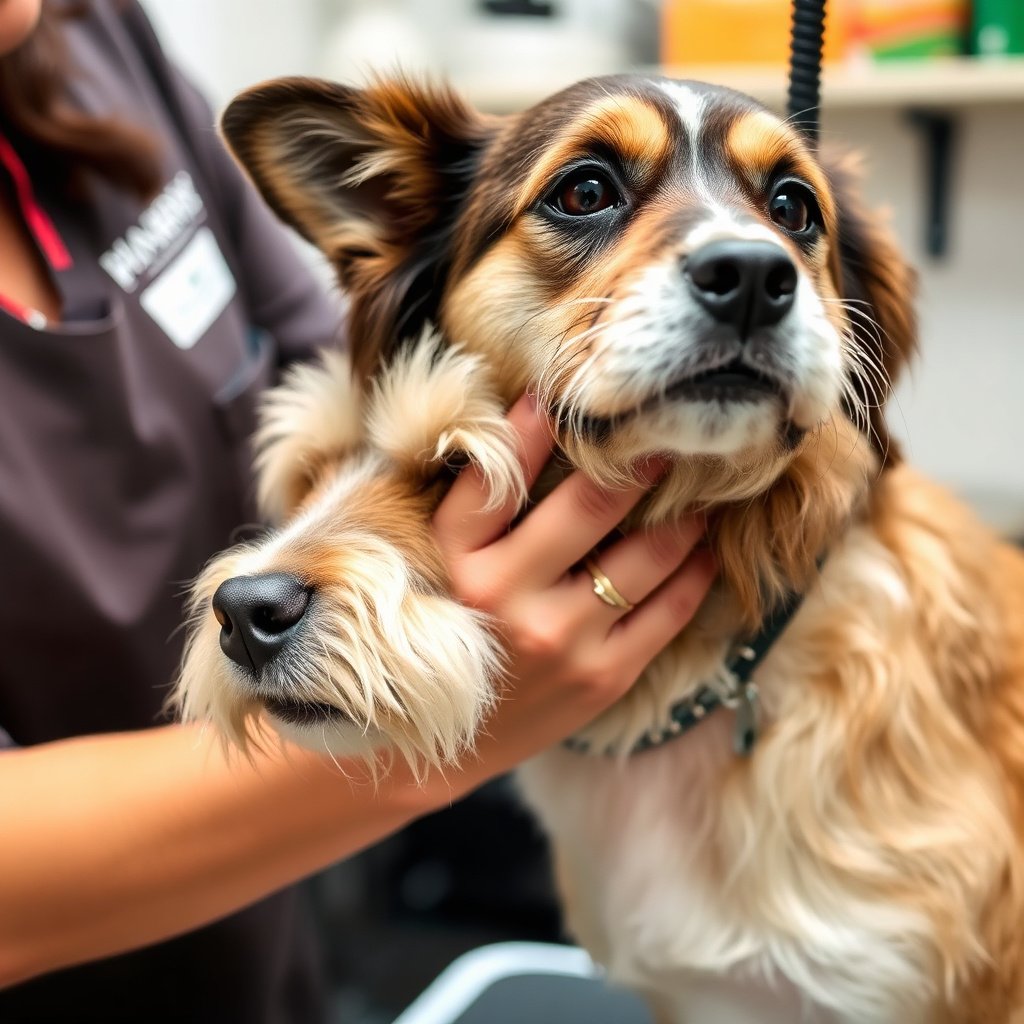
Choosing the Right Groomer and Tools
Selecting a groomer experienced with your dog’s breed and temperament reduces risk of injury and stress. Well-maintained sharp clippers and gentle handling can prevent common grooming injuries that cause limping afterward.
Discuss your dog’s previous grooming history and sensitivities with your groomer to tailor the session safely and comfortably.
- Experienced groomers familiar with breed needs
- Sharp, sanitized grooming equipment
- Communication about prior issues
For more detailed insights on dog limping causes and treatments, you can visit this dog limping information page. dog limping information.
At-Home Care Tips to Support Paw Health
Regular at-home nail trimming and paw inspections help avoid overgrown or damaging nails. Moisturizing paw pads with vet-approved balms and protecting paws from rough or icy surfaces prevents irritation that can lead to limping.
Keeping grooming sessions calm and rewarding creates positive associations that reduce behavioral limp responses tied to stress.
- Routine nail trims and paw checks
- Use of paw balms for moisturizing
- Providing a calm, stress-free grooming environment
Common Causes of Dog Limping After Grooming: A Quick Comparison
This table summarizes common causes behind limping post-grooming, their typical symptoms, and recommended responses.
| Cause | Symptoms | Typical Duration | Suggested Action |
|---|---|---|---|
| Nail Injury | Bleeding, sensitivity in toes | 1-3 days | Trim carefully; vet if bleeding persists |
| Muscle Strain | Limp, mild swelling, reluctance to move | 2-5 days | Rest and monitor; vet if no improvement |
| Skin Allergy | Redness, itching, swelling | Few days | Use hypoallergenic products; vet if severe |
| Stress-Induced | Avoids weight, no visible injury | Hours to a day | Behavioral calming; gentle handling |
| Cuts/Abrasions | Visible wounds, limping | 1-4 days | Clean wounds; vet if deep or infected |
Frequently Asked Questions
Is it normal for a dog to limp a little after grooming?
Light limping immediately after grooming can happen due to minor stress or positioning but should resolve within a few hours. Persistent limping suggests injury or irritation needing attention.
Can grooming cause arthritis flare-ups leading to limping?
Yes, grooming that stretches or strains joints can flare arthritis pain, causing limping, especially in older dogs or those with existing joint issues.
How can I tell if my dog’s limp is from an injury or stress?
Look for physical signs like swelling, wounds, or sensitivity for injury. If none are present and the dog shows nervous behavior, limping may be stress-related.
What home remedies can help a limping dog after grooming?
Providing rest, applying cold compresses to swollen areas, and monitoring your dog’s condition helps. Avoid walking on slippery surfaces until the limp improves.
When should I take my dog to the vet for limping after grooming?
If limping lasts more than 48 hours, worsens, or is accompanied by swelling, severe pain, or inability to walk, you should consult a veterinarian promptly.
Key Takeaways
- Limping after grooming often stems from minor injuries or stress.
- Nail trims and handling during grooming are common limp triggers.
- Persistent or severe limping requires veterinary evaluation.
- Prevent limp issues by choosing skilled groomers and gentle care.
Conclusion
Understanding why your dog has a limp after grooming hinges on observing the symptoms and considering the grooming process details. Often, limping results from manageable causes such as nail trims that are too short, minor strains, or irritation. Recognizing subtle signs early allows for simple home care and prevents worsening issues. When limping is persistent or accompanied by other troubling symptoms, veterinary help becomes necessary to diagnose underlying injuries or infections. Taking notes of your dog's behavior and condition directly after grooming offers valuable insights for both you and your vet.
Different situations warrant tailored approaches—minor nail injuries generally heal with care and rest, while muscle or joint strains might call for limited activity and pain relief measures. Behavioral causes like stress-related limping benefit from creating calm grooming environments and professional handling. If your dog has allergies triggered by grooming products, switching to gentle, hypoallergenic formulas can reduce future problems. Deciding between at-home grooming and professional services depends on your experience and your dog’s temperament, but communicating concerns with your groomer improves safety and comfort.
If your dog limps after grooming, start with a careful examination of paws and limbs for any visible injuries or signs of irritation. Restrict your dog's activity briefly and monitor the limp’s progression. Contact your veterinarian if limping persists beyond two days or worsens. Selecting an experienced groomer who respects your dog’s comfort and uses appropriate tools reduces the risk of limping-related issues in the future. Consistent, gentle care combined with observation and timely intervention will keep your dog comfortable and happy post grooming.