
What Is Dog Grooming? A Complete Guide to Keeping Your Dog Healthy and Clean
Dog grooming is the process of cleaning, brushing, and caring for a dog's coat, skin, nails, ears, and teeth to maintain its overall health and appearance. It includes regular brushing to remove dirt and loose hair, bathing to clean the coat, nail trimming to prevent overgrowth, ear cleaning to avoid infections, and sometimes haircuts for certain breeds.
Regular dog grooming matters because it helps prevent common health problems such as matting, skin infections, and parasitic infestations. Grooming also strengthens the bond between dog and owner while allowing early detection of any abnormalities like lumps or skin issues. Different dog breeds require varying grooming routines tailored to their coat type and activity level.
This article explores the primary dog grooming practices, the tools you’ll need, how often grooming should be performed, and tips for grooming at home versus professional grooming. You’ll also find comparisons of grooming styles and advice for specific coat types.
Understanding the Basics of Dog Grooming
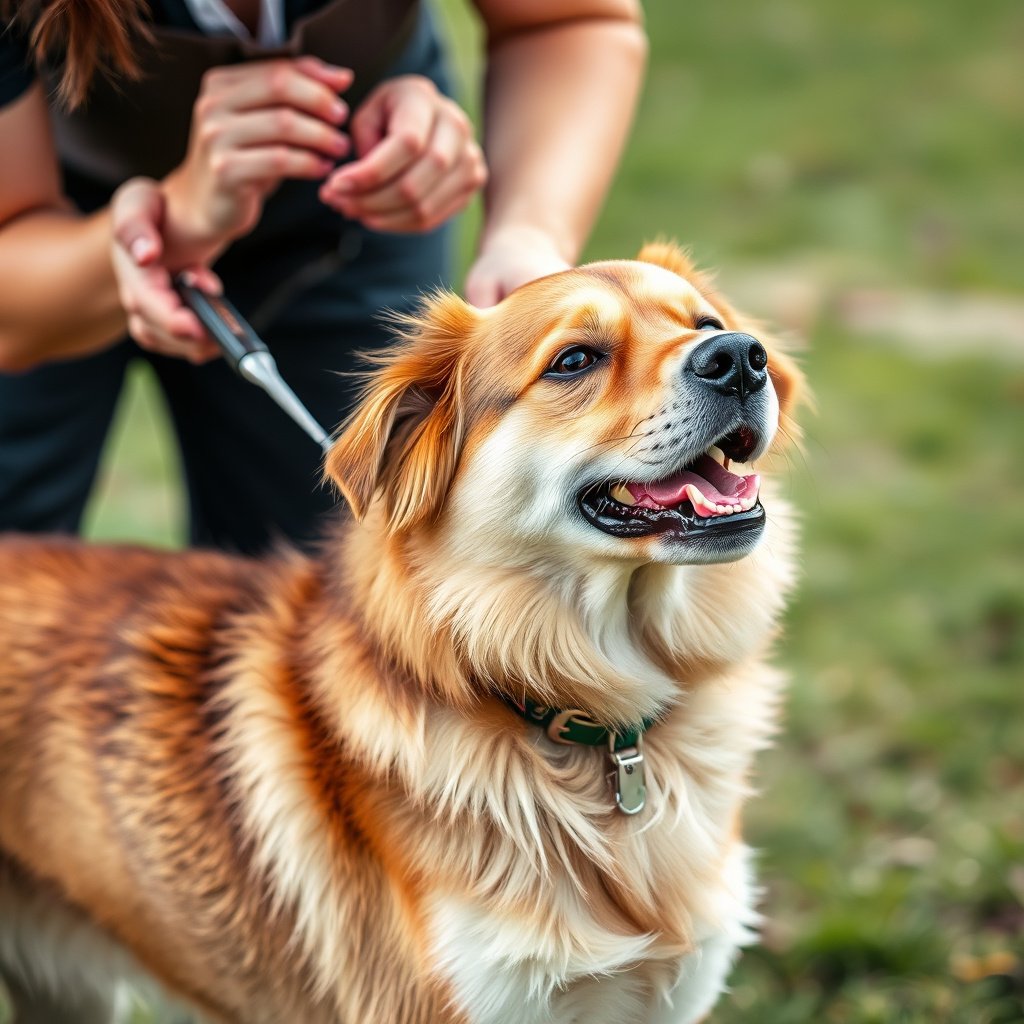
Essential Grooming Tasks
The core grooming tasks every dog needs include brushing, bathing, nail trimming, ear cleaning, and teeth brushing. Brushing removes loose hair and dirt while preventing tangles. Bathing helps keep the coat and skin clean but shouldn't be done too frequently to avoid drying out the skin.
Nail trimming prevents discomfort and damage to floors and furniture, while ear cleaning reduces the risk of infections. Teeth brushing supports dental health and prevents bad breath and gum disease.
- Brushing frequency depends on coat type
- Bathing every 4-6 weeks is typical
- Trim nails every 3-4 weeks
- Clean ears monthly or as needed
- Brush teeth several times a week
Why Grooming Goes Beyond Appearance
Grooming allows owners to check for signs of fleas, ticks, skin irritations, or lumps that may require veterinary attention. Keeping the coat clean reduces shedding and protects skin health.
Regular grooming also promotes better behavior by calming nervous dogs and rewarding them with positive interaction during the process.
Choosing the Best Dog Grooming Tools
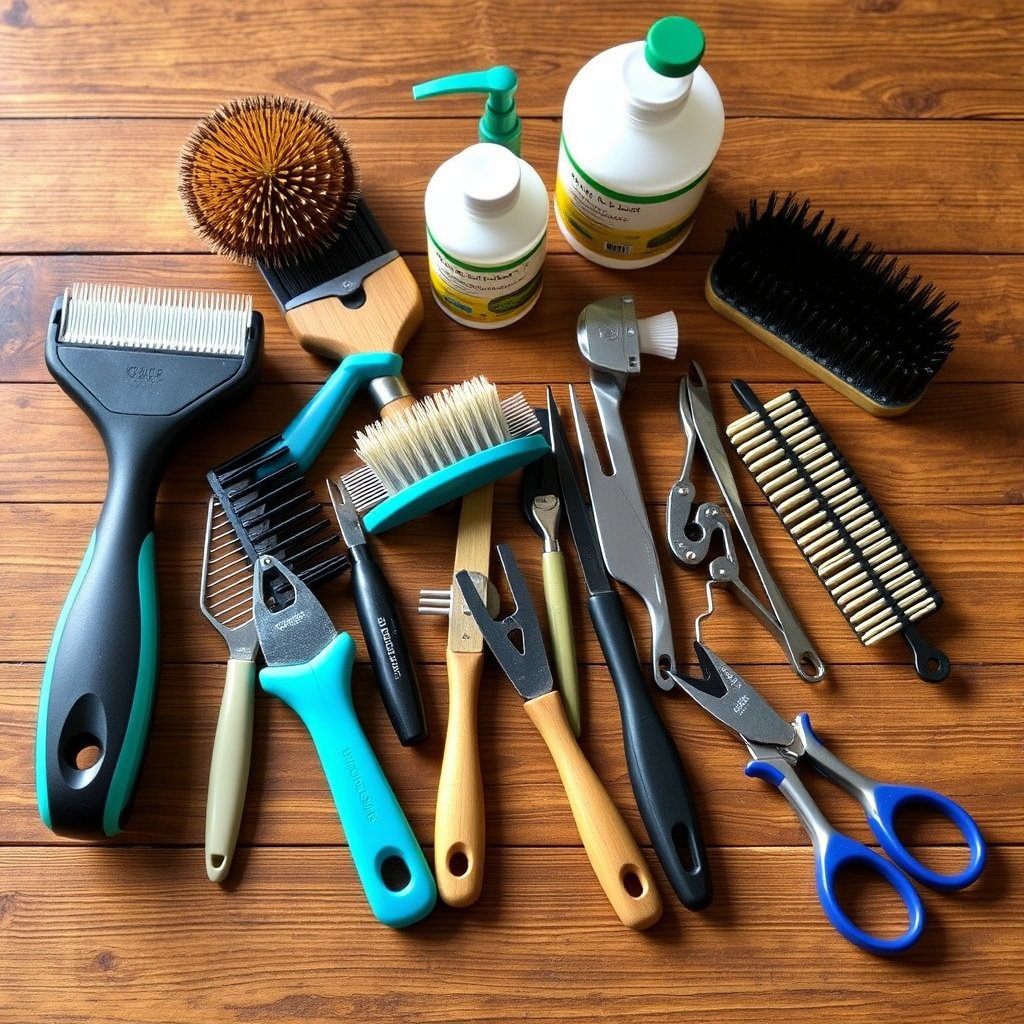
Brushes and Combs for Different Coat Types
Selecting the right brush or comb depends largely on your dog’s coat. Slicker brushes are great for removing mats and tangles from curly or long coats, while bristle brushes suit short-haired breeds for smoothing and shining.
Undercoat rakes help shed loose hair in double-coated breeds like Huskies. Regular combing after brushing helps catch finer tangles and debris.
- Slicker brushes for long, curly coats
- Bristle brushes for short, smooth coats
- Undercoat rakes for double-coated breeds
Other Essential Grooming Supplies
Nail clippers come in guillotine or scissor styles; the choice depends on hand comfort and nail size. Ear cleaning solutions designed for dogs help avoid irritation.
Quality dog shampoos suited to skin type, along with toothbrushes and toothpaste specially formulated for pets, round out your grooming toolkit.
- Guillotine or scissor-style nail clippers
- Ear cleaning solutions
- Dog-specific shampoos and conditioners
- Dog toothbrush and toothpaste
How Often Should Dogs Be Groomed?
Factors Influencing Grooming Frequency
Coat length, activity level, and skin health determine how often grooming should take place. Long-haired dogs or those shedding frequently often need weekly brushing and monthly baths.
Active dogs that play outdoors might require more frequent baths and checks for dirt or parasites, while short-haired, indoor dogs can often go longer between grooming sessions.
- Long-haired dogs: weekly brushing, monthly baths
- Short-haired dogs: biweekly brushing, less frequent baths
- Active outdoor dogs: check frequently for dirt and pests
- Dogs with skin conditions: follow vet’s advice
Signs Your Dog Needs Grooming
Visible matting, excess shedding, unpleasant odor, dirty ears, or long nails curling can all mean it’s time for grooming. Behavioral cues such as scratching or discomfort also signal the need for grooming.
Keeping an eye on these signs helps maintain your dog’s comfort and hygiene.
Professional Grooming vs. Grooming at Home
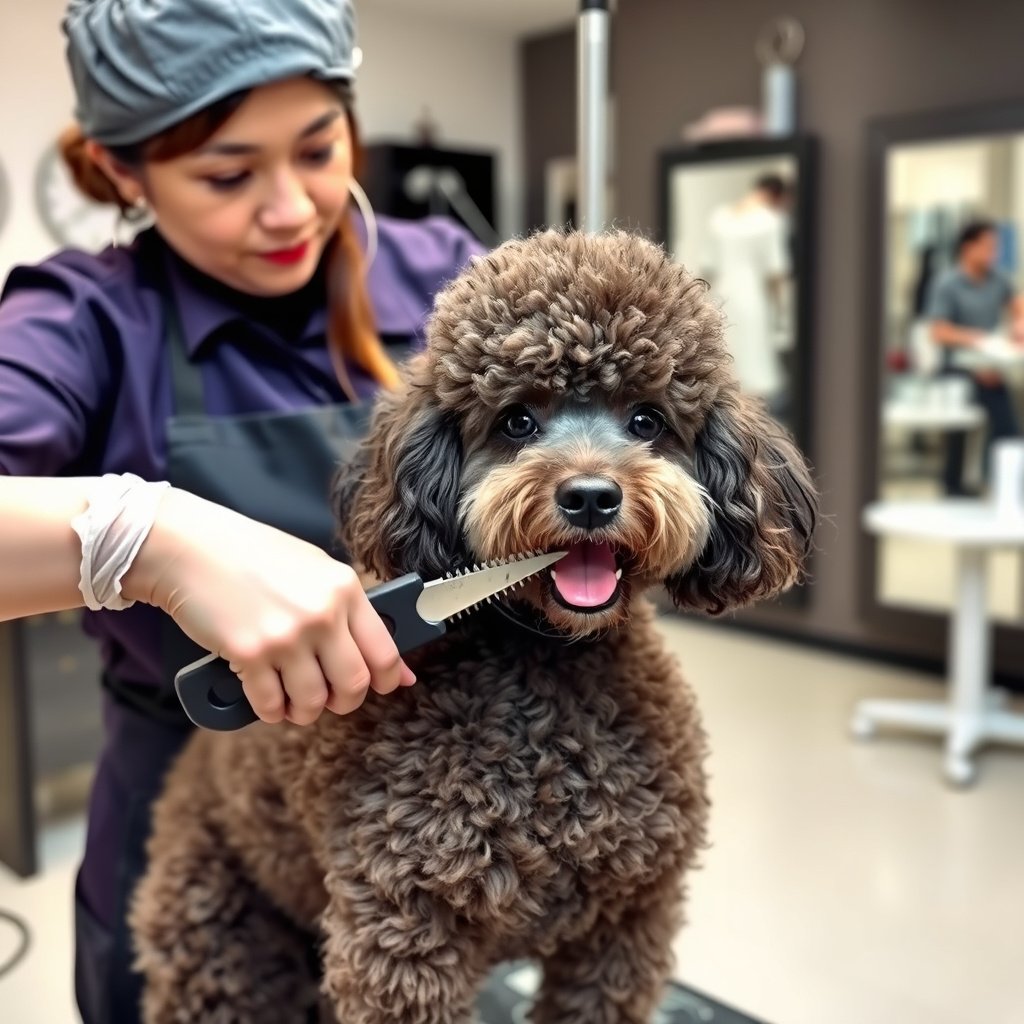
Benefits of Professional Grooming
Professional groomers have specialized equipment and experience to handle complex grooming tasks like breed-specific cuts or dealing with matted coats safely. They can spot health issues early and provide services like anal gland expression and ear plucking.
Regular visits to a groomer can relieve owners who lack time or confidence to groom certain breeds themselves.
- Expert knowledge of breed standards
- Access to professional grooming tools
- Early detection of health issues
- Additional services available
Tips for Home Grooming Success
Establish a calm and consistent routine, use the best dog grooming tools for your dog’s coat, and reward your pet to keep grooming a positive experience. Start gradually and focus on one task at a time.
Regular at-home grooming can reduce the frequency or cost of professional appointments.
- Create a calm environment
- Use breed-appropriate tools
- Go slowly and reward your dog
- Focus on tasks one at a time
Grooming for Different Coat Types
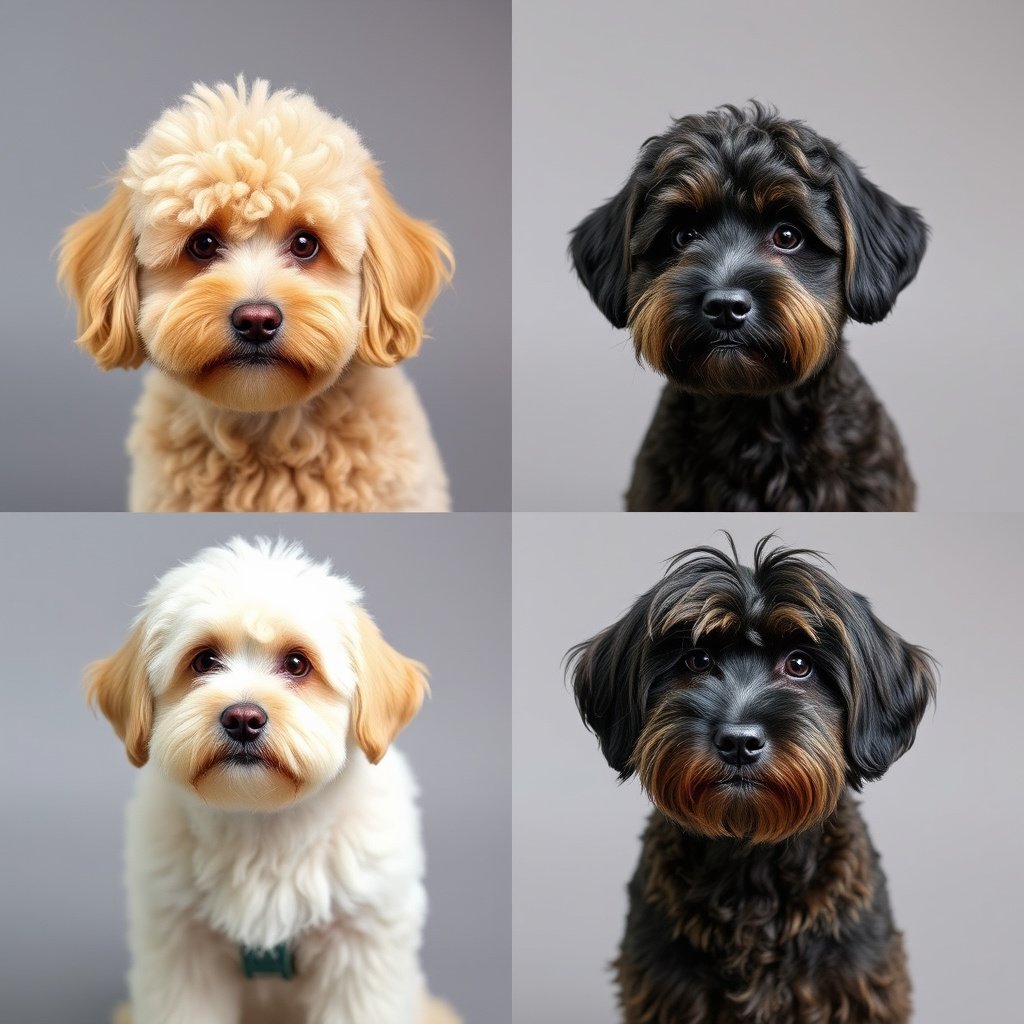
Long and Curly Coats
Dogs with long, curly coats like Poodles or Bichon Frises require daily brushing to prevent tangles and weekly trimming to keep the coat manageable. Their hair can trap dirt and moisture easily, so regular bathing is also necessary.
Using a slicker brush and dematting tools helps maintain a healthy, shiny coat without matting.
- Daily brushing
- Weekly trims
- Regular baths to prevent buildup
Short and Smooth Coats
Short-haired breeds such as Beagles or Boxers benefit from weekly brushing with a bristle brush to remove loose hair and distribute natural oils. They usually need fewer baths unless they get particularly dirty.
Nail trimming and ear checks remain similarly important for these breeds.
- Weekly brushing
- Baths as needed
- Routine nail and ear care
Health Issues Related to Grooming
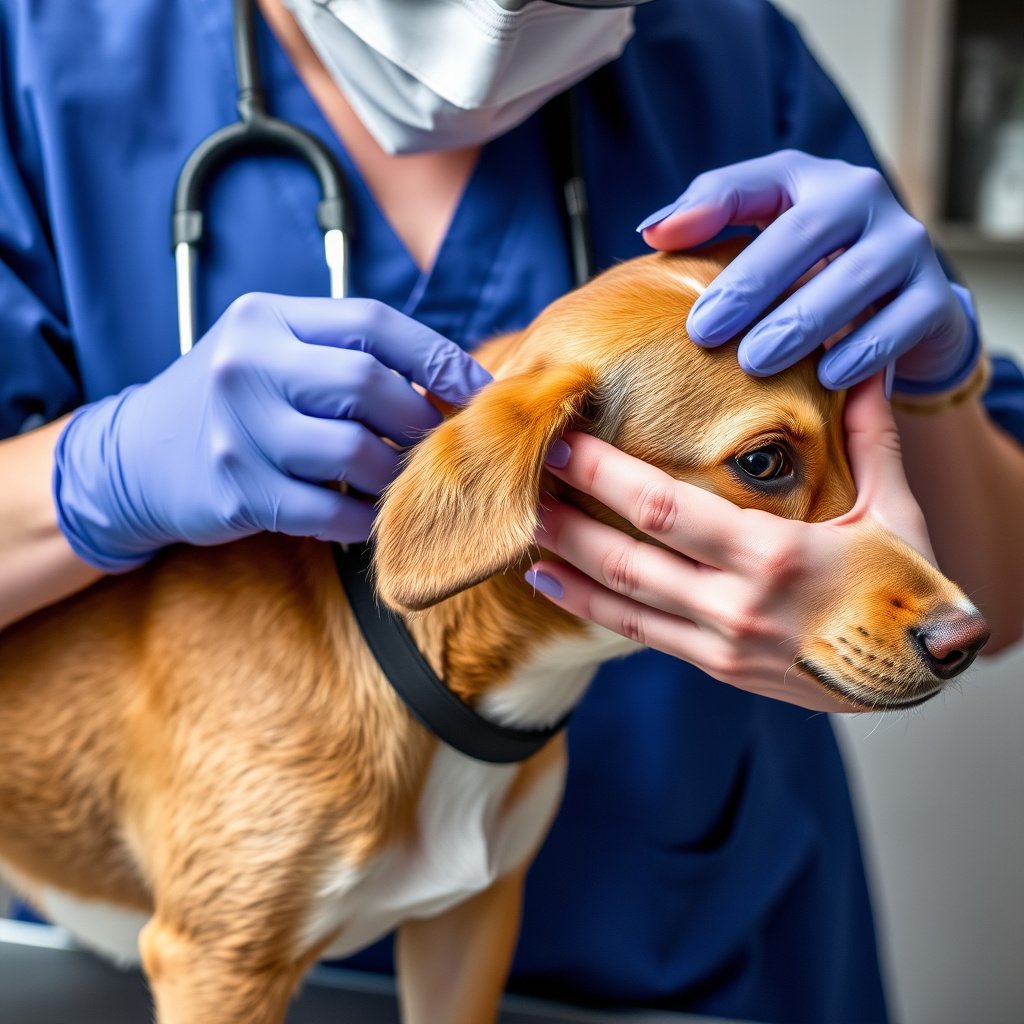
Common Skin and Coat Problems
Poor grooming can contribute to problems like skin infections, hot spots, or severe matting, which restricts blood flow and causes pain. Parasites like fleas and ticks also thrive under unmaintained fur.
Regular grooming catches issues early and prevents worsening conditions, promoting overall skin health.
- Skin infections caused by trapped moisture
- Hot spots resulting from irritation
- Matting leading to discomfort
- Parasite infestations prevented by grooming
For more detailed information about dog grooming, you can check the Dog grooming information on Wikipedia. Dog grooming information on Wikipedia.
Grooming-Related Injuries to Avoid
Incorrect nail trimming can cause bleeding and pain, while harsh brushing can abrade sensitive skin. Using scissors improperly can accidentally cut skin or fur unevenly.
Understanding your dog’s anatomy and careful technique reduces grooming-related risks.
- Avoid cutting nails too short to prevent bleeding
- Use gentle brushing strokes
- Keep sharp instruments safely away from skin
Comparing Dog Grooming Styles and Frequencies
Review these common dog grooming styles and their typical recommended frequencies to find the best fit for your dog’s breed and lifestyle.
| Grooming Style | Best For | Frequency | Key Benefits |
|---|---|---|---|
| Basic Maintenance | Short-haired indoor dogs | Biweekly brushing, monthly bath | Simple upkeep with less time |
| Breed Standard Cuts | Show dogs and specific breeds | Every 4-6 weeks | Maintains breed appearance and coat health |
| Clipper Cuts | Active dogs in hot climates | Every 6-8 weeks | Keeps coat short, reduces matting and overheating |
| Hand Stripping | Wire-haired breeds | Every 8-12 weeks | Preserves coat texture and colors |
| Minimal Grooming | Low-maintenance breeds | Monthly brushing, occasional baths | Less time but requires close monitoring |
Frequently Asked Questions
How often should I bathe my dog?
Bathing frequency depends on coat type and activity, but generally every 4-6 weeks is sufficient to keep a dog clean without drying the skin.
Can I groom my dog at home or should I use professional services?
Many basic grooming tasks can be done at home, but professional grooming is helpful for complex cuts or breeds with special needs.
What kind of brush is best for my dog?
The ideal brush depends on coat type: slicker brushes for long or curly coats, bristle brushes for short coats, and undercoat rakes for thick double coats.
How do I prevent matting in long-haired dogs?
Daily brushing and regular trims help prevent tangles and mats in long-haired dogs; prompt attention to any knots is important to avoid discomfort.
Is teeth brushing really necessary in dog grooming?
Yes, teeth brushing is a vital part of grooming to prevent dental disease, bad breath, and associated health problems.
Key Takeaways
- Dog grooming includes brushing, bathing, nail trimming, ear and teeth care.
- Coat type influences the grooming tools and frequency needed.
- Professional grooming suits complex cuts and breeds with special needs.
- Regular grooming prevents health issues and maintains your dog’s comfort.
Conclusion
When deciding how to care for your dog’s coat and hygiene, the key is to balance your dog’s breed, coat type, lifestyle, and your own time availability. Dog grooming is more than just aesthetic—it directly supports your dog's health and wellbeing by preventing infections, controlling shedding, and spotting issues early. Planning a grooming routine suited to your pet ensures they remain comfortable, happy, and healthy.
For long-haired or curly-coated breeds, investing in daily brushing and monthly trims or professional grooming sessions is vital to prevent matting and skin problems. Short-haired dogs require less frequent brushing but should still have regular baths and nail care. Active dogs outside often need extra attention to remove dirt and check for parasites. Deciding between home grooming and professional services depends on your confidence and your dog’s specific grooming needs.
Start with simple grooming tasks at home using the best dog grooming tools, gradually building your skills and your dog’s tolerance. When necessary, seek professional groomers who understand your dog’s breed and coat requirements. Regular grooming appointments combined with good home care lead to the best results, giving your dog a clean, healthy coat and happier life.


2 Comments