What to Buy for a New Puppy: Essential Supplies for Your New Best Friend
When bringing home a new puppy, the most important items to buy include basics like a comfortable bed, quality food, water and food bowls, a collar with ID tags, a leash, and appropriate toys for chewing and play. These essentials cover the puppy’s immediate needs for comfort, safety, nutrition, and mental stimulation.
Preparing for a new puppy means setting up a safe environment that supports healthy growth and training. Having the right supplies minimizes stress for both you and your puppy, making the adjustment period smoother. Knowing what to buy for a new puppy helps avoid unnecessary purchases and ensures you have tools to care for your pup properly from day one.
This article will cover key categories of puppy necessities including feeding, sleeping, grooming, training, and health care. Additionally, we’ll explore how to build a puppy starter kit tailored to your pup’s breed and personality to support a happy and healthy start to life together.
Feeding and Nutrition Supplies for Your New Puppy
Choosing the Right Puppy Food
Selecting a high-quality puppy food is essential for growth and development. Look for formulas specifically labeled for puppies, which have the right balance of protein, fats, and essential nutrients. Avoid adult dog food as it may lack sufficient nutrients or calories for a growing puppy.
Wet, dry, or combination feeding can all work well depending on your puppy’s preferences and your convenience. Grain-free options exist but consult your vet for dietary recommendations based on breed or health concerns.
- High protein for muscle development
- Contains DHA for brain development
- Avoid artificial colors and preservatives
- Proper calcium levels for bone growth
Feeding Bowls and Accessories
Stainless steel or ceramic bowls are ideal because they are durable, easy to clean, and resist bacteria buildup. Avoid plastic bowls which can harbor germs and cause irritation.
Consider raised bowls if your puppy’s breed or size benefits from improved digestion posture. Also, non-slip mats help keep bowls steady during enthusiastic mealtimes.
- Choose appropriate bowl size for puppy breed
- Regularly clean bowls to maintain hygiene
- Use water bowls with fresh water daily
Creating a Comfortable Puppy Sleep Area
Selecting a Proper Puppy Bed
A puppy bed provides a safe, warm, and comfortable place for rest and retreat. Beds with orthopedic foam help support growing joints, especially for larger breeds. Washable covers are essential due to the likelihood of accidents during potty training.
Size matters: the bed should be large enough for the puppy to stretch out, but still cozy enough to feel secure. Some puppies like hooded beds for privacy, while others prefer flat mats.
- Orthopedic support for joint health
- Machine washable covers
- Non-slip bottom for safety
- Choose appropriate size for your puppy
For more on this, see our related guide: How to Groom a Puppy for the First Time: Simple Steps for a Calm First Session.
Crates and Playpens for Safety
Crate training is a highly effective tool for housebreaking and providing a den-like environment your puppy will come to recognize as their safe space. Choose a crate with enough room for standing, turning, and lying down comfortably.
Playpens offer more space for exercise and can be useful for supervised playtime. Both crates and playpens help keep the puppy safe when you’re not able to watch them closely, reducing risk of accidents or damage.
- Proper crate sizing for growth
- Include soft bedding and a few toys
- Use playpens for short-term separation
- Ensure good ventilation and safety
Grooming Essentials to Keep Your Puppy Healthy
Basic Grooming Tools
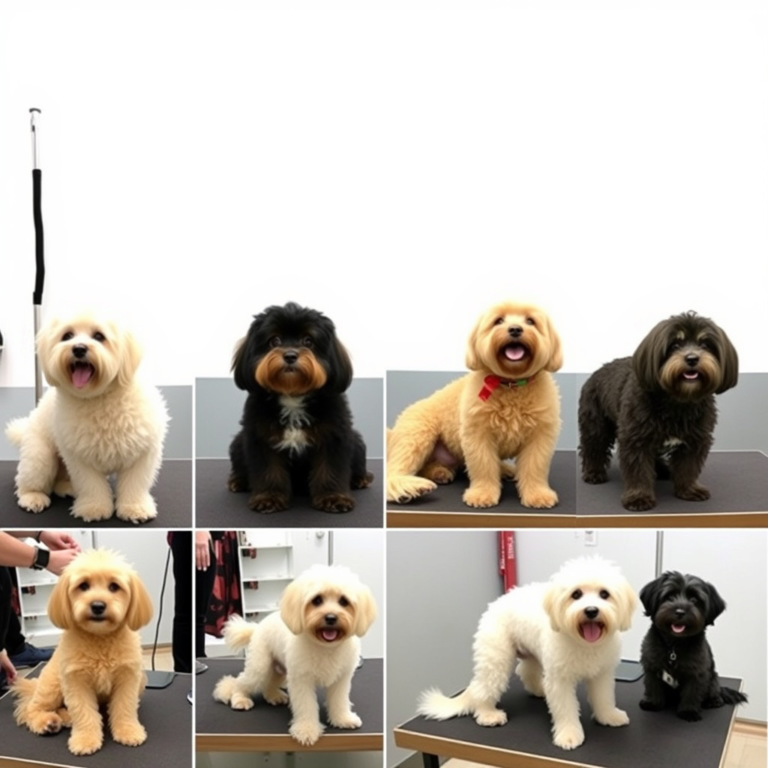
Start building a grooming kit including brushes appropriate for your puppy’s coat type, nail clippers designed for small nails, and dog-friendly shampoo. Getting your puppy accustomed to grooming early supports good hygiene and reduces stress during vet visits.
Regular brushing helps maintain coat health, reduces shedding, and prevents matting. Nail trimming should be done carefully to avoid cutting the quick, and bathing frequency depends on your puppy’s activity level and breed.
- Slicker brush for medium to long coats
- Bristle brush for short coats
- Safety nail clippers or grinders
- Gentle puppy shampoo
Ear and Dental Care Basics
Puppies need their ears cleaned regularly with vet-approved solutions to prevent infections, especially floppy-eared breeds which trap moisture. Check weekly and be gentle to avoid irritation.
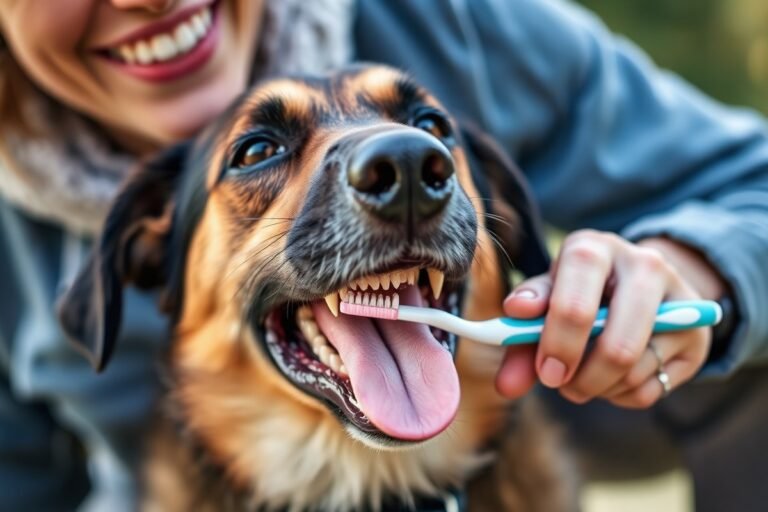
Dental health starts early with puppy teeth brushing using a soft toothbrush and pet toothpaste. Dental chews and toys also promote healthy teeth and fresh breath.
- Vet-recommended ear cleaning solution
- Soft-bristled toothbrush and pet toothpaste
- Dental chews for plaque reduction
- Monitor ears for redness or odor
Training Tools and Toys to Support Development
Essential Training Equipment
A sturdy collar or harness paired with a leash is vital for safe walks and training outside. Harnesses improve control and reduce strain on the puppy’s neck, especially for small or delicate breeds.
Consider training treats to reinforce positive behavior and a clicker for marking good responses. Puppy-safe chew toys help prevent destructive chewing and redirect energy.
- Adjustable collar or harness
- Leash appropriate for puppy size
- Soft, tasty training treats
- Durable chew toys
For more on this, see our related guide: Is Wellness a Good Dog Food? Honest Review and Buying Guide.
Interactive and Chew Toys
Puppies require mental stimulation and safe outlets for teething discomfort. Interactive toys like puzzle feeders challenge their minds, while teething toys made from softer rubber help soothe gums.
Rotate toys frequently to keep the puppy interested and prevent boredom. Avoid toys small enough to swallow or made from toxic materials.
- Puzzle feeders to enhance problem solving
- Rubber teething toys for sore gums
- Soft plush toys for comfort
- Avoid small parts or easily destructible toys
Health and Safety Items to Protect Your Puppy
Veterinary Essentials
Stock up on basic health supplies including a pet first aid kit, flea and tick prevention appropriate for puppies, and vaccinations and vet checkups scheduled early. Your vet will guide you on worming and vaccination schedules tailored for your puppy’s age and breed.
Microchipping your puppy adds a safety layer by increasing chances of recovery if lost. Keep medical records accessible and learn how to recognize signs of illness or distress.
- Puppy-safe flea and tick preventatives
- Basic first aid supplies for pets
- Vet-approved vaccinations and exams
- Microchipping for identification
For more detailed advice and tips about puppy care, visit the American Kennel Club’s expert guide. Puppy care information on the American Kennel Club.
Safety Accessories for Home and Travel
Safety gates help restrict access to risky areas in your home while car harnesses or carriers keep your pup secure during travel. Reflective collars or LED accessories increase visibility on walks at dusk or dawn.
Remove toxic plants, chemicals, and small objects that a curious puppy might swallow. Create a puppy-proofed environment indoors and outdoors to prevent accidents.
- Safety gates for stairways and rooms
- Car seat harness or travel crate
- Reflective collars or LED lights
- Remove household hazards
Puppy Supply Categories: Basic vs. Advanced Options
This table compares different categories of puppy supplies, helping you decide between basic and more specialized options based on your needs and budget.
| Category | Basic Option | Advanced Option | Price Range |
|---|---|---|---|
| Feeding | Standard puppy kibble | Grain-free or breed-specific formula | $20-$50/month |
| Sleep Area | Simple plush bed | Orthopedic memory foam bed | $15-$150 |
| Training Tools | Basic collar and leash | GPS collar with tracking | $10-$100+ |
| Grooming | Basic brush and clippers | Professional grooming kit | $10-$80 |
| Health & Safety | Standard flea treatment | Vet-supplied prevention and microchipping | $15-$200+ |
Frequently Asked Questions
What is the first thing I should buy for a new puppy?
Start with essentials like food and water bowls, puppy food, and a collar with ID tags. These are immediately necessary for feeding and identifying your puppy.
How often should I buy new toys for my puppy?
Introduce new toys regularly to maintain interest and support teething. Rotating toys every few weeks helps keep your puppy mentally stimulated.
Are crates necessary for every puppy?
While not mandatory, crates are highly recommended for house training and creating a safe space. They help set boundaries and reduce anxiety.
When should I start grooming my puppy?
Begin grooming routines early to get your puppy comfortable with brushing and nail trimming. This helps maintain coat health and makes future grooming easier.
What safety precautions should I take at home?
Puppy-proof your home by removing toxic plants, chemicals, and small objects. Use safety gates and keep cords or sharp items out of reach.
Key Takeaways
- Buy essentials like food, bowls, collar, and bed before bringing a puppy home
- Choose supplies based on your puppy’s size, breed, and personality
- Regular grooming and training tools support healthy development
- Health and safety items protect your puppy both at home and outside
Conclusion
Finding out what to buy for a new puppy is best approached by focusing on their daily needs—nutrition, comfort, training, and safety. A well-chosen set of supplies supports healthy growth and encourages positive habits. Assessing your puppy’s specific breed traits and temperament helps tailor your purchases, avoiding unnecessary extras while providing everything your pup requires.
For active or large breeds, investing in orthopedic beds and sturdy harnesses can make a difference in long-term health and control during walks. Smaller or toy breeds may benefit from softer bedding and gentler grooming tools. A basic puppy starter kit should include feeding bowls, quality food, grooming brushes, safe toys, and a crate or playpen to create a secure environment. These basics can be expanded with personalized items that suit your puppy's lifestyle.
When your puppy arrives, setting up a routine with these supplies eases their transition to a new home. Prioritize immediate needs like feeding and rest areas, then gradually introduce training and grooming equipment to build positive habits. Consult your veterinarian for health care products and advice tailored to your puppy’s needs. Thoughtful preparation with the right purchases lays the foundation for a rewarding and joyful life together.