
What Is the Best Dog Shampoo for Smell? Top Picks and Expert Tips
The best dog shampoo for smell combines odor-neutralizing ingredients with gentle cleansing agents to keep your dog fresh without irritating their skin. Budget options like Arm & Hammer Super Deodorizing Dog Shampoo work well for odor control, while premium natural shampoos offer added benefits for sensitive coats. This information is ideal for dog owners looking for effective solutions to manage or eliminate pet odors using the right shampoo.
You’ll learn how shampoos target dog odor, which ingredients are safe and effective, and how to select the best formula based on your dog’s skin and coat needs. Proper bathing routines and picking lasting scents can also help maintain freshness between baths.
Key Takeaways
- Choose a shampoo with natural deodorizing ingredients for safe, long-lasting odor control.
- For dry, flaky skin, use 100 Percent Pure Oatmeal Dog Shampoo to soothe and cleanse.
- Burt’s Bees shampoo works well for dogs with itchy, sensitive skin.
- Budget-friendly Arm & Hammer shampoo removes odor effectively for under $10.
- PH-balanced, hypoallergenic shampoos like Earth Rated reduce skin irritation and keep coats fresh.
- Use medicated shampoos like Douxo S3 Pyo to manage bacterial or fungal odors and skin issues.
Which Dog Shampoo Is Truly Best for Controlling Smell?

The best dog shampoos for controlling smell effectively remove odor-causing oils and bacteria rather than merely masking the scent with strong perfumes. Look for shampoos containing natural deodorizing ingredients like cedar oil and citrus extracts, which neutralize odors at the source. These ingredients help break down oils and grime on your dog’s coat and skin, stopping the smell before it starts. Avoid shampoos that rely on heavy artificial fragrances, as these can irritate sensitive skin and fail to address the underlying cause of odor.
Natural shampoos can be just as effective as commercial deodorizing formulas if they include active botanical ingredients. Shampoos infused with oatmeal and aloe vera soothe the skin while removing buildup, making them a good choice for dogs with sensitive or itchy skin prone to developing odors. For puppies, tearless and gentle botanical formulas preserve delicate skin and still provide freshening benefits.
To help narrow your options, consider popular shampoos ranked by odor control, affordability, and skin sensitivity. For example, Arm & Hammer Super Deodorizing Dog Shampoo costs under $10 for 20 ounces and produces a strong, sudsy lather that tackles odor effectively but contains some artificial scents. Wahl Odor Control Purifying Shampoo ($10 for 24 ounces) features eucalyptus mint for a refreshing scent and good cleansing action, suitable for dogs without sensitive skin. DermAllay Oatmeal Shampoo, priced at $17 for 12 ounces, balances gentle care with odor neutralization, perfect for itch-prone dogs. Earthbath Deodorizing Rosemary Shampoo ($19 for 16 ounces) relies on natural rosemary to combat smell while remaining gentle on the coat.
Key ingredients to focus on include cedar oil, citrus extracts, oatmeal, aloe vera, and vitamin E. Cedar oil and citrus work as natural deodorants, breaking down odor molecules. Oatmeal and aloe vera calm irritated skin that can contribute to a persistent “dog smell,” while vitamin E nourishes dry or aging skin. Some specialty options like 4Legger Organic Oatmeal Shampoo combine lavender essential oil with oatmeal and aloe to offer antibacterial and anti-inflammatory benefits naturally.
Natural formulations avoid sulfates, synthetic dyes, and harsh preservatives, which can aggravate skin and worsen odor problems. Organic shampoos with biodegradable ingredients also appeal to owners prioritizing sustainability while maintaining odor control. For dogs with specific needs like itchy or dry skin, shampoos combining moisturizing oils and natural deodorizing agents work best without stripping essential skin oils.
Choosing the right shampoo also depends on your dog’s coat type and skin sensitivity. Thicker or double coats might benefit from richer formulas with conditioning agents, while short-haired dogs often respond well to lighter cleansers that rinse easily. Age also matters; seniors may require moisturizing formulas that soothe skin while managing odor, like those enriched with vitamin E.
How Dog Shampoo Eliminates Odor and Keeps Dogs Fresh

Doggy odor happens because natural oils, dirt, and bacteria build up on your dog’s skin and coat. These oils provide a perfect environment for odor-causing bacteria to thrive. When the bacteria break down the oils, they produce unpleasant smells that are hard to hide by just spraying a scent on your dog. The right dog shampoo removes these odor sources instead of merely covering them up.
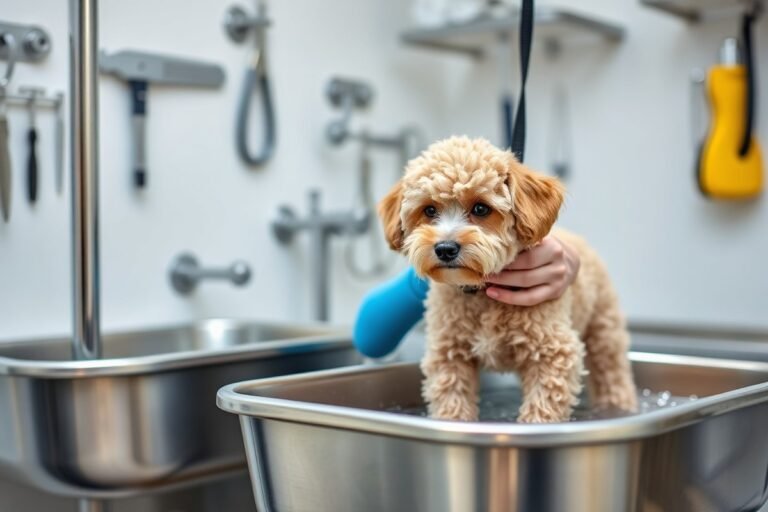
Here’s how a quality dog shampoo works to eliminate odors from your dog’s coat. First, when you wet your dog’s coat with lukewarm water, the shampoo’s gentle surfactants bind to dirt, excess oils, and bacteria on the skin and in the fur. These cleansing agents surround grime and odor-causing microbes, lifting them away from the surface. At the same time, some formulas contain odor neutralizers or botanical extracts that chemically bind or deactivate smelly molecules directly, stopping the odors at their source.
After you massage the shampoo thoroughly into your dog’s coat for at least 3 to 5 minutes, it loosens grease and bacteria without stripping the natural oils your dog needs for healthy skin. Rinsing with warm water then flushes these trapped impurities and dead skin cells away. By removing this buildup, you prevent the wet dog smell and the stronger “Frito foot” or other specific doggy odors that can linger between baths.
The shampoo’s performance depends on balancing effective cleansing with skin-friendly ingredients. Formulas featuring botanical odor neutralizers, like citrus or bergamot extracts, combine deep cleaning with pleasant but not overpowering scents. Specialized shampoos that contain activated charcoal offer a deeper detox by absorbing excess oils and toxins from the fur, which is useful for dogs prone to greasy coats or who roll in smelly substances. In contrast, mild moisturizers like oatmeal help replenish skin during the cleaning process so your dog doesn’t end up with dry, irritated skin that worsens odor issues.
Consistent bathing with the right shampoo every 3 to 4 weeks keeps the bacterial population and oil levels balanced, reducing the frequency and intensity of doggy odors. For dogs with oily or dense coats, more frequent washing may be necessary, but extreme overbathing can strip oils and cause the skin to produce even more oil to compensate, making the odor situation worse. A dry or waterless shampoo can be a convenient in-between solution that refreshes your dog and reduces smells without a full bath.
Use lukewarm water, not hot, and let shampoo soak in for a few minutes before rinsing to break down oils and bacteria effectively.
Safe Shampoo Ingredients That Effectively Combat Dog Odor
For controlling dog odor safely, choose shampoos with natural, gentle ingredients that neutralize smells without irritating the skin. Avoid harsh chemicals like sulfates and parabens, which can dry out your dog’s coat and trigger allergies. Use shampoos with a balanced pH to maintain healthy skin and consider non-toxic essential oils for a mild, lasting scent.
Beneficial Ingredients for Odor Control
Certain ingredients are known to help reduce odor while keeping your dog’s skin and coat healthy. Oatmeal soothes dry, itchy skin and has mild deodorizing properties. Mild surfactants derived from coconut or sugar clean without stripping natural oils. Natural antibacterials like aloe vera or chamomile target odor-causing bacteria safely. Some formulations include probiotics or special odor-neutralizing complexes designed specifically to combat feces and other strong smells, like the active ingredients found in DOUXO® Skin & Coat SPA Odor Control Shampoo.
Non-toxic essential oils such as lavender or chamomile add gentle, natural fragrance that helps mask odor without overwhelming your dog’s sensitive skin. Look for formulas that combine these oils with plant-based cleansers to keep bathing safe and effective.
Common Harmful Ingredients to Avoid
Many popular dog shampoos contain chemicals that can worsen odor or irritate your pet’s skin. Sulfates, common in many shampoos, strip natural oils and dry out skin, increasing itchiness and odor. Parabens and phthalates are preservatives linked to allergic reactions in dogs. Artificial dyes and strong synthetic fragrances are frequent triggers of skin sensitivity and should be avoided, especially for dogs with allergies or sensitive coats. Here’s a checklist of ingredients to avoid for safer, odor-controlling baths:
- Sodium Lauryl Sulfate or Sodium Laureth Sulfate (SLS or SLES)
- Parabens such as methylparaben and propylparaben
- Phthalates often hidden under “fragrance” or “parfum”
- Artificial colors and dyes
- Strong synthetic fragrances
- Triclosan and other antibacterial chemicals not approved for pet use
Choosing shampoos without these harsh additives helps maintain your dog’s skin integrity and prevent odor issues related to irritation or yeast overgrowth.
How to Read and Understand Ingredients Labels
Reading dog shampoo labels carefully lets you spot good vs. Harmful ingredients. Look for terms like “pH-balanced” to ensure the shampoo won’t disrupt your dog’s natural skin acidity. Ingredients listed in descending order by volume give clues about what’s most concentrated.
Prioritize shampoos with simple ingredient lists and recognizable natural components. Ingredients ending in “-ate” or “-ose” often refer to mild surfactants from natural sources. Essential oils should be listed clearly; if labeled simply as “fragrance,” the scent may come from synthetic chemicals. Avoid products with long lists of unfamiliar chemical names or preservatives. Here’s how to check:
- Confirm presence of soothing botanicals like oatmeal or aloe vera
- Ensure the first few ingredients are gentle cleansers, not sulfates
- Avoid generic “fragrance” and look for specified essential oils
- Check that the product states “non-toxic” or “safe for pets”
- Look for certifications or mentions of dermatological testing
Just a few minutes spent reviewing the label can help you pick a shampoo that fights odor while protecting your dog’s skin health and comfort.
Choosing the Right Shampoo for Your Dog’s Coat and Skin Type
Choosing the right dog shampoo depends largely on your dog’s coat type and skin condition. Different coats respond differently to shampoos, and dogs with sensitive skin need gentle formulations to avoid irritation and itching. Puppies require milder products to protect their delicate skin while still helping control odor effectively.
Identifying Your Dog’s Coat Type
Your dog’s coat type affects how shampoo interacts with their fur and skin. Dogs with short coats often need shampoos that rinse out quickly and keep oils balanced without leaving residue. Long-haired or double-coated dogs benefit from shampoos with moisturizing and detangling agents to prevent dryness and matting. Thick or wiry coats may require clarifying shampoos to remove dirt and odor trapped deep in the fur.
Choosing a shampoo made specifically for your dog’s coat helps maintain natural oils, which are essential for healthy skin and odor control. For example, moisturizing shampoos are ideal for dry, brittle coats, while gentle cleansers work well for sleek, short-haired breeds. Shampoo formulations often specify the coat types they suit best, making it easier to match products to your dog’s needs.
Selecting Shampoo Based on Skin Sensitivity
Sensitive skin demands shampoos that soothe rather than irritate. Dogs with allergic reactions, itching, or redness should use hypoallergenic or oatmeal-based shampoos to calm inflammation and maintain the skin’s protective barrier. Ingredients like aloe vera and chamomile also help reduce dryness and discomfort. Here’s a step-by-step routine to select the right shampoo based on skin sensitivity:
- Examine your dog’s skin for redness, lumps, or flaky patches before bath time.
- Choose a shampoo labeled hypoallergenic or designed for sensitive skin.
- Read ingredient lists to avoid harsh detergents, artificial dyes, or perfumes.
- Use shampoos containing oatmeal or natural moisturizers for itching relief.
- Test a small patch first to check for any adverse reaction.
- Apply shampoo gently without scrubbing aggressively to avoid skin damage.
- Rinse thoroughly to remove all residue that could cause irritation.
Products like DermAllay Oatmeal Shampoo help reduce itchiness and address allergy-related odors without stripping moisture. Bathing frequency might be every 2 to 4 weeks depending on your dog’s specific skin sensitivity and lifestyle.
Special Considerations for Puppies
Puppies have more sensitive and thinner skin compared to adult dogs, requiring shampoos formulated specifically for their delicate coats. These shampoos are typically extra mild, pH-balanced for puppies, and free of harsh fragrances or chemicals. They clean gently while helping reduce puppy odor without causing dryness or irritation.
Puppy shampoos like Trixie Shampoo for Puppies prioritize gentle cleansing and hydration. Use them at a frequency recommended by your veterinarian, usually every 2 to 3 weeks, depending on your pup’s activity level and breed.
Ensure that shampoo is thoroughly rinsed out of a puppy’s fur to prevent leftover residue from causing itching or discomfort. Avoid bathing puppies too frequently, since over-bathing can strip natural oils and make skin dry, leading to a stronger, unpleasant odor.
Proper Bathing Routine to Maximize Odor Removal
To get the best odor removal using dog shampoo, it’s essential to follow a thorough and careful bathing routine. This means wetting the dog properly, applying the shampoo with enough time to work, massaging it so it reaches the skin, rinsing thoroughly to remove all residues, and drying the coat completely. Regular bathing every 3 to 4 weeks usually keeps odors under control without drying the skin.
Wet and Prepare the Coat
Start by brushing your dog’s coat to remove loose hair, mats, and dirt, which helps the shampoo penetrate evenly. Use lukewarm water to wet the coat thoroughly from the neck down, avoiding the eyes and ears. A fully saturated coat allows the shampoo to spread easily and clean deeply.
Make sure the water temperature is comfortable, not too hot, which preserves skin oils and reduces irritation. The coat should be soaked well enough that water reaches the skin beneath the fur, which is often the source of odors.
Apply and Massage Shampoo Properly
After wetting, apply a generous amount of your chosen dog shampoo directly onto the coat. For most shampoos, about 1 to 2 tablespoons are enough for a medium-sized dog. Concentrate on problem areas like the neck, underarms, and rear, where odors build up.
Massage the shampoo gently but thoroughly into the coat and onto the skin, working up a rich lather. Let the shampoo sit on the coat for at least 3 to 5 minutes to allow the ingredients to break down odor-causing elements. Rubbing stimulates circulation and helps release trapped oils and dirt.
Rinse Thoroughly and Dry Correctly
Rinse the coat with lukewarm water until all shampoo has been washed away. Residual shampoo can cause irritation and leave a film that traps odors, so don’t rush this step. Check that the water runs clear, especially in thick or long coats.
After rinsing, towel dry your dog and then use a hairdryer on a low, warm setting if your pet tolerates it. Brushing while drying helps prevent tangles and distributes natural oils. Avoid leaving your dog damp, as moisture mixed with skin oils can cause odor to return quickly.
Bathing a smelly dog about once every 3 to 4 weeks is often enough. Too frequent baths can dry out skin and worsen odors, so balance the routine based on your dog’s activity level and coat type.
- Brush the coat to remove mats and loose hair before bathing.
- Wet the dog thoroughly with lukewarm water, soaking down to the skin.
- Apply 1 to 2 tablespoons of shampoo evenly over the coat, focusing on odor-prone areas.
- Massage the shampoo into the skin, working up a full lather.
- Let the shampoo sit for 3 to 5 minutes to break down odor sources.
- Rinse completely until water runs clear, ensuring no shampoo remains.
- Towel dry, then use a low-heat hairdryer while brushing the coat to prevent tangles and speed drying.
- Repeat bathing every 3 to 4 weeks or as needed depending on odor and skin condition.
Never leave shampoo on your dog’s coat longer than the recommended time; this can irritate skin and worsen odors instead of controlling them.
Choosing Lasting Shampoo Scents and What Groomers Use
Dog shampoo scents vary widely in how long they last on your pet’s coat. Fruity and floral scents tend to fade faster, usually within one to two days, whereas woodsy and herbal fragrances can linger for up to a week. Groomers often choose shampoos that balance effective odor control with a scent that remains subtle but fresh without being overpowering. Products like TropiClean Berry & Coconut Deep Cleansing Pet Shampoo leave a fresh, fruity scent that lasts well through everyday activities, while shampoos with a woodsy aroma hold up better during warmer months or after outdoor play.
Professional dog groomers don’t rely on a single shampoo brand or scent. Instead, they keep a variety of shampoos tailored to different dog needs and coat types. For example, Douxo S3 Calm Shampoo is favored for dogs with sensitive or allergy-prone skin, helping reduce irritation while managing odor gently. Meanwhile, PetAg Fresh ‘n Clean Scented Dog Shampoo is appreciated for deodorizing without harsh chemicals and strengthening sensitive skin. Groomers also like versatile products such as Ultra Concentrated Shampoo, which dilutes up to 32:1, stretching its usage cost-effectively while maintaining a clean, fresh smell.
- Fruity scents (like raspberry and pomegranate) last 1-2 days but offer a bright, pleasant smell.
- Woodsy or herbal scents stay fresh for up to a week, especially helpful after outdoor activities.
- Hypoallergenic shampoos typically have milder or no added fragrance to avoid triggering allergies.
- Concentrated shampoos give better value and allow adjusting scent strength by dilution.
- Shampoos designed for sensitive skin avoid overpowering scents while soothing irritation.
- Light, natural scents reduce the risk of overwhelming your dog or nearby people.
Selecting a shampoo with a strong but balanced scent is a practical way to keep your dog feeling fresh between baths. However, strong fragrances can sometimes cause allergic reactions or be too aggressive for dogs with sensitive noses, so watch how your dog responds. Groomers often recommend starting with mild scents and upgrading to stronger fragrances only if odor persists. For dogs prone to allergies, shampoos like Douxo S3 Calm avoid synthetic fragrances and rely on soothing ingredients instead.
Common Mistakes When Shampooing Dogs That Cause Odor Problems
Applying the wrong shampoo or bathing your dog the wrong way often worsens odor issues. One common error is using shampoo meant for humans. Human skin has a pH near 5.5, while dogs’ skin tends to be closer to neutral, ranging from 6.2 to 7.4. Using human shampoo disturbs this balance and can irritate your dog’s skin, leading to flakes, itching, and even infections. Those skin problems often cause bad smells.
Not rinsing shampoo out thoroughly is another common error. Dog fur, especially on long-haired or double-coated breeds, traps shampoo easily. Soap residue left behind can cause irritation and itchiness, which stimulates your dog to scratch or lick their fur, trapping oils and bacteria that generate bad smells. Make sure to rinse until the water runs clear.
Bathing your dog too often can backfire, too. Overbathing strips natural oils that protect and moisturize the skin, leading to dryness and an imbalance of oils that worsen odor. Instead of more baths, look for underlying skin conditions or allergies causing the smell. Doctor-recommended shampoos like DermAllay Oatmeal Shampoo can soothe sensitive or problematic skin without over-drying.
- Avoid human shampoos; use dog-specific products suited for your dog’s coat and skin type.
- Rinse thoroughly after shampooing to remove all soap residue, spending an extra 3, 5 minutes rinsing long or thick fur.
- Do not bathe your dog more than once every 3 to 4 weeks unless your vet advises otherwise.
- Use gentle, fragrance-free shampoos when your dog has sensitive or irritated skin to avoid worsening the problem.
- Check for excessive scratching or discomfort after shampooing; it may indicate sensitivity or residue buildup.
- Brush your dog’s coat before bathing to reduce trapped dirt and fur mats that hold odors.
Pay attention to your dog’s reactions after bathing and the condition of their coat and skin. Healthy, odor-free skin will feel soft and look clean without dry patches or redness. Watch for signs that shampoo isn’t working well, like rapid smell returns or visible irritation. Correct these problems by adjusting your shampoo choice, bathing frequency, or rinsing method. Proper care costs very little extra time but prevents costly skin issues down the line and keeps your dog fresher longer.
When to Choose Medicated or Veterinary Shampoo for Persistent Odor
Persistent dog odor often signals an underlying health issue that simple shampoos cannot fix. Conditions like bacterial or fungal infections and dandruff commonly cause lasting unpleasant smells. These problems may also come with visible signs such as red, inflamed, flaky, scaly, or oily skin, hair loss, excessive scratching, or hot spots. When your dog’s odor doesn’t improve after regular baths using a quality shampoo for odor control and these skin symptoms show up, consult a veterinarian for further evaluation.
Seeking veterinary advice becomes necessary when bad odor persists beyond normal grooming or when accompanied by skin issues. Your veterinarian may recommend medicated shampoos that specifically target the cause rather than just masking the smell. These products often contain antibacterial ingredients like chlorhexidine or antifungal agents such as miconazole or ketoconazole, which treat infections causing odor. Without addressing the root infection, regular shampoos may provide only temporary relief while allowing the condition to worsen.
Medicated shampoos should be used exactly as directed by your vet to ensure safety and effectiveness. For instance, chlorhexidine shampoos require leaving the lather on the coat for at least 5 to 10 minutes before rinsing, repeated two to three times per week over a few weeks. Treatment duration depends on the specific diagnosis and the dog’s response. Costs for these shampoos vary but generally start around $15 to $30, which may be less expensive than extended veterinary visits if caught early.
Some dog breeds have more sensitive skin or predispositions toward allergies and infections, making medicated shampoos a better initial choice when odor comes with irritation. Your dog’s odor returning quickly after bathing or getting worse over time despite good hygiene suggests a vet exam may uncover allergies, endocrine disorders, or other medical problems needing treatment beyond basic shampoos.
Do not use over-the-counter medicated shampoos without vet guidance, as incorrect use can worsen skin problems or cause irritation.
Veterinary formulas may also include soothing ingredients to reduce itching and inflammation alongside antimicrobial chemicals. In cases of fungal infections like yeast overgrowth, ketoconazole shampoos help restore normal yeast levels. Bacterial infections respond better to chlorhexidine-based products, which reduce bacterial populations on the skin and reduce odor. Your vet will recommend the best formula based on skin cytology or cultures if needed.
Step-by-Step Action Plan to Control Your Dog’s Odor
Use this action plan to quickly start controlling your dog’s smell effectively with the right shampoo and techniques.
- Before the first bath: Choose a shampoo tailored for your dog’s coat and skin type with safe, odor-fighting ingredients. Confirm it has good reviews for deodorizing and skin safety.
- Day 1: Bathe your dog using the shampoo, following label instructions for lather time and rinse thoroughly. Notice if your dog’s coat feels clean and fresh afterward without irritation.
- Week 1: Monitor your dog’s smell daily. When odor stays after bathing, check for spots you might have missed or skin problems that need special treatment.
- Week 2: Repeat the bath, maintaining proper grooming habits like brushing before washing. The smell should lessen noticeably by this time.
- After week 2: Use a lasting scent spray approved for dogs, if you want extra freshness between washes without overbathing.
- Should odor last beyond 3 weeks: Talk with your vet to rule out infections or allergies needing medicated shampoo or other care.
- Ongoing: Maintain a regular bath schedule based on your dog’s breed and activity level, typically every 3 to 4 weeks, to keep odor managed without harming skin health.
Frequently Asked Questions
What Dog Shampoo Actually Makes Your Dog Smell Good?
The best dog shampoo for smell uses natural ingredients and long-lasting fragrances to keep your dog smelling fresh. Many pet owners prefer plant-based options that also remove dirt and grease effectively.
What Do Dog Groomers Use That Smells so Good?
Groomers often choose shampoos with rich lather and subtle fragrances like eucalyptus mint, which both clean well and leave a pleasant scent. These professional products balance odor control with skin safety.
What Can I Wash My Smelly Dog With?
Use a dog shampoo designed to deodorize, preferably one free of harsh chemicals and safe for your dog’s skin type. Avoid human shampoos, as they can irritate your pet’s coat and skin.
How Can I Make My Dog Smell Good All the Time?
Follow a regular bathing schedule with a quality deodorizing shampoo and consider leave-in conditioners or grooming sprays to maintain scent between baths. Proper drying after baths also helps reduce odor.
What Is the Best Dog Shampoo for Smell?
A natural, pH-balanced shampoo with deodorizing ingredients and conditioning agents is best to control dog odor. Products labeled vegan and free from parabens tend to be gentler and more effective.
Can I Use Human Shampoo on My Dog to Control Odor?
No, human shampoos can upset a dog’s skin pH and cause irritation, so stick to shampoos made specifically for dogs.
Final Thoughts
Choosing the best dog shampoo for smell control means picking one that matches your dog’s coat and skin, uses safe ingredients, and fits your washing routine. Start with a shampoo designed for odor control and adjust based on your dog’s needs. Begin with your selected shampoo today and watch your dog’s freshness improve with each bath.