
How to Choose the Best Cat Flea Collar for Effective Pest Control
The best cat flea collar combines long-lasting protection with safety and comfort for your feline companion. It should effectively repel fleas and ticks while being non-toxic and suitable for cats with sensitive skin. Brands that use proven insecticides combined with slow-release technology typically offer the strongest protection.
Flea infestations can cause itching, allergic reactions, and even serious illnesses in cats, making a reliable flea collar crucial for pet owners. Unlike oral treatments or spot-on solutions, a flea collar offers continuous, hassle-free protection that doesn’t require frequent reapplications. With many options on the market, finding a collar that balances efficacy with your cat’s wellbeing can be challenging but rewarding.
This article explores what makes the best cat flea collar, including key features to look for, different collar types, safety considerations, and a comparison of popular brands. Whether you want all-natural ingredients or a scientifically tested formula, you’ll get insights to help pick the right flea collar to keep your cat free from pests year-round.
How Cat Flea Collars Work to Protect Your Pet
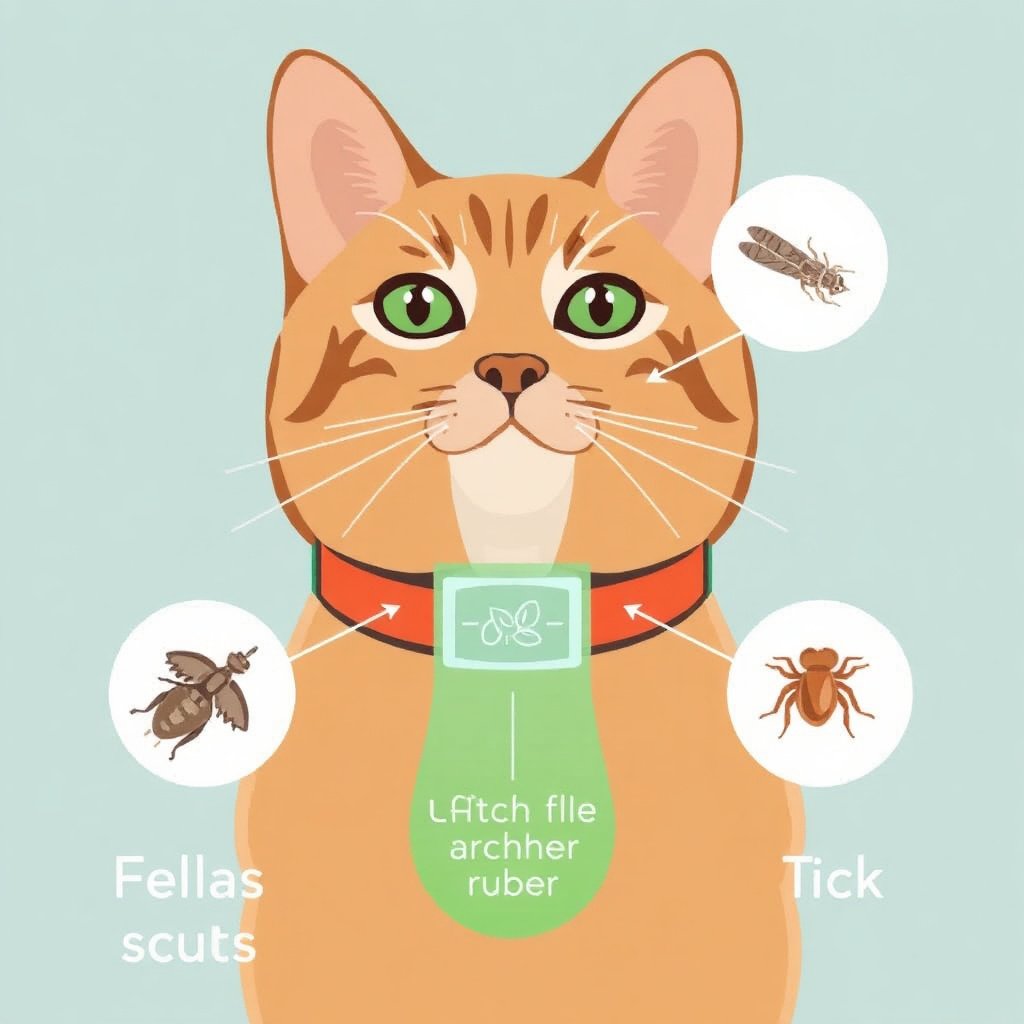
Active Ingredients Behind Flea Control
Most effective cat flea collars use insecticides like imidacloprid, flumethrin, or selamectin. These chemicals disrupt the nervous system of fleas and ticks, causing paralysis and death. Slow-release mechanisms allow the active agents to spread over your cat’s fur and skin for weeks or months without reapplying.
Some collars also include pheromone disruptors or insect growth regulators that prevent flea eggs from hatching. The combination keeps the flea population near zero. Understanding these components helps you choose a collar that offers continuous, reliable coverage.
- Imidacloprid – targets adult fleas
- Flumethrin – repels and kills ticks
- Insect growth regulators – block flea development
- Pheromone disruptors – interfere with flea breeding
Modes of Action and Protection Duration
Flea collars typically provide 6 to 8 months of protection through steady release of active chemicals. The collar's matrix design controls how much insecticide is dispensed daily, balancing effectiveness and safety. Some collars also offer waterproofing, so protection lasts despite bathing or rain exposure.
It's important that flea collars distribute the treatment evenly; collars that continuously touch the skin allow better absorption or dispersion over the cat’s body. Duration varies by brand, so you can select a collar based on how often you'd prefer to replace it.
Types of Cat Flea Collars and Their Benefits

Chemical-Based Flea Collars
Chemical flea collars contain active synthetic insecticides proven to kill and repel fleas effectively. These collars generally offer the longest duration of protection and are FDA approved. Despite concerns about exposure, properly formulated collars are safe when used as directed.
Their main advantage is continuous pest control without daily effort. However, some cats with skin sensitivities or respiratory issues may react to certain chemicals, so monitoring is advised. Chemical collars often balance cost and effectiveness well.
- Long-lasting protection (up to 8 months)
- Scientifically tested efficacy
- May cause irritation in sensitive cats
Natural and Herbal Flea Collars
Natural flea collars use plant-based oils like citronella, eucalyptus, or neem to repel fleas. These collars appeal to owners wanting chemical-free options and a gentler approach. Though safer, they typically must be replaced more frequently and may offer less consistent pest control.
They work best in low-infestation environments or as a supplement to other treatments. If you prefer an all-natural route, look for products with certified organic ingredients and positive user reviews on efficacy.
- Chemical-free and gentle on skin
- Often biodegradable and eco-friendly
- Shorter protection duration (1-3 months)
Key Safety Considerations for Using Cat Flea Collars

Avoiding Allergic Reactions and Skin Irritations
Some cats develop rashes or itching from flea collars, especially those with harsh chemicals or fragrances. To reduce risk, select collars specifically labeled as hypoallergenic or formulated for sensitive cats. Check for ingredients your cat may have reacted to previously.
Always monitor your cat after applying a new collar, especially during the first 48 hours. Removing the collar at the first sign of discomfort prevents worsening skin issues. Keeping collars clean and dry also lowers irritation chances.
For more on this, see our related guide: What Is the Best Flea Treatment for Dogs: Complete Guide to Fast & Lasting Control.
Safe Usage Tips to Protect Your Cat
Ensure the flea collar fits properly — not too tight to choke or too loose to slip off. You should be able to fit two fingers between the collar and your cat’s neck. Avoid combining a flea collar with other topical insecticides unless recommended by a vet to prevent toxic overload.
For multi-cat households, watch how cats interact to avoid collars causing harm during play. Some products have breakaway features to improve safety. Always follow the manufacturer’s instructions closely to maximize safety and effectiveness.
- Adjust collar for proper snugness
- Do not double-dose with other flea products
- Supervise cats initially after application
- Use breakaway collars in active homes
Choosing the Right Cat Flea Collar for Your Needs

Matching Collar Features to Your Cat’s Lifestyle
Indoor cats living in flea-free environments might require lighter protection or natural collars, while outdoor cats exposed to ticks and fleas often need stronger chemical collars. Consider your cat’s coat length and activity level too; water-resistant collars are better for active or swimming cats.
Think about replacement frequency and budget. Collars that last 6-8 months cost more upfront but save money over time compared to monthly topical treatments. Choose a product that fits your schedule and your cat’s comfort.
Reading Labels and Product Reviews
Review the active ingredients and any warnings on labels to understand how each flea collar works and its safety profile. Trusted brands provide detailed ingredient lists and customer service support. Reading user reviews offers insights into real-world effectiveness and any issues with fit or irritation.
Comparing labels helps avoid contradicting treatments and select collars compatible with your cat’s health history. Pay attention to age restrictions — some collars are not safe for kittens under a certain age.
- Check insecticide types and concentration
- Look for user feedback on comfort and efficacy
- Verify age and weight recommendations
Maintenance and Care of Your Cat’s Flea Collar
Proper Cleaning and Handling
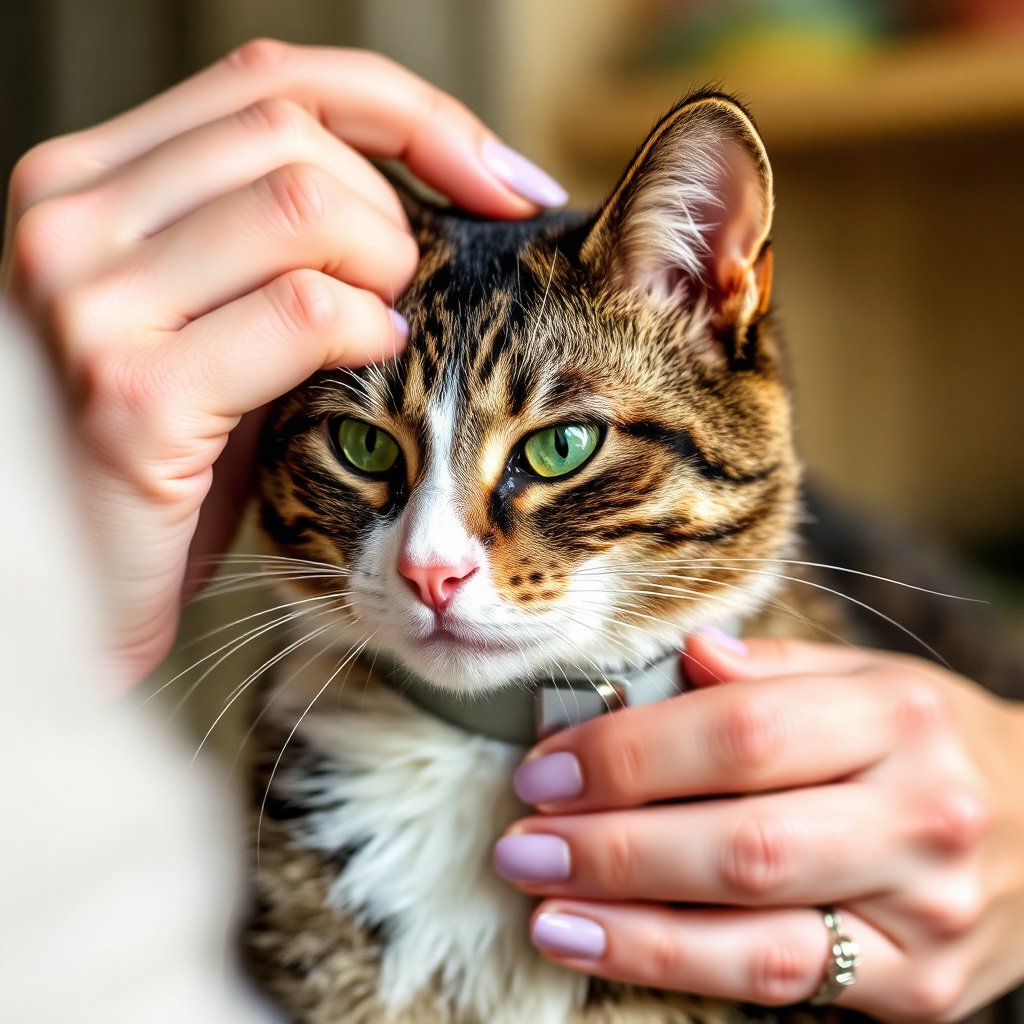
Avoid washing chemical flea collars as water can reduce efficacy unless specifically waterproof. For natural collars, gentle hand washing may be allowed to extend life. When handling collars, wash hands afterward to prevent unintentional exposure to chemicals.
Store unused collars in cool, dry places away from direct sunlight as heat can degrade active ingredients. Regularly check the collar for damage or wear, replacing it promptly if compromised.
For more on this, see our related guide: Are Flea Baths Safe for Puppies? Complete Safety Guide and Tips.
When to Replace Your Cat’s Flea Collar
Most flea collars specify an effective duration, typically 6-8 months for chemical collars and 1-3 months for natural ones. Replace the collar immediately after this period for continuous protection. Signs like flea scratching or detected pests indicate the collar is no longer working.
If your cat’s coat changes seasonally, consider swapping to a different type or brand that matches new flea risks. Timely replacement is essential to avoid re-infestation and maintain flea-free comfort.
- Follow manufacturer’s duration guidelines
- Replace if collar is damaged or smells unusual
- Observe for any flea activity
Alternative and Complementary Flea Control Methods

Using Spot-On and Oral Treatments with Flea Collars
Combining flea collars with spot-on or oral treatments can provide extra protection, especially in severe infestations. However, avoid overlapping treatments with similar active ingredients to prevent toxicity. Consulting your veterinarian helps tailor a safe, multi-pronged approach for flea control.
Some collars are designed to be used alongside certain treatments, while others warn against combining therapies. Always check product labels and professional advice before mixing methods.
For additional insights and safety tips, check the comprehensive cat flea collar information on PetMD. cat flea collar information on PetMD.
Environmental and Home Flea Control
Treatment of your cat alone is not enough if your home and yard harbor flea eggs and larvae. Frequent vacuuming, washing bedding, and using insect growth regulators in the living areas can stop flea cycles. Outdoor yard treatments may be needed if your cat goes outside.
Environmental flea control reduces re-infestation chances and improves the overall health of your pet and family. Combining an effective cat flea collar with home measures gives the best results.
- Regularly vacuum carpets and furniture
- Wash cat bedding weekly in hot water
- Use environmental flea sprays or powders
- Maintain yard cleanliness
Cat Flea Collar Category Comparison
Here’s a detailed comparison of popular cat flea collar categories highlighting their main features, protection duration, and suitability.
| Category | Active Ingredients | Protection Duration | Best For | Price Range |
|---|---|---|---|---|
| Chemical-Based | Imidacloprid, Flumethrin | 6-8 months | Outdoor or high-risk cats | $15-$35 |
| Natural/Herbal | Citronella, Neem Oil | 1-3 months | Sensitive cats, indoor use | $10-$25 |
| Waterproof Collars | Imidacloprid, Flumethrin | 6-8 months | Swimming or active cats | $20-$40 |
| Breakaway Safety Collars | Synthetic insecticides | 6-7 months | Kittens and multi-cat homes | $18-$30 |
| Insect Growth Regulator (IGR) Collars | Methoprene, Pyriproxyfen | 5-7 months | Flea egg control | $15-$30 |
Frequently Asked Questions
Can I use a flea collar on a kitten?
Many flea collars are not safe for kittens under 8 to 12 weeks old due to their sensitivity. Always check the label’s age recommendation and consult your vet for kitten-appropriate flea prevention.
How do I know if the flea collar is working?
If your cat shows less scratching and no fleas are visible after a few days, the collar is effective. Regularly inspect your cat’s coat and replace the collar as directed to maintain protection.
Are flea collars safe for cats with allergies?
Some flea collars contain chemicals that may cause skin irritation in sensitive cats. Choose hypoallergenic or natural collars and observe your cat closely after application to avoid adverse reactions.
Can I use a flea collar together with spot-on treatments?
Combining treatments may increase toxicity risks if the products have similar insecticides. Consult a veterinarian before using multiple flea control methods simultaneously.
How do flea collars repel ticks as well as fleas?
Flea collars containing active ingredients like flumethrin not only kill fleas but also repel and kill ticks by disrupting their nervous systems, offering broad protection against pests.
Key Takeaways
- The best cat flea collars combine proven insecticides with long-lasting slow-release technology.
- Choosing between chemical and natural collars depends on your cat’s sensitivity and exposure risk.
- Proper collar fit and monitoring for irritation are essential for your cat’s safety.
- Complement flea collars with environmental cleaning for comprehensive flea control.
Conclusion
Selecting the right cat flea collar involves balancing effective pest control with your pet’s health and lifestyle. The best cat flea collar offers continuous protection against fleas and ticks through active ingredients designed to work over several months while being comfortable and safe for your cat. Understanding the function and duration of collar treatments helps you make a decision that protects your cat reliably throughout flea season and beyond.
For outdoor cats or those in high-infestation areas, chemical-based collars with insecticides like imidacloprid and flumethrin offer robust, long-term defense. Indoor cats or cats with sensitivities might benefit more from natural or herbal collars, accepting shorter protection periods. Waterproof collars suit active cats who swim or groom often, while breakaway collars improve safety in multi-cat environments. Consider your cat’s age, health, and lifestyle to find the collar best suited for consistent flea protection.
Once you choose a collar, ensure it fits well and observe your cat for any irritation. Replace the collar according to manufacturer recommendations and support it with environmental flea control measures such as regular cleaning and yard maintenance. Consulting your veterinarian can provide tailored advice to keep your cat happy, healthy, and flea-free year-round.


