

Why Does My Dog Hate Baths? 8 Essential Reasons and Solutions That Work
Dogs may dislike baths because the experience overwhelms their senses through unfamiliar sounds, slippery surfaces, or uncomfortable water temperature. Their dislike can also stem from limited early exposure or past negative experiences during wash time. You can use this information to better understand your dog’s reaction and create a calm, positive bath time routine.
This explanation is for dog owners puzzled over why their pet hates baths and for those seeking simple, effective solutions. The article covers common reasons and easy to apply tips that will improve your dog’s comfort and cooperation during bath time.
Key Takeaways
- Short-haired dogs usually need baths every 6-8 weeks to stay clean without drying their skin.
- Breed and coat length impact bath frequency; long-haired dogs benefit from baths every 3-4 weeks.
- Water temperature should be kept between 90, 98°F to keep your dog comfortable and avoid shock.
- Early socialization with bath routines before 16 weeks reduces fear and resistance to water later.
- Slippery tubs or harsh shampoos increase stress; use non-slip mats and gentle, dog-safe products.
- Gradually introduce bath elements using positive reinforcement to build your dog’s confidence in water.
1. Why Does My Dog Hate Baths? Common Causes Explained
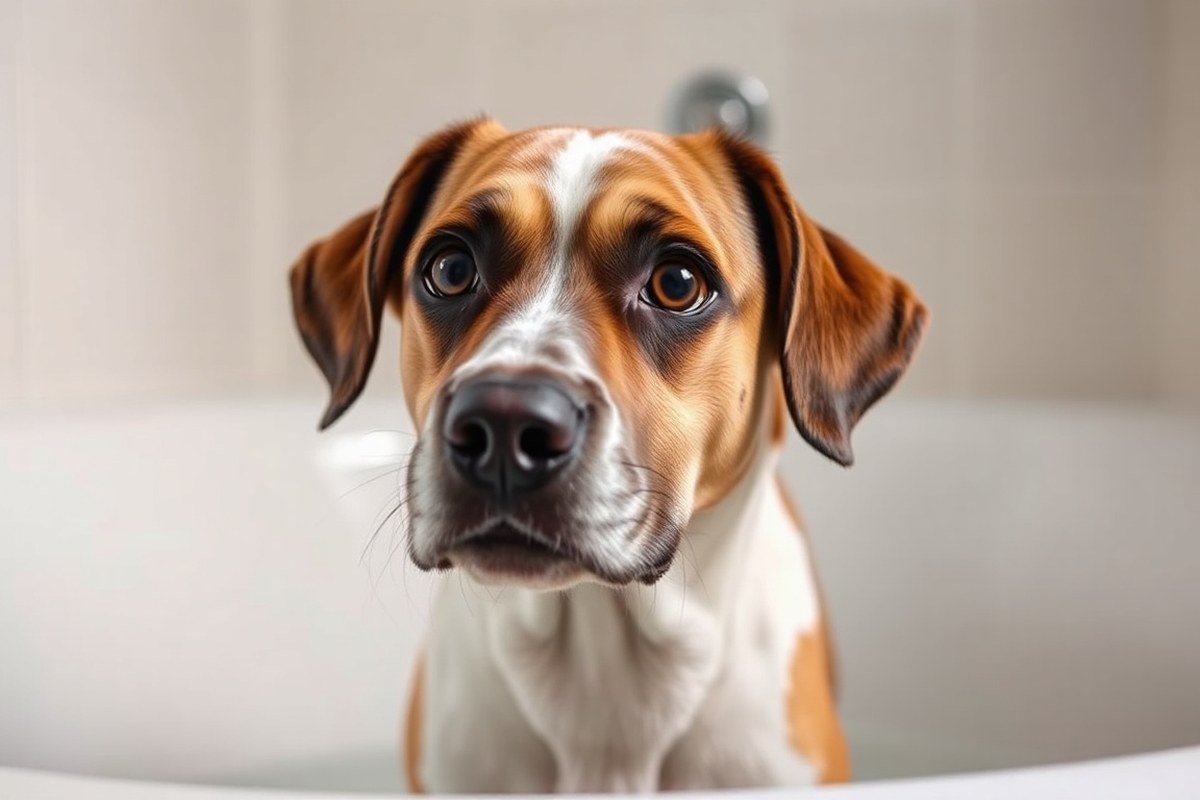
Many dogs dislike baths because they are not used to the experience. Bathing exposes them to unfamiliar sights, sounds, and sensations which can be unsettling. The feeling of water pouring over their body, combined with being confined in a tub or sink, often creates a sense of loss of control. Dogs feel vulnerable when they can’t move freely or escape if they want to. This anxiety contributes to their dislike of baths.
Temperature also plays a key role in a dog’s reaction. Water that’s too cold or too hot can cause physical discomfort, making the experience unpleasant. The ideal temperature is lukewarm, around 85 to 90 degrees Fahrenheit, which feels most comfortable and reduces stress. Using water outside this range can cause shivering or overheating, increasing the chance your dog will resist future baths.
Some dogs develop fear because of past negative experiences with baths. If a dog was hurried through a bath or exposed to harsh shampoos, loud noises, or slippery surfaces, these memories create lasting fear responses. Sensitivity to touch, especially if a dog has skin irritation or allergies, may trigger aversion as well. Choosing a gentle, dog-specific shampoo avoids irritation, while a calm approach helps reduce anxiety.
Poor socialization to bath time during puppyhood is another common cause. Puppies who aren’t slowly introduced to water and handling may associate baths with stress. Gradually exposing your dog to the bath environment early on helps build comfort and trust. For dogs already fearful, slow desensitization over multiple sessions where no water is used at first can ease them into the process.
Noise and slippery surfaces often compound fear. Sound echoes more in a bathroom or laundry area, making running water or splashing seem louder and scarier. Using a non-slip mat inside the tub improves footing and stability, which reduces panic and struggling. Bringing favorite toys or treats provides a distraction and reward, making bath time feel less threatening.
It’s normal for dogs to dislike baths. Many need baths for health and hygiene, but their protection instincts make water and confinement uncomfortable. Recognizing that this dislike is common helps you stay patient and find a routine that suits your dog’s specific needs. Adjusting water temperature, using gentle products, improving footing, and carefully introducing baths can turn a stressful chore into a manageable one for both of you.
2. How Often Should I Bathe My Dog Based on Breed and Coat

The ideal bathing frequency depends on your dog’s breed, coat length, and lifestyle. Short-haired breeds usually need fewer baths, about every 6 to 8 weeks, because their coats don’t trap as much dirt or moisture. Medium and long-haired dogs require more frequent baths, roughly every 3 to 4 weeks, to prevent tangles, mats, and build-up that can cause skin irritation. Overbathing can strip natural oils and dry out your dog’s skin, so sticking to these timelines helps balance cleanliness with coat health.
| Coat Type | Recommended Bathing Frequency | Why It Matters |
|---|---|---|
| Short-haired (e.g., Beagle, Boxer) | Every 6-8 weeks | Coats shed dirt easily and don’t mat, less need for frequent washing |
| Medium-haired (e.g., Cocker Spaniel, Border Collie) | Every 4-6 weeks | More prone to tangles and dirt, washing prevents matting and odor |
| Long-haired (e.g., Shih Tzu, Afghan Hound) | Every 3-4 weeks | Long fur easily mats and traps dirt, needs frequent cleaning to stay healthy |
| Curly or dense coats (e.g., Poodle, Bichon Frise) | Every 3-4 weeks | Densely curled fur traps oils and debris, regular baths keep skin balanced |
| Dogs with minimal outdoor activity | Less frequent than breed standard | Less dirt exposure means fewer baths required |
| Active or outdoor dogs | More frequent, as needed between 3-6 weeks | Dirt, mud, and allergens require more regular cleaning |
Maintaining the right bath schedule helps avoid skin problems and keeps your dog comfortable. Use a gentle, dog-safe shampoo and rinse thoroughly to prevent irritation. If your dog’s coat or lifestyle changes, adjust the schedule accordingly. Consulting your veterinarian or breeder is a good way to get personalized advice, especially for breeds with unique coat needs.
Do not bathe your dog more often than recommended without vet advice, as it can dry their skin and trigger itching or infection.
In between full baths, quick cleanups using waterless shampoos or wipes can reduce odors and keep your dog feeling fresh. This approach benefits dogs who dislike baths by minimizing wetting and drying time while supporting skin health. Tailoring your routine to your dog’s coat and habits makes baths more manageable and helps your dog tolerate bath time better.
3. How Water Temperature and Bathroom Setup Affect Your Dog’s Comfort
Your dog’s bath experience depends heavily on water temperature and the bathroom environment. Water that’s too hot or cold can cause discomfort, and a noisy, slippery, or confined space may trigger anxiety. Making adjustments to these factors helps reduce stress and makes baths more tolerable for your dog.
Choosing the Right Water Temperature
Use lukewarm water to keep your dog comfortable during baths. Water temperature between 90°F to 100°F (32°C to 38°C) is generally safe and soothing for most dogs. Water that is too hot can scald their sensitive skin, while cold water can create shock and discomfort.
Test the water before you start by dipping your wrist or elbow in for about 10 seconds. Avoid surprises that may remind your dog of past painful experiences like scalding or stinging from soap near the eyes. Gradually adjusting water temperature takes only a few seconds but can prevent your dog associating baths with pain.
Creating a Calm and Dog-Friendly Bath Space
Adjusting your bathroom setup to be welcoming and secure reduces anxiety. Avoid loud noises such as running water sounds or clanging taps, which can startle your dog. Keeping the room quiet helps lower sensory overload.
Arrange the bathing area to prevent slips and offer your dog control during the process. A nonslip rubber mat in the tub or sink costs around $10 to $20 but offers safety and comfort. Place your dog’s food bowl just outside or inside the bathroom and create a trail of treats leading up to it to build positive associations with this space.
Environmental Factors That Trigger Stress
Several factors in the bathroom can provoke anxiety beyond temperature. Bathing spaces often feel confined, which may remind dogs of earlier stressful situations involving trapping or restraint. Familiarizing your dog gradually can reduce this feeling.
Bright lighting or strong smells from cleaning products or shampoos also cause discomfort. Use mild, unscented shampoos made specifically for dogs and keep the lighting soft if possible. Let your dog explore the bathroom before the bath to help them feel less trapped.
Important Tips by Situation
Tailor your approach depending on your dog’s history and specific reactions:
- When your dog resists water, begin with brief, dry sessions close to the tub before adding water.
- For dogs with prior traumatic baths, maintain soothing voice tones and steady, gentle handling throughout.
- Keep bath sessions brief first, around 5 minutes, to build tolerance slowly.
- Use treats generously during and after the bath to reinforce positive experiences.
- In cold weather, warm the bathroom before bathing to avoid chills.
- When your dog feels very anxious, place a familiar blanket or toy in the bathing area.
- Always dry your dog thoroughly afterward, using a towel or a low-heat blow dryer if your dog tolerates it.
Adapting your setup in these ways requires little investment but can dramatically improve your dog’s comfort and willingness to cooperate during bath time.
Signs Your Setup Needs Improvement
Notice if your dog constantly tries to escape, whines, or freezes during baths. Shivering or sudden restlessness suggests cold water or a chilly environment. Slipping and struggling could mean the tub floor is too slick. Observe your dog’s reactions to running water noise or light level changes to identify sensory triggers. Changing water temperature, reducing bathroom noise, adding nonslip surfaces, and making the space feel safe can help turn bath time into a less stressful experience for both of you.
4. Common Bath Time Mistakes That Increase Dog Stress
Many dogs hate baths because of common mistakes that increase their stress and fear during the process. When your dog feels trapped, uncomfortable, or overwhelmed, it triggers a fight-or-flight response. This can lead to frantic attempts to escape the tub, slipping, and barking or scratching, which worsen stress and can cause injury. Avoiding these mistakes can make bath time smoother and less stressful for both you and your dog.
One frequent error is rushing the bath. Dogs feel more secure when you take time to prepare, speak calmly, and proceed slowly. Sudden water splashes or pouring water quickly over your dog’s head can cause panic. Instead, use a gentle flow of water starting from the back or chest, slowly moving toward the head last.
Another mistake is bathing your dog when you are stressed or rushed. Dogs sense your emotions and will mirror your anxiety, making them more likely to resist and panic. Plan bath time when you’re calm and have at least 15 to 20 minutes set aside.
Using slippery surfaces without mats or grips is also a common problem that causes dogs to lose footing and frighten themselves. Providing slip-resistant surfaces like rubber mats or a textured tub liner prevents falls and helps your dog feel stable, reducing anxiety.
- Not preparing the area and water before bringing your dog in.
- Using water that is too cold or too hot; aim for lukewarm around 85°F to 90°F.
- Starting the bath with sudden sprays or over-the-head water.
- Ignoring your dog’s signals of discomfort or fear.
- Bathing too frequently or using harsh shampoos that irritate the skin.
- Failing to keep bath time calm and positive with soothing voice and gentle handling.
- Using standard tubs without traction, causing slips and injuries.
Preparing a dedicated washing station with slip-resistant features can eliminate many common stressors. For example, CO-Z’s dog wash station offers a non-slip base and comfortable height to improve control and reduce your dog’s anxiety. You should also avoid bathing your dog immediately after heavy exercise or when they are overly excited, as this can increase nervousness.
Consistently applying calm handling, gentle water flow, appropriate water temperature, and a safe, secure environment reduces your dog’s anxiety. Gradually, your dog will associate bath time with safety and comfort rather than fear and stress. Ignoring these factors usually results in repeated struggles, increased resistance, and an unsafe experience for both of you. Taking the time to set up the right conditions matters more than finishing quickly, helping bath time become less of a battle over time.
5. Step-by-Step Desensitization Training to Make Baths Positive
Getting your dog comfortable with baths usually takes several weeks of consistent training using gradual exposure and positive reinforcement. This step-by-step approach helps your dog associate the bath area and bathing process with treats, praise, and calm sensations. Using a clear training script involving these elements can turn bath time into a less stressful, even enjoyable routine.
Introducing Your Dog to the Bath Area
Start by making the bathroom or bathing spot inviting without any water involved. Let your dog explore the area freely while you talk to them in a calm, soothing voice. Add treats and light physical praise like gentle petting to create a positive connection with the space itself.
Create a habit where your dog expects rewards just for being near or inside the bath area. This initial phase is about association, not bathing yet, and the goal is to reduce fear of the location.
Gradual Exposure to Water and Touch
Once your dog is comfortable entering the bath space, slowly introduce water and bath-related sensations in small, non-threatening steps. Use lukewarm water, between 85°F to 90°F, to avoid discomfort. Begin by wetting your hand and gently touching your dog’s legs or paws without forcing them into the tub itself.
Increase exposure gradually over multiple sessions, moving from touching your dog with a wet hand to using a damp washcloth, then occasionally spraying small amounts of water. Keep each session brief, only a few minutes, and always end while your dog is calm and relaxed.
Reinforcing Calm Behavior with Rewards
Positive reinforcement is key to changing your dog’s bath perception. Immediately offer high-value treats and enthusiastic verbal praise whenever your dog shows calm behavior or cooperates during bath introduction or water exposure. This reinforces that staying calm brings good things.
Use treats your dog loves, like small pieces of cooked chicken or commercial training treats, to keep motivation strong. Consistently reward after steps like stepping into the tub, standing still, or allowing water to touch them without fuss.
Handling Resistance and Signs of Stress
Pay attention to signs of stress such as trembling, avoiding the bath area, whining, or trying to escape. Going too fast often increases fear instead of easing it. If your dog resists, take a step back to a previously successful stage and repeat those steps until they are comfortable again.
Keep your voice steady and gentle, and consider playing relaxing music to soothe anxiety. Short, frequent sessions work better than long, forced ones. A calm and patient approach maintains your dog’s trust during training.
Forcing a dog into a bath when stressed can worsen bath aversion and increase anxiety; patience and gradual exposure are essential.
- Place your dog in the bathroom or bath area, offering treats and praise while they explore without water.
- Introduce a non-threatening water element, like a wet hand or damp cloth, rewarding calm reactions.
- Gradually add more water exposure, such as light spraying or wetting more of the dog, keeping sessions short and positive.
- Use high-value treats immediately following calm behavior to reinforce positive associations.
- Observe for stress signals and if they occur, return to previous steps until your dog feels secure.
- Repeat sessions several times a week, aiming for gradual progress; expect this to take several weeks or months.
- Maintain a calm voice and gentle touch throughout each session to encourage relaxation.
6. Positive Reinforcement Techniques That Help Bath Time
Positive reinforcement improves your dog’s bath experience by creating a link between bath time and rewards they enjoy. Rewarding your dog during and after the bath encourages calm behavior and reduces stress. You can use tasty treats, toys, or gentle praise, timing the rewards to reinforce good behavior throughout the process.
Choosing the Right Treats and Toys
Pick treats that grab your dog’s attention quickly and are easy to eat. Small, soft treats work best because they can be delivered fast without interrupting the bath flow. Avoid large snacks that might slow down reward timing or cause choking. If your dog prefers toys over food, choose something they can safely hold during the bath without getting damaged. Toys that float or squeak can distract and entertain your dog while keeping them focused. Here’s a list of effective rewards to have ready:
- Small pieces of cooked chicken or cheese
- Soft, commercial training treats designed for quick chewing
- A favorite squeaky toy or rubber ball
- Frozen treats if you want to cool your dog especially in warm baths
- Clicker device if you use clicker training alongside treats
Some dogs respond better to food, while others are motivated more by play. Notice your dog’s preference by offering a few different types of rewards at home before the bath.
Timing Rewards for Maximum Impact
Give rewards immediately after your dog shows calm or cooperative behavior during bath steps. Delayed rewards don’t make the same positive association. For example, reward your dog right after they stand still in the tub or allow water on their paws without pulling away. You can also reward after rubbing shampoo gently to signal the action is safe and pleasant. Frequent rewards early on help build positive connections, then you can space them out as your dog gets more comfortable. Try this reward schedule during bath time:
- Reward when your dog enters the bath area calmly
- Reward just after the first splash of water touches them
- Reward during shampooing for standing still or relaxed posture
- Reward after thorough rinsing and towel drying
- Give a big reward and praise once the bath is completely finished
Consistent and immediate rewards help your dog learn which behaviors you want to see repeated around bath time.
Combining Verbal Praise with Physical Comfort
Use a calm, friendly tone to offer verbal praise alongside treats or toys. Phrases like “Good job,” “Nice and calm,” or “You’re such a good dog” signal approval and reassurance. Soft petting, gentle scratching behind the ears, or slow stroking during the bath helps your dog remain relaxed. Your voice and touch help ease anxiety especially if your dog is nervous due to sensory overload during baths. Balance your verbal and physical cues in this way:
- Speak softly and use a happy tone throughout the bath
- Offer a gentle pet or scratch immediately after rewarding
- Stay close to provide reassuring presence without crowding
- Watch your dog’s body language and pause to comfort if stressed
- Keep phrases simple for easy association with positive feelings
This combination lowers your dog’s stress and strengthens the link between bath time and safety.
Avoiding Negative Reinforcement Triggers
Negative reinforcement happens if your dog learns they can end the bath by acting scared or resistant. Avoid reacting with frustration, raised voices, or force, which can increase fear and distrust. Instead, pause and give your dog a break if they show signs of severe stress. Never use punishment or harsh handling, which can worsen bath aversion over time.
Don’t forget to keep bath time predictable and calm. Use the same setup, quiet voices, and routine steps to reduce surprises. When your dog knows what to expect, they’re less likely to resist. You can also reduce negative associations by:
- Not rushing the bath or forcing the dog into the tub abruptly
- Avoiding cold water shocks or harsh sprays
- Giving choice when possible, like letting your dog step in voluntarily
- Staying relaxed yourself; your mood affects your dog’s anxiety levels
- Ending bath sessions on a positive note every time with a reward
Minimizing negative triggers and focusing on positive reinforcement builds trust and cooperation around baths over weeks or months.
7. Safety Tips and Tools to Avoid Slips, Injuries, and Anxiety
Slipping during baths can cause injury to your dog and increase anxiety, making safety a top priority. Prevent falls by placing a non-slip mat in the tub or sink. This gives your dog traction, which reduces panic and helps them feel more secure. If your dog is small, a sink bath with a rubber mat works well, while larger dogs benefit from rubber mats designed for bathtubs or shower floors, which typically cost around $10 to $20.
Gathering the right tools also plays a big role in safe, calm baths. Use a handheld sprayer or a pitcher for controlled rinsing so you can avoid sudden sprays that startle your dog. Lukewarm water is best; aim for 85°F to 95°F, which is comfortable but not hot enough to harm sensitive skin. Have towels nearby to dry your dog promptly and keep the area warm to prevent chills.
- Non-slip bath mat for traction and stability
- Handheld sprayer or pitcher for gentle rinsing
- Lukewarm water (85°F to 95°F) for comfort and safety
- Dog-safe shampoo suited to your dog’s coat and skin condition
- Towels for quick drying and warmth
- Brush to detangle before bathing
- Calm, reassuring voice throughout the process
Bathing dogs that are aggressive or extremely fearful alone is not safe. These dogs might struggle or escape, risking injury to themselves or you. You should always have a second person to assist or consider professional grooming services if your dog’s anxiety or aggression is severe. A helper can hold the dog calmly while you focus on washing, preventing sudden movements that cause slips or bites.
Before starting, secure the bathroom area by closing doors and removing objects your dog could bump into. Check water temperature with your wrist or a thermometer. Finally, be patient, maintaining a gentle, calm tone will help keep stress low and encourage your dog to stay still, lowering the chance of accidents during bath time.
8. When to Seek Professional Help for Bathing Issues
Look for signs of extreme stress or aggression during baths as signals to consult a veterinarian or veterinary behaviorist. These signs include trembling, excessive panting, growling, snapping, or attempts to escape that are intense or persistent. When your dog reacts this strongly, professional advice helps ensure safety and effectively addresses underlying anxiety or behavioral issues.
Professional groomers are trained to handle dogs with different temperaments, using techniques that calm anxious dogs and maintain their comfort. They often employ tools like bathing harnesses and non-slip mats to provide stability and security during baths, which can be difficult for you to replicate at home. Groomers also know how to restrain dogs safely during bathing to prevent injuries and reduce fear.
You should consider professional grooming services if your dog’s anxiety is so severe that home bathing results in injury to you or your dog, or if attempts at desensitization and positive reinforcement are not improving behavior after several weeks. A typical professional groomer charges between $30 and $90 for a basic bath and trim, depending on location and dog size, but the investment can be worthwhile to protect your dog’s well-being and your own safety.
Behaviorist or trainer involvement is recommended when your dog’s fear of baths becomes a major source of stress or aggression and home training efforts stall. These experts can create customized plans to gradually change your dog’s reaction, combining behavioral techniques with environmental adjustments. This approach may take weeks to months, requires consistency, and can sometimes coincide with medical evaluation to rule out pain-related triggers.
A practical decision rule is to pause home bathing attempts if your dog shows intense fear or defensive behavior, then seek advice. Avoid forcing baths, which can worsen anxiety or lead to injuries. Instead, contact a groomer skilled in handling fearful dogs or schedule a vet consultation to discuss a complete plan that may include professional training, medication, or gradual desensitization.
Do not bathe your dog when it is already stressed from other events like vet visits or thunderstorms, as this can increase bath-related anxiety and complicate behavior management.
Step-by-Step Action Plan to Make Bath Time Easier
Follow this plan over several weeks to help your dog feel more comfortable and even enjoy baths.
- Before You Begin: Gather all bath supplies and set the water temperature to lukewarm. Your dog should approach the bathroom calmly before starting.
- Day 1: Introduce your dog to the bath area without water, using treats to create a positive association. Success is when your dog willingly enters the tub or bath space.
- Day 3: Add a small amount of water to the tub floor and let your dog explore it, continuing to offer treats and praise. Your dog should show curiosity or calmness near the wet surface.
- Week 1: Practice gentle spraying of water on your dog’s paws only, rewarding relaxation. Your dog’s acceptance without pulling away signals progress.
- Week 2: Gradually increase water contact to the body while using positive reinforcement. When your dog stays calm and relaxed, you can move to rinsing more thoroughly.
- Week 3: Perform a full bath with gentle handling and the usual treats or favorite toys immediately after. A relaxed dog after the bath confirms success.
- After 4 Weeks: Maintain a consistent bath routine with praise and rewards every time. Look for your dog’s eagerness or willingness to start bath time as a sign of comfort.
Frequently Asked Questions
Can Anxiety from Past Experiences Make Dogs Hate Baths?
Yes, negative past bath experiences can cause fear, making dogs resist baths. Gradual, gentle exposure helps rebuild trust and reduce anxiety.
Does the Sound of Running Water Stress Dogs During Baths?
Many dogs find water sounds unsettling, increasing bath time stress. Using a quieter water flow or running water before bath time can ease discomfort.
Can a Dog’s Age Affect How Much They Hate Baths?
Older dogs may dislike baths due to joint pain or decreased flexibility. Use warm water and gentle handling to make baths less painful.
Does Using a Human Shampoo Cause Discomfort During Dog Baths?
Human shampoos can irritate dogs’ skin, causing discomfort and resistance. Always use shampoos specifically formulated for dogs to avoid skin reactions.
Can Cold Water Make Dogs Hate Their Baths More?
Cold water can shock and upset dogs, leading to bath aversion. Use lukewarm water to keep your dog comfortable and calm.
Can the Bathtub’s Slippery Surface Increase a Dog’s Fear of Baths?
Yes, slippery tubs make dogs feel unsafe and anxious during baths. Use a non-slip mat for better footing and reduce stress.
Wrapping Up
Your dog’s dislike of baths usually comes from past stressful experiences, uncomfortable settings, or sensitivity to water temperature and handling. Taking small, consistent steps to build positive associations and comfort can change how they feel about bath time. Start today by creating a pleasant bathroom environment with lukewarm water and treats, and watch how your dog’s attitude toward baths improves.



2 Comments