How to Choose the Best Cat Deshedding Tool for Your Feline Friend
The best cat deshedding tool effectively removes loose fur from your cat's coat without causing irritation, reducing shedding significantly. Tools like the Furminator de-shedding brush are popular for their ability to reach undercoat fur and minimize the amount of hair spread around your home.
Excessive shedding can lead to hairballs and allergies, so using an appropriate deshedding tool can improve both your cat’s comfort and your living environment. Not all brushes or combs are designed for deep fur removal, meaning many simply move hair around without reducing shedding.
This article will cover the main types of cat deshedding tools, what features to look for, and how to use them for maximum fur removal. We will also compare popular products and address common questions to help you find the best pet hair remover for your cat’s specific needs.
Why Using a Cat Deshedding Tool Matters

Addressing Shedding Healthily
Regular grooming with a deshedding tool minimizes loose fur that cats often swallow during self-grooming, which reduces the risk of hairballs clogging their digestive system. Maintaining coat health also prevents skin problems caused by matted fur or trapped dirt.
A proper tool reaches the undercoat, where most shedding hair lives, removing it without damaging the topcoat. This helps your cat stay comfortable and decreases allergy-triggering dander in your home.
Benefits for Cat Owners
Cleaning up loose cat hair around your home becomes easier, while regular use can cut down on frequent vacuuming and lint rolling. This improves air quality by limiting airborne pet dander.
Additionally, the grooming process doubles as bonding time, strengthening your relationship with your cat while monitoring their skin and coat condition.
Types of Cat Deshedding Tools
De-Shedding Brushes
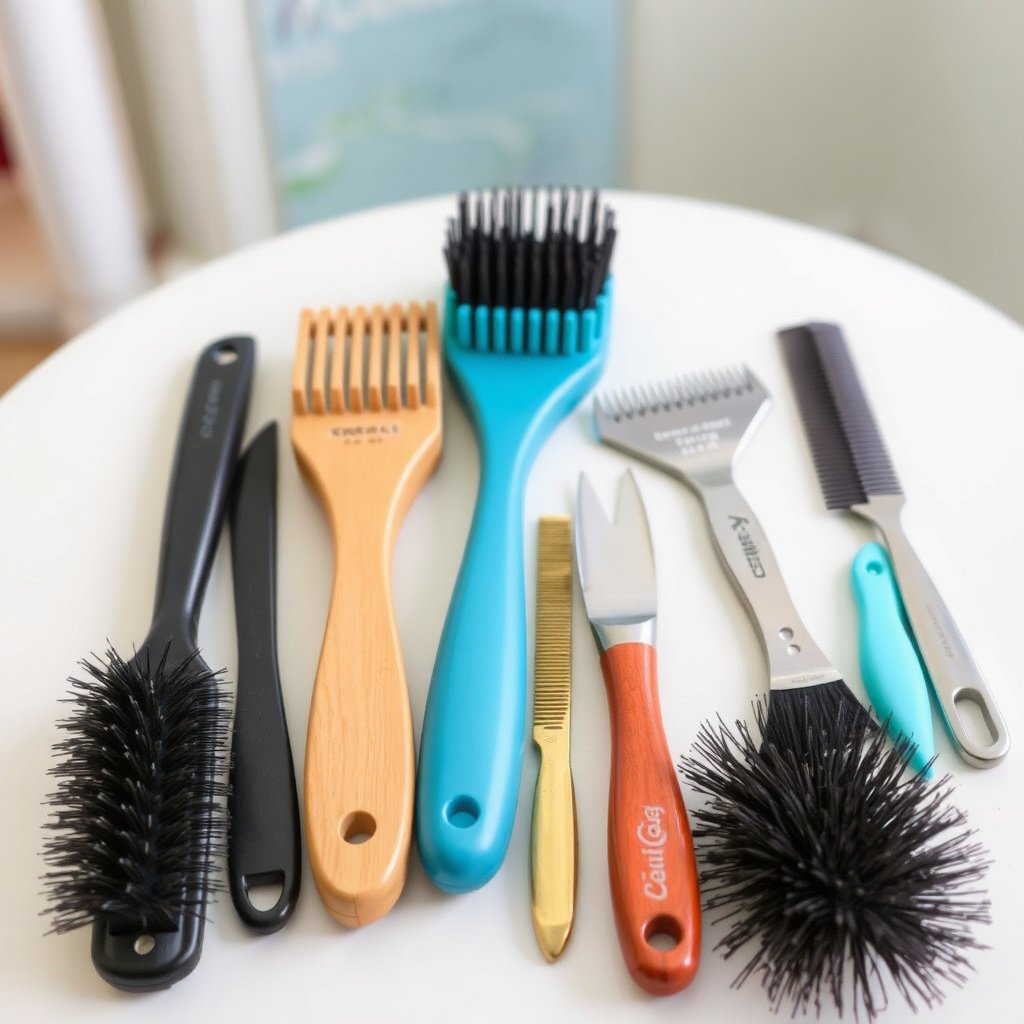
De-shedding brushes have fine teeth designed to reach beneath the top layer of fur and gently pull out loose undercoat hair without cutting or harming the skin. Popular models like the Furminator feature stainless steel edges specifically shaped to capture shedding hair effectively.
These brushes suit cats of medium to long hair length and provide thorough fur removal. They typically require careful use to avoid irritating sensitive skin, so using gentle strokes is key.
- Designed to remove loose undercoat fur
- Stainless steel blade or teeth
- Suitable for medium and long-haired cats
- Requires careful, gentle grooming techniques
Slicker Brushes and Combs
Slicker brushes feature densely packed wire bristles that lift loose hair and remove debris but don’t reach as deep into the undercoat as de-shedding tools. Combs can help detangle knots and smooth the fur after deshedding.
These are better suited as complementary tools rather than primary deshedding devices, especially for cats with thicker or longer fur.
- Excellent for removing surface hair and detangling
- Less effective on tightly embedded undercoat fur
- Useful for finishing grooming sessions
Choosing the Best Cat Deshedding Tool

Consider Your Cat’s Coat Type
Short-haired cats often need a different approach than long-haired breeds. Tools with smaller teeth work well for short coats to avoid overstimulation, while longer-toothed brushes better serve thick or double-layered coats.
Also assess your cat’s skin sensitivity. If your pet has delicate or flea-prone skin, opting for soft-bristled brushes or tools with rounded edges helps avoid discomfort.
For more on this, see our related guide: What Is the Best Dog Brush? Complete Guide to Top Brushes and Usage Tips.
Ergonomics and Maintenance
Look for brushes with comfortable handles that provide firm grips for regular use without strain. Easy cleaning features, such as self-cleaning buttons or detachable heads, extend the tool’s lifespan and hygiene.
A tool that’s simple to clean prevents hair build-up that could reduce effectiveness and increase grooming time.
- Comfortable, non-slip handles
- Easy-to-clean design
- Durable construction for long-term use
How to Use a Cat Deshedding Tool Effectively

Proper Brushing Technique
Start grooming in a calm setting by brushing in the direction of the hair growth, applying gentle pressure to avoid pinching the skin. Focus on areas where shedding is heaviest, such as the neck, back, and tail base.
Frequent short sessions work better than long, intense ones to keep your cat comfortable and tolerant of grooming.
- Brush with the grain of fur
- Use gentle, consistent strokes
- Avoid sensitive or injured areas
Aftercare and Cleaning
Remove collected hair from the brush regularly and clean the tool according to manufacturer instructions. Providing treats during or after grooming can create a positive association for your cat.
Inspect your cat’s skin while grooming for dryness or irritation and consult a vet if you notice abnormalities.
- Clean brush frequently
- Reward your cat to encourage cooperation
- Monitor skin condition during grooming
Popular Cat Deshedding Tools on the Market

The Furminator
The Furminator is widely recognized for its effective undercoat hair removal using a stainless steel edge designed for various coat lengths. Its ergonomic handle and de-shedding edge make it a favorite among cat owners.
However, it requires careful use to prevent skin irritation, especially on sensitive cats, and regular cleaning of the blade is necessary to maintain performance.
- Stainless steel de-shedding edge
- Ergonomic handle
- Suitable for multiple coat lengths
For more on this, see our related guide: What Is a Deshedding Shampoo? How It Works & Practical Tips for Results.
Other Recommended Tools
Brands like Hertzko and Safari offer de-shedding brushes at competitive prices with similar features. The Safari comb is also praised for detangling thick fur after deshedding, making it a good pairing.
Manual slicker brushes with soft wires like the Kong ZoomGroom gently lift loose fur and suit sensitive cats while helping control shedding.
- Hertzko de-shedding brush with self-cleaning button
- Safari comb for detangling
- Kong ZoomGroom for gentle surface deshedding
Managing Shedding Beyond Deshedding Tools
Diet and Hydration
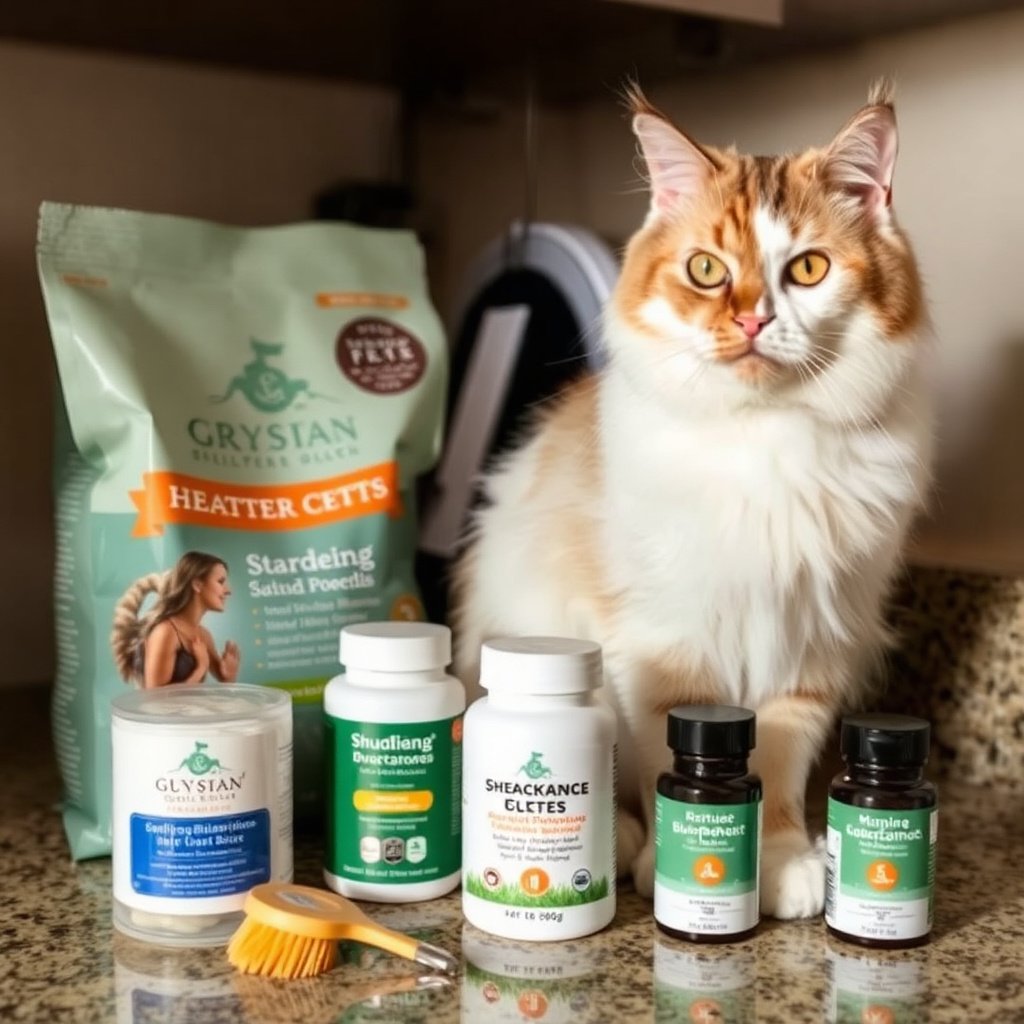
Healthy skin and coat depend on proper nutrition and hydration. Feeding a balanced diet rich in omega fatty acids can reduce shedding naturally by promoting coat strength and moisture retention.
Fresh water availability is critical, as dehydration can lead to dry, flaky skin and increased shedding.
For additional insights into grooming practices and cat coat care, see the detailed cat grooming on Wikipedia. cat grooming on Wikipedia.
Environmental and Seasonal Factors
Shedding often spikes with seasonal changes when cats shed winter or summer coats. Regulating indoor humidity and temperature can ease coat transitions and reduce shedding volume.
Regular play and exercise improve circulation and skin health, indirectly benefiting shedding management.
Cat Deshedding Tool Category Comparison
Here’s a comparison of common cat deshedding tool categories, highlighting their effectiveness, best use cases, and price range to guide your choice.
| Category | Effectiveness on Undercoat | Best For | Price Range |
|---|---|---|---|
| De-Shedding Brushes | High | Medium to long-haired cats | $15-$40 |
| Slicker Brushes | Moderate | Removing surface hair; detangling | $10-$25 |
| Combs | Low | Detangling and finishing | $5-$20 |
| Rubber Grooming Gloves | Low-Moderate | Short-haired cats sensitive to brushes | $8-$15 |
Frequently Asked Questions
How often should I use a cat deshedding tool?
Using a deshedding tool one to two times per week is usually enough for most cats, but long-haired or heavy-shedding cats may need more frequent grooming.
Can deshedding tools irritate my cat’s skin?
If used aggressively or on sensitive skin, some deshedding tools can cause irritation. Always use gentle strokes and choose a brush suited for your cat’s coat type.
Is it safe to use human hair brushes on cats?
Human hair brushes are not designed for pet coats and may be ineffective or cause discomfort. It’s best to use tools specifically made for cats.
Will deshedding tools stop all shedding?
No tool stops natural shedding completely, but proper grooming greatly reduces loose fur and makes shedding more manageable.
How do I maintain my cat’s deshedding tool?
Regularly remove hair clogs and wash the tool as recommended by the manufacturer to keep it clean and effective over time.
Key Takeaways
- The best cat deshedding tool removes loose undercoat fur gently and efficiently.
- Choose a tool based on your cat’s coat length and skin sensitivity.
- Regular grooming reduces hairballs and household fur mess.
- Combining deshedding tools with good diet and care improves coat health.
Conclusion
Selecting the best cat deshedding tool involves weighing your cat’s coat type, skin sensitivity, and grooming preferences. Tools like de-shedding brushes that reach the undercoat provide the most effective fur removal. Using these tools consistently reduces the volume of shedding hair and improves your cat’s comfort while keeping your environment cleaner.
For cats with medium to long-haired coats, options like the Furminator or Hertzko de-shedding brushes offer durable performance that addresses heavy shedding at the source. Short-haired cats or sensitive skin types may benefit more from softer slicker brushes or gentle grooming gloves. Complementing these tools with combs to detangle fur also enhances grooming results.
Starting a regular routine using the right tool paired with positive reinforcement creates a stress-free grooming experience for both you and your cat. From there, maintaining hydration and good nutrition supports healthy skin and coat, further minimizing shedding. By choosing wisely and caring consistently, you’ll keep your cat comfortable and the shedding manageable.