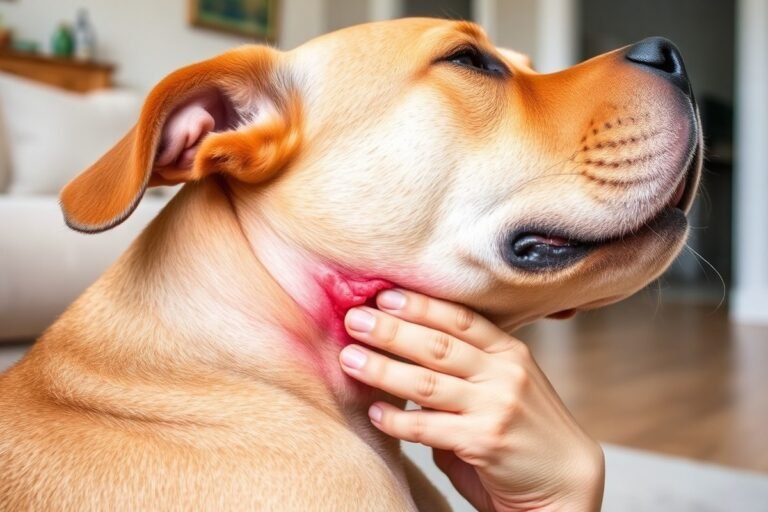
How to Use Dog Clippers: A Step-by-Step Grooming Guide
Using dog clippers properly involves preparing your dog, selecting the right blade, and carefully trimming your pet's coat to avoid discomfort or injury. Start by brushing your dog's fur to remove tangles and dirt, then choose a suitable clipper blade based on your dog's coat type and the desired hair length. Turn on the clippers and gently move them in the direction of hair growth, taking care around sensitive areas like the face and paws.
Grooming with clippers matters because it helps maintain your dog's skin health, prevents matting, and keeps them comfortable, especially in warmer months. Using the wrong blade or applying too much pressure can cause cuts or irritation, so learning the correct technique ensures a positive experience for both you and your dog.
This guide will cover key steps such as preparing your dog, choosing the right clippers and blades, handling the clippers safely, managing different coat types, and maintaining your equipment. By the end, you'll have practical knowledge to groom your dog confidently at home.
Preparing Your Dog for Clipping
Brushing and Bathing Your Dog
Begin by thoroughly brushing your dog to remove tangles and loosen dirt. This step helps prevent the clippers from snagging on mats, which can hurt your dog and damage the clipper blades.
Giving your dog a bath before clipping removes oils and debris for a cleaner cut. Ensure the coat is fully dry to avoid clogging the clippers and to keep the blades sharp longer.
- Use a slicker brush or comb suited to your dog's coat
- Be gentle to avoid pulling on sensitive skin
- Dry your dog thoroughly after bathing with towels or a pet dryer
Creating a Calm Environment
Dogs respond best to grooming in a quiet, relaxed environment. Minimize distractions and keep your dog comfortable with familiar items like toys or treats.
If your dog is anxious, start with short sessions and reward calm behavior to build trust and patience during clipping.
- Choose a well-lit, non-slippery surface
- Have treats ready for positive reinforcement
- Keep sessions brief initially, increasing as your dog adjusts
Choosing the Right Dog Clippers and Blades
Types of Dog Clippers
Dog clippers come in two main types: corded and cordless. Corded clippers tend to be more powerful and provide consistent operation, ideal for heavier coats. Cordless clippers offer flexibility and ease of use but may require recharging during longer sessions.
Consider the motor type—rotary motors are better for thick fur, while magnetic or pivot motors are quieter and suitable for sensitive dogs.
- Corded: reliable power, suitable for long grooming
- Cordless: portable, quieter but limited run-time
- Rotary motor: strong, optimal for thick coats
- Magnetic/pivot motor: gentle, less noise
For more on this, see our related guide: Can You Use Human Nail Clippers on a Dog? What Actually Works Safely.
Selecting Blades and Guard Combs
Blades vary in size to control hair length after clipping. Lower blade numbers cut closer to the skin; higher numbers leave longer fur. For full-body clipping, a #10 or #7 blade is common, while a #30 blade is used for a very close trim.
Guard combs attach over blades to further adjust cutting length, allowing gradual blending and avoiding cut skin.
- #10 blade: close cut (~1/16 inch)
- #7 blade: medium cut (~1/8 inch)
- #30 blade: very close cut (~1/50 inch)
- Guard combs: come in several sizes from 1/8 inch to 1 inch
Using Dog Clippers Safely and Effectively
Proper Clipping Technique
Hold the clippers firmly but not too tightly, and move them steadily in the direction of hair growth to achieve smooth cuts. Avoid pressing the blades hard against the skin to prevent irritation and uneven trimming.
Take extra care around sensitive areas such as the ears, face, paws, and tail, using quieter blades and slower clipping motion.
- Clip with steady, even strokes
- Follow natural hair growth direction
- Keep blades flat against skin without forcing
- Slow down near sensitive areas
Managing Clippers Heating and Noise
Clippers generate heat during use which can cause discomfort or burns. Take regular breaks every 10-15 minutes and check blade temperature by touching it gently on your wrist. Use blade lubricating oil to reduce friction and keep blades cool.
If your dog is sensitive to noise, choose quieter clippers and introduce the sound gradually before grooming.
- Apply blade oil frequently
- Pause to let blades cool
- Test blade temperature often
- Acclimate dogs to clipper sound beforehand
Handling Different Coat Types
Clipping Thick or Double Coats
Dogs with thick or double coats, like Huskies or Golden Retrievers, need special care. Often trimming the topcoat only is recommended, leaving the undercoat intact to protect skin from sun and cold.
Use a powerful clipper with a longer blade or guard comb to avoid cutting too close. Pre-trim mats carefully, as clippers can seize on tangles and cause discomfort.
- Avoid shaving double coats closely
- Pre-brush mats thoroughly
- Choose strong rotary clippers
- Use longer blades or guards for safety
For more on this, see our related guide: How to Use a Grooming Table for Safe and Efficient Pet Care.
Clipping Fine or Short Coats
Short-haired breeds like Boxers or Beagles require less frequent clipping but benefit from a clean trim to remove loose hair and dirt. Use quieter, lighter clippers for sensitive skin.
A #7 or #10 blade is often sufficient, and avoid aggressive cutting which could irritate thinner skin.
- Select gentle clippers suited for sensitive skin
- Use shorter blades with moderate pressure
- Trim only as needed to maintain coat health
Maintaining and Cleaning Your Dog Clippers
Regular Blade Cleaning and Oiling
After each use, remove hair from the blades using a small brush and apply blade oil to keep them lubricated. This prevents rust, reduces friction, and extends blade life.
Run the clippers for a few seconds after oiling to distribute lubricant evenly across the blades.
- Brush away clipped hair immediately
- Apply lubricant before and after grooming
- Use proper clipper oil only
For more detailed information about dog grooming techniques, you can visit this comprehensive Wikipedia article. dog grooming techniques.
Replacing and Sharpening Blades
Dull blades can pull hair and irritate your dog's skin. Replace blades when you notice tugging or uneven cutting. Some blades can be sharpened professionally, but replacement is often easier.
Store blades in a dry case to avoid damage between uses.
- Check blade sharpness regularly
- Replace blades if cutting becomes uneven
- Keep blades dry to prevent corrosion
Dog Clippers Category Comparison
This table compares popular dog clipper types and key features to help you find a clipper suited for your grooming needs.
| Category | Power Source | Motor Type | Ideal Coat Type | Noise Level | Price Range |
|---|---|---|---|---|---|
| Corded Rotary Clippers | Corded | Rotary | Thick/long coats | Moderate | $80-$150 |
| Cordless Lithium Clippers | Cordless | Rotary/Pivot | All coat types | Low to Moderate | $100-$180 |
| Corded Magnetic Clippers | Corded | Magnetic | Short/sensitive coats | Low | $60-$120 |
| Cordless Pivot Clippers | Cordless | Pivot | Sensitive or short coats | Very low | $90-$160 |
| Professional Grooming Clippers | Corded | Rotary | All coats | Variable | $150-$300 |
Frequently Asked Questions
How often should I clip my dog's coat?
Most dogs benefit from clipping every 6 to 8 weeks, depending on coat type and growth rate. Some breeds with fast-growing fur may need more frequent grooming, while short-haired dogs may require clipping less often.
Is it safe to clip my dog at home without professional help?
With the right tools and preparation, clipping your dog at home is safe. Start slowly, use proper clippers, and follow step-by-step grooming instructions. Consult a professional groomer for initial guidance if unsure.
Can I use human hair clippers on my dog?
Human hair clippers are generally not recommended for dogs because they lack the necessary motor strength and blade designs to handle different coat types, which can cause pulling or uneven cuts.
What should I do if my dog gets scared of clippers?
To help a fearful dog, introduce the clippers gradually by letting them hear and see the tool at rest. Use treats and positive reinforcement during grooming sessions and keep sessions short until your dog becomes comfortable.
How do I clean and maintain my dog clippers?
Clean hair from the blades after each use with a brush, apply lubricating oil regularly, and ensure blades stay dry to prevent rust. Replace or sharpen blades as they dull to maintain smooth cutting.
Key Takeaways
- Prepare your dog by brushing and bathing before clipping
- Choose clippers and blades suited to your dog's coat type
- Use steady, gentle clipping techniques to avoid injury
- Maintain your clippers with regular cleaning and oiling
Conclusion
Understanding how to use dog clippers effectively involves attention to your dog's unique coat needs, behavior, and comfort. A successful grooming session starts with preparation and continues through selecting the right clipper type and blade size. By following proper clipping techniques and taking breaks to manage heat and noise, you protect your dog's skin and make grooming a positive experience.
For owners of dogs with thick or double coats, using corded rotary clippers with longer blades and careful brushing before clipping is advisable to prevent cutting too close. Those grooming short-haired or sensitive-skinned dogs may prefer quiet cordless magnetic clippers paired with moderate blade lengths. Learning the nuances of each coat type and matching your tools accordingly helps avoid common grooming pitfalls like pulling or irritation.
If you're new to dog grooming, start slowly with familiarization and basic trimming, perhaps seeking initial advice from a professional groomer. With practice, using dog clippers at home can save time and reduce your pet's stress compared to frequent salon visits. Consider investing in reliable clippers with replaceable blades and keep maintenance part of your routine to ensure smooth, comfortable grooming sessions.