How to Prevent Tartar on Dog Teeth: Effective Dental Care Tips
Preventing tartar on your dog's teeth starts with regular dental care, including daily brushing and professional cleanings. Maintaining a consistent oral hygiene routine is the most effective way to stop tartar buildup and support your dog's overall health.
Tartar formation occurs when plaque is not adequately removed and hardens over time, leading to gum disease and tooth decay. Since dogs don’t brush their own teeth, owners must be proactive in managing dental health to avoid painful issues and costly treatments.
This article will explain how to prevent tartar on dog teeth through brushing techniques, diet choices, dental chews, professional care, and environmental factors. These strategies help ensure a cleaner mouth and fresher breath for your dog.
Daily Brushing: The First Line of Defense Against Tartar
Choosing the Right Toothbrush and Toothpaste
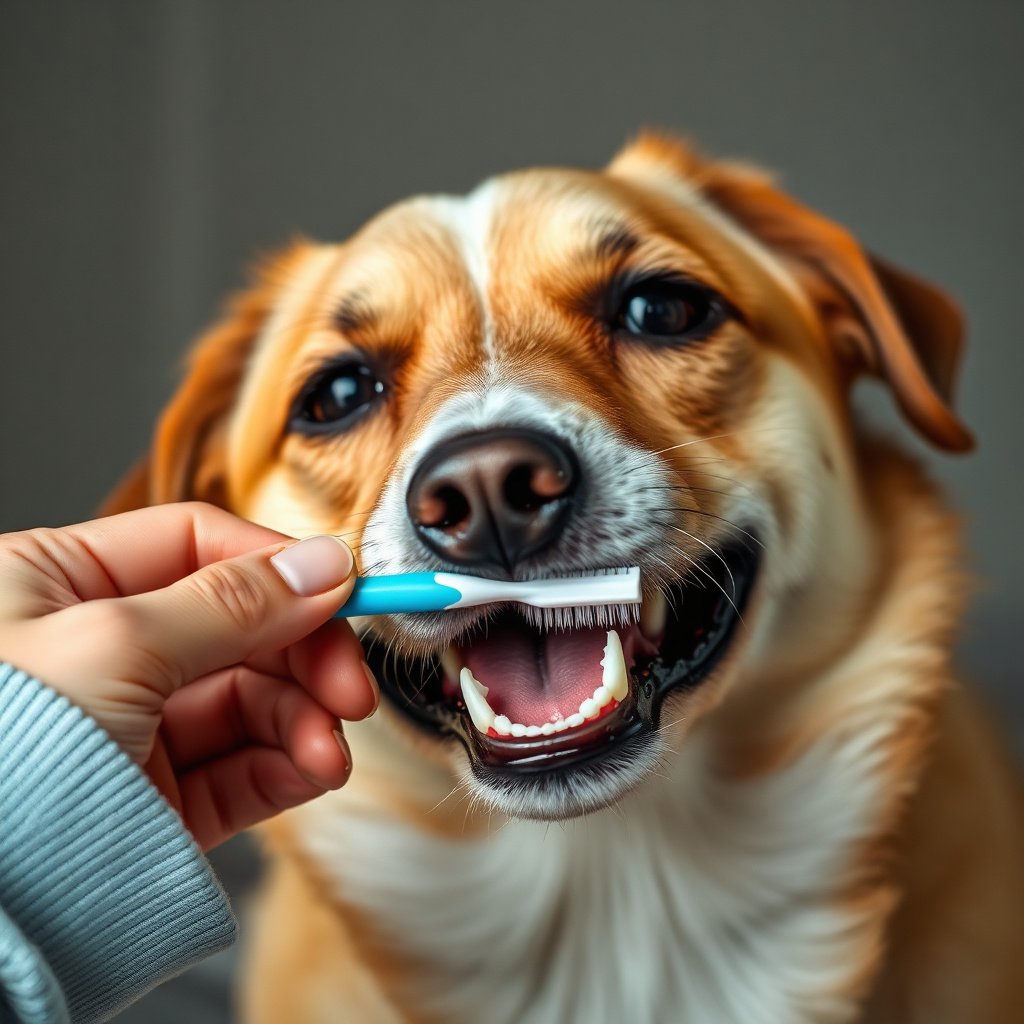
Start by selecting a soft-bristled toothbrush designed for dogs, which is gentle on their gums and fits comfortably in their mouth. Human toothpaste should never be used because it contains ingredients harmful to dogs.
Instead, opt for pet-specific toothpaste available in flavors like poultry or peanut butter to encourage cooperation. Using the right products aids effectiveness and reduces stress during brushing.
- Soft-bristled dog toothbrush or finger brush
- Veterinary-approved dog toothpaste
- Regular toothbrush replacement every 3 months
Establishing an Effective Brushing Routine
Aim to brush your dog's teeth daily or at least several times a week to remove plaque before it hardens into tartar. Start slowly by introducing the brush and toothpaste, praising your dog throughout to create a positive experience.
Focus on brushing along the gumline and molars where tartar builds quickly. Consistency is key, and patience helps develop this healthy habit over time.
- Brush for 2 minutes per session
- Use gentle circular motions
- Reward your dog after brushing
Diet and Chews That Support Dental Health
Selecting Foods That Help Reduce Tartar
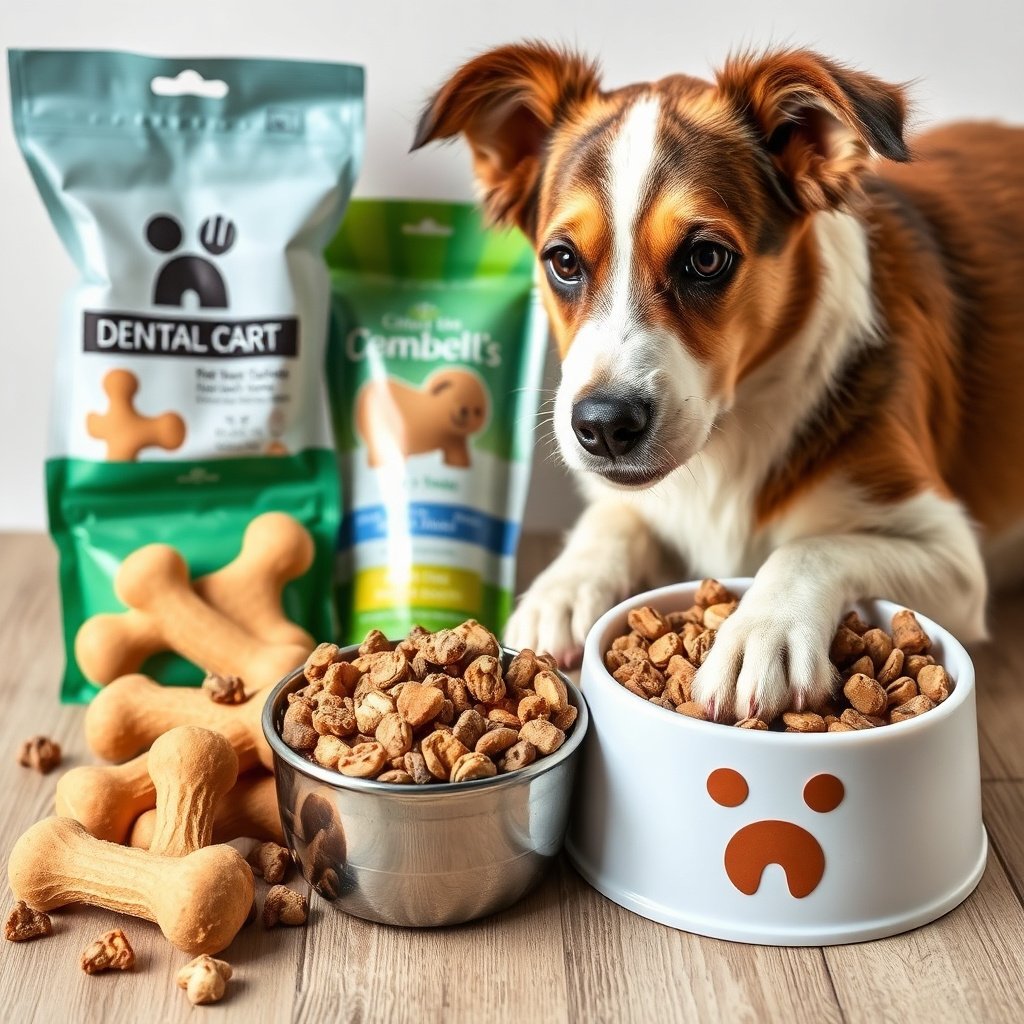
Certain dry kibble formulas are designed to reduce plaque and tartar buildup through their texture and ingredient composition. These foods often have larger, coarser pieces that gently scrape the teeth during chewing.
Feeding your dog these specialized diets can be a helpful supplement to brushing, especially for breeds prone to dental issues.
- Dental-specific dry dog food
- Foods with ingredients like chlorhexidine
- Avoid sugary or sticky treats
Using Dental Chews and Toys to Clean Teeth
Dental chews are formulated to mechanically reduce plaque through chewing and may contain enzymes that help break down tartar. Toys designed with ridges and textures can also assist in maintaining cleaner teeth.
Regularly offering these chews provides an engaging way for your dog to support their dental hygiene between brushings.
- Vet-approved dental chews
- Durable chew toys with textured surfaces
- Monitor chewing to prevent choking
Professional Dental Care for Long-Term Prevention
When to Schedule Professional Cleanings
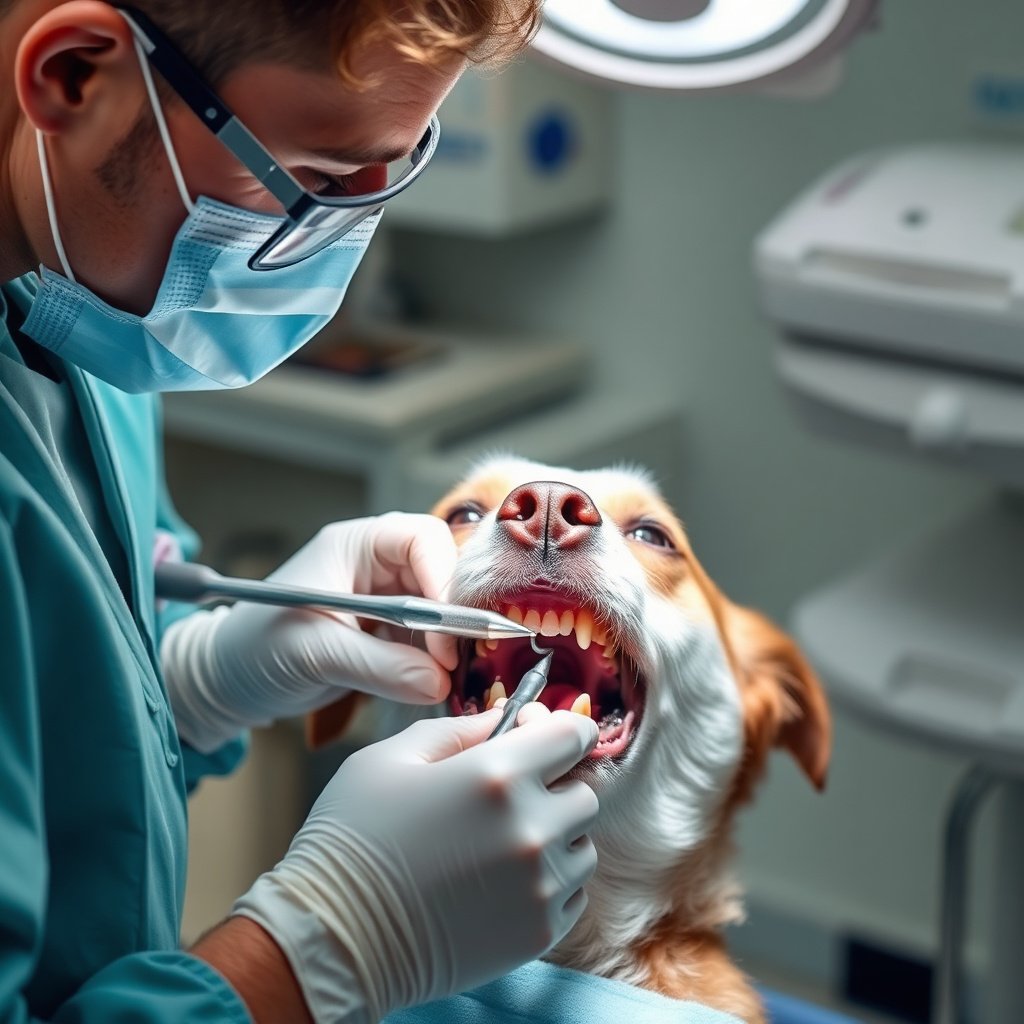
Despite daily care, dogs may still develop tartar requiring professional removal. Veterinarians usually recommend dental cleanings once a year, but frequency depends on breed, age, and dental health status.
Professional cleanings involve scaling and polishing under anesthesia, allowing thorough tartar removal even below the gumline where brushing can't reach.
- Annual or biannual cleanings
- Pre-cleaning oral exams
- Post-cleaning dental care instructions
For more on this, see our related guide: Why Does My Dog Smell Like Fish? 8 Key Causes and Solutions Explained.
Benefits of Vet Visits for Tartar Control
Routine vet visits catch early signs of dental disease and provide guidance tailored to your dog's needs. Vets may recommend additional treatments such as sealants, antibiotics, or special diets based on tartar severity.
Early intervention helps maintain healthy teeth and prevents infections that can affect overall wellness.
Natural Remedies and Home Care Options
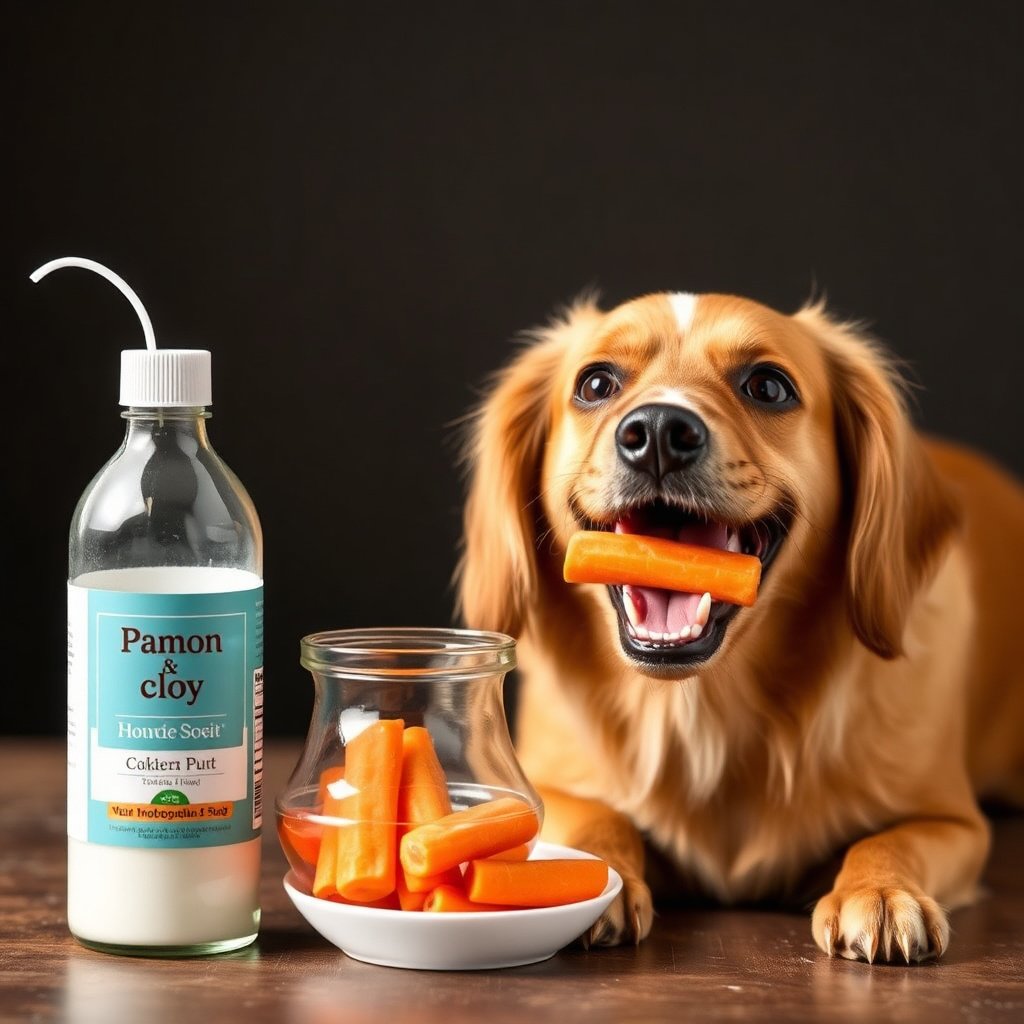
Safe Home Remedies to Reduce Plaque
Some dog owners use natural aids like coconut oil or baking soda pastes as supplementary dental treatments. These may help reduce bacteria when used correctly but should never replace brushing or vet advice.
Raw carrots and apple slices can act as natural teeth cleaners by encouraging chewing and disrupting plaque buildup.
- Natural toothpaste ingredients suitable for dogs
- Raw vegetables as chew alternatives
- Avoid harmful substances like garlic or onion
Risks and Precautions with Home Treatments
Not all home remedies are safe; for example, some essential oils or human oral products can be toxic if ingested by dogs. Always consult your veterinarian before trying new treatments to avoid adverse effects.
Observe your dog for any allergic reactions or discomfort when introducing natural care items.
Environmental and Lifestyle Factors Affecting Tartar Formation

Impact of Activity and Hydration on Oral Health
Adequate hydration supports saliva production, which naturally helps wash away food particles and bacteria. Encouraging your dog to drink water frequently can reduce the risk of tartar accumulation.
Active dogs often experience better oral circulation and health, so maintaining regular exercise routines indirectly benefits dental hygiene.
For more on this, see our related guide: Are Dog Groomers Expensive? Costs, Tips, and What You Should Know.
Avoiding Tobacco Smoke and Harmful Chemicals
Exposure to tobacco smoke and household chemicals can exacerbate oral problems and increase plaque formation in dogs. Keeping pets away from smoke-filled environments helps protect their teeth and gums.
Safe cleaning products and regular home hygiene reduce environmental risks to dental health.
Understanding Dog Breed and Age-Related Risks for Tartar

Breeds Prone to Dental Issues
Small breed dogs such as Yorkshire Terriers and Chihuahuas typically have crowded teeth, making them more susceptible to plaque and tartar buildup. Awareness of breed-specific tendencies helps tailor dental care routines effectively.
Larger breeds may face fewer dental problems but still require attention to prevent tartar and gum disease.
- Small breeds with dental crowding
- Breeds needing extra chew toys or diet modifications
For more detailed information on dog dental health practices, the Wikipedia article offers comprehensive insights. dog dental health.
How Aging Influences Tartar Formation
Older dogs are more prone to tartar and dental decay due to slower saliva flow and diminishing oral care behaviors. Aging tooth enamel can also weaken, making routine cleaning more critical to their comfort and health.
Regular veterinary checkups grow increasingly important as dogs age to monitor dental conditions and adjust treatments.
Comparison of Dog Dental Care Methods
Below is a comparison of common strategies to prevent tartar on dog teeth, highlighting their benefits and drawbacks.
| Method | Effectiveness | Ease of Use | Cost | Frequency |
|---|---|---|---|---|
| Daily Brushing | High – directly removes plaque | Moderate – requires training dog | Low – toothbrush and toothpaste | Daily or several times weekly |
| Dental Chews | Medium – mechanical and enzymatic action | High – easy to give | Medium – ongoing purchase | Daily or a few times per week |
| Professional Cleaning | Very High – removes tartar fully | Low – requires vet appointment | High – cost of procedure | Annually or biannually |
| Special Diets | Medium – abrasive kibble reduces plaque | High – easy to feed | Medium to high – specific food costs | Daily feeding |
| Home Remedies | Low to Medium – varies by remedy | High – simple application | Low – DIY ingredients | Varies by method |
Frequently Asked Questions
How often should I brush my dog's teeth to prevent tartar?
Brushing your dog's teeth daily is ideal to effectively prevent tartar buildup. At minimum, aim for several times a week to maintain good dental health and reduce plaque accumulation.
Are dental chews enough to keep my dog’s teeth clean?
Dental chews help reduce plaque but are not sufficient alone. They work best as a supplement to regular brushing and professional dental care for comprehensive tartar prevention.
Can tartar on dog teeth cause health problems?
Yes, tartar buildup can lead to gum disease, tooth loss, and even systemic infections affecting organs like the heart and kidneys if left untreated.
What signs indicate my dog has tartar problems?
Look for yellow or brown hard deposits on teeth, bad breath, red or bleeding gums, difficulty eating, or pawing at the mouth, which may signal tartar issues needing care.
Is professional dental cleaning safe for dogs?
Professional cleanings are generally safe and performed under anesthesia with veterinary supervision to thoroughly remove tartar and address dental diseases.
Key Takeaways
- Daily brushing with dog-safe toothpaste is the most effective way to prevent tartar.
- Dietary choices and dental chews support oral health but do not replace brushing.
- Professional cleanings provide deep tartar removal and identify oral health issues.
- Breed and age affect tartar risk; customized care improves outcomes.
Conclusion
Preventing tartar on dog teeth requires a consistent combination of good habits, including daily brushing, supportive dietary measures, and professional intervention when necessary. Understanding your dog’s unique dental risks guides appropriate care routines and helps avoid painful oral diseases.
For dogs inclined to plaque buildup, integrating daily brushing with vet-approved dental chews and periodic professional cleanings creates a robust defense against tartar. Breeds with crowded teeth or senior dogs particularly need tailored attention. Special diet options can provide additional benefits alongside mechanical plaque removal.
The next practical step is to establish a brushing routine that suits your dog’s temperament and daily schedule while consulting with your veterinarian for personalized advice. Taking early action leads to healthier teeth, fresher breath, and greater overall wellbeing for your canine companion.