
How to Keep a Dog Clean in the Mud: Practical Tips and Tricks
Keeping a dog clean in the mud is all about timely care and the right approach. When your dog loves outdoor play during wet or muddy weather, simple techniques like wiping paws after walks, using protective gear, and prompt baths can prevent dirt buildup and discomfort. These steps help maintain cleanliness without stressing your dog or yourself.
Dogs often find mud irresistible, which can create challenges for owners wanting to preserve hygiene and a clean home. A muddy dog can quickly bring mess inside, cause skin irritations, and produce unpleasant odors. Because preventing muddy play might limit their exercise and happiness, managing mud effectively is a practical compromise.
This article covers actionable strategies for keeping your dog clean in muddy situations. You’ll learn about preventive measures, suitable grooming tools, the best ways to wash muddy dogs, and ways to keep your living space tidy after muddy outings.
Preventive Measures for Muddy Adventures
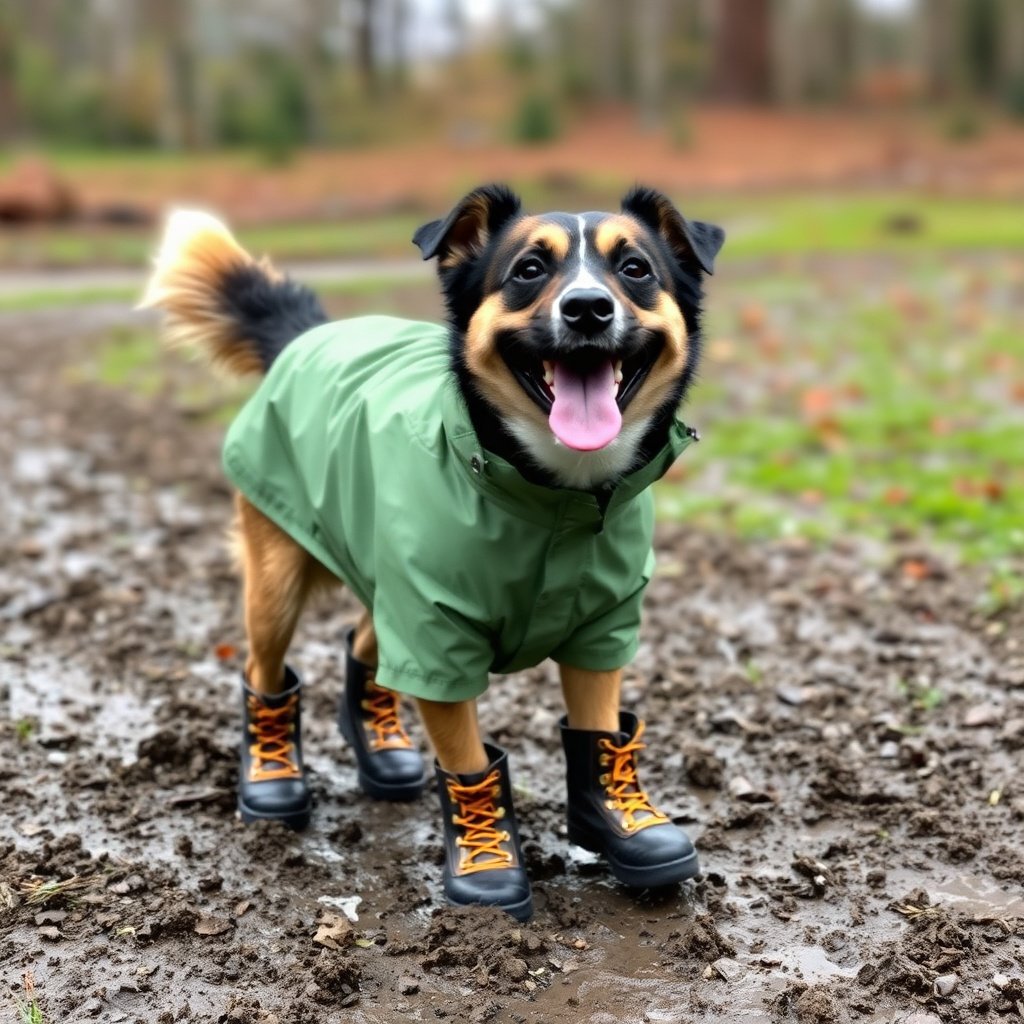
Using Protective Clothing and Booties
Dog raincoats and waterproof booties create a barrier that minimizes mud contact with your dog's fur and paws. Materials like nylon or neoprene repel water and dirt, making cleanup easier. Proper fit is essential for comfort and effectiveness, preventing your dog from dislodging gear during play.
Booties protect paws from mud buildup between toes and pads, reducing post-play cleaning time. Some models have adjustable straps or elastic bands to enhance fit, while others use slip-on designs. Choosing breathable materials avoids overheating during active play.
- Water-resistant raincoats with adjustable straps
- Neoprene or nylon booties for flexible protection
- Breathable fabrics to prevent sweating
- Secure closures to keep gear in place
Limiting Mud Exposure with Environment Control
If possible, direct your dog to grassy or paved areas instead of muddy zones during walks. Keeping to trails or using a leash helps prevent wandering into thick mud patches. Creating a designated muddy play area in your yard can confine the mess to one spot.
Regular inspection of outdoor spaces and filling low-lying, wet spots reduces muddy patches where dogs might enjoy splashing. Training your dog to avoid certain areas can also help reduce hairy cleanup sessions.
- Choosing dry paths for walks
- Using leashes to control roaming
- Setting backyard play boundaries
- Filling or draining wet low spots
Best Dog Grooming Practices After Muddy Play

Paw Cleaning and Inspection
Immediately after a muddy walk, focus on paw cleaning using warm water and a soft cloth or pet-safe wipes. Remove debris, mud clumps, and check for cuts or irritation between toes. This quick step stops mud from spreading indoors and prevents paw infections caused by trapped dirt.
Dry the paws thoroughly afterward to avoid moisture buildup which can encourage fungal growth. Applying a paw balm can soothe any minor abrasions and keep pads moisturized.
- Warm water rinses or pet wipes
- Check for cuts or irritations
- Thorough drying to prevent fungal growth
- Paw balm application for protection
For more on this, see our related guide: How to Clean a Dogs Wrinkles: A Complete Guide with Proven Steps.
Bathing Tips for Mud Removal
Bath time for muddy dogs requires dog-specific shampoos that remove dirt without stripping natural oils. Lukewarm water helps relax your dog and effectively dissolves mud without causing discomfort. Use a gentle massage to work shampoo through fur, especially in muddy spots like belly and legs.
Rinse thoroughly to avoid shampoo residue that can cause skin irritation. After bathing, dry your pet with towels or low-heat blow dryers. Keeping regular grooming appointments can also maintain your dog’s coat and reduce buildup.
- Use dog-specific, gentle shampoos
- Lukewarm water for comfortable bathing
- Thorough rinsing to prevent irritation
- Drying with towels or low-heat dryers
Maintaining a Clean Home Environment
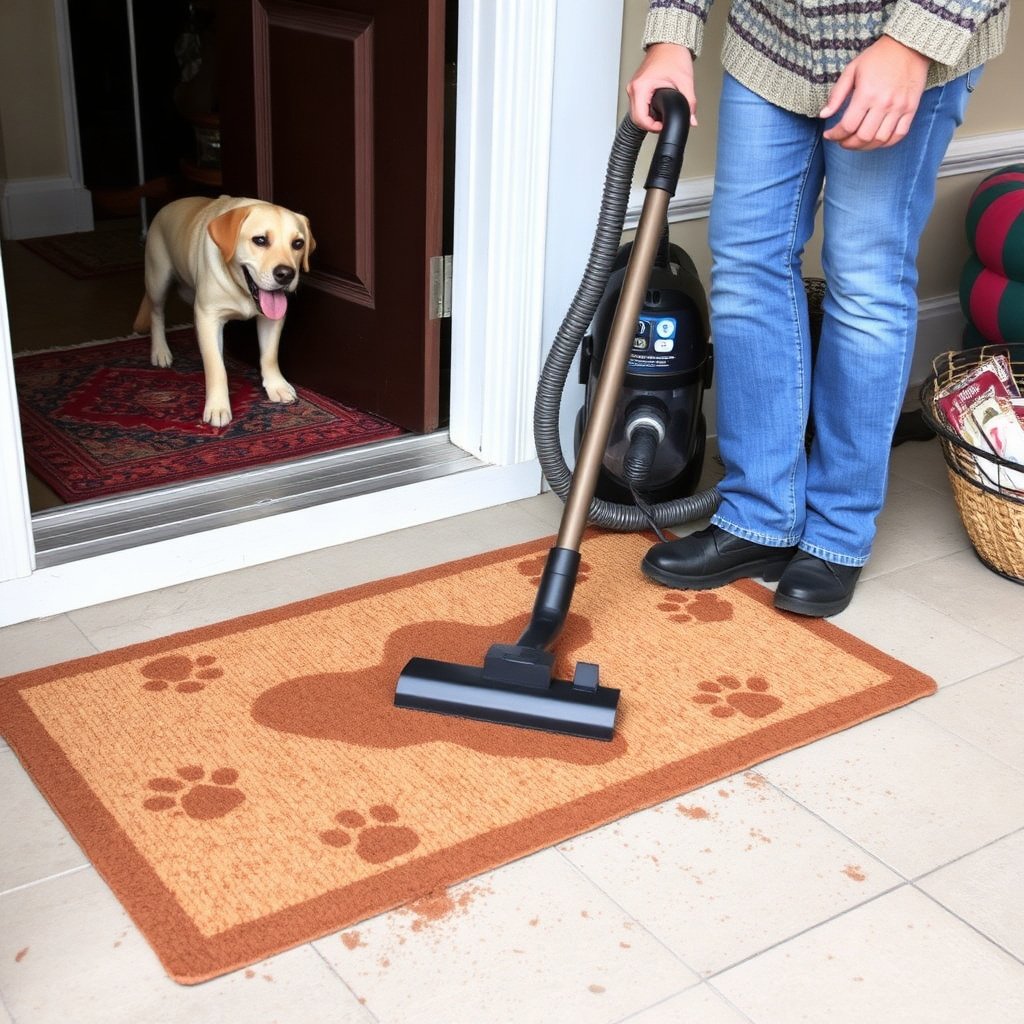
Home Entry Management
Designate an area near your entryway for paw cleaning and drying. Use absorbent mats or towels to catch mud before your dog fully enters your home. Installing a dog door with a nearby cleaning station speeds up the process after outdoor play.
Regularly wash entryway mats and keep cleaning supplies on hand to respond quickly to mud tracked inside. Consistent cleaning powers game plans help keep floor surfaces spotless and odor-free.
- Absorbent mats at home entrances
- Cleaning station with wipes and towels
- Regular washing of mats
- Quick response to indoor mud
Furniture and Floor Protection
Protect floors and furniture with washable covers or pet-friendly throws, especially in high-traffic areas. Using vacuum cleaners equipped for pet hair and dirt helps handle residual mud particles on carpets or upholstery.
Routine grooming shortens shedding, reducing embedded dirt on indoor surfaces. Training dogs to avoid furniture when muddy can further limit mess and preserve home cleanliness.
- Washable furniture covers
- Pet hair-friendly vacuum cleaners
- Regular grooming to reduce shedding
- Training dogs to avoid muddy areas indoors
Tools and Products to Keep Dogs Clean in the Mud
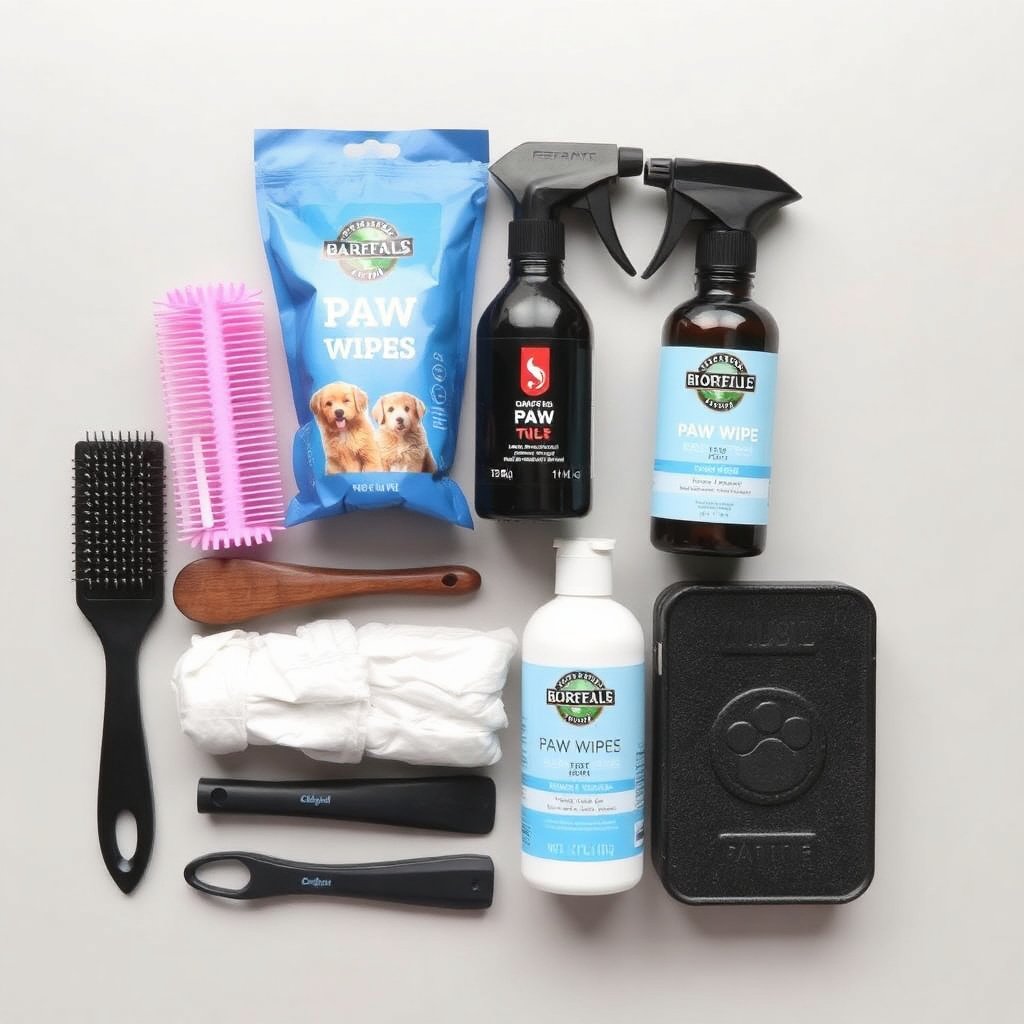
Cleaning Tools for Quick Mud Removal
Paw wipes, grooming gloves, and handheld brushes are essential for quick removal of mud during or immediately after walks. Wipes containing natural cleansing agents help dissolve dirt without harsh chemicals. Grooming gloves provide gentle fur detangling and mud loosening during outdoor breaks.
Compact, portable brushes let you tackle stubborn mud patches even outdoors. These tools complement washing routines and reduce the need for full baths after every muddy session.
- Pet-safe paw wipes with natural cleansers
- Grooming gloves for mud loosening
- Portable brushes for on-the-go use
- Non-toxic cleaning sprays
For more on this, see our related guide: Why Does My Dog Have Brown Paws? A Complete Guide with Proven Solutions.
Shampoos and Conditioners for Muddy Dogs
Choose shampoos designed specifically for dogs that remove dirt but maintain natural skin oils. Conditioners are useful for longer-haired breeds to prevent tangling after mud exposure. Some formulas include oatmeal or aloe for soothing sensitive skin impacted by mud.
Avoid human products which can irritate dog skin. Regular use of moisturizing products keeps fur healthy, reducing mud adhesion and easing subsequent cleaning.
- Dog-specific gentle shampoos
- Conditioners for long-haired breeds
- Formulas with skin-soothing ingredients
- Avoid human grooming products
Training and Behavioral Tips for Managing Mud
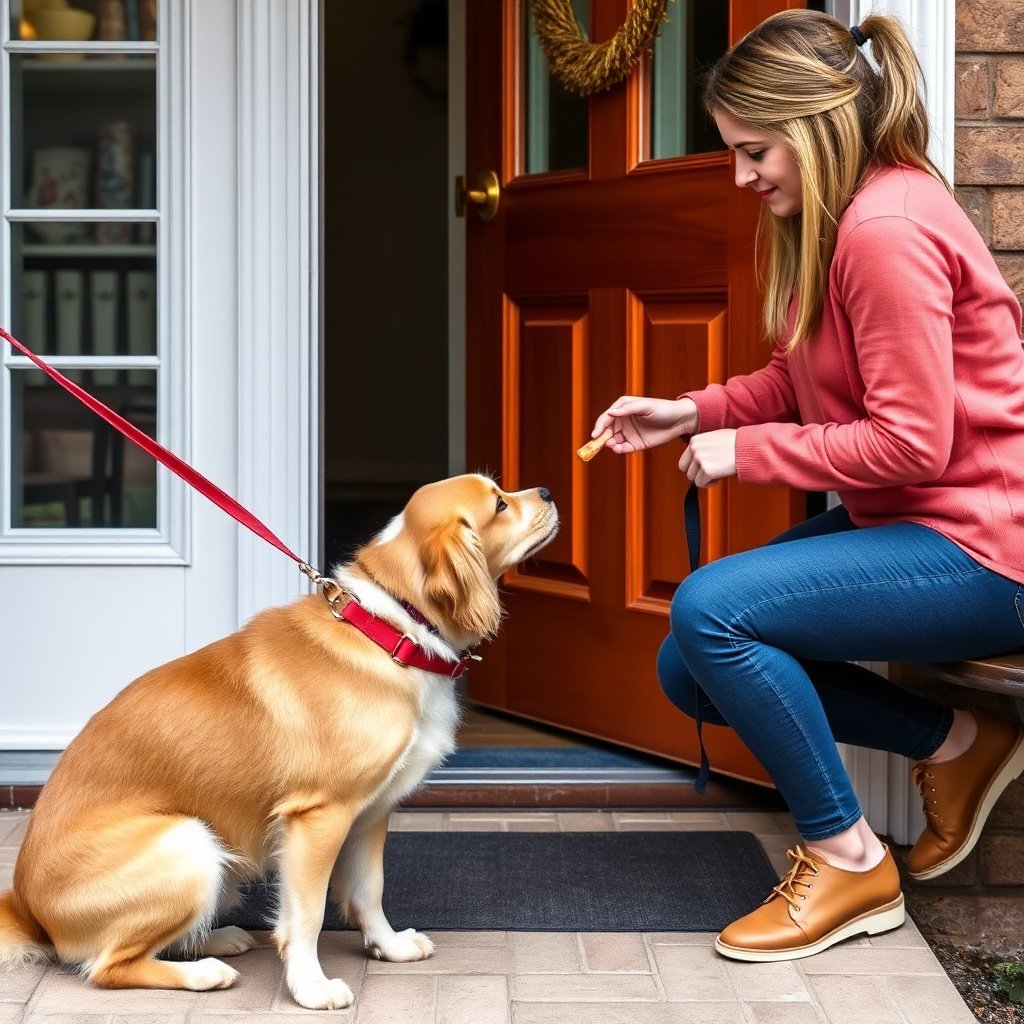
Teaching Commands to Control Muddy Behavior
Training your dog with commands like 'wait' or 'stay' before entering your home can reduce mud spread inside. Using positive reinforcement techniques such as treats or praise creates reliable responses to cleaning routines.
Teaching your dog to tolerate paw wiping or bootie wearing also eases muddy day management. Starting these habits early fosters cooperation and lowers stress for both owner and pet.
- Commands: wait, stay, clean paws
- Positive reinforcement for compliance
- Gradual introduction to cleaning steps
- Consistent routine establishment
For more detailed information on grooming techniques, refer to this comprehensive dog grooming guide. dog grooming guide.
Encouraging Alternative Play to Minimize Mud
Offering indoor games or dry area outdoor activities can help lessen your dog's familiar mud cravings. Puzzle toys, fetch on dry grass, or agility exercises shift focus from mud puddles without cutting exercise time.
Providing clean toys and plenty of interactive play encourages mental stimulation, which may reduce impulsive mud rolling or digging behaviors.
- Indoor interactive games
- Dry area fetch or agility
- Clean toys for distraction
- Encouraging mental and physical stimulation
Comparison of Protective Gear for Dogs in Muddy Conditions
Here’s a detailed comparison of popular dog protective gear categories based on comfort, coverage, and ease of cleaning after muddy outings.
| Category | Protection Level | Comfort | Ease of Cleaning | Suitability |
|---|---|---|---|---|
| Waterproof Raincoat | High (body coverage) | Moderate (depends on fit) | High (easy wipe-down) | Best for heavy rain and mud |
| Booties | Medium (paws only) | High (flexible materials) | High (machine washable) | Ideal for muddy paws |
| Full Body Suit | Very High (full coverage) | Moderate to Low (restrictive for some dogs) | Moderate (requires washing) | Good for extreme mud situations |
| Paw Wipes & Gloves | Low (post-play cleaning) | Very High (no wear needed) | High (disposable or washable) | Best for quick, on-the-go cleanups |
Frequently Asked Questions
How often should I bathe my dog after playing in the mud?
Bathing frequency depends on your dog's activity level and coat type. Generally, a thorough bath after heavy mud exposure prevents skin issues, but avoid over-bathing to preserve natural oils.
Can I use human shampoo to clean my muddy dog?
No, human shampoos have different pH levels and ingredients that can dry or irritate your dog's skin. Always use products designed specifically for dogs.
Are dog booties necessary if my dog only plays in light mud?
For light mud, booties might not be essential but can help minimize cleaning and protect sensitive paw pads from repeated dirt and moisture exposure.
What’s the best way to dry my dog after washing off mud?
Use absorbent towels to remove excess water and follow with a low-heat pet dryer if your dog tolerates it. This helps prevent skin irritations caused by trapped moisture.
How can I train my dog to tolerate wearing booties or a raincoat?
Introduce gear gradually with positive reinforcement. Let your dog sniff and explore the items before putting them on, then reward calm behavior to build comfort and acceptance.
Key Takeaways
- Use protective clothing like raincoats and booties to reduce mud contact.
- Clean paws promptly after muddy play to prevent dirt spread and infections.
- Maintain a cleaning station near home entrances for efficient mud removal.
- Train your dog with commands and introduce gear gradually for easier mud management.
Conclusion
Keeping a dog clean in the mud requires a balance between allowing outdoor fun and managing hygiene. By employing protective gear such as waterproof raincoats and booties, owners can significantly reduce mud buildup on their dogs. Complementing this with quick paw cleaning, strategic home entry preparations, and appropriate grooming tools supports ongoing cleanliness without sacrificing the joy of muddy play. Consistent behavioral training further assists in controlling muddy messes efficiently.
Specific scenarios benefit from tailored approaches—active dogs that love open fields with frequent muddy patches will do well with full-body suits or raincoats combined with regular baths, while those exposed to lighter mud might only need paw booties and spot cleaning. Homeowners with limited outdoor space can create designated muddy zones paired with training to confine mess effectively. Incorporating best dog grooming practices ensures the coat remains healthy and easier to maintain.
The most practical step forward is starting with preventive strategies—investing in quality protective gear and teaching your dog basic commands to cooperate during cleaning. Having a dedicated cleaning space and tools at home streamlines mud control after each outing. With these techniques, muddy adventures become easier to manage, keeping both dogs and homes clean and comfortable.


3 Comments