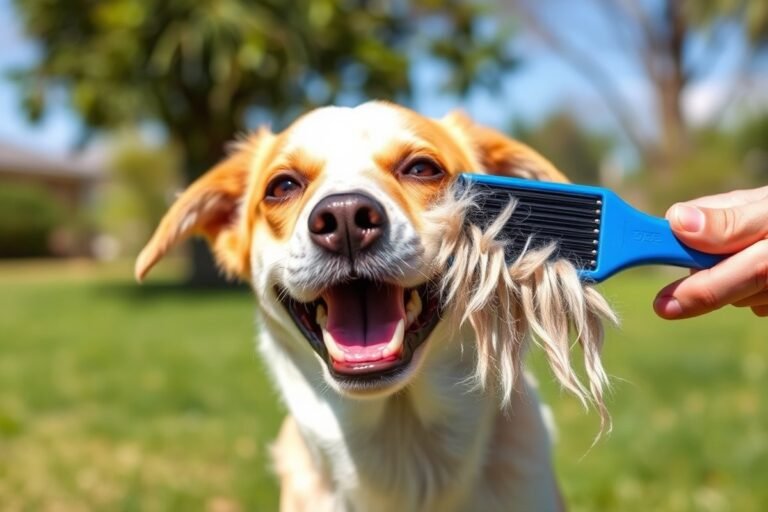
How to Groom a Poodle: A Step-by-Step Guide for Perfect Coat Care
Grooming a poodle involves regular brushing, bathing, drying, clipping, and finishing touches to maintain its curly coat and overall health. The process starts with detangling the fur using appropriate brushes, followed by a gentle bath, careful drying, and professional-style clipping to keep the coat neat and tangle-free. Regular grooming prevents matting and skin issues, ensuring your poodle looks and feels its best.
Poodles have curly, dense hair that grows continuously, needing frequent maintenance compared to many other breeds. Their coat can trap dirt and debris easily, making routine grooming essential not only for appearance but also for skin health. Good grooming supports hygiene, comfort, and can even highlight your poodle’s elegant appearance with classic styles like the puppy clip or continental cut.
This article explores detailed grooming steps, including choosing the right brushes and clippers, bathing methods, trimming different coat areas, plus tips for handling the grooming session calmly. Readers will find advice on tools, clipping styles, ear care, and maintaining paw hygiene, presenting a thorough approach to how to groom a poodle from start to finish.
Essential Tools for How to Groom a Poodle
Choosing the Best Grooming Tools for Poodles
Poodle grooming requires specific tools due to their unique curly coat. A slicker brush is ideal for removing tangles and mats without damaging the hair. A metal comb helps locate smaller knots and smooth the hair. Clippers designed for dog grooming allow precise trimming, while grooming scissors assist in detailed areas and face trims.
Opting for grooming products designed for sensitive skin and curly hair will protect your poodle’s coat. Some popular grooming kits for poodles include adjustable blade clippers for different hair lengths and professional-grade brushes that minimize hair breakage. Using the right tools reduces grooming time and stress for both owner and dog.
- Slicker brush for detangling
- Metal comb for smoothing
- Dog grooming clippers
- Grooming scissors
Preparing Your Grooming Station
Setting up a comfortable and safe grooming area helps streamline the grooming process. A non-slip surface on the grooming table or floor prevents your poodle from slipping and feeling anxious. Having tools organized and within reach avoids interruptions and maintains efficiency.
Good lighting and access to a water source for bathing are practical considerations. Some owners prefer grooming in bathrooms or dedicated pet groom stations. Ensuring the environment is calm and free from distractions keeps the poodle relaxed, which is especially important for those new to grooming.
Daily Brushing and Mat Prevention
Techniques for Effective Daily Brushing
Start brushing your poodle daily with a slicker brush focusing on small sections at a time. Use gentle strokes following the hair growth direction to avoid pulling. Pay special attention to areas prone to mats such as behind the ears, under the legs, and around the neck.
In between slicker brush sessions, a metal comb can refine the coat by catching loose hairs and fine tangles. This consistent care helps maintain a smooth, clean coat and prevents painful mat formations that require more intensive grooming later.
- Brush in small sections
- Use gentle, downward strokes
- Target mat-prone spots
Dealing With Mats and Tangles
If you find mats forming despite regular brushing, carefully use a detangling spray and a wide-toothed comb. Hold the base of the fur to avoid tugging skin and work patiently through the knots from the ends inward. For severe mats, trimming with grooming scissors might be necessary.
Daily brushing plays a preventive role, but occasional mat removal is a common part of poodle grooming. Starting these grooming habits early helps your dog get used to the routine and reduces resistance during brushing.
- Apply detangling spray
- Work gently from ends to base
- Trim severe mats cautiously
Bathing and Drying Your Poodle
Selecting Shampoo and Bathing Frequency
Choose shampoos formulated for dogs with sensitive skin and curly coats to preserve moisture and avoid irritation. Avoid human shampoos which can disrupt the poodle’s skin pH. Depending on activity level and coat condition, bath frequency can vary from every three weeks to monthly.
Over-bathing can dry out the skin, so balance is key. Incorporate conditioners to help maintain softness and reduce tangles post-bath. Rinse thoroughly to ensure no residue remains, which can cause itching or dull coat appearance.
- Use dog-specific shampoo
- Apply conditioner for softness
- Rinse thoroughly to remove residue
For more on this, see our related guide: How to Brush a Poodle: Step-by-Step Grooming Tips for a Healthy Coat.
Proper Drying Techniques After Bath
After bathing, gently towel dry your poodle to remove excess water without rubbing the coat harshly. Follow with a high-velocity blow dryer on a low or medium heat setting to dry the dense curls thoroughly. This also helps prevent skin problems caused by trapped moisture.
Use a slicker brush during drying to separate curls and avoid mats forming while the coat is still damp. Patience is important as incomplete drying can lead to unpleasant odors and skin discomfort.
- Towel dry gently
- Blow dry on low heat
- Brush while drying
Clipping and Trimming Styles for Poodles
Popular Clipping Styles Explained
The puppy clip is a uniform short trim across the poodle’s body, offering a neat and manageable look, suitable for active dogs or beginners who prefer easy maintenance. The continental clip involves leaving pom-poms on the legs and tail with close clipping elsewhere, usually chosen for show dogs.
Selecting a clipping style depends on lifestyle, coat condition, and owner preference. Some styles like the English saddle or lamb trim provide flair while balancing practicality. Groomers often recommend starting with a simpler cut if you’re new to poodle grooming.
- Puppy clip for ease
- Continental clip for shows
- Lamb trim for a stylish look
Trimming Sensitive Areas
Pay particular attention when trimming around the face, paws, and sanitary areas. Use grooming scissors to carefully shape the muzzle and around the eyes to keep your poodle comfortable and prevent hair from obstructing vision.
Paw hair should be trimmed to avoid slip hazards and dirt accumulation, while removing excess hair in sanitary areas supports cleanliness. Handle these areas gently as they can be sensitive zones prone to skin irritation.
- Trim around eyes and muzzle
- Neatly clip paw pads
- Clean sanitary areas thoroughly
Ear and Nail Care for Poodles
Maintaining Ear Hygiene
Poodles are prone to ear infections due to hair growth inside the ear canal which can trap moisture. Regularly check and clean ears using veterinarian-approved solutions to prevent buildup of wax or debris. Gently pluck excess hair if recommended by your vet to improve airflow.
Monitoring for signs of irritation, redness, or foul odors is important as these often indicate infections that require prompt treatment. Ear care is an integral part of grooming that supports your dog’s health and comfort.
- Clean ears with approved solutions
- Check for redness or odor
- Pluck excess ear hair if advised
For more on this, see our related guide: How Often Should You Groom a Poodle? Complete Guide for Best Results.
Nail Trimming Techniques
Trim nails regularly to prevent overgrowth that can cause pain or walking difficulties. Use dog-specific nail clippers and trim gradually to avoid cutting the sensitive quick inside the nail. If unsure, a professional groomer or vet can assist.
For very active poodles, nails may wear down naturally but still warrant periodic checks. Filing after trimming smooths edges and prevents snagging during play or walks.
- Use dog nail clippers
- Avoid the quick
- File nails smooth post-trim
Managing the Grooming Experience for Your Poodle
Building Positive Grooming Habits
Introduce grooming routines early when your poodle is a puppy to make the process familiar and less stressful. Use treats and praise to create positive associations. Short, frequent sessions prevent overwhelming your dog and help build trust.
Allow your poodle breaks during grooming if it shows signs of discomfort. Keeping the environment quiet and calm aids focus. Conditioning your pet to tolerate touch in sensitive areas such as paws and ears reduces resistance over time.
- Start grooming young
- Use rewards generously
- Keep sessions short and calm
For more insights on poodle coat care and breed specifics, consult the detailed section on poodles at Wikipedia. Poodle coat characteristics.
Handling Challenges During Grooming
Some poodles may resist grooming due to anxiety or discomfort. Patience is key. Address any underlying skin or coat issues that make grooming unpleasant. For temperamental dogs, consider professional groomers skilled in calming techniques or performing grooming under sedation if necessary.
Observe your poodle closely for signs of pain or fear and stop if distress occurs. Using gentle restraint methods and soothing voices helps diffuse tension during tricky parts like clipping or drying.
- Be patient and gentle
- Seek professional help if needed
- Watch for signs of distress
Poodle Grooming Clip Style Comparison
Here is a quick overview of common poodle clip styles, highlighting their maintenance needs and suitability.
| Clip Style | Maintenance Level | Appearance | Best For |
|---|---|---|---|
| Puppy Clip | Low | Uniform short coat | Everyday pets, beginners |
| Continental Clip | High | Decorative pom-poms, show style | Show dogs, experienced groomers |
| Lamb Trim | Medium | Rounded, natural look | Active pets, casual elegance |
| English Saddle | Medium-High | Shaved areas with shaped patterns | Stylish owners, events |
Frequently Asked Questions
How often should I groom my poodle?
Regular brushing should happen daily to prevent mats, while baths and trims are usually needed every three to six weeks depending on your poodle's activity and coat growth.
Can I groom my poodle at home or should I use a professional?
Many owners can handle daily brushing and basic trims at home, but complicated clip styles or anxious dogs may benefit from professional groomer services.
What type of brush is best for a poodle’s coat?
A slicker brush is best for detangling the tight curls without damaging the hair, often paired with a metal comb for smoothing.
Why is ear care important for poodles?
Poodles grow hair in their ears that can trap moisture, leading to infections, so regular ear cleaning and hair removal helps maintain ear health.
How can I prevent mats in my poodle’s coat?
Daily brushing with a slicker brush and timely grooming appointments help avoid mats. Using detangling sprays during grooming also supports this.
Key Takeaways
- Regular brushing is crucial to prevent mats in a poodle’s curly coat.
- Use slicker brushes and metal combs as the best grooming tools for poodles.
- Bath and dry your poodle carefully to protect skin and coat health.
- Choose clip styles based on lifestyle and grooming skill level.
Conclusion
Knowing how to groom a poodle effectively hinges on understanding the breed’s unique coat needs and selecting the right tools and techniques. A successful grooming routine covers daily brushing to prevent mats, careful bathing with quality shampoos, and clipping styles that suit your poodle’s lifestyle and your skill set. Attention to ears and nails completes the care, supporting overall health and comfort. With patience and consistency, grooming becomes a bonding experience enhancing your poodle’s well-being and appearance.
For pet owners who prefer simplicity, the puppy clip offers low maintenance and a neat look ideal for active dogs, while those interested in show styling might pursue the continental or lamb trims, requiring more frequent visits or grooming expertise. Grooming tools like slicker brushes and dog-specific clippers facilitate either approach, supported by proper ear cleaning and nail maintenance to prevent common issues. Evaluating your schedule and skill helps decide whether at-home grooming or professional services best suit your poodle’s needs.
Start by establishing gentle brushing habits early on and invest in high-quality grooming tools tailored to poodles. If you face challenges such as severe mats or anxious behavior, consulting professional groomers is a practical step. This routine care keeps your poodle’s coat manageable and healthy, while also making grooming less stressful for both you and your dog.