How to Bathe a Dog in the Shower: A Step-by-Step Guide
Bathing a dog in the shower involves preparing the space, using lukewarm water, and choosing dog-friendly shampoo to clean your pet thoroughly without causing stress. Begin by gathering all needed supplies, securing your dog safely, and ensuring the water temperature is comfortable.
Many dog owners find the shower the easiest place to bathe their pets since it contains water efficiently and offers good drainage. Proper bathing not only keeps your dog clean but also supports healthy skin and coat conditions.
This article breaks down the process into manageable steps, explains how to handle different dog sizes and temperaments, and offers practical suggestions to make shower baths an enjoyable routine for both you and your dog.
Preparing the Shower Area for Bathing Your Dog
Gathering Necessary Supplies
Before bringing your dog into the shower, collect everything you’ll need: dog shampoo, a cup or detachable showerhead, towels, and treats. Organizing these items nearby prevents interruptions during the bath and ensures a smooth process.
Avoid human shampoos as they can irritate a dog's skin; specialized dog shampoos maintain natural oils and pH balance. Ready access to a leash or harness can help manage your dog, especially if they tend to move around.
Setting Up the Shower Environment
Place a non-slip bath mat inside the shower to prevent your dog from slipping, which can cause anxiety or injury. Adjust the water temperature to a lukewarm setting, comfortable to the touch but not hot, to avoid discomfort or burns.
Ensure the water pressure is gentle, as strong jets can scare dogs. Also, keep the bathroom warm to help your dog stay comfortable during and after washing.
- Non-slip bath mat
- Lukewarm water temperature
- Gentle water pressure
- Warm bathroom environment
Managing Your Dog’s Behavior During Bathing
Calming Techniques and Restraint
Use a calm, soothing voice to reassure your dog throughout the bath. Offering treats periodically can create positive associations with shower bathing. If your dog is particularly anxious or energetic, a special shower tether or harness can keep them secure.
Avoid forcing your dog into the shower abruptly. Allow them to sniff the area first and praise them for entering willingly. Patience during these moments helps reduce stress, contributing to a smoother bathing experience.
- Soothing tone and gentle praise
- Use of treats for encouragement
- Secure but comfortable restraint
Handling Different Dog Sizes and Temperaments
Small dogs often fit comfortably in hand-held showers and can be lifted if necessary, but care should be taken to support their body properly. Larger dogs may require additional assistance or standing room adjustments to feel steady in the shower.
For skittish or aggressive dogs, split the bath into shorter sessions or have a helper assist in calming and washing to prevent accidents or injuries. Tailoring the approach to your dog’s personality leads to better outcomes.
Step-by-Step Process to Bathe a Dog in the Shower
Wetting and Shampooing Your Dog
Start by slowly wetting your dog’s coat from the neck down using lukewarm water. Avoid spraying water directly into their eyes, ears, or nose. Once the coat is soaked, apply dog shampoo evenly and gently massage it into their fur to work up a lather.
Be thorough but gentle, paying special attention to areas like under the legs, belly, and tail. Rinse well to remove all shampoo residues, as leftover soap can irritate the skin.
- Wet from neck down
- Use dog-specific shampoo
- Avoid sensitive areas
- Rinse thoroughly
For more on this, see our related guide: How to Bathe a Dog in the Bathtub: A Step-by-Step Guide for Stress-Free Bathing.
Drying and Post-Bath Care
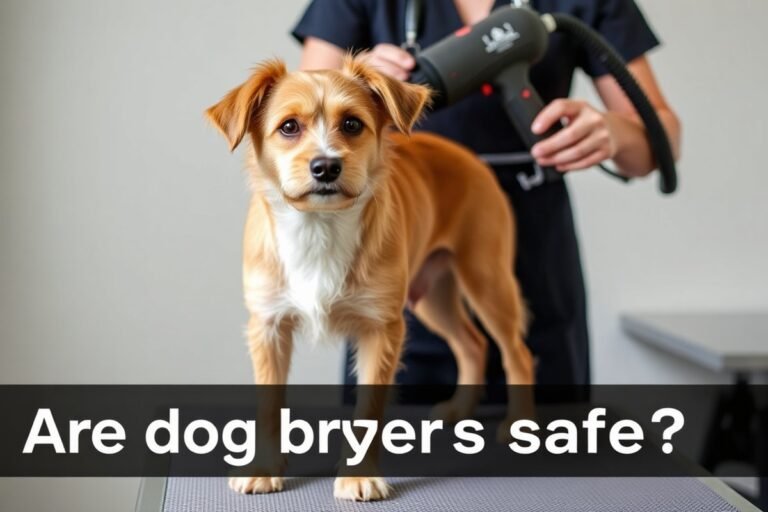
After rinsing, wrap your dog in an absorbent towel to soak up excess water. For dogs that tolerate it, a blow dryer on a cool or low setting helps speed dry their fur while preventing chills. Ensure you keep the dryer moving and avoid concentrating heat on one spot.
Once dry, comb or brush your dog’s coat to remove any remaining loose hair and prevent tangles. Praise your dog post-bath to reinforce positive behavior associated with shower bathing.
- Towel dry thoroughly
- Use hair dryer cautiously
- Brush after drying
- Offer praise and treats
Common Mistakes to Avoid When Bathing Your Dog in the Shower
Avoiding Water Temperature Issues
Using water that is too hot or too cold can cause significant discomfort or harm your dog’s skin. Lukewarm water is best, so test it with your hand before beginning. Sudden changes in temperature can startle your pet and create negative associations with bath time.
Never use water at a scalding temperature as it can burn sensitive dog skin, leading to redness, irritation, or trauma.
Preventing Shampoo Residue and Ear Infections
Not rinsing all shampoo from your dog’s coat can cause itching and flare-ups of skin issues. Take time to rinse thoroughly to avoid residue. Also, be cautious around ears—water and shampoo inside the ear canal can lead to painful infections.
Use cotton balls to gently block water entry into ears if your dog tolerates it, and dry ears carefully after bathing.
- Completely rinse shampoo
- Protect ears from water
- Dry ears well post-bath
Dog Shower Bathing Tools and Accessories
Essential Bathing Tools for the Shower
A detachable handheld showerhead offers control and ease for rinsing your dog thoroughly. Non-slip mats ensure your dog feels stable and prevent accidents. Dog shampoos formulated for specific coat types or skin sensitivities improve bathing outcomes.
Using grooming gloves or soft brushes during shampooing enhances cleaning by reaching deeper layers of fur without hurting your pet.
- Handheld showerhead
- Non-slip bath mat
- Specialized dog shampoo
- Grooming gloves or soft brushes
For more on this, see our related guide: How to Bathe a Dog That Hates Water: Gentle Tips to Make Bath Time Easier.
Additional Comfort and Safety Accessories
Treat-dispensing toys and calming sprays can help reduce anxiety during shower baths. Shower tethers attach safely to aid with restraint and lead control. Consider a bathrobe or drying coat after bath time to help your dog stay warm and dry.
These accessories contribute to a safer, more pleasant dog shower bathing experience.
- Treat-dispensing toys
- Calming sprays
- Shower tethers
- Dog drying robes
Maintaining Hygiene After Shower Baths
Cleaning the Shower Area
After bathing your dog, thoroughly rinse away hair and soap residues from the shower floor to prevent clogging and maintain hygiene. Use a pet-safe cleaner to disinfect surfaces while avoiding harsh chemicals that could linger and harm sensitive noses.
Regular maintenance ensures the shower stays a clean, safe spot for future dog baths.
For professional advice on dog bathing techniques, the American Kennel Club offers detailed guidelines and tips. Dog bathing guidelines from the American Kennel Club.
Care for Your Dog’s Skin and Coat Post-Bath
Apply moisturizing sprays or conditioners recommended by your veterinarian if your dog has dry or sensitive skin. Frequent brushing following the bath helps maintain coat health by distributing natural oils evenly and detangling fur.
Keep an eye on any unusual signs like redness or persistent itching after bath time and consult a vet if issues arise.
- Use moisturizing sprays if needed
- Regular brushing post-bath
- Monitor skin for irritation
Dog Bathing Methods Comparison
Here’s how shower bathing stacks up against other common dog washing methods based on convenience, control, and dog comfort.
| Method | Convenience | Control Over Washing | Dog Comfort | Setup Required |
|---|---|---|---|---|
| Shower Bath | High | Excellent | Moderate to High | Moderate |
| Bathtub Bath | Moderate | Good | Moderate | Low |
| Outdoor Hose Bath | Moderate | Limited | Varies | Low |
| Professional Groomer | Low | Professional | High | None |
| Dry Shampoo | High | Limited | High | Minimal |
Frequently Asked Questions
Can I use human shampoo to wash my dog in the shower?
Human shampoos have a different pH balance and ingredients that can irritate a dog's skin. It's always best to use shampoos specifically formulated for dogs to maintain healthy skin and coat.
How often should I bathe my dog using the shower?
Bath frequency depends on your dog's breed, activity level, and skin condition. Most dogs benefit from bathing every 4 to 6 weeks, but some may require more or less frequent baths.
What if my dog hates water and the shower?
Try acclimating your dog slowly by introducing them to the shower area with treats and positive reinforcement. Use calming techniques and short sessions to reduce anxiety during bathing.
Is it safe to use a hair dryer to dry my dog after shower bathing?
Using a hair dryer on a cool or low heat setting is safe if you keep it moving and avoid overheating any area. Not all dogs tolerate dryers, so observe your dog's comfort closely.
How can I prevent water from getting into my dog’s ears during the shower bath?
Gently place cotton balls in your dog's ears or hold their head to the side while rinsing to prevent water from entering the ear canal, reducing the risk of infections.
Key Takeaways
- Use lukewarm water and dog-specific shampoo for safe shower baths.
- Prepare the shower space with non-slip mats and gather all supplies first.
- Calm your dog with soothing voices and treats to reduce stress.
- Thorough rinsing and proper drying prevent skin irritation and infections.
Conclusion
Choosing to bathe your dog in the shower requires clear planning and a calm approach to create a comfortable experience for both pet and owner. The process involves preparation of the shower area, managing your dog’s reactions, and carefully following the steps for washing and drying. Attention to safety details such as water temperature and non-slip surfaces is essential. Incorporating treats and gentle reassurance during the bath helps to build positive associations, making subsequent baths easier.
Different dogs and owners will find varying methods work best based on size, temperament, and living space. For small to medium dogs, shower bathing is highly effective and convenient, especially when using specialized tools like handheld sprayers and shower tethers. Larger or nervous dogs may benefit from gradual exposure to shower baths or professional grooming services if needed. The comparative advantages of shower bathing include control, cleanliness, and efficient drying, making it a strong choice among common dog washing methods.
To start shower bathing your dog, equip yourself with the right supplies such as dog shampoo and a non-slip mat, and introduce your dog to the shower environment gently. Consistent practice combined with a positive environment can turn bath time from a challenge into an opportunity for bonding and hygiene care. Refer back to the outlined steps and tips to improve your technique and tailor the process to your dog’s needs.