How to Groom a Cocker Spaniel: A Complete Care Guide
Grooming a Cocker Spaniel involves regular brushing, bathing, trimming, and ear care to maintain its distinctive silky coat and prevent mats. Starting with daily brushing helps remove tangles and loose fur, while scheduled trims keep the coat in shape. Don't forget to clean their floppy ears to avoid infections.
The Cocker Spaniel's coat is dense, with feathered fur on the ears, legs, and belly, which is prone to matting and requires attentive care. Proper grooming not only keeps them looking their best but also promotes skin health and helps you spot any issues early. Neglecting grooming can lead to painful tangles and increased shedding around the home.
This guide covers the essential grooming steps for Cocker Spaniels, including brushing techniques, bathing routines, trimming the coat, ear cleaning methods, and nail care. Whether you're a new owner or looking to refine your grooming skills, these tips ensure your pet stays comfortable and stylish.
Understanding Your Cocker Spaniel's Coat
Coat Characteristics and Growth Patterns
Cocker Spaniels feature a dense double coat with longer feathering on the ears, chest, belly, and legs. This coat grows continuously and can quickly develop mats without proper attention. Understanding these unique growth patterns helps tailor your grooming routine to their specific needs.
The silky coat sheds moderately; regular brushing removes loose hairs and prevents tangles. Seasonal changes may cause more shedding, which requires temporary increases in grooming frequency to maintain coat health.
Common Coat Issues and How to Avoid Them
The most common problems with the Cocker Spaniel coat include matting, dryness, and skin irritation caused by trapped debris. Regular grooming sessions that include brushing and bathing reduce these risks significantly.
Using inappropriate shampoos or skipping ear and coat checks can lead to infections or discomfort. A proper grooming routine with attention to detail helps keep these issues at bay.
Daily and Weekly Brushing Techniques for Cocker Spaniels
Choosing the Right Brush and Comb
For effective grooming, select brushes suited to the Cocker Spaniel’s coat, such as slicker brushes for tangles and pin brushes for feathered areas. A metal comb with both wide and narrow teeth helps finish and catch smaller mats.
High-quality grooming tools designed specifically for sensitive coats reduce discomfort and prevent damage, making the experience pleasant for both pet and owner.
- Slicker brush for mats
- Pin brush for feathers
- Metal comb for detangling
Brushing Frequency and Method
Brushing your Cocker Spaniel daily removes loose hairs and prevents tangles. Start with the slicker brush on dense areas and gently work down to sensitive spots like behind the ears. Use the metal comb afterwards to ensure no hidden mats persist.
Weekly grooming should involve a thorough coat examination, paying special attention to feathered areas prone to dirt accumulation. Gentle strokes and patience help maintain the coat’s natural shine and softness.
Bathing Your Cocker Spaniel: Frequency and Products
When and How Often to Bathe
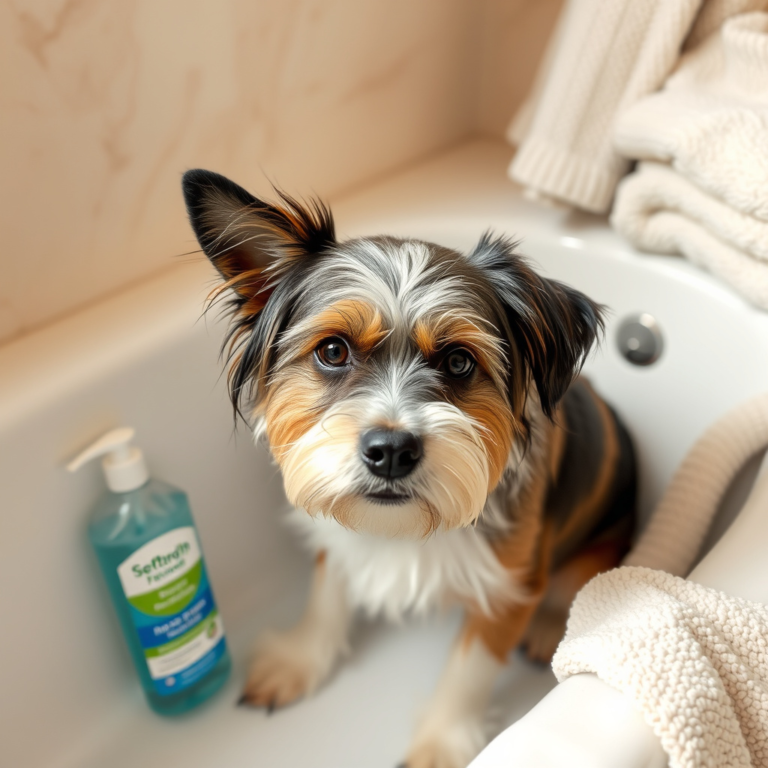
Bathing a Cocker Spaniel every 4 to 6 weeks keeps the coat clean without stripping natural oils. More frequent baths might be necessary for very active dogs or those with skin sensitivities but avoid over-bathing as it can dry skin.
Before bathing, thoroughly brush the coat to remove tangles and mats. This prevents mats from tightening when wet and makes the bath more effective.
- Avoid bathing if coat is heavily matted
- Use lukewarm water temperature
- Rinse shampoo completely to prevent residue
For more on this, see our related guide: How to Bathe a Dog with Matted Hair: 8 Steps for Safe and Gentle Grooming.
Selecting the Best Shampoo and Conditioner
Choose mild, hypoallergenic shampoos formulated for dogs with longer coats to maintain softness and reduce irritation. Conditioners help detangle and protect the feathers from drying out.
Look for products containing natural ingredients like oatmeal or aloe vera to soothe the skin and add moisture, especially if your spaniel has sensitive or dry skin.
Trimming and Clipping Your Cocker Spaniel's Coat
Tools and Techniques for Safe Trimming
Scissors with rounded tips and electric clippers with adjustable guards are essential for trimming. Always go slowly around sensitive areas such as paws, ears, and face to avoid injury.
Keep blades sharp to ensure clean cuts and reduce discomfort. Using thinning shears can blend trimmed sections with longer fur for a natural look.
- Rounded-tip scissors
- Adjustable clippers
- Thinning shears
Areas to Focus on When Grooming
Focus on trimming feathered areas and around the paws to prevent dirt accumulation and matting. Clean cuts near the ears and sanitary areas improve hygiene and reduce odors.
Many owners leave body coats moderately long, trimming only where tangles form or practicality requires shortening, like around the feet and tail base.
Ear Care and Nail Maintenance for Cocker Spaniels
Cleaning Floppy Ears to Prevent Infection
Cocker Spaniels have floppy ears that trap moisture, creating conditions ripe for infections. Use a vet-recommended ear cleaner once a week to gently remove wax buildup and debris.
Inspect ears during grooming for redness, bad odor, or excessive scratching, which can indicate infection requiring veterinary attention.
- Use cotton balls or pads, avoid cotton swabs
- Dry ears thoroughly after cleaning or swimming
For more on this, see our related guide: Are Dog Groomers Expensive? Costs, Tips, and What You Should Know.
Nail Trimming Tips and Frequency
Trim nails every 3 to 4 weeks to avoid cracking or splitting. Use dog-specific nail clippers or grinders and cut carefully to avoid the quick, which can cause bleeding.
If unsure about technique, have a professional groomer demonstrate proper nail care during a grooming appointment.
- Trim nails in a well-lit area
- Use styptic powder to stop bleeding if clipped too short
Handling Grooming Challenges and When to Seek Help
Managing Matting and Sensitive Skin
If mats become too severe, do not attempt painful ripping out; use detangling sprays and work gently with combs, or seek professional grooming. Sensitive skin requires hypoallergenic products and avoiding harsh brushing.
Regular grooming prevents extreme mats and keeps skin healthy. If your dog resists grooming, short, frequent sessions can build tolerance over time.
For more detailed information on the breed and grooming practices, check out this helpful resource on Cocker Spaniel grooming tips. Cocker Spaniel grooming tips.
Deciding When to Visit a Professional Groomer
Professional groomers handle complicated cuts, nail trims, and tricky ear cleanings safely. Visit them if you are uncomfortable with any task or if your pet has behavioral issues during grooming.
Groomers can also recommend specific tools or routines tailored to your individual dog’s coat and temperament for an easier grooming experience.
Grooming Tools for Cocker Spaniels Compared
This table compares popular grooming tool categories suitable for Cocker Spaniel coats, focusing on ease of use, typical price, and effectiveness.
| Tool Type | Ease of Use | Typical Price Range | Effectiveness on Cocker Coat |
|---|---|---|---|
| Slicker Brush | Moderate – Requires careful handling | $10-$25 | High – Best for mats and tangles |
| Pin Brush | Easy – Gentle for feathers | $8-$20 | Moderate – Good for finishing and fluffing |
| Metal Comb | Easy – Precision tool | $5-$15 | High – Removes small mats and debris |
| Electric Clippers | Moderate – Needs some skill | $30-$150 | High – Efficient for trims |
| Nail Clippers | Easy – Basic grooming tool | $5-$20 | Essential – Maintains nail length |
Frequently Asked Questions
How often should I groom my Cocker Spaniel?
Daily brushing and a full grooming session including bathing and trimming every 4 to 6 weeks keeps your Cocker Spaniel comfortable and reduces matting.
Can I use human shampoo on my Cocker Spaniel?
No, human shampoos can irritate your dog's skin; always use a shampoo formulated specifically for dogs with long coats.
How do I prevent ear infections in my Cocker Spaniel?
Regularly clean the ears with a vet-recommended solution and dry them thoroughly after baths or swimming to minimize moisture buildup.
What if my Cocker Spaniel hates grooming sessions?
Start with short, gentle sessions to build trust and patience. If challenges persist, consider professional groomers experienced with nervous dogs.
Is it better to clip or trim a Cocker Spaniel’s coat at home?
Trimming with scissors is safer for beginners. Clippers require skill to avoid injury and are better left to professionals unless you have proper training.
Key Takeaways
- Daily brushing prevents mats and maintains coat health.
- Bath your spaniel every 4 to 6 weeks with dog-specific shampoo.
- Ear cleaning is essential to avoid infections in floppy ears.
- Regular nail trimming supports your dog’s comfort and mobility.
Conclusion
Deciding how to groom your Cocker Spaniel involves understanding their unique coat and health needs. A consistent routine of brushing, bathing, trimming, and ear care keeps your pet comfortable, clean, and happy. Approaching grooming with patience and the right tools makes the process smoother for both you and your dog. This methodical approach also helps detect health concerns like skin irritation or infections early before they worsen.
For owners comfortable with hands-on care, investing in the best grooming tools for Cocker Spaniels and mastering brushing and trimming techniques can yield excellent results at home. However, professional groomers play a valuable role for difficult trims or cleaning, especially for paw areas and challenging mats. Whether you prefer DIY grooming or seek occasional professional help, combining these approaches benefits your dog’s coat condition and overall well-being.
Start incorporating these grooming steps into your weekly schedule, monitor your dog’s reactions, and adjust routines as needed. If grooming ever feels overwhelming, reach out to a trusted groomer or veterinarian for guidance. Maintaining your Cocker Spaniel’s coat is both a health measure and a bonding experience that keeps them looking and feeling their best.