How to Choose the Best Cat Shampoo for Your Feline Friend
The best cat shampoo effectively cleans your cat's fur and skin while being gentle enough to avoid irritation or dryness. To protect your feline’s sensitive skin and maintain their coat’s natural oils, look for shampoos specifically formulated for cats with mild, hypoallergenic ingredients.
Bathing a cat is not just about cleanliness; it helps prevent skin problems, reduces shedding, and controls odors. Since cats groom themselves, selecting a shampoo that complements their natural grooming process without causing harm is key to their overall health and comfort.
This article explores the key factors to consider when choosing the best cat shampoo, including ingredient safety, types of shampoos available, features tailored for specific cat needs, and how to use cat shampoo correctly. It also compares popular shampoo categories to help you make an informed decision for your pet.
Understanding Cat Shampoo Ingredients
Safe and Unsafe Ingredients for Cat Shampoos
Choosing a shampoo free from harsh chemicals like parabens, sulfates, and artificial fragrances is crucial. Cats have sensitive skin, and irritants can cause dryness, redness, or allergic reactions. Instead, prioritize shampoos with natural, soothing components such as aloe vera, oatmeal, and chamomile.
Avoid shampoos intended for dogs or humans, as their pH levels differ from cats and can disrupt your feline's skin balance. Recognizing these ingredients helps prevent skin problems over time.
- Avoid: sulfates, parabens, artificial dyes
- Prefer: aloe vera, oatmeal, vitamin E, chamomile
- Check for pH balanced formulas made for cats
Benefits of Hypoallergenic and Natural Formulas
Hypoallergenic cat shampoos minimize the chance of allergic responses and are suitable for cats with sensitive skin or allergies. These formulations rely on gentle plant-based cleansers and avoid synthetic additives.
Natural formulas often provide moisturizing benefits, which help maintain the skin’s natural oils and can soothe irritations. For cats prone to skin dryness or conditions like eczema, these shampoos offer a safer cleaning approach.
Types of Cat Shampoo for Different Needs
Medicated Shampoos for Skin Conditions
Medicated cat shampoos contain specific active ingredients to treat skin infections, parasites, or dermatitis. They often include antifungal, antibacterial, or antiparasitic compounds prescribed or recommended by veterinarians.
Use medicated shampoos only as directed, as improper use can worsen skin issues or cause toxicity. These shampoos target problems like ringworm, fleas, or bacterial infections effectively when applied correctly.
- Antifungal agents for ringworm
- Antibacterial components for infections
- Flea and tick control ingredients
Hypoallergenic and Moisturizing Shampoos
Hypoallergenic shampoos suit cats with sensitive skin or allergies and contain soothing moisturizers like oatmeal or aloe. They cleanse without stripping essential oils, which helps prevent dry, flaky skin.
These shampoos provide gentle care and can improve coat softness and shine. They are ideal for regular use or for cats prone to skin irritation from environmental factors.
How to Use Cat Shampoo Safely and Effectively
Preparing Your Cat for a Bath
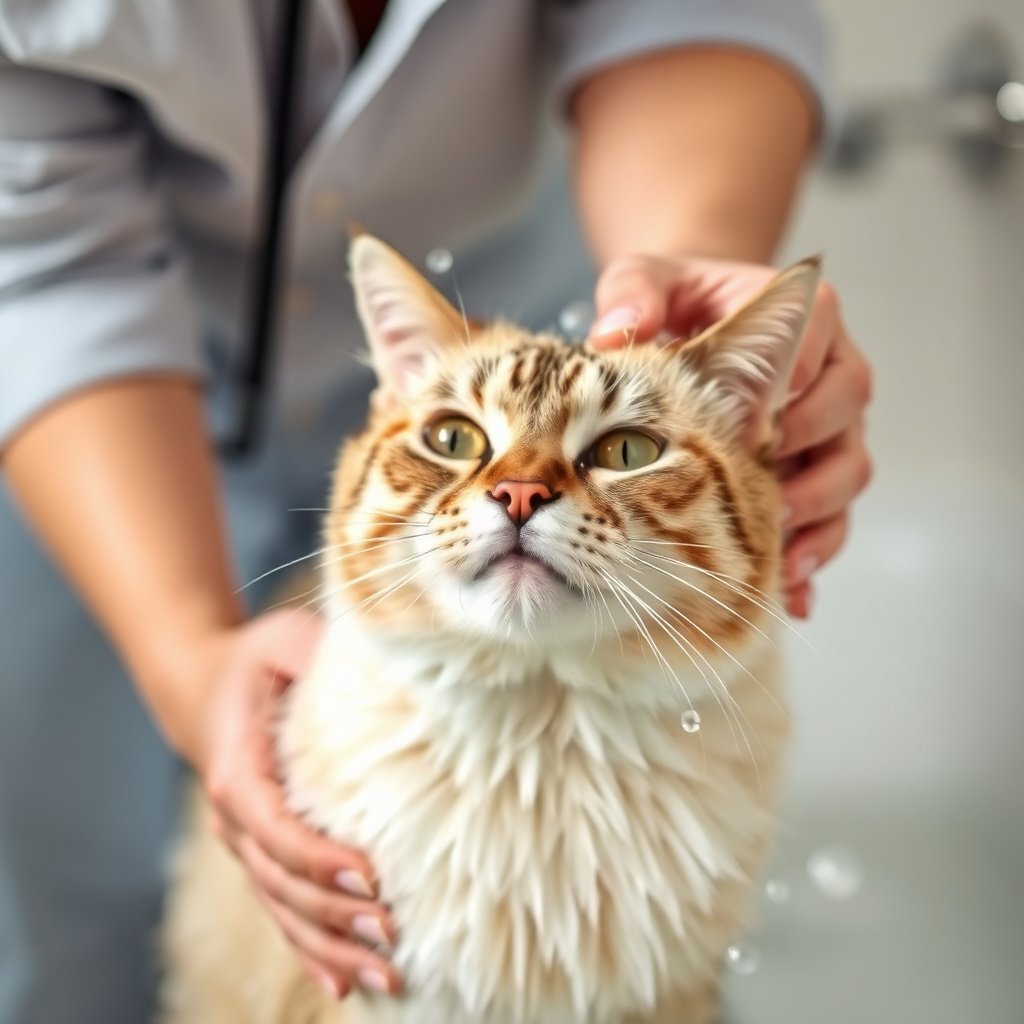
Before applying shampoo, brush your cat to remove loose fur and mats. Use lukewarm water to wet your cat’s coat gently, avoiding ears and eyes to reduce stress and prevent irritation.
Creating a calm environment and speaking softly helps your cat feel secure. Using a non-slip surface in the bath minimizes slipping and slips, making the process smoother.
- Brush fur for tangles
- Use lukewarm water
- Avoid eyes and ears
- Provide a non-slip base
For more on this, see our related guide: What Is the Best Flea Treatment for Dogs: Complete Guide to Fast & Lasting Control.
Applying and Rinsing Cat Shampoo
Apply a small amount of shampoo and massage gently into the fur, focusing on dirty areas while avoiding face and genital regions. Work quickly and calmly to minimize stress.
Rinse thoroughly to remove all shampoo residues, as leftover shampoo can cause irritation. Dry your cat with a towel immediately after, and keep them warm until fully dry.
- Use minimal shampoo quantity
- Massage gently into coat
- Rinse completely to avoid residue
- Dry thoroughly post-bath
Specialty Cat Shampoos for Unique Situations
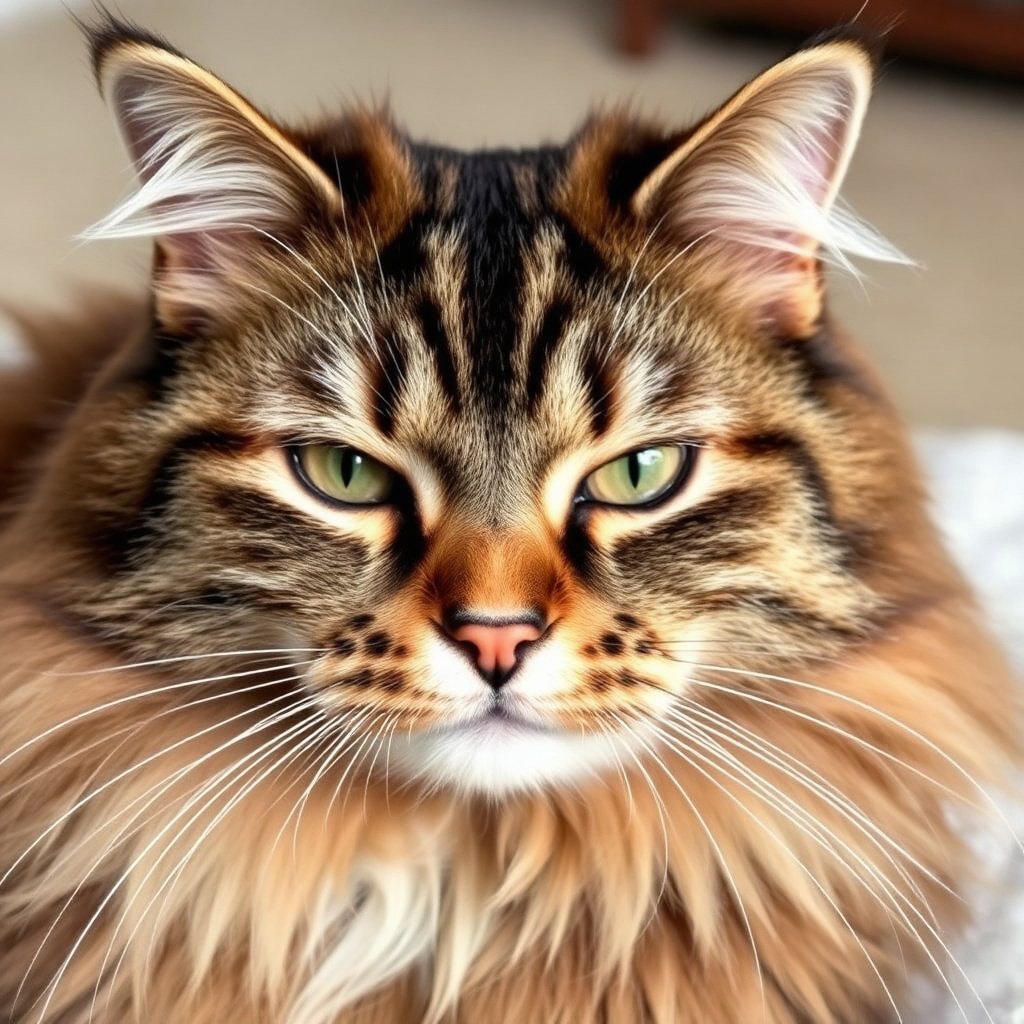
Shampoos for Shedding and Hairball Control
Shampoos designed to reduce shedding contain ingredients that strengthen hair follicles and promote healthy skin, decreasing the amount of fur your cat loses around the house.
Some formulas include enzymes that help break down hair swallowed during grooming, aiding in hairball prevention and reducing digestive issues related to excessive hair ingestion.
Dry Shampoos and Waterless Options
For cats anxious about water or when bathing isn’t possible, dry shampoos or waterless sprays offer a convenient alternative. They clean and deodorize fur without moisture, leaving the coat fresh.
These products are generally safe for regular use but should not replace traditional baths when deeper cleaning is necessary. Check labels to confirm they are formulated specifically for feline use.
Choosing the Best Cat Shampoo for Your Pet
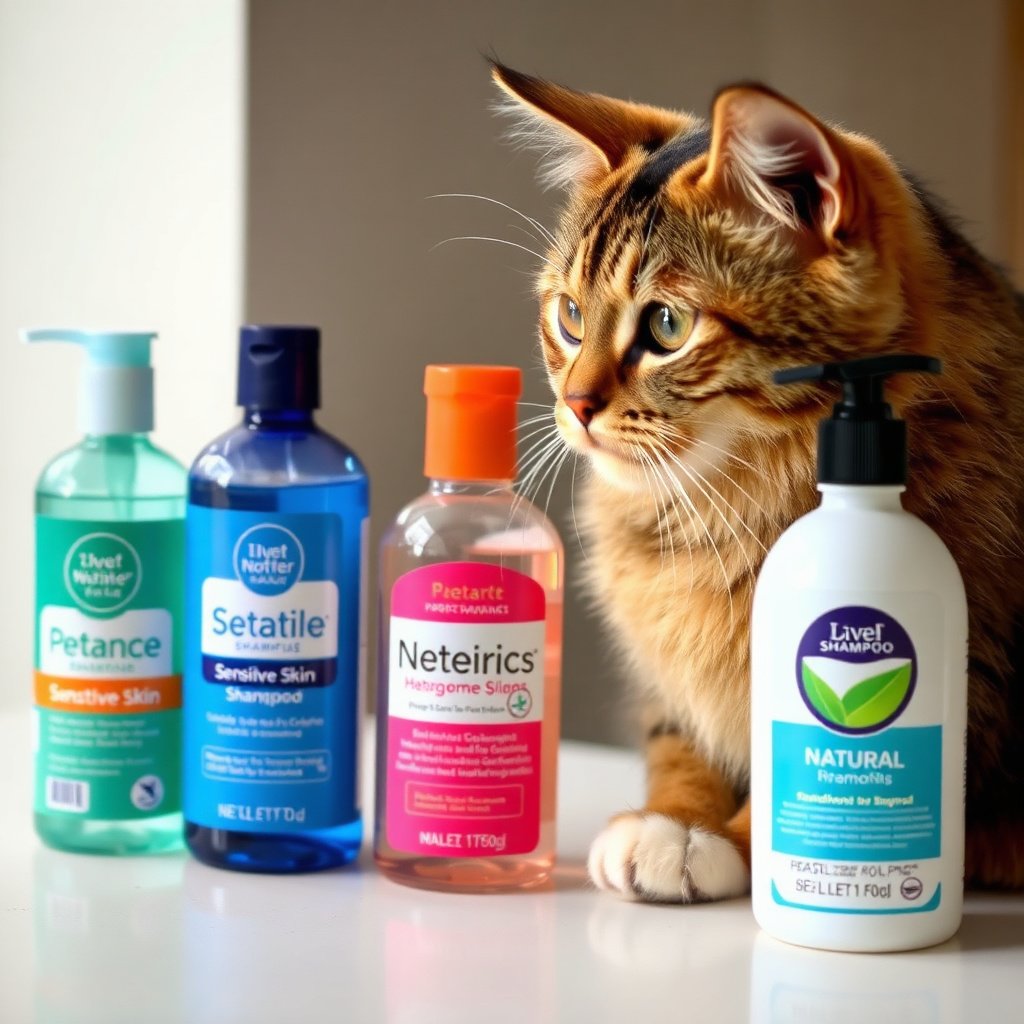
Matching Shampoo Type to Cat’s Skin and Coat Needs
Evaluate your cat’s skin condition, coat type, and any health issues before selecting a shampoo. A gentle cat shampoo works well for most pets, but specialized needs like allergies or parasites may require a medicated formula.
Also consider your cat’s age and activity level; kittens and older cats often need milder shampoos with extra moisturizing properties since their skin can be more delicate.
For more on this, see our related guide: How Often Should You Groom a Poodle? Complete Guide for Best Results.
Consulting Your Veterinarian for Recommendations
If your cat suffers from frequent skin problems or allergies, consulting a veterinarian is wise. They can recommend safe, effective shampoos or treatments tailored to your cat’s specific condition.
Veterinary advice ensures you avoid products that could exacerbate existing issues and allows for proper guidance on medicated shampoo usage if necessary.
Maintaining Your Cat’s Coat Between Baths
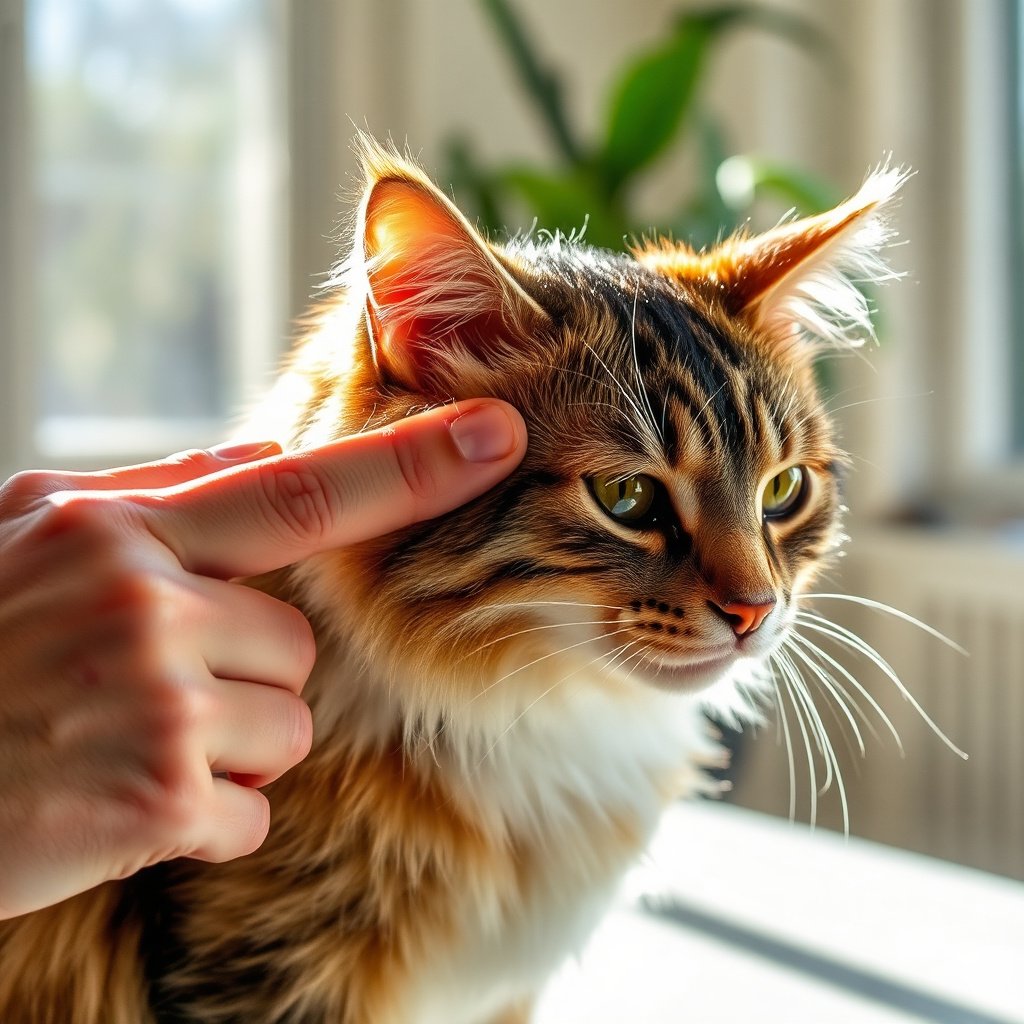
Regular Brushing and Coat Care
Brushing your cat daily reduces loose hair and distributes natural oils, keeping the coat glossy and healthy. It also provides an opportunity to check for skin abnormalities or parasites early.
Different brush types suit different fur lengths: slicker brushes for long-haired cats and bristle brushes for short-haired breeds.
- Daily brushing recommended
- Use appropriate brush type
- Inspect skin during grooming
For additional advice on maintaining your cat’s hygiene and grooming routines, visit the cat grooming guidelines from the ASPCA. cat grooming guidelines from the ASPCA.
Using Conditioner and Spot Treatments
Conditioners formulated for cats can be applied after shampooing to lock in moisture, reduce tangles, and improve coat texture. Spot treatments may be used for localized skin problems under veterinary guidance.
Avoid human conditioners as they can irritate feline skin. Select products specifically marked safe for cats.
Cat Shampoo Category Comparison
Here's a breakdown comparing popular cat shampoo categories to help you find the best fit for your feline’s needs.
| Category | Best For | Typical Ingredients | Recommended Frequency | Price Range |
|---|---|---|---|---|
| Gentle Cat Shampoo | Sensitive skin cats | Oatmeal, aloe vera, hypoallergenic cleansers | Monthly or as needed | Moderate |
| Medicated Shampoo | Skin infections or parasites | Antifungal, antibacterial, insecticides | As prescribed by vet | Higher |
| Hypoallergenic Shampoo | Allergy-prone cats | Natural plant extracts, no fragrances | Regular use | Moderate to high |
| Dry Shampoo | Water-averse cats | Absorbent powders, mild deodorants | Between baths | Low to moderate |
| Shampoo for Shedding | Heavy shedding breeds | Proteins, enzymes | Weekly or biweekly | Moderate |
Frequently Asked Questions
Can I use human shampoo on my cat?
Human shampoos have different pH levels and ingredients not suited for cats, which can cause skin irritation or dryness. Always use shampoos formulated specifically for cats to keep their skin healthy.
How often should I bathe my cat with shampoo?
Most cats only need bathing every few weeks to months unless they have skin conditions. Frequent bathing can dry out their skin, so adjust based on your cat’s coat type and activity.
Are medicated shampoos safe for all cats?
Medicated shampoos should only be used under veterinary guidance as some ingredients can be harmful if misused. They are typically safe when used as directed for specific skin issues.
What if my cat hates water and baths?
Dry shampoos or waterless cleaning sprays made for cats are good alternatives for anxious cats, helping keep their coat clean without the stress of a full bath.
Can cat shampoo help control shedding?
Some cat shampoos contain ingredients designed to strengthen hair follicles and help reduce shedding, but regular grooming is also essential for managing loose fur.
Key Takeaways
- Choose shampoos with natural, mild ingredients suitable for cats’ sensitive skin.
- Match the shampoo type to your cat’s specific skin and coat needs.
- Use medicated shampoos only under veterinary supervision for skin conditions.
- Regular grooming complements shampoo use to maintain a healthy coat.
Conclusion
Deciding on the best cat shampoo requires evaluating your pet’s skin sensitivity, coat type, and any health concerns. A gentle cat shampoo with hypoallergenic ingredients typically serves most cats well, offering cleansing without disrupting their skin’s natural balance. Understanding ingredient safety and shampoo formulation ensures that you provide effective and comfortable care for your feline friend.
For cats with special needs such as allergies, parasites, or skin infections, medicated shampoos prescribed by a veterinarian can address these problems safely and efficiently. Waterless or dry shampoos suit cats that dislike traditional baths, while shedding-control shampoos help reduce fur loss. Combining appropriate shampoo selection with consistent grooming habits can significantly improve your cat’s coat health and comfort.
Ultimately, the best approach is to observe your cat’s reactions and consult a veterinarian when in doubt. Start with a gentle cat shampoo formulated for sensitive skin and adjust according to your pet’s response and needs. This way, you’ll keep your cat clean, comfortable, and looking their best with minimal stress for both of you.