How to Keep a Dog’s Eyes Clean: Effective Tips and Techniques
Keeping a dog's eyes clean is essential to prevent infections, irritation, and discomfort. Regularly wiping around the eyes with a gentle, damp cloth or specific pet eye wipes helps remove dirt, discharge, and tear stains before they cause problems.
Dogs can accumulate debris, dust, and natural tear buildup around their eyes, especially certain breeds with prominent or watery eyes. Failing to clean this away can lead to infections or more severe eye conditions. Understanding safe cleaning methods supports your pet’s overall health and comfort.
This article covers why dogs' eyes get dirty, the best cleaning tools and solutions, how often to clean, signs of eye problems, and natural ways to maintain eye health. You’ll also find comparisons of cleaning products and answers to common questions about dog eye care.
Understanding Why Dogs' Eyes Need to Stay Clean

Common Causes of Eye Discharge and Dirt
Dogs produce tears that help lubricate and protect their eyes, but excess tearing or infections can cause visible discharge. Environmental factors such as dust, pollen, and grass can also accumulate around the eyes, especially in outdoor-active dogs.
Certain breeds with shallow eye sockets or long eyelashes are more prone to tear stains and debris buildup. Eye allergies and minor infections can further increase discharge, making regular cleaning necessary to avoid bacterial growth and irritation.
Risks of Neglecting Eye Hygiene
Ignoring eye cleanliness can lead to irritations that invite bacterial or fungal infections. Persistent dirt and discharge may cause redness, swelling, or excessive scratching, potentially damaging the cornea or surrounding skin.
Early attention supports prevention of chronic conditions like conjunctivitis or blocked tear ducts. Maintaining a dog eye care routine helps keep vision clear and reduces discomfort for your pet.
Essential Tools and Products for Cleaning Your Dog's Eyes
Safe Cleaning Materials and Solutions
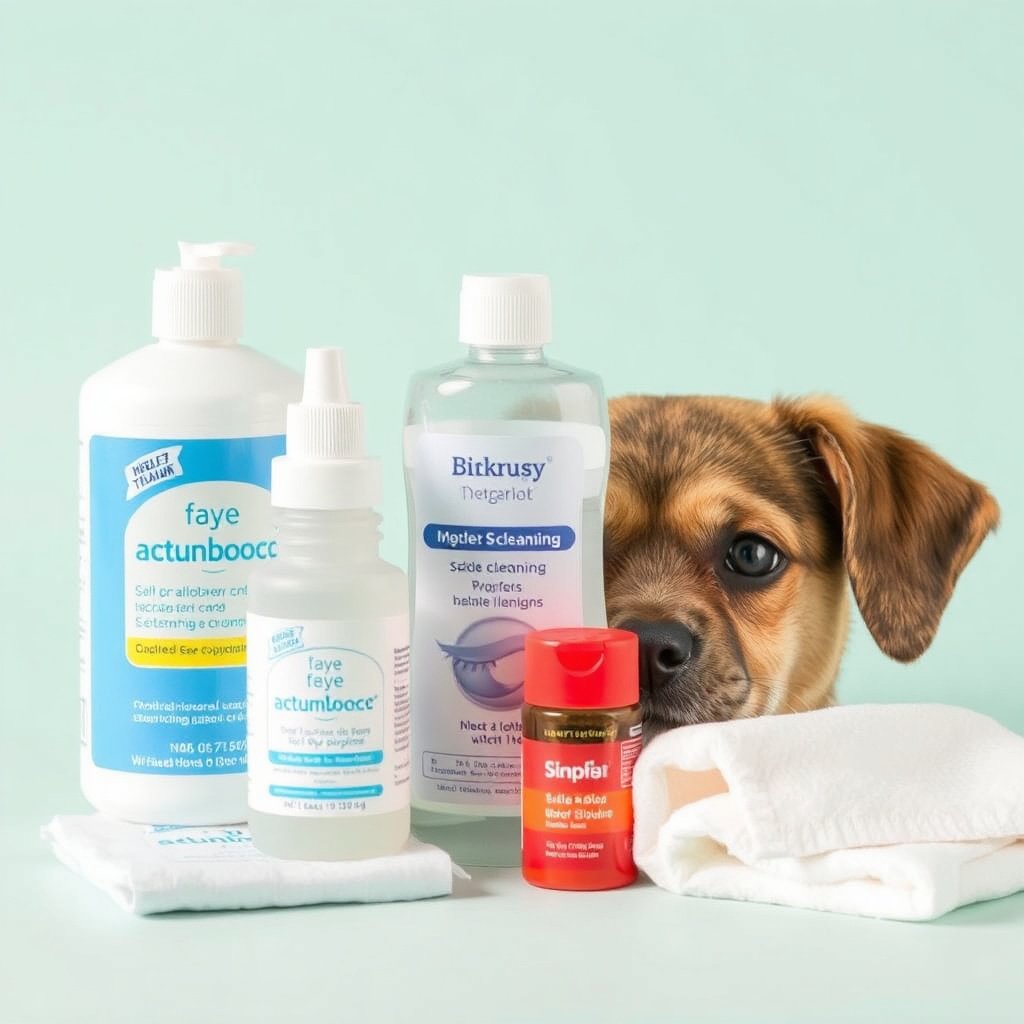
Use lukewarm water with a clean microfiber cloth or sterile cotton balls to gently wipe around the eyes. Pre-moistened pet eye wipes containing soothing ingredients like chamomile or aloe are convenient for removing debris without causing irritation.
Avoid harsh chemicals, soaps, or human products near the eyes. Saline solutions designed for pets are excellent for rinsing off stubborn dirt safely. Always read product labels to ensure compatibility with canine eye health.
- Sterile cotton balls or gauze
- Pet-safe eye wipes
- Saline eye rinses
- Microfiber cloth
For more on this, see our related guide: How to Clean a Dogs Wrinkles: A Complete Guide with Proven Steps.
What to Avoid When Cleaning
Never use alcohol, hydrogen peroxide, or any disinfectants near your dog's eyes as they can cause pain and damage. Avoid scrubbing vigorously; gentle wiping suffices. Do not share cleaning tools between pets to reduce infection risk.
If using cotton swabs, avoid inserting them into the eye itself; only clean surrounding fur and lids. Also, avoid scented wipes or those with strong preservatives that might sting or trigger allergic reactions.
Step-by-Step Guide to Clean a Dog's Eyes Safely

Preparing and Executing Eye Cleaning
Start by washing your hands thoroughly and settling your dog in a calm environment. Soak a clean cloth or cotton ball in warm water or saline solution, wring out excess, and gently wipe from the inner corner of the eye outward to avoid dragging debris into the eye.
Use a new cloth or cotton ball for each eye to prevent cross-contamination. Repeat the wiping until the fur around the eyes looks clean and no discharge remains. Praise your dog throughout to keep the experience positive.
- Wash hands
- Moisten cloth with saline or warm water
- Wipe inner eye outwards
- Use separate cotton balls per eye
- Repeat as needed
Frequency and Timing for Eye Cleaning
Cleaning frequency depends on your dog's breed, activity level, and natural tear production. Daily cleaning suits breeds prone to tear stains, while weekly or biweekly might suffice for others. Inspect your dog's eyes regularly to judge when extra cleaning is necessary.
Avoid over-cleaning which can cause dryness or irritation. Consistency is key: incorporate eye care into your regular grooming routine, particularly after outdoor activities or swimming.
Recognizing Eye Problems That Require Veterinary Attention
Signs of Infection or Eye Disease
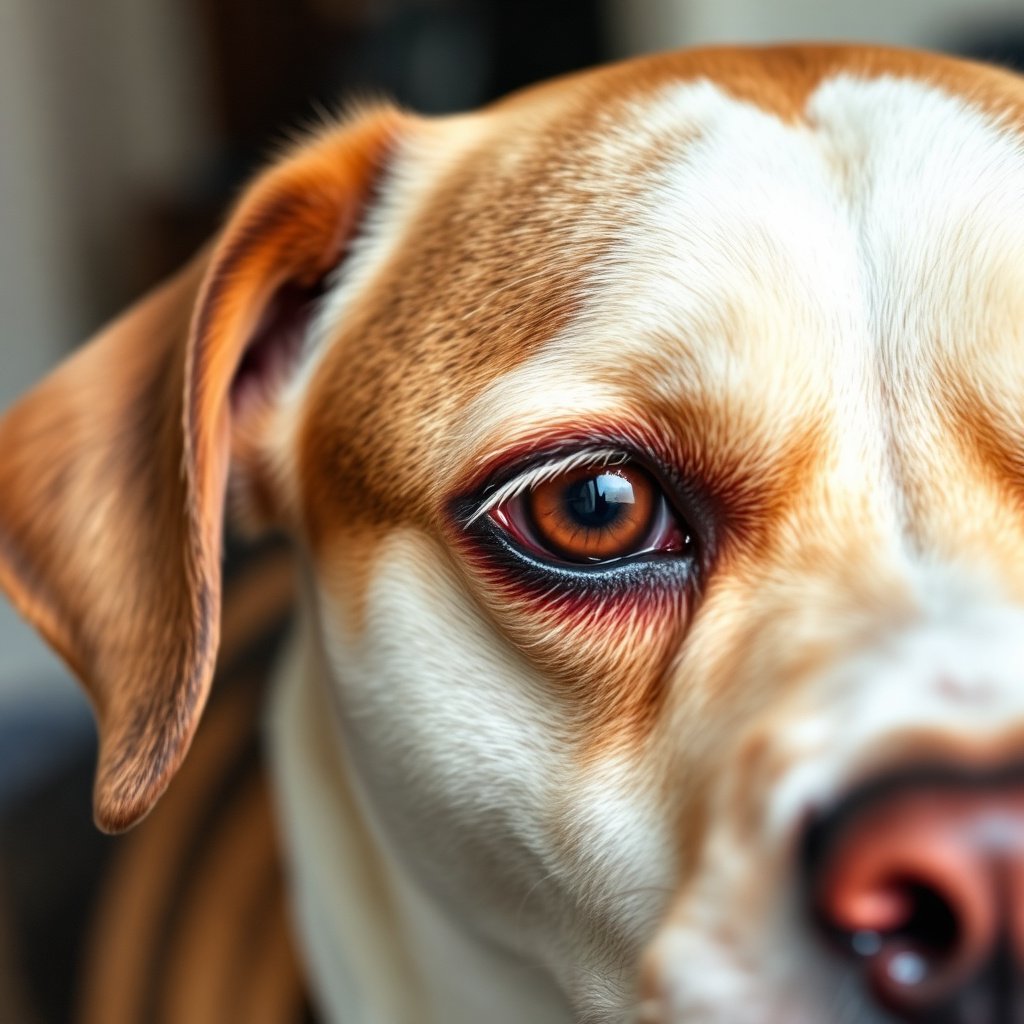
Look out for persistent redness, swelling, thick or colored discharge, excessive blinking, pawing at the eyes, or cloudiness in the eye lens. These symptoms can indicate conjunctivitis, ulcers, allergies, or other serious conditions.
If your dog exhibits these signs, avoid self-medicating and consult a veterinarian promptly. Early professional treatment prevents worsening or permanent damage.
- Redness or swelling
- Yellow or green discharge
- Frequent blinking or rubbing
- Eye cloudiness or pain
For more on this, see our related guide: How to Remove Tree Sap from a Dogs Fur: 8 Safe Steps for Fast Relief.
When Not to Attempt Cleaning
If your dog resists eye cleaning due to discomfort, or if the eye shows bleeding, severe swelling, or trauma, do not proceed. These situations require specialized care and interventions by a vet.
Also, if discharge persists despite regular cleaning or worsens, professional guidance is mandatory to address underlying infections or injuries.
Maintaining a Healthy Dog Eye Care Routine
Incorporating Eye Cleaning into Daily Care
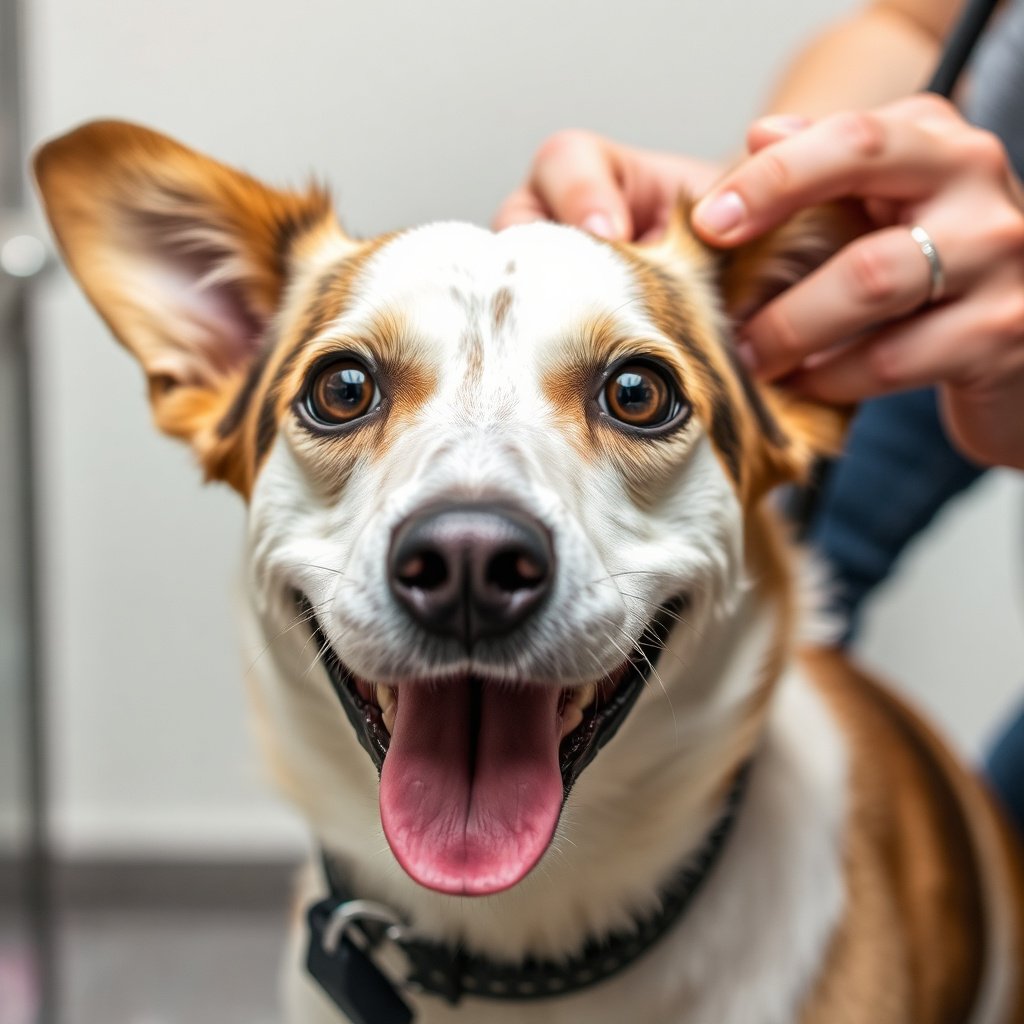
Make eye cleaning part of your dog's grooming schedule alongside brushing teeth and bathing. Use positive reinforcement to associate cleaning with treats or praise, promoting cooperation.
Keep your dog's face trimmed if fur irritates the eyes and regularly check for foreign objects. Consistency in care reduces buildup and supports eye comfort.
- Daily or regular cleaning
- Positive reinforcement
- Facial fur grooming
- Regular inspection
For detailed advice and expert tips on dog eye cleaning, check out these dog eye care recommendations from the American Veterinary Medical Association. dog eye care recommendations.
Adding Nutritional Support for Eye Health
A balanced diet rich in antioxidants like vitamins A, C, and E supports ocular health. Supplements containing omega-3 fatty acids may reduce inflammation and promote tear film stability.
While diet alone won’t replace cleaning, it complements preventative care and keeps eyes bright and healthy by addressing internal factors.
Comparison of Popular Dog Eye Cleaning Products
Reviewing common product types helps find the best fit for your dog's eye cleaning needs and sensitivity levels.
| Product Type | Ingredients | Ease of Use | Suitability for Sensitive Eyes | Price Range |
|---|---|---|---|---|
| Pet Eye Wipes | Chamomile, Aloe Vera | Very easy – pre-moistened | High | $5-$15 per pack |
| Saline Solution | Sterile saline | Moderate – requires cloth | Very high | $3-$8 per bottle |
| Foaming Eye Cleaner | Mild surfactants, natural extracts | Easy – foam applicator | Medium | $10-$20 per bottle |
| Homemade Warm Water Cloth | None (just water) | Moderate – manual prep | High | Free |
Frequently Asked Questions
How often should I clean my dog's eyes?
Most dogs benefit from cleaning once or twice a week, but dogs prone to tear stains or debris buildup may require daily cleaning to maintain eye hygiene.
Can I use human eye drops for my dog?
No, human eye drops can contain ingredients harmful to dogs. Use only products specifically formulated for dogs or prescribed by your vet.
What causes tear stains in dogs?
Tear stains result from excess tear production, often due to breed genetics, eye shape, allergies, or irritation, causing reddish-brown marks around the eyes.
Is it normal for dogs to have some eye discharge?
Clear or slightly watery discharge is normal and helps clean the eyes, but thick, colored, or smelly discharge may indicate infection.
When should I see a vet for my dog's eye issues?
Seek veterinary care if your dog's eyes show redness, swelling, persistent discharge, cloudiness, or signs of pain such as pawing or squinting.
Key Takeaways
- Regularly clean your dog's eyes with gentle, pet-safe materials to prevent irritation and infection.
- Observe for warning signs like redness or discharge that may require veterinary attention.
- Choose cleaning products based on your dog’s sensitivity and ease of use.
- Incorporate eye cleaning into your dog's grooming routine to support ongoing eye health.
Conclusion
Taking care of a dog’s eyes involves adopting a consistent approach to maintain cleanliness and comfort while remaining vigilant about symptoms that signal problems. Maintaining a regular dog eye care routine prevents accumulation of irritants and reduces risk of infections. Understanding the causes of eye discharge and knowing how to clean correctly enables owners to protect their pet’s vision and well-being.
For dogs prone to tear stains and eye discharge, daily cleaning with pet eye wipes or saline solution paired with gentle wiping can significantly improve hygiene. Meanwhile, breeds with less tear production may only need occasional cleaning. Recognizing indications like redness or swelling directs timely professional care and prevents escalation of eye conditions. Choosing appropriate cleaning tools and positive reinforcement can make the process easier for both dog and owner.
Ultimately, start with simple warm water or pet-safe wipes and monitor your dog’s response. If eye issues persist or worsen, consult your veterinarian for diagnosis and tailored treatment. Regular eye care is a manageable but important element of your dog's overall grooming routine that promotes lasting eye health and comfort.