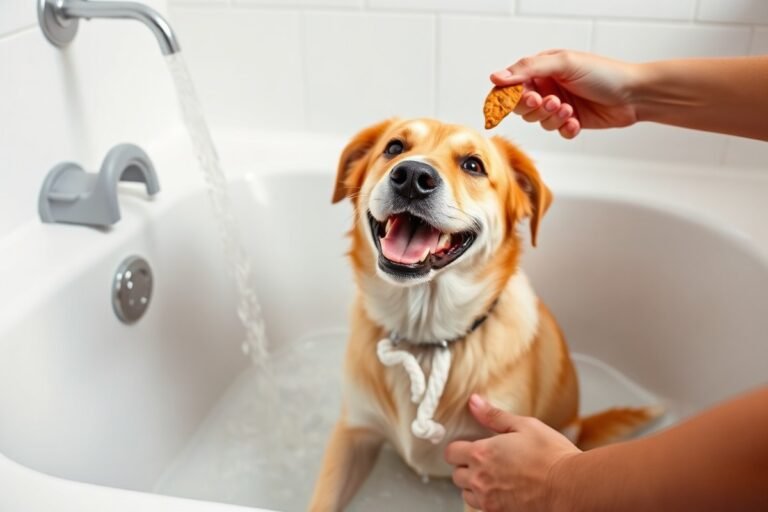
Why Does My Dog Have Red Fur Around the Mouth? Understanding the Causes
Red fur around your dog's mouth often results from staining rather than a skin condition. The reddish color generally comes from porphyrins, naturally occurring compounds found in saliva and tears, which stain the fur when your dog licks or drools. This is a common and usually harmless issue, especially in light-colored dogs.
Though the red coloration can look concerning, it typically does not indicate infection or severe health problems. However, excessive staining may sometimes relate to excessive licking caused by irritation, dental issues, or allergies. Understanding why this occurs helps pet owners decide when to take action or consult a veterinarian.
This article will explore the main causes behind red fur around a dog's mouth, including dietary and environmental factors, hygiene tips to reduce staining, when the discoloration may signal health concerns, and practical solutions for pet owners concerned about their dog's appearance and comfort.
Common Causes of Red Fur Around a Dog's Mouth
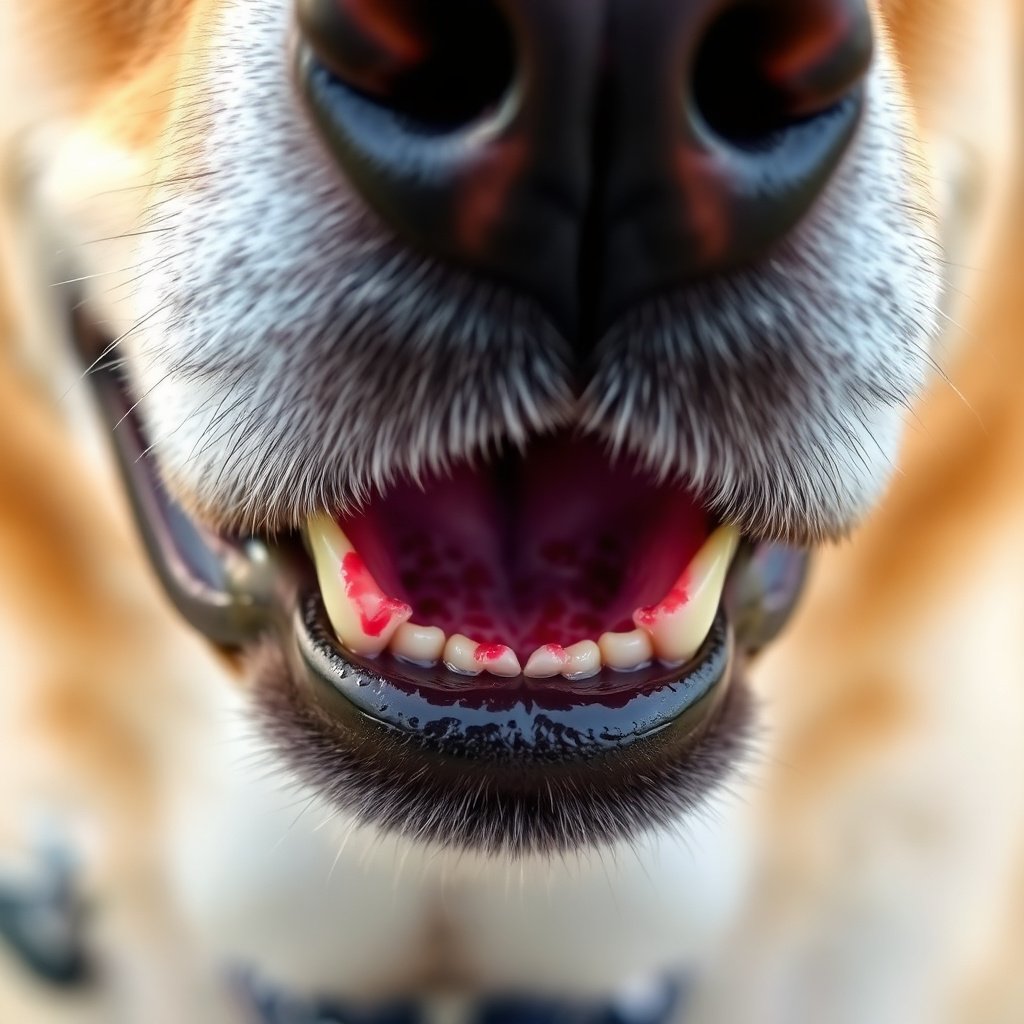
Porphyrin Staining and Its Origin
Porphyrins are pigments found in a dog's saliva, tears, and urine. When dogs lick their fur or face, these pigments are deposited on the hair, causing a rusty red or reddish-brown stain. Light-colored dogs, such as white or cream, often show this staining more prominently.
These pigments originate naturally from the breakdown of red blood cells and are harmless in themselves. Since porphyrins fluoresce under UV light, the red stains tend to stand out and may cause owners to worry even when no health problem exists.
Excess Salivation and Licking Habits
Increased drooling or licking around the mouth can amplify staining. Reasons for more saliva include dental irritation, oral injuries, anxiety, or simply a fondness for licking. The longer the saliva contacts the fur without cleaning, the more intense the red coloration becomes.
Environmental factors like water bowls made from certain metals or certain types of food can also encourage excessive licking or drooling, indirectly impacting the severity of staining.
Hygiene and Grooming Practices to Manage Red Fur
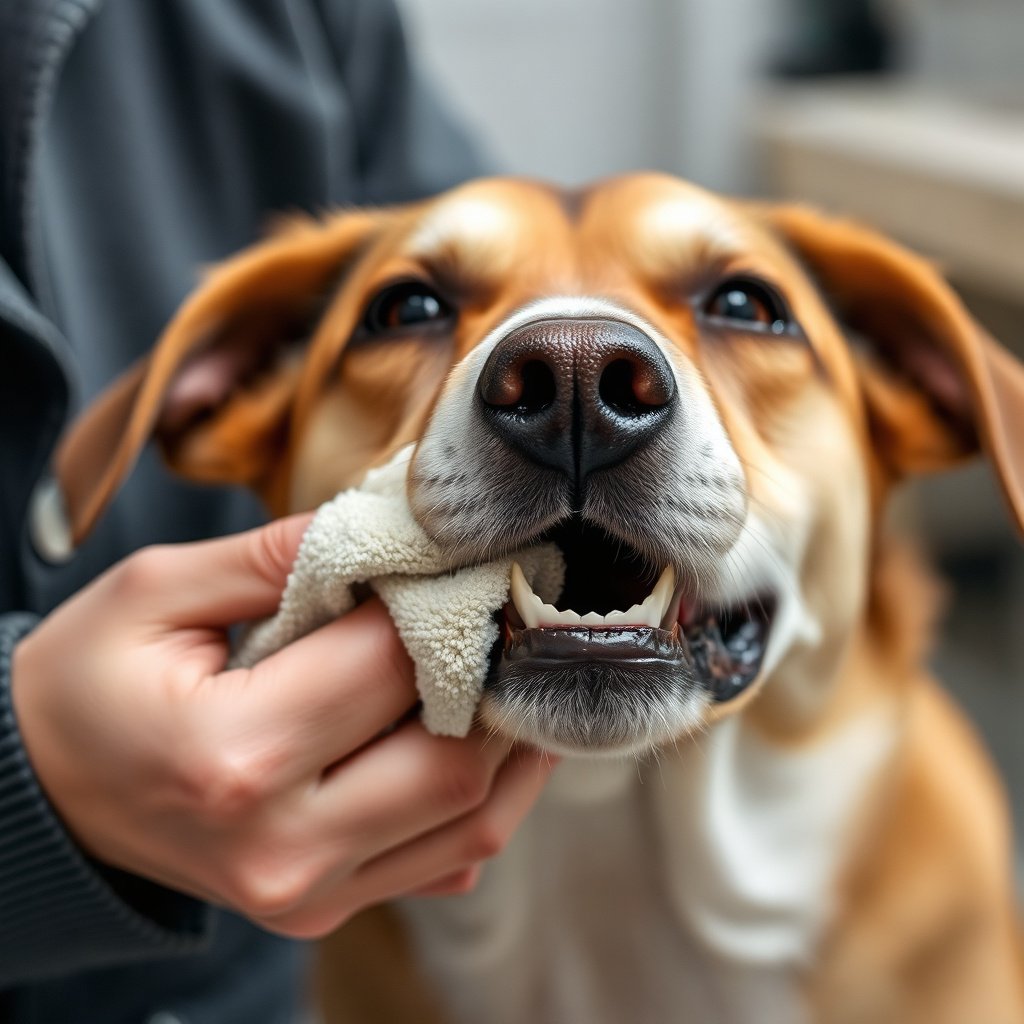
Daily Cleaning and Maintenance
Regularly wiping the dog’s mouth area with a damp cloth can reduce porphyrin buildup and staining. This simple step removes saliva deposits before they dry and discolor the fur.
Bathing the dog with a gentle whitening pet shampoo designed to remove stains may also help keep red fur at bay. It’s important to avoid harsh chemicals that could irritate sensitive skin around the mouth.
- Use soft microfiber towels
- Choose pH-balanced pet shampoos
- Clean water bowl materials to prevent extra discoloration
Trimming and Fur Care
Trimming long fur around the mouth reduces the surface area available for staining and makes cleaning easier. Groomers often focus on this area to maintain a clean appearance for light-colored breeds.
Maintaining overall oral hygiene is essential; brushing your dog’s teeth can reduce saliva bacteria, lowering the intensity of staining.
- Regular fur trimming around the mouth
- Routine dental care including tooth brushing
Diet and Environmental Factors Affecting Fur Coloration

Impact of Diet on Saliva and Fur Staining
Certain diets high in iron or minerals may influence the composition of a dog’s saliva, increasing porphyrin levels and staining potential. Wet foods or treats that encourage licking can lead to more saliva contact with facial fur.
Avoiding artificial dyes and additives in dog food can reduce the risk of excessive discoloration, along with promoting balanced nutrition for skin health.
For more on this, see our related guide: How to Clean a Dogs Wrinkles: A Complete Guide with Proven Steps.
Water and Bowl Material Considerations
Water quality and the materials used for a dog's food and water bowls can contribute to staining. Plastic bowls may harbor bacteria that alter saliva properties, while metal bowls are less likely to cause buildup.
Rinsing bowls daily and choosing materials like stainless steel or ceramic helps minimize unwanted effects that lead to mouth fur discoloration.
- Use stainless steel or ceramic bowls
- Clean bowls daily with hot water
When Red Fur Around the Mouth Indicates Health Problems
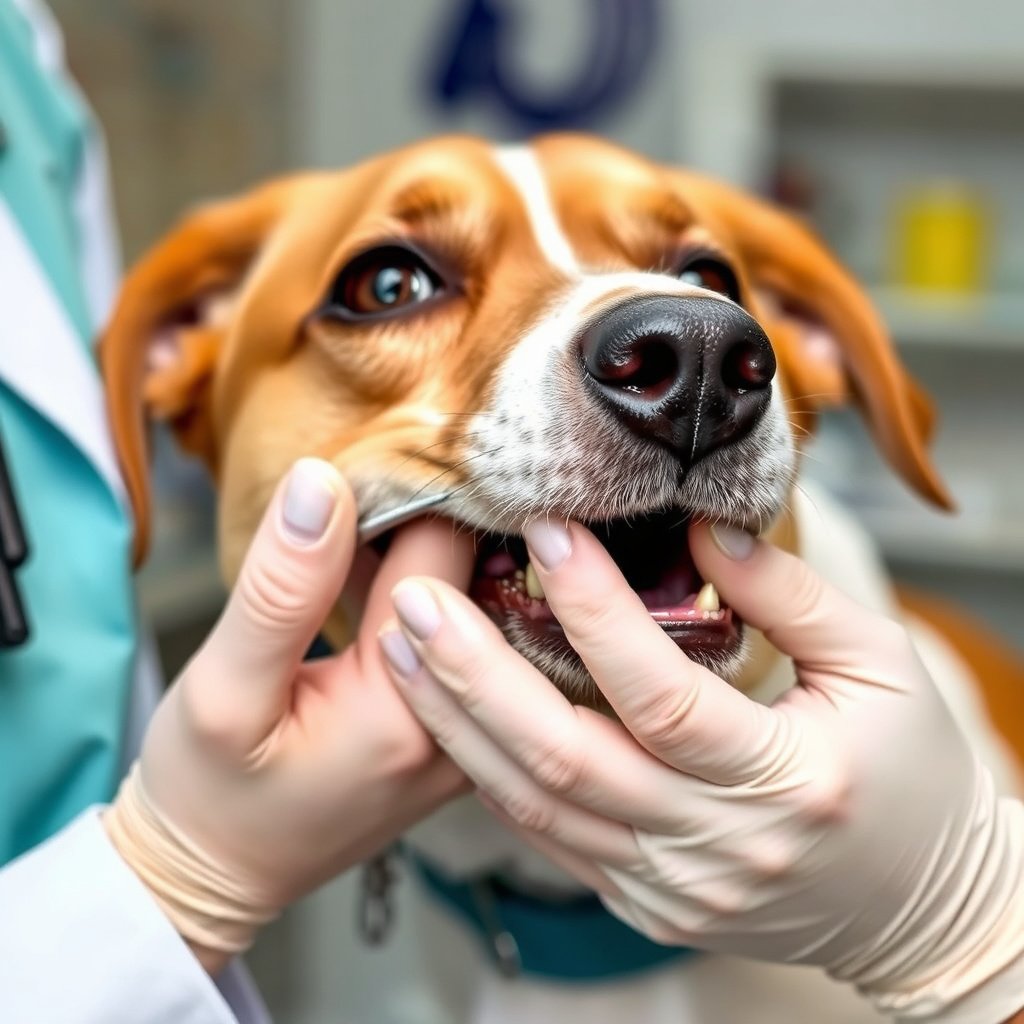
Signs of Infection or Allergy
If red fur around the mouth is accompanied by redness of the skin, swelling, sores, or an unpleasant odor, it may indicate infections or allergies. Common culprits include yeast dermatitis or bacterial infections that require veterinary treatment.
A dog frequently scratching or rubbing its mouth area due to itchiness also suggests irritation beyond normal staining.
- Swelling or redness of skin
- Foul smell
- Behavior changes like scratching
Dental Problems and Oral Health Issues
Dental disease such as gingivitis, periodontal disease, or oral injuries can cause excessive drooling and subsequent fur staining. Regular dental check-ups help detect problems that cause discomfort and abnormal saliva production.
Sometimes red staining accompanies drooling caused by nausea, foreign objects, or tumors in the mouth, warranting professional diagnosis.
- Bad breath
- Visible tartar or gum redness
- Excessive drooling
Treatment Options and When to Visit the Vet

Home Care and Monitoring
For mild staining without other symptoms, improving cleaning routines and grooming can manage red fur effectively. Using pet-safe wipes and adjusting diet or bowl materials often helps reduce discoloration.
Monitoring your dog's behavior and mouth area regularly is key to spotting any developing issues early on.
For more on this, see our related guide: Why Does My Dog Have Brown Paws? A Complete Guide with Proven Solutions.
Veterinary Interventions and Diagnosis
If red fur accompanies other signs of illness or discomfort, a veterinarian can perform exams, skin scrapings, or dental evaluations to determine underlying causes. Treatment may include antibiotics, antifungals, allergy management, or dental cleaning.
Prompt professional care prevents minor problems from worsening and helps keep your dog comfortable and healthy.
Preventive Practices to Keep Mouth Fur Clean and Healthy
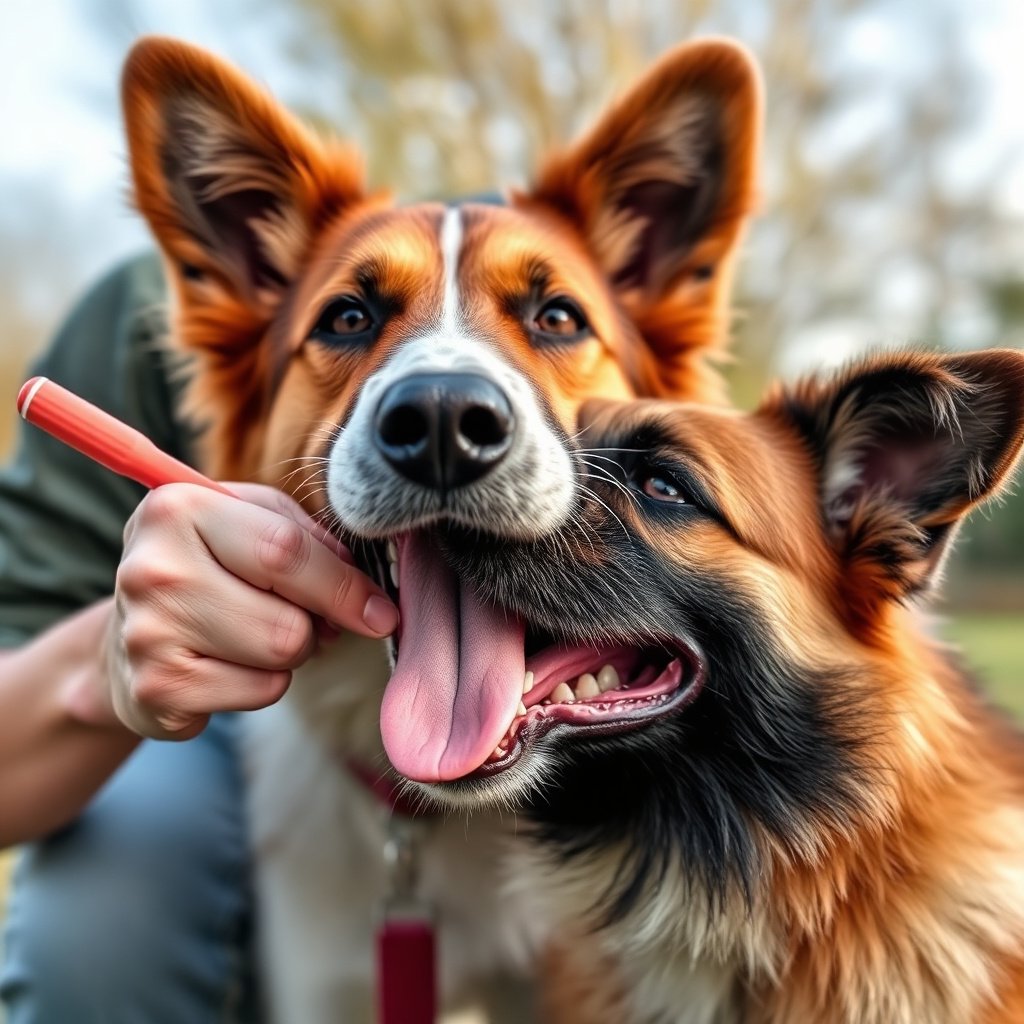
Regular Oral Hygiene Routines
Daily or frequent tooth brushing reduces bacterial load in the mouth, which lowers saliva staining. Using flavored pet toothpaste can make the process easier for dogs and owners alike.
In addition to oral care, providing chew toys designed to clean teeth contributes to reducing plaque and saliva discoloration.
- Brush dog’s teeth regularly
- Use dental chews and toys
For more detailed insights into overall canine health including common oral issues, consider reviewing resources on canine oral health. canine oral health.
Routine Grooming and Inspection
Scheduling regular grooming appointments helps manage fur length and cleanliness around the mouth, which minimizes staining surfaces. Inspecting the mouth area frequently allows early detection of abnormalities.
Consistency with these practices supports ongoing health and reduces the chance of staining becoming severe or linked with other issues.
- Trim hair around the mouth regularly
- Frequent visual inspections
Comparison of Common Causes for Red Fur Around Dog’s Mouth
Here’s a quick overview comparing several common causes of red fur discoloration around a dog’s mouth to help identify the source.
| Cause | Typical Signs | Recommended Action | Severity |
|---|---|---|---|
| Porphyrin Staining | Red-brown fur with no skin changes | Regular cleaning and grooming | Low |
| Excessive Licking | Wet fur, possible irritation | Behavioral management, vet check | Low to Medium |
| Allergic Reactions | Red, itchy skin and swelling | Veterinary diagnosis and treatment | Medium |
| Infections (bacterial/yeast) | Red skin, odor, sores | Veterinary antibiotics or antifungals | High |
| Dental Problems | Drooling, bad breath, gum redness | Dental cleaning, vet exam | Medium to High |
Frequently Asked Questions
Is red fur around my dog's mouth harmful?
Usually red fur from porphyrin staining is harmless but if accompanied by skin irritation or odor, it might indicate health issues that need veterinary attention.
Can I prevent red staining on my dog's fur?
Regular cleaning of the mouth area, proper grooming, dental care, and using the right food and water bowls can significantly reduce staining.
Does diet affect red fur staining on dogs?
Yes, certain diets and additives can influence saliva composition, leading to more staining. Balanced nutrition helps minimize this effect.
When should I consult a vet about red fur near my dog’s mouth?
If staining comes with swelling, sores, bad smell, or behavioral signs of discomfort, a veterinary evaluation is necessary.
Are some dog breeds more prone to red fur staining?
Light-colored breeds like Maltese, Bichon Frise, and Poodles show porphyrin staining more visibly due to their fur color.
Key Takeaways
- Red fur near the mouth often results from harmless porphyrin staining.
- Excessive licking and saliva increase the redness around your dog’s mouth.
- Hygiene, grooming, diet, and water bowl materials can help manage staining.
- Monitor for skin changes or discomfort that may require veterinary care.
Conclusion
Deciding why your dog has red fur around the mouth involves distinguishing harmless porphyrin staining from signs of underlying health issues. Porphyrins in saliva cause most cases and generally can be managed with simple cleaning and grooming. Recognizing when the discoloration pairs with other symptoms is key to timely veterinary evaluation and preventing complications.
For pet owners, focusing on daily hygiene routines including wiping the mouth and trimming fur, maintaining dental health, and reviewing diet and water bowl types helps mitigate the appearance of red stains. Dogs with persistent redness accompanied by inflammation, odor, or discomfort should receive professional veterinary care to rule out infections, allergies, or dental disease.
If your dog exhibits only mild reddening from staining without other symptoms, consistent at-home care is usually enough. However, staying observant and informed about possible causes ensures your furry friend remains both comfortable and looking their best. Consulting your veterinarian remains the best course if you have concerns about oral health or suspect infection.