What Is the Best Dog Dental Spray for Fresh Breath and Healthy Teeth?
The best dog dental spray effectively reduces plaque, freshens breath, and promotes healthy gums without causing discomfort or requiring complex application. Products like TropiClean Fresh Breath Oral Care Mist and Vet’s Best Enzymatic Dog Dental Spray stand out for their proven ingredients and user-friendly design, making dental care easier and more effective for your dog.
Routine dental care is key not just for fresh breath but to prevent periodontal disease, which can lead to pain and systemic health issues in pets. Dental sprays offer a convenient way to supplement brushing when that’s challenging, targeting bacteria and food buildup directly in your dog’s mouth.
This article will explore important factors in choosing a dog dental spray, review top product options, discuss how they work, and share techniques for applying sprays correctly. You’ll get a clear picture of which dental sprays deliver results and are suitable for different dog sizes and temperaments.
Key Ingredients in the Best Dog Dental Spray

Antibacterial and Enzymatic Components
Many effective dog dental sprays contain enzymes that break down plaque and antibacterial agents that reduce gum inflammation. Ingredients such as aloe vera, chlorhexidine, and essential oils are common for combating the bacteria that cause odor and dental disease.
For example, enzymes like glucose oxidase help clear food debris and prevent tartar buildup naturally. Antibacterial herbal extracts often soothe gums while inhibiting bacterial growth, providing a gentle yet thorough clean.
- Aloe vera – soothes inflammation and supports gum health
- Chlorhexidine – clinically proven antibacterial agent
- Essential oils – natural breath fresheners and bacteria fighters
- Glucose oxidase enzymes – break down plaque-forming residues
Safety and Non-Toxicity for Dogs
Because dogs swallow whatever dental spray gets in their mouths, products must be non-toxic and free from harmful chemicals such as alcohol or artificial dyes. Pet-safe certifications and vet endorsements can guide safe choices.
Look for sprays that use natural or veterinarian-approved preservatives and avoid ingredients known to cause allergic reactions. This ensures your dog’s oral care routine won’t introduce unexpected health risks.
- Alcohol-free formulations prevent mouth irritation
- No artificial colors or flavors
- Vet-approved natural ingredients
- Avoidance of harsh chemicals and preservatives
How to Choose the Best Dog Dental Spray for Your Pet
Matching Spray Type to Your Dog’s Needs
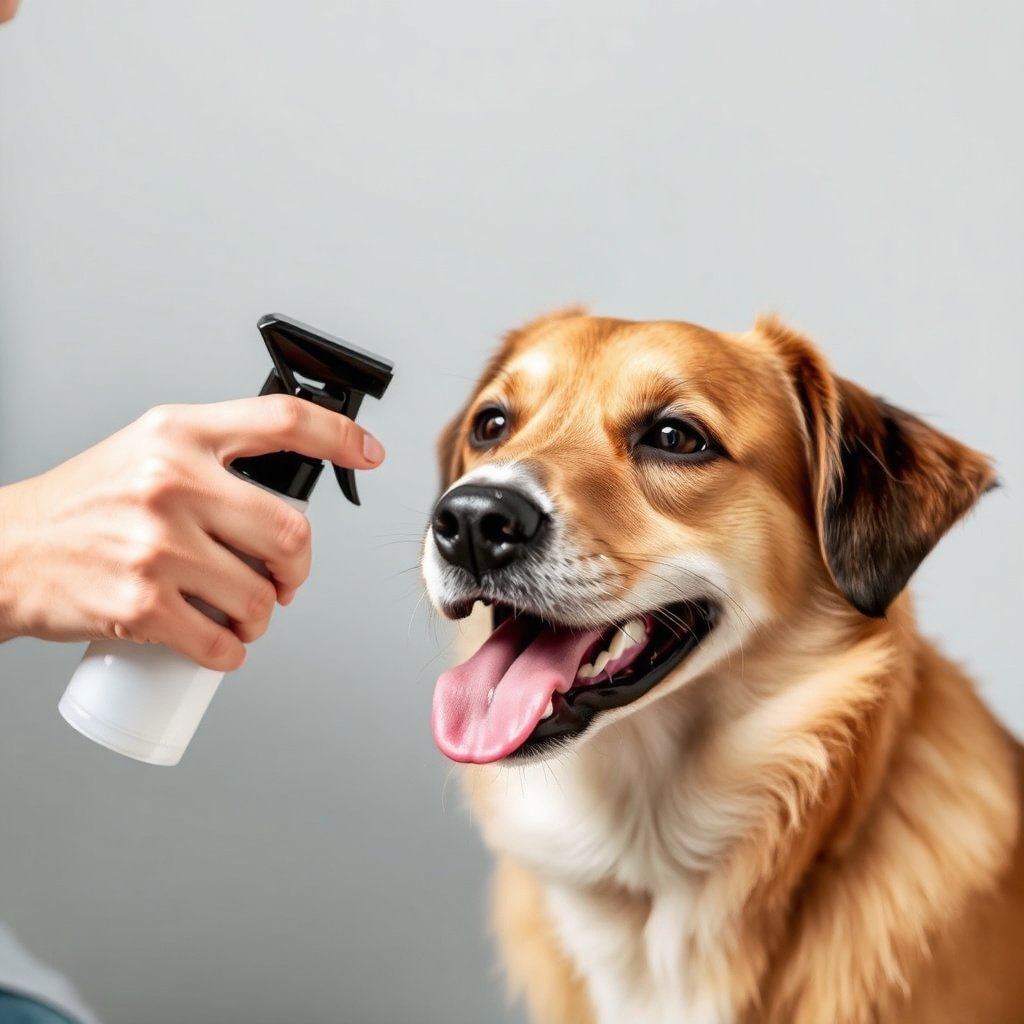
Sprays come in different formulations targeting breath odor, plaque control, or gum care. Understanding your dog’s specific dental health status will help you pick a spray that suits their needs, whether it’s freshening breath or prevention of tartar buildup.
For smaller dogs or those sensitive to oral care, milder enzyme-based sprays may be best. Larger or aging dogs with more plaque might benefit from clinically tested antibacterial sprays. Frequency of use and ease of application are also key factors.
- Fresh breath sprays focus on odor control
- Plaque control sprays include active enzymes and antibacterials
- Gum health sprays contain soothing extracts
- Ease of application for nervous or small dogs
Considering Flavor and Palatability
Some dogs resist dental sprays that taste bitter or unfamiliar. Manufacturers add natural flavors like poultry or mint to improve acceptance, encouraging consistent use without stress.
Testing a small amount before routine use can help determine if your dog tolerates the flavor, which directly affects how often you’ll be able to apply the spray effectively.
- Try flavors like chicken, beef, or mint
- Check for added sugars or artificial sweeteners
- Observe your dog's reaction to new sprays
- Select products labeled ‘palatable’ or ‘dog-approved’
Applying Dog Dental Spray Correctly for Best Results
Techniques for Introducing Dental Spray
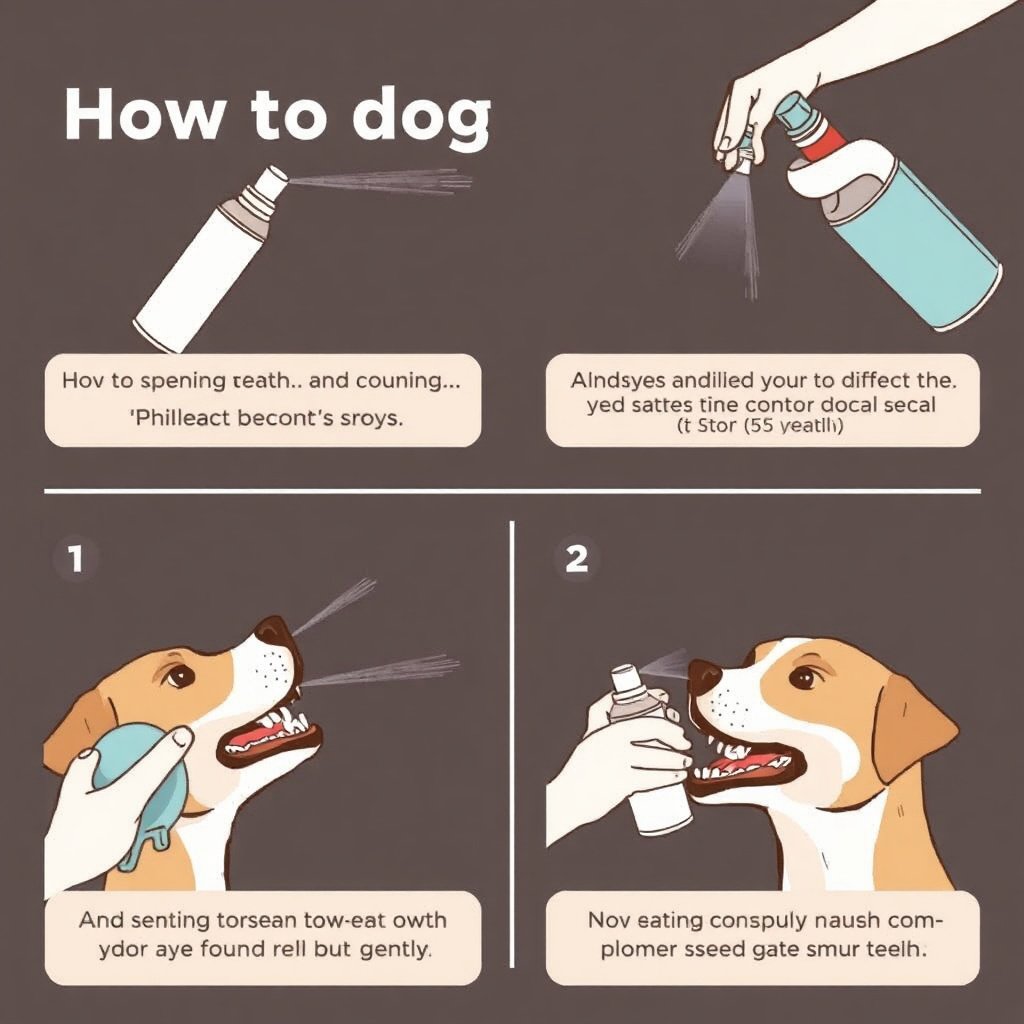
Start by letting your dog sniff and taste the spray to build comfort. Use calm, reassuring motions and reward your dog with treats after application to create a positive association.
Position yourself so you can easily reach your dog’s mouth without causing stress. Using soft restraints or having a helper hold your pet can improve safety and efficiency.
- Introduce spray gradually to build trust
- Use gentle restraint and calm voice
- Apply to teeth and gums thoroughly
- Reward with treats and praise
For more on this, see our related guide: How Many Baths Does a Dog Need? A Complete Guide to Bathing Frequency.
Frequency and Integration with Other Dental Care
Most dental sprays are recommended for daily or several times weekly use. Combining sprays with regular tooth brushing and dental chews enhances oral hygiene comprehensively.
Consistency is vital. Applying the spray at the same time each day reinforces routine and maximizes plaque prevention and breath freshness effects.
- Daily application for best plaque control
- Use alongside brushing and chew toys
- Avoid overuse to prevent irritation
- Check product instructions for guidance
Popular Brands and How They Compare
Veterinarian-Recommended Dental Sprays
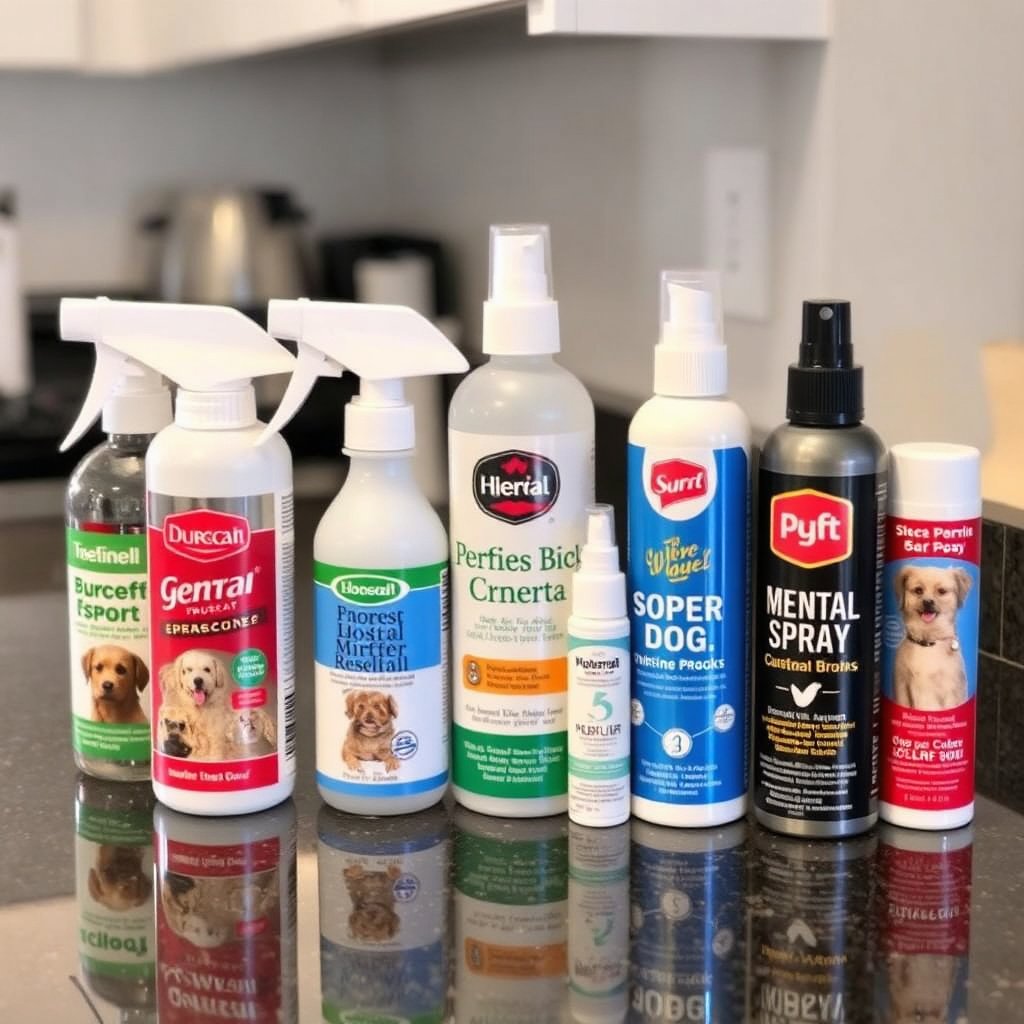
Sprays like Vet’s Best Enzymatic Dog Dental Spray and TropiClean Fresh Breath Oral Care Mist have earned strong reputations among vets for effectiveness and safety. These formulations often include natural botanical ingredients and enzymes.
They tend to balance antibacterial action with soothing properties, making them suitable for dogs with sensitive gums or early dental disease signs.
- Vet’s Best – natural enzymes, soothing aloe and neem
- TropiClean – natural extracts with freshening power
- Oxyfresh – patented formula with odor neutralizers
- Petsmile – approved by the Veterinary Oral Health Council
Budget-Friendly vs Premium Options
Economical dental sprays offer basic cleansing and freshening but might lack sophisticated enzymatic or antibacterial blends. Premium options usually integrate multiple active ingredients but come at higher prices.
Choosing between them involves balancing your dog's needs with budget. Sometimes, a simpler formula used consistently is more effective than sporadic use of a high-end product.
- Budget sprays often basic essential oils
- Premium sprays contain tested enzymes and antibacterials
- Cost varies between $10 and $25 per bottle
- Evaluate based on ingredient transparency and reviews
Common Mistakes to Avoid with Dog Dental Sprays
Overuse or Incorrect Application
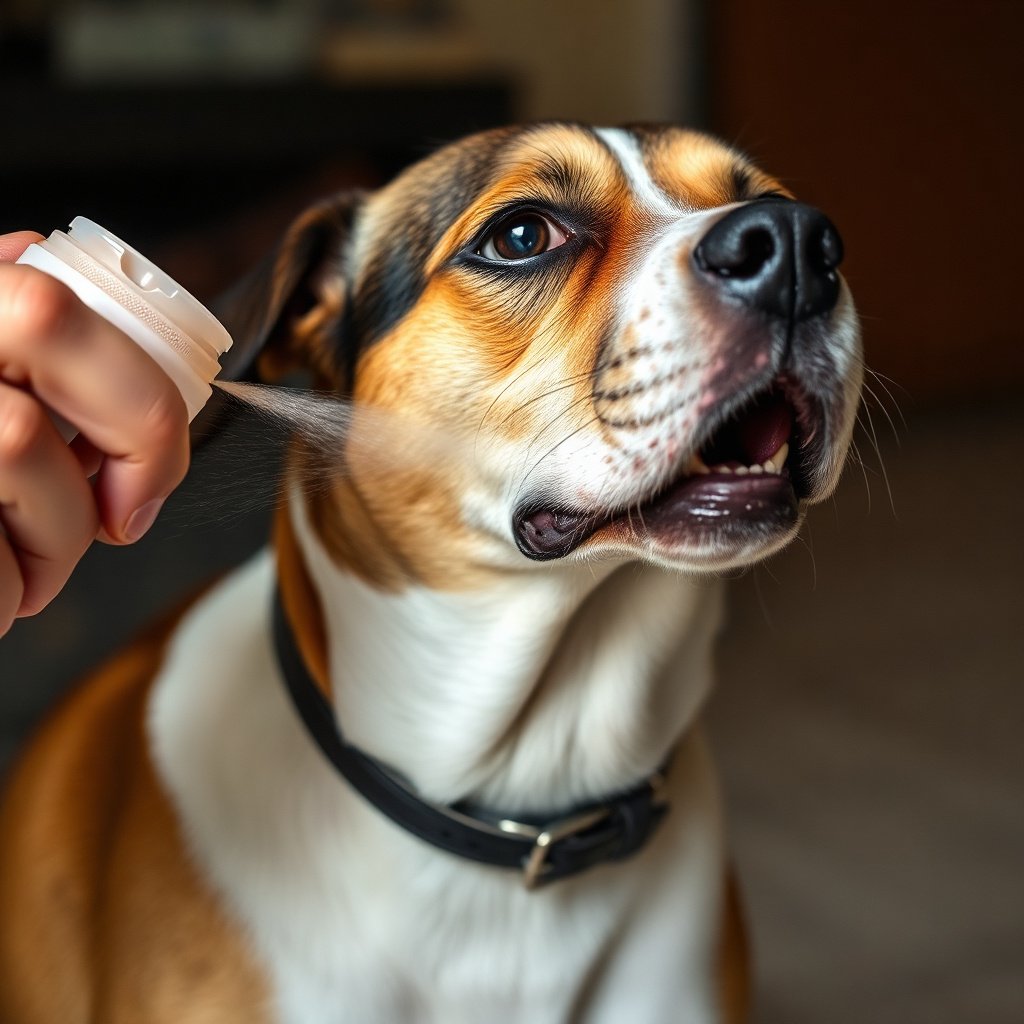
Spraying too frequently or directly down the dog’s throat can cause discomfort and increase swallowing of the product, reducing effectiveness and risking irritation. Follow manufacturer guidelines carefully to avoid these issues.
Applying the spray only to one area rather than evenly across teeth and gums wastes the product and limits results. Proper technique maximizes benefits with minimal spray volume.
- Do not exceed recommended daily application
- Avoid spraying deep into the mouth/throat
- Cover all teeth surfaces lightly and evenly
- Avoid rapid repeated sprays in one session
For more on this, see our related guide: What Is the Best Flea Treatment for Dogs: Complete Guide to Fast & Lasting Control.
Ignoring Other Dental Care Practices
Reliance solely on dental sprays without brushing, professional cleanings, or proper diet reduces overall oral health outcomes. Sprays are additive tools, not replacements.
Integrating sprays into a holistic dental routine provides the best chance at preventing decay, gum disease, and bad breath long-term.
- Continue regular veterinary dental checkups
- Combine sprays with tooth brushing and dental treats
- Adjust diet to support oral health
- Monitor dogs for signs of discomfort or illness
When to Consult Your Veterinarian About Dental Sprays
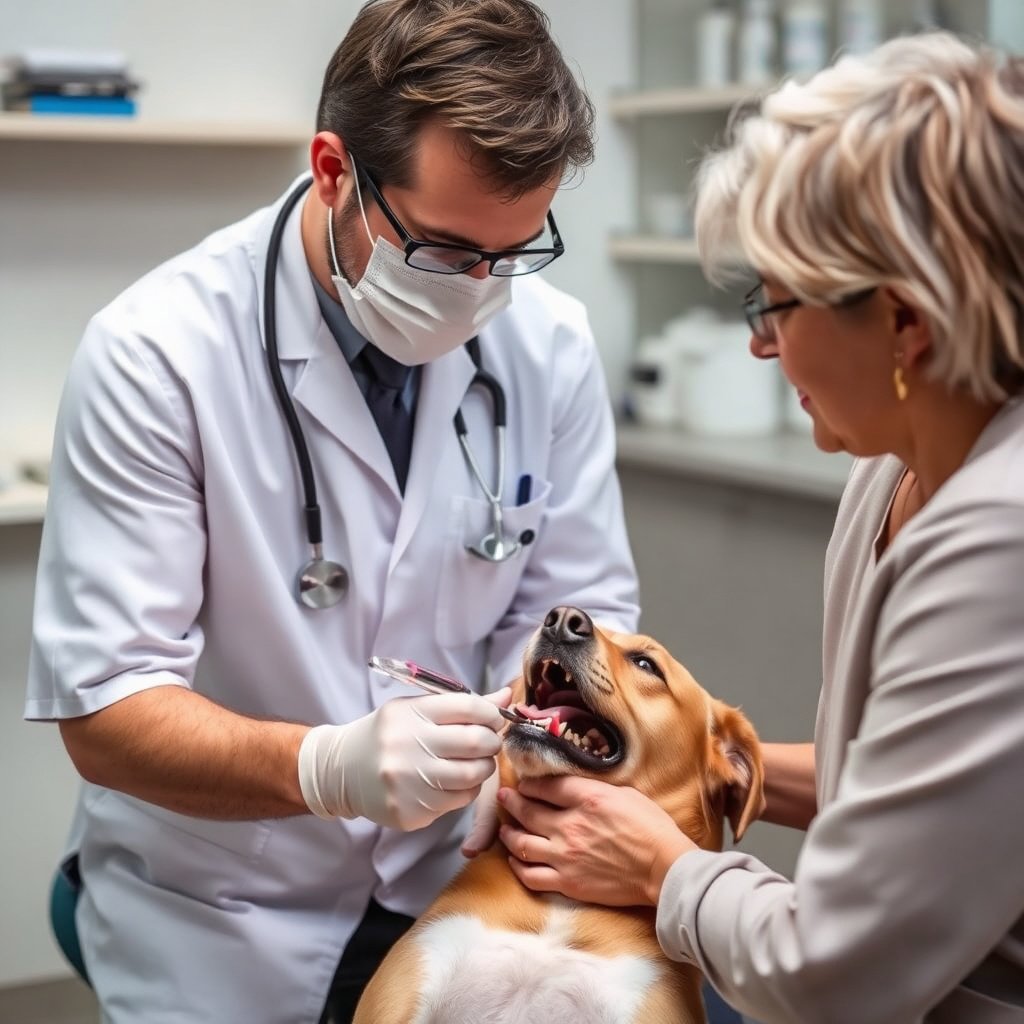
Detecting Dental Disease Signs
If your dog has persistent bad breath, redness, swelling, bleeding gums, or difficulty eating, these signs warrant veterinary evaluation before using dental sprays. Early treatment prevents progression.
Your vet can recommend suitable sprays based on your dog’s specific condition and may suggest professional cleaning or medication as necessary.
- Look for persistent halitosis
- Notice any swollen or bleeding gums
- Watch for pawing at mouth or drooling
- Schedule dental exams with your vet
For more detailed information on dental disease in dogs, visit this comprehensive resource on dog oral health. dog oral health information.
Personalized Dental Care Plans
Veterinarians tailor dental care—including spray recommendations—to dog breed, age, chewing habits and health status. They can also demonstrate proper spray use to maximize benefit.
Working closely with your vet supports safe and targeted oral care that complements your home routine, improving dental outcomes markedly.
- Discuss dental sprays at annual checkups
- Request guidance on home dental care products
- Get demonstrations on application techniques
- Adjust care plans based on dental exam findings
Dog Dental Spray Category Comparison
Here’s a comparison of popular dog dental spray categories highlighting key features, price, and suitability to help you decide.
| Category | Primary Function | Typical Ingredients | Price Range | Best For |
|---|---|---|---|---|
| Enzymatic Sprays | Plaque breakdown | Glucose oxidase, aloe vera, neem | $15-$25 | Small to medium dogs, sensitive gums |
| Antibacterial Sprays | Bacterial reduction | Chlorhexidine, essential oils | $12-$20 | Dogs with tartar buildup or gum inflammation |
| Breath Freshening Sprays | Odor neutralizing | Natural extracts, mint, parsley | $10-$18 | General maintenance, odor control |
| Budget Natural Sprays | Basic cleaning | Essential oils, mild antiseptic | $8-$15 | Owners on a budget with healthy dogs |
Frequently Asked Questions
Can I use human dental sprays on my dog?
Human dental sprays may contain ingredients harmful to dogs like alcohol or fluoride. Always use products specifically formulated and approved for canine oral care to avoid toxicity and irritation.
How often should I apply dog dental spray?
Most manufacturers recommend daily use, but some sprays may be used several times per week. Follow the label instructions and consider your dog's comfort and oral health needs.
Will dental spray replace tooth brushing?
Dental sprays are a helpful supplement but should not replace regular tooth brushing. Brushing mechanically removes plaque and maintains mouth health more thoroughly.
Are dental sprays safe for puppies?
Many dental sprays are safe for puppies over a certain age, often around 12 weeks. Check product labels and consult your vet before introducing oral care sprays to young dogs.
Can dental spray cause allergies in dogs?
Some ingredients may trigger allergic reactions or sensitivities in certain dogs. Introduce sprays gradually and watch for adverse reactions like redness, swelling, or excessive drooling.
Key Takeaways
- Choose dog dental sprays based on your pet’s specific dental needs and sensitivities.
- Look for natural, vet-approved ingredients that safely reduce plaque and freshen breath.
- Apply sprays consistently with correct technique for best results.
- Combine sprays with brushing and routine vet dental care for optimal oral health.
Conclusion
Selecting the best dog dental spray involves balancing effectiveness, safety, and your dog’s acceptance. By focusing on formulations that include natural enzymes and antibacterial agents, you can help maintain your dog’s oral health between professional cleanings and regular brushing sessions. Avoiding harmful chemicals and matching products to your pet’s needs ensures the spray will contribute positively to long-term dental care.
For small or sensitive dogs, enzyme-based sprays like Vet’s Best provide gentle yet thorough plaque control, while larger dogs with tartar concerns may benefit from antibacterial sprays such as TropiClean. If breath odor is the main concern, breath freshening sprays with natural extracts can offer quick improvements. Budget-conscious owners can find affordable natural sprays that support maintenance without sacrificing safety.
Once you’ve chosen a dental spray, introduce it gradually and maintain a consistent application routine. Don’t rely solely on dental sprays—combining them with brushing, dental chews, and regular veterinary checkups provides the most thorough protection against dental disease. Taking these steps will help keep your dog’s teeth healthy and breath fresh throughout their life.