Why Does My Dog Have Bald Spots? Understanding Causes and Treatments
If your dog has bald spots, it is usually due to factors like allergies, parasites, infections, or underlying health conditions. Identifying why your dog has bald spots is the first step toward effective treatment and restoring their coat health.
Bald spots in dogs can result from many issues, including flea infestations causing itching and hair loss or allergic reactions to food or the environment. Sometimes, hormonal imbalances or stress can contribute, making it important to consider the full picture of your pet’s health.
This article will explore various reasons your dog might develop bald spots, from common skin conditions to less frequent causes. It will also cover diagnosis strategies, treatment options, and preventive measures to help your dog regain a fuller, healthier coat.
Common Causes of Bald Spots in Dogs
Parasites and Flea Allergies
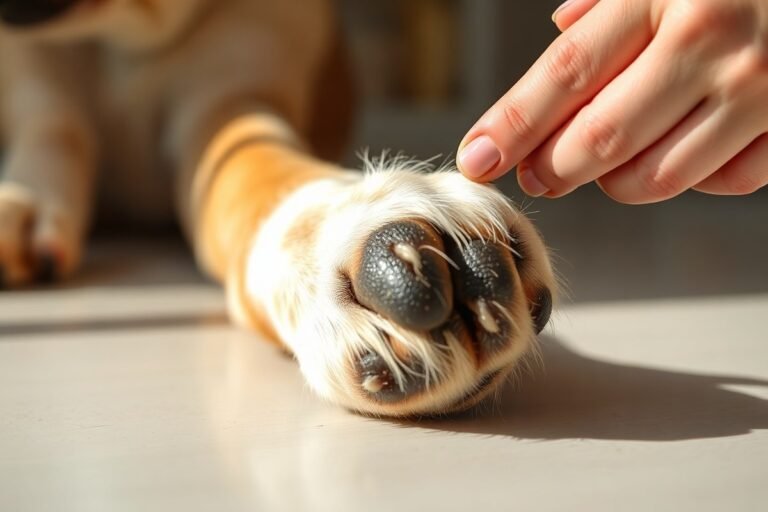
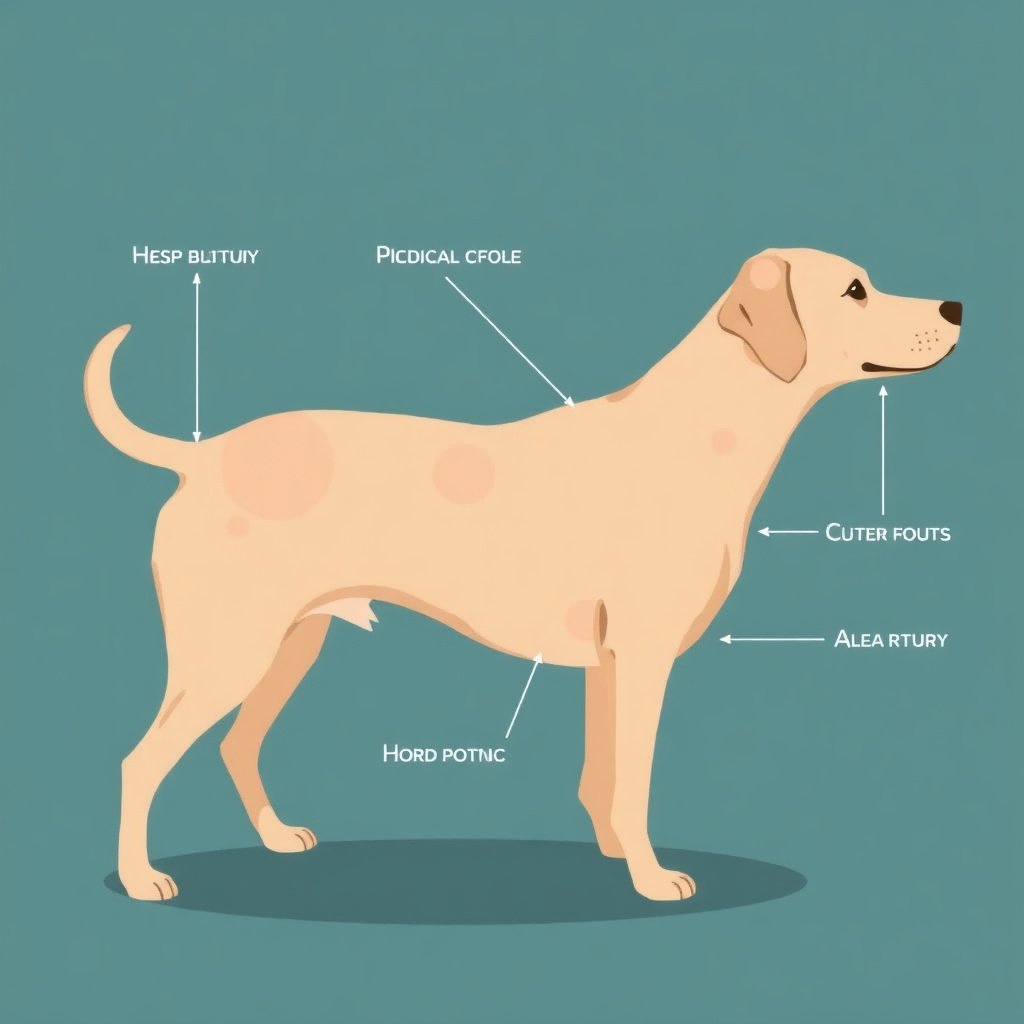
Fleas and mites are leading causes of bald spots in dogs. Flea bites cause intense itching, resulting in scratching, biting, and hair loss. Flea allergy dermatitis is especially common and often leads to multiple bald patches.
Other parasites like mange mites burrow into the skin causing scaly, inflamed areas with hair loss. Effective parasite control and veterinary diagnosis are essential for resolving these issues.
- Flea infestations often visible as flea dirt or actual fleas
- Sarcoptic mange causes red, crusty bald patches
- Demodectic mange can cause localized or widespread hair loss
Allergic Reactions
Allergies, both environmental (pollen, dust mites) and food-related, can provoke itching and scratching that leads to bald spots. Dogs may also develop skin inflammation worsening hair loss.
Dietary allergies sometimes require elimination diets for diagnosis, while environmental allergies might benefit from antihistamines or immunotherapy prescribed by veterinarians.
- Common allergens include grass, mold, and certain proteins
- Allergy testing helps pinpoint causes
- Treatment includes allergy medications and avoiding triggers
Diagnosing Bald Spots: What Your Vet Will Check
Physical Examination and Skin Tests
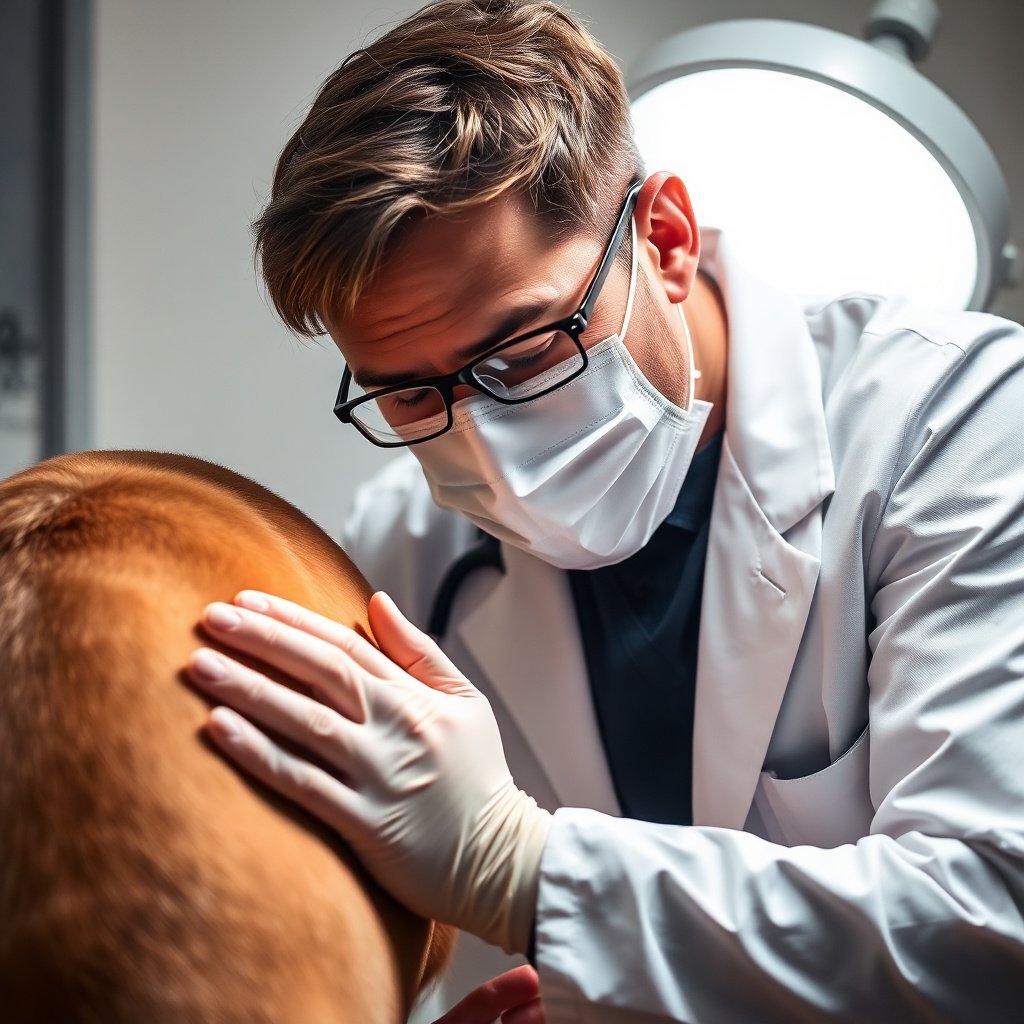
A thorough physical exam helps vet assess the extent and pattern of bald spots. Skin scrapings or tape tests can reveal mites or fungal infections causing hair loss.
Wood’s lamp examination helps detect certain fungal infections like ringworm, which presents as circular bald patches and is contagious.
- Skin scraping to identify parasites
- Fungal cultures for ringworm diagnosis
- Visual examination of hair & skin texture
Blood Tests and Biopsies
Blood tests may be needed to find hormonal imbalances like hypothyroidism or Cushing’s disease causing hair loss. Biopsy samples from affected skin can diagnose immune-mediated diseases or tumors.
These tests provide a comprehensive view of your dog's health and guide targeted treatment plans to restore hair growth.
- Thyroid hormone level testing
- Adrenal function tests
- Skin biopsy for chronic, unexplained lesions
Treatment Options for Dog Bald Spots
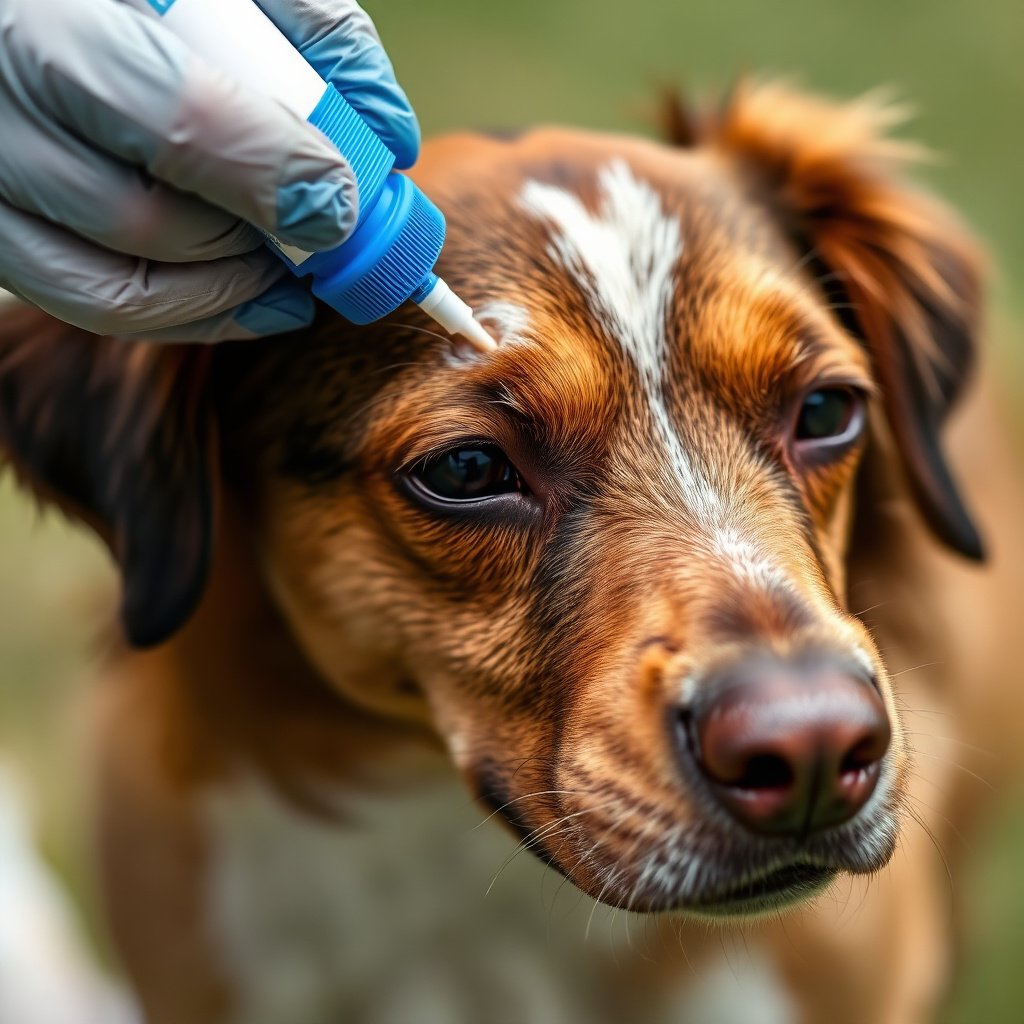
Medications and Topical Therapies
Treating underlying infections or parasites often involves medicated shampoos, topical ointments, or systemic drugs. Antibiotics or antifungals may be prescribed if bacterial or fungal infections are diagnosed.
In allergic dogs, corticosteroids or immunosuppressants help reduce inflammation. Consistent treatment is critical to prevent recurring hair loss.
- Flea control with topical or oral medications
- Antihistamines for allergy relief
- Medicated shampoos for skin healing
For more on this, see our related guide: Can You Use Baby Wipes on a Dog? Risks, Safety, and Best Alternatives.
Dietary and Environmental Adjustments
Adjusting diet to eliminate allergens can stop allergic reactions causing bald spots. Supplements like omega-3 fatty acids improve skin health and coat condition.
Reducing environmental irritants such as dust and pollen exposure can also prevent flare-ups. Frequent cleaning and proper parasite control are part of ongoing management.
- Hypoallergenic or novel protein dog food
- Omega fatty acid supplements
- Regular grooming and hygiene practices
Preventing Future Bald Spots
Routine Parasite Control
Regular flea and tick prevention is among the best ways to prevent bald spots caused by parasites. Year-round treatments recommended by vets help avoid infestations and allergic dermatitis.
Keeping your dog’s environment clean reduces risk, and monitoring for early signs of itching or hair loss allows timely treatment.
- Monthly topical or oral flea preventives
- Maintaining a clean sleeping area
- Checking for parasites during grooming
Balanced Nutrition and Stress Reduction
Feeding a well-balanced diet supports healthy skin and hair growth, reducing risk of bald spots from nutritional deficiencies. Stress management also plays a role because anxiety can trigger hair loss behaviors.
Creating a calm environment and providing regular exercise helps keep your dog’s coat vibrant and reduces excessive scratching or licking.
- Quality protein and essential fatty acids
- Avoiding sudden diet changes
- Regular mental and physical stimulation
When Bald Spots Signal Serious Health Issues
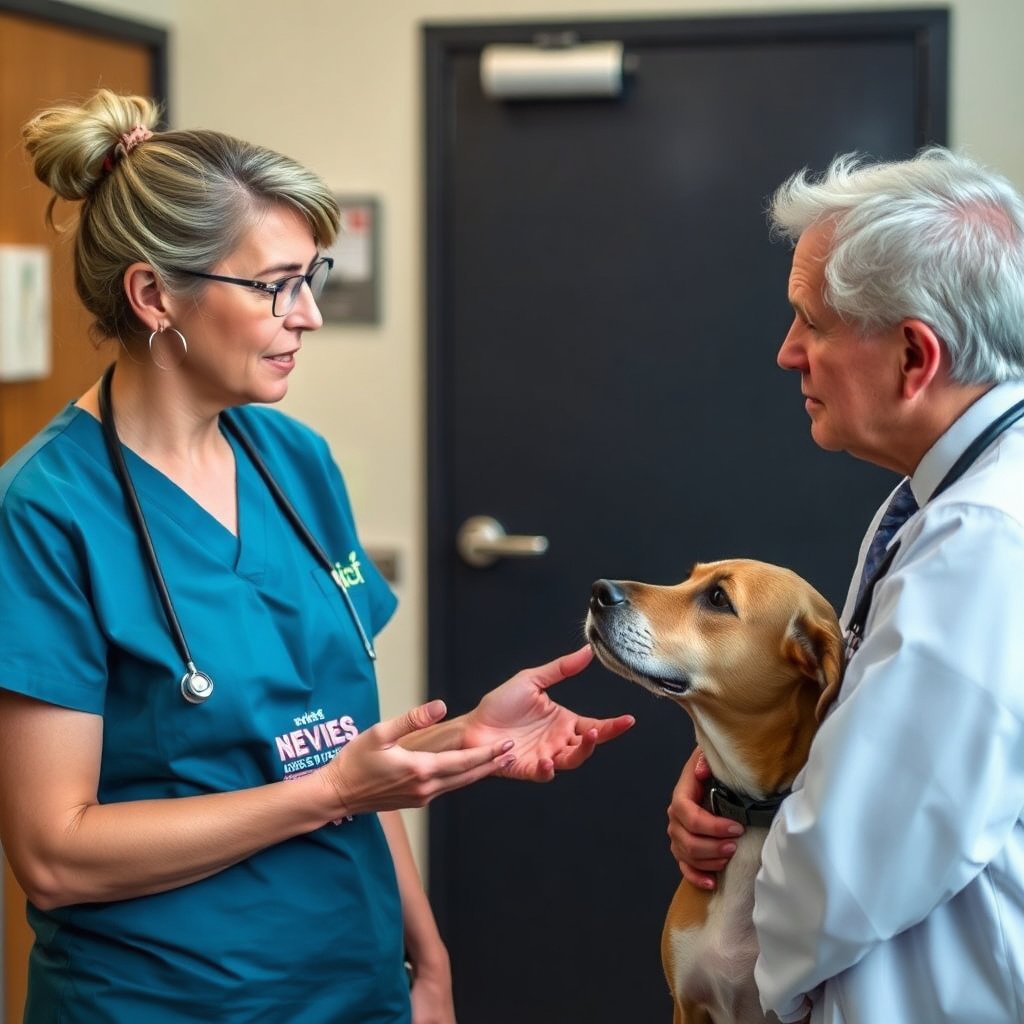
Hormonal Disorders and Autoimmune Diseases
Conditions such as hypothyroidism, adrenal imbalances, or autoimmune skin diseases can cause persistent bald spots. These diseases require specific treatments and long-term monitoring to protect overall health.
Symptoms often include symmetrical hair loss, changes in skin texture, and sometimes systemic signs like lethargy alongside bald spots.
- Hair loss on trunk and limbs
- Skin thickening or darkening
- Possible weight change or lethargy
For more on this, see our related guide: What Is Dog Shedding? A Complete Guide to Causes, Care & Control.
Tumors and Genetic Conditions
Certain skin tumors or inherited disorders may present as bald patches that do not heal. Diagnosing these issues early ensures better management and improves quality of life for your dog.
A biopsy confirms tumor types while genetic counseling may help determine if breed predispositions exist for recurrent hair loss.
- Localized bald spots with lumps
- Breed-specific hair loss patterns
- Need for advanced diagnostics
Caring for Your Dog’s Skin and Coat Regularly
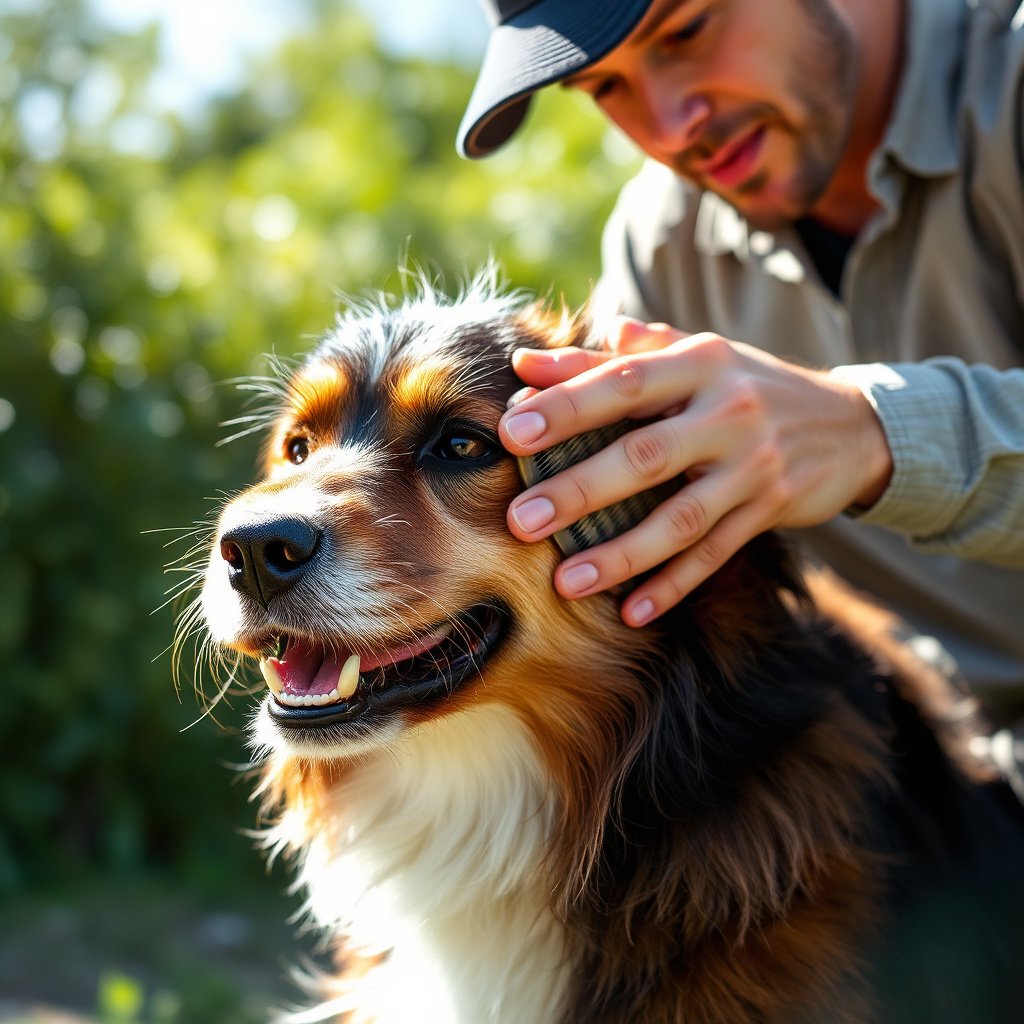
Grooming Techniques to Promote Hair Growth
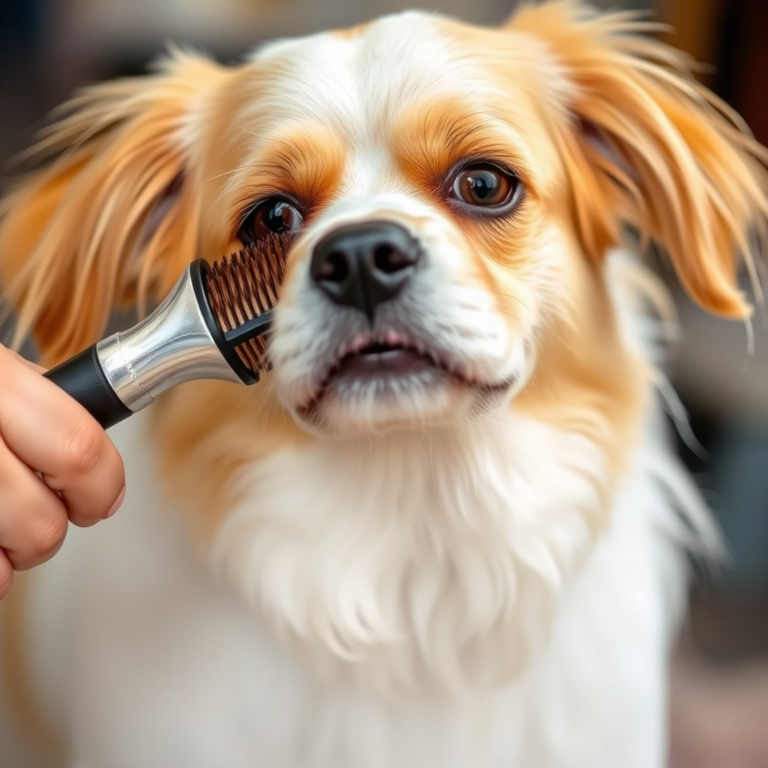
Regular brushing removes loose fur and distributes natural oils, which supports healthy coat growth and can minimize bald spot formation. Grooming also allows early detection of skin issues before they worsen.
Using gentle brushes specific to your dog’s coat type prevents skin irritation that might trigger hair loss.
- Brush 2-3 times weekly depending on coat length
- Use soft bristles for sensitive skin
- Check for abnormalities during grooming
For more detailed scientific information about hair loss in dogs, refer to this comprehensive resource on canine alopecia. canine alopecia information.
Bathing Practices and Skin Care
Bathing your dog with mild, pH-balanced shampoos maintains skin health without stripping protective oils. Over-bathing can dry out skin and contribute to bald spots, so frequency depends on your dog’s activity and skin condition.
Incorporating skin conditioners or moisturizing sprays may help with dry or flaky skin that precedes hair loss.
- Avoid harsh detergents or human shampoos
- Bath every 4-6 weeks generally recommended
- Use vet-recommended skin treatments if needed
Comparison of Bald Spot Causes and Treatments in Dogs
Here’s a quick overview comparing common bald spot causes, their symptoms, typical treatments, and expected recovery time.
| Cause | Symptoms | Treatment | Typical Recovery Time |
|---|---|---|---|
| Fleas and Parasites | Intense itching, multiple bald patches | Flea meds, parasiticides | 2-4 weeks with treatment |
| Allergies | Itchy, inflamed skin, hair loss | Antihistamines, elimination diet | Up to several months |
| Fungal Infections (Ringworm) | Circular bald patches, scaly skin | Antifungal meds, topical treatments | 4-6 weeks |
| Hormonal Disorders | Symmetrical hair loss, dull coat | Hormone replacement therapy | Variable, often months |
| Autoimmune Diseases | Chronic hair loss, skin thickening | Immunosuppressants | Ongoing management |
| Genetic Conditions & Tumors | Persistent spots, lumps | Surgery, symptomatic care | Depends on condition |
Frequently Asked Questions
Can stress cause bald spots in dogs?
Yes, stress can lead to excessive licking or scratching, resulting in bald spots. Managing stress through environmental enrichment and routine can help reduce this behavior.
Are bald spots contagious to humans?
Certain infections like ringworm are contagious to humans. Proper hygiene and veterinary advice are important to avoid spreading.
How soon can hair regrow after treatment?
Hair regrowth depends on the cause but often begins within weeks after effective treatment starts, with full recovery sometimes taking several months.
Is hair loss in puppies different from adults?
Puppies may lose hair due to different reasons like birth defects or juvenile mange; however, many causes are similar to adults and require veterinary evaluation.
Should I use human shampoo for my dog’s bald spots?
No, human shampoos often irritate dog skin and worsen hair loss. Use only shampoos formulated for dogs or as recommended by your vet.
Key Takeaways
- Bald spots in dogs commonly result from parasites, allergies, or infections.
- Veterinary diagnosis involves skin exams, scrapings, and sometimes blood tests.
- Treatment varies widely from parasite control to hormone therapy.
- Regular grooming and preventive care can reduce future bald spots.
Conclusion
Evaluating why your dog has bald spots starts with understanding that various factors—from parasites and allergies to hormonal imbalances—can cause hair loss. A careful assessment by a veterinarian through physical exams, diagnostic tests, and patient history is essential to develop an effective treatment plan. Early intervention improves outcomes and can prevent the issue from worsening or becoming chronic.
Depending on the cause, treatments may include flea control medications, allergy management through antihistamines or diet changes, antifungal or antibiotic therapies, or addressing underlying endocrine disorders like hypothyroidism. For example, dogs with flea allergy dermatitis need monthly parasite preventatives, while those with ringworm require several weeks of antifungal treatment. Ongoing care and monitoring are necessary for autoimmune or genetic conditions that lead to hair loss.
To manage your dog’s bald spots practically, start by consulting your veterinarian for accurate diagnosis and follow recommended treatments consistently. Regular grooming, balanced nutrition, and flea prevention are invaluable for coat health. Watching for new bald areas or signs of itching helps catch problems early. With the right approach, most dogs can regain a healthy coat and enjoy improved comfort and well-being.