How to Bathe a Long Haired Cat Without Stress or Mess
Bathing a long haired cat requires patience, the right tools, and a gentle approach to keep your cat calm and avoid tangles. Start by preparing everything ahead, including a mild cat shampoo, a large basin or sink, and plenty of towels. Use lukewarm water and handle your cat with care to make the experience safe and manageable.
Cats with long fur are prone to matting and dirt buildup, so occasional baths can help maintain their coat’s health and shine. However, bathing can cause stress if not done correctly, so getting familiar with techniques for a long haired cat is essential to protect their well-being.
This guide breaks down the best practices for bathing a long haired cat, from preparation and choosing products to drying and brushing after the bath. You’ll also find tips on how to calm your cat during the process and how to care for their coat afterward.
Preparing to Bathe Your Long Haired Cat
Gathering the Right Supplies
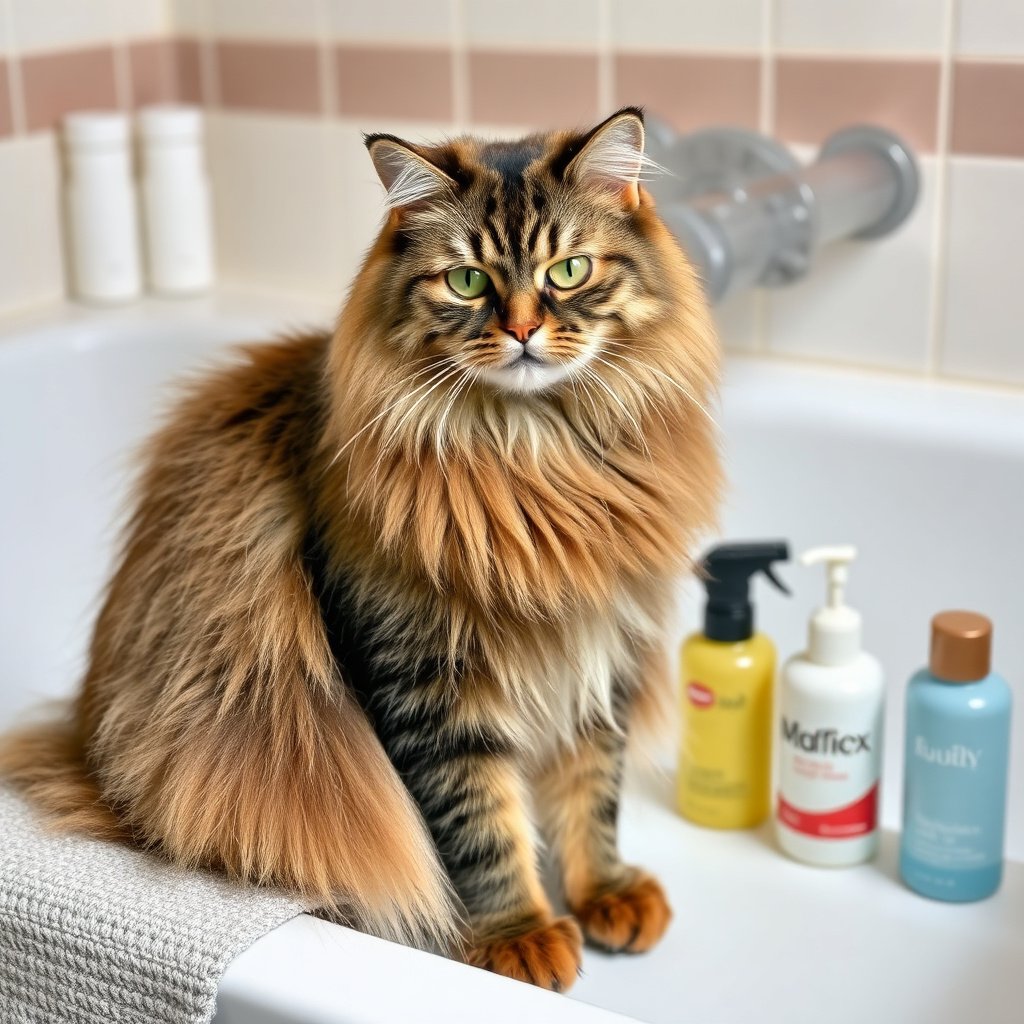
Before you start bathing, collect all necessary items so you don’t have to leave your cat unattended. You’ll need cat-specific shampoo, a large towel, a non-slip mat for the basin or sink, and a wide-toothed comb or pin brush for post-bath grooming.
Avoid human shampoos since their pH is unsuitable for cats and can irritate the skin. Using a mild, hypoallergenic cat shampoo ensures cleansing without harming natural oils that keep their fur healthy.
- Cat shampoo designed for sensitive skin
- Large towels for drying
- Non-slip bath mat
- Wide-toothed comb or pin brush
Setting Up a Comfortable Bathing Area
Choose a small, enclosed space like a bathroom or laundry room to minimize escape routes and control the environment. Use lukewarm water; cold or hot water can cause discomfort and increase stress.
Place a non-slip mat in the sink or basin to help your cat feel secure and reduce slipping. Keep all supplies within arm’s reach to ensure smooth handling throughout the bath.
Techniques for Bathing a Long Haired Cat
Wet Your Cat Slowly and Gently
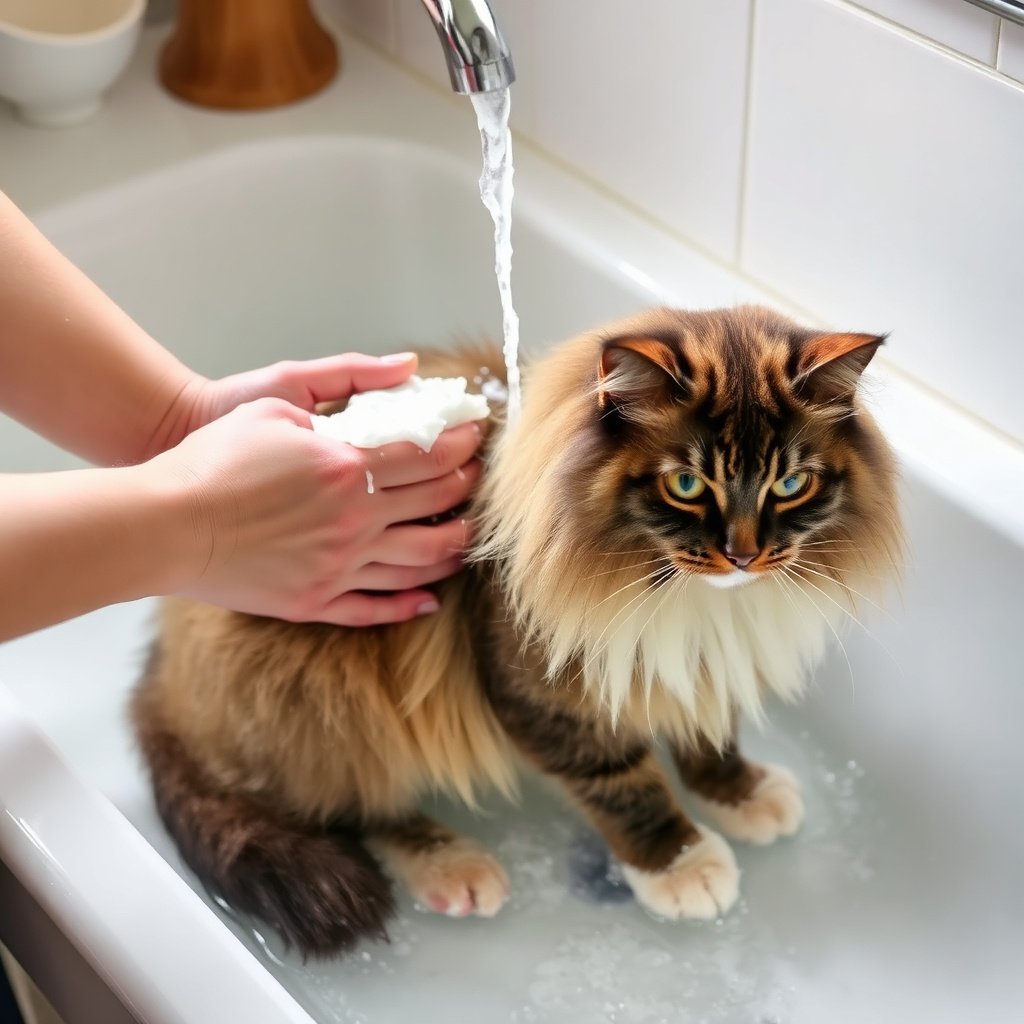
Start by slowly wetting your cat’s fur using a handheld sprayer or a cup, avoiding the head area to keep water out of ears and eyes. Thoroughly wet the coat to loosen dirt but keep pressure gentle to prevent startling your cat.
Keep talking softly to soothe your cat during this often stressful step. A calm demeanor from you can help keep your cat relaxed.
For more on this, see our related guide: Can You Bathe a Puppy at 8 Weeks? A Complete Guide for Beginners.
Applying and Rinsing Shampoo
Work the shampoo into the coat with your fingers, focusing on very dirty or oily areas but avoiding scrubbing roughly. Use only the recommended small amount to avoid excessive soap buildup.
Rinse thoroughly with lukewarm water to remove all shampoo residue, which can cause irritation if left behind. Multiple rinses may be necessary for thick, long fur to remove suds fully.
- Use gentle, circular motions
- Avoid the face and ears
- Rinse until water runs clear
Drying and Brushing After the Bath

Towel Dry Thoroughly
Wrap your cat in a large, absorbent towel and gently press to remove excess water without rubbing, which can tangle the fur. If your cat tolerates it, a hairdryer on a low, cool setting can speed drying but maintain a comfortable distance to avoid overheating.
Make sure your cat is warm and comfortable during this process to prevent chills, especially if the environment is cool.
Brushing Out Tangles and Mats
Carefully brush your cat’s coat with a wide-toothed comb or pin brush once mostly dry to detangle and prevent mats. Work in small sections, starting at the tips of fur and moving toward the skin to avoid pulling.
Regular brushing after baths helps distribute natural oils and maintain a silky, healthy coat, reducing the need for frequent bathing.
- Use gentle strokes to avoid hurting the skin
- Focus on trouble spots like behind ears and under legs
Managing Your Cat’s Stress During Bathing

Using Calming Techniques
Speak softly and offer reassuring pets before and during the bath to lower anxiety. A calm environment with minimal noise and distractions helps the cat feel secure.
Some owners use pheromone sprays or diffusers formulated for cats to create a more relaxed atmosphere, which may reduce stress during grooming.
For more on this, see our related guide: How Long Does a Dog Bath Take? Complete Guide with Time Estimates & Tips.
Knowing When to Stop
Watch your cat’s body language carefully. If signs of extreme stress or aggression appear, it’s better to pause and try again later rather than force the bath.
Short, calm sessions are more effective than prolonged struggles. Reward your cat with treats after successful attempts to build positive associations with bathing.
- Look for growling, hissing, or frantic escaping behavior
- Keep bath time under 10-15 minutes if possible
Additional Long Haired Cat Grooming Tips

Routine Brushing for Long Haired Cats
Daily brushing helps reduce the need for frequent bathing by removing loose hair and preventing mats. Use tools designed for long coats, like slicker brushes and dematting combs.
Regular grooming also provides opportunities to check for skin issues or parasites and helps keep the coat shiny and healthy.
For further understanding on cat grooming practices, you can explore these long-haired cat grooming basics. Long-haired cat grooming basics.
Alternative Cleaning Methods Between Baths
If your cat dislikes water, pet wipes or dry shampoos formulated for cats offer a less stressful way to clean surfaces of fur and reduce odors.
Spot-cleaning problem areas with a damp cloth or using a grooming glove can help maintain hygiene without a full bath.
- Use only products safe for feline skin
- Avoid excessive use to prevent residue buildup
Comparison of Options for Bathing Long Haired Cats
The following table compares different bathing methods and tools to help you choose the best approach for your long haired cat’s needs.
| Method | Ease of Use | Stress Level for Cat | Effectiveness in Cleaning |
|---|---|---|---|
| Traditional Bath in Sink | Moderate | Medium to High | High |
| Pet Wipes/Dry Shampoo | Easy | Low | Low to Medium |
| Professional Grooming | Easy for Owner | Varies | Very High |
| Waterless Shampoo Spray | Moderate | Low to Medium | Medium |
Frequently Asked Questions
How often should I bathe my long haired cat?
Bathing frequency depends on your cat’s lifestyle and coat condition, but generally every 4 to 6 weeks is sufficient to avoid drying out their skin.
Can I use human shampoo on my long haired cat?
No, human shampoos have a different pH balance that can irritate a cat’s sensitive skin. Always use shampoos specifically formulated for cats.
What if my cat hates water and resists baths?
Try alternative cleaning methods like cat-safe wipes or dry shampoos, and focus on regular brushing to keep the coat clean in between baths.
How do I handle mats during bathing?
If mats are present, gently detangle with a comb before bathing, and carefully brush after drying. Severe mats may require professional grooming.
Is it safe to use a hairdryer on my cat?
Use a hairdryer only on the lowest, coolest setting and keep it at a safe distance to avoid overheating or frightening your cat.
Key Takeaways
- Always use cat-specific shampoo and lukewarm water for baths.
- Prepare all supplies and set up a safe bathing area beforehand.
- Take gentle, patient steps to reduce your cat’s stress during bathing.
- Regular brushing helps minimize the need for frequent baths.
Conclusion
Deciding how to bathe a long haired cat involves balancing their comfort with effective cleaning. Preparing in advance, using appropriate products, and understanding your cat’s tolerance are fundamental to a successful bath. A calm approach and frequent breaks can transform the experience from stressful to manageable.
For a cat that tolerates water reasonably well, a traditional bath in a sink with lukewarm water and cat shampoo usually provides the most thorough cleaning. In contrast, cats extremely averse to water benefit from cat wipes or dry shampoo options to refresh their coat. Regular grooming with appropriate brushes complements bathing by reducing mats and shedding.
Before starting, gather all needed materials and create a quiet setting where your cat feels secure. After bathing, dry carefully with towels and a low-heat dryer if tolerated, then follow up with brushing to keep the coat smooth. These steps will keep your long haired cat clean, healthy, and comfortable, making the grooming routine easier with time.