How to Stop a Cat from Scratching Furniture: Effective Strategies That Work
To stop a cat from scratching furniture, provide appealing alternatives like scratching posts, use deterrent sprays, and consistently redirect your cat's behavior. Immediate action helps prevent damage and trains your cat to respect your belongings.
Cats scratch to sharpen their claws, mark territory, and stretch muscles. Understanding why cats scratch helps you address their natural needs without sacrificing your furniture's condition. Managing this behavior improves your relationship with your pet and protects your belongings.
This article covers why cats scratch, how to choose the right scratching alternatives, effective deterrent strategies, training tips, and products that help reduce furniture damage.
Why Cats Scratch Furniture

Natural Instincts Behind Scratching
Scratching is an innate behavior for cats used to sharpen their claws and shed old claw sheaths. It also serves as a form of exercise, stretching their muscles and tendons. This behavior is essential, so discouraging it without providing alternatives can create stress.
Cats mark their territory with scent glands on their paws when they scratch. Furniture often becomes a target because it's easily accessible and provides satisfying textures, which explains why your sofa or wooden furniture gets scratched frequently.
Common Furniture Targets and Damage Types
Soft but durable surfaces like upholstered sofas, wooden legs, and carpets near furniture edges attract cats for scratching. The damage typically includes claw marks, tears in fabric, and chipped wood, which worsen over time if unaddressed.
Identifying which furniture your cat prefers can help in applying focused deterrents or protective covers and choosing the right scratching alternatives to redirect their attention.
Providing Appropriate Scratching Alternatives
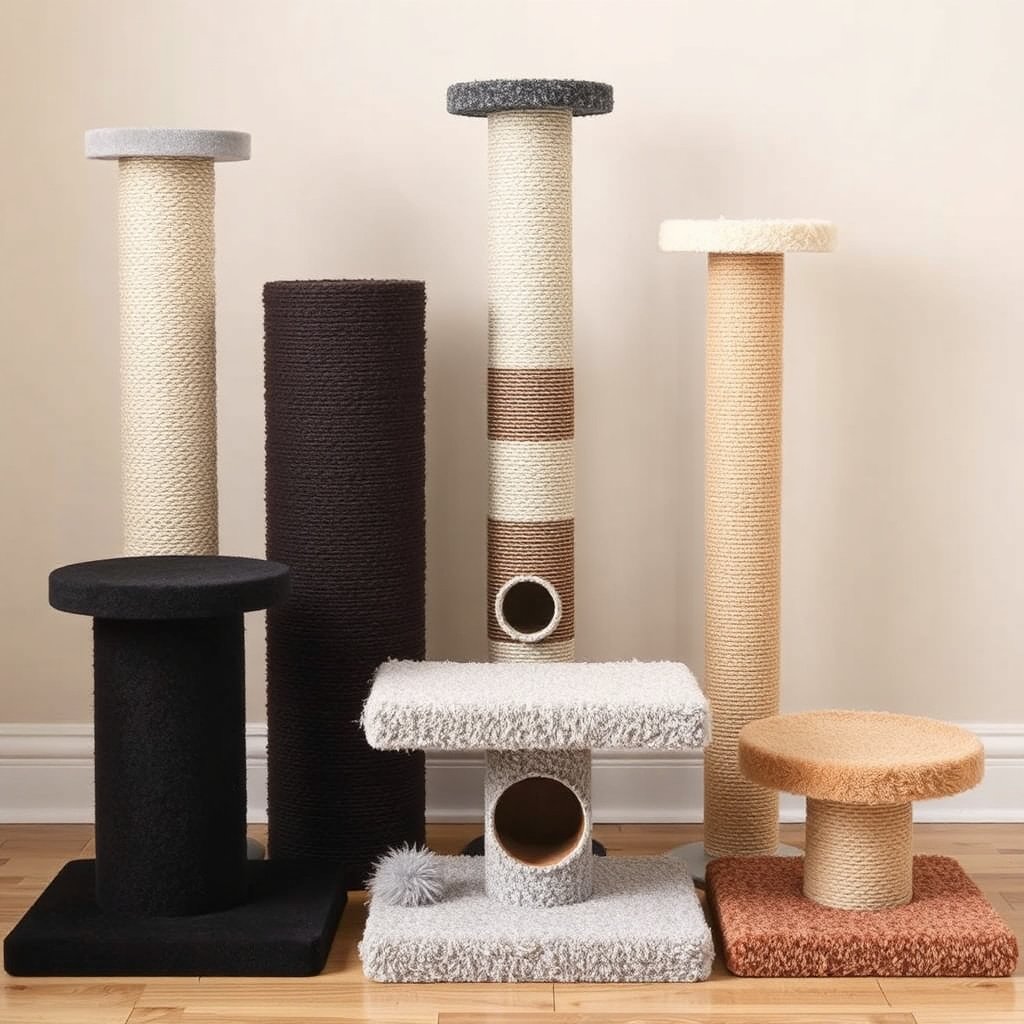
Types of Effective Scratching Posts
Vertical posts wrapped in sisal rope and horizontal scratching pads made of cardboard or carpet provide satisfying textures similar to furniture. Offering multiple types ensures your cat finds one that matches their preference.
Height and stability matter; posts should be tall enough for full stretching and sturdy enough to avoid tipping. Location also plays a key role—place posts near the scratched furniture or in favorite resting spots to encourage use.
- Sisal rope posts
- Corrugated cardboard pads
- Carpeted scratching boards
- Wooden scratching ramps
Enhancing Appeal with Catnip and Toys
Using catnip sprays or placing treats on scratching posts can entice your cat to use them instead of your furniture. Interactive toys attached to posts encourage engagement and make the post a stimulating environment.
Periodic rotation of toys and refreshing catnip keep interest high, helping maintain your cat’s willingness to use the scratching alternatives consistently.
Effective Deterrent Methods for Furniture
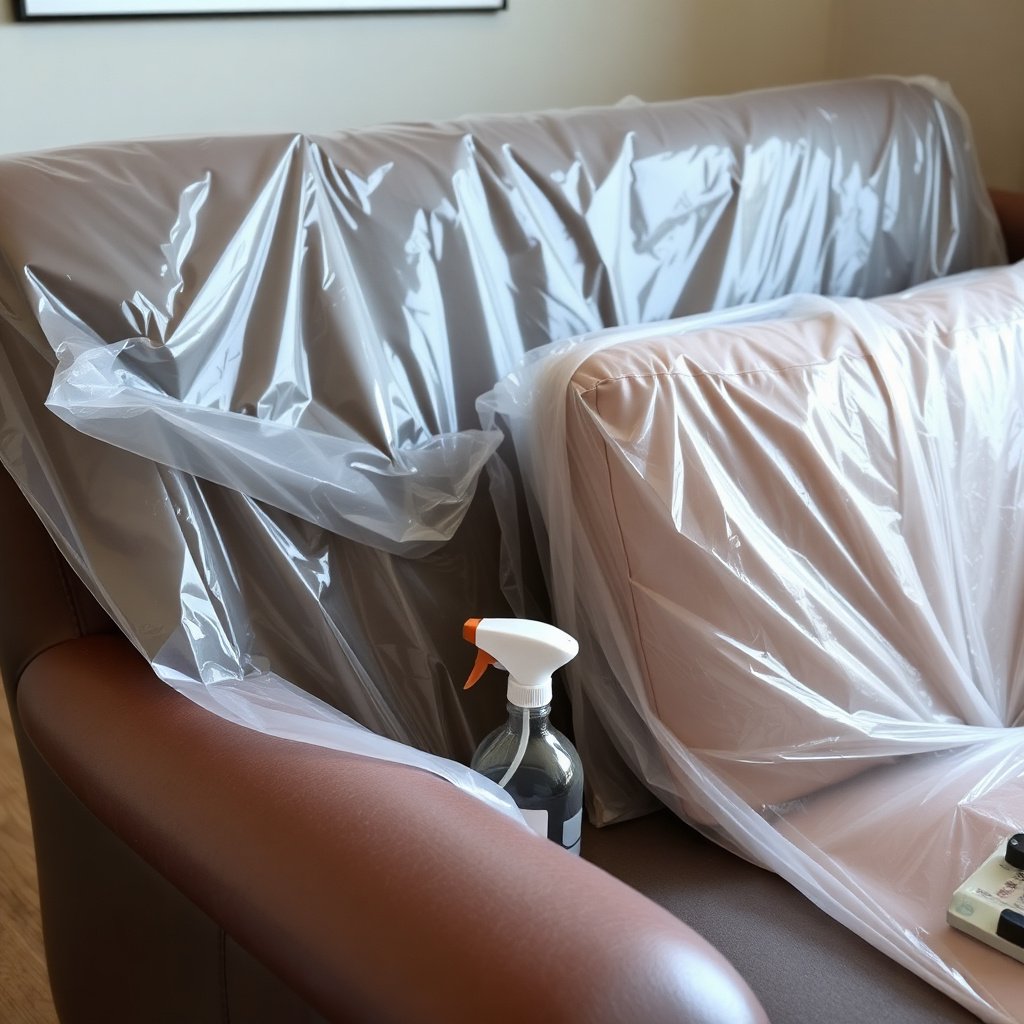
Physical Barriers and Furniture Protection
Applying furniture covers made from plastic or double-sided tape can deter cats due to unpleasant texture. These temporary barriers protect vulnerable areas while your cat adjusts to scratching posts.
Covering corners with defensive materials or using slipcovers on sofas reduces access and makes scratching less satisfying, discouraging destructive behavior over time.
- Plastic guards
- Double-sided sticky tape
- Slipcovers and throws
For more on this, see our related guide: How to Stop a Dog from Scratching: 8 Proven Ways to Soothe Itch Fast.
Repellent Sprays and Natural Deterrents
Commercial sprays with scents cats dislike, like citrus or eucalyptus, can discourage scratching when applied to furniture. Natural options include diluted vinegar or lemon juice, which are safe but should be tested on fabric first.
Consistent and frequent application increases effectiveness. However, repellents work best combined with positive reinforcement of appropriate scratching behavior.
Training Techniques to Redirect Scratching
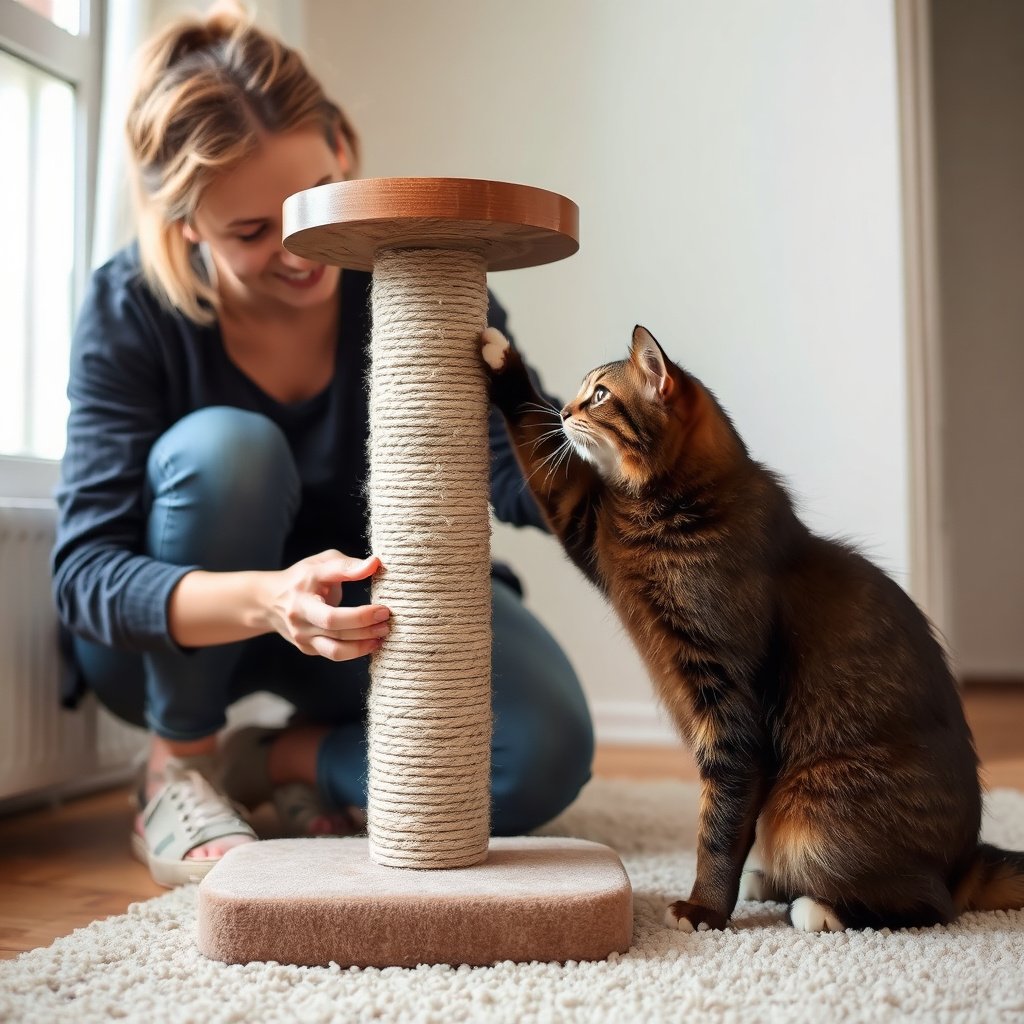
Positive Reinforcement for Using Scratching Posts
Rewarding cats with treats, praise, or affection immediately after they use scratching alternatives strengthens the desired behavior. Consistency in timing and rewards helps the cat associate the post with positive outcomes.
Avoid punishment, which can cause anxiety or damage your bond. Instead, gently redirect your cat when caught scratching furniture, guiding them to the post to build a good habit patiently.
Establishing a Consistent Routine
Cats respond well to structured daily routines, including playtime and access to scratching posts. Scheduled interaction keeps your cat engaged and less likely to scratch out of boredom or stress.
Offer scratching opportunities before downtime to reduce the temptation to scratch furniture during rest periods. Consistency helps your cat understand acceptable behavior limits.
Additional Tools and Products to Consider

Nail Caps and Regular Claw Trimming
Soft nail caps can be glued to a cat’s claws to blunt their impact on furniture. They last several weeks and are a humane option when scratching is persistent. Regular claw trimming is also vital to minimize damage.
Trimming requires gentle handling and proper tools; many owners find professional grooming helpful. Maintaining short claws greatly reduces accidental tearing and marks on furniture.
- Soft plastic nail caps
- Cat nail clippers
- Professional grooming services
For more on this, see our related guide: How to Stop a Dog from Shedding so Much: 8 Proven Ways That Work.
Interactive and Enrichment Toys to Reduce Boredom
Providing toys and play options distract your cat from furniture and reduce scratching driven by boredom. Puzzle feeders, wand toys, and laser pointers keep cats active and mentally stimulated.
Engaging your cat several times a day with varied toys channels energy into positive outlets, diminishing destructive behaviors including furniture scratching.
Maintaining Long-Term Success in Preventing Scratching
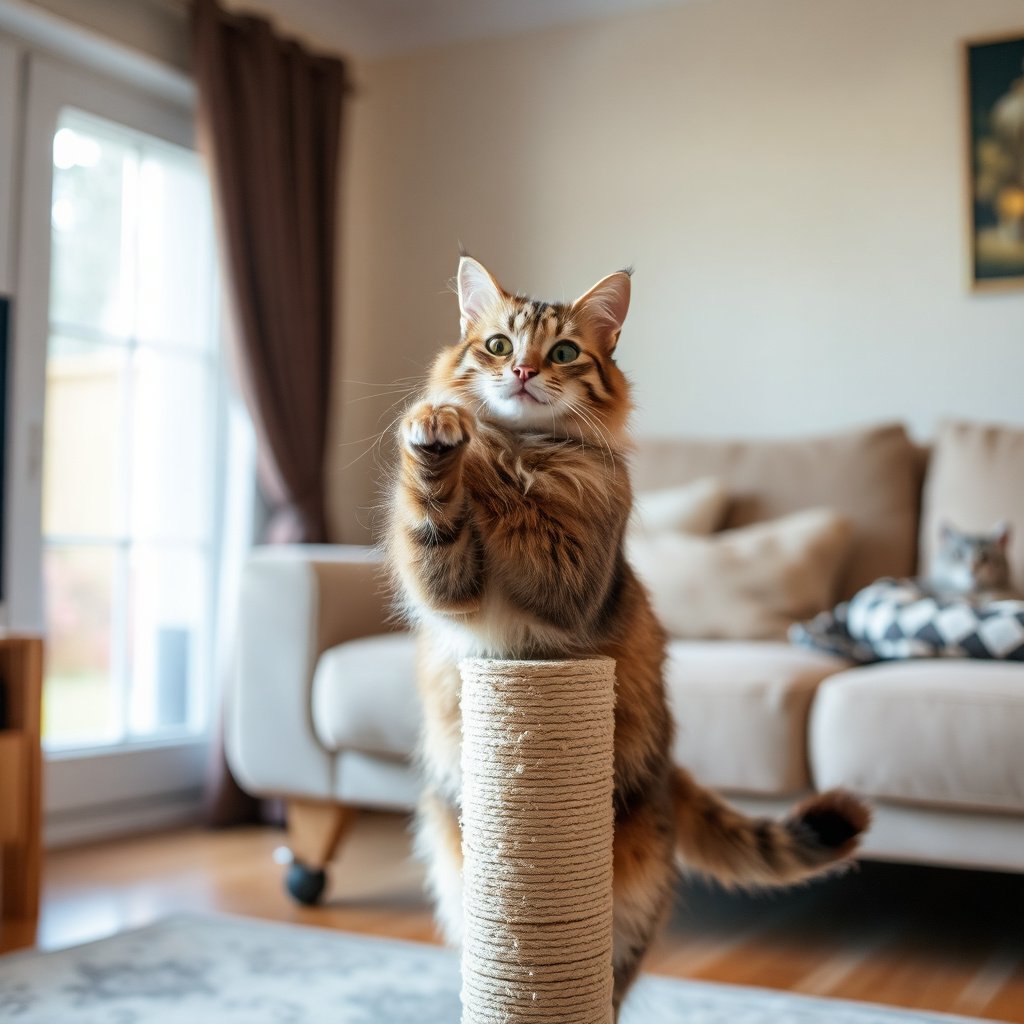
Regular Inspection and Adjustments
Monitor your cat’s scratching habits regularly to catch early signs of furniture damage or disinterest in alternatives. Refreshing posts, rotating toys, and renewing deterrents maintain effectiveness over time.
Adapting your approach as your cat ages or changes behavior can prevent recurrence of furniture scratching issues, ensuring ongoing protection for your home.
To learn more about why cats scratch and their behavior patterns, visit this detailed page on cat scratching behavior. cat scratching behavior details.
Patience and Understanding Your Cat’s Needs
Cats may test boundaries occasionally, so patience is key. Understanding your cat’s preferences and stressors allows you to tailor solutions that work best, increasing cooperation and reducing frustration for both.
Remember that scratching is natural and cannot be stopped completely; the goal is to manage it intelligently to protect your furniture while respecting your cat’s instincts.
Comparison of Cat Scratching Deterrent Categories
Below is a comparison of different types of cat scratching deterrents to help you select the most suitable for your home and cat’s behavior.
| Category | Effectiveness | Cost | Ease of Use | Cat Acceptance |
|---|---|---|---|---|
| Scratching Posts | High | Medium | Moderate | High |
| Deterrent Sprays | Medium | Low | Easy | Medium |
| Furniture Covers | Medium | Low | Easy | Low |
| Nail Caps | High | Medium | Moderate | Medium |
| Training Techniques | High | Free | Time-Consuming | High |
| Interactive Toys | Medium | Low-Medium | Moderate | High |
Frequently Asked Questions
Can I stop my cat from scratching completely?
Scratching is a natural behavior for cats and cannot be eliminated entirely. The goal is to redirect scratching to appropriate surfaces and minimize damage to furniture.
How often should I trim my cat’s claws to prevent damage?
Claw trimming every two to three weeks helps reduce furniture damage. Regular trimming keeps claws short and less likely to cause tears or scratches.
Are nail caps safe for cats?
Yes, soft nail caps are safe when applied correctly. They blunt claw tips and typically last 4 to 6 weeks, providing a humane alternative to declawing.
What is the best location to place a scratching post?
Place scratching posts near frequently scratched furniture or your cat’s favorite resting spots to increase the chances they use them and reduce furniture damage.
Do deterrent sprays harm my cat or furniture?
Deterrent sprays generally use safe ingredients safe for cats and furniture. Always test sprays on a small fabric area first and avoid applying directly on the cat.
Key Takeaways
- Provide multiple types of scratching posts to meet your cat’s preferences.
- Use deterrent sprays and physical barriers to protect vulnerable furniture.
- Positive reinforcement and consistent training redirect scratching behavior.
- Nail caps and regular claw trimming reduce damage while preserving natural behavior.
Conclusion
Choosing how to stop a cat from scratching furniture requires balancing your pet's natural needs with protecting your home. Start by understanding why scratching occurs and provide appropriate alternatives that satisfy your cat’s instincts. Combining environmental adjustments, physical deterrents, and gentle training creates an effective approach, reducing frustration for both owner and cat.
For cats that target upholstered sofas, using vertical sisal scratching posts near those areas combined with deterrent sprays on furniture corners provides a strong defense. Nail caps and regular trimming complement these measures, especially for persistent scratchers. Interactive toys and regular play sessions help manage boredom-driven scratching, contributing to a more harmonious household.
The best next step is to assess your furniture’s vulnerable spots and select scratching alternatives that fit your cat’s behavior and preferences. Be patient and consistent, adjusting your approach as needed. With time, your cat will enjoy healthy scratching outlets while your furniture remains intact.