
Why Does My Dog Have a Rash on Its Belly? Common Causes and Solutions
If your dog has developed a rash on its belly, it is likely due to irritation, allergies, infections, or parasites. This rash can cause discomfort, itchiness, and sometimes redness or bumps, signaling that your dog’s skin is reacting to something in its environment or health status.
A rash on a dog's belly matters because the skin in this area is sensitive and often exposed when your dog lies down or interacts with the environment. Identifying the cause can help prevent further discomfort and avoid complications like infections or worsening symptoms.
This article will explore potential causes of belly rashes in dogs, including allergies, infections, and parasites. It will also outline the signs to watch for and suggest practical treatments and preventive steps that can help your dog heal and avoid future skin problems.
Common Causes of a Dog's Belly Rash
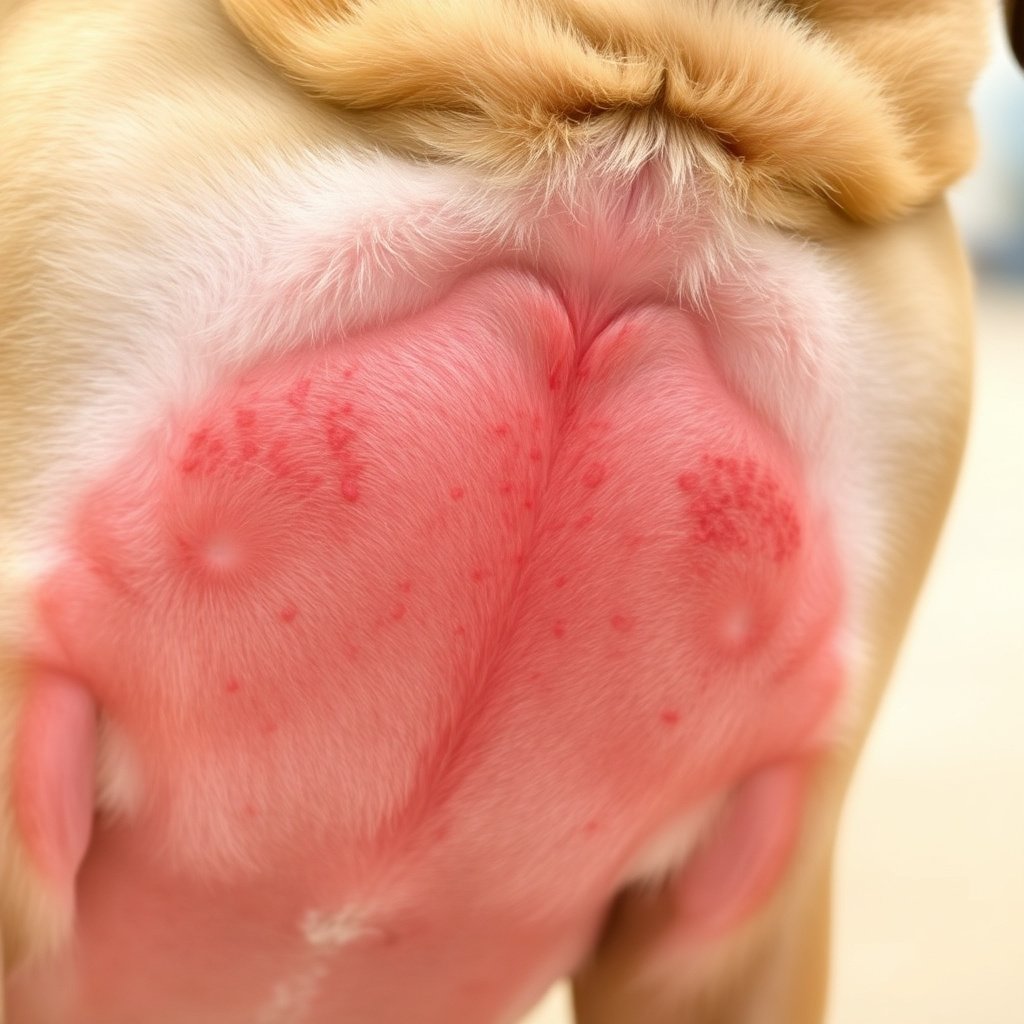
Allergic Reactions
Dogs can develop belly rashes due to allergic reactions caused by environmental factors, food ingredients, or contact allergens like grass or soaps. These allergies often trigger itchy, inflamed skin patches that the dog might try to scratch or lick frequently.
Food allergies can be particularly challenging as they may cause chronic skin issues if the offending ingredient remains in the diet. Identifying the allergen through veterinary tests helps in managing the condition effectively.
- Common allergens: pollen, dust mites, certain foods
- Signs: redness, itching, hair loss on the belly
- Management: elimination diets, allergy medication
Parasites and Infections
Parasites such as fleas, ticks, and mites may cause redness and rashes due to their bites or burrowing behavior, particularly on the sensitive skin of the belly. Flea allergy dermatitis is a common culprit, resulting in intense irritation.
Bacterial or fungal infections can also develop secondary to any break in the skin barrier, often worsened by scratching and licking. These infections require prompt veterinary treatment to prevent spreading.
- Parasites: fleas, ticks, mange mites
- Infections: bacterial pyoderma, yeast infections
- Treatment: parasite control and antibiotics
Symptoms to Watch for with Belly Rashes
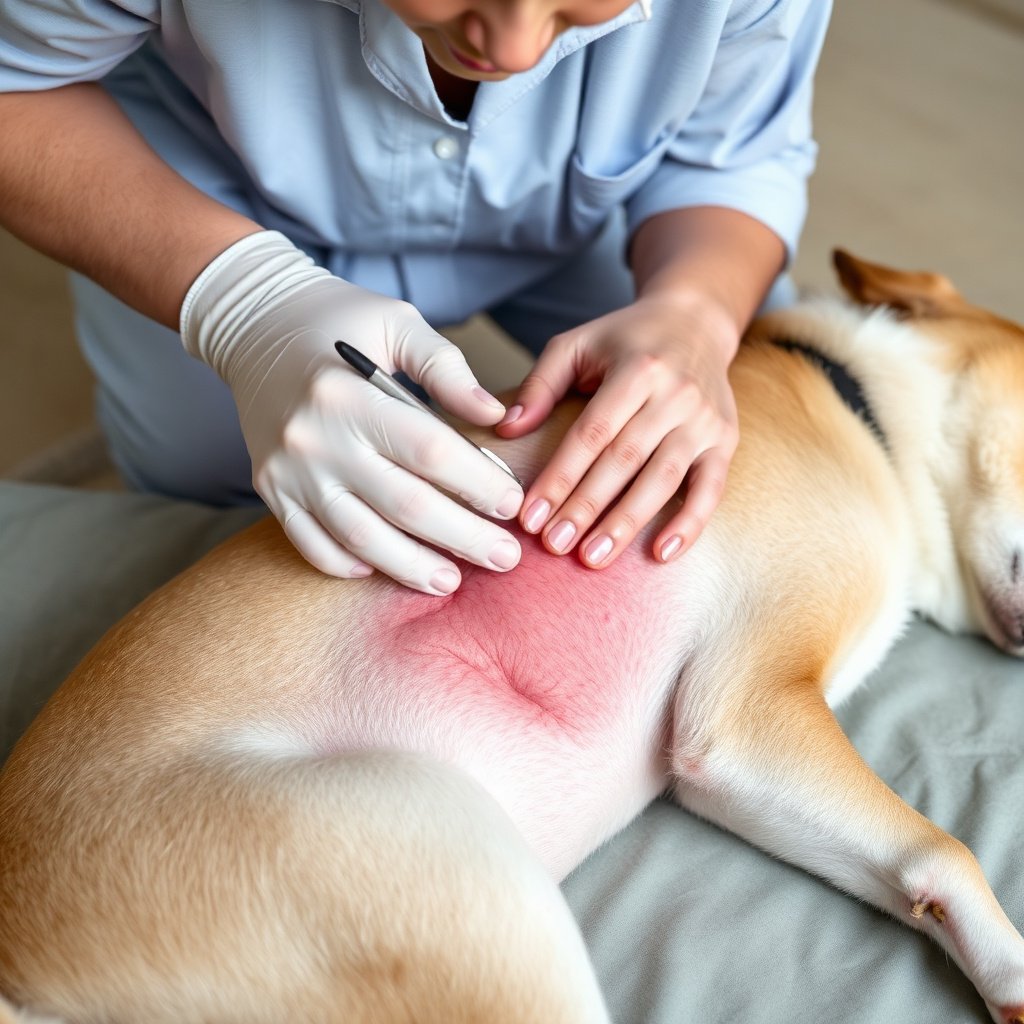
Visual Signs of Rash
Visual inspection reveals redness, bumps, scaly patches, or even bald spots where the dog has been scratching or licking excessively. In severe cases, the skin may become crusty or moist, indicating infection.
Regular checks can catch skin problems early, which is helpful in managing the rash and preventing it from worsening or causing pain.
- Redness and swelling
- Scabs or crusts on the skin
- Excessive hair loss
For more on this, see our related guide: How to Remove Tree Sap from a Dogs Fur: 8 Safe Steps for Fast Relief.
Behavioral Indicators
Dogs with a belly rash often display increased licking, biting, or scratching focused on the affected area. This behavior can escalate if the rash causes significant discomfort or itching.
Noticing changes in behavior such as restlessness, sensitivity to touch, or reluctance to lie on their belly can indicate the rash is causing notable discomfort.
- Frequent licking or biting the belly
- Restlessness or irritability
- Avoidance of pressure on affected skin
Diagnosing the Cause of a Dog's Belly Rash

Veterinary Examination and Testing
A thorough exam by a veterinarian often includes skin scrapings, allergy testing, and sometimes blood work to determine the underlying cause of the rash. Accurate diagnosis is important for effective treatment and long-term management.
Skin cytology helps identify infections by allowing microscopic examination of skin cells and microbes, guiding whether antibiotic or antifungal treatments are necessary.
- Skin scrapings for parasites
- Blood tests for allergies
- Cytology for bacterial or fungal infections
Home Monitoring and Documentation
Keeping a diary of when the rash appears or worsens, noting changes in diet, environment, or grooming products, can provide clues on triggers. Photographs of the rash over time also help veterinarians understand the progression.
Monitoring any changes in your dog’s habits or exposure to new substances supports early intervention and aids in preventing flare-ups.
- Track rash onset and triggers
- Note diet or product changes
- Record behavioral changes
Treating Belly Rashes in Dogs
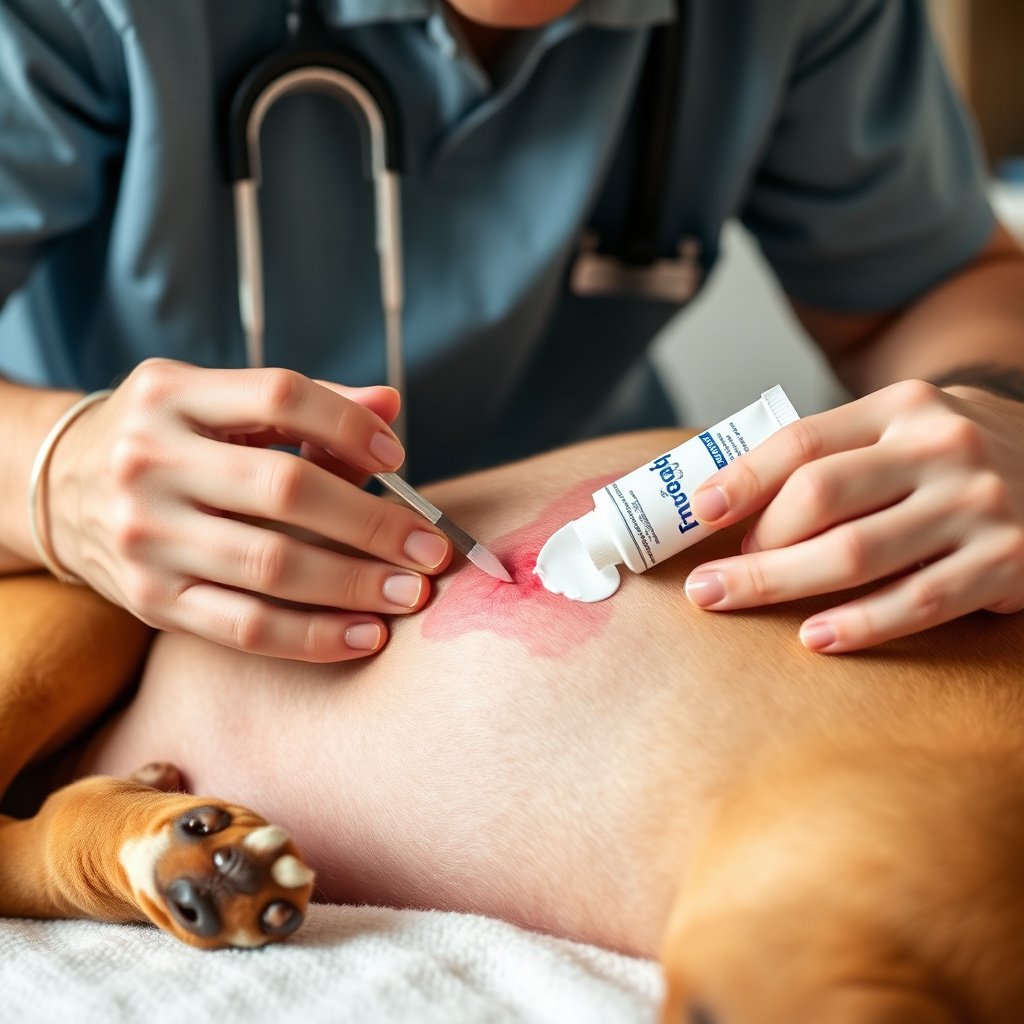
Medical Treatments and Medications
Treatment varies depending on the cause but often involves topical ointments to soothe inflammation, oral antihistamines for allergies, and antibiotics or antifungals if infections are present. Your vet may prescribe steroids for severe inflammation.
Consistent use of prescribed medications and following the vet’s instructions are key to successful healing and reducing the risk of recurrence.
- Topical anti-inflammatory creams
- Oral allergy medications
- Antibiotics and antifungals
For more on this, see our related guide: Why Does My Dog Have a Rash After Grooming? 8 Clear Steps for Relief and Prevention.
Home Care and Preventive Measures
Maintaining a clean and dry belly area helps speed recovery. Avoid irritants such as harsh soaps and keep your dog’s environment flea-free. Special dog shampoos designed for sensitive skin may improve comfort.
Consider dietary adjustments for suspected food allergies and establish regular grooming routines to catch skin issues early.
- Regularly clean and dry the belly
- Use flea prevention products
- Switch to hypoallergenic shampoos
Preventing Future Skin Problems

Diet and Nutrition
Feeding a balanced diet rich in essential fatty acids helps support skin health and resilience. Foods free from common allergens reduce the risk of allergic reactions that could cause rashes.
Consult your vet about supplements like omega-3 fatty acids to maintain a shiny coat and strong skin barrier against irritants.
- Choose allergen-free diets if needed
- Add omega-3 supplements
- Ensure balanced nutrition
For a detailed overview of skin conditions affecting dogs, see this comprehensive canine dermatology overview. canine dermatology overview.
Regular Grooming and Environment Care
Routine grooming keeps the skin clean and detects early signs of irritation. Keeping your dog’s bedding and play areas clean minimizes exposure to allergens and parasites that contribute to skin rashes.
Monitor for seasonal changes in environment that might trigger allergies and adjust care accordingly.
- Maintain regular grooming schedule
- Clean dog beds and toys frequently
- Monitor environmental allergens
Comparison of Common Types of Dog Belly Rashes
This table compares common types of belly rashes in dogs by their causes, symptoms, and recommended treatments to help identify and address your dog's condition.
| Type of Rash | Primary Causes | Key Symptoms | Suggested Treatment |
|---|---|---|---|
| Allergic Rash | Environmental allergens, food | Redness, itching, hair loss | Antihistamines, hypoallergenic diet |
| Flea Allergy Dermatitis | Flea bites | Intense itching, scabs | Flea control products, steroids |
| Bacterial Infection | Secondary to skin damage | Pustules, crusts, swelling | Antibiotics, topical treatments |
| Fungal Infection | Yeast overgrowth | Greasy skin, odor | Antifungal shampoos, medication |
| Mange (Mites) | Parasitic mites | Hair loss, severe irritation | Veterinary anti-parasitics |
Frequently Asked Questions
Can stress cause my dog to develop a rash on its belly?
Stress alone does not cause rashes but can worsen underlying skin conditions by triggering excessive licking or scratching, which may lead to irritation or secondary infections.
Should I use human creams on my dog’s rash?
Human creams are generally unsafe for dogs and can exacerbate skin problems. Always use products specifically formulated for pets or as prescribed by your veterinarian.
How soon should I see a vet if my dog develops a belly rash?
If the rash persists beyond a few days, worsens, or your dog shows signs of discomfort or infection (like swelling or discharge), schedule a veterinary visit promptly.
Can diet changes help prevent belly rashes?
Yes, switching to hypoallergenic or limited-ingredient diets can reduce food allergies that cause rashes. Consult your vet to choose an appropriate diet and eliminate potential allergens.
Are flea preventatives effective against skin rashes?
Effective flea preventatives reduce the likelihood of flea bites, which are a common cause of belly rashes due to allergic reactions or irritation from bites.
Key Takeaways
- Belly rashes in dogs can result from allergies, parasites, or infections.
- Identifying the cause through veterinary diagnosis is critical for effective treatment.
- Consistent home care and environmental management help prevent flare-ups.
- Dietary adjustments and appropriate medications support skin healing.
Conclusion
Deciding how to treat a dog’s belly rash starts with understanding that many factors can cause skin irritation in this sensitive area. Careful observation of symptoms combined with veterinary evaluation ensures the right approach is taken. The main goal is to relieve discomfort and protect your dog from further skin damage while addressing the underlying issue.
If your dog’s rash stems from allergies, adjusting the diet and managing environmental triggers can be highly effective. For parasite-induced rashes, consistent use of flea and tick preventatives along with targeted treatments is necessary. Infections require timely medical intervention with appropriate antibiotics or antifungal medications. Monitoring your dog’s behavior and skin regularly allows you to adapt care as needed.
Starting with a vet visit for a confident diagnosis is the best next step if your dog suddenly develops a belly rash. From there, a plan including treatments, home care, and preventive measures will restore your dog’s comfort and skin health. Taking quick, informed action helps your dog return to playful, rash-free days.


