What Is Dog Matting Caused By? Understanding the Root Causes
Dog matting is primarily caused by neglecting regular grooming, which allows the fur to become tangled and compressed over time. When a dog’s coat isn't brushed frequently, loose hair and dirt accumulate, causing clumps that eventually harden into mats. These mats can form anywhere on the body but are especially common in areas with longer or thicker hair.
Understanding why matting occurs is important because it affects a dog’s comfort and skin health. Mats can trap moisture and dirt near the skin, leading to irritation, sores, and infections. Certain breeds with curly or long coats are more prone to matting because their hair naturally tangles more easily. Factors such as the dog's activity level, environment, and coat type all play into how quickly matting develops.
This article will explore the most common causes behind dog matting, including grooming habits, coat characteristics, and environmental influences. We'll also look at how diet, health conditions, and preventive care impact the likelihood of mats forming. By the end, you'll have a clear understanding of preventing dog matting and keeping your pet comfortable and healthy.
Grooming Habits and Their Role in Dog Matting
Importance of Regular Brushing
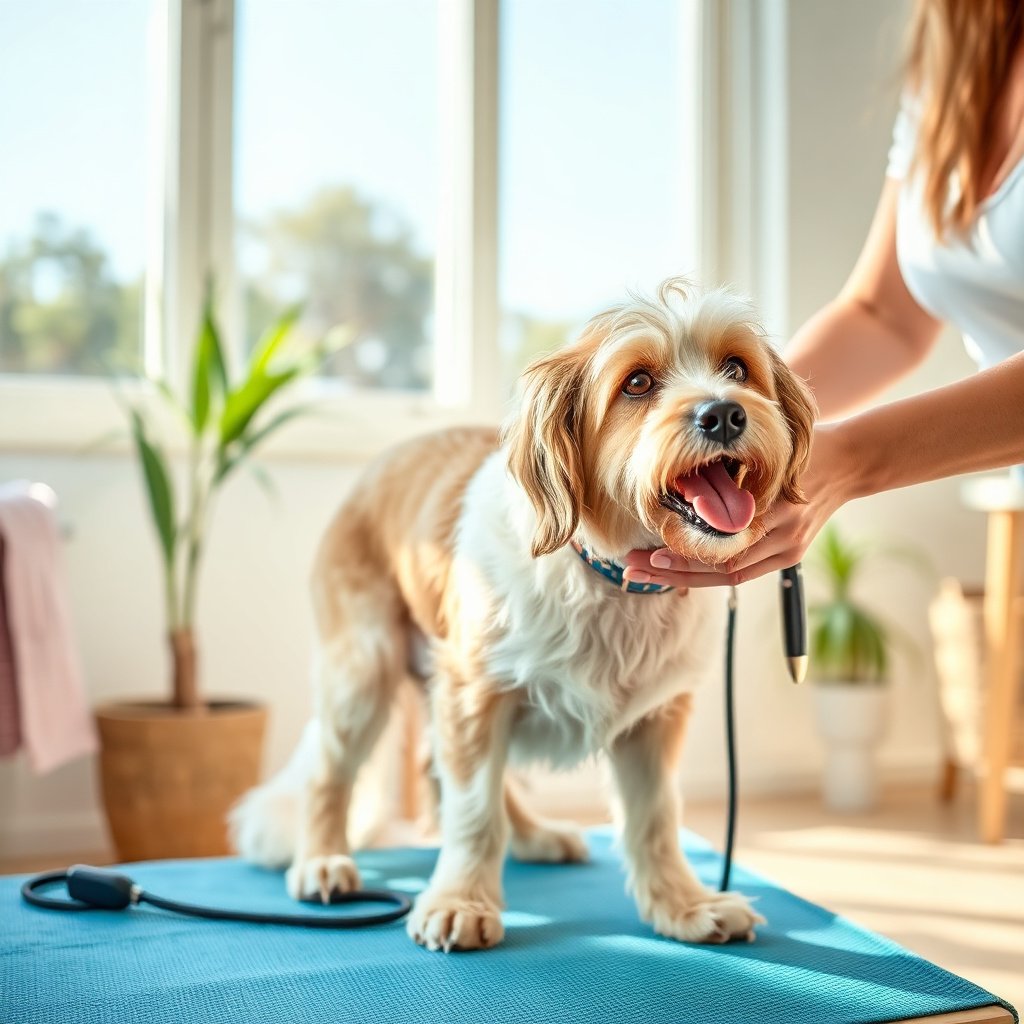
Regular brushing removes loose hair and prevents the initial formation of tangles that lead to mats. Without consistent grooming, hair strands interlock under layers of shed fur, causing clumps that harden. Different coat types require different brushing frequencies; for instance, double-coated breeds need brushing once or twice a week, while long-haired breeds may require daily attention.
Skipping brushing sessions or improper grooming tools can accelerate matting. Using brushes designed for the dog's coat type and maintaining a consistent schedule play a significant role in reducing mat formation and improving coat health.
- Daily brushing for long-haired breeds
- Weekly brushing for short to medium coats
- Use slicker brushes or combs for detangling
- Avoid using dull or inappropriate tools
Bathing and Drying Practices
Bathing dogs without properly brushing their fur beforehand can tighten tangles and worsen mats. It's crucial to detangle any loose hair before shampooing, and thoroughly drying the coat after bathing is essential to prevent moisture from encouraging mat formation.
Leaving a damp coat unbrushed can lead to unpleasant odors, fungal infections, and heavier mats. Drying with towels followed by a blow dryer on a gentle setting while brushing helps maintain a smooth coat and reduce matting risks.
- Brush before bathing to remove loose hair
- Use dog-specific gentle shampoos
- Dry coat completely after bath
- Avoid air-drying thick coats alone
Breed and Coat Type Influence on Dog Matting
Coat Types Prone to Matting
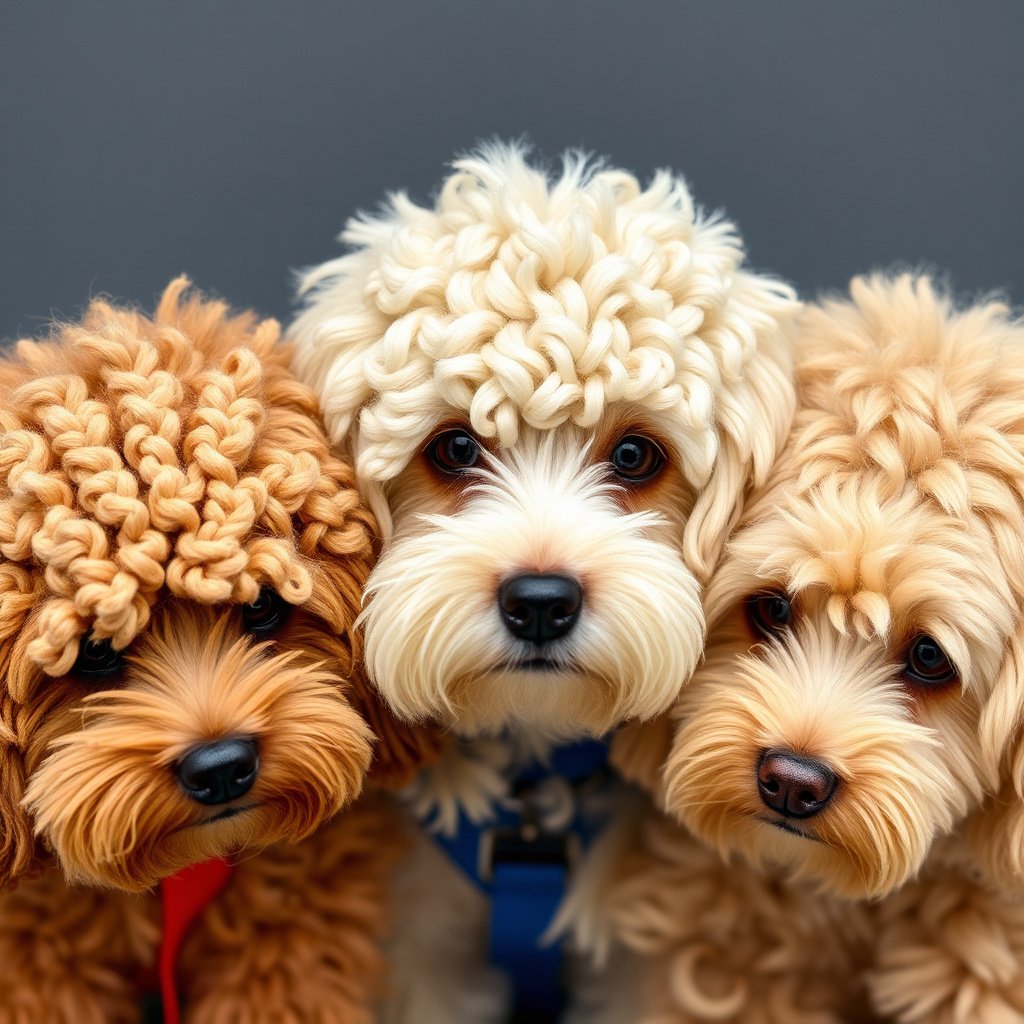
Dogs with long, curly, or thick coats, such as Poodles, Shih Tzus, and Bichon Frises, are naturally more prone to matting. Their hair tends to interlock and trap debris more easily than short-haired breeds. Double-coated dogs, like Huskies, can also develop mats, especially during shedding seasons if not groomed regularly.
Understanding your dog's coat type helps tailor grooming routines and product choices like conditioners or detangling sprays that aid in preventing mats.
- Curly coats require daily brushing
- Long silky coats demand gentle combing
- Double coats benefit from seasonal deshedding
- Short coats require minimal brushing
Genetic and Health Factors
Some dogs inherit coat qualities that predispose them to tangling, such as extra-soft or fine hair that mats easily. Health issues like skin infections, allergies, or endocrine disorders can affect hair quality and growth, contributing to matting.
Owners should observe skin and fur changes and consult vets to rule out medical causes when matting appears excessive or unusual, as treating underlying conditions can improve coat health and reduce mats.
Environmental and Lifestyle Causes of Dog Matting
Outdoor Activity and Exposure
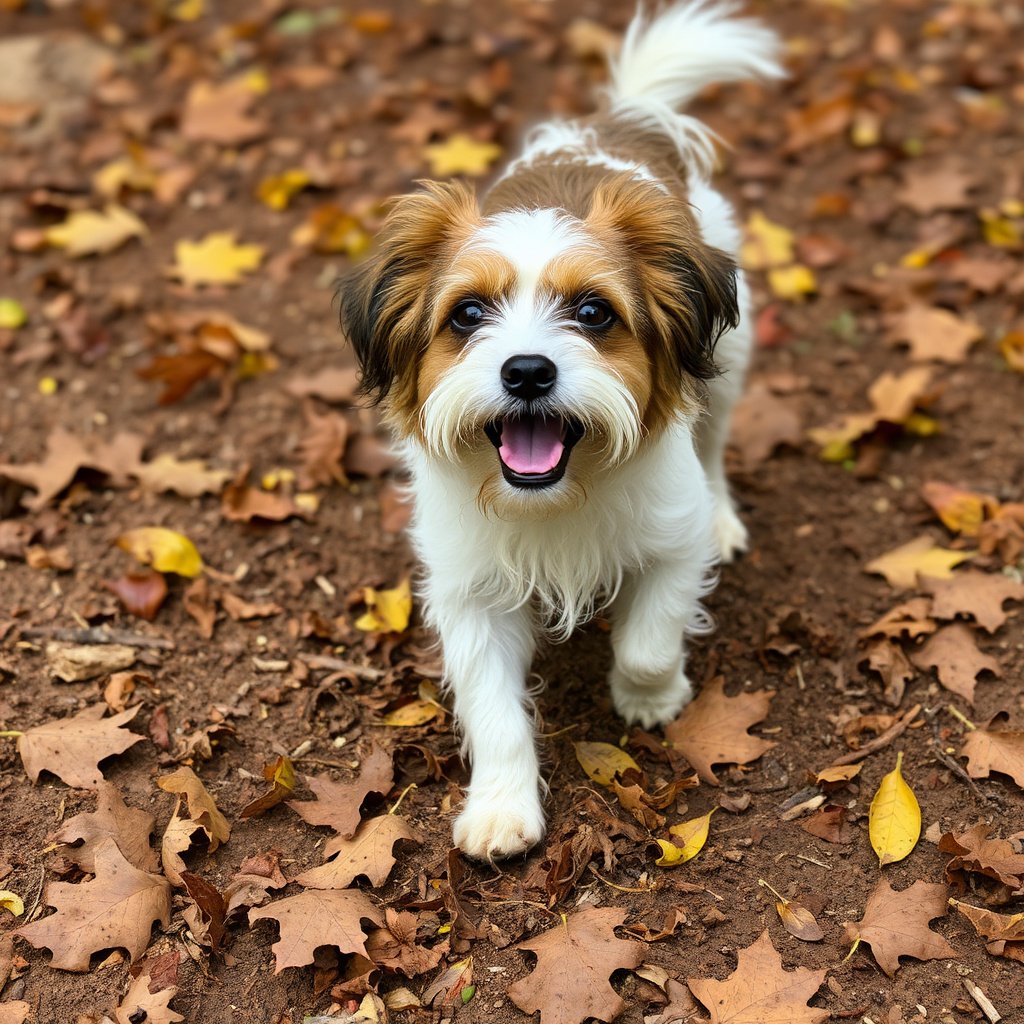
Active dogs that play outside frequently—especially in grassy, muddy, or wooded areas—often collect dirt, burrs, and debris that entangle in their fur. These elements can create initial tangles which turn into mats if not promptly removed.
Frequent rinsing and brushing after outdoor time helps remove these particles, protecting the coat from matting caused by stickiness or sticky substances like sap and mud.
- Brush off debris after outdoor play
- Avoid walking in areas with heavy brush when possible
- Use protective clothing for sensitive coats
For more on this, see our related guide: Why Does My Dogs Coat Feel Rough? 8 Proven Causes and Fixes.
Sleeping and Resting Habits
Where and how a dog rests affects mat formation. Dogs sleeping on rough fabrics, fur-covered surfaces, or in cramped spaces where fur rubs constantly can develop mats in pressure and friction areas. Repetitive movement during rest promotes tightening of tangles in these spots.
Providing smooth, clean bedding, and regularly washing it, reduces buildup of loose hair and dirt that can contribute to matting.
- Wash bedding weekly
- Choose soft, smooth fabrics for bedding
- Rotate sleeping spots to reduce constant pressure areas
Diet, Health, and Skin Impact on Dog Fur Quality
Nutrition and Coat Health
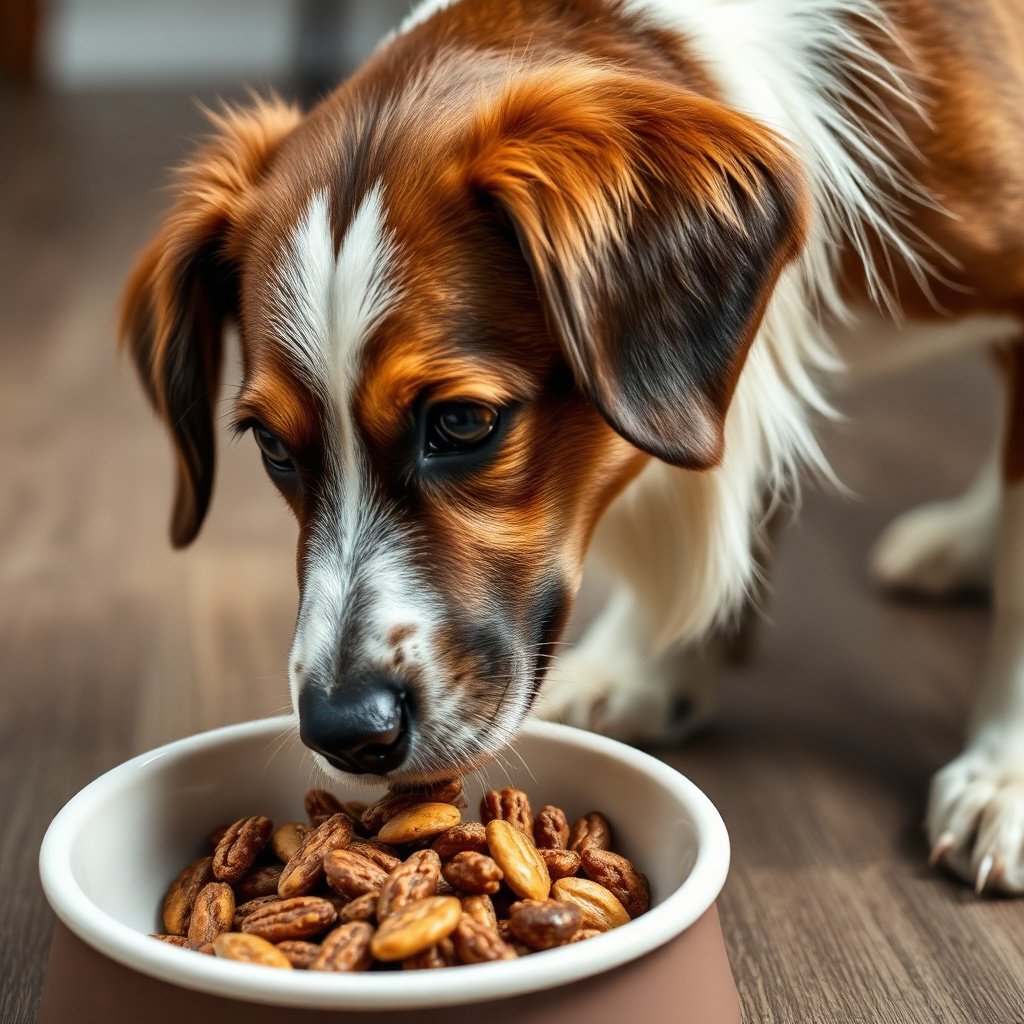
A balanced diet rich in omega fatty acids, vitamins, and minerals promotes a strong, healthy coat less prone to tangling. Poor nutrition, in contrast, can make hair brittle and more likely to mat since damaged fur tangles more easily.
Supplementing dog food with fish oil or special coat-enhancing nutrients often results in softer, shinier hair that lays flat and resists matting.
- Include omega-3 and omega-6 fatty acids
- Feed high-quality protein sources
- Avoid excessive fillers and artificial additives
Skin Conditions and Parasites
Underlying skin problems such as dermatitis, fungal infections, or parasites like fleas irritate the skin and impact hair growth and texture. Dogs scratching or biting themselves exacerbate tangling and matting risks.
Regular veterinary checkups and prompt treatment for skin issues help maintain coat integrity and reduce matting caused by compromised skin health.
- Use flea and tick prevention consistently
- Treat skin infections promptly
- Monitor for signs of allergies or irritation
Preventing Dog Matting Through Daily Care
Routine Grooming Techniques
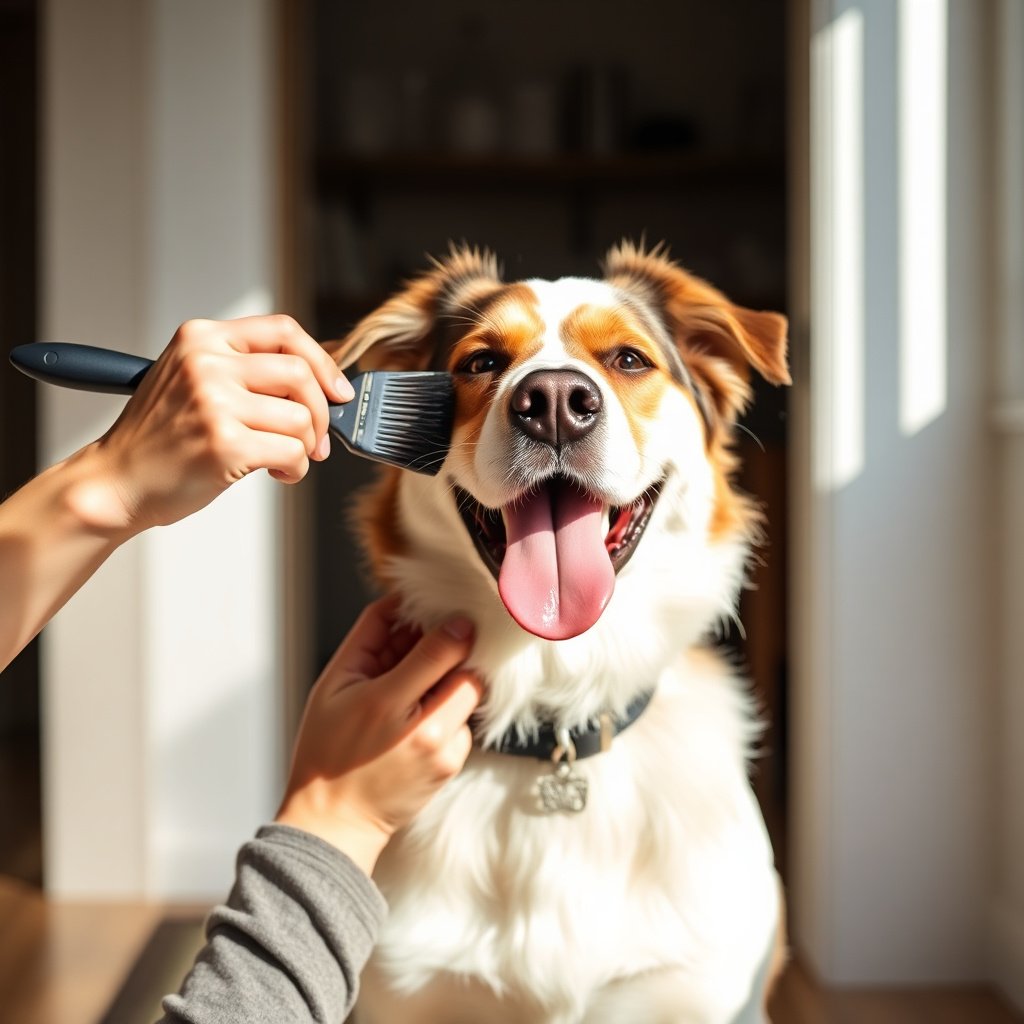
Effective prevention combines daily or weekly brushing tailored to your dog’s coat type with regular baths and professional grooming sessions. Checking common trouble spots such as behind ears, under legs, and near the collar daily helps catch tangles before they mat.
Using detangling sprays and proper grooming tools along with a gentle touch discourages mats while keeping your dog comfortable.
- Brush hair in sections for thoroughness
- Use detangling sprays before brushing
- Schedule professional grooming as needed
For more on this, see our related guide: How to Remove Tree Sap from a Dogs Fur: 8 Safe Steps for Fast Relief.
Managing Problem Areas and Tools
Certain body areas are more prone to matting and need extra attention. These include the belly, chest, behind the ears, and under the collar. Regularly inspecting and gently working out tangles in these spots prevents mats from forming.
Investing in quality grooming tools such as slicker brushes, metal combs, and dematting knives can make a big difference, making grooming less stressful for both dog and owner.
Professional Grooming and When to Seek Help
Recognizing Severe Matting
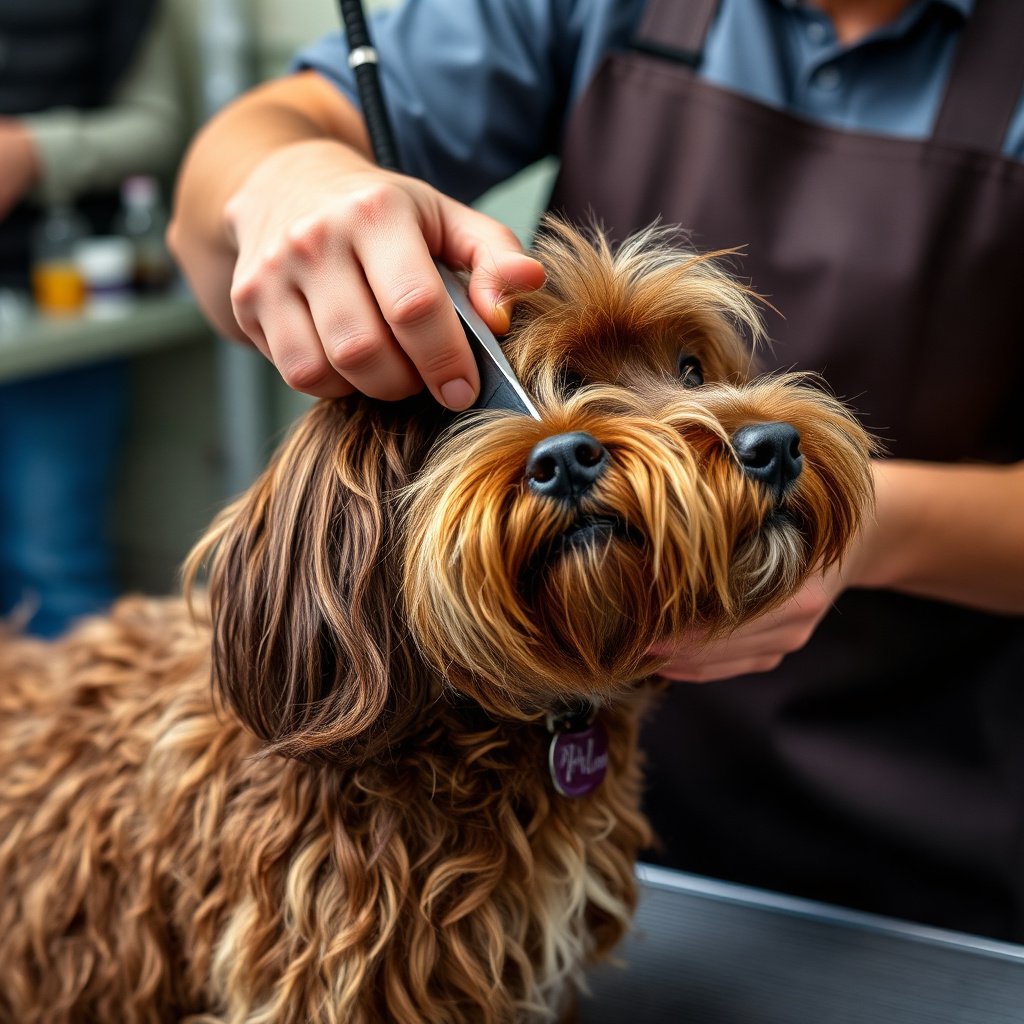
Severe mats are thick, large, and often painful for dogs, pulling on the skin and sometimes causing sores or infections. At this stage, mat removal requires professional intervention as DIY attempts can injure your dog.
A professional groomer or veterinarian can safely trim or shave mats away and treat any skin damage, relieving discomfort and preventing further complications.
- Avoid cutting mats yourself if unsure
- Seek professional grooming early if mats form quickly
For additional details on dog coat types and grooming, refer to this comprehensive dog coat care information. dog coat care information.
Benefits of Regular Professional Grooming
Booking periodic sessions with a professional groomer helps maintain coat health beyond home grooming capabilities, especially for high-maintenance or mat-prone breeds. Groomers can detect early signs of matting, provide expert detangling, and apply conditioning treatments that reduce future mat risk.
For busy owners or those less confident in grooming skills, professional help supports prevention and keeps the dog comfortable and looking their best.
- Professional detangling and trimming
- Breed-specific grooming styles
- Expert advice on daily coat care
Comparison of Dog Matting Causes by Category
This table highlights key factors contributing to dog matting across various categories.
| Cause Category | Key Factors | Common Affected Breeds | Prevention Tips |
|---|---|---|---|
| Grooming Habits | Infrequent brushing, improper tools | Poodles, Shih Tzus, Retrievers | Frequent brushing, proper tools |
| Breed & Coat Type | Curly/long coats, genetic hair quality | Bichon Frise, Maltese, Huskies | Tailor grooming to coat type |
| Environment & Lifestyle | Outdoor debris, friction from bedding | Active outdoor dogs of all breeds | Post-activity grooming, clean bedding |
| Diet & Health | Poor nutrition, skin infections | Any breed with health issues | Balanced diet, vet care for skin problems |
Frequently Asked Questions
Can dog matting cause health problems?
Yes, mats can trap moisture and dirt, causing skin irritation, sores, and infections. Severe matting can also restrict movement and cause pain for your dog.
How often should I brush my dog to avoid matting?
Brushing frequency depends on your dog’s coat type. Long and curly coats may require daily brushing, while short coats often need only weekly sessions.
Is it safe to cut mats out at home?
Cutting mats yourself can be risky and may injure your dog. It's safer to seek professional grooming to remove severe mats properly and painlessly.
Do all dogs mat easily?
No. Dogs with short, smooth coats typically do not mat as easily as breeds with long or curly hair, but any coat can tangle without proper care.
Can nutrition influence my dog's coat and matting?
Proper nutrition supports healthier, stronger hair that resists tangling. Diets rich in omega fatty acids and quality proteins improve coat condition and reduce matting risk.
Key Takeaways
- Regular brushing is essential to prevent dog matting.
- Coat type and breed largely affect matting risk.
- Outdoor activity and bedding can contribute to tangling.
- Nutrition and skin health influence coat quality.
Conclusion
Understanding what causes dog matting involves combining knowledge of your dog’s coat, grooming routines, lifestyle factors, and health conditions. The most effective approach to preventing mats starts with consistent daily or weekly brushing tailored to the breed’s specific coat. Paying close attention to areas that tangle easily, such as behind the ears and under the collar, helps stop mats before they develop. Grooming tools suited for your dog’s fur texture and length make maintenance manageable and comfortable for your pet.
Concrete recommendations depend on your dog’s breed and activity level. For example, curly-coated dogs like Bichon Frises need daily brushing and occasional professional grooming, while short-coated breeds may manage well with weekly sessions and thorough outdoor cleanup. Using conditioning sprays and trimming problematic areas also aid in mat prevention. Monitoring skin health and providing a nutritious diet play important supporting roles in keeping your dog’s coat resilient and mat-free.
If you find mats forming rapidly or deeply, do not hesitate to consult a professional groomer or veterinarian who can safely remove mats and check for underlying issues. Investing time in daily care combined with periodic professional support will help your dog maintain a healthy coat and avoid painful matting. Start by creating a grooming routine today, focusing on your dog’s unique needs and preferences.