What Is the Best Cat Flea Treatment for Effective and Safe Pest Control
The best cat flea treatment combines effectiveness, safety, ease of application, and suitability for your cat’s specific needs. Popular options include topical treatments like spot-on solutions, oral medications, and flea collars that quickly eliminate fleas and prevent reinfestation.
Fleas not only cause intense itching and discomfort for cats but can also trigger allergies and transmit tapeworms. Treating fleas promptly helps protect your cat’s health and keeps your home free from persistent infestations.
This article covers the various types of flea treatments available for cats, key factors to consider when choosing a product, comparisons of popular options, and tips for safe use and preventing future flea problems.
Types of Cat Flea Treatments
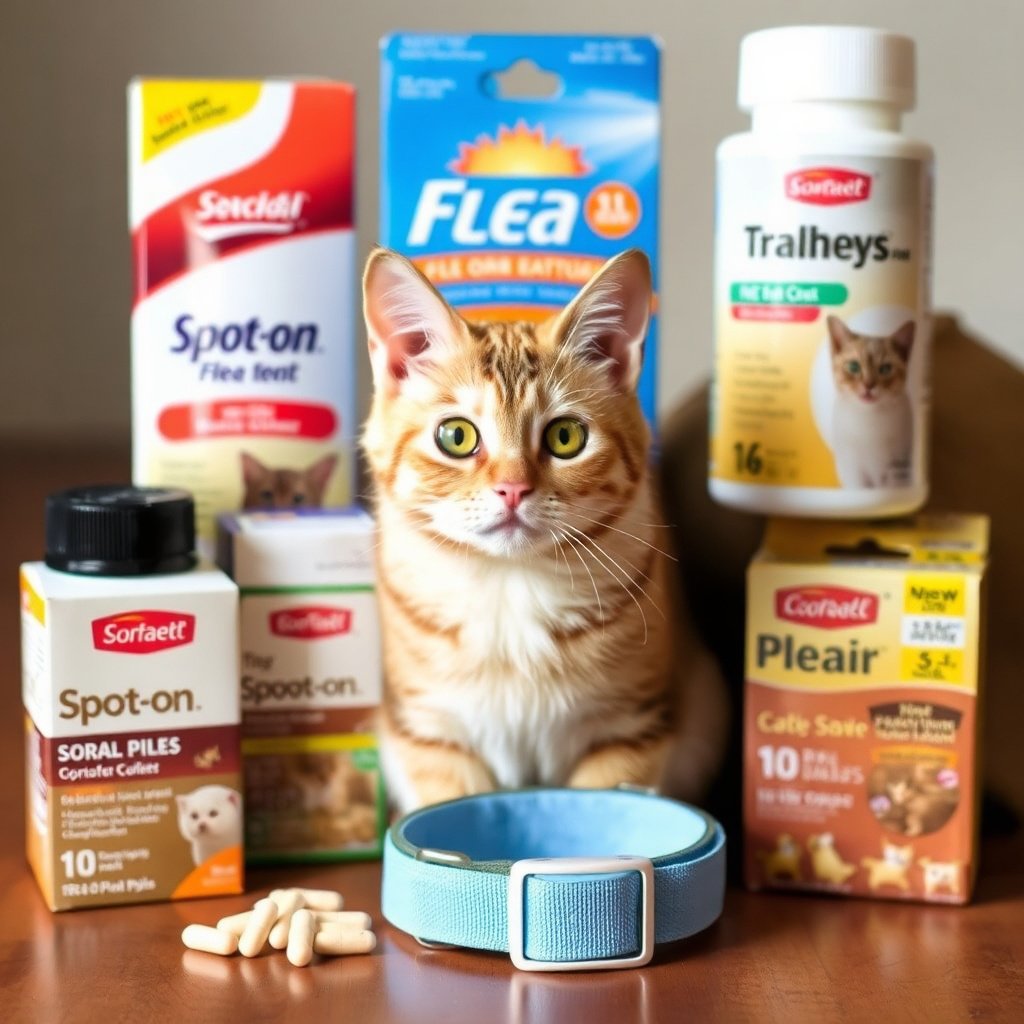
Topical Spot-On Treatments
Spot-on flea treatments are liquid formulas applied directly between the cat’s shoulder blades where they spread throughout the skin oils. These treatments kill adult fleas quickly and provide residual protection for up to a month.
They are easy to use and waterproof once dried, making them ideal for cats that groom themselves frequently or occasionally get wet. Popular active ingredients include fipronil, selamectin, and imidacloprid.
- Apply monthly
- Avoid bathing cats 48 hours before and after application
- Effective against fleas and some ticks
Oral Flea Medications
Oral flea treatments come as chewable tablets or flavored pills that kill adult fleas systemically after ingestion. These medications often begin working within hours and may protect for up to a month.
They are a good option for cats who dislike topical applications or for owners who prefer a dosing method absorbed through the bloodstream. Active ingredients include spinosad and afoxolaner.
- Dosage based on weight
- Treats existing fleas quickly
- Usually requires prescription from a veterinarian
Selecting the Best Cat Flea Treatment

Safety and Age Considerations
It’s critical to choose flea treatments appropriate for your cat’s age, weight, and health status. Some products are not safe for kittens under a certain age or cats with medical conditions.
Consult your veterinarian to select a treatment that avoids harmful ingredients or dosing too high. Always read label warnings carefully and never use dog flea treatments on cats.
- Check age restrictions
- Watch for allergies or sensitivities
- Discuss chronic health issues with a vet
Long-Term Flea Control Strategies
The best flea control plan involves treating both the cat and the environment. Flea eggs and larvae live in carpets, bedding, and furniture, requiring concurrent cleaning and sometimes insecticide use.
Routine monthly treatment during flea season, combined with vacuuming and washing bedding in hot water, helps prevent reinfestation and controls populations sustainably.
- Monthly treatments
- Regular cleaning of home environment
- Consider flea prevention year-round in warm climates
Comparing Flea Collars, Sprays, and Shampoo
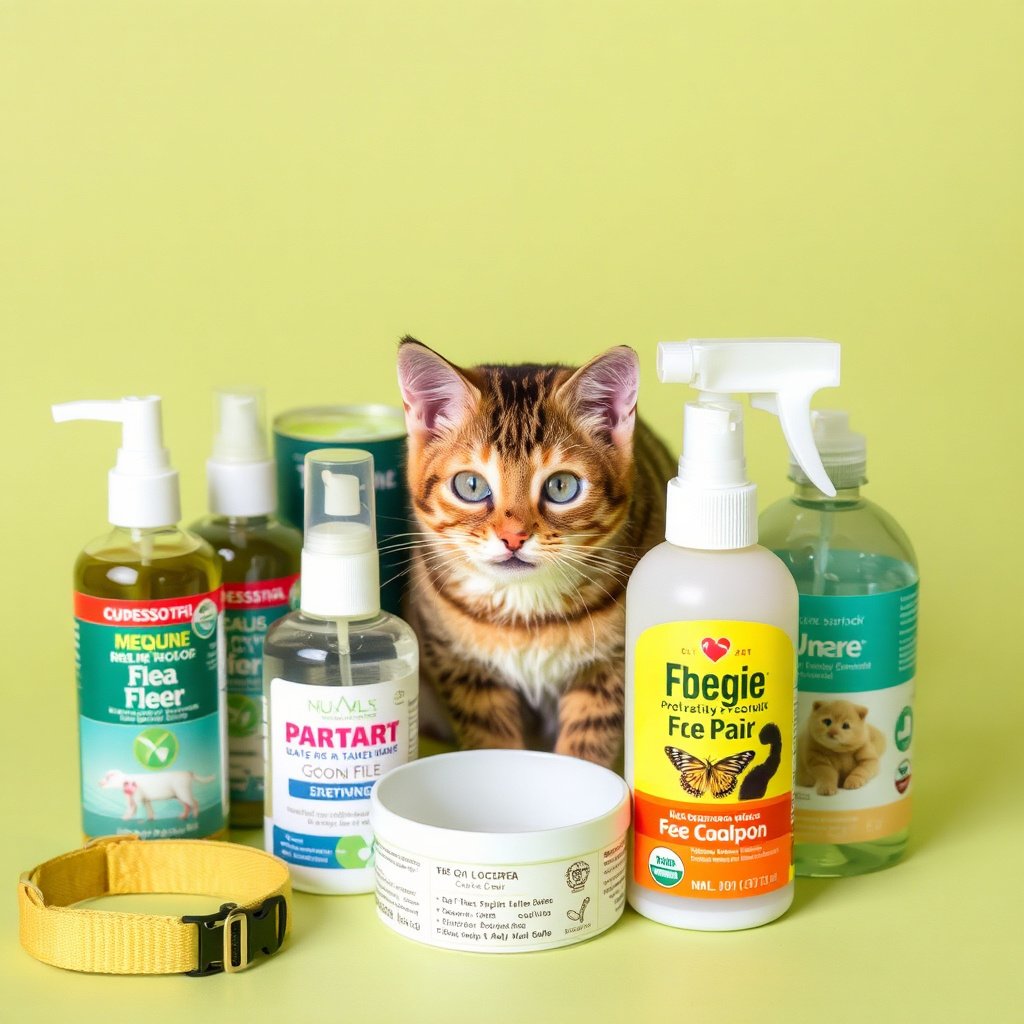
Flea Collars for Cats
Flea collars release active ingredients slowly over weeks or months to repel and kill fleas. Modern collars are safer and more effective than earlier versions, often combining insect growth regulators with adulticide chemicals.
They are convenient for ongoing protection and can be combined with other flea treatments. However, collar effectiveness varies, and some cats may resist wearing them.
- Effective for 6–8 months
- Water resistant
- Avoid collars with known irritants
For more on this, see our related guide: How Do You Know If a Dog Has Mites? Clear Signs and Treatment Tips.
Flea Sprays and Shampoos
Flea sprays and shampoos provide immediate relief by killing fleas on contact. Shampoos cleanse and eliminate fleas at the moment of use but usually have no residual effect, requiring frequent reapplication.
Sprays may be used on cats and in the environment but carry a risk of skin sensitivity. They are best employed during heavy infestations or combined with longer-lasting treatments.
- Offer quick knockdown of fleas
- Use safely according to label instructions
- Not recommended as sole long-term solution
Using Flea Treatments Safely and Effectively
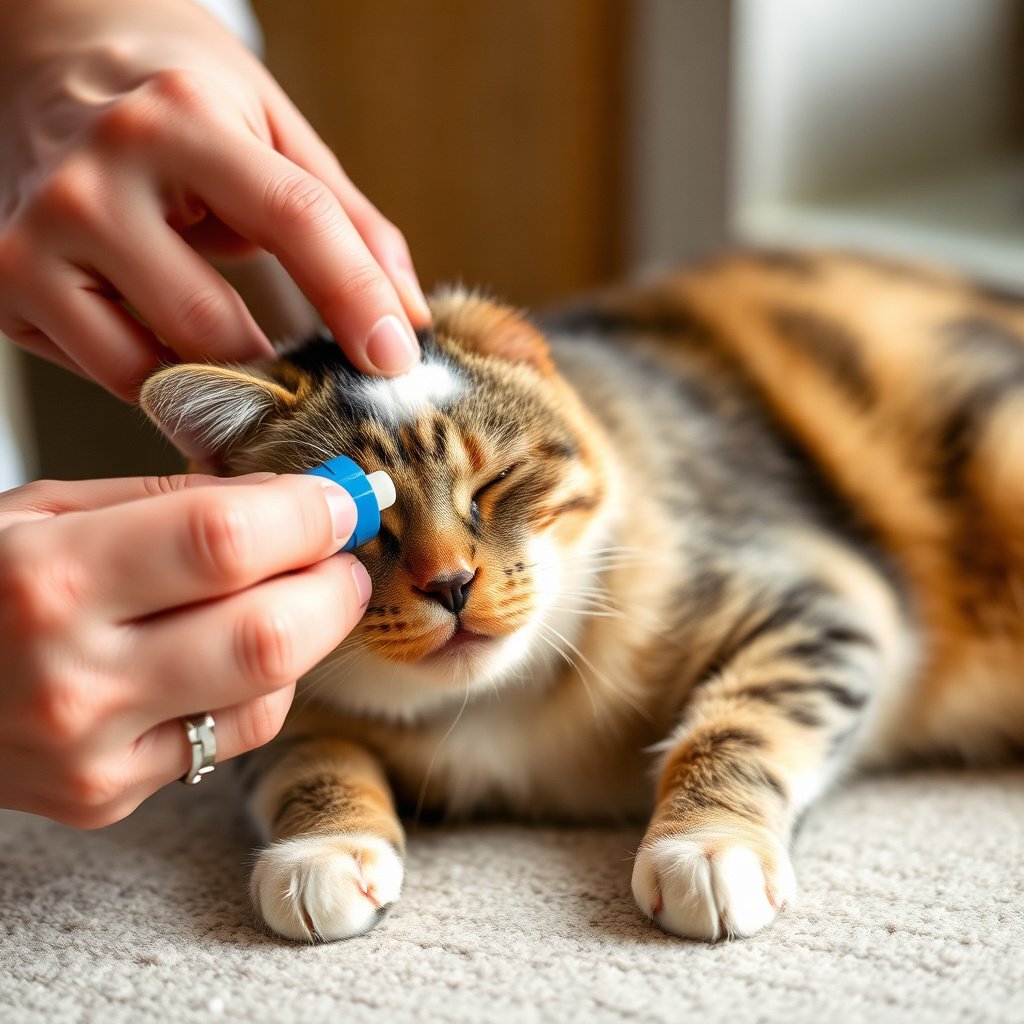
Proper Application and Avoiding Overdose
Applying flea treatments exactly as directed prevents toxicity and ensures effectiveness. Overapplying can cause adverse reactions, while underdosing reduces flea control.
Keep treatments out of reach of children and other pets to avoid unnecessary exposure. Use separate products for cats and dogs, and never mix different flea medications without veterinary advice.
- Use correct dose for weight
- Follow specified application intervals
- Monitor for side effects post-application
Monitoring for Adverse Reactions
After first applying any flea treatment, observe your cat for signs like excessive scratching, redness, lethargy, or vomiting. Mild irritation is common but should subside quickly.
If severe reactions occur, contact your veterinarian immediately. Switching to a different product or treatment method may be necessary to protect your cat’s health.
- Watch for hair loss or swelling
- Report unusual behavior or symptoms
- Keep emergency vet contact info handy
Consulting Your Veterinarian for Flea Management
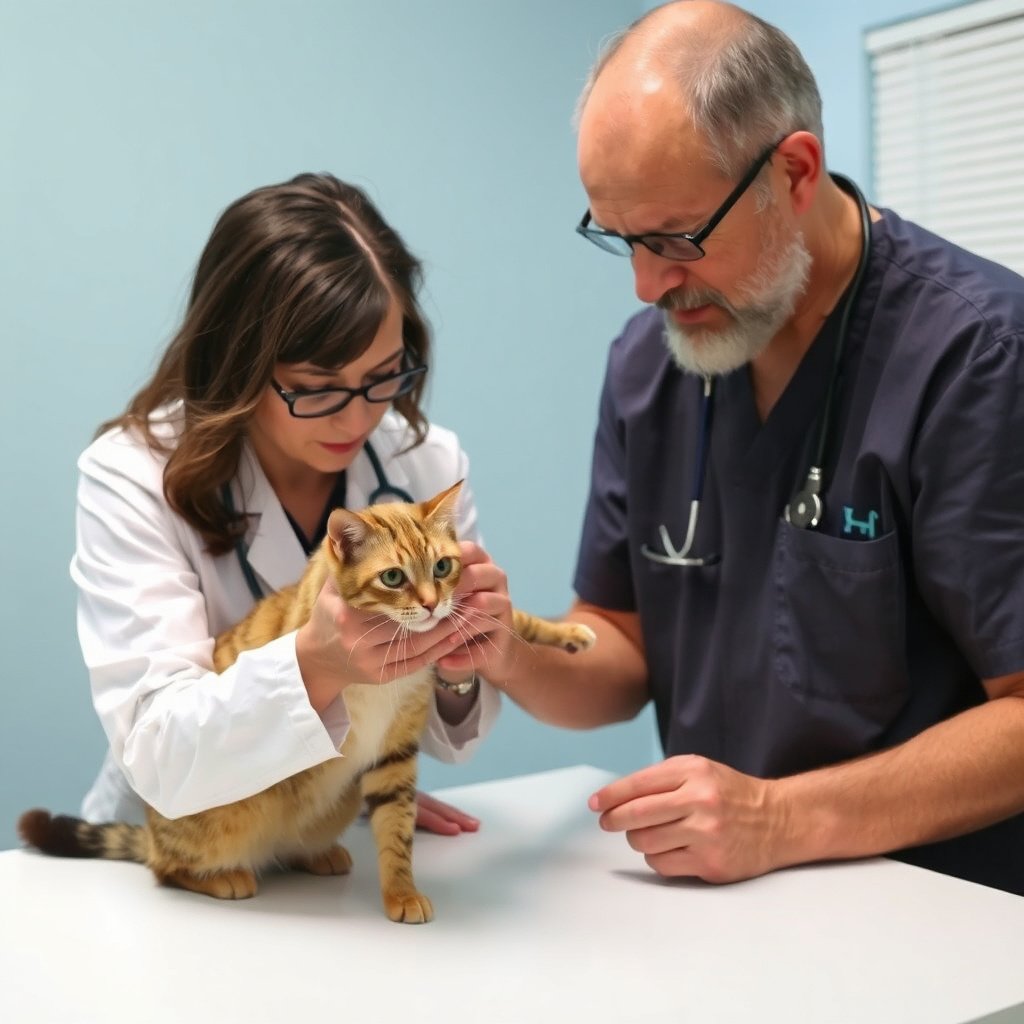
When to Seek Professional Advice
If your cat has a heavy flea infestation, underlying health problems, or reactions to treatments, professional guidance is essential. Vets can prescribe effective oral medications or combined therapies.
They can also help identify other parasites or skin conditions that may mimic flea allergies and tailor a treatment plan specific to your cat’s needs.
- Persistent flea problems despite treatment
- Kittens, pregnant, or senior cats
- Cats with allergies or immune issues
For more on this, see our related guide: Why Does My Dog Have Smelly Ears? 8 Causes and Simple Treatments.
Benefits of Veterinary Flea Control Plans
Veterinarians offer personalized treatment plans that integrate flea control with overall wellness. This approach ensures your cat stays free of fleas while maintaining optimal health.
They can recommend environmental control measures, safe product combinations, and monitor your cat over time to adjust treatment as needed.
- Customized medication options
- Access to prescription-only products
- Expert advice for long-term management
Understanding Flea Life Cycle for Better Treatment
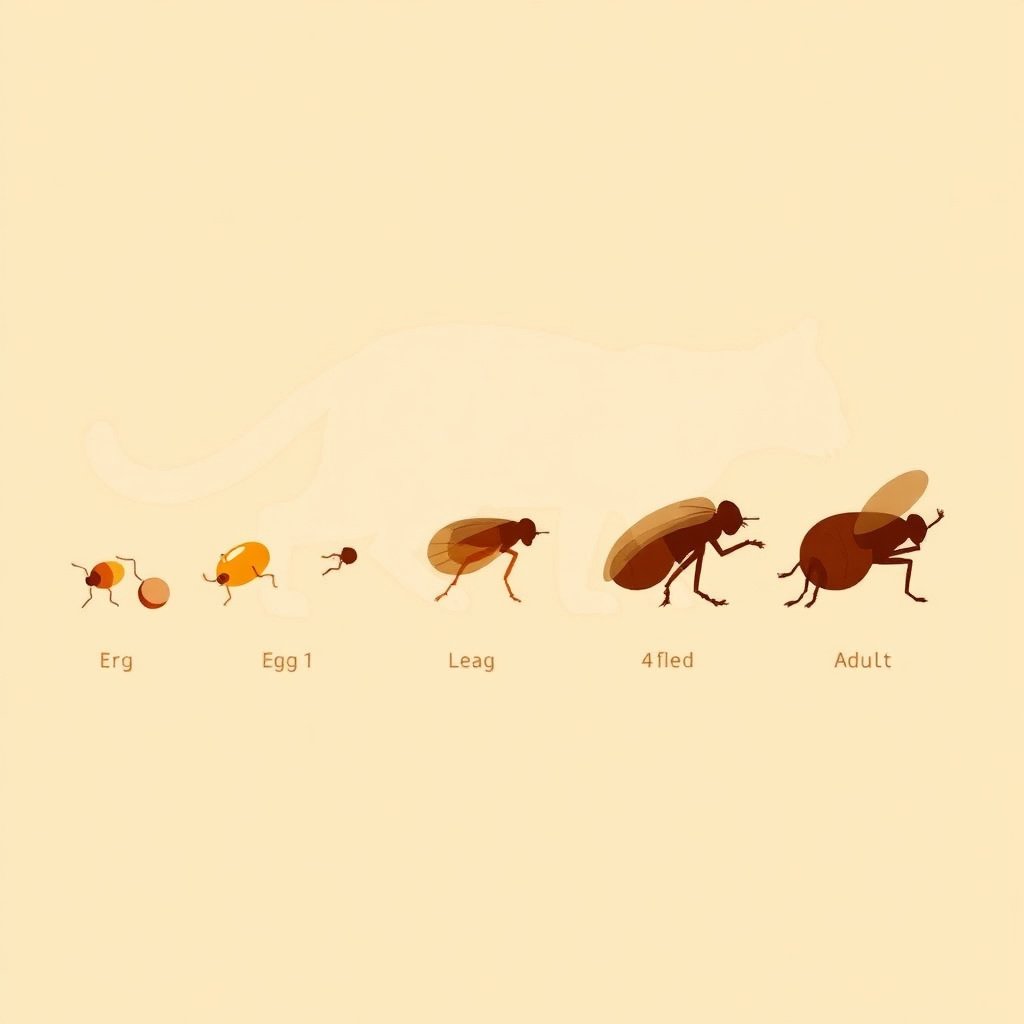
Flea Life Stages and Treatment Targets
Fleas progress through egg, larva, pupa, and adult stages, with adults living on the cat while eggs and larvae develop in the environment. Effective treatment targets both the cat and the surrounding areas.
Treating only adult fleas on the cat risks rapid reinfestation from environmental pupae. Combining insect growth regulators with adulticides disrupts this cycle.
- Adult fleas live on the cat
- Eggs and larvae in bedding and carpet
- Pupae can survive weeks before emerging
For additional expert tips and treatment options, visit the Cat flea treatment information on PetMD. Cat flea treatment information on PetMD.
Environmental Cleaning Techniques
Frequent vacuuming removes eggs and larvae, helping break the flea life cycle. Washing pet bedding in hot water kills all flea stages.
In severe cases, using approved environmental sprays containing insect growth regulators complements pet treatment and prevents reinfestation.
- Vacuum carpets and upholstery regularly
- Wash pet bedding weekly
- Consider environmental insecticides when necessary
Cat Flea Treatment Category Comparison
Here’s how popular cat flea treatments compare across key factors like effectiveness, safety, duration, and application ease.
| Treatment Type | Effectiveness Duration | Safety for Kittens | Ease of Use | Typical Cost per Month |
|---|---|---|---|---|
| Topical Spot-On | 4 weeks | Yes (varies by product) | Easy application | $15–$30 |
| Oral Medication | 1 month | Yes (weight dependent) | Simple dosing | $20–$40 |
| Flea Collar | 6–8 months | Generally safe | Very easy | $10–$25 |
| Flea Shampoo | Immediate, no residual | Safe if used properly | Time-consuming | $5–$15 |
| Flea Spray | Short-term | Depends on formulation | Moderate | $10–$25 |
Frequently Asked Questions
Can I use dog flea treatments on my cat?
No, dog flea treatments often contain ingredients toxic to cats. Always use products specifically labeled for cats to avoid serious health risks.
How often should I treat my cat for fleas?
Most flea treatments require monthly application, but collars may last longer. Follow product instructions and veterinarian recommendations for your cat’s situation.
Are oral flea treatments safe for kittens?
Some oral flea treatments are approved for kittens above a certain age and weight. Always check product guidelines and consult your vet before use.
What household measures help control fleas besides treating the cat?
Vacuuming frequently, washing bedding in hot water weekly, and using environmental insecticides if needed disrupt flea development outside your cat.
Can fleas cause health problems beyond itching?
Yes, fleas can trigger allergic reactions, anemia in severe infestations, and transmit tapeworms to cats, making prompt treatment essential.
Key Takeaways
- Safe flea treatments vary by cat age and health; consult a vet when unsure.
- Treat both your cat and living areas to interrupt the flea life cycle.
- Monthly topical or oral medications are effective for most cats.
- Flea collars, shampoos, and sprays have roles but differ in duration and ease.
Conclusion
Identifying the best cat flea treatment involves balancing effectiveness, safety, convenience, and your cat’s individual needs. Understanding available options—from topical spot-on treatments to oral medications—helps you select products that quickly manage flea infestations while minimizing risks. Considering environmental control alongside medication enhances results and reduces the chance of persistent flea problems. Safety considerations like age and medical conditions should always guide your choice to protect your cat’s health.
For most cats, monthly topical spot-on treatments or oral medications like spinosad provide fast and reliable flea elimination combined with ongoing protection. Flea collars add convenience for long-term prevention but may not suffice alone during heavy infestations. Sprays and shampoos can offer immediate relief but should complement, not replace, longer-lasting treatments. Cats with specific health issues or kittens may benefit from tailored plans devised with veterinary help to ensure safe dosing and effective control.
If your cat experiences persistent flea issues or adverse reactions, consulting a veterinarian will provide personalized advice and prescribe treatments suited to your specific case. Along with product selection, commit to regular home cleaning practices to break the flea life cycle and keep your cat comfortable and parasite-free. Begin by evaluating your cat’s health and lifestyle then choose a well-rated flea treatment option that meets your needs safely.