Understanding Dog Tartar: Causes, Prevention, and Treatment
Dog tartar is hardened plaque that forms on the teeth when plaque is left untreated. It appears as a yellow or brownish buildup near the gum line and can lead to oral health problems like gum disease and bad breath if not addressed promptly.
This buildup forms when bacteria combine with food particles and saliva, creating a sticky film called plaque. Over time, minerals in the saliva harden this plaque into tartar, which is much tougher to remove and can trap harmful bacteria close to your dog's gums.
In this article, we will explore what causes dog tartar, the signs to watch for, methods for preventing its buildup, and the treatments available to maintain your dog's oral hygiene. Understanding these elements will help you keep your dog's teeth clean and healthy.
What Causes Dog Tartar and How It Develops

Formation of Plaque and How It Turns into Tartar
Plaque is a soft, sticky film that forms consistently on your dog's teeth due to bacteria mixing with saliva and food debris. If this plaque isn't removed by regular dental cleaning, it begins to harden into tartar within a few days.
The tartar mineralizes through the deposition of calcium and phosphate salts from saliva. This hardened layer provides a surface that attracts more plaque, speeding up the buildup and leading to more pronounced tartar deposits.
Factors Increasing the Risk of Tartar Formation
Dogs that eat mostly soft or wet food tend to accumulate more plaque and tartar than those that chew hard kibble, which helps mechanically scrape teeth surfaces. Lack of routine brushing and dental care also encourages tartar buildup.
Certain breeds, especially small or flat-faced types, may have crowded teeth that make plaque removal difficult. Older dogs and those with existing dental problems are also more susceptible to rapid tartar formation.
- Diet type (wet vs. dry food)
- Breed predispositions
- Age and dental health status
- Dental hygiene practices
Recognizing the Signs of Dog Tartar
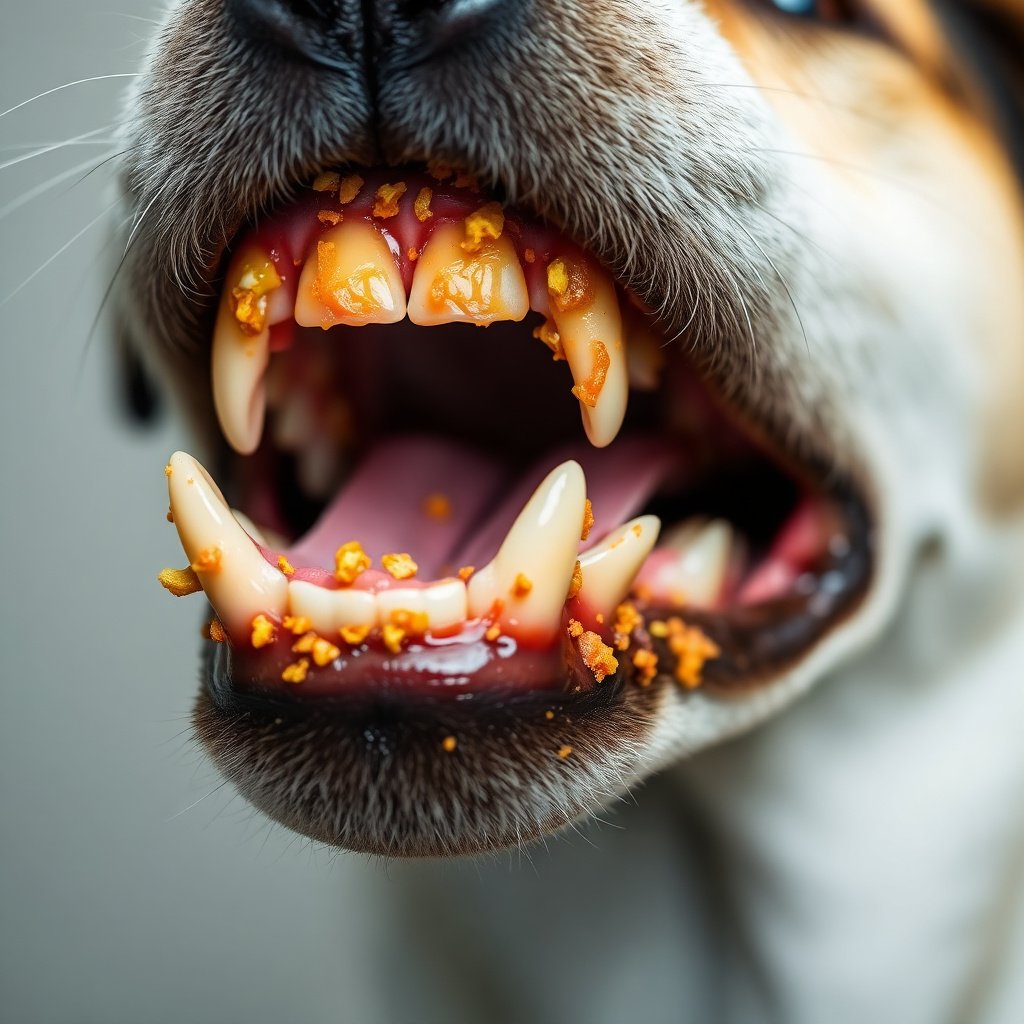
Visual Indicators of Tartar Development
One of the first signs of tartar accumulation is a yellow or brown crusty buildup on the teeth close to the gum line. This may be more noticeable on the back teeth but can appear anywhere in the mouth.
As tartar progresses, gums around the buildup may look red and inflamed, signaling the onset of gingivitis. Bad breath is another common symptom linked to bacteria trapped in tartar deposits.
For more on this, see our related guide: Why Does My Dog Smell Like Fish? 8 Key Causes and Solutions Explained.
Behavioral Changes Related to Oral Discomfort
Dogs experiencing tartar-induced gum inflammation might show reluctance to eat hard food or toys, paw at their mouths, or exhibit sensitivity when their mouth area is touched.
Over time, untreated tartar can lead to more serious dental disease causing pain, tooth loss, and secondary infections, all of which will alter your dog's usual behavior and appetite.
Preventing Dog Tartar Buildup Effectively
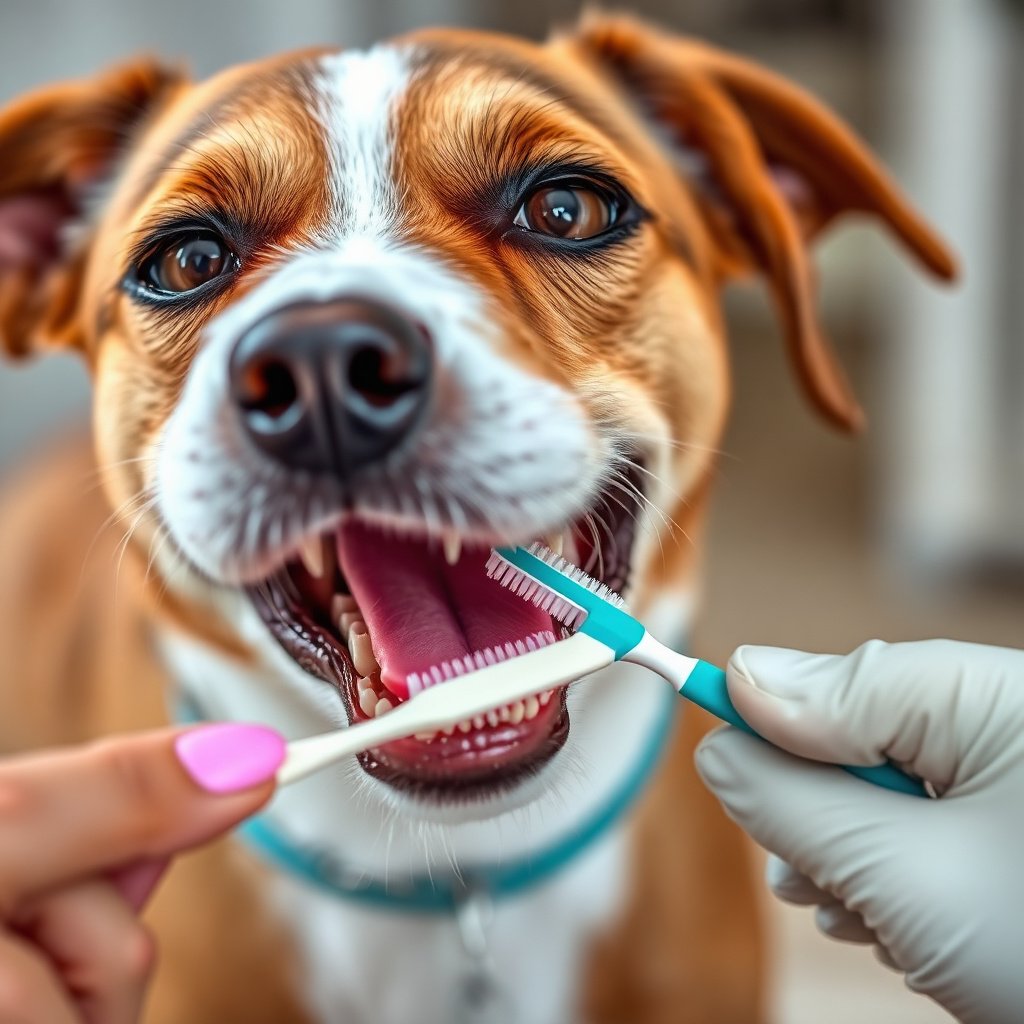
Regular Teeth Brushing and Professional Cleanings
Daily or frequent tooth brushing with dog-specific toothpaste is the best way to remove plaque before it hardens into tartar. Professional dental cleanings by a veterinarian can thoroughly clear tartar that develops despite home care.
Scheduling regular check-ups helps monitor your dog’s oral health and allows early intervention before tartar causes severe issues. Some dental tools like water additives or dental chews support plaque control when combined with brushing.
- Use dog-safe toothpaste
- Brush daily or several times a week
- Veterinarian cleanings every 6-12 months
- Consider dental chews or water additives
Dietary and Chewing Habits That Reduce Tartar
Feeding dry kibble can help reduce plaque buildup since the crunching action scrapes some plaque off teeth. Providing dental-specific treats and chew toys helps maintain cleaner teeth by mechanically disrupting tartar formation.
Avoid excessive soft treats and table scraps that stick to the teeth and promote plaque buildup. Selecting products formulated for dental benefits supports ongoing dog dental care and reduces tartar risks.
- Choose dry or dental kibble
- Use dental treats and chews
- Limit sticky or sugary snacks
Treatment Options for Dog Tartar Removal
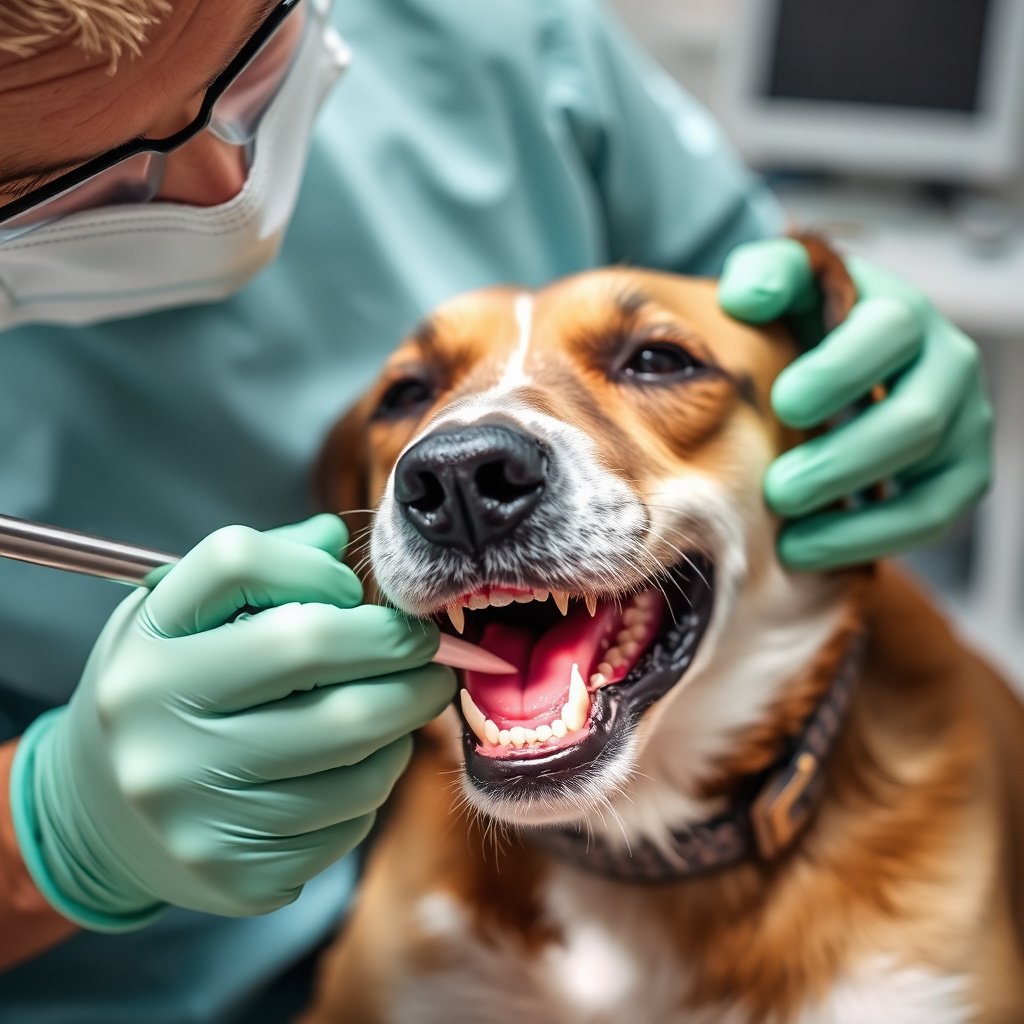
Professional Dental Cleaning Procedures
When tartar is extensive, a veterinary professional cleaning under anesthesia is required for safe and thorough removal. This cleaning involves scaling with specialized tools to scrape tartar above and below the gum line.
After scaling, polishing smooths the teeth surfaces to discourage future plaque buildup. Dental x-rays might be used to identify hidden issues like periodontal disease or tooth root infections.
For more on this, see our related guide: Are Dog Groomers Expensive? Costs, Tips, and What You Should Know.
At-Home Care Post-Treatment to Avoid Recurrence
After professional cleaning, continuing regular brushing and supplying dental chews is vital to prevent tartar from forming again. Follow your veterinarian’s recommendations closely for maintenance.
Regular follow-ups are important because tartar can quickly redevelop, especially if the underlying oral hygiene habits don’t improve. A good dental routine can extend the effects of professional treatment significantly.
- Brush teeth frequently after cleaning
- Use vet-recommended dental chews
- Schedule routine dental exams
Complications Arising from Untreated Dog Tartar
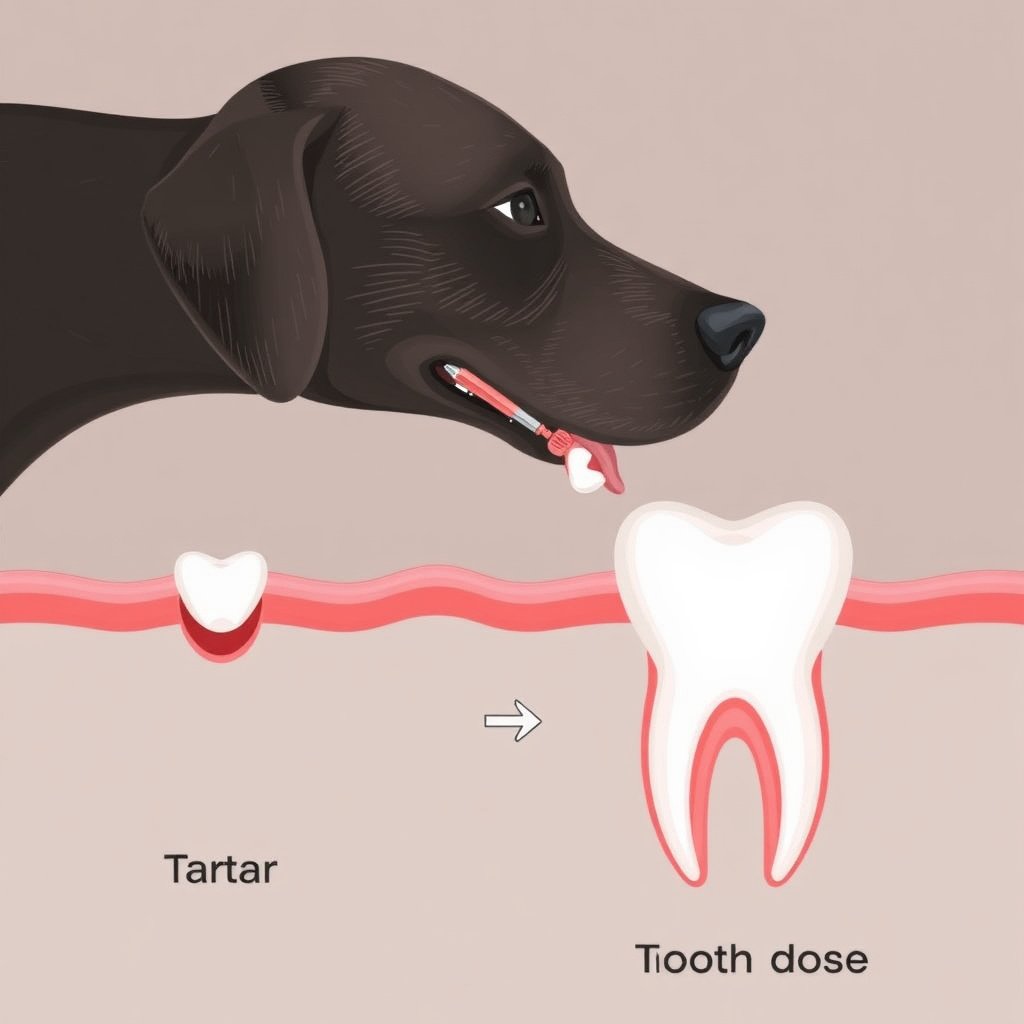
Gingivitis and Periodontal Disease
Tartar buildup irritates the gums causing inflammation called gingivitis, which can progress to periodontal disease if untreated. This leads to gum recession, bone loss, and eventual loosening or loss of teeth.
Periodontal disease doesn’t only affect oral health; bacteria from infected gums can enter the bloodstream, potentially impacting organs such as the heart and kidneys, posing systemic health risks.
More detailed information about dog dental health and tartar can be found in this comprehensive resource. Dog dental health information.
Other Health Risks Associated with Tartar
Chronic oral infection from tartar may cause persistent bad breath, pain, and difficulty eating, lowering your dog’s quality of life. In severe cases, untreated oral disease might require tooth extractions or complex surgeries.
Maintaining good dog dental care reduces these risks and promotes overall well-being, making tartar management an essential part of your dog’s health routine.
Dog Tartar Prevention Methods Comparison
Here’s a comparison of popular dog tartar prevention approaches to help you select the best option for your pet's needs.
| Method | Effectiveness | Ease of Use | Cost | Recommended Frequency |
|---|---|---|---|---|
| Tooth Brushing | High | Moderate (requires training) | Low | Daily |
| Dental Chews | Moderate | Easy | Moderate | Daily to Weekly |
| Professional Cleanings | Very High | Veterinary visit required | High | Every 6-12 months |
| Water Additives | Low to Moderate | Very Easy | Low | Daily |
| Dry Kibble Diet | Moderate | Easy | Varies | Constant |
Frequently Asked Questions
Can dog tartar be removed at home?
Light plaque can often be removed with regular brushing using dog-friendly toothpaste, but hardened tartar usually requires a professional cleaning by a veterinarian.
How often should I brush my dog's teeth to prevent tartar?
Brushing daily is ideal for preventing tartar buildup, but several times a week can still significantly reduce plaque accumulation.
Are dental chews enough to prevent tartar formation?
Dental chews help reduce plaque but should be combined with brushing for best results. They cannot replace thorough mechanical cleaning.
What health problems can dog tartar cause if left untreated?
Untreated tartar can lead to gingivitis, periodontal disease, tooth loss, bad breath, mouth pain, and may affect overall health by spreading infection.
Is professional dental cleaning safe for dogs?
Yes, veterinary dental cleanings are safe procedures performed under anesthesia to remove tartar and assess oral health thoroughly.
Key Takeaways
- Dog tartar forms when plaque hardens on teeth, causing oral health problems.
- Regular brushing and professional cleanings are essential for prevention and treatment.
- Diet and chewing habits influence the rate of tartar buildup.
- Untreated tartar can lead to serious dental and systemic health issues.
Conclusion
Deciding how to manage dog tartar involves understanding its formation, consequences, and prevention. Regular home care, including daily tooth brushing and using dental chews, greatly reduces the buildup of tartar. Alongside this, routine veterinary check-ups and professional cleanings provide deeper treatment and monitoring, keeping your dog’s teeth healthy over time.
For dogs prone to tartar due to breed, age, or diet, adopting a combination of approaches—such as switching to a dry kibble diet designed for dental health, incorporating dental treats, and scheduling regular dental cleanings—can prevent serious oral diseases. Tailoring the routine to fit your dog’s needs and lifestyle ensures sustained effectiveness in dog dental care.
Taking action early to maintain oral hygiene is the best strategy. Start implementing consistent brushing and talk with your vet about the right cleaning schedule and dental products for your pet. This proactive approach promotes lasting comfort and prevents costly problems related to advanced tartar and gum disease.