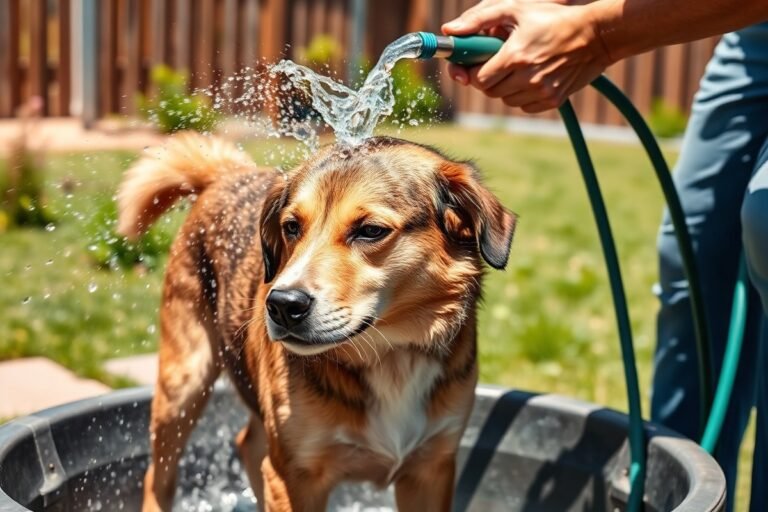
How to Keep a Dog’s Beard Clean: Practical Grooming Tips
Keeping a dog's beard clean involves regular wiping, trimming, and washing to remove dirt, food particles, and moisture that can accumulate. Using damp cloths for daily wiping and periodic gentle shampooing can maintain cleanliness and prevent odor or bacterial buildup in your dog's facial hair.
A dog's beard naturally traps saliva and debris during eating and drinking, especially in breeds with long or curly facial hair. Dirty beards can lead to discomfort, skin irritation, or unpleasant smells, so routine maintenance is key to your dog’s hygiene and well-being.
This article covers simple daily cleaning practices, grooming tools and techniques, choice of cleansers, and tips specific to different dog breeds. By following these steps, owners can keep their dog’s beard healthy and odor-free.
Daily Cleaning for a Dog's Beard
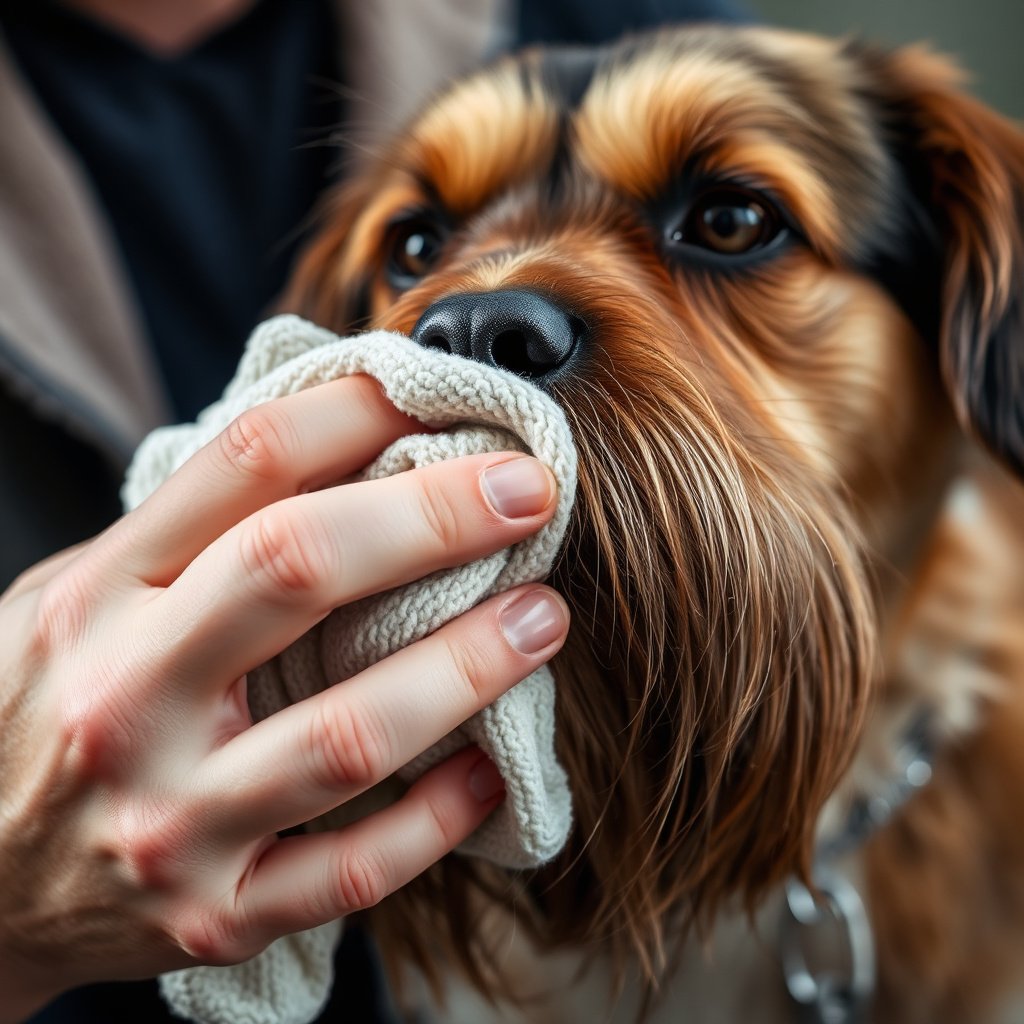
Using Damp Cloths for Immediate Cleaning
After meals or outdoor walks, wiping your dog's beard with a damp cloth removes food remnants and dirt. This immediate cleaning reduces the risk of bacterial growth and staining.
Microfiber cloths or soft cotton towels dampened with warm water work best. Avoid harsh soaps for daily use, which might irritate sensitive skin.
- Use lukewarm water
- Gently wipe in the direction of hair growth
- Dry beard afterward with a clean towel
Spot Cleaning with Dog-Safe Wipes
Dog-safe grooming wipes offer a convenient alternative when water isn’t available. Choose wipes that are alcohol-free and hypoallergenic to avoid skin irritation.
They can help manage mild dirt and odors between deeper washes but should not replace comprehensive grooming routines.
- Check ingredient list for skin-safe components
- Use wipes designed specifically for dogs
- Avoid wiping too vigorously to prevent discomfort
Bathing and Shampooing Your Dog's Beard
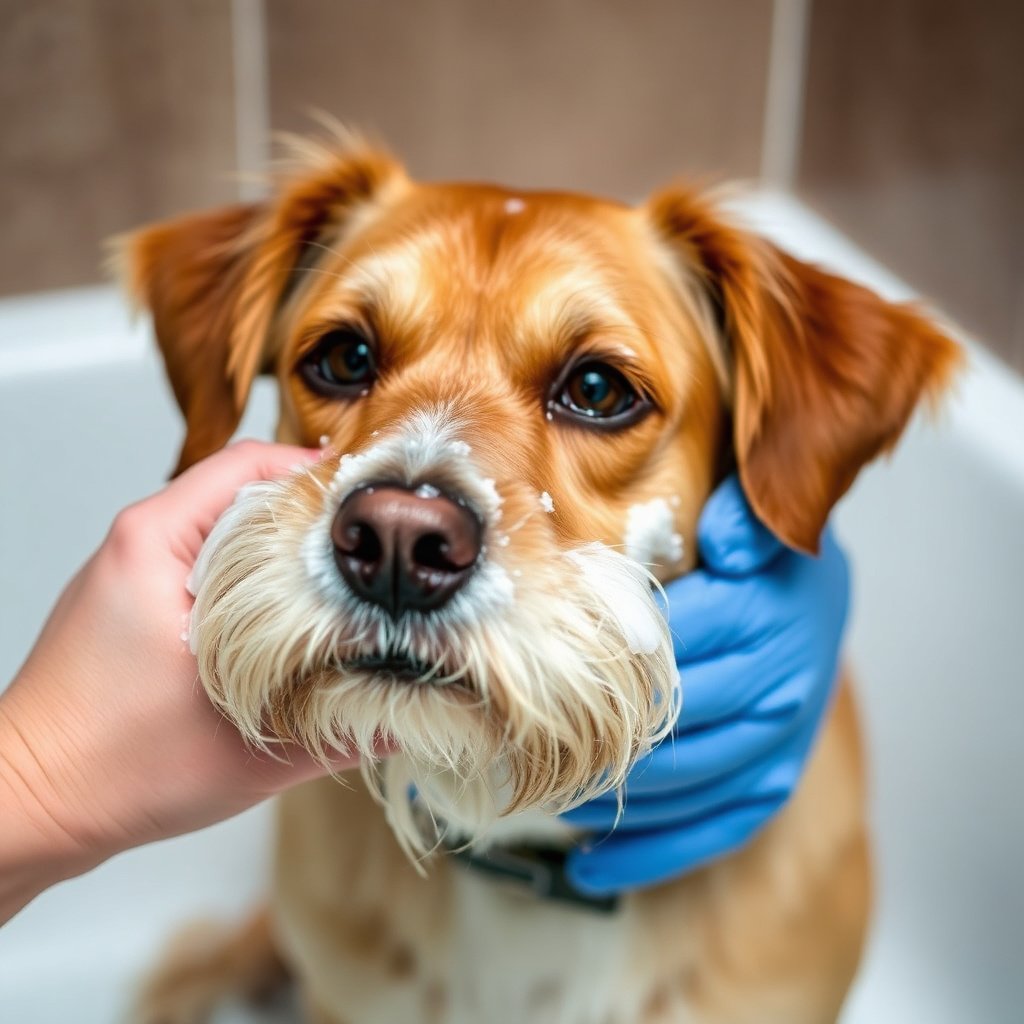
Selecting a Suitable Dog Shampoo
Opt for gentle shampoos formulated for dogs, avoiding human products that can disrupt canine pH balance. Shampoos with natural ingredients like oatmeal or aloe often soothe skin while cleansing effectively.
For dogs with sensitive skin or allergies, hypoallergenic shampoos reduce the risk of irritation and maintain coat health.
- Read labels carefully
- Avoid products with harsh chemicals or fragrances
- Consult a vet for skin conditions
For more on this, see our related guide: Are Baths Good for Shedding? What Actually Works to Reduce Fur Loss.
Proper Bathing Technique for Facial Care
During baths, focus on the beard by applying shampoo gently and thoroughly rinsing to avoid residue that can cause itchiness. Shield your dog’s eyes and ears to prevent water irritation.
Post-bathing, thoroughly drying the beard is essential to prevent moisture-related issues like bacterial or fungal growth.
- Use a cup or handheld sprayer for controlled rinsing
- Pat dry rather than rubbing
- Comb the beard after drying to prevent matting
Trimming and Maintaining Beard Hair
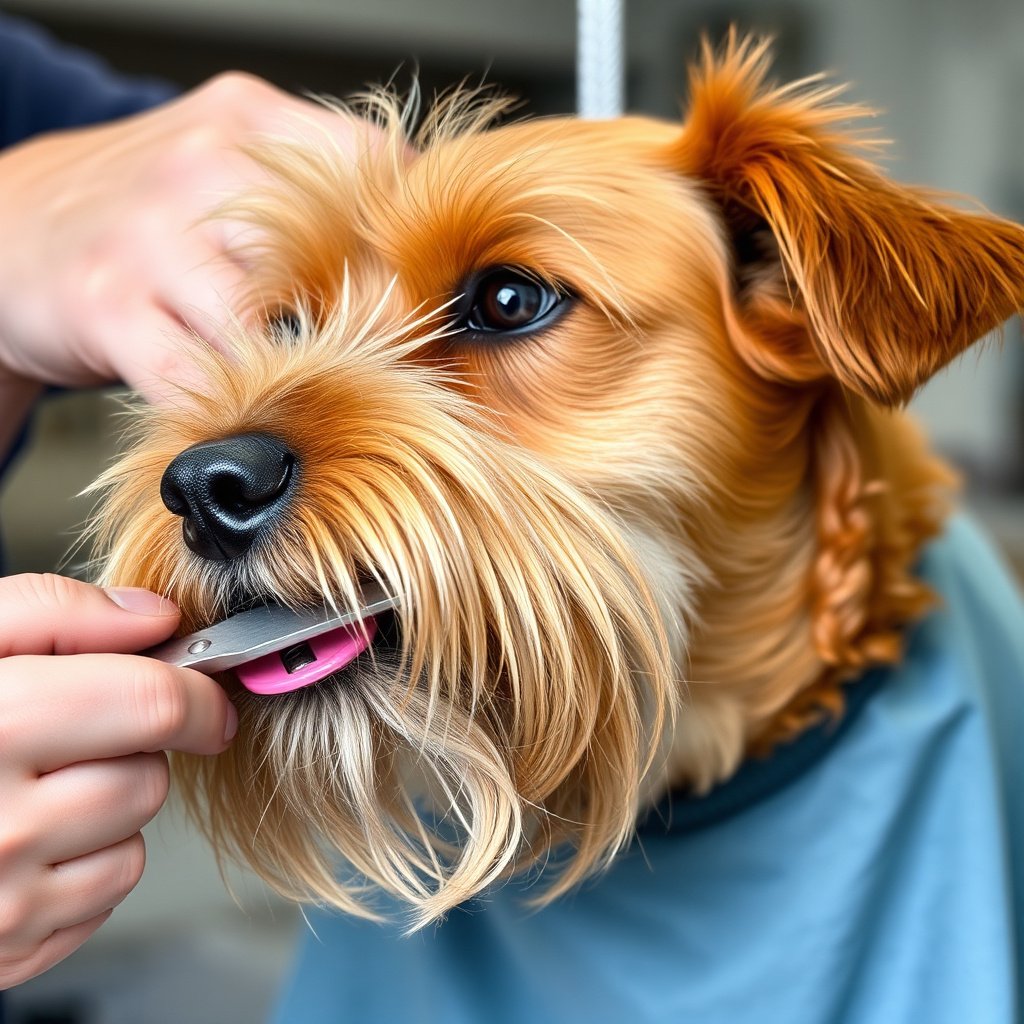
Trimming to Prevent Excess Debris Build-Up
Regular trimming shortens the beard hair, reducing places for food or dirt to get trapped. Groomers or trained owners can safely trim around the mouth and chin with scissors or clippers.
Be mindful to trim conservatively to maintain your dog's natural look while enhancing cleanliness.
- Trim every 4-6 weeks
- Use blunt-tipped scissors for safety
- Avoid trimming too close to the skin
Brushing to Detangle and Keep the Beard Tidy
Brushing the beard daily with a soft-bristle brush or comb prevents tangles, making it easier to spot dirt and clean effectively. It also distributes natural oils to keep the hair healthy.
Focus on gently detangling knots without pulling to reduce discomfort.
- Choose a brush suitable for your dog's hair type
- Brush in the direction of hair growth
- Check for hidden debris in beard hair
Breed-Specific Considerations for Dog Beard Grooming
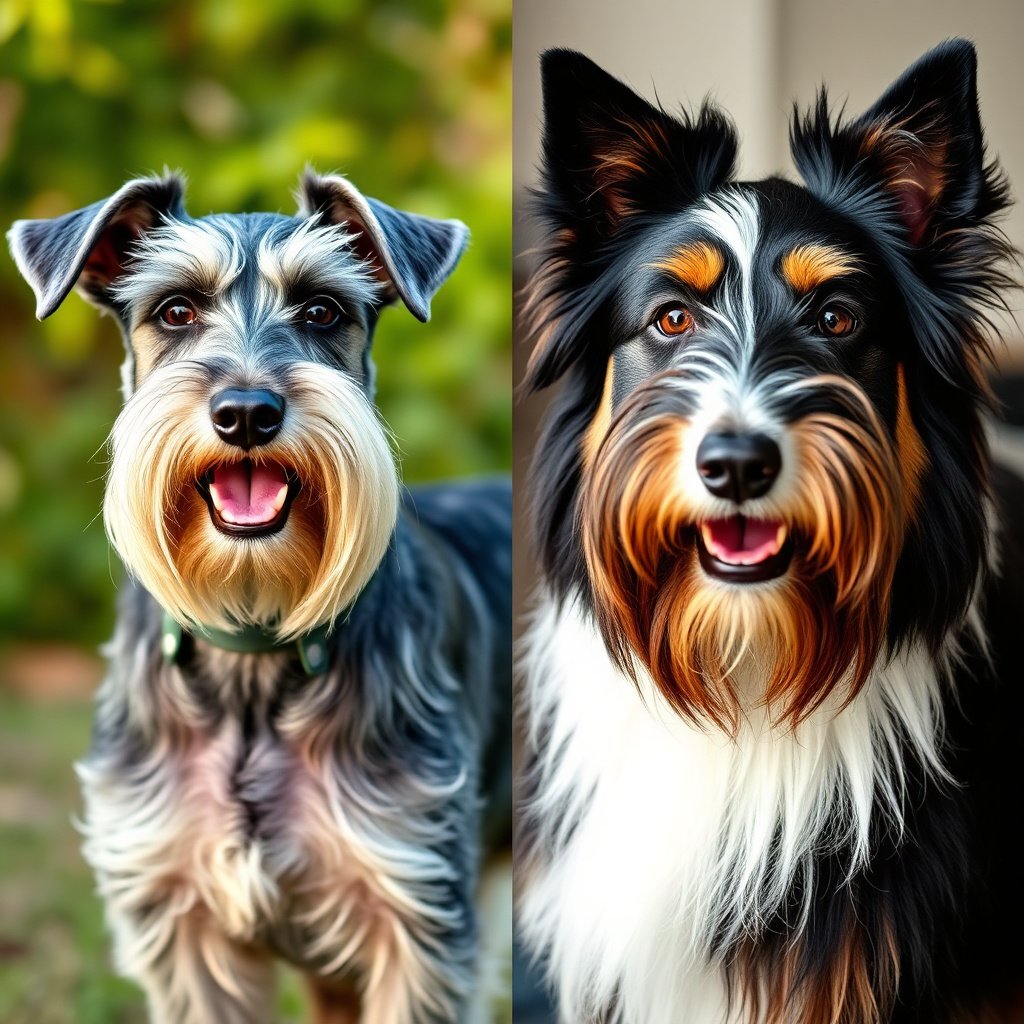
Managing Long-Bearded Breeds
Breeds like the Bearded Collie or Old English Sheepdog have long beards that collect more debris and require frequent cleaning and trimming to maintain hygiene and avoid matting.
Owners should consider more frequent bathing cycles and protective styling options, like light braiding or beard bands for outdoor activities.
- Increase cleaning frequency
- Use moisturizing conditioning sprays
- Regular trimming around the mouth
For more on this, see our related guide: How to Groom a Shih Tzu at Home: A Complete Guide with Tools, Tips & Styles.
Caring for Short-Bearded or Wire-Haired Dogs
Dogs with shorter or coarser beards, such as Schnauzers or Wire Fox Terriers, still need consistent cleaning but may require less intensive bathing routines. Regular brushing prevents hair from becoming wiry and dull.
Professional hand-stripping grooming techniques can maintain the beard's texture and reduce loose hairs.
- Schedule grooming every 6-8 weeks
- Incorporate hand-stripping if appropriate
- Maintain daily brushing habit
Common Beard Issues and How to Manage Them
Dealing with Tear Stains and Discoloration
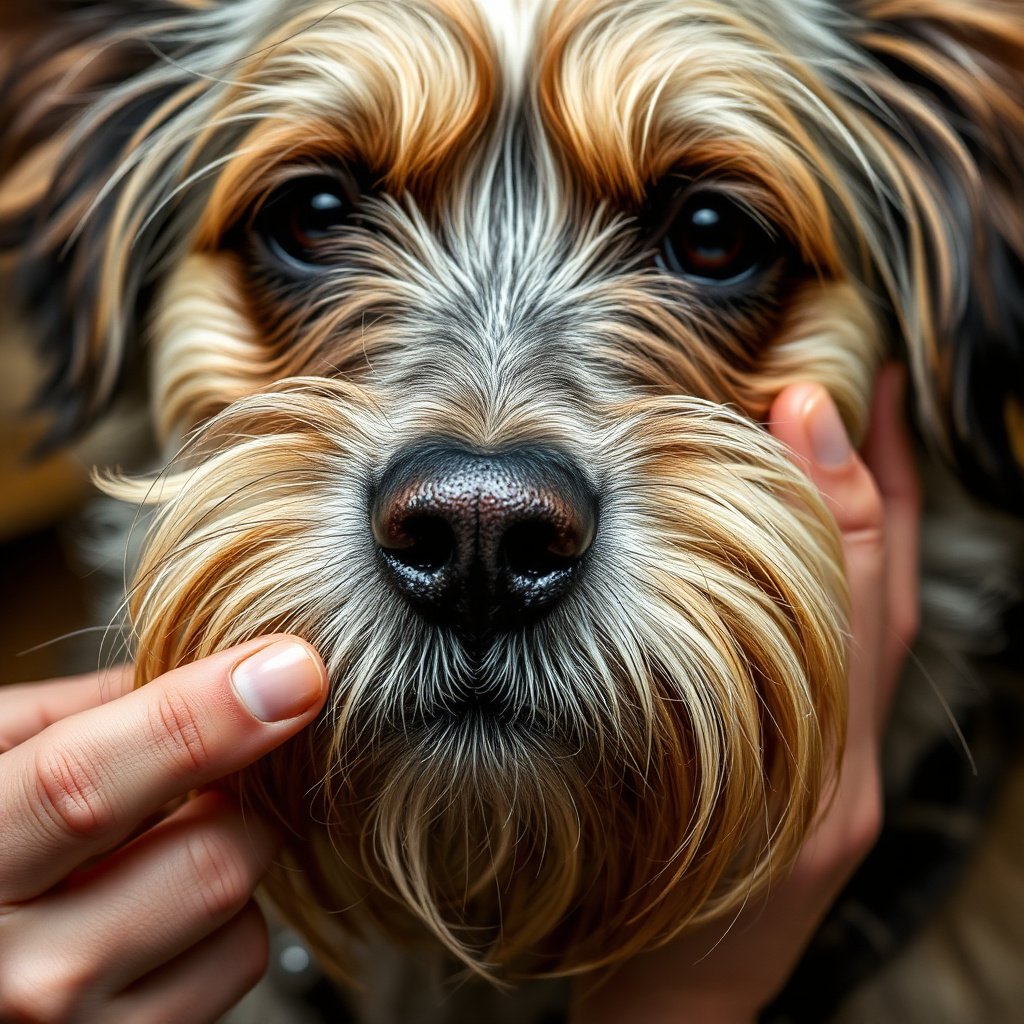
Some dogs develop reddish or brown stains on their beards due to tear drainage or saliva oxidation. Specialized cleaners formulated for tear stains can lighten discoloration when used cautiously.
Maintaining dryness and cleaning stains regularly prevents buildup that can cause skin irritation or odor.
- Clean stains promptly
- Use wipes or solutions made for tear stains
- Consult a vet if stains worsen or skin inflamed
For more detailed information about dog grooming techniques, the Wikipedia page offers comprehensive coverage on the subject. dog grooming techniques.
Recognizing and Addressing Skin Irritations
Skin irritation beneath the beard may manifest as redness, itching, or flaking. This often results from trapped moisture or allergies.
Removing trapped debris and adjusting grooming products, plus a vet visit for persistent issues, helps resolve irritations.
- Keep beard dry and clean
- Avoid scented or harsh grooming products
- Seek veterinary advice when necessary
Comparison of Dog Beard Grooming Tools and Products
Here’s a comparison of common grooming products designed to keep your dog’s beard clean and comfortable.
| Product Type | Best For | Ease of Use | Frequency of Use |
|---|---|---|---|
| Damp Cloth | Daily quick cleaning | Very easy | Daily |
| Dog-Safe Wipes | On-the-go cleaning | Easy | As needed |
| Dog Shampoo | Deep cleaning | Moderate | Every 2-4 weeks |
| Blunt-Tip Scissors | Trimming beard hair | Moderate | Every 4-6 weeks |
| Soft Bristle Brush | Detangling and cleaning | Easy | Daily |
| Tear Stain Cleaner | Removing stains | Moderate | Weekly or as needed |
Frequently Asked Questions
How often should I clean my dog's beard?
Daily wiping with a damp cloth or wipes is ideal for keeping the beard free of food and dirt, with bathing every few weeks depending on your dog's activity level and coat type.
Can I use human products to clean my dog's beard?
No, human shampoos and wipes can upset your dog's skin pH and cause irritation. Always select products specifically formulated for dogs.
What should I do if my dog's beard smells bad?
Regular cleaning, drying, and trimming usually resolves unpleasant odors. Persistent smells may require a vet check for infections or other medical conditions.
Is trimming necessary for all dogs with beards?
Trimming helps manage dirt accumulation and matting in most bearded breeds. However, the frequency and need vary depending on beard length and hair texture.
How can I prevent tear stains on my dog's beard?
Regularly cleaning the beard and eyes with gentle wipes and keeping the area dry can reduce tear staining. Special stain removers help lighten existing discoloration.
Key Takeaways
- Clean your dog’s beard daily with a damp cloth or dog-safe wipes.
- Use dog-specific shampoos and gentle techniques during bathing.
- Trim and brush the beard regularly to reduce debris and matting.
- Address tear stains and skin irritations promptly to maintain beard health.
Conclusion
Choosing how to keep a dog's beard clean depends on a balance of daily maintenance and periodic grooming. Simple routines like wiping after meals prevent buildup, while routine baths and trims support skin health and comfort. Recognizing your dog's unique coat type and specific needs makes managing beard hygiene more straightforward and effective.
For breeds with long or thick beards such as the Bearded Collie, investing more time in thorough cleaning, moisturizing, and protective hairstyles can improve overall beard condition. Shorter bearded breeds, like Schnauzers, benefit from regular trimming combined with brushing and occasional shampoos to maintain the beard’s neat appearance and avoid wiriness.
Start with daily gentle wiping and gradually integrate shampooing and trimming into your routine based on your dog’s lifestyle and breed. If persistent stain or skin issues arise, consult a professional groomer or veterinarian for tailored advice. Clean beards not only look better but contribute significantly to your dog’s health and happiness.