How to Choose the Best Dog Coat Conditioner Spray for a Shiny, Healthy Coat
The best dog coat conditioner spray is one that nourishes your pet’s fur, detangles knots, and adds moisture without leaving residue or causing irritation. Spray formulas infused with natural oils and vitamins often provide these benefits, making grooming easier and improving your dog's coat health. Among popular options, sprays with ingredients like coconut oil, aloe vera, and vitamin E tend to work well across most breeds.
Maintaining your dog’s coat is more than cosmetic—it supports skin health and comfort. A quality conditioner spray helps reduce static, decreases shedding, and can soothe skin irritations. For active dogs or those with longer fur, this can make a big difference in everyday grooming and your pet's well-being.
This article breaks down what to look for in the best dog coat conditioner spray, comparing types, ingredients, and usage tips. You’ll also find detailed sections on the benefits, safety considerations, and how to select a spray suited to your dog’s specific coat type and lifestyle.
Understanding Dog Coat Conditioner Sprays
What Is a Dog Coat Conditioner Spray?
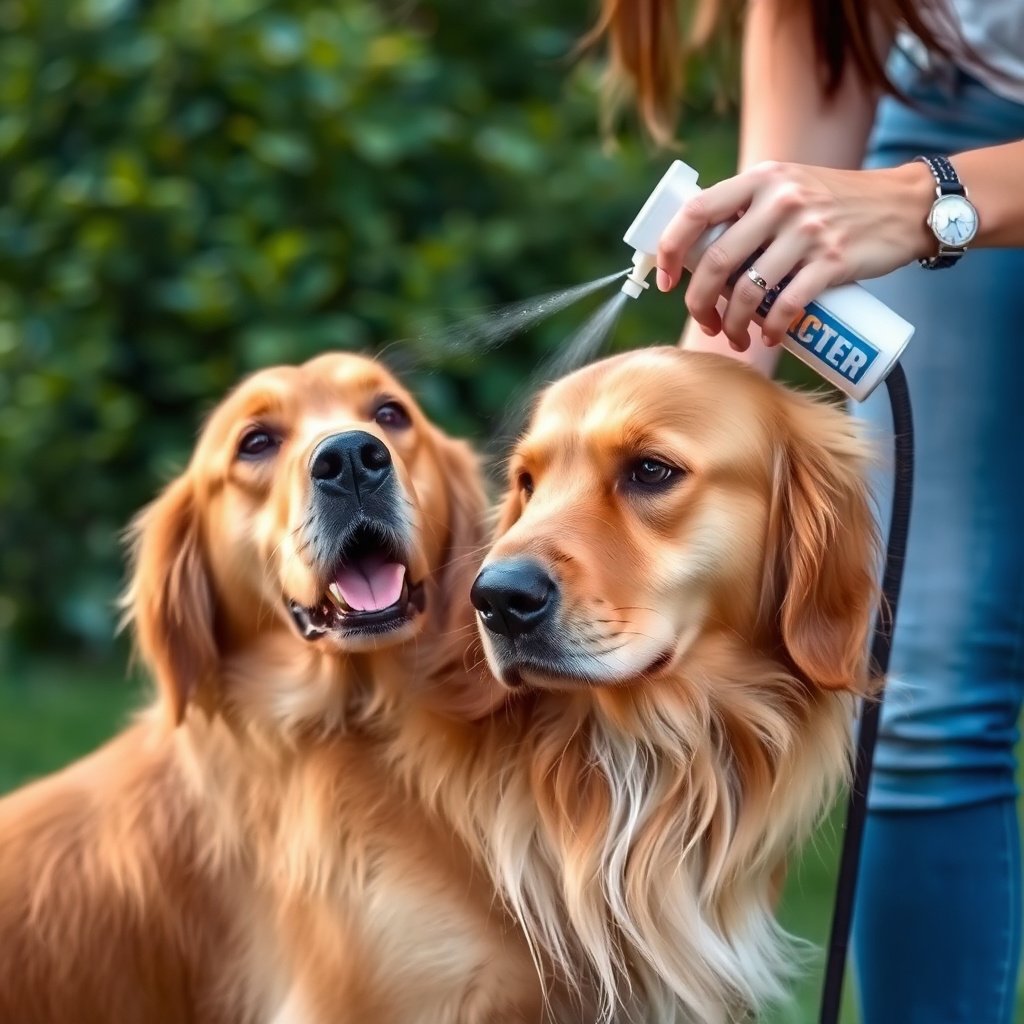
A dog coat conditioner spray is a leave-in product designed to moisturize and detangle a dog's fur after bathing or between washes. Unlike traditional conditioners, sprays are lightweight and quick to apply, making regular grooming simpler and less time-consuming.
They typically contain emollients, vitamins, and natural oils that enhance the coat’s texture and shine without weighing it down. Many formulas also have anti-static properties to reduce flyaways and help manage shedding.
Differences Between Sprays and Creams
Compared to cream conditioners, sprays offer easier application and faster absorption, which is ideal for busy pet owners or dogs that resist lengthy grooming sessions. Sprays can also be used on dry coats, making touch-ups convenient.
Cream conditioners often provide more intense moisture and are suited for dogs with very dry or severely matted fur, while sprays are better for regular maintenance and light conditioning.
- Sprays are lightweight, fast to apply
- Creams provide deeper conditioning
- Sprays used on dry or wet coats
- Creams mainly applied post-bath
Key Ingredients to Look For in Dog Coat Conditioner Sprays
Natural Oils and Vitamins
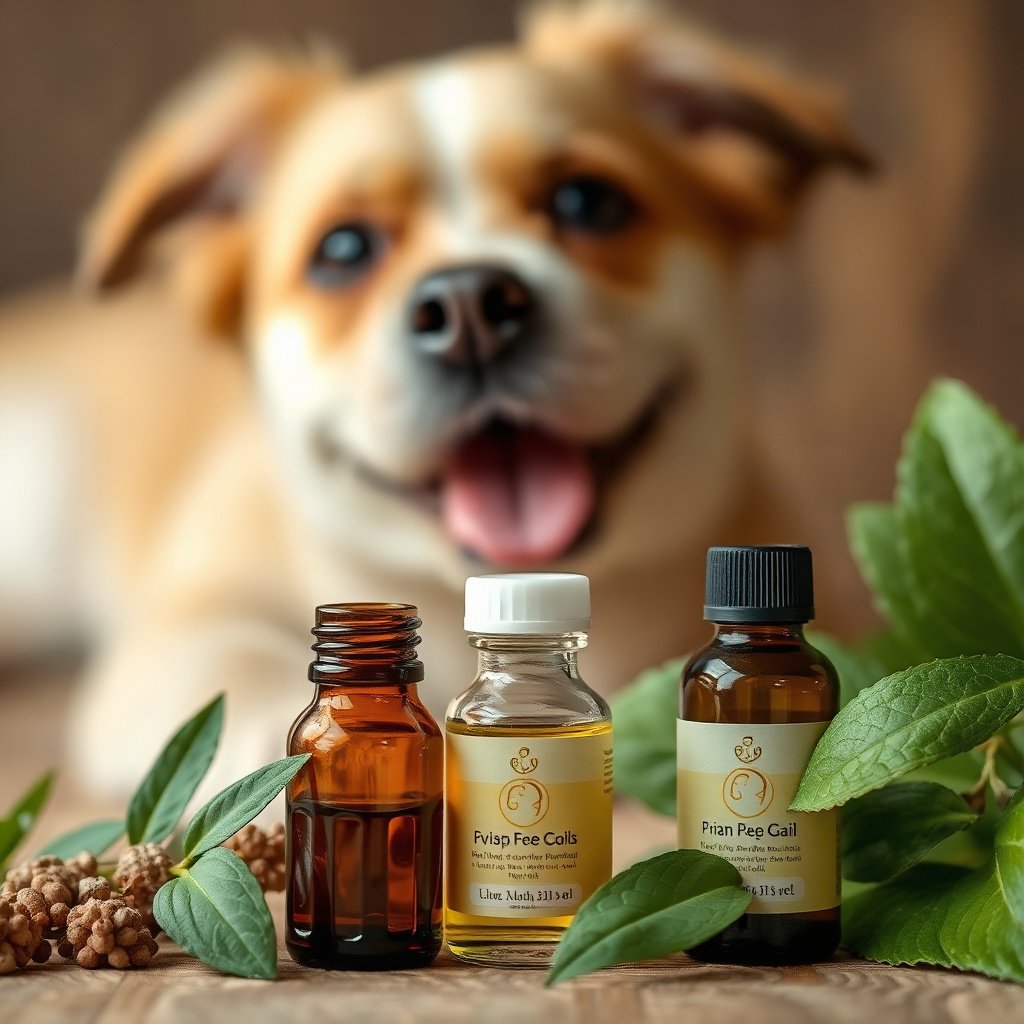
Look for conditioner sprays containing natural oils like coconut oil, jojoba oil, or argan oil, as these help lock in moisture and add shine. Vitamins E and B5 support coat health and promote skin repair.
These ingredients create a protective barrier against environmental damage while keeping fur soft, manageable, and less prone to breakage.
- Coconut oil for moisture
- Vitamin E for skin health
- Jojoba oil for shine and softness
- Aloe vera to soothe irritation
Avoid Harmful Additives
Steer clear of conditioner sprays with harsh chemicals such as parabens, sulfates, and artificial fragrances. These substances can cause skin irritation and strip natural oils from your dog’s coat.
Hypoallergenic and pH-balanced formulas are preferable, especially for dogs with sensitive skin or allergies.
- No parabens or sulfates
- Free of artificial fragrances
- Hypoallergenic formulas
- pH-balanced for dogs
Benefits of Using the Best Dog Coat Conditioner Spray

Improves Coat Texture and Shine
Regular use of coat conditioner spray enhances fur softness and adds a natural gloss, making grooming easier and coats look healthier. It helps maintain the natural oils that protect fur.
Dogs with coarse or curly fur particularly benefit, as the spray helps smooth and maintain curls without leaving buildup.
For more on this, see our related guide: How Many Baths Does a Dog Need? A Complete Guide to Bathing Frequency.
Reduces Shedding and Matting
Many sprays help reduce shedding by strengthening hair follicles and preventing breakage. They also condition fur to prevent tangles and mats, which are common in breeds with long or dense hair.
This not only improves appearance but reduces discomfort and grooming time for both you and your dog.
How to Choose the Best Dog Coat Conditioner Spray

Consider Your Dog’s Coat Type
Select a conditioner spray formulated for your dog’s specific coat type, whether short, long, curly, or double-coated. Lightweight sprays are ideal for short-haired breeds, while richer formulas suit thick or curly coats.
Reading product labels and reviews helps find sprays tailored for breed-specific needs, ensuring effectiveness and comfort.
Check for Skin Sensitivities
If your dog has sensitive skin or allergies, opt for fragrance-free and hypoallergenic sprays to minimize the risk of irritation. Patch testing new products on a small skin area before full application can prevent adverse reactions.
Consult your veterinarian if you’re uncertain about ingredients or your dog’s skin condition.
Best Practices for Using Dog Coat Conditioner Sprays
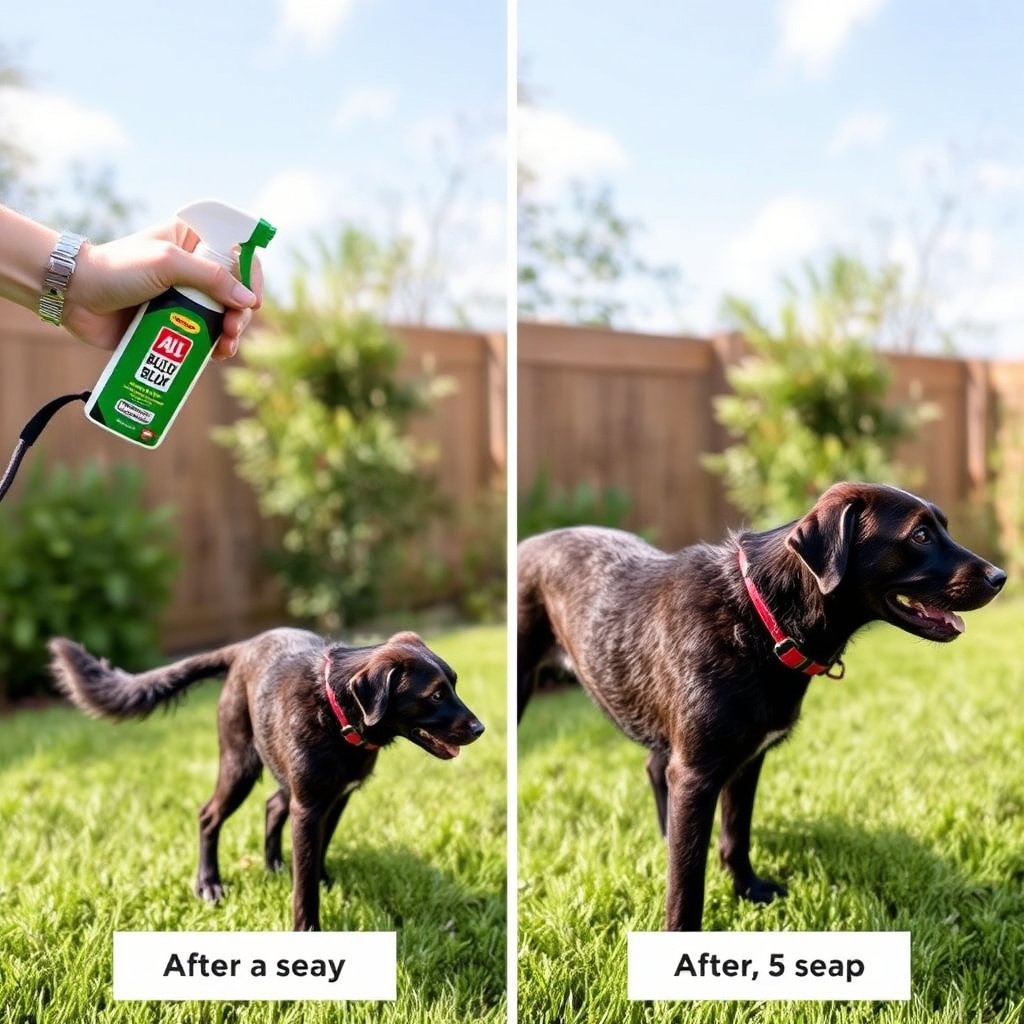
Application Timing and Technique
The ideal time to apply the conditioner spray is right after bathing, when the coat is damp but not soaking wet. Hold the bottle 6-8 inches from the fur and spray evenly to avoid over-saturation.
Comb through the coat with a brush or fingers after spraying to evenly distribute the product and detangle fur.
- Spray on damp coat post-bath
- Avoid spraying near eyes and mouth
- Use a comb to spread conditioner evenly
- Do not overuse to prevent residue
For more on this, see our related guide: Why Does My Dogs Coat Feel Rough? 8 Proven Causes and Fixes.
Frequency of Use
Depending on your dog’s coat condition and lifestyle, spraying once or twice a week is generally sufficient. Overusing conditioners can weigh down the coat or cause buildup, especially in shorter coats.
Regular grooming combined with occasional conditioning supports healthy fur without excess product.
- Use 1-2 times weekly
- Adjust based on coat dryness
- Reduce use in humid climates
Common Misconceptions About Dog Coat Conditioner Sprays

Sprays Don’t Replace Baths
Some assume coat conditioner sprays alone can replace regular baths, but they are meant to complement washing by providing moisture and manageability between baths.
Bathing remains essential for hygiene and to remove dirt and oils that sprays cannot address.
For more details about maintaining healthy fur and the fundamentals of canine grooming, see this overview of canine grooming practices. Canine grooming practices.
Not All Sprays Work the Same
Using any spray can seem helpful, but only quality formulas with appropriate ingredients deliver noticeable benefits. Inexpensive or generic sprays may leave residue or cause irritation instead of improving coat health.
Choosing the best dog coat conditioner spray requires attention to ingredients and product reputation.
Dog Coat Conditioner Spray Category Comparison
This table compares different types of dog coat conditioner sprays based on key features and suitability for various coat types.
| Type | Ideal Coat Type | Key Ingredients | Application | Price Range |
|---|---|---|---|---|
| Natural Oil Sprays | All coats, especially dry | Coconut oil, jojoba oil, vitamin E | Spray post-bath or dry coat | $15-$25 |
| Hypoallergenic Sprays | Sensitive skin and allergies | Aloe vera, chamomile, no fragrance | Spray on damp or dry fur | $18-$30 |
| Detangling Sprays | Long or curly coats prone to mats | Silicone-free detanglers, glycerin | Apply before brushing | $12-$22 |
| Leave-in Moisturizers | Coats needing extra hydration | Shea butter, vitamin B5, oils | Spray after bath or before outings | $20-$35 |
| Medicated Sprays | Dogs with skin conditions | Oatmeal, sulfur, antifungal agents | Use as directed by vet | $25-$40 |
Frequently Asked Questions
Can I use human conditioner sprays on my dog’s coat?
Human conditioner sprays are not formulated for a dog’s pH and can cause skin irritation or allergic reactions. Use products specifically designed for dogs to keep their coat healthy and safe.
How often should I spray conditioner on my dog’s coat?
Typically, applying conditioner spray once or twice a week after a bath works well. Overuse might weigh down the fur or cause buildup, so adjust based on your dog’s coat condition.
Is it okay to spray conditioner on a dry coat?
Many dog coat conditioner sprays are designed for use on both damp and dry fur. Spraying on a dry coat can help refresh and detangle between baths but check product instructions for best results.
Will conditioner sprays reduce my dog’s shedding?
Conditioner sprays can help reduce shedding by strengthening hair strands and minimizing breakage, but they do not stop shedding entirely. Regular grooming and a healthy diet are important for managing shedding.
Are natural ingredients better in dog conditioner sprays?
Natural ingredients like coconut oil, aloe vera, and vitamins often provide gentle moisture and nourishment without harsh chemicals. They are generally better for sensitive skin and produce fewer adverse reactions.
Key Takeaways
- Choose conditioner sprays with natural oils and vitamins for soft, shiny coats.
- Hypoallergenic and pH-balanced formulations reduce risk of irritation.
- Select sprays based on your dog’s coat type and skin sensitivity.
- Apply sprays after bathing and limit usage to prevent buildup.
Conclusion
Selecting the best dog coat conditioner spray involves understanding your dog’s specific coat characteristics and skin needs. By focusing on ingredient quality and compatibility with your pet’s coat type, you can support healthier, easier-to-maintain fur. Sprays offer convenience and cosmetic benefits, but must be chosen thoughtfully to avoid adverse effects.
For dogs with dry or coarse coats, natural oil-based sprays rich in coconut or jojoba oils provide effective hydration and shine. Sensitive dogs benefit most from hypoallergenic, fragrance-free options that soothe irritation. Long-haired and curly-coated breeds gain added value from detangling spray formulas that reduce matting and brushing struggles without heavy residue.
Consider starting with a small bottle of a tested, reputable dog grooming spray that matches your dog's coat type. Use it regularly after baths and watch for improvements in coat texture and manageability. Consulting your veterinarian when your dog has skin issues can guide product choices. Adding the right conditioner spray to your grooming routine enhances your dog’s comfort and appearance with minimal effort.