Why Does My Dog Cry After Grooming? Understanding Your Pet’s Behavior
If your dog cries after grooming, it’s usually a reaction to discomfort, fear, or stress experienced during or immediately after the session. Dogs may also cry due to sensitive spots being triggered, feeling vulnerable, or a simple need for attention and reassurance. Recognizing this behavior right away helps address your dog’s wellbeing promptly.
Grooming involves baths, brushing, nail trimming, and sometimes clipping fur—activities that can stress some dogs depending on their personality and past experiences. Crying is a natural way for your pet to communicate that something was unpleasant or overwhelming. Understanding these signals improves your bond and makes future grooming easier for both of you.
This article explores the common reasons why dogs cry after grooming sessions, including physical discomfort and psychological factors. You will also find tips on how to prevent or reduce crying by adapting grooming techniques, improving comfort, and recognizing when a vet’s checkup is needed.
Physical Causes of Crying After Grooming
Skin Sensitivity and Irritation
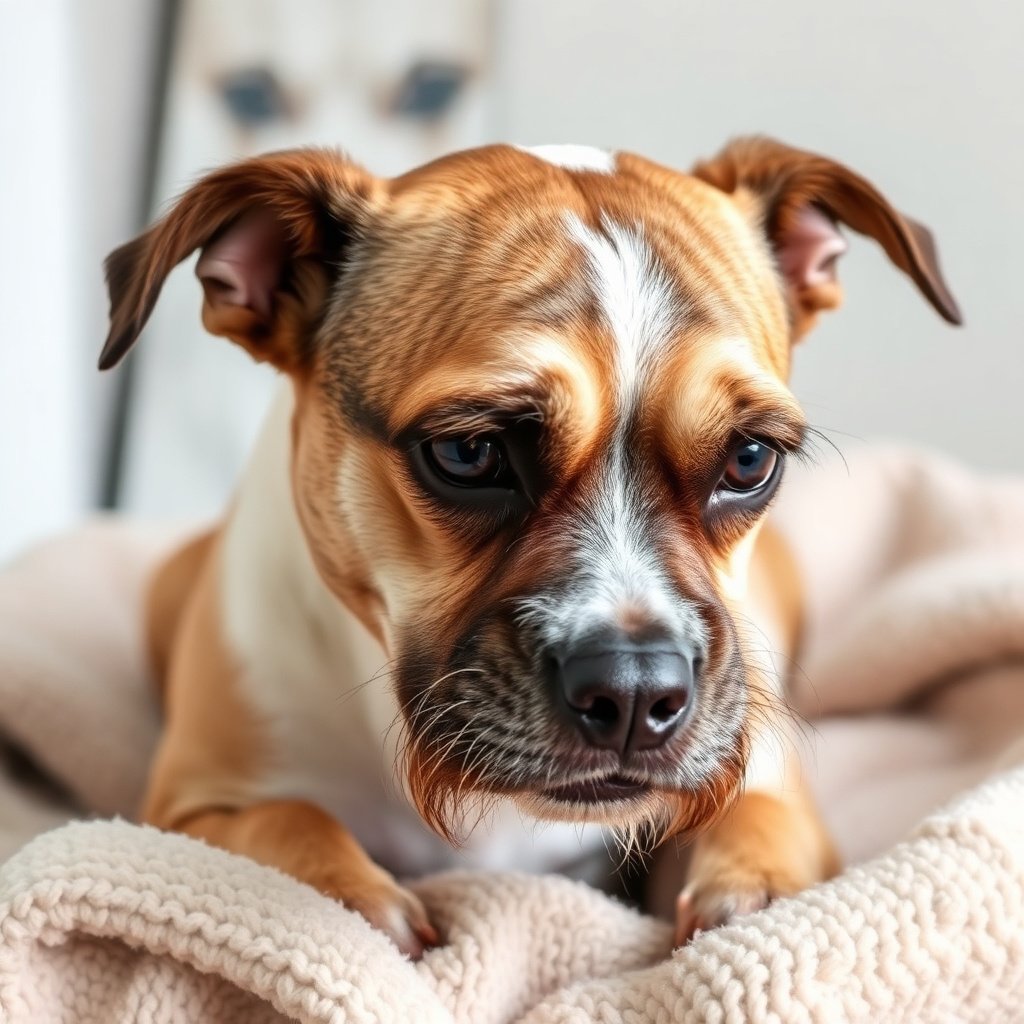
Grooming can expose or aggravate sensitive skin areas, leading to itching or pain. Shampoos, conditioners, or grooming sprays sometimes cause allergic reactions or dryness, making your dog whimper or cry after the session.
Cuts or nicks from clippers or nail trimmers are common causes of immediate discomfort. Even minor injuries can cause lingering pain that results in crying as a way for your dog to signal distress.
- Check for red or inflamed areas after grooming
- Avoid harsh or scented grooming products
- Trim nails carefully to prevent bleeding
Muscle Soreness and Joint Pain
Positions during grooming or repetitive movements might cause muscle soreness, especially in older dogs or those with joint problems like arthritis. Crying can indicate physical discomfort triggered by these factors.
Handling large or anxious dogs roughly can also inadvertently cause aches. Watching your dog’s body language closely during grooming helps detect discomfort early.
- Support limbs gently to reduce strain
- Use cushioned grooming tables or mats
- Consult your vet for pain relief if needed
Emotional and Psychological Reasons for Crying
Stress and Anxiety During Grooming
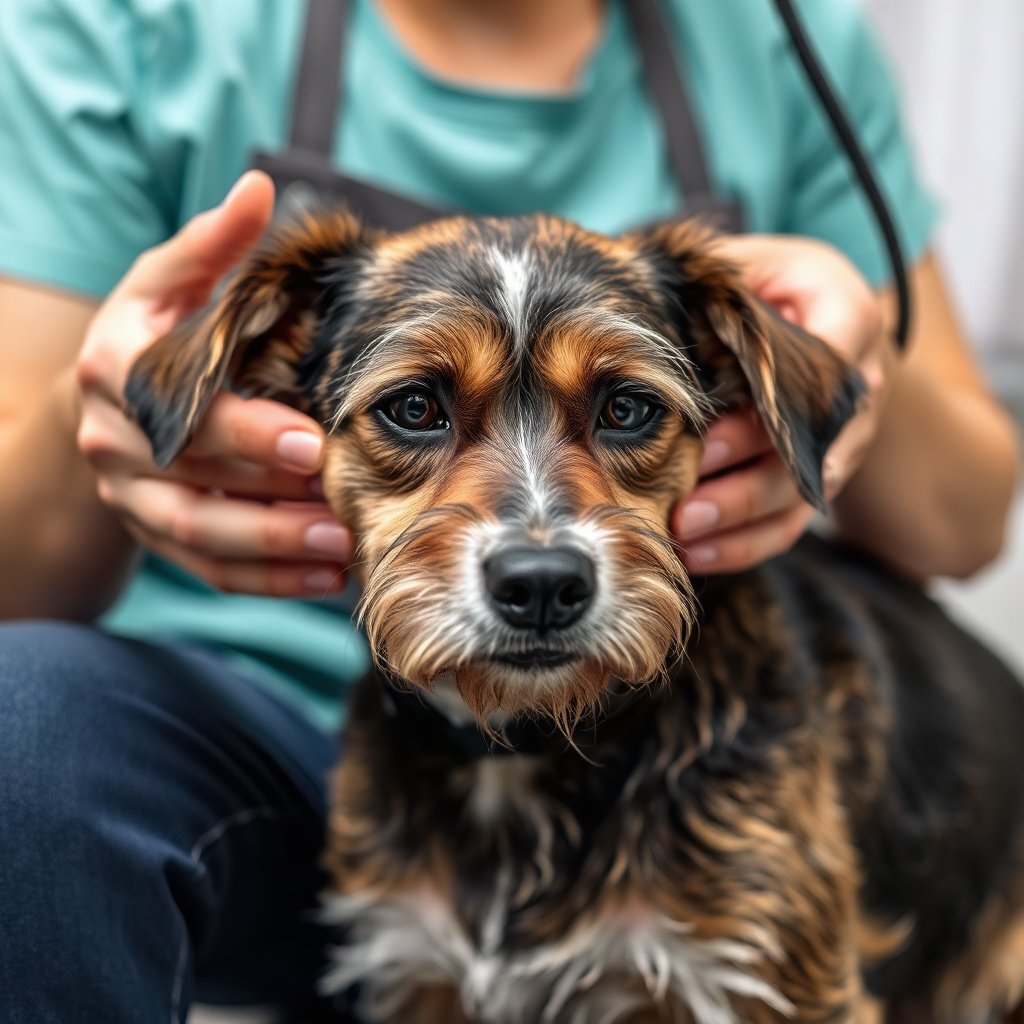
Some dogs experience stress due to unfamiliar sensations, noises, or confinement associated with grooming tools and environments. Crying can be an expression of anxiety or fear.
Sensitivity to touch and restrained postures common in grooming can feel threatening, especially in dogs with grooming phobia or a history of trauma.
- Introduce grooming slowly to reduce stress
- Use calming techniques like gentle massage
- Ensure quiet and comfortable surroundings
Seeking Attention or Comfort
After grooming, some dogs cry simply to get reassurance or affection from their owners. They might feel vulnerable or unsettled and look to familiar people to feel safe.
Crying might also be a learned response if the dog discovers such behavior results in extra attention or treats after grooming.
- Offer calm petting or verbal praise
- Avoid rewarding excessive crying to prevent reinforcement
- Observe if the crying subsides with attention
How Grooming Techniques Affect Dog Comfort
Choosing Proper Tools and Products
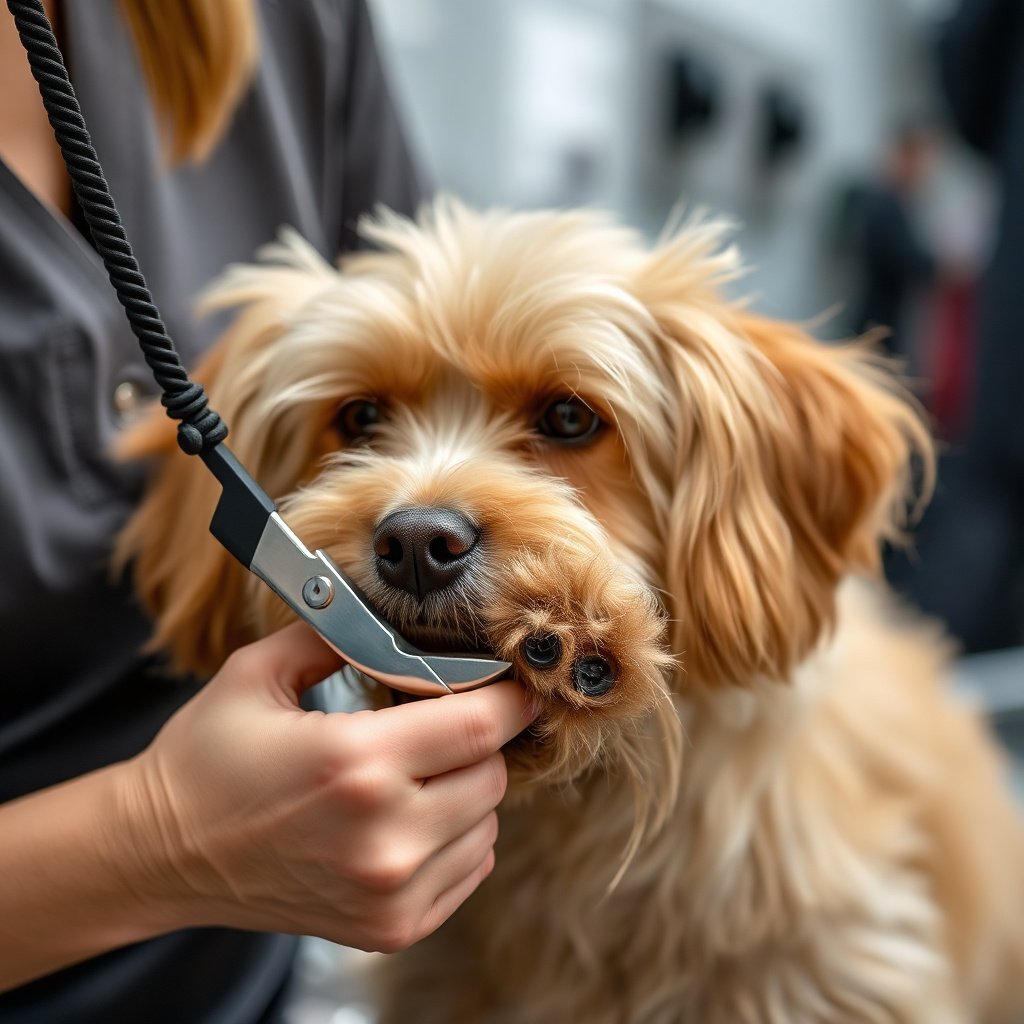
Using inappropriate tools like dull blades or rough brushes can irritate your dog and trigger crying. Gentle grooming products designed for sensitive skin reduce chances of reactions.
Avoiding strong fragrances and selecting hypoallergenic shampoos further minimizes skin irritation post-grooming.
- Use sharp, well-maintained grooming tools
- Select pet-specific, mild cleansing products
For more on this, see our related guide: How to Remove Paint from a Dog’s Fur – 9 Safe Methods That Work.
Pacing and Duration of Grooming Sessions
Long grooming sessions can exhaust dogs, causing stress and discomfort that leads to crying. Breaking grooming into shorter, more frequent sessions helps build tolerance and comfort.
Allowing breaks and avoiding rushing the process also helps prevent negative associations with grooming.
- Schedule shorter appointments if needed
- Watch for signs of fatigue or distress
When to Consult the Veterinarian
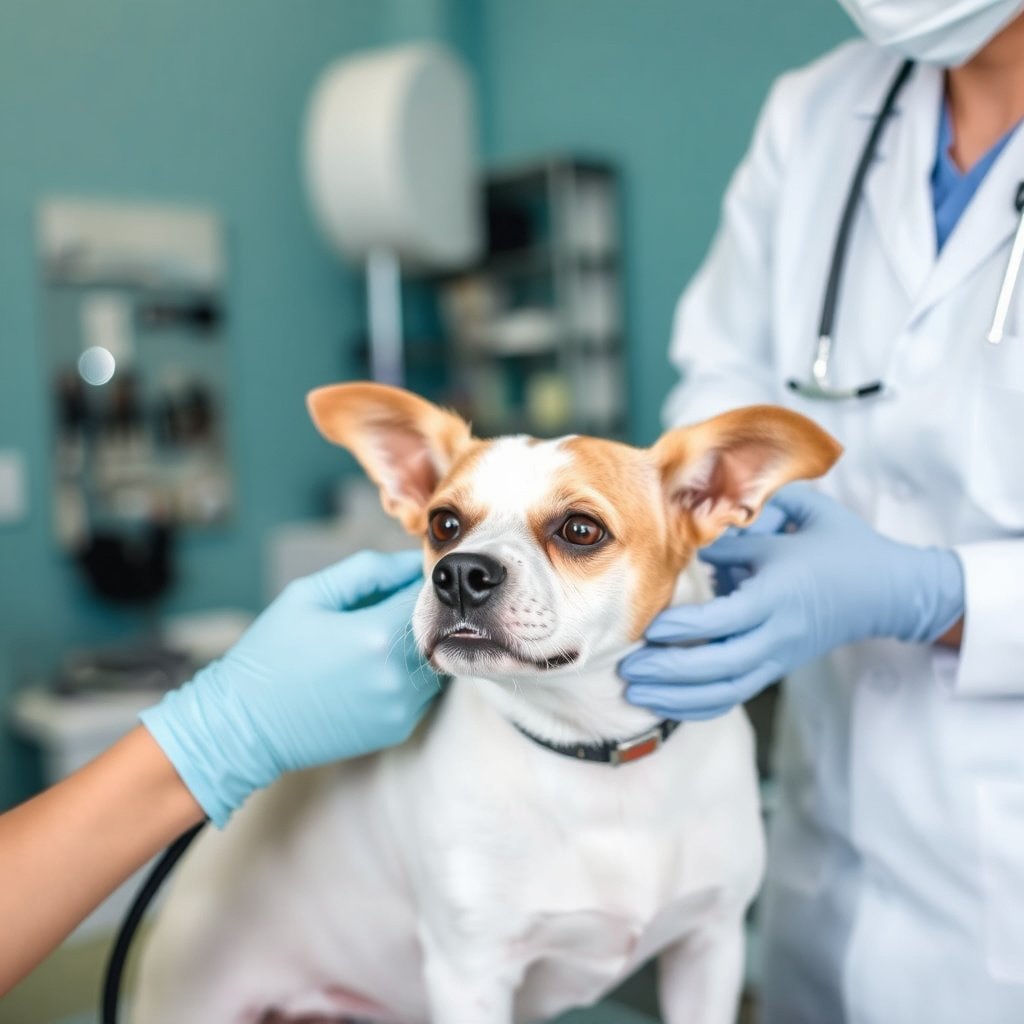
Identifying Medical Issues From Grooming
Persistent crying after grooming might indicate underlying medical concerns, such as skin infections, arthritis flare-ups, or injuries that went unnoticed during grooming. Veterinary evaluation is necessary to rule out these conditions.
Delaying treatment can worsen discomfort or lead to behavioral changes, making grooming even more distressing for your dog.
- Look for swelling, limping, or unusual behavior post-grooming
- Seek prompt veterinary advice for ongoing distress
Preventing Grooming-Related Medical Problems
Regular grooming helps maintain skin and coat health, but improper care can cause issues requiring medical intervention. Preventive measures like checking your dog's skin condition regularly reduce the risk of crying due to untreated irritation or infections.
Veterinarians can also recommend safe grooming products tailored to your dog's needs.
- Schedule routine health checks alongside grooming
- Ask vets for product recommendations
Ways to Calm and Comfort Your Dog After Grooming
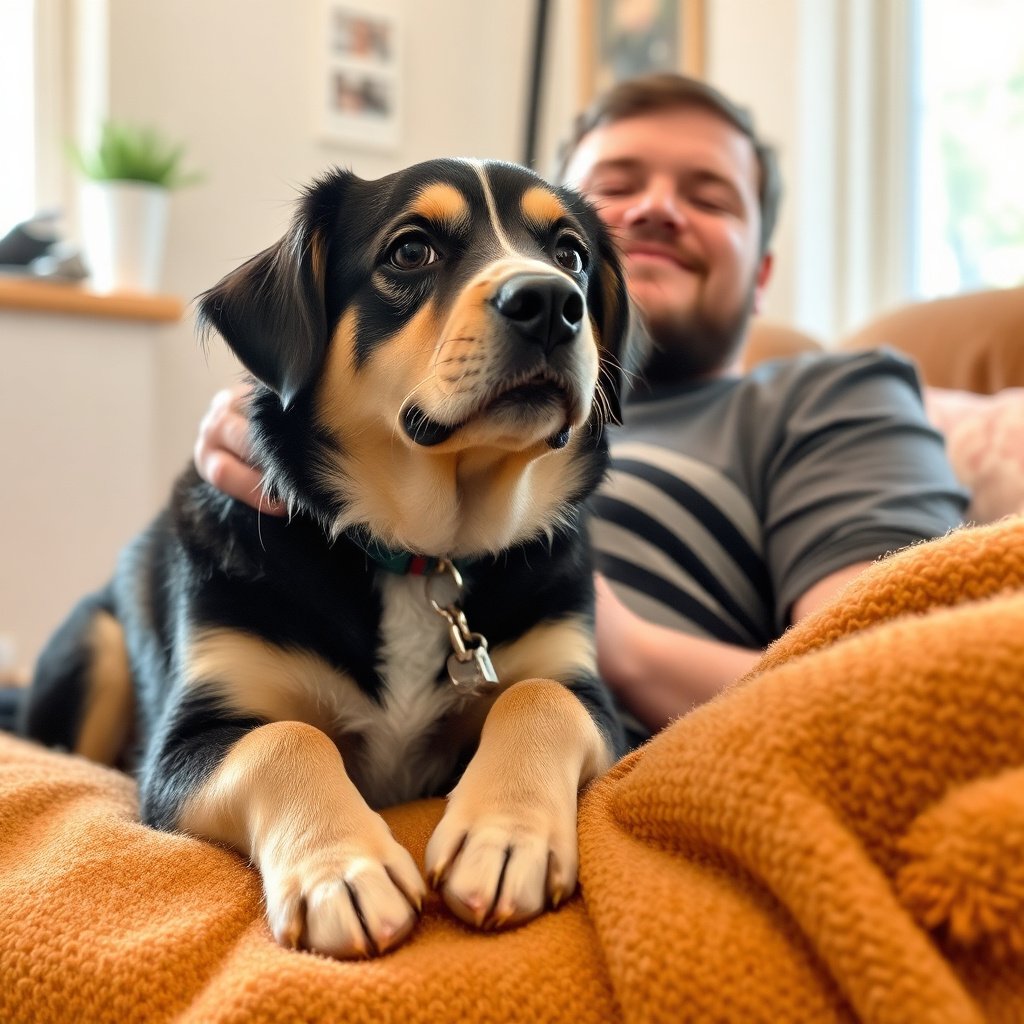
Creating a Soothing Environment Post-Grooming
After grooming, offering a quiet, comfortable space helps your dog decompress. Soft blankets, familiar toys, and low lighting reduce overstimulation and encourage relaxation.
Speaking softly and gentle petting reassures your dog that they are safe and cared for, which helps reduce crying driven by anxiety.
- Prepare a calm resting spot
- Minimize loud noises or activity nearby
For more on this, see our related guide: What Is the Best Dog Clipper for Thick Hair? Power, Blades & Quiet Options Explained.
Using Positive Reinforcement After Grooming
Rewarding calm behavior after grooming with treats, praise, or playtime builds a positive association with the process. Over time, this approach reduces stress-induced crying and encourages cooperation.
Avoid immediately comforting excessive crying, so your dog learns that calmness brings rewards, not distress.
- Give treats only when the dog is calm
- Praise softly and consistently post-grooming
Understanding Behavioral Patterns Around Grooming
Recognizing Signs of Grooming-Related Stress
Besides crying, stress signs can include trembling, pacing, lip licking, and avoidance. Being familiar with these behaviors helps you catch signs early and adjust grooming methods accordingly.
Repeated stress can lead to long-term behavioral issues, making sensitive handling all the more important.
- Observe body language carefully during grooming
- Address signs of distress promptly
For more detailed insights into dog grooming practices and their effects, refer to the comprehensive dog grooming article on Wikipedia. dog grooming.
Building Grooming Tolerance Over Time
Gradually acclimating your dog to grooming through desensitization and counter-conditioning reduces anxiety and crying over time. Introducing grooming tools and handling in a calm, incremental manner fosters trust.
Consistency and patience during training sessions can transform grooming from a distressing event into a manageable routine.
- Start with short, gentle grooming sessions
- Reward positive responses to handling
Types of Grooming Sessions Compared
Here's a comparison of common grooming session types to help understand their potential impact on your dog’s comfort and crying behavior.
| Grooming Type | Session Length | Potential Stress Level | Recommended For |
|---|---|---|---|
| Full-Service Grooming | 1.5-3 hours | Moderate to High | Dogs used to grooming, requires extensive care |
| Basic Bath and Brush | 30-45 minutes | Low to Moderate | Dogs with minimal matting, sensitive skin |
| Nail Trimming Only | 10-20 minutes | Low | Sensitive or nervous dogs |
| Clipping/Trimming Only | 45-90 minutes | Moderate | Dogs needing haircut without full bath |
| At-Home Grooming | Varies | Varies | Dogs comfortable with owner handling |
Frequently Asked Questions
Is it normal for dogs to cry after a grooming session?
Yes, occasional crying after grooming can be a sign of minor discomfort, stress, or a request for attention. Persistent or intense crying should be evaluated for possible injury or medical issues.
How can I make grooming less stressful for my dog?
Use gentle handling, shorten grooming sessions, introduce tools gradually, and reward calm behavior to reduce dog grooming stress and improve your pet’s comfort.
Could my dog be in pain after a grooming session?
Possible pain sources include nicks, skin irritation, or joint strain. Monitor your dog closely; if crying continues or worsens, consult a veterinarian promptly.
When should I see a vet about my dog crying post-grooming?
If crying continues beyond 24-48 hours, is intense, or accompanied by limping, swelling, or behavioral changes, schedule a vet visit to rule out injury or illness.
Are some dog breeds more prone to stress from grooming?
Yes, certain breeds with sensitive skin, coat types requiring frequent grooming, or anxious temperaments may experience more dog grooming stress and need extra care.
Key Takeaways
- Dogs cry after grooming primarily due to discomfort, stress, or seeking reassurance.
- Physical causes include skin irritation, muscle soreness, and minor injuries.
- Emotional factors like anxiety or fear can also trigger crying behaviors.
- Gentle, patient grooming and calming environments help reduce post-grooming crying.
Conclusion
Understanding why your dog cries after grooming involves paying attention to both physical and emotional signals. Discomfort from skin sensitivity, muscle pain, or minor injuries is common, but don’t overlook the psychological side—many dogs experience anxiety or fear during grooming that manifests as crying. Observing your pet’s reactions carefully can guide you in making grooming sessions less stressful and more comfortable, improving your dog's overall wellbeing and your relationship.
When planning grooming, consider which approach suits your dog best; full-service grooming might suit accustomed dogs, while shorter sessions like basic bath and brushing or nail trims are less stressful for sensitive pets. Using gentle tools and calming techniques addresses dog grooming stress effectively. If your dog’s crying persists or suggests pain, visiting a veterinarian is essential to rule out medical issues such as infections or arthritis.
Next time your dog cries after grooming, respond with calm reassurance and check for signs of irritation or injury. Adjusting how and when you groom, alongside positive reinforcement, fosters a more relaxed experience. By tuning into your dog’s needs and signaling, you’ll help transform grooming from distressing to manageable, supporting a happier, healthier companion.