

How to Bathe a Dog with Dry Skin: 8 Essential Steps for Healthy Relief
To bathe a dog with dry skin safely, use lukewarm water and a gentle, moisturizing shampoo designed for sensitive coats. Avoid hot water and harsh soaps, and allow the shampoo to sit on the skin for 5 to 10 minutes before rinsing to soothe and hydrate your dog’s skin effectively. Dry skin needs careful handling during bath time to prevent irritation and discomfort.
This advice suits dog owners managing their pet’s dry or sensitive skin, aiming for relief and healthier coats. You’ll find straightforward steps on bathing your dog safely and techniques to support skin healing throughout this process.
Key Takeaways
- Use lukewarm water between 70 and 95 degrees Fahrenheit to avoid skin irritation during baths.
- Select a shampoo formulated specifically for dogs with dry, sensitive skin to maintain moisture balance.
- Allow shampoo to remain on your dog’s skin for at least 5 to 10 minutes for maximum benefit.
- Bath frequency varies by coat type: short-haired dogs may need bathing every 6 to 8 weeks.
- Dogs with curly coats should be bathed every 3 to 4 weeks to prevent debris buildup and matting.
- Increase bath frequency during skin flare-ups, possibly every 2 to 3 days under veterinary guidance.
1. How to Bathe Your Dog Safely When They Have Dry Skin

Bathing a dog with dry skin requires gentle care to avoid worsening irritation and dryness. Use lukewarm water to soothe the skin, and a shampoo designed specifically for dogs with dry, sensitive skin. Harsh shampoos, hot water, or too-frequent bathing can strip natural oils, causing more flakiness and itching. Applying shampoo properly and allowing it to sit on the skin for about 5 to 10 minutes helps maximize its effectiveness in moisturizing and cleansing without causing harm.
- Brush your dog’s coat gently. Use a soft dog brush or comb to remove loose fur and tangles. This prevents matting and allows the shampoo to reach the skin more easily.
- Prepare lukewarm water. Avoid hot water, which can further dry out the skin. Lukewarm water improve comfort and helps keep the skin’s natural oils intact.
- Wet your dog thoroughly. Use a spray attachment or cup to moisten the coat completely. Ensuring the skin is fully wet allows the shampoo to spread evenly.
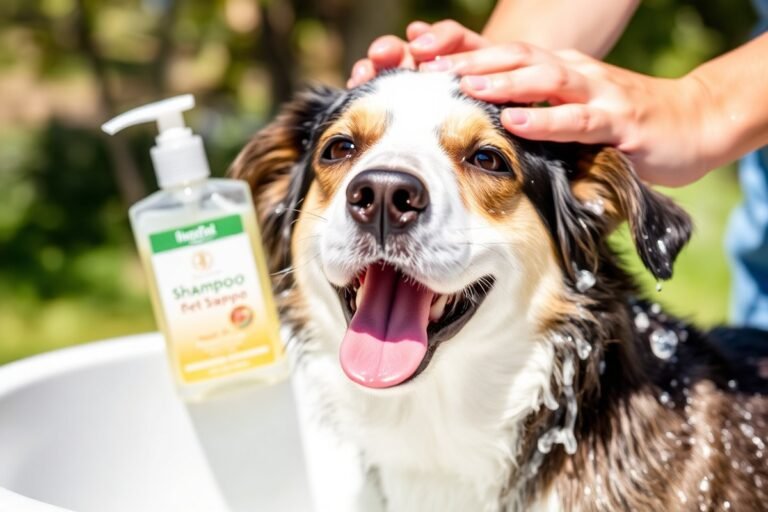
- Apply a dog shampoo formulated for dry skin. Lather the shampoo gently, working from head to tail but avoiding the eyes and ears. Massage it into the coat down to the skin to clean without scrubbing harshly.
- Let the shampoo sit for 5 to 10 minutes. This contact time helps the shampoo provide hydration and soothes irritation. Be patient but avoid leaving it on much longer, which may irritate sensitive skin.
- Rinse thoroughly with lukewarm water. Use plenty of water to remove all shampoo residue. Leftover shampoo can cause itching or irritate the skin after the bath.
- Dry gently without hot blow dryers. Use a towel to pat your dog dry and keep them warm. Hot air dryers can remove moisture and worsen dry skin.
- Brush the coat again once dry. This prevents matting and lets you check the skin for redness or irritation that may need attention.
2. Choosing the Right Shampoo for Dogs with Dry Skin
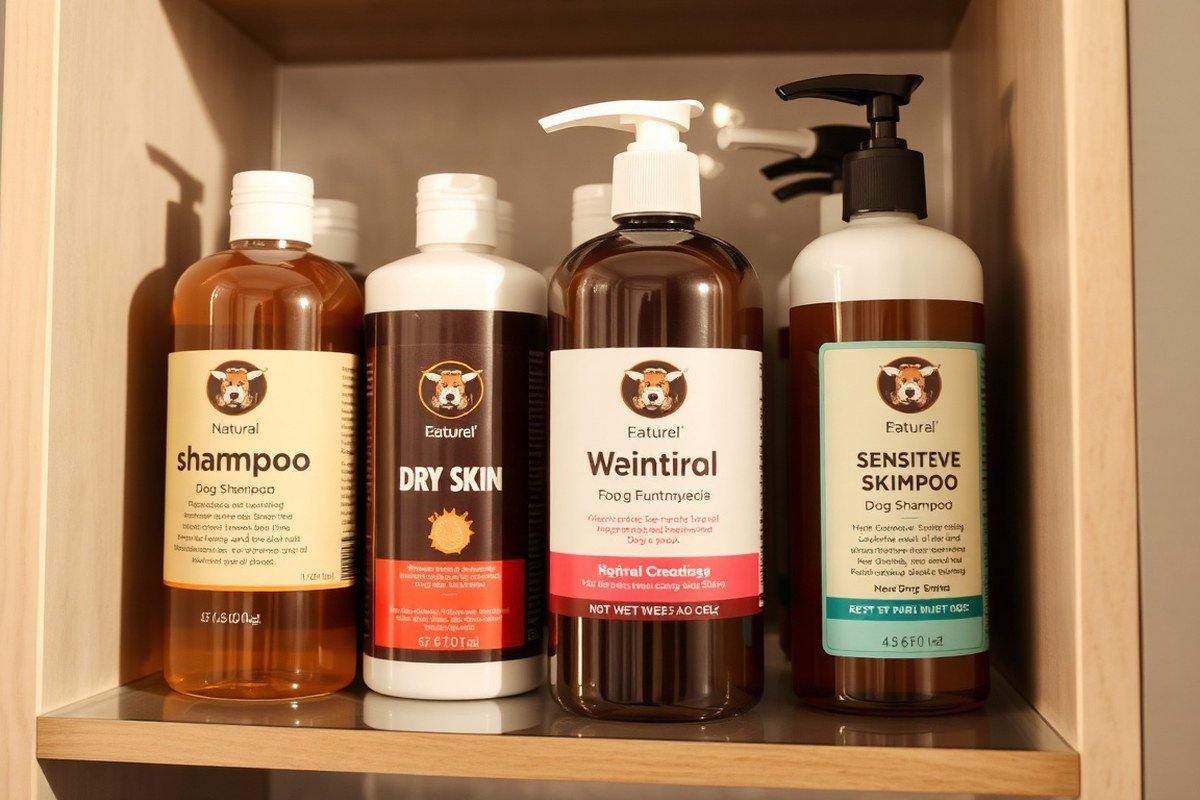
Choosing the proper shampoo plays a important role in relieving your dog’s dry skin. Select products made for dogs with sensitive or dry skin that contain moisturizing agents like glycerin and oils such as coconut, almond, or olive oil. These components help replenish moisture and calm irritated skin. Avoid shampoos meant for people, as their fragrances and strong detergents can dry out and irritate your pet’s skin more.
Medicated shampoos serve a different purpose than natural, moisturizing ones. They contain active ingredients to fight infections and inflammation and must be used carefully. Typically, medicate shampoos require a contact time of 5 to 10 minutes on your dog’s skin to allow these actives to work properly. Quick rinsing won’t deliver the intended benefits and may leave your dog itchy or untreated. Use medicated shampoos when recommended by a veterinarian, especially for recurring skin conditions or infections. Natural shampoos are safer for routine use and prevent stripping natural oils.
| Shampoo Type | Key Ingredients | Contact Time | Ideal Use | Effect on Dry Skin |
|---|---|---|---|---|
| Natural/Moisturizing | Glycerin, Coconut Oil, Almond Oil, Olive Oil | Can be rinsed immediately | Regular baths, preventive care | Restores moisture, soothes irritation |
| Medicated | Antimicrobial or anti-inflammatory actives | 5 to 10 minutes minimum | Specific infections or inflammatory conditions | Reduces infection, inflammation |
| Human Shampoos | Fragrances, detergents not pet safe | Not recommended | Should be avoided | Can irritate and worsen dry skin |
Most medicated shampoos require that you let the product sit on your dog’s skin for at least 5 to 10 minutes. This ensures the active ingredients penetrate effectively and address the problem. Your dog may keep scratching after using a medicated shampoo because the rinse was rushed or the shampoo’s active ingredient doesn’t address the specific infection or allergy affecting your dog. Too frequent medicated baths without vet advice can sometimes aggravate symptoms.
Do not use human shampoo on dogs with dry skin; it can cause more irritation and won’t address the underlying issue.
3. Bathing Frequency: How Often Should a Dog with Dry Skin Be Washed?
Bathing a dog with dry skin requires a balanced frequency that supports skin health without stripping natural oils. Most dogs benefit from baths every four to eight weeks, but dogs with dry or sensitive skin often need a customized schedule. Coat type, skin sensitivity, and the severity of dryness strongly influence how often you should wash your dog.
Dogs with thicker or double coats, like Golden Retrievers or Huskies, tend to retain natural oils better and usually need fewer baths, closer to the eight-week mark. Short-haired breeds with sensitive skin may need slightly more frequent baths, around every four to six weeks, to remove irritants and allergens without causing excessive dryness. For dogs with very dry skin, too frequent washing can strip essential oils, leading to increased irritation and flaky patches. Bathing less than every four weeks might allow dirt and allergens buildup, worsening skin conditions.
Adjusting the bathing frequency during flare-ups of dry, itchy skin is key. Reducing the bath frequency and using specially formulated moisturizing shampoos helps preserve the skin barrier when your dog is experiencing a flare-up. Consult your vet for tailored guidance but consider spacing baths to six or even eight weeks, or only bathe when clearly necessary to soothe symptoms. Use lukewarm water, between 70 and 95 degrees Fahrenheit, to avoid additional irritation during baths.
Watching your dog’s post-bath skin condition is a practical way to decide if your schedule is working. Increased scratching, redness, or flaky patches soon after a bath may mean you are bathing too often or using unsuitable products. Conversely, excessively rare baths can let dirt and allergens build up, which also damages the skin and causes discomfort.
A helpful decision rule is to observe your dog’s coat and skin weekly: if you see persistent dryness or irritation, reduce bath frequency and switch to a moisturizing shampoo designed for sensitive skin. The coat becoming greasy, dirty, or odorous indicates it’s time for a bath. This ongoing adjustment prevents over-bathing or under-bathing while balancing skin health. Always factor in changes in season and environment, dry winter air or pollen-heavy springtime may require minor frequency changes.
The optimal bathing frequency takes patience. It might involve some trial and error over several weeks to find what calms your dog’s skin. Avoid sudden or frequent changes and keep baths gentle and brief to minimize stress. In all cases, check with your veterinarian before establishing or changing your dog’s bathing routine, especially if dry skin symptoms persist or worsen despite adjustments.
4. Preparing Your Dog for a Bath When They Have Dry Skin
Brushing your dog before a bath helps remove loose hair, dirt, and tangles that can trap moisture and cause irritation. It redistributes natural oils that soothe dry skin and keeps your dog’s coat cleaner during washing. Preparing the coat properly makes the bath gentler and more effective, reducing the risk of discomfort or matting when wet.
Choosing the Right Brush for Dry Skin
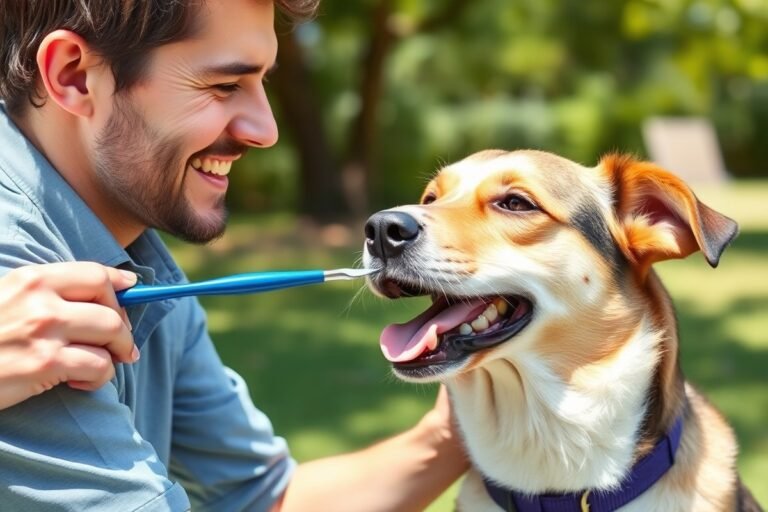
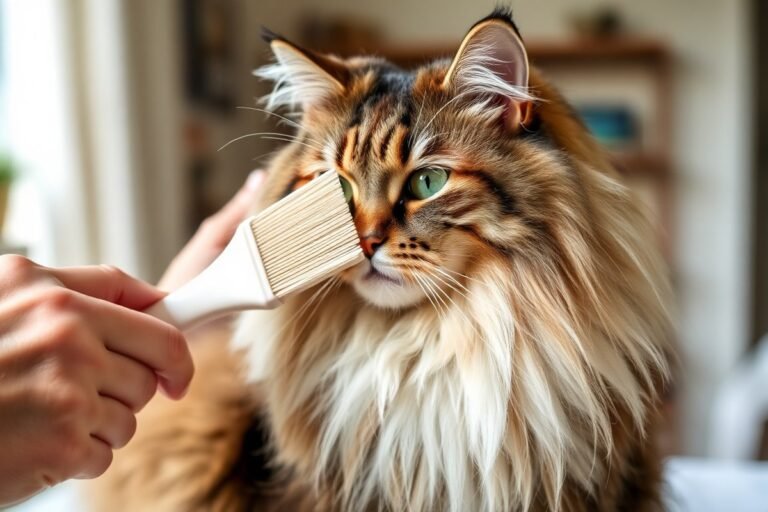
Select a brush designed to be gentle on sensitive or dry skin. A slicker brush with fine, short wires works well for most coat types but use it lightly to avoid scratching. For dogs with longer or wavier coats, a wide-toothed comb can help detangle without pulling hard on the fur.
Dog brushes with soft bristles or rubber grooming mitts also provide a soothing massage and help loosen dead skin cells. Avoid harsh metal or stiff brushes that can irritate dry patches. The right brush encourages effective oil distribution to promote healthier skin.
Steps to Gently Detangle and Remove Loose Hair
Start by brushing your dog’s coat thoroughly but gently. Work in sections, touching root to tip, to catch loose hairs and debris. Small matted areas should be dealt with carefully using a dematting comb or scissors if needed, but avoid cutting too close to the skin.
Use short strokes and hold the fur near your dog’s skin to reduce tugging. When you encounter a tough mat, apply a detangling spray made for dogs or a small amount of olive oil to help loosen the tangle before brushing.
- Brush daily or at least every few days to prevent mats
- Start with a wide-toothed comb for tangles, then use a slicker brush
- Use gentle, slow strokes to avoid skin irritation
- Apply detangler or oil to tough mats before brushing
- Trim tight mats carefully if brushing won’t loosen them
- Remove loose hair to keep bath water cleaner
- Stop brushing if your dog shows signs of pain or discomfort
Proper detangling reduces discomfort in the bath and prevents water from being trapped under mats, which can worsen dry skin or lead to infections.
Calming and Reassuring Your Dog Pre-Bath
Bath time can stress dogs with sensitive skin. Use calm, soothing tones and gentle petting to create a relaxed environment. Let your dog smell the brush and bath supplies beforehand to reduce anxiety.
Offer treats and praise during grooming to build positive associations. Keep sessions short and break brushing into manageable steps with breaks if needed. Ensuring your dog feels safe helps minimize scratching or fidgeting that could aggravate sensitive skin.
Checking Skin Condition Before Bathing
Before wetting your dog, inspect the skin closely for redness, sores, dry patches, or excessive scratching. Look between folds, behind ears, and along the belly where irritation often appears. Notice broken skin, persistent itching, hair loss in patches, or a foul odor? Skip the bath and contact your veterinarian.
Early detection of these signs helps prevent worsening skin conditions. Keeping a regular grooming routine helps you notice changes early. This check also informs how gently you should proceed with brushing and bathing.
5. Moisturizing and Aftercare to Soothe Your Dog’s Dry Skin Post-Bath
Applying moisturizers or oils after your dog’s bath helps soothe dry skin and maintain a healthy skin barrier. Use safe, natural options like coconut oil or vitamin E and apply them gently to avoid irritation. Keep your dog’s skin hydrated between baths with proper care and hydration practices.
Using Natural Oils and Balms Safely
Coconut oil, vitamin E oil, and olive oil are safe moisturizers for dogs with dry skin. Coconut oil contains fatty acids that not only moisturize topically but also offer benefits if ingested when your dog licks the applied areas. Olive oil, while best added to meals in small amounts, can also be applied sparingly on the skin. Avoid human lotions, as many contain fragrances or chemicals harmful to dogs. Instead, opt for products formulated for pets or simple natural ingredients with minimal additives.
Applying a dedicated dog balm or natural oil right after bath time helps replenish skin lipids lost during washing. These natural oils support the skin’s protective barrier, reducing dryness and flaking.
Application Techniques to Avoid Irritation
Warm the oil or balm in your hands before applying. This prevents shock from cold products and helps the oils spread evenly across your dog’s skin. Focus on dry or cracked areas, gently massaging the product in without rubbing too hard, which can irritate sensitive skin. Avoid open wounds or inflamed areas unless recommended by a vet.
Consider applying moisturizers in a calm setting after your dog has dried completely, ideally within 15 to 30 minutes post-bath when the skin is most receptive. Use a clean gauze or your fingertips to avoid transferring dirt or bacteria. Keep applying oils and balms in thin layers rather than one thick application to let the skin absorb the product better and prevent greasy buildup.
- Warm about a teaspoon of oil or balm between your palms.
- Apply directly to dry patches or flaky skin areas with gentle circular motions.
- Massage the oil lightly into the skin until absorbed but avoid vigorous rubbing.
- Use a clean finger or soft cloth to prevent contamination.
- Allow your dog’s coat to air dry completely without rinsing the product off.
- Repeat application 2-3 times per week or as directed by your vet.
- Monitor your dog for any signs of redness, itching, or discomfort after application.
Avoid applying moisturizers to wet skin or immediately before outdoor exposure to prevent irritation or dirt trapping.
When to Avoid Moisturizers
Do not apply oils or lotions if your dog’s skin has open wounds, sores, or active infections unless directed by a veterinarian. Moisturizers can trap bacteria or delay healing in these situations. Also, skip moisturizers if your dog has shown allergies or sensitivities to certain ingredients in the product. Always test a small skin area first, waiting 24 hours for any adverse reaction.
Overusing oils can clog hair follicles and lead to greasy coats or secondary skin issues. Use only the amount necessary to soothe dryness. Avoid moisturizers right before swimming or during very hot weather when oily skin could worsen discomfort or attract dirt.
Daily Skin Hydration Tips
Keep your dog well hydrated by providing fresh, clean water at all times to support skin health from the inside out. Avoid frequent hot baths, which strip natural oils and increase dryness. Use humidifiers in dry indoor environments, especially during winter, to maintain ambient moisture levels that benefit your dog’s skin.
Adding 1 tablespoon of olive oil to your dog’s meal 2 to 3 times a week provides essential fatty acids that can improve skin moisture and coat shine. Avoid giving too much fat in the diet, as it can cause digestive upset. Maintain regular grooming and brushing to distribute natural oils across the coat evenly, helping lock in moisture and reduce dry patches.
6. Effective Home Remedies to Use During Bath Time for Dry Skin
Using home remedies during your dog’s bath can ease dry skin symptoms by calming irritation and providing moisture. Oatmeal baths, diluted apple cider vinegar sprays, and herbal tea soaks each offer soothing benefits that support skin repair while avoiding harsh chemicals. Here are detailed recipes and instructions to help you prepare and use these remedies effectively.
Oatmeal Bath Recipes and Soaking Time
Oatmeal baths are well-known for soothing dry, itchy skin thanks to their anti-inflammatory and moisturizing properties. Ground oatmeal creates a fine powder that disperses in water, forming a protective barrier and easing irritation. A warm soak allows the active compounds to absorb through your dog’s skin. Follow these steps to prepare an oatmeal bath:
- Measure 1 cup of plain, uncooked oatmeal (not instant or flavored).
- Grind the oatmeal into a fine powder using a food processor or blender.
- Fill your tub or basin with warm water at about 85°F (29°C), ensuring it’s comfortable but not hot.
- Stir the powdered oatmeal into the water until it’s evenly suspended and cloudy.
- Place your dog gently into the bath, allowing them to soak for 10 minutes.
- Massage the oatmeal water into their skin, focusing on dry or itchy areas.
- Rinse your dog lightly with plain warm water afterward, avoiding harsh scrubbing.
- Dry your dog gently to prevent further irritation.
This process usually costs a few dollars for oatmeal and is safe to repeat every one to two weeks depending on skin condition. Watch for reduced redness, less scratching, and a softer coat as positive signs.
Using Diluted Apple Cider Vinegar Safely
Apple cider vinegar (ACV) possesses antibacterial and antifungal properties that can help balance your dog’s skin flora. Using it diluted prevents irritation and effectively targets localized dry spots or hotspots. Avoid applying ACV to open wounds or severely inflamed areas, as it can cause burning. Use these steps to apply ACV safely:
- Mix equal parts of apple cider vinegar and water (a 50/50 solution).
- Pour the mixture into a spray bottle or use a cotton ball for application.
- When spraying, mist the solution onto dry skin patches, avoiding the eyes and nose.
- Using a cotton ball, gently dab the solution onto affected areas.
- Allow the skin to air dry; do not rinse off immediately.
- Apply the solution once daily or every other day depending on skin tolerance.
This remedy is inexpensive, usually under $10 for a bottle of ACV, and can reduce flakiness and odor from dry skin. Your dog showing signs of discomfort or increased redness means you should discontinue use.
Herbal Tea Bath Preparation and Benefits
Chamomile and green tea contain natural antioxidants and anti-inflammatory compounds that soothe irritated, inflamed skin. These herbal soaks can relieve itchiness and calm redness while helping to restore skin balance. They are gentle enough to use regularly. To prepare an herbal tea bath:
- Brew 3 to 4 chamomile or green tea bags in 3 cups of boiling water.
- Allow the tea to steep and cool to lukewarm, around 85°F (29°C).
- Pour the cooled tea into your bathing basin or tub, mixing with enough warm water for your dog’s comfort.
- Place your dog in the bath, letting them soak for 5 to 10 minutes.
- Gently massage the tea water into dry or inflamed spots.
- Rinse lightly with warm water and dry your dog carefully.
The cost depends mainly on your choice of tea, often a few dollars for tea bags. Benefits include visibly less redness and reduced itching over time.
Other DIY Bath Additives to Consider
Epsom salt soaks and yogurt baths offer additional support for dogs with dry skin and rough patches. Epsom salt can soothe coarse areas like paw pads and elbows, while yogurt provides beneficial probiotics to help balance skin bacteria. Use Epsom salt this way:
- Add 2 to 3 tablespoons of Epsom salt to a basin filled with warm water (about 3 to 4 gallons).
- Place your dog’s dry or rough skin areas in the water for 5 to 10 minutes.
- Pat dry gently after soaking; do not leave the skin damp.
For yogurt, apply plain, unsweetened yogurt with live cultures as a topical mask:
- Scoop a thin layer of yogurt onto dry patches using gloves or a clean cloth.
- Leave on for 10 to 15 minutes, then rinse off with lukewarm water.
- Dry gently to prevent further irritation.
Both methods are low cost and can be used a few times a week. Watch for signs of allergy or worsening skin condition and stop use if they occur.
7. Diet and Supplements That Support Healthy Skin in Dogs
Nutrition plays a significant role in maintaining your dog’s skin hydration and overall coat health. Essential fatty acids, particularly omega-3 and omega-6, help support the protective barrier of your dog’s skin, preventing dryness and inflammation. Including these fatty acids in your dog’s diet can promote moisture retention and a shiny coat, which is especially important for dogs with dry or sensitive skin.
Omega-3 fatty acids, often found in fish oil supplements, are known for their anti-inflammatory properties. Incorporating fish oil into your dog’s meals can help soothe irritated skin and improve coat texture. Omega-6 fatty acids also contribute to maintaining skin moisture but need to be balanced with omega-3s to avoid excess inflammation. Many commercial dog foods already include these fatty acids, but some dogs with dry skin may require additional supplementation.
Along with fatty acids, your veterinarian might suggest supplements containing collagen, vitamin E, zinc, and other nutrients that support skin repair and help retain moisture. For instance, Purina Pro Plan Veterinary Diets Skin Care Soft Chew Supplements combine these elements to promote healthy skin and reduce dryness.
Dietary changes can address food allergies that sometimes cause or worsen dry skin. Allergic reactions to specific proteins or ingredients can trigger inflammation, leading to skin dryness and sensitivity. Switching to a hypoallergenic or limited-ingredient diet under a vet’s guidance can help identify and eliminate allergens contributing to your dog’s skin problems.
- Feed a high-quality dog food rich in omega-3 and omega-6 fatty acids
- Consider fish oil supplements, starting with 1000 mg per 20 lbs of body weight daily and adjusting with vet advice
- Ask your veterinarian about skin health supplements with collagen, vitamin E, and zinc
- Monitor for food allergies and switch to a limited-ingredient diet if recommended
- Maintain consistent supplementation for 6 to 8 weeks to assess improvement
- Work closely with your vet to tailor diet and supplements to your dog’s specific needs
A well-balanced diet with added supplements can improve your dog’s skin hydration, reducing itchiness and flakiness that often come with dry skin. You should expect to see softer skin and a glossier coat within one to two months of dietary changes. However, lack of improvement might indicate other underlying issues such as infections or environmental allergies, requiring veterinary evaluation.
8. When to See a Veterinarian About Your Dog’s Dry Skin
Recognizing when your dog’s dry skin requires professional veterinary care is important to ensure proper treatment and avoid worsening conditions. Dry skin with simple flakes or itchiness often improves with at-home care, but certain symptoms indicate infections, allergies, or other medical issues that need a vet’s diagnosis and intervention.
Look for signs such as persistent itching, redness, hair loss, sores, scabs, or skin lesions that do not heal. Thickened or crusty patches, foul odor, or swelling can indicate infection or inflammation beyond normal dryness. Also, recurring dandruff or flaky skin that does not respond to regular moisturizing or bathing may signal allergies, fungal infections, or autoimmune disorders that require lab tests or skin scrapings to diagnose correctly.
- Continuous scratching or biting at the skin
- Open sores, scabs, or bleeding areas
- Hair thinning or bald spots
- Skin redness, swelling, or warmth
- Foul smell from the skin or ears
- Pus or discharge from skin lesions
- No improvement after 2 to 3 weeks of home treatments
Stopping home remedies and seeking veterinary care is necessary if your dog shows any above signs or the dry skin lasts longer than three weeks despite careful bathing and skin care. Vets can perform a full skin exam, take samples for fungal or bacterial cultures, allergy testing, or blood tests to rule out conditions like hypothyroidism or autoimmune diseases. Based on the diagnosis, they may prescribe medicated baths, oral medications, antifungal or antibiotic treatments, or special diets and supplements such as omega-3 fatty acids to restore skin health.
Medical baths often contain ingredients tailored to fight infection or calm allergic reactions and should not be used without veterinary guidance due to potential side effects. Treatment duration varies depending on the underlying cause; some infections clear within two to four weeks, while chronic conditions might require ongoing management. Veterinary visits typically cost between $50 and $150 for initial consultation, with additional tests or treatments adding to the expense depending on your location and clinic.
Always follow your veterinarian’s instructions precisely when using medicated shampoos or supplements to avoid worsening your dog’s skin problem.
Good skin health relies on professional diagnosis when persistent or severe symptoms occur. Early veterinary care can prevent complications and improve your dog’s comfort by addressing the root cause rather than just the symptoms.
Step-by-Step Action Plan for Bathing a Dog with Dry Skin
Follow these steps to keep your dog’s skin healthy and hydrated while bathing safely.
- Before the bath: Brush your dog’s coat gently to remove loose hair and dirt. This reduces irritation during washing.
- Choose the right shampoo: Pick an oatmeal-based or moisturizing shampoo designed for dry skin. Check that it’s fragrance-free and gentle enough for sensitive skin.
- During bath time: Use lukewarm water and apply shampoo sparingly. Massage it in gently without scrubbing harshly.
- Rinse thoroughly: Make sure all shampoo is washed out to prevent residue that can worsen dryness or itching.
- Dry carefully: Pat your dog dry with a soft towel instead of rubbing. Use a low-heat blow dryer if your dog tolerates it, keeping it several inches away.
- Apply moisturizer or conditioner: Use a vet-approved moisturizing spray or leave-in conditioner to soothe the skin immediately after drying.
- Monitor skin after bath: Watch for signs of irritation or excessive scratching. Improved skin hydration and reduced itchiness show the routine is working.
Frequently Asked Questions
What Can I Use to Wash My Dog with Dry Skin?
Use a gentle, moisturizing shampoo formulated for dogs with dry skin, such as one containing emollients like coconut or almond oil. Avoid harsh soaps that strip natural oils, and consider a conditioner to lock in moisture after washing.
How Can I Moisturize My Dog’s Skin?
Apply a small amount of warm coconut oil directly to dry patches to soothe and hydrate the skin. You can also add olive oil to your dog’s meals a few times a week to support skin health from the inside.
How Often Should a Dog with Dry Skin Be Bathed?
Bathe your dog every 3 to 4 weeks, or less often if possible, to avoid stripping natural oils that protect the skin. Avoid overbathing, which can worsen dryness and irritation.
Should I Put Coconut Oil on My Dog’s Dry Skin?
Yes, coconut oil can be helpful; it moisturizes skin both topically and internally if licked. Warm it in your hands and apply gently to dry areas for best results.
Can I Use Human Lotion to Moisturize My Dog’s Skin?
No, human lotions may contain ingredients harmful to dogs; use only products made for canine skin.
Is It Okay to Use Apple Cider Vinegar Rinse After Bathing?
Yes, apple cider vinegar can improve skin flora and reduce yeast overgrowth, but dilute it properly and avoid open wounds or raw skin.
Key Points to Remember
Gently bathing your dog with dry skin using the right products and aftercare helps preserve their skin’s natural oils and prevents discomfort. Start with one bath using lukewarm water and a moisturizing shampoo, then apply a soothing conditioner or spray. If dryness continues, consider adjusting the bath frequency or consulting your vet for tailored treatment options.



3 Comments