
How to Wash a Dog Without a Bathtub: Easy Steps for a Clean Pup
Washing a dog without a bathtub is entirely doable by using alternative spaces like a shower, sink, or even outdoors with the right setup and approach. The key is to choose a spot that can handle water and allows you to control your dog safely while grooming.
Many dog owners face space constraints or lack a bathtub altogether, making traditional washing methods impractical. Understanding how to wash a dog without a bathtub helps reduce stress for both the pet and the owner while ensuring the dog stays clean and comfortable.
This article will cover practical locations to wash your dog, what supplies you’ll need, step-by-step procedures, and advice on drying and grooming afterward. Additionally, we will explore safety considerations and tips for different dog sizes and coat types.
Choosing the Right Location to Wash Your Dog without a Bathtub
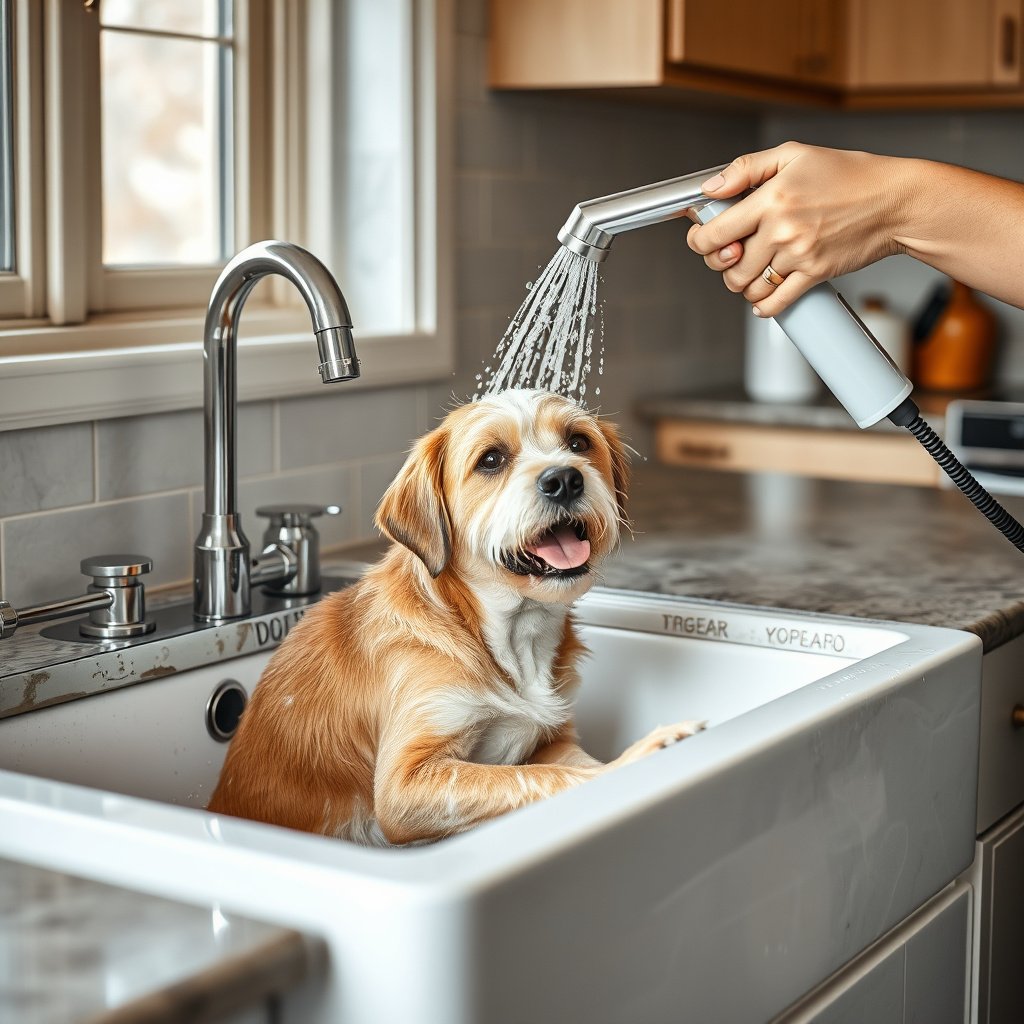
Using a Large Sink or Laundry Tub
A kitchen sink or laundry tub offers a manageable space for washing small to medium-sized dogs. These areas typically provide easy access to warm water and drainage, making them a convenient alternative to a bathtub.
Make sure to line the sink with a rubber mat or towel to prevent slipping. Use a handheld sprayer or a jug to wet and rinse your dog carefully, controlling water flow to avoid startling them.
- Place a rubber mat for traction
- Use lukewarm water
- Have shampoo and towels nearby
Outdoor Washing Options
When the weather is warm, washing your dog outdoors can be a good option. A garden hose with a gentle spray nozzle or a large bucket can simplify the process while preventing indoor messes.
Select a shaded area to avoid overheating your dog, and prepare towels for drying. Outdoor washing works best for dogs comfortable with water and accustomed to being handled.
- Use gentle water pressure
- Avoid direct sunlight on your dog
- Keep all supplies within reach
Gathering and Using the Proper Supplies
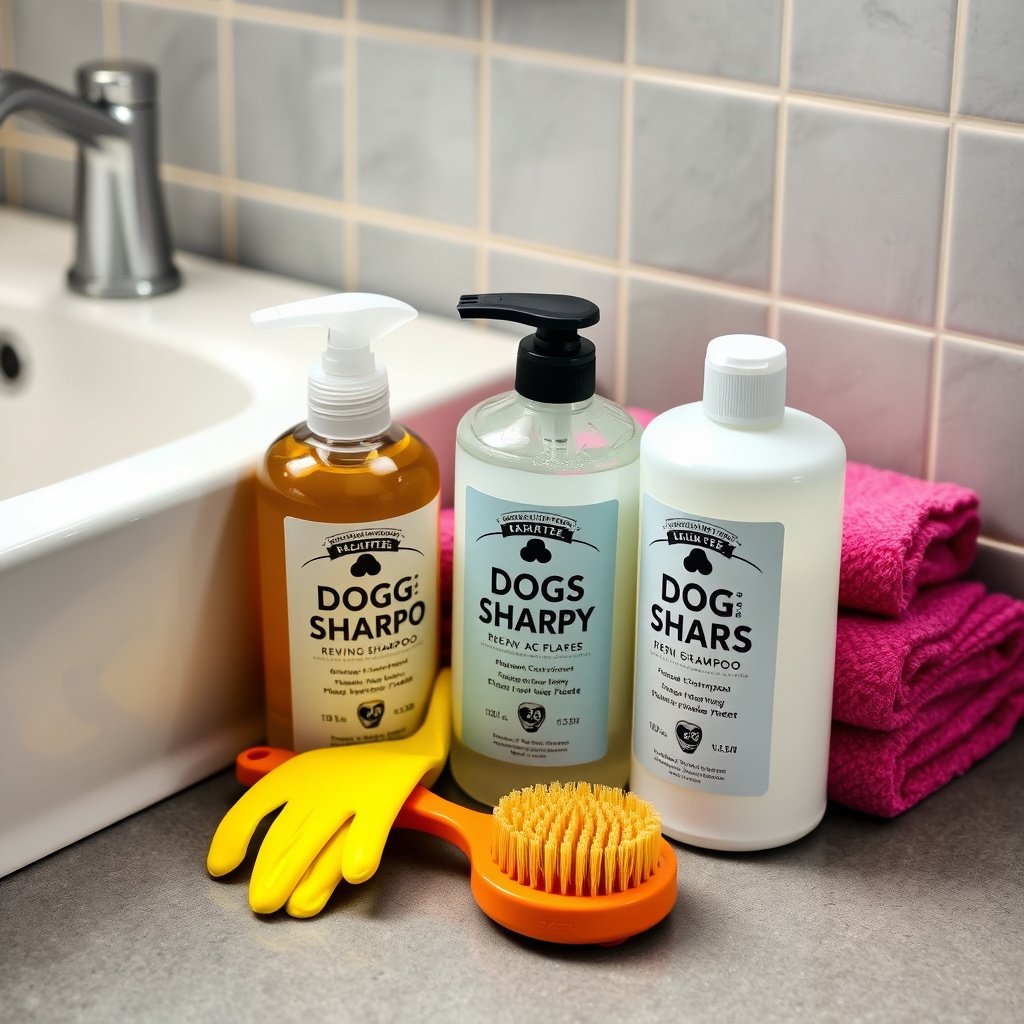
Essential Washing Supplies
The basics for washing your dog without a bathtub include pet-safe shampoo, a handheld shower sprayer or squeeze bottle, towels, and a nonslip mat. Gloves may be helpful for sensitive skin or messy dogs.
Avoid using human shampoos as they can irritate your dog's skin. Opt for a formula suited to your dog's coat type and any specific skin sensitivities.
- Pet-specific shampoo
- Rubber gloves
- Multiple towels
- Nonslip mat
Optional Tools to Help the Process
Brushes and combs help remove loose fur and tangles before washing and can improve shampoo penetration. A cup or handheld sprayer lets you control water application gently.
A portable grooming station with adjustable height can make washing more comfortable and secure if you plan to wash your dog frequently without a bathtub.
- Detangling brush
- Handheld sprayer or watering can
- Portable grooming table
Step-by-Step Guide to Washing a Dog Without a Bathtub

Preparing Your Dog and Workspace
Brush your dog to detangle and remove excess hair. Wear clothes you don’t mind getting wet. Set up your washing location with all supplies ready so the process flows smoothly.
Make sure the water temperature is comfortable—lukewarm water is best—and secure your dog to prevent sudden movements. Reward calm behavior with praise or treats.
- Brush before washing
- Prepare shampoo and water
- Secure your dog safely
Washing and Rinsing Techniques
Start by wetting your dog’s body thoroughly but avoid spraying water directly in ears or eyes. Apply shampoo evenly and massage gently to clean the coat and skin without irritating sensitive areas.
Rinse thoroughly until no shampoo residues remain. Pat your dog dry with towels rather than rubbing aggressively, which can cause tangling or discomfort.
- Avoid eyes and ears
- Massage shampoo in gently
- Rinse completely
- Pat dry, do not rub
Best Practices for Drying and Post-Wash Care

Towel Drying and Air Drying
Immediately wrap your dog in an absorbent towel to soak up excess water. For dogs with short coats, towel drying followed by air drying in a warm, draft-free area is often sufficient.
Avoid letting your dog stay damp for too long to prevent coldness or skin issues. Change towels if they become saturated during drying.
- Use thick absorbent towels
- Dry in a warm, calm space
- Change towels if needed
Using Hair Dryers Safely
If you choose to use a hair dryer, use the lowest heat setting and keep it moving to avoid overheating any area. Some dogs tolerate this well; others may find it stressful, so monitor your pet’s reactions carefully.
Hair dryers can help speed up drying time, especially for thick or long coats, but always prioritize your dog’s comfort and safety.
- Lowest heat setting
- Keep dryer moving
- Watch for stress signs
Adapting the Process for Different Dog Sizes and Coat Types

Washing Small and Toy Breeds
Small dogs fit comfortably in sinks or laundry tubs, enabling better control during washing. Use gentle water flows to avoid scaring them, and consider a handheld sprayer for precision.
Be especially careful around delicate areas like the face and ears. Frequent brushing helps reduce matting between washes.
- Use sink or laundry tub
- Gentle water flow
- Careful around sensitive areas
Washing Large or Long-Haired Dogs
For larger dogs, outdoor washing or shower stalls with detachable shower heads are often more practical. Long-haired dogs may require extra brushing before and after washing to manage tangles and mats.
Patience is key to handling thicker coats, and multiple rinses might be necessary to remove all shampoo residue.
- Use outdoor or shower space
- Extra pre-wash brushing
- Multiple rinses for thorough cleaning
Safety and Comfort Tips When Washing Your Dog Without a Bathtub
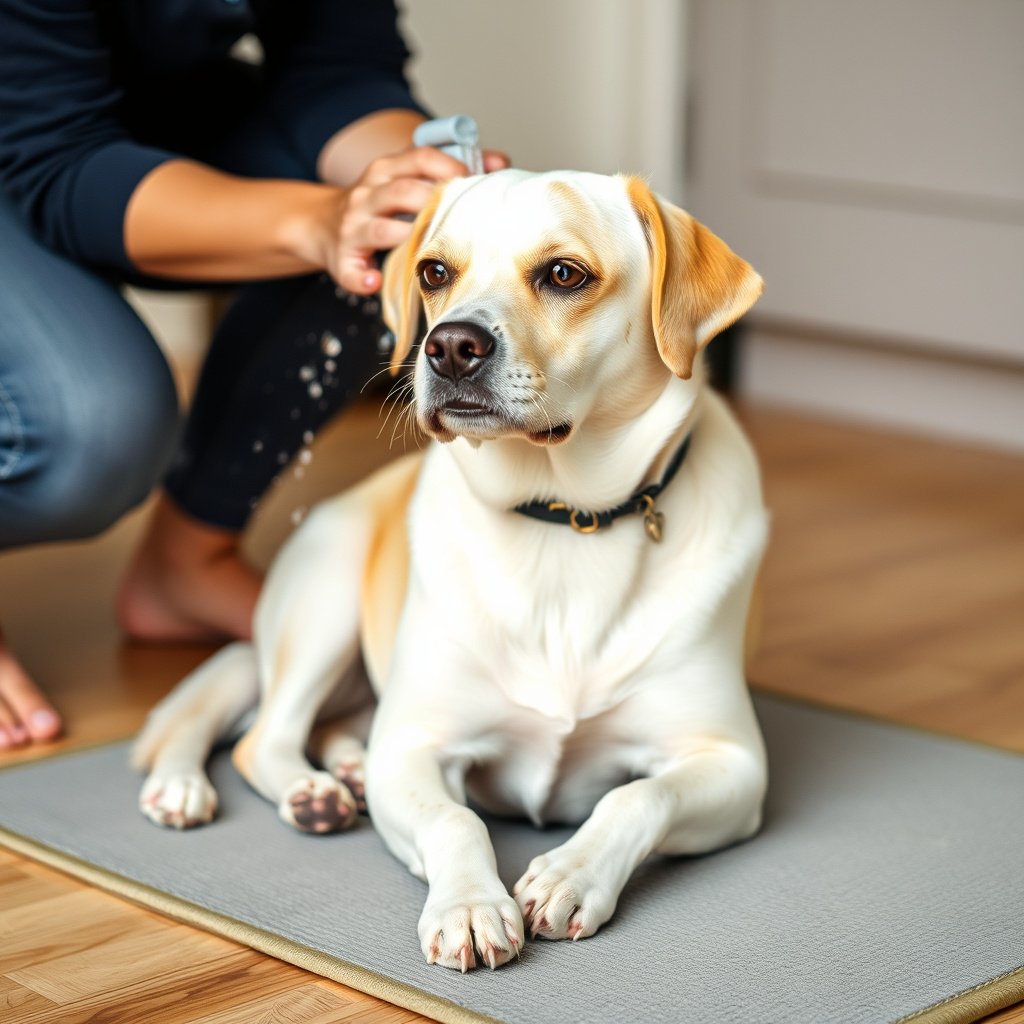
Preventing Slips and Injuries
Slip-resistant mats or towels help your dog maintain footing and reduce anxiety caused by unstable surfaces. Keep water away from floor areas where slipping could hurt you or your pet.
Use gentle restraint options like a leash or harness designed for grooming to keep your dog steady without causing distress.
- Use nonslip mats
- Keep floor dry
- Gentle restraint devices
For more detailed guidance, the American Kennel Club offers expert advice on dog grooming that complements these washing tips. dog grooming information from the American Kennel Club.
Minimizing Stress During the Wash
Speak in a calm voice and offer treats to reward good behavior throughout the process. Pausing if your dog gets restless helps prevent negative associations with washing.
Some dogs benefit from having a second person assist, especially if they are anxious or unaccustomed to water.
- Calm, reassuring tone
- Breaks if needed
- Assistance for anxious dogs
Comparison of Dog Washing Locations Without a Bathtub
Here is a comparison of common alternative locations you can use to wash your dog without a bathtub, highlighting their best uses and limitations.
| Location | Best for Dog Size | Water Control | Ease of Cleanup | Comfort Level |
|---|---|---|---|---|
| Kitchen Sink | Small to Medium | Excellent with handheld sprayer | Easy | Moderate |
| Laundry Tub | Small to Medium | Good | Moderate | Good |
| Outdoor Hose Area | All sizes (weather permitting) | Variable – gentle nozzle recommended | Challenging | Varies with weather |
| Shower Stall | Medium to Large | Excellent with detachable head | Moderate | High |
| Portable Grooming Station | Small to Large | Customizable | Easy to moderate | High |
Frequently Asked Questions
Can I use my kitchen sink to wash a large dog?
Kitchen sinks are typically best suited for small to medium dogs. Large dogs may not fit comfortably and could become stressed or unsafe in that confined space.
How do I keep my dog calm during washing without a bathtub?
Use gentle reassurances, treats, and a calm voice throughout the process. Pausing when your dog feels anxious and involving a helper may reduce stress.
Is it safe to use a hair dryer on my dog after washing?
Yes, if used on the lowest heat setting with constant movement. Avoid overheating and watch for any signs of discomfort.
What should I do if my dog hates water completely?
Start slowly by acclimating them to water with small wet cloths and positive reinforcement. Professional groomers may offer alternatives for fearful dogs.
Can I wash my dog outside in cold weather?
Washing outdoors in cold weather risks chilling your dog. It's best to wait for warm days or use an indoor alternative to keep your dog comfortable.
Key Takeaways
- Washing a dog without a bathtub is possible using sinks, laundry tubs, or outdoor areas.
- Select supplies designed for pets like gentle shampoos and nonslip mats to improve safety.
- Tailor the washing approach to your dog's size, coat, and comfort level.
- Dry your dog thoroughly with towels or a hair dryer on low heat to prevent skin issues.
Conclusion
Deciding how to wash a dog without a bathtub involves evaluating your available spaces, your dog’s size and personality, and your own comfort handling the process. Small dogs can often be washed in sinks or laundry tubs, while large or long-haired breeds might benefit from outdoor options or shower stalls. Your access to water temperature control and the dog’s reaction to water should guide your choice of location and technique. Using appropriate supplies and ensuring safety helps make the experience positive for everyone involved.
For small breeds, a kitchen sink combined with gentle pet shampoo and a rubber mat provides ample space and control. Medium to large dogs may find washing easier in a shower stall or outdoors on warm days using a hose with a spray nozzle. In all cases, brushing beforehand and using damp towels for drying improves coat health and comfort. Adapting washing methods to coat types—such as extra rinsing for long-haired dogs—finishes the process effectively.
Ultimately, the best next step is to experiment in a low-stress environment using the location and supplies available to you. Observe your dog’s reactions carefully and adjust water temperature, pressure, and drying techniques as needed. Regular washing with the best dog washing techniques will keep your pet clean and comfortable, even without a bathtub.


