How to Stop a Dog from Licking Its Paws: 8 Proven Ways That Work
To stop a dog from licking its paws, start by identifying the underlying cause like allergies, injury, or anxiety. Use safe methods such as paw soaking, protective booties, and veterinary-approved treatments to reduce licking. Consistent care and monitoring help prevent the behavior from worsening or causing infections.
This information is for dog owners concerned about excessive paw licking and looking for effective ways to handle it. You’ll find proven approaches covering health causes, cleaning routines, and behavior management to help your dog feel comfortable again.
Key Takeaways
- Soak your dog’s paws in a warm oatmeal bath for 10 minutes, two to three times daily to soothe irritation.
- Use dog booties or small socks to physically block licking, especially during healing periods.
- Consult a veterinarian to rule out infections and get recommended treatments like chlorhexidine gluconate shampoo.
- Manage allergies by identifying triggers through an elimination diet lasting 8 to 12 weeks.
- Keep your dog’s paws moisturized with a vet-approved balm if dryness causes licking.
- Address anxiety or boredom by providing more exercise, toys, and mental stimulation.
1. How to Stop a Dog from Licking Its Paws Safely
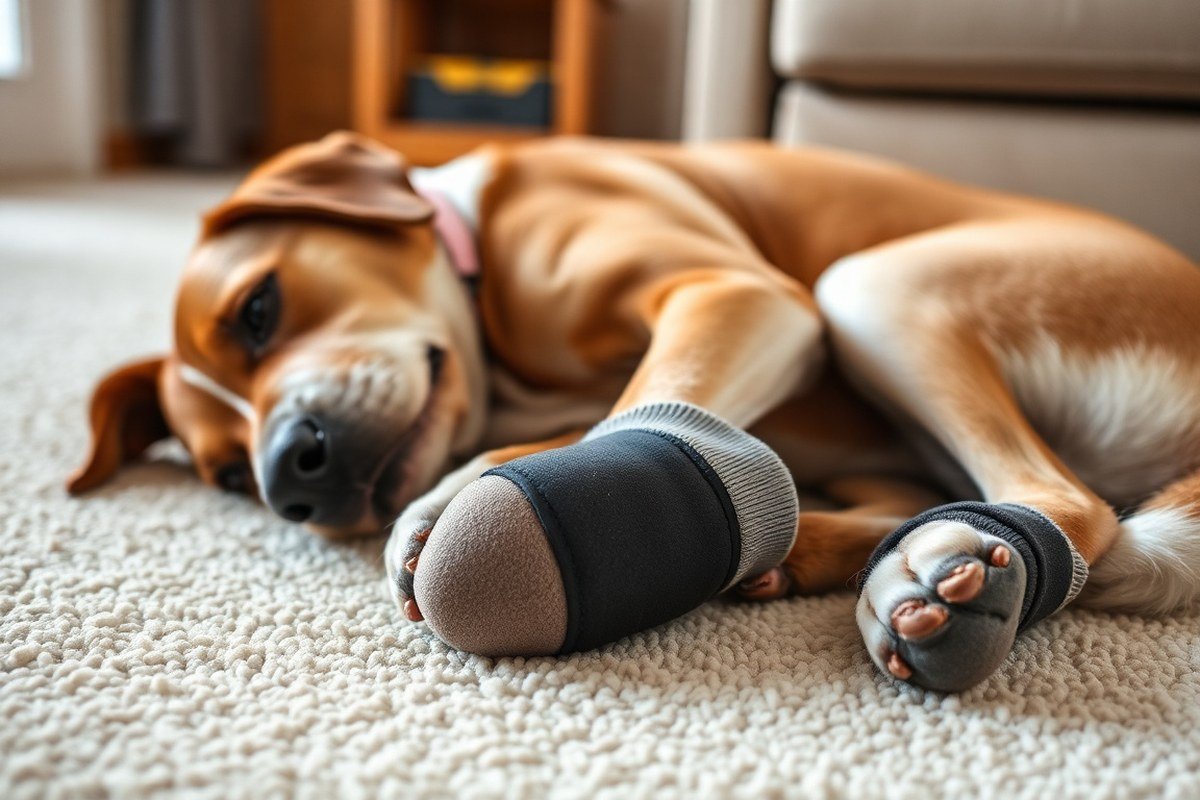
Excessive paw licking can cause discomfort and even damage your dog’s skin if left unchecked. You can take practical, safe steps to reduce or stop this behaviour quickly at home. Physical barriers like cones or dog booties block access to the paws, preventing further licking. Booties or small socks usually work well because they’re less bulky than cones and allow your dog to move comfortably. Cones are effective too since they physically block the paws but may stress some dogs, so monitor your dog’s reaction.
Using safe deterrents on the paws can also discourage licking. Bitter sprays or drops designed for dogs are available at pet stores and can be applied as directed. Household items like diluted citrus juice may work as a temporary deterrent since dogs often dislike the smell and taste, but watch for skin sensitivity. Distraction and redirection to positive behaviours keep your dog engaged and less focused on paw licking. Regularly inspect and clean paws, since dirt or allergens might fuel the licking impulses. Follow this step-by-step routine for immediate action to help stop your dog’s paw licking safely:
- Inspect the paws to check for cuts, swelling, redness, or dirt that might cause irritation.
- Clean the paws gently with lukewarm water and a mild pet-safe cleanser; dry fully to prevent moisture buildup.
- Apply a safe deterrent like a bitter apple spray or a few drops of diluted lemon juice on the dry paws, avoiding broken skin.
- Put on dog booties or socks to cover the paws and prevent direct licking; ensure they fit snugly without restricting movement.
- Use an Elizabethan collar (cone) if booties don’t work or your dog removes them; monitor your dog’s comfort level with the cone.
- Offer distractions such as toys or treats and engage your dog in play or training to redirect attention away from licking.
- Keep your dog’s environment clean to reduce allergens like dust or mold that might aggravate paw irritation.
- Repeat paw inspections daily to notice any changes or worsening symptoms and adjust your approach accordingly.
Booties cost about $10 to $20 for a pair and can be reused, while a cone typically ranges from $15 to $30. Bitter sprays cost around $8 to $15 and may require reapplication every few days. Good results include reduced licking within a day or two, visible paw healing, and your dog appearing more comfortable. Watch for signs of stress or skin reactions to deterrents and switch methods if needed.
2. Common Health Causes Behind Paw Licking

Excessive paw licking in dogs often signals underlying health issues such as allergies, injuries, or infections. Identifying the exact cause helps target treatment and prevent further complications. Knowing how to recognize symptoms and differentiate between causes is essential for proper care.
Common Medical Causes of Paw Licking
The most frequent reasons dogs lick their paws excessively include allergies, injuries, and infections. Allergies come from environmental triggers like pollen or dust mites, or from food ingredients such as chicken and beef. Injuries might be cuts, bruises, or thorn pricks, causing discomfort and licking. Infections, often bacterial or yeast-based, develop especially when licking damages the skin’s protective barrier.
Other factors that can encourage paw licking include insect bites, dry or irritated skin, and pain from underlying issues like arthritis. Behavioral causes exist but are secondary to these medical reasons when licking is intense or leads to visible paw damage.
Signs of Infections and Injuries to Watch For
Spotting infections or injuries early aids prompt treatment. Common signs include redness, swelling, warmth, and sores between or on the toes. Infections often give off an unpleasant odor or cause discharge. Injuries might show blood, limping, or sensitivity to touch. Use this checklist to evaluate your dog’s paws for infection or injury:
- Redness and inflammation around paw pads or between toes
- Swelling or warmth upon touch
- Visible cuts, cracks, or open sores
- Unusual odor or discolored discharge
- Hair loss or scabbing
- Limping or reluctance to walk on the affected paw
- Excessive licking focused on a specific spot
Seeing several of these signs signals a need for veterinary evaluation. Left untreated, infections can worsen or spread.
Distinguishing Allergic Reactions from Infections
Allergic reactions and infections both cause redness and licking but differ in pattern and triggers. Allergies usually cause bilateral or multiple paw involvement, often with itchiness but no foul smell initially. Allergic paws may also be swollen and dry or flaky. Symptoms can flare seasonally or after exposure to certain foods or substances.
In contrast, infections often start localized and can produce pus, bad smell, or crusts. Yeast or bacterial infections thrive in the warm, moist environment created by licking itself.
Check for multiple affected paws and consider recent exposure to allergens or new foods to better distinguish allergies from infections.
Why Identifying the Cause Matters
Proper identification ensures correct treatment. Allergy-related licking may require antihistamines, diet changes, or allergen avoidance, whereas infections call for topical or oral antibiotics or antifungals. Injuries may need cleaning, bandaging, or pain management. Misdiagnosis can delay healing and worsen the condition.
Cost and treatment length vary: allergy management can be ongoing and require diet trials or medication, whereas a simple infection might resolve after a 10-14 day antibiotic course. Injuries depend on severity but often need daily paw care until healed.
3. How Allergies Trigger Paw Licking in Dogs
Dogs often lick their paws because of allergies, which can be roughly divided into environmental and food-related causes. Environmental allergens include pollen, molds, dust mites, lawn chemicals, and household products. These irritants trigger the dog’s immune system to respond as if they were threats, leading to itchy, inflamed paws that encourage licking. If your dog licks multiple paws especially after outdoor walks or playing in the yard, environmental allergies might be the cause.
Food allergies tend to be linked to ingredients such as chicken, beef, dairy, and wheat. When a dog is allergic to certain foods, licking paws can be one of the visible symptoms, sometimes accompanied by digestive issues like frequent diarrhea. This behavior usually shows up consistently and may worsen over time, signaling that your dog’s immune system reacts negatively to something in their diet.
To tell if paw licking stems from food allergies, watch for symptoms like redness, swelling, or soreness on paw pads, alongside digestive upset or skin flare-ups elsewhere. Environmental allergies often cause seasonal flare-ups, especially when pollen counts rise, while food allergies can persist year-round.
Allergy testing provides a clear way to identify specific triggers. A veterinarian can perform blood tests that screen for antibodies related to common allergens or suggest intradermal skin testing. These tests typically cost between $200 and $400 and may require a veterinary specialist. Allergy test results let you target the exact cause, whether by adjusting your dog’s diet or changing cleaning supplies and walking routines to reduce environmental exposure.
Before testing, monitoring your dog’s environment can help pinpoint allergens. Removing or limiting exposure to lawn chemicals, household sprays, or certain plants indoors can reduce symptoms. For food, starting with a food elimination trial under vet supervision involves feeding a limited ingredient diet for 8 to 12 weeks, then gradually reintroducing foods to observe reactions. This process can cost around $50 to $150 depending on the diet chosen and requires strict adherence to prevent accidental allergen exposure.
Good results appear as reduced licking, less redness, and healthier paw skin usually within a few weeks after changes are implemented. However, some dogs take longer to respond, and ongoing management might include allergy medications or limiting outdoor time during peak pollen seasons. Animals with severe or multiple allergies may need a combination of approaches to control symptoms effectively.
Identifying and managing allergies matters because persistent paw licking keeps the paws moist and prone to secondary infections like yeast or bacterial growth. Early intervention helps prevent complications and keeps your dog comfortable and healthy.
4. Step-by-Step Paw Cleaning and Care Routine
Cleaning and caring for your dog’s paws regularly prevents irritation and infections that can lead to excessive licking. A simple daily routine involves inspecting, washing, drying, and moisturizing the paws using safe, pet-friendly products. Consistency helps keep your dog’s paws comfortable and limits licking triggered by discomfort or allergens.
Preparing Your Supplies
Gathering the right supplies before you start ensures the paw care process goes smoothly. You will need items that are gentle and safe for your dog’s skin, avoiding harsh chemicals or fragrances that could cause further irritation. Here’s a checklist of supplies you should prepare:
- Lukewarm water (around 90°F)
- Paw-friendly cleanser or a mild, unscented pet shampoo
- Soft cloths or clean cotton pads
- Paw-safe wipes (optional, but helpful for quick clean-ups)
- A towel for drying
- Natural moisturizing balm made with ingredients like shea butter or coconut oil
Cleaning Paws Safely
Cleaning should happen after outdoor activities or walks to remove dirt, allergens, and irritants that cause paw licking. Keeping the routine consistent, such as daily or every time you return inside, helps prevent buildup that leads to infections. Follow these steps to clean your dog’s paws safely and effectively:
- Inspect each paw for redness, swelling, cuts, or foreign objects like small stones or plant material.
- Fill a bowl or basin with lukewarm water and add a small amount of pet-safe cleanser if needed.
- Soak your dog’s paws briefly, about 1 to 2 minutes, or gently wipe them using a soft cloth dipped in the solution.
- Rinse thoroughly with clean lukewarm water to remove all cleanser residues.
- Check between toes and paw pads for trapped debris, removing it gently by hand if necessary.
- Dry paws thoroughly with a clean towel, especially between the toes, to prevent moisture buildup that can encourage infections.
Moisturizing and Drying Tips
Proper drying and moisturizing are essential to protect the skin on your dog’s paws from drying out or cracking. Moisturizing also helps heal any minor damage caused by licking or environmental exposure.
After drying the paws completely, apply a thin layer of a natural paw balm containing shea butter or coconut oil. These ingredients soothe and hydrate paws without harmful chemicals. Use only products specifically formulated for pets to avoid toxic reactions.
Avoid over-application as greasy paws can attract dirt and increase licking. Allow the balm to absorb for a few minutes before letting your dog move around. In cases where your dog tends to lick off the balm, consider using a protective wrap or sock temporarily, and consult your veterinarian.
5. Recognizing When Paw Licking Indicates Pain or Injury
Sudden or focused licking of one paw often signals that your dog is in pain or has an injury in that area. Dogs lick to soothe themselves when something hurts, such as a thorn, cut, bee sting, or irritation from walking on rough surfaces. Checking the paw carefully for swelling, redness, bleeding, or foreign objects can help you spot the cause. Other signs of pain include limping, reluctance to walk, flinching when you touch the paw, or noticeable changes in your dog’s gait.
Common injuries that lead to paw licking include cuts or scrapes, splinters or thorns lodged in the pads, broken nails, or insect bites. Some dogs lick their paws if they develop infections or hot spots from constant moisture or dirt exposure. Visible signs you can check for include bleeding, cracked nails, visible wounds, swelling, heat in the paw compared to the other, or a foul smell indicating infection.
You should consult a veterinarian when you notice any of these symptoms or if your dog keeps licking even after you clean and soothe the paw. Persistent paw licking for multiple days or weeks without clear cause could mean deeper issues that require professional evaluation, such as allergies, infections requiring antibiotics, or chronic paw injuries. Your vet may recommend treatments like soothing washes, pain relief, or allergy testing and medication based on their diagnosis.
Complex injuries such as embedded debris, severe swelling, continuous bleeding, or signs of an infection require prompt veterinary attention. Also, if your dog is licking a paw but also seems to avoid putting weight on their leg or has unusual pain elsewhere like the shoulder, seek veterinary advice right away. Untreated injuries can worsen, leading to more pain and complications, including the need for surgery or extended recovery.
A simple injury symptom checklist to use includes: is there visible injury or foreign material? Is the paw swollen or warm? Is the licking persistent and obsessive for more than three days? Does your dog limp or show signs of pain on that leg? Answering yes to any of these means you should contact your vet. Some wounds or irritations may look minor but can hide infections or foreign bodies that only a professional can treat effectively.
Carefully examine your dog’s paw as soon as you notice sudden licking; prompt detection of injuries can reduce pain and speed recovery.
6. Managing Anxiety and Boredom to Reduce Licking
Stress and anxiety can cause your dog to lick its paws excessively. Dogs often lick their paws as a soothing behavior when they feel anxious or bored. Paw licking that happens often with no obvious health reason may be a sign of anxiety or boredom. Recognizing anxiety-driven licking helps to address the root cause rather than just the symptom.
Look for signs that your dog is stressed or anxious. These signs include restlessness, panting excessively without exercise, pacing, whining, or avoiding interaction. Paw licking that happens in conjunction with these behaviors, especially during or after events like loud noises or changes in routine, likely points to anxiety-related licking.
To reduce paw licking caused by boredom and anxiety, increase your dog’s mental and physical stimulation. A well-stimulated dog has less idle time and less reason to develop compulsive licking habits. You can add a mix of activities throughout the day to keep your dog engaged.
- Interactive toys and puzzle feeders that challenge your dog to solve problems for treats
- Daily walks lasting 20 to 30 minutes to expend energy and provide new scents
- Training sessions with positive reinforcement, ideally 5 to 10 minutes each, multiple times a day
- Social time with other dogs or people, if your dog enjoys company
- Play sessions like fetch or tug-of-war to keep your dog physically active
- Calm downtime in a quiet spot with a favourite chew toy to reduce stress
- Use of anxiety wraps or calming pheromone sprays as recommended by a veterinarian
Behavior modification can help guide your dog away from licking. When you notice your dog licking, gently redirect its attention to a toy or a training command. Reward your dog when it stops licking on cue. Consistency is key, so integrate this into your daily routine. Set specific times for mental and physical activities; predictability can reduce stress.
Cost and effort for these interventions vary. Puzzle toys range from $10 to $30, and training treats or sessions can cost around $20 to $50 depending on the trainer or product. Walks and play require your time but no extra cost. Anxiety wraps can cost about $25 to $60. The investment in time and materials is worthwhile if it reduces compulsive licking, as it improves your dog’s comfort and prevents skin damage from over-licking.
Good results show a gradual decrease in licking frequency over a few weeks. Your dog becomes calmer and shows more engagement in activities. Licking that continues even after trying these strategies means it’s time to see a veterinarian or behaviorist, since some dogs require specific medical care or behavior help.
7. How to Use Diet Changes to Stop Paw Licking
Adjusting your dog’s diet through an elimination diet can reduce paw licking caused by food allergies. This method removes common allergens for 8 to 12 weeks and then slowly reintroduces them to identify the triggers. With careful monitoring, you may see improvement in paw licking within a few weeks.
Preparing for an Elimination Diet
Start by choosing novel or limited-ingredient foods your dog hasn’t eaten before. Common food allergens causing itchy paws include beef, dairy, chicken, wheat, and soy. Avoid treats, supplements, or flavored medications during this time to keep results clear. Note your dog’s current diet and any previous reactions to foods.
| Common Allergenic Foods | Symptoms They May Cause |
|---|---|
| Beef | Itchy paws, redness, swelling |
| Dairy | Excess licking, digestive upset |
| Chicken | Paw chewing, inflammation |
| Wheat | Dry, cracked paws |
| Soy | Chronic licking, paw irritation |
Gather fresh, single-protein and grain-free dog food options designed for elimination diets before starting. Consult your veterinarian to ensure you choose a nutritionally complete option and to discuss any underlying conditions that could affect the diet.
Implementing the Diet Phases
Follow a structured process to carry out the elimination diet, carefully controlling your dog’s food intake and environment. This helps isolate diet-related causes of paw licking.
- Switch your dog to the selected novel or limited-ingredient food.
- Remove all treats, table scraps, and flavored supplements.
- Maintain the diet consistently for 8 to 12 weeks without variation.
- Keep a daily journal noting paw licking behavior, appearance, and any itching.
- Provide only water and the elimination diet food during this period.
- Schedule regular check-ins with your veterinarian for guidance and progress assessment.
Consistency is key during the elimination phase, as even small amounts of allergens can prolong symptoms. Expect paw licking to gradually reduce, often with noticeable improvement by week 4. Complete resolution may take the entire duration.
Monitoring and Reintroducing Foods
After the elimination phase, reintroduce one suspected allergen at a time every 1 to 2 weeks to pinpoint triggers. Watch for any return or increase in paw licking symptoms.
- Add one suspected allergenic ingredient to your dog’s diet in small amounts.
- Observe your dog closely for seven to fourteen days.
- Log any changes in paw licking or skin condition.
- Remove the ingredient if symptoms flare up, and wait for improvement before testing the next.
- Continue with each new food item until all suspected allergens have been tested.
Typical allergens to reintroduce include beef, dairy, chicken, wheat, and soy. Some dogs may be sensitive to more than one ingredient, so patience during this phase is essential. When symptoms do not improve after reintroductions, consult your vet for alternative causes or treatments.
Typically, improvement should be visible within 2 to 4 weeks after starting the elimination diet. Should your dog’s paw licking not lessen after 12 weeks or worsen during reintroduction, further medical evaluation is recommended.
8. Effective Home Remedies That Help Stop Paw Licking
Soothing your dog’s irritated paws at home often starts with gentle, natural treatments that moisturize and calm the skin. An oatmeal soak is a widely recommended remedy. Use two cups of plain, unflavored oatmeal in a bucket or basin filled with warm water, about 90 to 100 degrees Fahrenheit. Let your dog soak each paw for around 10 minutes. This helps reduce itchiness by restoring moisture and relieving dry, cracked skin that encourages licking.
After the soak, gently pat the paws dry and apply a safe, skin-supportive balm made for dogs, such as the Natural Dog Company’s Paw Soother. These products contain ingredients that protect and hydrate without harmful chemicals. Avoid human lotions or creams since they may include fragrances or toxins unsafe for dogs if licked off.
Other home remedies include applying diluted apple cider vinegar or citric juice as a mild repellent if licking is due to anxiety or boredom. Use a ratio of one part vinegar to two parts water, lightly dabbing the mixture on your dog’s paws once or twice a day. Avoid applying these to raw or broken skin since they may sting or irritate.
Some owners find that bitter apple spray discourages licking by making the paws taste unpleasant. Always confirm the product’s safety for use on paws and monitor your dog’s reaction to prevent further stress or discomfort.
Home treatments require care to avoid mistakes. Don’t soak paws in water that is too hot, which can worsen irritation or cause burns. Don’t let your dog lick applied remedies excessively, as ingestion of some substances may cause stomach upset. Avoid using soaks or sprays on your dog’s paws if there are open sores, infections, or if the skin appears swollen or discolored without consulting a vet first.
Costs for these home remedies are modest. Plain oatmeal usually costs $3 to $6 per pound, enough for many soaks. Specialized balms range from about $15 to $25 for a tube or jar, and repellent sprays vary from $8 to $20 depending on brand size. The time investment is brief, typically 10 minutes per soak daily for several days, plus application of soothing balms afterward.
Visible improvements include softer, less red paw pads and a noticeable drop in licking frequency within 3 to 5 days of consistent home care. Seek veterinary evaluation if your dog keeps licking intensely or if the skin condition does not get better. Persistent licking may signal infections, allergies, or other health problems needing medical treatment beyond home remedies.
Use only plain oatmeal free from flavorings and additives in soaks to prevent skin reactions; sweetened or instant oatmeal can irritate your dog’s paws further.
Step-by-Step Action Plan to Stop Your Dog’s Paw Licking
Follow these practical steps to reduce your dog’s paw licking and see improvement with consistent care.
- Day 1: Inspect your dog’s paws closely for redness, swelling, or wounds. Gently clean the paws with a mild pet-safe cleanser and dry thoroughly to remove irritants.
- Day 2-3: Introduce an appropriate distraction routine, such as extra playtime or puzzle toys, to reduce anxiety and boredom. Notice if licking decreases when your dog is more engaged.
- Week 1: Adjust your dog’s diet by adding omega-3 fatty acids or hypoallergenic food recommended by your vet. Look for reduced inflammation signs and less licking over this period.
- Week 2: Apply a vet-approved soothing balm or homemade remedy to the paws after cleaning. Observe whether your dog allows the balm and stops licking soon after application.
- Week 3: Schedule a vet appointment if licking persists; discuss potential allergies, infections, or anxiety as underlying causes. Track whether pain or injury is confirmed and treated appropriately.
- After 4 weeks: Maintain the paw care routine and monitor for lasting behavioral changes. Praise and reward your dog for keeping paws clean and free of licking.
Frequently Asked Questions
Will Benadryl Help My Dog Stop Licking His Paws?
Benadryl may reduce itchiness if allergies cause paw licking, but consult a vet for proper dosing and safety. Avoid giving it without veterinary advice due to possible side effects or interactions.
Why Does My Dog Keep Licking His Paw Even Though There Is Nothing There?
Dogs may lick a paw due to hidden irritation, anxiety, or habit even if no visible issue exists. Observing other signs or consulting a vet can help identify causes like nerve pain or stress.
What Is a Natural Remedy for Dog Licking Paws Raw?
Applying a dog-safe soothing balm like a paw soother can ease raw paws naturally. Avoid human creams and keep paws clean and dry to prevent infection and promote healing.
What Causes a Dog to Lick Their Paws?
Dogs lick their paws from allergies, dryness, pain, anxiety, or irritation. Persistent licking often signals an underlying problem that a vet should examine.
Can I Use a Bitter Spray to Stop My Dog Licking Its Paws?
Bitter sprays can deter licking but may irritate sensitive skin. Test on a small area first and choose products made specifically for dogs.
Is Frequent Paw Licking a Sign of Boredom?
Yes, boredom or anxiety can lead to repetitive paw licking as a self-soothing behavior. Increasing mental stimulation and exercise helps reduce this habit.
Key Points to Remember
Excessive paw licking signals a problem you can manage with careful attention and consistent care. Start by assessing your dog’s paws and environment, and adjust diet and activities to promote healing and comfort. Your next step is to observe your dog’s response to these changes and consult a vet if the behavior continues, ensuring your dog’s paws stay healthy and happy.