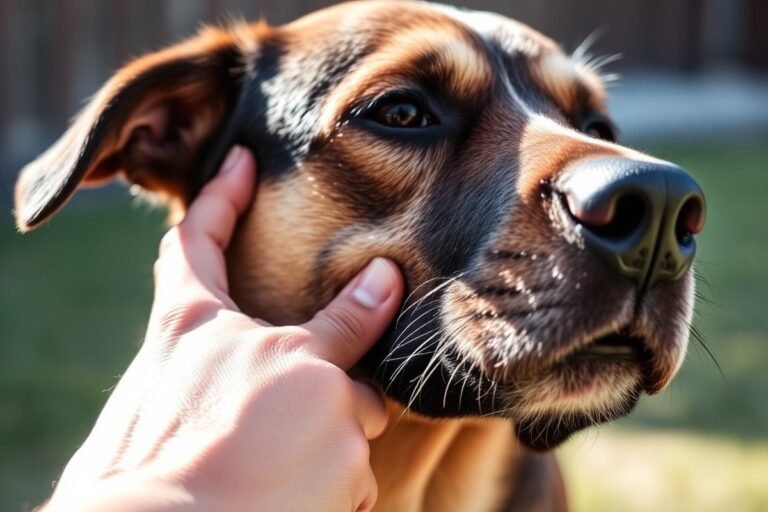
How to Keep a Dog Hydrated: Essential Tips for Pet Owners
Keeping a dog hydrated is vital for maintaining their health and overall well-being. Dogs need a constant supply of fresh water to regulate their body temperature, support organ function, and prevent dehydration. Providing clean water throughout the day and encouraging your dog to drink regularly are the simplest and most effective ways to keep them hydrated.
Hydration matters because dogs can quickly become dehydrated due to exercise, warm weather, or illness. Dehydration in dogs leads to symptoms like lethargy, dry nose, and loss of appetite, which can escalate into serious health problems if untreated. Therefore, understanding how to promote adequate water intake is key to preventing these complications.
This article will cover practical methods to keep your dog hydrated, recognize signs of dehydration in dogs, suitable water sources, and lifestyle adjustments that encourage drinking. By following these guidelines, you can support your dog's hydration needs efficiently and keep them happy and healthy.
Understanding Your Dog's Hydration Needs
Daily Water Requirements for Dogs
A dog’s daily water intake depends on factors like size, age, activity level, and environmental temperature. Generally, dogs need about one ounce of water per pound of body weight daily, but active or hot-weather pets may require more. Puppies and nursing mothers also have increased hydration needs.
Water helps regulate body temperature, aid digestion, and keep joints lubricated. Depriving a dog of sufficient water can compromise these functions and lead to dehydration. Monitoring your dog's water consumption and adjusting it based on their lifestyle changes is essential.
Identifying Signs of Dehydration in Dogs
Recognizing dehydration early is important to prevent serious health issues. Signs include dry or sticky gums, sunken eyes, lethargy, excessive panting, and reduced skin elasticity when pinched lightly. Drop in appetite or vomiting may also appear in more severe cases.
Owners should regularly check these signs, especially after intense exercise or exposure to heat. Dogs showing any symptoms of dehydration should be given water immediately, and vet care sought if symptoms persist or worsen.
- Dry or tacky gums
- Sunken eyes
- Lethargy or weakness
- Excessive panting
- Poor skin elasticity
Practical Ways to Encourage Water Drinking
Creating a Fresh Water Supply
Always provide fresh, clean water in a bowl that’s cleaned daily to encourage drinking. Some dogs prefer running water, so pet fountains can stimulate interest. Position water bowls in quiet, accessible areas free from distractions or fear-inducing objects.
If your dog is reluctant to drink plain water, adding a splash of low-sodium broth or ice cubes can make it more appealing. Keeping multiple water stations around the home or yard can also promote regular hydration.
- Change water twice daily
- Use pet-safe water fountains
- Clean bowls regularly
- Place bowls where dogs feel safe
Using Ice Cubes and Hydrating Treats
Ice cubes serve as a refreshing way to keep dogs hydrated, especially in hot weather or after exercise. Many dogs enjoy chewing on ice as a treat, which adds moisture gradually. You can also freeze treats or broth in ice cube trays.
Hydrating treats, such as watermelon slices or cucumber chunks (without seeds or rind), can supplement water intake by providing moisture in tasty forms. These options help dogs that drink less water by choice or during illness.
- Offer plain ice cubes as snacks
- Freeze low-sodium broth in cubes
- Use watery fruits and vegetables safely
- Avoid toxic ingredients like grapes or onions
Hydration During Exercise and Outdoor Activities
Water Needs Before, During, and After Exercise
Before exercise, encourage a dog to drink to start off hydrated. During activity, especially on warm days or long sessions, offer water breaks every 15-20 minutes. After exercise, replenish fluids promptly to compensate for loss through panting and sweating through paws.
Use lightweight, portable water containers and collapsible bowls when outdoors. Monitor the dog for signs of fatigue or excessive panting which indicate dehydration risk. Adjust exercise intensity accordingly in hot conditions.
- Hydrate before starting activity
- Provide water breaks regularly
- Carry portable water and bowls
- Watch for signs of overheating
For more on this, see our related guide: How to Make Homemade Dog Treats: Easy Recipes and Tips.
Safe Hydration Practices for Hot Weather
Avoid exercising your dog during the hottest parts of the day to reduce dehydration risk. Shade, fresh water, and cooling options like damp towels can help maintain hydration. Never force a dog to drink but offer water often.
Salt replenishment is generally unnecessary unless under veterinary guidance, as excessive salt can harm dogs. Focus on regular water access and monitor water intake closely during extreme heat events.
- Exercise during cooler times
- Provide shaded resting spots
- Use wet towels to cool dogs
- Offer water frequently
Dietary Choices and Their Impact on Hydration
Wet vs. Dry Dog Food Hydration Benefits
Wet dog food contains significantly more water (up to 80%) compared to dry kibble, which typically has around 10% moisture. Feeding wet food helps increase hydration passively, supporting fluid intake without relying solely on drinking water.
However, wet food spoils faster and requires refrigeration. Some dogs prefer dry kibble, so combining both types can balance hydration and convenience. Consult a vet to tailor diet and hydration strategies to your dog's needs.
Adding Water to Your Dog’s Food
Mixing water into dry kibble softens the food and boosts water content, encouraging dogs who drink less to hydrate while eating. Adding warm water can also enhance aroma and palatability, tempting picky eaters.
Be sure to feed this mixture fresh, as soaked kibble can spoil quickly at room temperature. Regularly hydrating food is a simple method that supports overall water intake.
- Use clean water at room temperature
- Serve freshly mixed meals
- Observe for changes in eating habits
When to Contact a Veterinarian About Hydration
Signs That Require Professional Attention
If your dog refuses to drink water for more than 12-24 hours, or shows severe symptoms like vomiting, diarrhea, collapse, or persistent lethargy, seek veterinary care immediately. Chronic dehydration can damage kidneys and other organs quickly.
Other signs like yellow gums or inability to urinate also indicate serious issues. Early intervention ensures better recovery prospects and prevents life-threatening complications.
For more on this, see our related guide: Wet vs Dry Dog Food: Which is Best for Your Dog’s Health?.
Veterinary Treatments for Dehydration
Vet treatments may include fluid therapy via subcutaneous or intravenous routes to restore hydration efficiently. Electrolyte solutions and medications might also be administered depending on the underlying cause.
After treatment, vets may recommend hydration strategies tailored to your dog’s health status and lifestyle to prevent recurrence. Follow-up care is critical for long-term health.
Additional Tips for Maintaining Dog Hydration
Maintaining Water Bowl Hygiene
Regularly cleaning your dog’s water bowl prevents bacterial growth and foul tastes that discourage drinking. Use hot water and mild soap daily, and rinse thoroughly.
Avoid plastic bowls if possible, as they can retain odors and scratches that harbor germs. Stainless steel or ceramic bowls are hygienic alternatives.
- Wash bowls daily
- Use non-toxic cleaning agents
- Replace bowls when scratched
For more detailed veterinary information on dehydration in dogs, you can visit this respected resource. Dehydration in dogs.
Monitoring Water Intake Progress
Track how much your dog drinks each day to detect any changes early. Use measuring cups for accuracy, especially in multi-pet households.
Note variations that coincide with weather, diet, or behavior to adjust care accordingly. Recording intake helps communicate concerns clearly with your vet.
- Measure daily water consumption
- Keep hydration logs
- Report unusual changes promptly
Comparison of Hydration Methods for Dogs
The table below compares common hydration methods based on convenience, hydration effectiveness, and suitability for different dog types.
| Method | Convenience | Hydration Effectiveness | Ideal For |
|---|---|---|---|
| Fresh Water in Bowl | High | High | All dogs |
| Pet Water Fountains | Medium | High | Picky drinkers |
| Wet Dog Food | Medium | Medium-High | Dogs needing extra hydration |
| Ice Cubes and Treats | High | Medium | Active dogs, hot weather |
| Adding Water to Kibble | Medium | Medium | Picky eaters, seniors |
| Electrolyte Solutions | Low | High | Dehydrated or sick dogs |
Frequently Asked Questions
How much water should my dog drink daily?
Typically, dogs need about one ounce of water per pound of body weight each day, but active dogs or those in warm climates may require more.
Can I give my dog flavored drinks to keep them hydrated?
Flavored drinks can contain harmful ingredients like sugar or artificial sweeteners; only offer specially formulated pet hydration products approved by vets.
What are signs that my dog is dehydrated?
Common signs include dry gums, sunken eyes, lethargy, excessive panting, and loss of skin elasticity. Watch for these after exercise or heat exposure.
Is wet dog food better for hydration than dry kibble?
Wet food contains more moisture and can aid hydration, but it's best combined with fresh water, as some dogs still need regular water drinking.
When should I take my dog to the vet for hydration issues?
Seek veterinary care if your dog refuses water for over 24 hours, shows severe dehydration symptoms, or has vomiting and diarrhea alongside dehydration signs.
Key Takeaways
- Provide constant access to fresh, clean water to keep your dog hydrated.
- Recognize signs of dehydration early to act promptly.
- Incorporate wet food and hydrating treats to boost water intake.
- Monitor hydration closely during exercise and hot weather.
Conclusion
Keeping a dog hydrated is a straightforward process when approached with awareness of their changing needs throughout different life stages and conditions. Regularly providing fresh water, observing hydration signs, and adapting to activity levels or weather are central to maintaining your dog’s health. Avoiding dehydration not only supports daily energy and comfort but also protects vital organs from damage over time.
Depending on your dog’s age, activity, and preferences, you may find wet dog food or pet water fountains helpful in encouraging hydration. For physically active dogs and those exposed to warm weather, portable water bowls and ice cubes are practical tools to facilitate drinking. Always watch for symptoms listed under signs of dehydration in dogs and consult your veterinarian rather than attempting home remedies when serious symptoms emerge.
Practical steps include creating multiple safe water stations, enhancing the palatability of water, and incorporating hydration monitoring into your routine care. These efforts combine to form a holistic approach that keeps your dog optimally hydrated and vibrant. Start today by evaluating your pet’s water access and behavior around drinking, then adjust as needed to ensure wellbeing throughout each season.