
How to Groom a Dog That Won’t Sit Still: Practical Tips for a Calm Experience
Grooming a dog that won't sit still requires patience, preparation, and the right techniques to keep your pet calm and safe. Start by creating a quiet, distraction-free environment and using slow, gentle movements to help reduce anxiety. Gradually introduce grooming tools and offer treats to encourage cooperation during short sessions.
Active or anxious dogs can make grooming a challenge, but when done carefully, grooming becomes an opportunity for bonding and maintaining your dog's health. Regular grooming prevents mats, skin issues, and keeps your dog comfortable. Understanding your dog's behavior and adapting your approach helps you manage even the most fidgety pets effectively.
This guide covers specific strategies to calm your restless dog, step-by-step grooming techniques suited for active dogs, essential grooming tools, tips for frequent grooming, and safety measures to avoid injuries. Applying these practices will help transform grooming sessions into less stressful experiences for both you and your dog.
Preparing Your Dog for Grooming
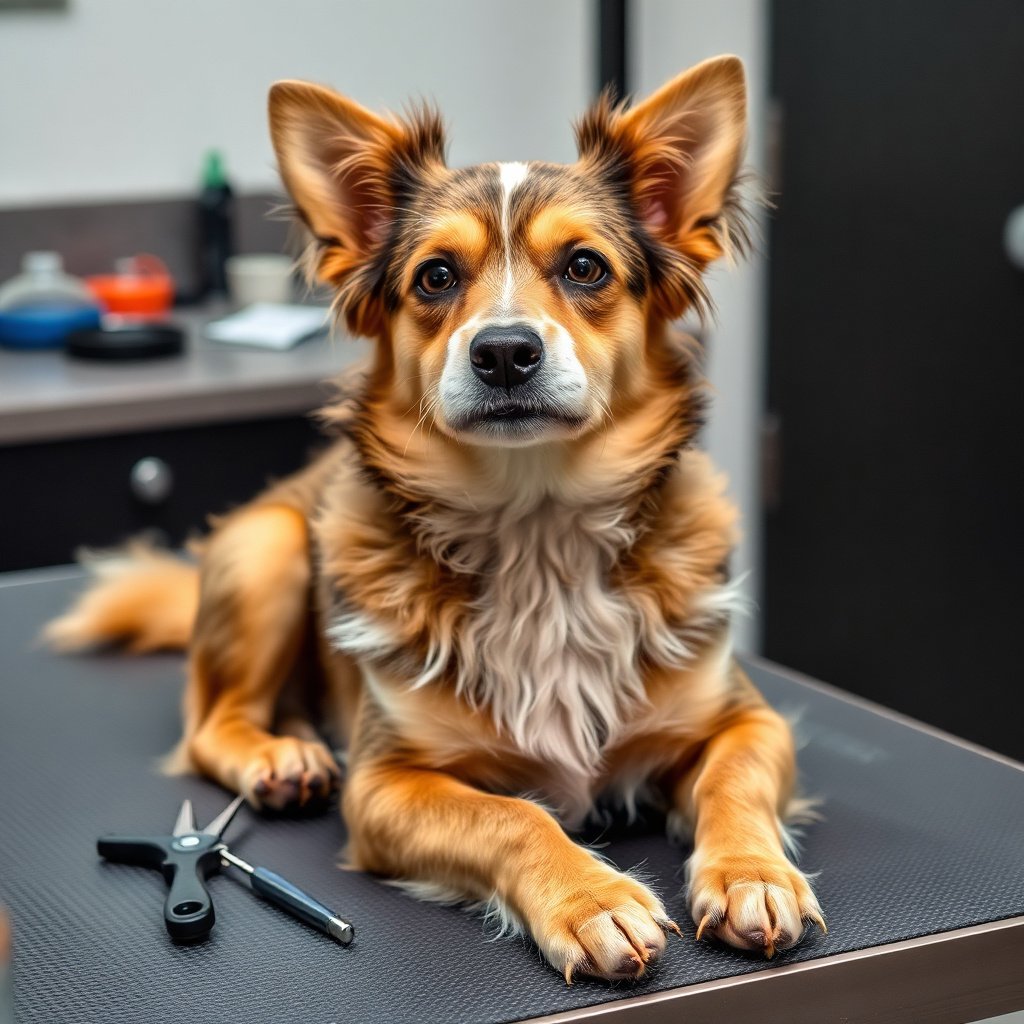
Creating a Calm Environment
Choose a quiet space free from distractions like loud noises or other pets. Soft background music or white noise can sometimes soothe your dog. Keeping grooming sessions brief and positive sets the stage for cooperation by preventing frustration or overstimulation.
Use non-slip mats on grooming tables or floors to help your dog feel secure. Placing familiar toys or blankets nearby adds comfort. Preparing treats in advance allows for immediate positive reinforcement when your dog remains calm.
- Quiet, enclosed area
- Non-slip surface
- Familiar toys or blankets
- Prepared treats
Desensitizing Your Dog to Grooming Tools
Allow your dog to sniff and explore grooming tools before using them. Turn on clippers or blow dryers near your dog without grooming to get them accustomed to sounds gradually. Repeated exposure over several days can reduce fear or anxiety.
Pair introductions with treats and praise to create positive associations. Avoid forcing tools onto your dog early on, which can increase resistance. Slowly build familiarity over multiple sessions.
- Let dog sniff tools
- Play clipper sounds softly
- Reward calm behavior
- Introduce tools gradually
Techniques for Grooming a Dog That Won't Sit Still
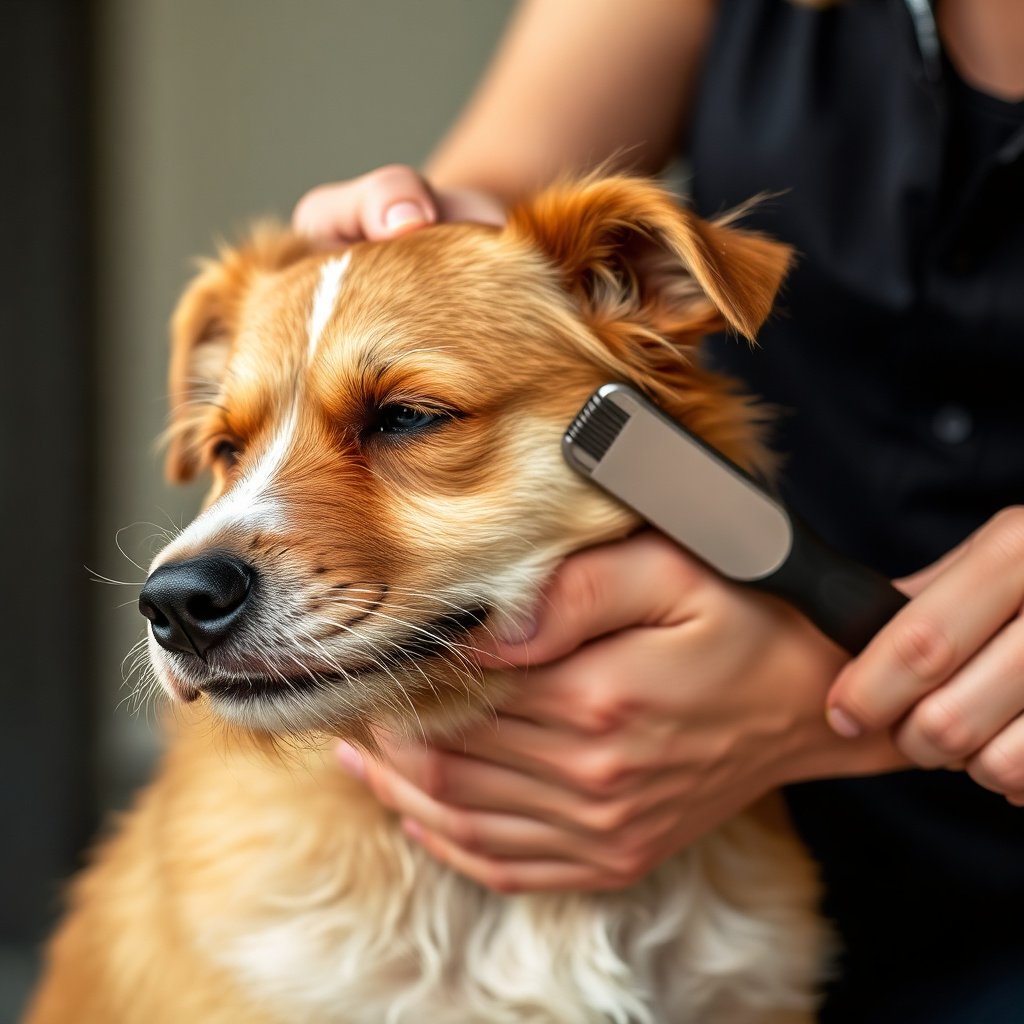
Distraction and Restraint Methods
Use treats or toys to distract your dog’s attention during grooming. Handing a chew toy or stuffing a treat-dispensing toy can keep your dog engaged and less focused on the grooming itself. For larger dogs, a grooming harness or leash attached to a secure area can provide gentle restraint without causing distress.
Never use forceful restraint that can provoke anxiety or aggression. Instead, try gentle but firm holds that allow you to control movements safely. Alternatively, enlisting a second person to assist by comforting and distracting your dog helps the grooming process.
- Use treat-dispensing toys
- Employ gentle restraint tools
- Avoid harsh force
- Ask for help when needed
Breaking Grooming into Manageable Steps
Perform grooming tasks in short intervals rather than one long session. Focus on one body part at a time, such as brushing the coat, clipping nails, or cleaning ears. This approach prevents overwhelming your dog and allows them to rest or move between steps.
Between intervals, praise your dog and offer breaks with play or treats. This builds a positive experience that encourages your dog to tolerate grooming activities that once caused resistance.
- Short grooming sessions
- One task at a time
- Frequent praise and breaks
- Use treats as rewards
Choosing the Right Grooming Tools
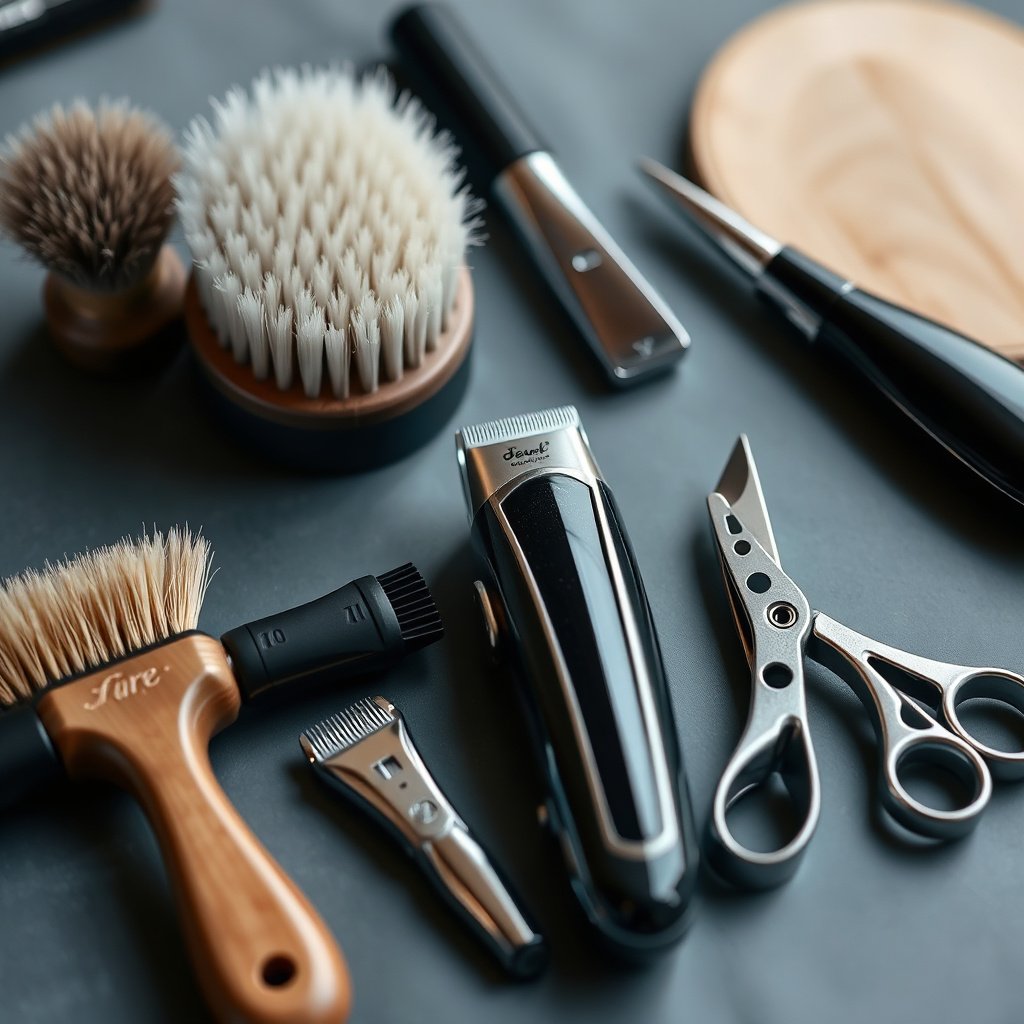
Selecting Brushes and Combs
For dogs that won’t sit still, quick and effective grooming tools save time. Slicker brushes work well for removing tangles in medium to long coats, while bristle brushes suit short-haired breeds. Combs with wide and narrow teeth help loosen mats gently, minimizing discomfort.
Choose lightweight, ergonomic tools to maintain control with less effort. Tools that are easy to clean also reduce grooming time, contributing to a smoother experience.
- Slicker brush for tangles
- Bristle brush for short hair
- Wide and narrow tooth combs
- Lightweight, ergonomic design
Using Clippers and Nail Trimmers Safely
Electric clippers with quiet motors reduce noise stress in sensitive dogs. Use clipper guards to avoid cutting too close to the skin, lowering chances of irritation. For nails, sharp trimmers with safety stops prevent accidental injury during fidgeting.
Keep grooming tools well-maintained to avoid snagging or pulling hair, which can scare a restless dog. Regular sharpening and cleaning extend tool lifespan and comfort for your dog.
- Quiet motor clippers
- Clipper guards for safety
- Nail trimmers with safety stops
- Regular tool maintenance
Maintaining Grooming Habits for Active Dogs
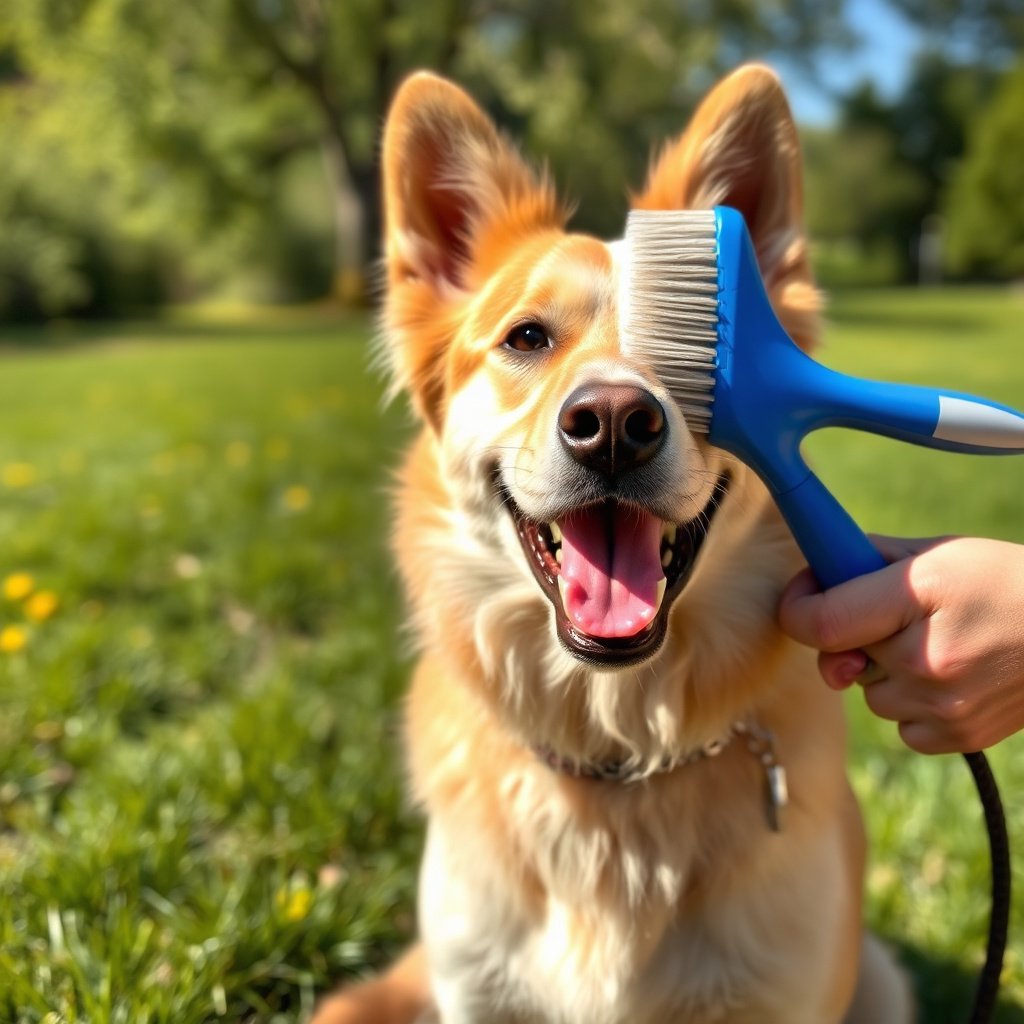
Establishing a Grooming Routine
Consistency helps your dog understand grooming as a normal part of life. Schedule grooming sessions at regular intervals—weekly brushing and monthly baths are typical for many breeds. Predictable routines reduce your dog's anxiety and resistance over time.
Record grooming habits and note which techniques your dog prefers or dislikes. Adjust sessions accordingly to keep them as stress-free as possible, especially when dealing with an energetic or easily distracted dog.
- Groom weekly or monthly
- Keep sessions predictable
- Track your dog's reactions
- Adjust techniques as needed
Rewarding Positive Behavior
Positive reinforcement teaches your dog to associate grooming with good outcomes. Offer treats, praise, and affection immediately after grooming steps completed calmly. Use a consistent reward schedule to strengthen cooperation over time.
Consider using calm voice tones and gentle petting throughout grooming to relax your dog further. This makes grooming not just a necessity but a pleasant bonding moment.
- Immediate treat rewards
- Consistent praise
- Calm, soothing voice
- Gentle petting
Safety and Health Considerations
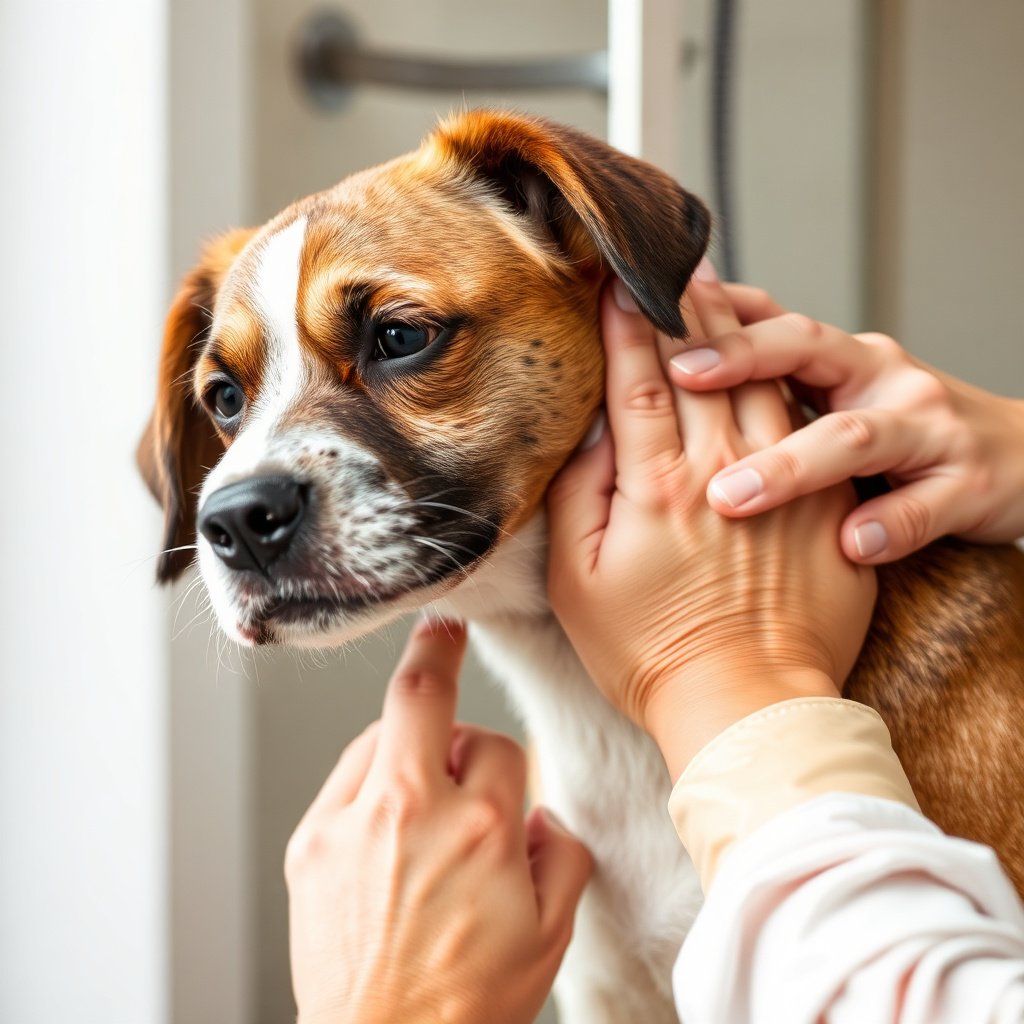
Watching for Skin Problems
Dogs that move a lot during grooming may hide skin irritation or injuries. Regularly check for redness, swelling, bumps, or hotspots. Early detection of skin issues prevents infections and discomfort.
Use a gentle touch when handling sensitive areas such as underarms, groin, and behind ears where mats often form. Stop grooming if your dog shows signs of pain and consult a veterinarian if needed.
- Regularly check skin
- Handle sensitive areas gently
- Stop if dog is in pain
- Consult vet for wounds
Preventing Nail and Ear Damage
Nail trimming can be challenging with restless dogs but is vital to avoid overgrown nails that cause pain or walking issues. Use sharp trimmers and bright lighting to see quickly. If your dog resists, trim just a few nails per session to build tolerance.
Ear cleaning requires caution to avoid hurting the dog. Use vet-recommended solutions and cotton balls instead of cotton swabs. If your dog struggles excessively, ask a professional groomer or veterinarian for help.
- Trim nails carefully and gradually
- Use vet-approved ear cleaners
- Avoid cotton swabs in ears
- Seek professional help if needed
Professional Grooming Options
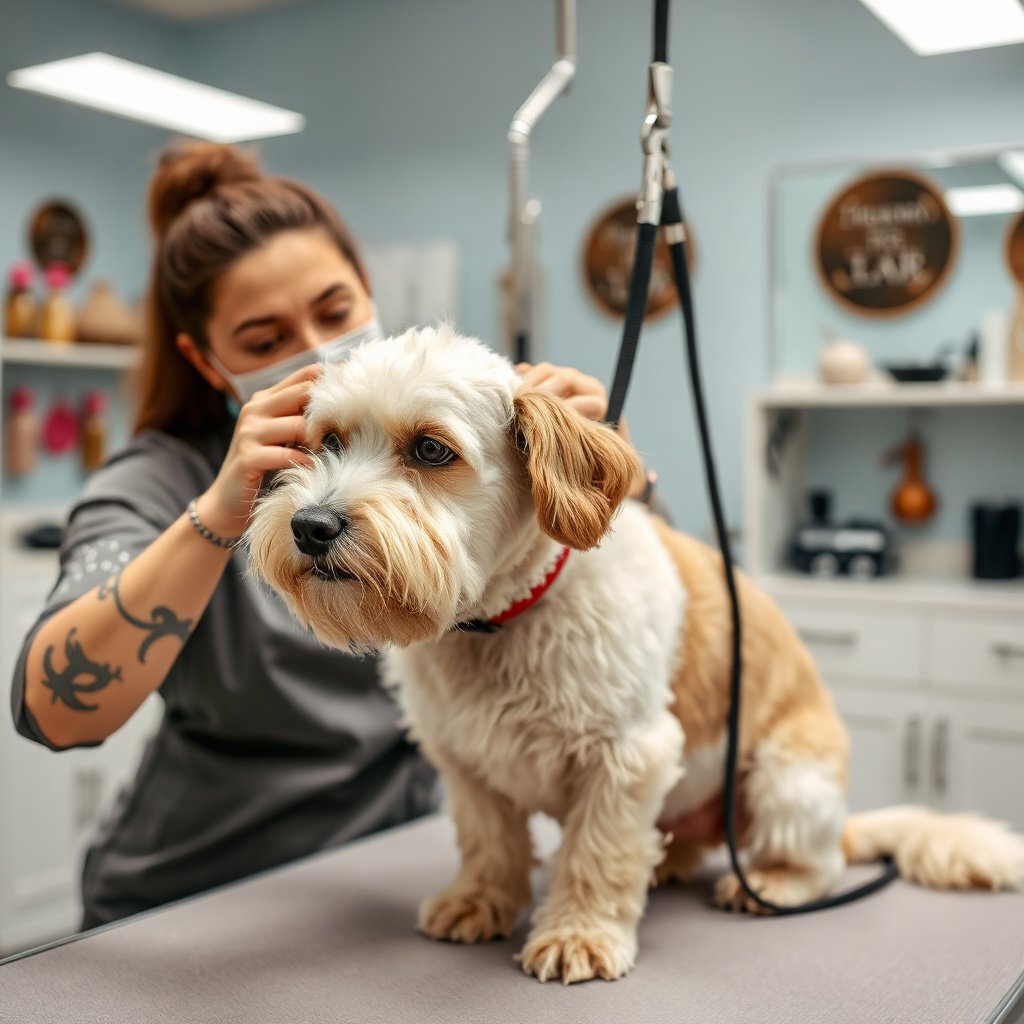
When to Choose a Professional Groomer
If your dog becomes overly stressed or aggressive during grooming attempts, professional groomers have experience handling active pets. They can safely complete bathing, trimming, and nail care with specialized equipment and techniques.
Certain coat types and breeds require expert handling for proper grooming. Also, dogs with medical conditions or sensitive skin benefit from professional care to avoid complications.
- High stress or aggression during grooming
- Complex coat types
- Medical or skin conditions
- Need for precise trimming
For additional tips and detailed guidance, readers can visit the dog grooming information from the American Kennel Club. dog grooming information from the American Kennel Club.
Preparing Your Dog for a Grooming Appointment
Prepare your dog by exercising them before the appointment to help expend excess energy. Bring along familiar treats or toys to comfort them during the visit.
Communicate any behavioral concerns to the groomer ahead of time. Providing your dog's grooming history ensures tailored care and a safer, more effective session.
- Exercise your dog before visit
- Bring treats or toys
- Share behavioral info
- Discuss health issues with groomer
Grooming Approaches for Dogs That Won't Sit Still
Here’s a comparison of popular grooming methods suited for dogs that are difficult to keep still, highlighting pros and cons for each.
| Grooming Method | Best For | Advantages | Challenges |
|---|---|---|---|
| At-Home Grooming | Owners with time and patience | Convenient, bonding opportunity | Requires skill, patience, and calm dog |
| Professional Grooming | Busy owners or difficult dogs | Expert handling, complete services | Costly, may stress some dogs initially |
| Mobile Grooming Services | Dogs anxious in salons | Convenient, familiar environment | Limited availability, price varies |
| Partial Grooming (Nail/Ear Care Only) | Very fidgety dogs | Focuses on essential care | Does not cover full grooming needs |
Frequently Asked Questions
How can I calm my dog before grooming if it won’t sit still?
Exercise your dog first to burn off excess energy, then create a calm environment with soft sounds and minimal distractions to help your dog relax before grooming.
Are there grooming tools better suited for active dogs?
Yes, lightweight, ergonomic brushes and quiet electric clippers with safety guards are best for managing active dogs quickly and safely during grooming.
Is it safe to groom my dog if it keeps moving constantly?
Use gentle restraint and avoid forcing your dog. Break grooming into short sessions to reduce stress and risk of injury, and stop if your dog shows signs of pain.
When should I consider taking my dog to a professional groomer?
If your dog becomes aggressive, overly anxious, or has specialized grooming needs, professional groomers can provide safe and effective care.
How often should I groom a dog that is very active and fidgety?
Frequent short grooming sessions, such as weekly brushing and monthly baths, help keep your dog comfortable without overwhelming them.
Key Takeaways
- Create a calm, distraction-free grooming environment
- Use gentle restraint and break grooming into short steps
- Choose lightweight, quiet grooming tools for active dogs
- Consider professional grooming if home sessions become too stressful
Conclusion
Deciding how to groom a dog that won’t sit still depends on your dog’s temperament, your experience level, and available resources. Patience and positive reinforcement are essential components in establishing grooming as a stress-free routine. Taking time to prepare, choosing tools wisely, and being attentive to your dog's reactions leads to safer and more effective grooming sessions.
For dogs that are particularly restless, breaking grooming into short, manageable steps and using distraction methods like treats and toys can significantly improve cooperation. Lightweight brushes and quiet clippers reduce sensory discomfort, helping dogs feel more at ease. If grooming attempts consistently cause distress or seem unsafe, seeking a professional groomer experienced with active dogs is a practical choice.
Start by incorporating these techniques during your next grooming session, adjusting based on your dog's responses. Establish a steady routine and reward calm behavior generously. Over time, with consistent care and gentle handling, even dogs that won’t sit still can become more comfortable with grooming, improving their health and your shared moments.


One Comment